
Learning how to season food can transform the way you cook. You may use fresh ingredients and follow every step of a recipe. However, the finished dish can still taste flat. In many cases, the problem is not what you added. It is when you added it.
I learned how to season in layers the hard way during my early years in professional kitchens. Like many young cooks, I thought I could correct the flavor at the end. However, one costly experience taught me that some cooking mistakes cannot be fixed with a final pinch of salt.

I shared that story in The Most Expensive Mistake I Made as an Apprentice Chef. That difficult moment taught me more than how to avoid waste. It also showed me the importance of tasting, paying attention, and building flavor from the beginning.
Professional chefs rarely wait until the end to season a dish. Instead, they add small amounts at different stages. They may season the onions first, the meat separately, and the sauce while it cooks. Finally, they taste the completed dish and make one last adjustment.
We call this technique seasoning in layers.
It may sound like a complicated restaurant secret. However, any home cook can use it. You do not need expensive spices or professional equipment. You only need to understand how flavor develops during cooking.
Most importantly, seasoning in layers does not mean using more salt. It means using seasoning with greater care. Each ingredient receives attention at the right moment. As a result, the finished dish tastes balanced, rich, and complete.
What Does Seasoning in Layers Really Mean?
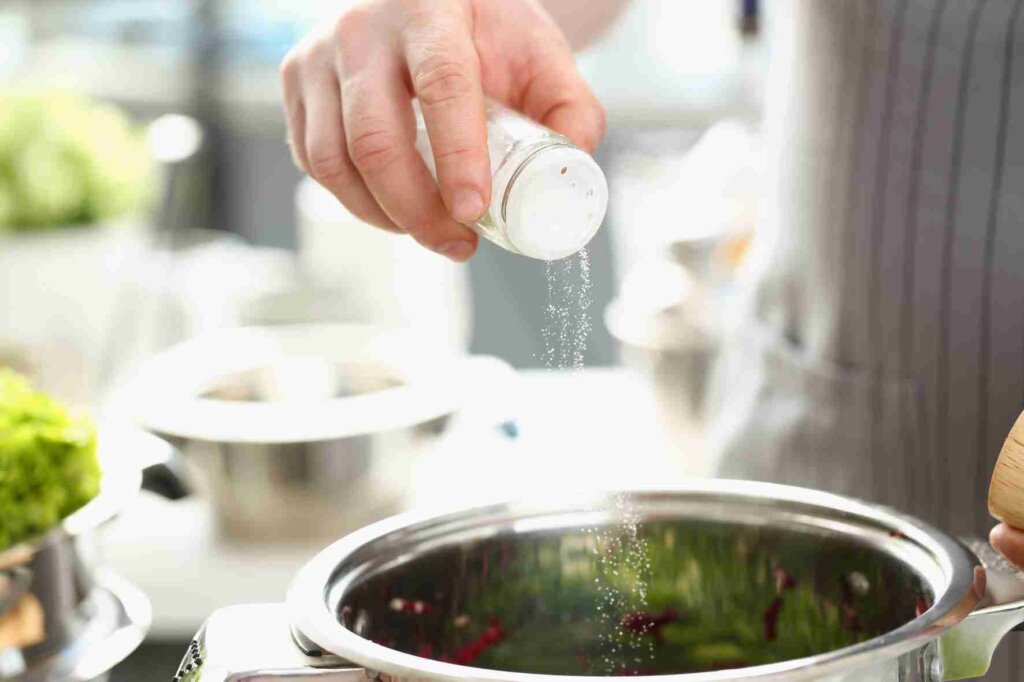
Seasoning in layers means adding flavor gradually throughout the cooking process. You do not add one large amount at the beginning or end. Instead, you season each main ingredient as it enters the dish.
Imagine that you are preparing chicken and beans stew. First, you season the chicken lightly before browning it. Next, you add the onions and give them a small pinch of salt. Then, you add the garlic, spices, beans, tomatoes, and cooking liquid.
As the stew simmers, you taste it again. Finally, you adjust the seasoning before serving.
Each step creates a new layer. Together, these layers build a deeper and more balanced flavor.
This technique also helps every part of the stew taste connected. The chicken blends naturally with the rich tomato sauce. Meanwhile, the beans absorb some of the seasoned cooking liquid. As a result, the chicken, beans, and sauce come together as one complete dish.
Give Every Ingredient Its Own Attention
Different ingredients need different amounts of seasoning. Potatoes, rice, and grains can absorb a great deal of cooking liquid. Therefore, the liquid must have enough flavor. Mushrooms and onions release moisture as they cook. A light pinch of salt can support this process and bring out their natural taste.
Meat requires a different approach. Seasoning it before cooking helps flavor the surface. It also supports the delicious crust that forms during browning.
However, ingredients such as cheese, olives, capers, cured meat, soy sauce, and prepared stock already contain salt. You must consider them before adding more.
This is why chefs do not follow seasoning rules blindly. We look at the entire dish. We think about what is already in the pan and what we will add later.
For example, a risotto may taste slightly underseasoned before adding Parmesan cheese. Once the cheese melts into the rice, the flavor changes. If you added too much salt earlier, the finished risotto could become unpleasantly salty.
Layered seasoning requires patience and awareness. It is not about sprinkling salt at every possible moment. It is about making small, thoughtful decisions as the dish develops.
How to Season Food in Three Main Stages
Most dishes have three basic seasoning stages: the beginning, the middle, and the end.
At the beginning, you build the foundation. You may lightly season meat, onions, or vegetables. You might also toast spices in oil to release their aroma.
During the middle stage, the ingredients begin to combine. Liquids reduce, vegetables soften, and sauces thicken. At this point, you taste the food and watch how the flavor changes.
The final stage is about correction and freshness. You may need a small pinch of salt, a squeeze of lemon, a little black pepper, or some fresh herbs.
Each stage serves a different purpose.
Seasoning early gives the flavors time to develop. Tasting in the middle helps you stay in control. Adjusting at the end brings the dish into balance.
Small Amounts Give You Greater Control
Chefs usually add seasoning in small amounts because cooking changes concentration. A sauce that tastes balanced at the beginning may become salty after reducing. Water evaporates, but the salt stays in the pan.
The same thing happens with soups and stews. As the liquid cooks down, its flavor becomes stronger. Therefore, early seasoning should create a foundation without completely finishing the dish.
This is especially important when using salty stock or reducing a sauce for a long time.
A heavy hand at the beginning leaves little room for correction. Small amounts allow you to respond to the food as it cooks.
Season lightly. Taste often. Then, adjust with purpose.
Once you begin using this method, you will depend less on exact spoon measurements. You will start noticing how each ingredient changes the flavor. Over time, seasoning becomes a conversation between you and the food rather than one final action before serving.
Why You Cannot Season Food Only at the End
You finish cooking, take a bite, and notice that something is missing. So, you add a generous pinch of salt.
The next bite tastes salty. Yet the food underneath still seems strangely bland.
What happened?
The salt reached the surface, but it arrived too late to become part of the dish. Instead of bringing out the ingredients, it simply sat on top of them.
This is one of the main differences between food that tastes properly seasoned and food that only tastes salty.
Try This Simple Potato Test
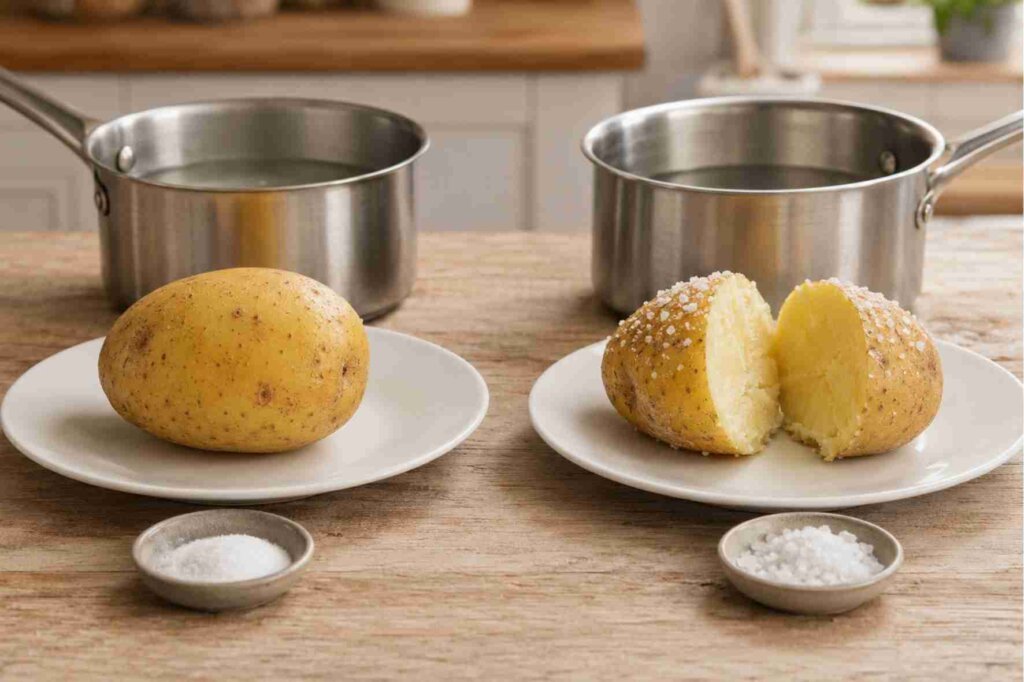
You can experience this difference with a simple kitchen experiment.
Boil two potatoes in separate pots. Lightly salt the water in one pot, but leave the other pot unsalted. Once both potatoes become tender, sprinkle salt over the potato cooked in plain water.
Now taste them side by side.
The potato cooked in seasoned water will usually taste more balanced. Its flavor feels natural and even. The second potato may taste salty on the outside but plain in the center.
Both potatoes received salt. However, they received it at different stages.
That small difference changes the result.
How to Season Food from the Inside
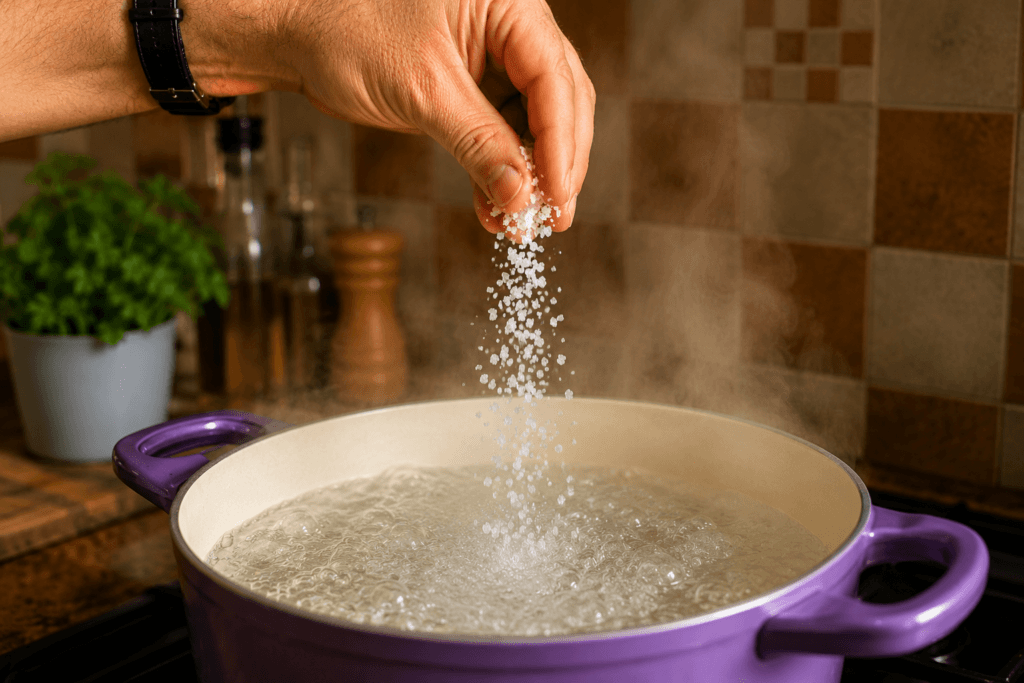
Pasta, rice, potatoes, beans, and grains absorb liquid as they cook. Therefore, their cooking liquid gives you an early opportunity to build flavor.
Think about a plate of pasta. You want the pasta and sauce to taste like one complete dish. You do not want a delicious sauce sitting over bland noodles.
Lightly salted cooking water helps prevent that problem. The pasta develops flavor before it even reaches the sauce. Then, when you toss everything together, the dish tastes more complete.
The starch left in the pasta water can also help the sauce cling to the pasta. It can create a smoother texture and bring the entire dish together. For this reason, chefs often save some of the cooking water before draining the pasta.
However, you do not need to make the water extremely salty. The famous advice to make pasta water taste “like the sea” can easily lead to an oversalted dish. This is especially true when the recipe contains Parmesan, olives, capers, anchovies, or another salty ingredient.
Always season with the finished plate in mind.
The same idea applies to rice and grains. In tomato bulgur pilaf, for example, the bulgur cooks directly in a mixture of tomatoes, onions, seasoning, and liquid. As it softens, it absorbs those flavors.
That is why every spoonful tastes complete. The flavor does not sit only on the surface. It becomes part of the bulgur itself.
Your Sauce Becomes Stronger as It Reduces
A sauce can quietly become saltier without receiving another pinch of salt.
As the sauce simmers, water escapes as steam. However, the salt stays in the pan. Therefore, the sauce becomes more concentrated with every passing minute.
Imagine tasting a tomato sauce after ten minutes. It seems mild, so you add more salt. Then, you leave it to reduce.
Thirty minutes later, the sauce has reached the perfect thickness. Unfortunately, it now tastes too salty.
The problem was not only the amount of salt. You also forgot to consider what would happen during cooking.
Chefs learn to think ahead. We ask several questions before adding more seasoning. Will the sauce continue to reduce? Will we add salty cheese? Does the recipe include prepared stock, olives, or cured meat?
The answers help us decide how much seasoning to add at each stage.
This is why early seasoning should create a foundation without completely finishing the dish. You still need room to adjust the flavor later.
Do Not Automatically Reach for More Salt
The final taste remains essential. However, salt is not always the answer.
Sometimes a dish contains enough salt but still tastes dull. In that case, adding more salt may only make the problem worse.
The food may need acidity instead. A squeeze of lemon can wake up a heavy sauce. A small splash of vinegar can brighten a stew. Fresh herbs can restore freshness after a long cooking time.
Fat can also change the balance. A little butter can soften sharp acidity and give a sauce a smoother finish. Olive oil can carry the aroma of herbs and spices across the palate.
Before adding anything, pause and ask:
- Can I clearly taste the main ingredient?
- Does the dish taste dull or simply underseasoned?
- Would lemon or vinegar make it brighter?
- Has the sauce become too concentrated?
- Will I add cheese, olives, or another salty ingredient?
- Would fresh herbs improve the final aroma?
This short pause can save a dish.
Learning how to season food is not about memorizing one perfect amount of salt. It is about tasting, noticing, and responding. The more often you do it, the easier it becomes.
Over time, you will stop seasoning out of habit. Instead, you will begin adding every pinch with a clear purpose.
How to Season Food While Building the Flavor Base
Many savory recipes begin with simple ingredients. Onions, garlic, celery, carrots, and peppers often enter the pan first. They may not look exciting. However, they create the foundation of the entire dish.
Chefs call this the flavor base.
If that base tastes weak, every ingredient added later must work harder. A rich stock or strong spice may help. Still, it cannot always repair a dull beginning.
Therefore, good seasoning starts before the main ingredient reaches the pan.
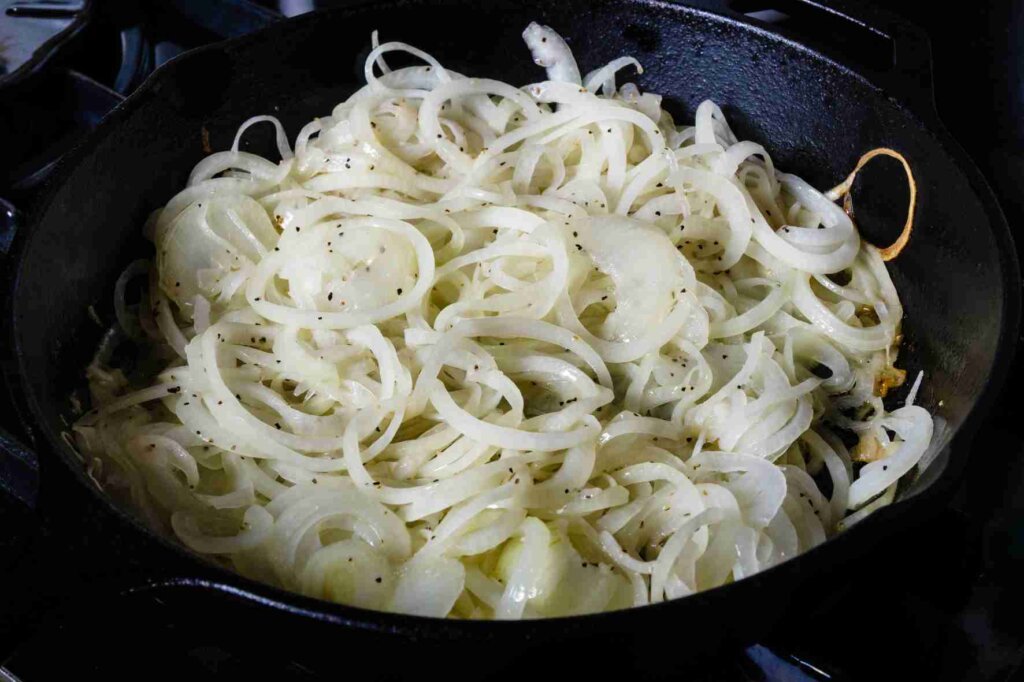
Imagine adding chopped onions to warm olive oil. At first, they smell sharp and strong. As they cook, they soften and release moisture. Their flavor becomes sweeter and more delicate.
A small pinch of salt supports this change. It helps the onions release moisture and brings out their natural sweetness. More importantly, it creates the first layer of seasoning.
However, keep the amount small. The onions are only the beginning. Stock, cheese, olives, and other ingredients may add more salt later.
Listen to the Pan
Professional cooks use more than taste to guide them. We also listen.
When onions enter a warm pan, you should hear a gentle sizzle. As they release moisture, the sound may become softer. If the pan stays completely quiet, it may not be hot enough. If the onions crackle strongly and darken at once, the heat may be too high.
The aroma also changes. Raw onions smell sharp. Softened onions smell sweet and mellow. Garlic becomes warm and fragrant, but it can turn bitter within seconds if it burns.
These signs tell you when to move to the next stage.
You can see this technique in a well-made tomato basil sauce. The sauce does not begin when you add the tomatoes. It begins when the first aromatics enter the pan. Soft onions and carefully cooked garlic create the background that supports the tomato and basil.
If you rush this stage, the sauce may taste sharp or unfinished. If you allow the base to develop, the finished sauce tastes smoother and more complete.
Why Aromatics Need Their Own Seasoning Layer
Aromatics often sit quietly in the background. For that reason, many cooks focus on the chicken, meat, or sauce and forget about them.
Yet aromatics shape every bite.

Suppose you are preparing a pot of pumpkin soup. The pumpkin may be the main ingredient, but it cannot create the entire flavor alone. The onions, garlic, stock, herbs, and seasoning all help develop its character.
Start by softening the onions with a light pinch of salt. Then, add the garlic and any warm spices. Once they become fragrant, add the pumpkin and liquid.
Now each stage supports the next one.
If you place everything in the pot at once, the soup may still cook. However, you lose the chance to develop each ingredient properly. The onions may not release their full sweetness, while the spices may taste muted.
This is one reason a soup can contain good ingredients and still lack excitement. If you often face that problem, Why Does My Soup Taste Flat? explains how salt, acidity, sweetness, fat, and texture can restore balance.
Add Spices at the Right Moment
Spices also need careful timing.
When you add ground spices directly to a large amount of liquid, their aroma may remain weak. Instead, add them to the warm oil after the onions soften.
Stir them briefly. Heat and oil help release their fragrance and spread it throughout the dish.
Cumin, coriander, paprika, turmeric, and many spice blends respond well to this technique. However, ground spices burn quickly. Watch them closely and add the next ingredient as soon as their aroma becomes stronger.
Your nose will tell you when they are ready.
Dried herbs often need time to soften and release their flavor. Therefore, many work well during cooking. Fresh herbs behave differently. Long exposure to heat can weaken their color and aroma, so delicate herbs often work better near the end.
Thyme and rosemary can handle longer cooking. Parsley and basil usually taste brighter when added later.
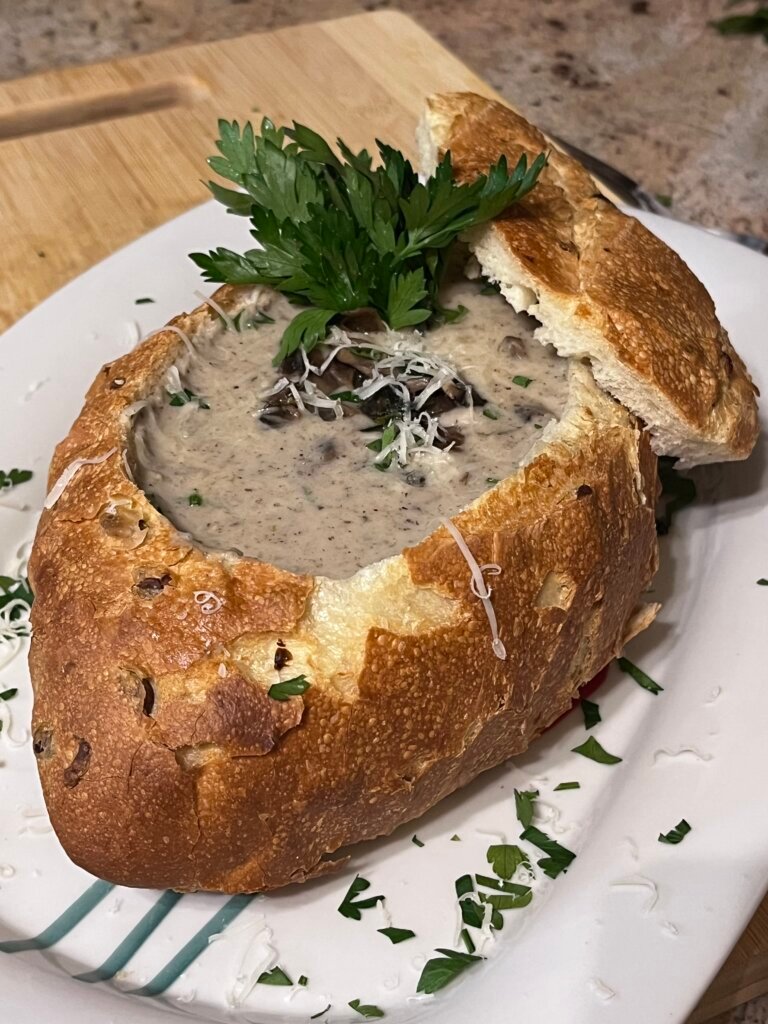
Consider creamy mushroom soup. First, the lightly seasoned onions create a sweet base. Next, the mushrooms release their moisture and develop a deeper flavor as they cook. The stock and cream then bring these layers together. As a result, the soup tastes rich and balanced instead of depending on a large amount of salt at the end.
Give Each Vegetable a Chance to Taste Good
Think about a tray of roasted vegetables. You may have potatoes, carrots, zucchini, peppers, and onions on the same tray. They look like one dish, but they do not behave in the same way.
Potatoes and carrots need more time. Zucchini contains more water and softens quickly. Onions can become sweet and golden, while peppers turn tender and slightly smoky.
If you treat every vegetable exactly the same, some may taste wonderful while others become bland or overcooked.
Begin by cutting the vegetables into suitable sizes. Then, coat them lightly with oil. The oil helps the seasoning stick and supports browning.
Next, distribute the salt and spices evenly. Do not leave most of the seasoning in one corner of the tray. Toss everything carefully so each piece receives a light coating.
Also, avoid crowding the vegetables. When you pack too many pieces together, they trap steam. They become soft and watery instead of developing golden edges.
Once they leave the oven, taste them again. A small squeeze of lemon, a little black pepper, fresh herbs, or a drizzle of olive oil may complete the flavor.
The Goal Is Not to Taste Every Addition
When you season correctly, your guests should not notice every pinch of salt or every spice.
They should notice the food.
The pumpkin should taste richer. The tomato should taste brighter. The vegetables should keep their own character. No single seasoning should cover the main ingredients.
That is the beauty of layered seasoning. Each addition supports the next one.
The onions add sweetness. The spices add warmth. Salt brings the natural flavors forward. Acidity adds brightness. Fresh herbs provide a final lift.
Together, these small choices turn a basic mixture of ingredients into a dish that tastes thoughtful, balanced, and complete.
How to Season Food Before It Reaches the Pan
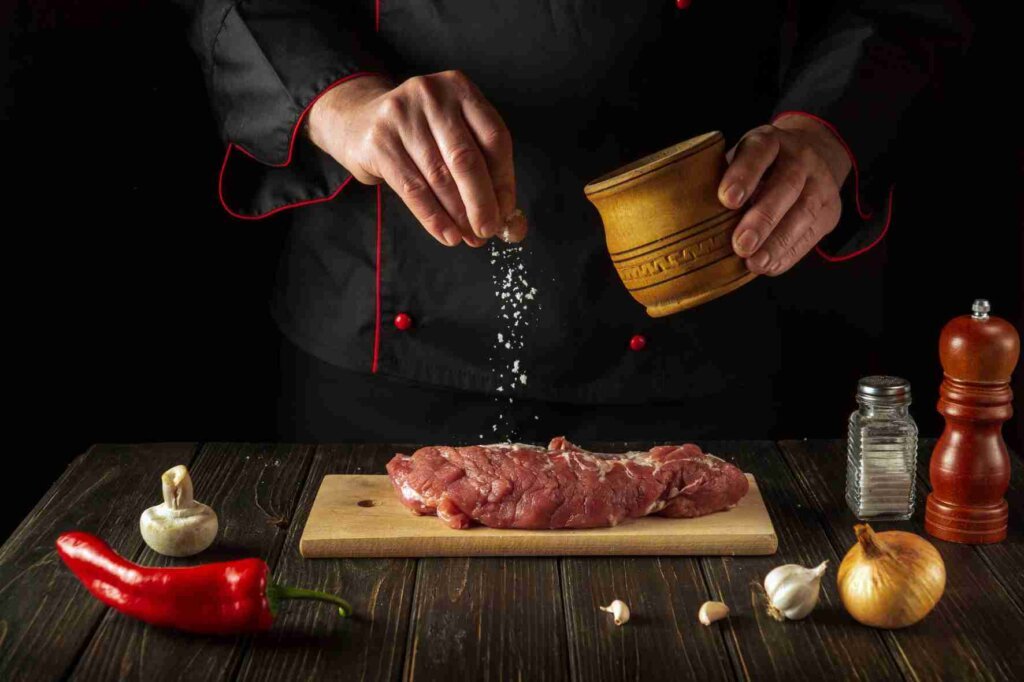
Some ingredients need attention before cooking even begins. Chicken, meat, and fish are good examples.
If you season only the sauce around them, their surface may taste flavorful while the inside remains plain. However, when you season the protein itself, you give it its own flavor foundation.
Start by drying the surface with kitchen paper. Excess moisture can weaken the seasoning and make browning more difficult. A dry surface helps salt and spices stay in place. It also helps chicken, meat, and fish develop better color.
Next, season the entire surface. Do not sprinkle everything over the center and forget the sides. Turn the piece over and check every area.
This sounds simple. Yet uneven seasoning creates uneven bites. One side may taste delicious, while the other tastes plain.
Season the Protein, Not Only the Coating
When preparing breaded food, cooks often focus on the outer layer. They add salt, pepper, paprika, or herbs to the breadcrumbs but leave the protein underneath unseasoned.
The first bite may taste good because the coating is crisp and flavorful. Once that coating separates, however, the chicken or fish may taste bland.
For dishes such as crispy chicken, season the chicken lightly before breading it. Then, season the flour or breadcrumb mixture separately. Each layer needs flavor, but neither one should receive too much.
The same rule applies to fish fingers. The fish needs gentle seasoning, while the coating requires its own balanced mixture. Together, they create a finished bite that tastes complete from the crust to the center.
This does not mean doubling the total amount of salt. Divide the seasoning carefully between the layers.
Think of the complete bite before seasoning each part.
When Should You Salt Chicken and Meat?
There is no single timing rule for every protein. The size, cut, and cooking method all matter.
You can season thin chicken pieces shortly before cooking. Larger pieces may benefit from more time. Salt needs time to work across the surface, while marinades can add aroma and character.
However, do not leave seasoned meat at room temperature for a long period. Keep it refrigerated until you are ready to cook it. Safe handling matters as much as flavor.
For grilled chicken, a marinade can create several seasoning layers at once. Salt provides the foundation. Lemon juice adds brightness. Garlic, herbs, and spices add aroma. Oil helps carry those flavors across the surface.
You can taste this balance in shish tawook. Its flavor does not come from salt alone. The marinade combines acidity, aromatics, spices, and fat before the chicken reaches the grill.
Then, cooking adds another layer. The hot grill creates browned edges and a light smoky taste. Finally, serving the chicken with Lebanese garlic dip adds richness and a sharp garlic finish.
Each stage contributes something different.
Browning Adds Flavor, but It Needs the Right Conditions
A beautifully browned piece of chicken or meat already looks more appetizing. That color also brings deeper roasted flavors.
However, browning becomes difficult when the surface is wet.
Before placing meat in a hot pan, remove excess marinade and moisture. You do not need to wipe away every trace of flavor. Still, the surface should not drip with liquid.
Also, avoid crowding the pan. When too many pieces cook together, they release moisture and trap steam. Instead of browning, they begin to boil in their own liquid.
Cook in batches when necessary. Give each piece enough space to touch the hot pan.
Then, resist the urge to move it immediately. Allow time for a crust to form. If the protein sticks strongly, it may not be ready to turn. Once it browns, it often releases more easily.
Seasoning and browning work together. Salt and spices support the natural flavor, while heat creates another layer that seasoning alone cannot provide.
Fish Needs a Gentler Approach
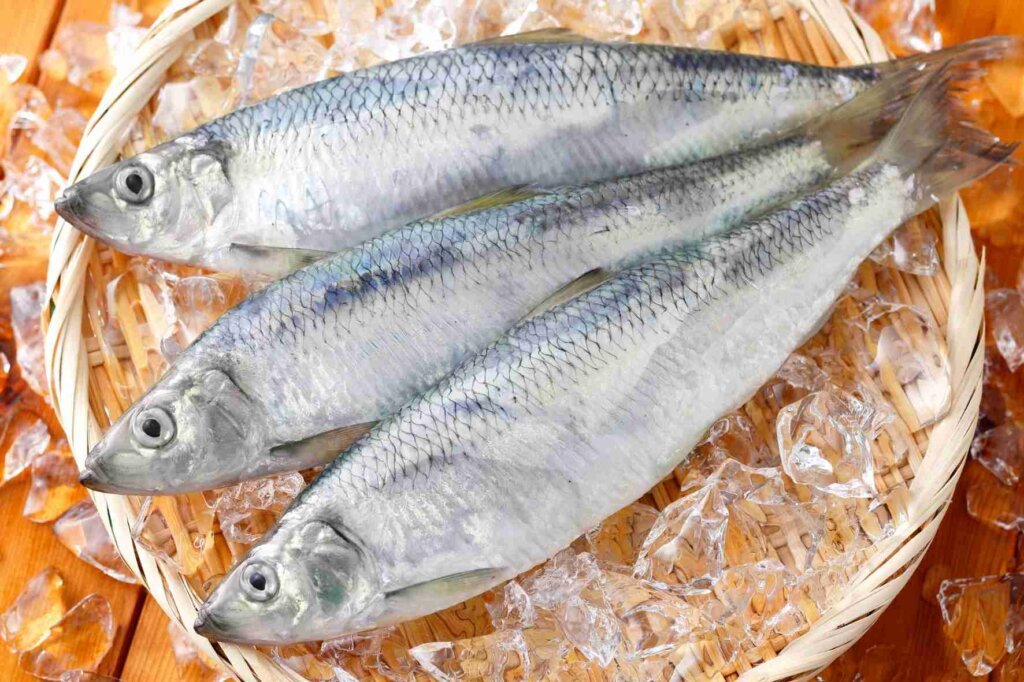
Fish often requires less seasoning than chicken or red meat. Its flavor can be delicate, so strong spices or too much salt may hide it.
Begin with a light, even layer. Then, consider how you will serve the fish.
Will it come with a salty sauce? Will you add lemon juice? Does the coating contain Parmesan or seasoned breadcrumbs? Will you serve it with tartar sauce?
All these elements affect the final balance.
Acid works especially well with fish, but timing matters. Lemon juice can brighten cooked fish. However, leaving delicate fish in a strong acidic marinade for too long can change its texture.
For many simple fish dishes, salt and pepper before cooking followed by fresh lemon at the end may be enough.
The goal is to make the fish taste more like itself, not to cover it.
Let the Sauce Add the Final Layer
Sauces and dips can complete the seasoning, but they should not rescue bland food.
Crispy chicken should taste good before you dip it into sauce. Fish fingers should have flavor beneath their coating. Grilled meat should not depend entirely on what you serve beside it.
Then, the sauce can add contrast.
A creamy sauce can cool a spicy coating. A sharp sauce can cut through rich fried food. Lemon can brighten grilled fish, while garlic dip adds boldness to chicken.
This is where layered seasoning becomes especially enjoyable. One bite can include salt, acidity, crispness, richness, aroma, and heat. Yet no single element needs to overpower the rest.
When every component receives the right attention, the finished plate tastes balanced from the first bite to the last.
How to Season Food Without Depending Only on Salt
Salt plays an important role in cooking. It brings natural flavors forward and helps ingredients taste more complete. However, salt cannot solve every flavor problem.
Sometimes you taste a dish and know that something is missing. Your first reaction may be to add more salt. You taste it again, but the dish still feels dull. Now it is also becoming too salty.
This usually means the food needs a different kind of balance.
It may need acidity, sweetness, richness, heat, or freshness. Learning to recognize these needs will help you season with greater confidence.
Acid Can Wake Up a Heavy Dish
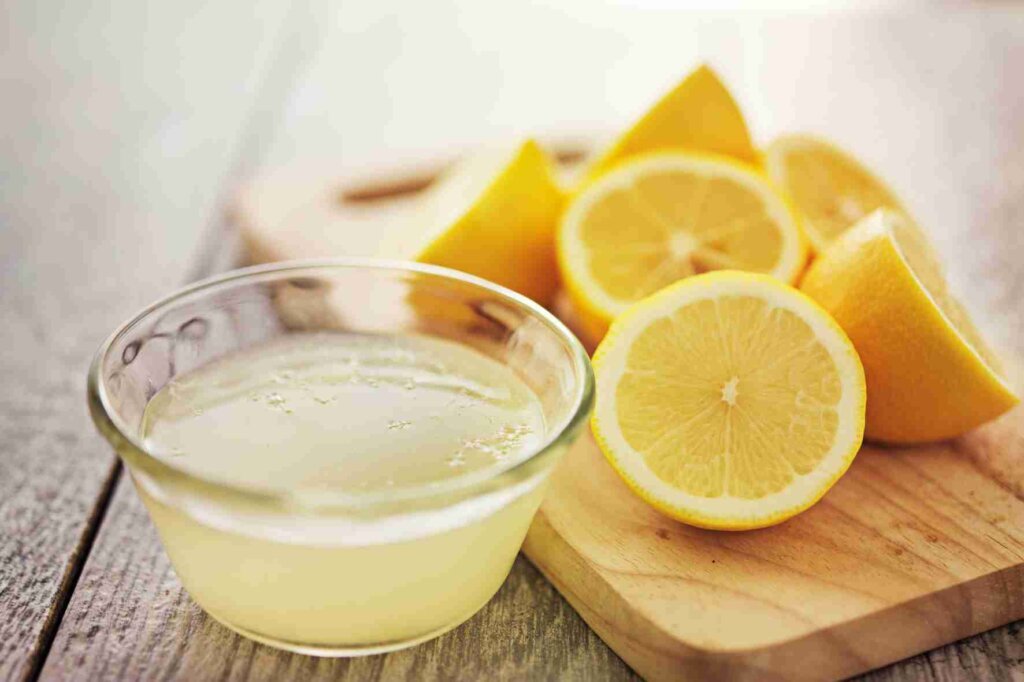
Acid brings brightness to food. It can lift a rich sauce, freshen a stew, and make vegetables taste more lively.
Lemon juice, vinegar, tomatoes, yogurt, and mustard can all provide acidity. However, they do not taste the same. Lemon feels fresh and citrusy, while vinegar can taste sharper. Yogurt adds acidity with creaminess, and mustard adds both acidity and heat.
Imagine tasting a rich chicken stew. It has enough salt, but the sauce feels heavy. A small squeeze of lemon may bring the flavors back into focus.
The same idea applies to salads. Salt alone cannot create a balanced dressing. A good vinaigrette needs acidity to cut through the oil.
In a berry honey vinaigrette, the berries add fruity acidity while honey softens the sharp edges. The oil brings richness and helps the dressing coat the ingredients. Each element balances the others.
Add acid carefully, especially near the end. A small amount can transform a dish, but too much can make it harsh.
Fat Carries Flavor and Softens Sharp Edges
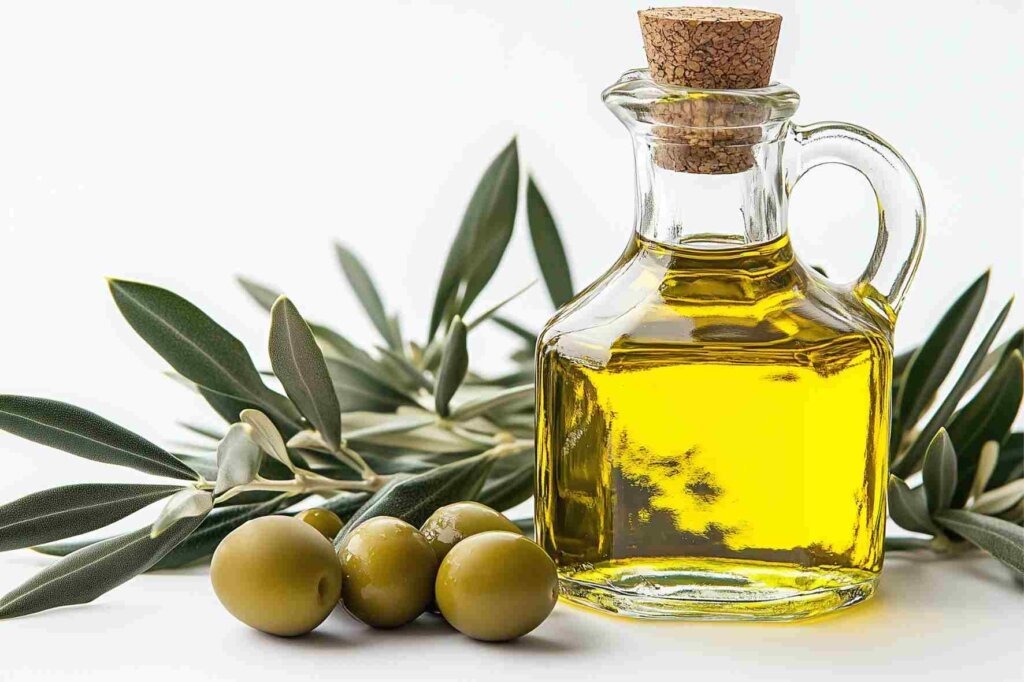
Fat does more than make food feel rich. It also carries aromas and spreads them across the palate.
Olive oil can carry the flavor of garlic and herbs. Butter can soften sharp acidity and give a sauce a smooth finish. Cream can mellow spices and round out the taste of a soup.
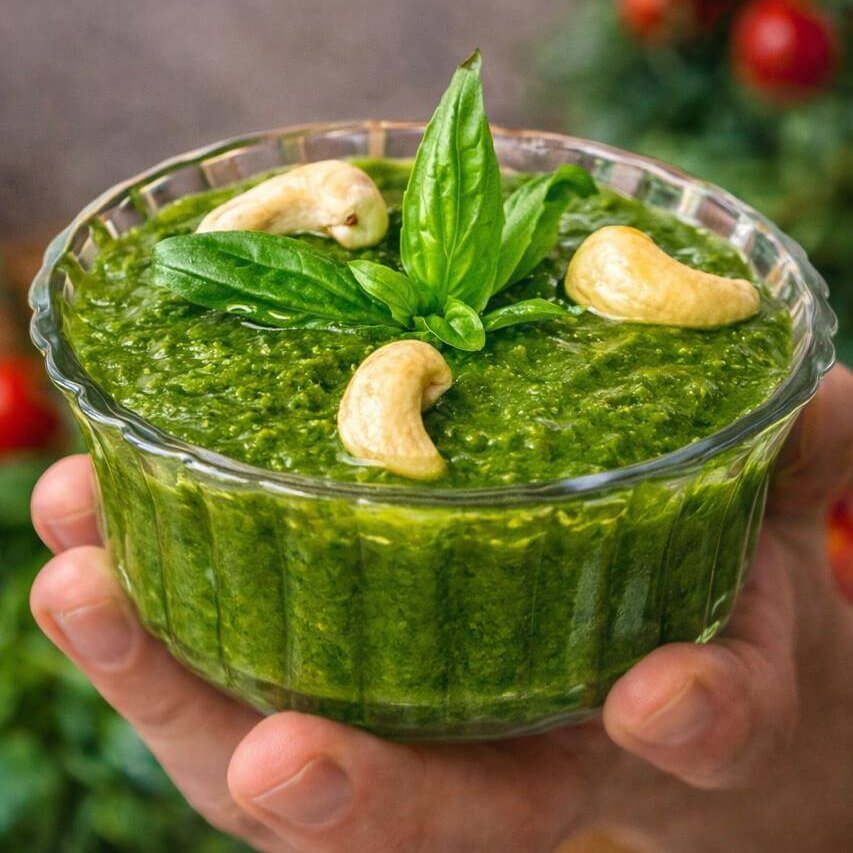
Think about pesto sauce. Basil provides freshness, garlic adds sharpness, and cheese contributes salt and depth. However, olive oil connects all those flavors. Without enough oil, the sauce may feel dry and aggressive.
Fat can also help when a sauce tastes too sharp. A small amount of butter added at the end may soften the acidity and improve the texture.
However, more fat is not always better. Too much can make a dish feel heavy and hide delicate flavors. The goal is balance.
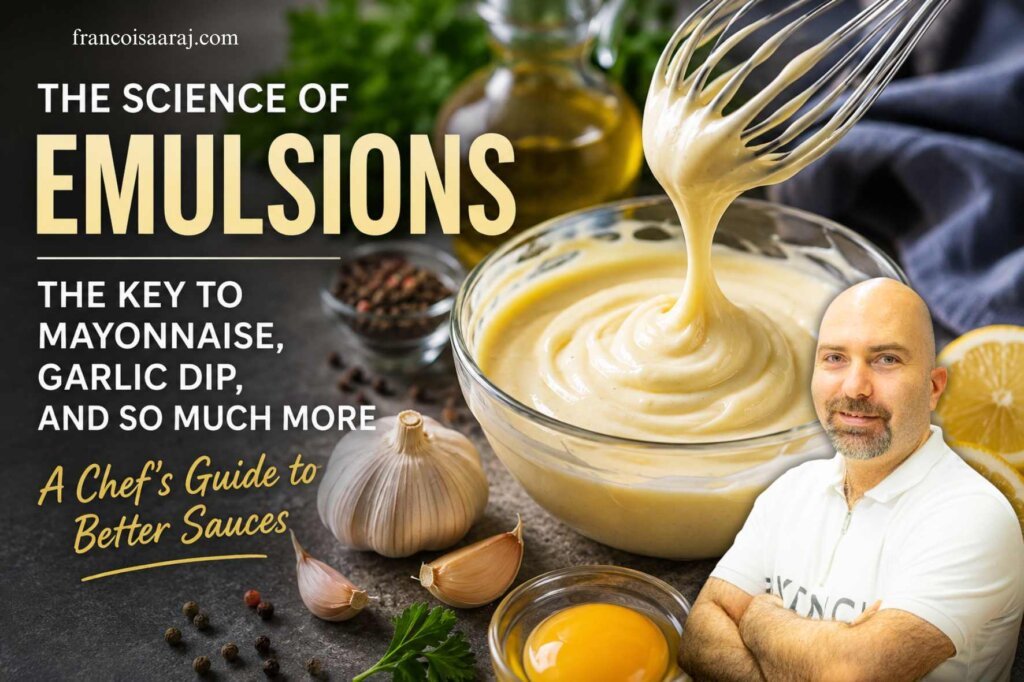
Our guide to emulsions in sauces and dips explains how fat and water-based ingredients can come together. This technique creates smooth sauces such as mayonnaise, vinaigrettes, and many creamy dips.
Sweetness Is Not Only for Desserts
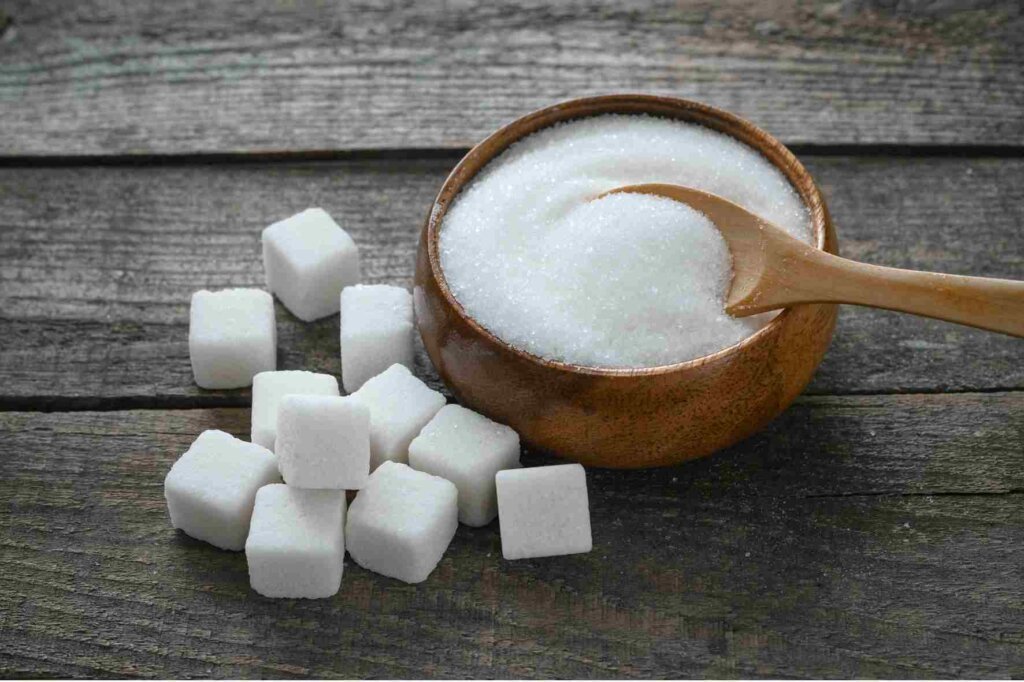
A small amount of sweetness can balance bitter, spicy, or acidic flavors. This does not mean that the finished dish should taste sweet.
Tomatoes provide a good example. Some tomatoes taste naturally sweet, while others have strong acidity. If a tomato sauce tastes too sharp, a tiny amount of sugar may soften it.
However, sugar should not replace proper cooking. Slowly softened onions can add natural sweetness. Carrots may also bring gentle sweetness to soups and sauces.
Honey can balance mustard or vinegar in a dressing. Pomegranate molasses can offer sweetness and acidity at the same time.
Always add sweet ingredients gradually. You want to soften the harsh flavor, not turn a savory dish into a dessert.
Heat Can Bring Energy to a Dish
Chili does not simply make food hot. Used carefully, it can make a dish feel warmer and more exciting.
Black pepper adds a different kind of heat. Freshly ground pepper has aroma as well as sharpness. Ginger brings warmth, while mustard can create a brief, lively kick.
The right amount depends on the dish and the people eating it. A mild soup may need only a small pinch of white or black pepper. A spicy sauce can handle much more.
Add heat in layers when possible. Chili added early spreads through the dish and becomes part of the background. Chili added at the end often tastes brighter and more direct.
You can use both methods in the same recipe. A small amount during cooking builds warmth, while a final touch creates a fresh kick.
Herbs Add Freshness at Different Stages

Herbs can change the character of a dish without adding salt.
Dried herbs usually need cooking time. Heat and moisture help soften them and release their flavor. Add them early enough to blend into the dish.
Fresh herbs often work better near the end. Parsley, coriander, mint, and basil can lose their bright color and aroma during long cooking.
For example, dried oregano may simmer inside a tomato sauce. Fresh basil can enter during the final minutes or just before serving. The first herb adds depth, while the second brings freshness.
Do not add herbs only because a recipe lists them. Smell them first. Old dried herbs may have lost much of their aroma. In that case, adding more may create dustiness rather than flavor.
Umami Creates Savory Depth
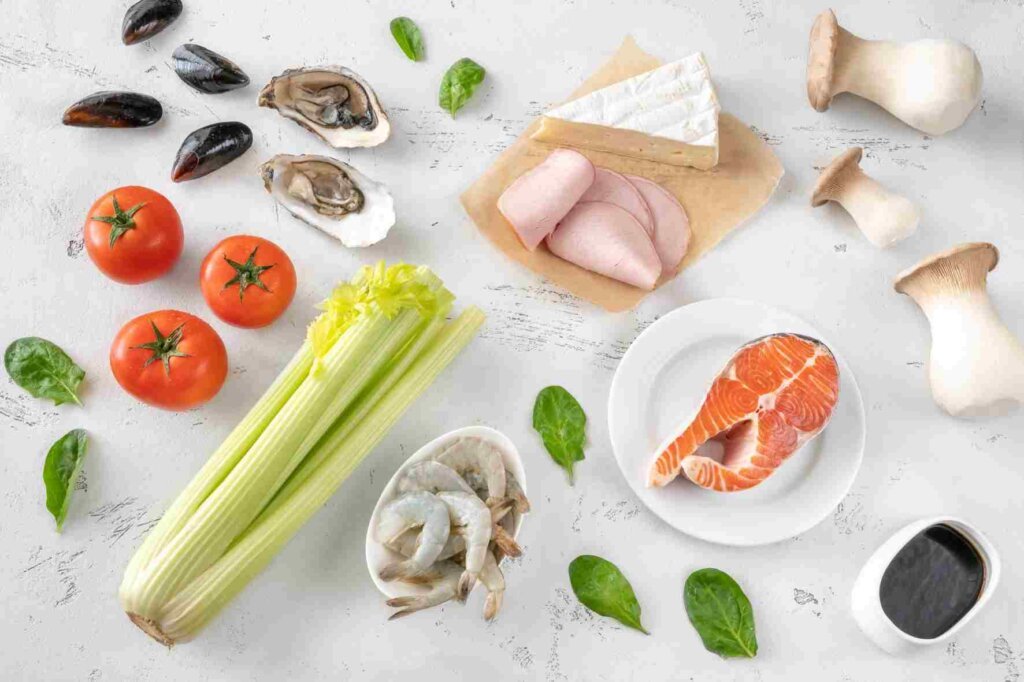
Some dishes have enough salt and acidity but still lack depth. They may need umami.
Umami is the savory quality found in ingredients such as mushrooms, tomatoes, aged cheese, soy sauce, anchovies, and slow-cooked meat.
Parmesan can deepen a pasta sauce. Mushrooms can enrich a soup. A small amount of soy sauce can add complexity to a marinade. Tomato paste develops a richer taste when you cook it briefly before adding liquid.
However, many umami-rich ingredients also contain salt. Taste the dish before adding more seasoning.
A spoonful of Parmesan, soy sauce, or prepared stock can change the balance quickly.
Ask What the Dish Needs
Before adding another pinch of salt, stop and taste with a purpose.
If the dish tastes dull, it may need salt or acidity. When it’s sharp, it may need fat or gentle sweetness. If it tastes heavy, fresh herbs or lemon may lift it. If it lacks depth, mushrooms, tomato paste, or aged cheese may help.
Learning how to season food involves more than knowing which spices to use. It requires you to recognize what the dish is missing.
Once you understand that seasoning includes salt, acid, fat, sweetness, heat, herbs, and umami, your options become much wider. You stop chasing flavor with salt alone and begin building real balance.
How to Season Food by Tasting Like a Chef
Chefs do not wait until a dish reaches the table before tasting it. We taste throughout the cooking process.
However, tasting does not mean taking random spoonfuls. Each taste should answer a question.
Does the dish need salt? Has the sauce become too acidic? Can I still taste the main ingredient? Did the spices develop enough aroma?
When you taste with a purpose, you make better decisions. You also avoid adding ingredients that the dish does not need.
Taste at the Important Stages
You do not need to taste the food every minute. Instead, taste it whenever something important changes.
For example, taste a soup after adding the stock. Taste it again after the vegetables become tender. Then, check it once more after adding cream, herbs, or lemon juice.
Each new ingredient can change the balance.
The same rule applies to sauces. A tomato basil sauce may taste sharp when the tomatoes first enter the pan. As it simmers, the tomatoes soften and their flavor becomes richer. Therefore, give the sauce time before trying to correct it with sugar or salt.
Taste again after reduction. Then, add the fresh basil and make the final adjustment.
Never Taste Food When It Is Too Hot
Very hot food can burn your mouth. It can also make it harder to judge the flavor.
Place a small amount on a clean spoon. Wait a few seconds, or transfer it to another spoon to cool it more quickly. Then, taste it.
In professional kitchens, cooks use a clean spoon for every taste. Never return a used spoon to the pot. This simple habit keeps the food safe and prevents contamination.
Also, remember that temperature affects flavor. A hot soup may taste less salty than it does after cooling slightly. Chilled food may need a different balance because cold temperatures can soften the way we notice some flavors.
Taste the dish at a temperature close to how you plan to serve it.
Taste One Element at a Time
When a dish feels wrong, do not try to judge everything at once.
Start with salt. Does the food taste dull, or can you clearly taste the main ingredient?
Next, consider acidity. Does the dish feel heavy? Would lemon juice or vinegar make it brighter?
Then, notice the texture. A sauce may have good flavor but still feel too thin, greasy, or dry.
Finally, check the aroma. Would fresh herbs, black pepper, or a small amount of spice complete the dish?
This method helps you identify the real problem.

A lentil soup, for example, may have enough salt but still feel heavy. More salt will not solve that problem. A little acidity, or black pepper may create a better finish.
Make One Small Change at a Time
When you adjust several things together, you cannot tell which one improved the dish.
Instead, make one small change. Stir well, allow the ingredient to blend, and taste again.
Add a pinch of salt, not a handful. Drizzle few drops of lemon juice, not half a lemon. Add a small amount of spice and give it time to spread.
This approach may feel slow at first. However, it saves food and builds your confidence.
Over time, you will begin to recognize familiar signals. A dull taste may suggest salt. Heaviness may suggest acid. Harshness may need fat or sweetness. Weak aroma may need fresh herbs.
Your palate improves through repetition.
Taste the Complete Bite
A component can taste perfect on its own but become unbalanced on the finished plate.
Suppose you prepare crispy chicken with a seasoned coating, garlic dip, and pickles. The chicken may need less salt because the sauce and pickles add more.
Therefore, taste the parts together whenever possible.
Try a small bite of the protein with its sauce. Taste the pasta with the sauce, not separately. Combine the salad leaf, cheese, fruit, and dressing on one fork.
The complete bite tells you what your guest will experience.
This principle matters especially with dips and dressings. A vinaigrette may taste too strong from a spoon. Once it coats plain salad leaves, however, the balance may become perfect.
Stop When the Main Ingredient Tastes Like Itself
One of the best signs of proper seasoning is clarity.
A mushroom dish should taste clearly of mushrooms. Tomato sauce should taste of ripe tomatoes. Chicken should still taste like chicken beneath the spices and coating.
Seasoning should reveal those flavors rather than cover them.
When you taste a dish, ask yourself one final question:
Can I clearly recognize the main ingredient?
If the answer is yes and the dish feels balanced, stop adjusting it.
Learning how to season food also means learning when to leave it alone. Another pinch, splash, or spoonful does not always make food better. Sometimes the best decision is to put down the salt and serve.
Common Mistakes When Learning How to Season Food
Seasoning improves with practice. However, a few common habits can make even good ingredients taste unbalanced.
Understanding these mistakes will help you correct them before the dish reaches the table.
Adding Too Much Salt at the Beginning
Early seasoning builds a strong flavor foundation. Still, you must keep the first additions light.
Soups, stews, and sauces often lose water as they cook. As a result, their flavors become more concentrated. A dish that tastes balanced at the beginning may become too salty after an hour of simmering.
Create a light base first. Then, leave room for later adjustments.
Forgetting About Salty Ingredients
Salt does not come only from the salt shaker.
Prepared stock, cheese, olives, capers, soy sauce, cured meat, pickles, and anchovies can all raise the salt level. Some sauces and spice blends also contain hidden salt.
Think about every ingredient that will enter the dish. If you plan to add Parmesan near the end, keep the sauce slightly underseasoned until the cheese melts.
Then, taste the complete dish before adding more.
Adding More Salt When the Dish Needs Acid
A flat dish does not always need salt. Sometimes it needs brightness.
If the food already tastes salty but still feels heavy, try a few drops of lemon juice or vinegar. Stir well and taste again.
This works especially well with soups, stews, beans, rich sauces, and roasted vegetables. Acidity can make their existing flavors feel clearer without adding more salt.
Seasoning Only the Sauce
A flavorful sauce cannot always hide an unseasoned main ingredient.
Season chicken, meat, fish, vegetables, and grains according to their needs. Then, season the sauce separately. Finally, taste both parts together.
This approach matters in dishes such as crispy chicken and fish fingers. The protein and coating need their own light seasoning. The dipping sauce should add contrast rather than rescue bland food.
Using Too Many Spices
More spices do not always create more flavor.
When you combine too many strong spices, they can hide the main ingredient. The dish may taste muddy, bitter, or confusing.
Choose a few spices that work well together. Add them with a clear purpose. Most importantly, allow each one to support the food rather than compete for attention.
Using Old Herbs and Spices
Dried herbs and ground spices lose their strength over time. They may still look normal, but their aroma becomes weak.
Smell them before adding them. If you notice very little fragrance, they may no longer bring useful flavor.
Store herbs and spices away from heat, moisture, and direct sunlight. Keep the containers tightly closed. Also, avoid shaking them directly over a steaming pot because moisture can enter the container.
Failing to Taste Between Adjustments
Adding salt, lemon, butter, and herbs at the same time makes it difficult to understand what the dish needed.
Make one small adjustment first. Stir well and give it time to spread. Then, taste again.
This simple habit teaches you more about flavor than following exact measurements without tasting.
Forgetting the Final Garnish
Fresh herbs, lemon zest, toasted nuts, good olive oil, or freshly ground pepper can add a final layer of aroma and texture.
However, a garnish should complete the dish. It should not hide poor seasoning underneath.
Make sure the food tastes balanced first. Then, add the finishing touch.
Frequently Asked Questions About How to Season Food
Does Seasoning in Layers Make Food Saltier?
No. When done correctly, layered seasoning does not require more salt.
You divide the seasoning between different cooking stages instead of adding one large amount at the end. This often creates a more even flavor and gives you greater control.
Keep each addition small. Also, remember to consider salty ingredients that will enter the dish later.
How Often Should I Taste Food While Cooking?
Taste whenever the dish changes in an important way.
For example, taste after adding stock, after the liquid reduces, and after adding cream or cheese. Then, taste once more before serving.
You do not need to taste constantly. Every taste should help you make a decision.
Always use a clean spoon. Also, allow very hot food to cool slightly before tasting it.
Can I Season Food Too Early?
Yes, depending on the ingredient and cooking method.
Adding too much salt before a sauce reduces can make the final result too salty. Delicate fresh herbs may lose their aroma during long cooking. Garlic and ground spices can also burn if you add them too early over high heat.
However, other ingredients benefit from early seasoning. Onions, potatoes, grains, and many proteins need time to develop flavor.
The goal is not to season everything early. It is to add each element at the most useful stage.
When Should I Add Dried and Fresh Herbs?
Add most dried herbs during cooking. Heat and moisture give them time to soften and spread their flavor.
Add delicate fresh herbs near the end. Parsley, coriander, mint, and basil usually keep more color and aroma this way.
Sturdy herbs such as thyme and rosemary can handle longer cooking. You can add them earlier to soups, stews, and sauces.
How Can I Fix Oversalted Food?
First, stop adding other salty ingredients. Then, look at the type of dish.
You may be able to increase the unsalted ingredients or add more unsalted liquid. A soup might accept extra vegetables or stock without salt. A sauce may need a larger batch to dilute the seasoning.
Acidity, sweetness, cream, or potatoes may change how you experience the salt. However, they do not physically remove it. Dilution remains the most reliable solution.
Make adjustments carefully so you do not create a different imbalance.
What Should I Add When Food Tastes Flat?
Start by checking the salt. If the main ingredient tastes weak, add a small pinch, stir, and taste again.
If the dish contains enough salt but still feels dull, try a little acidity. Lemon juice or vinegar may bring back brightness.
The dish may also need fresh herbs, black pepper, fat, sweetness, or umami. The correct choice depends on what feels missing.
Should I Season Meat Before or After Cooking?
In most cases, season meat before cooking so its surface develops flavor.
The ideal timing depends on the cut, size, and cooking method. Thin pieces may need seasoning shortly before cooking. Larger cuts may benefit from more time.
After cooking, taste the meat with its sauce or side dishes. Then, add a final touch only if needed.
Is Pepper Always Added with Salt?
No. Salt and pepper serve different purposes.
Salt strengthens the natural taste of ingredients. Pepper adds aroma, warmth, and mild heat. Not every dish needs black pepper, even when it needs salt.
Freshly ground pepper often has the strongest aroma. Add it early for a softer background flavor or near the end for a sharper finish.
Final Thoughts on How to Season Food
Learning how to season food does not depend on memorizing one perfect amount of salt. It begins with paying attention.
Season the main ingredients lightly. Taste as the dish develops. Consider the salty ingredients that will enter later. Then, use acidity, fat, sweetness, herbs, spices, heat, and umami to create balance.
Most importantly, allow the main ingredient to remain the star.
Seasoning in layers may feel slow at first. However, it soon becomes a natural part of cooking. You will begin to notice when onions need more time, when a soup needs lemon instead of salt, and when a sauce has reached the right balance.
For more practical advice, explore my cooking tips and recipes. You can also visit my Chef’s Journal to read about the lessons, challenges, and experiences that shaped my career in professional kitchens.
Finally, subscribe to my YouTube channel for complete recipes and step-by-step cooking tutorials. The more you cook, taste, and adjust, the more confident your seasoning will become.

Chef François El Aaraj is a corporate chef and culinary consultant with more than 30 years of experience in professional kitchens and restaurant openings across Lebanon and abroad. Through this website, he shares authentic recipes, cooking techniques, and chef secrets designed to help home cooks create flavorful meals with confidence.
Leave a Reply