
This air fried crispy chicken recipe started with a simple family wish: finding a way for my daughters to enjoy their favorite crunchy chicken without deep frying it every time. They have always loved crispy chicken, especially when it comes with a delicious sauce for dipping. In fact, their love for this dish was the main reason we bought an air fryer.
As a chef, I know how much texture matters. The golden coating, the first satisfying crunch, and the tender meat inside all contribute to the pleasure of eating crispy chicken. Therefore, I wanted our homemade version to keep those qualities while using less oil.
As a father, I also wanted more flexibility in our everyday meals. Instead of always serving deep-fried chicken, we could prepare it in the air fryer and pair it with fresh vegetables, a colorful salad, or roasted potatoes.
However, the appliance alone does not create a delicious result. A flavorful marinade, a carefully built coating, and enough space in the basket all make a difference. With a little attention to these details, you can prepare chicken that feels like a treat and fits comfortably into a family dinner.
In this article, I share the ideas behind my recipe, practical tips for keeping the chicken crisp and juicy, and some of my favorite homemade sauces and side dishes to serve alongside it. You will find the complete ingredients and preparation method in the recipe card below.
Jump to RecipeWhy We Bought an Air Fryer for Our Daughters
When children enjoy a particular dish, parents often face a practical question: how can we keep serving it in a way that suits everyday family life?
For us, that question was about crispy chicken. My daughters loved it, and I understood why. A plain piece of chicken does not offer the same experience as a seasoned strip with a crunchy coating and a dip on the side.
However, I did not want frequent deep frying to become our usual answer whenever they asked for it. Buying an air fryer gave us another option. We could prepare the chicken at home, use a smaller amount of oil, and choose what went beside it.
For me, that last part matters as much as the appliance. Homemade chicken gives me a chance to build the whole plate: a fresh salad, some potatoes or rice, and a sauce served in a small bowl.
The goal was simple. I wanted my daughters to keep enjoying crispy chicken while giving our family more variety in how we cooked it. A meal is easier to keep in the rotation when everyone looks forward to eating it.
What I Want from a Good Piece of Air Fried Crispy Chicken
Whether I prepare chicken in a professional kitchen or at home, I look for three things: a crisp coating, a juicy interior, and seasoning that reaches beyond the surface.
First, the crust should have texture. Those little ridges and flakes make each bite more interesting than a completely smooth layer of flour.
Next, the chicken itself should remain tender. A beautiful coating cannot rescue meat that has become dry from overcooking.
Finally, the flavor should feel complete. If all the seasoning sits in the flour, the first bite may taste good while the center feels bland. That is why my recipe gives attention to both the marinade and the coating.
Air frying changes the way heat reaches the food, so I adjust my expectations and technique accordingly. It can produce a lovely crunch, but the result has its own character. I do not expect it to be identical to chicken submerged in hot oil.
How Air Fried Crispy Chicken get their Crisp Coating
An air fryer works by moving hot air around the food. For breaded chicken, that airflow helps dry the surface and develop a crisp exterior.
However, the air needs space to move. If I pack the basket tightly, the pieces can trap moisture against one another. As a result, the coating may stay soft in some places while browning in others.
A light coating of oil also helps. Although the air fryer uses much less oil than a deep fryer, a little oil on the breading encourages browning and reduces dry, floury patches.
This is particularly useful with my flour-based coating. Flour needs more attention than a ready-made crumb coating because loose, dry patches can remain pale.
Therefore, I arrange the chicken in one layer, leave space between pieces, and check the surface when I turn them. These small details make a noticeable difference to the finished plate.
Why I Use a Yogurt Marinade for My Air Fried Crispy Chicken
The yogurt marinade is an important part of this recipe. It carries the seasonings around the chicken and helps create a moist base for the flour coating.
I like this approach because the flavor begins before the breading stage. Garlic powder, onion powder, paprika, and black pepper give the chicken a savory character that works with several different sauces.
Meanwhile, the yogurt adds a gentle tang. The finished chicken should still taste like chicken, but the marinade gives it more depth.
My recipe includes an overnight rest in the refrigerator. Therefore, I plan this part ahead rather than starting the marinade just before dinner. That preparation also makes the next day’s cooking more manageable.
Before coating, I let excess marinade drip away. A wet surface is useful for holding flour, but a thick layer of yogurt can make the breading heavy and uneven.
Keep the chicken refrigerated while it marinates. Also, set aside clean utensils for the cooked food so anything that touched raw chicken stays away from the serving plate.
The Cold-Water Technique Behind the Craggy Coating
One of the most useful details in this recipe is the dip between the two flour coatings.
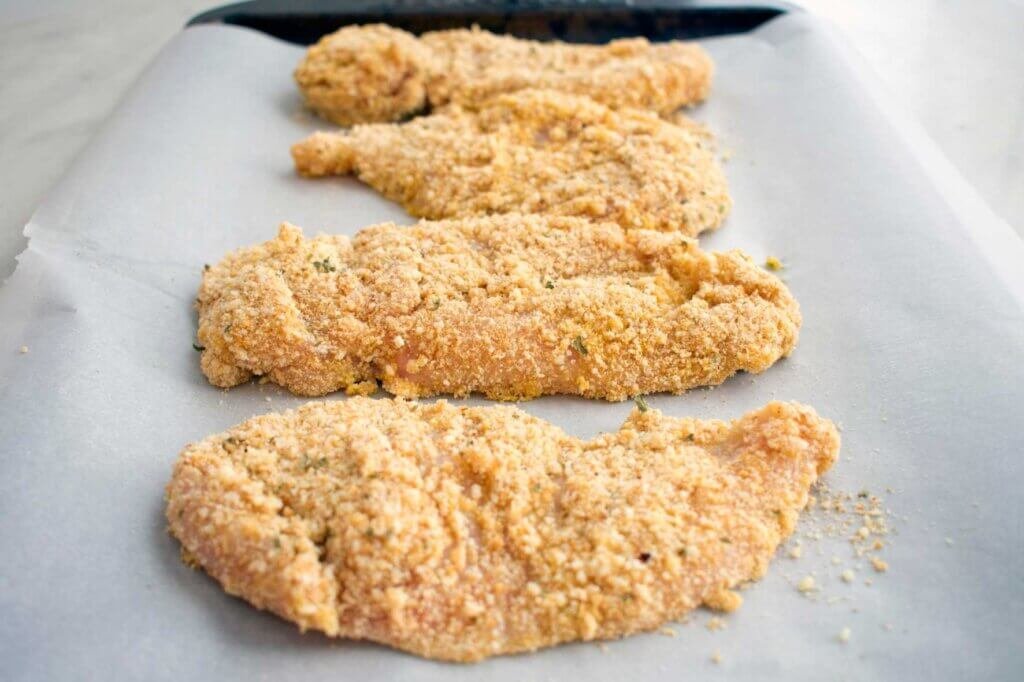
After the chicken receives its first layer of seasoned flour, I dip it briefly into a cold mixture of water and a little flour. Then, I return it to the dry flour for a second coating.
That second pass creates small flakes and uneven edges. When the chicken cooks, those textured areas become part of the crunch.
The important point is how the coating forms. The cold dip moistens the first flour layer, while the second flour layer builds texture around it. Cold water alone does not guarantee crisp chicken; the airflow, oil coverage, and cooking all still matter.
I press the flour onto the surface gently but firmly. However, I shake off loose excess before putting the chicken in the basket. I want an attached, textured coating rather than a thick pile of dry flour.
Once you understand this step, it becomes easier to judge what you are looking for: little ridges that cling to the chicken and keep their shape during cooking.
My Most Useful Tips for Juicy, Crispy Results
Cut the chicken into similar sizes
Pieces of similar thickness cook more evenly. If a thin strip shares the basket with a much thicker piece, one may become dry before the other is ready.
For family meals, strips or medium-sized pieces are convenient to serve and dip. However, keep their size reasonably consistent.
Cook in batches when necessary
I would rather make two batches than overcrowd one. Leave enough room for hot air to reach the coating around each piece.
Also, remember that the chicken needs space after cooking. Piling hot pieces into a deep bowl traps steam and softens the crust.
Use a light, even layer of oil
Pay attention to the floury edges as well as the top surface. A light brush or spray of oil helps the coating brown more evenly.
Follow your appliance’s guidance on suitable oil sprays and accessories. You need only enough oil to lightly moisten the surface.
Check the chicken rather than relying only on the timer
My recipe gives a cooking time, but the thickness of the chicken and the air fryer model affect how quickly it cooks.
Use a food thermometer to check the thickest part. Chicken should reach an internal temperature of 74°C / 165°F. Golden breading alone does not confirm that the center is cooked.
Serve the sauces separately
A crisp coating softens when it sits under sauce. Therefore, I serve dips beside the chicken and let everyone add them as they eat.
This also allows the same batch of chicken to suit several tastes without changing the seasoning.
Is Air Fried Crispy Chicken a Lighter Option?
The main difference is the amount of oil used in cooking. This recipe does not require a pan full of oil, which makes it a useful alternative when we want crispy chicken more often at home.
However, I still think about the whole meal. The flour coating contributes to the dish, and creamy or sweet sauces add their own ingredients. Portions and side dishes matter too.
For that reason, I describe this as a way to enjoy crispy chicken with less oil rather than making broad promises about health or weight loss.
That was our reason for buying the air fryer in the first place. We wanted another cooking option for a food our daughters loved. We could keep the enjoyment while changing how frequently we relied on deep frying.
Alongside vegetables and a suitable side dish, this chicken can become a satisfying family dinner. There is plenty of room to adapt the plate to your appetite and preferences.
The Sauces I Recommend with Crispy Chicken

A good sauce adds contrast to the hot coating and tender meat. On my website, you will find a growing collection of homemade sauces that gives you several directions to explore.
You do not need to prepare them all for one meal. Choose one or two, and let the chicken remain the center of the plate.
Lebanese garlic dip for a bold, familiar pairing
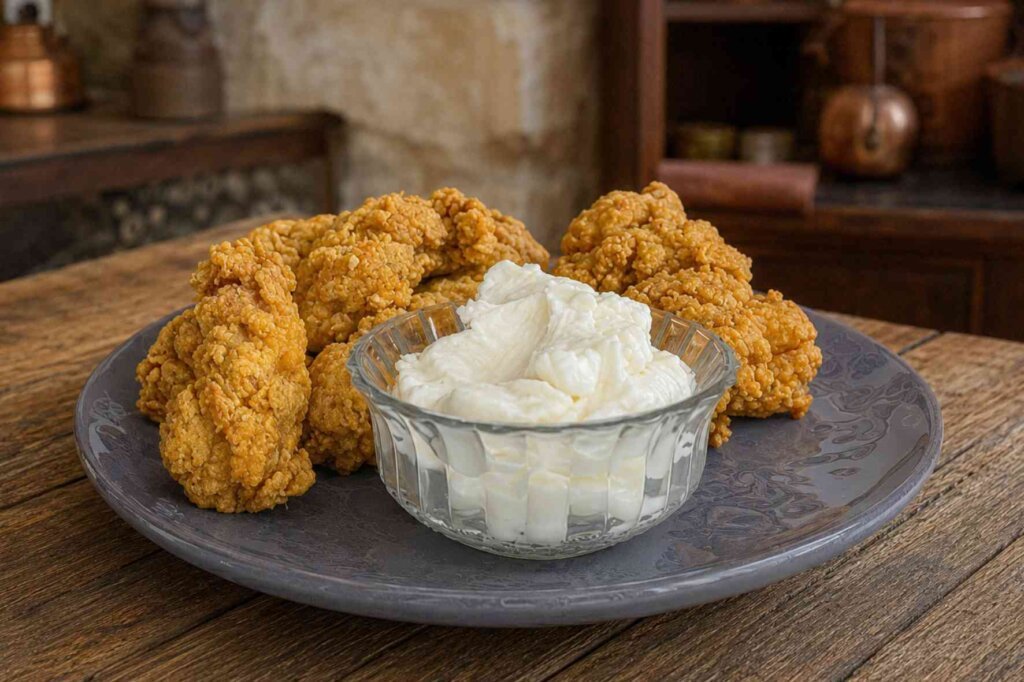
My Lebanese garlic dip, or toum, brings strong garlic flavor and lemony brightness.
It is a lovely choice when serving the chicken with bread, pickles, and salad. Since toum has a bold taste, begin with a small amount and add more as you like.
Honey mustard for sweetness and tang
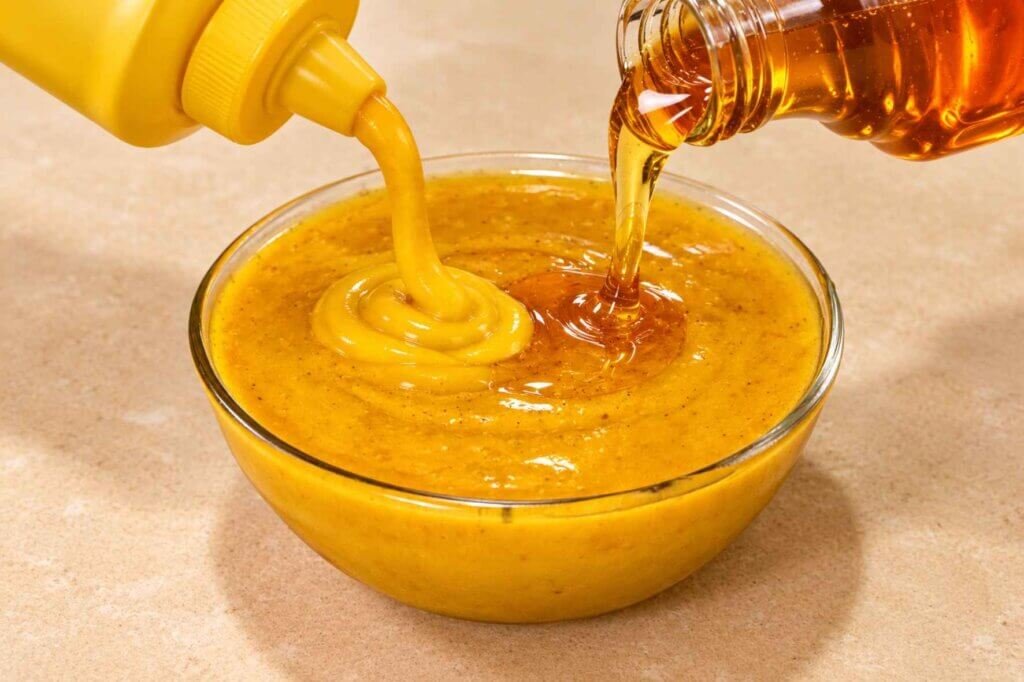
My honey mustard sauce combines a creamy texture with sweetness and a sharp mustard note.
That contrast works especially well with warm chicken strips. It also makes a good spread when you turn the chicken into a sandwich.
Sweet and sour dip for a fruity contrast
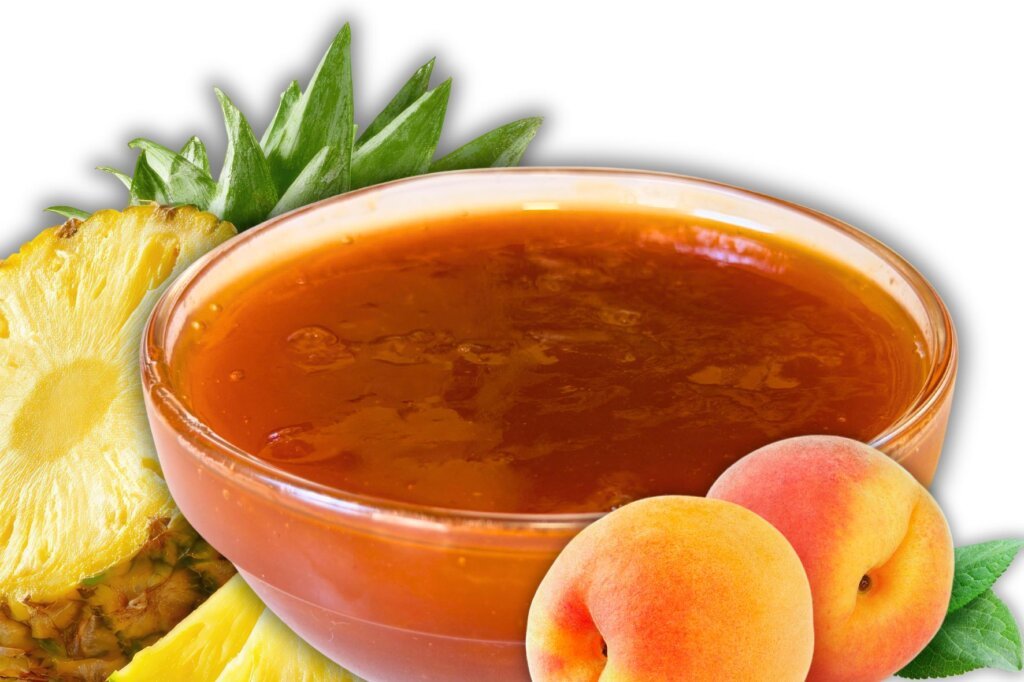
My sweet and sour dip takes the meal in a different direction. Its fruity sweetness and tang work well against the savory coating.
Try it with chicken, rice, and crisp vegetables. Keep the dip on the side so the breading stays crunchy until you take a bite.
Dynamite sauce for a creamy touch of heat

If you enjoy a gently spicy, creamy dip, try my dynamite sauce.
It gives chicken bites a different finish from toum or honey mustard. However, taste it first and serve it separately when sharing the meal with anyone who prefers milder food.
More options from my sauce collection
Barbecue sauce, sweet chili sauce, ketchup, and tartar sauce offer other possibilities. Explore the sauce recipes on my website and choose according to the rest of your meal.
For example, sweet chili suits rice and vegetables, while barbecue sauce works well with potatoes and cabbage salad. Tartar sauce also deserves a try with chicken: its tangy, creamy character works beyond seafood.
Let’s Make Air Fried Crispy Chicken

Air Fried Crispy Chicken
Ingredients
Equipment
Method
- In a small blender or grinder, combine salt, black pepper, garlic powder, sweet paprika, onion powder, and (optionally) a small amount of chili powder if you want a spicy kick.
- Pulse the spices briefly. This helps release the natural oils and aromas, ensuring the flavor is more intense.
- In a large mixing bowl, whisk together plain yogurt and a splash of water until you reach a smooth, slightly thin consistency.
- Add about half of your prepared spice blend to the yogurt mixture and whisk until well incorporated.
- Note: The yogurt is essential for tenderizing the meat and keeping the inside of the chicken white and juicy.
- Clean the chicken breasts by removing any excess fat, tendons, or skin.
- Cut the chicken into medium-sized strips or bite-sized “crispy” pieces.
- Place the chicken pieces into the yogurt marinade. For the best results, cover and refrigerate overnight so the spices and yogurt can fully penetrate the meat.
- Dry Station: In a bowl, mix all-purpose flour with the remaining half of your spice blend.
- Wet Station (The “Crispy” Secret): In a separate bowl, add cold water and several ice cubes.
- Add a few tablespoons of the seasoned flour to the ice water and whisk. This creates a thin, cold slurry that helps create the “craggy” texture of fried chicken.
- Take a piece of marinated chicken and drop it into the dry flour bowl.
- Use the flour to “massage” the chicken. Do not touch the wet chicken directly with your hands; use the flour as a barrier and press firmly to create texture.
- Dip the floured chicken briefly into the ice-water slurry.
- Return the chicken to the dry flour for a second coating.
- Massage it again until you see “scales” or “wings” forming on the surface of the flour—this is what makes it extra crispy.
- Lightly grease the air fryer basket with a small amount of oil or cooking spray.
- Place the chicken pieces in the basket in a single layer, ensuring they are not touching so the air can circulate.
- Air fry at 200°C (400°F) for about 15–20 minutes, flipping halfway through or shaking the basket, until the coating is golden brown and the chicken is fully cooked.
- Remove from the air fryer and serve immediately while hot for maximum crunch.
Video
What to Serve with Air Fried Crispy Chicken
Creamy coleslaw

My creamy coleslaw is a natural companion. Cool cabbage and carrots bring a fresh crunch beside the warm breading.
It also works inside a chicken sandwich. Drain away excess dressing before adding it so the bread does not become too wet.
Roasted potatoes or potato wedges
Chicken and potatoes are an easy family combination. You can roast wedges in the oven while the chicken cooks, or prepare them separately in the air fryer.
If you use one small basket for both, plan the order carefully. Crowding potatoes around the chicken can interfere with airflow and make both less crisp.
A colorful salad
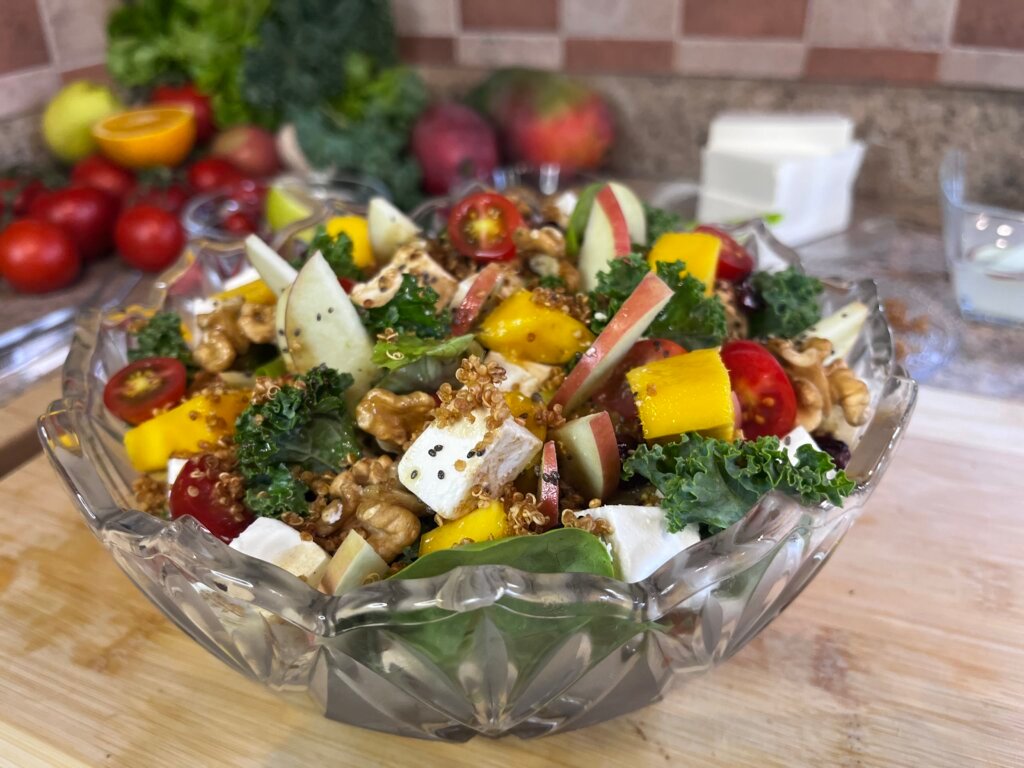
Lettuce, cucumber, tomato, and a simple lemon dressing bring freshness to the plate. Prepare the salad before the chicken finishes so everything is ready to serve together.
For a more substantial option, try my crispy quinoa kale salad with feta and oranges. The citrus brings a bright contrast to the savory chicken.
Rice and vegetables
Plain rice provides a gentle base when you choose a flavorful sauce. Add cooked broccoli, carrots, or peppers, or serve cucumber and cabbage alongside it.
Keep the chicken on top or beside the rice rather than burying it under wet ingredients. This helps preserve the coating.
Bread, wraps, and sandwiches
A few chicken strips, crisp lettuce, pickles, and a little sauce can become a satisfying sandwich. Add the chicken close to serving time so its crust stays fresh.
For a Lebanese touch, try toum and pickles. For a sweeter finish, use honey mustard. Meanwhile, dynamite sauce gives the same sandwich a little warmth.
Hummus and fresh vegetables
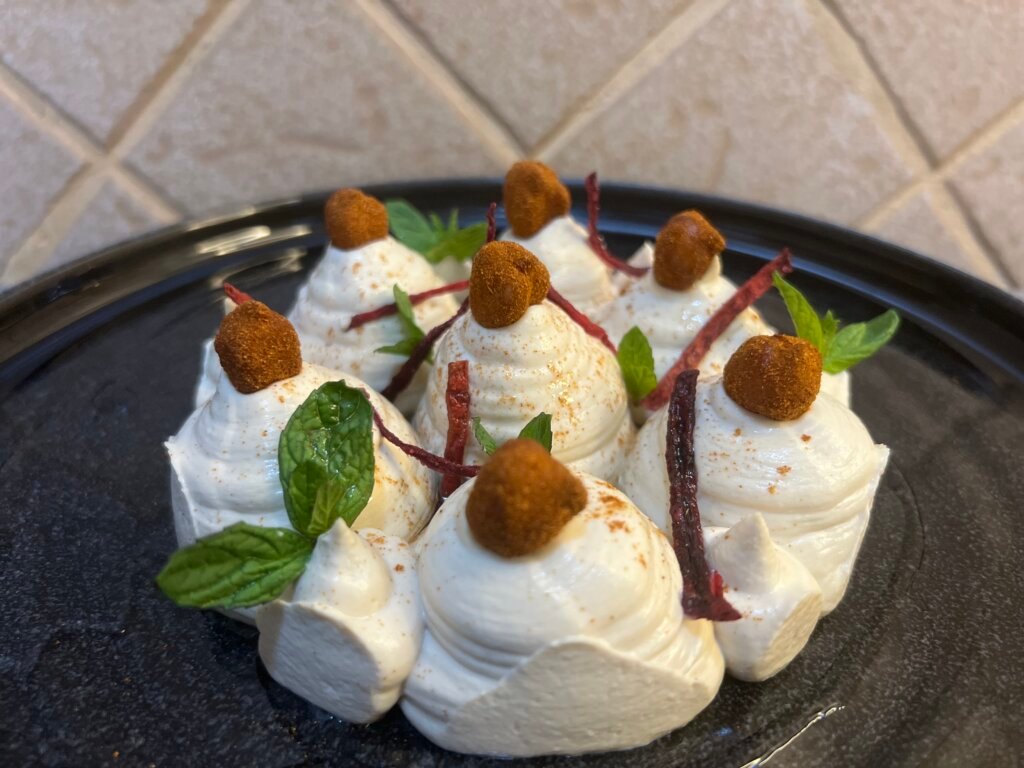
My creamy hummus offers another way to serve the meal. Put it beside the chicken with cucumber, tomato, and bread.
The smooth hummus contrasts with the textured crust. This combination also gives you an alternative to serving fries every time.
Planning the Meal without Losing the Crunch
Because the marinade rests overnight, I begin the recipe the day before. Then, before cooking the chicken, I prepare the sauce and side dishes.
That order helps everything arrive at the table together. A salad can wait briefly in the refrigerator, but freshly cooked crispy chicken is best served promptly.
If I need several batches, I place the cooked pieces on a rack rather than stacking them. For a short wait, a warm oven can help, although leaving them too long may dry the meat.
I also bring the serving plates and dips out before the final batch finishes. It is a small habit, but it prevents good chicken from sitting around while I search for bowls.
Storing and Reheating Leftovers
Refrigerate leftover chicken in a shallow container within two hours of cooking, or within one hour when the surrounding temperature is above 32°C / 90°F. Keep the refrigerator at 4°C / 40°F or below and use the chicken within three to four days.
For reheating, the air fryer or oven can help restore some of the coating’s crispness. Arrange the pieces in one layer and reheat until the center reaches 74°C / 165°F.
A microwave is convenient, but the breading usually becomes softer. If texture matters most, choose dry heat and check the chicken carefully so it does not dry out.
Store sauces separately. Also, use a fresh serving of sauce when reheating rather than saving dip that has been in contact with partially eaten chicken.
Why This Recipe Belongs on Our Family Table
My daughters’ love of crispy chicken gave us a reason to buy an air fryer. It also gave me a reason to think carefully about how to make their favorite dish work for everyday family meals.
That is what I enjoy about cooking at home. A practical family need can lead to a recipe worth sharing. We wanted less frequent deep frying, and we still wanted dinner to be something everyone enjoyed.
With a flavorful marinade, a textured coating, and enough space in the basket, air fried crispy chicken offers a delicious option. Add a fresh side and a homemade sauce, and you have several ways to serve the same recipe.
You will find the complete quantities and instructions in the recipe card below. You can also cook along with me on my YouTube channel, where I share the details that help you get a good result in your own kitchen.
Which sauce would you choose first: garlic dip, honey mustard, sweet and sour, or dynamite sauce? Tell me in the comments. I would love to hear how your family enjoys crispy chicken.

Chef François El Aaraj is a corporate chef and culinary consultant with more than 30 years of experience in professional kitchens and restaurant openings across Lebanon and abroad. Through this website, he shares authentic recipes, cooking techniques, and chef secrets designed to help home cooks create flavorful meals with confidence.
Leave a Reply