
Some dishes catch your attention before you take the first bite. For me, dynamite shrimps is one of them. The golden coating, the glossy sauce, and the promise of a little heat make the plate feel inviting. However, what keeps me interested is the contrast underneath that beautiful presentation.
I want a crisp coating followed by tender shrimp. Then, I want the sauce to bring everything together without hiding the seafood. When those details work, even a small serving feels complete.
In my version, I use a homemade tempura mix and serve the shrimp on fried rice paper. The sauce adds the finishing touch, while the rice paper gives the plate another texture. It looks generous and festive, yet the idea behind it remains simple.
You will find the exact quantities and cooking instructions in the recipe card.
What I Look for in Good Dynamite Shrimps
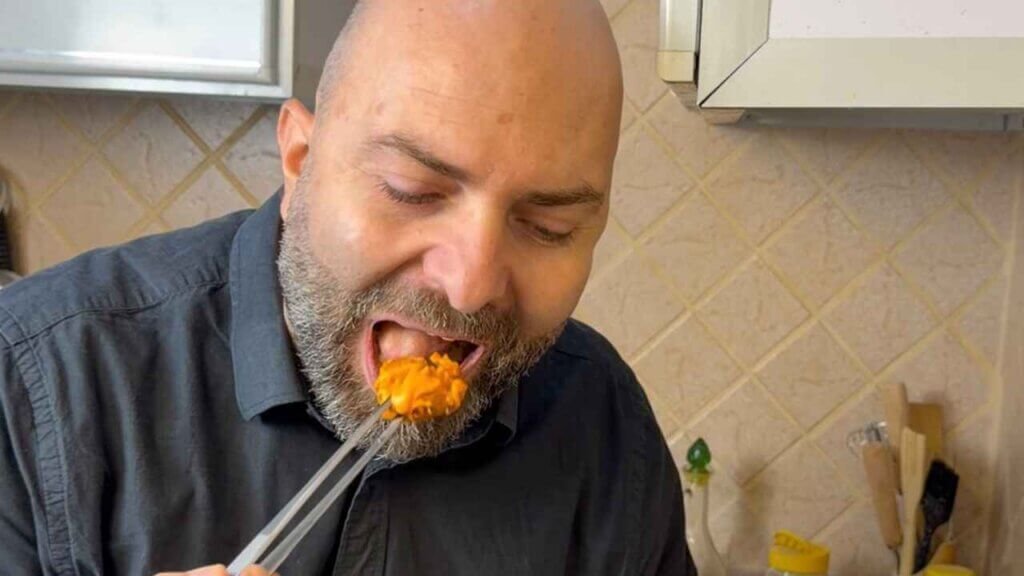
When I taste dynamite shrimps, I pay attention to more than the sauce. First, I notice the coating. It should feel crisp without becoming a thick shell that overwhelms the shrimp.
Next, I notice the seafood itself. Shrimp has a gentle sweetness, and I want that flavor to remain recognizable. If every bite tastes only of batter and sauce, something is missing.
Finally, I think about balance. The sauce should add creaminess and heat, but the dish should still make me want another bite. Too much sauce can feel heavy. Too little can leave the plate unfinished.
This is why I treat the shrimp, coating, and sauce as connected parts of one dish. Each has a job. Together, they create the experience I want to share.
Why I Enjoy Making Dynamite Shrimps at Home
There is something satisfying about bringing a restaurant-style dish into your own kitchen. You begin with separate ingredients, and suddenly the finished plate looks like something you would be excited to order.
For me, that satisfaction comes from understanding the food. Once you know why the shrimp needs a dry surface, why the batter should stay cold, and why timing matters, the process becomes less mysterious.
You can also make choices that suit your table. Perhaps someone prefers a milder sauce. Perhaps you want smaller appetizer portions. Alternatively, you may want to turn the shrimp into a meal with rice and vegetables.
I enjoy recipes that allow that freedom. My article, Why Every Young Cook Should Learn the Basics, explores how small skills build confidence. This dish gives you several useful skills to carry into your next meal.
Choosing Shrimps That Suits the Dish
I use fairly large shrimp because I want a generous bite beneath the coating. Larger pieces also give the finished plate a clear focal point. However, smaller shrimp can work if that is what you have available.
The important detail is consistency. When the pieces are similar in size, it is easier to cook them evenly. Otherwise, the smallest shrimp may become firm while the largest still needs more time.
I also check whether the shrimp is raw or already cooked. For this recipe, raw shrimp is the better starting point. Precooked shrimp has already gone through one cooking stage, so frying it again can make the texture less tender.
Frozen shrimp is a practical option. I focus on the condition of the product and the way I handle it, rather than assuming that a fresh label always guarantees a better result.
The Quiet Importance of Thawing and Drying
Before I think about batter, I think about moisture. Frozen shrimps often releases liquid as it thaws. If that liquid stays on the surface, the coating may not cling as well.
My preferred approach is thawing in the refrigerator. For a quicker option, FDA guidance allows seafood to thaw in a sealed bag in cold water, with prompt cooking afterward. I avoid leaving shrimp on the kitchen counter to defrost.
After thawing, I pay attention to drying. A careful pat with kitchen paper can make a noticeable difference. However, drying the surface does not mean leaving the shrimp out to warm up; I keep it refrigerated until needed.
This is one of those small preparations that rarely appears in a beautiful food photograph. Nevertheless, it affects the finished result. A few thoughtful moments before cooking can prevent frustration later.
Why I Make My Own Tempura Mix
I like knowing what is in my coating. A homemade mix allows me to keep the seasoning consistent and understand how the batter behaves.
In this recipe, flour and cornstarch work together. Flour gives the coating structure, while cornstarch helps create the crisp texture I am looking for. The combination matters more to me than simply making a batter that covers the shrimp.
I also use a little seasoning in the dry mix. That way, the coating contributes flavor instead of depending entirely on the sauce. However, I keep those flavors gentle because the seafood should still have a place in every bite.
My version includes egg, oil, and raising agents, so I think of it as my own tempura-style batter. The name matters less than the result: a coating that works well with the shrimp and complements the finished dish.
Cold Batter and a Light Touch
Ice-cold water is an important part of my batter. I want the mixture to stay cold while I work, especially in a warm kitchen. Therefore, I prepare the other elements before mixing the wet batter.
I also avoid treating it like cake batter. Long, energetic whisking is unnecessary here. Too much mixing can encourage a tougher coating, which takes away from the delicate texture I want.
The consistency deserves attention as well. A very thick batter creates a heavy layer. Meanwhile, a very thin mixture may leave the shrimp unevenly covered. I look for a coating that clings without turning each piece into a ball of batter.
Seasoning the Shrimps Without Hiding It
I season the shrimp separately because the coating should not carry all the flavor. Paprika, garlic powder, and onion powder add a savory background, while the hotter paprika gives a little warmth.
However, I do not want the seasoning to compete with the sauce. The final bite already contains several elements. If each one is heavily seasoned, the dish can become tiring rather than enjoyable.
Instead, I think about the complete plate. The shrimp contributes sweetness, the coating brings texture, and the sauce adds its own character. Each layer should support the next.
This is the same approach I explain in How to Season Food: Why Chefs Build Flavor in Layers. Building flavor does not mean adding more of everything. It means giving each part the attention it needs.
What Frying Temperature Changes
Frying becomes easier when you pay attention to the oil rather than relying only on the clock. If the oil is too cool, the coating can turn greasy and lose its crispness. If it is too hot, the outside may darken before the shrimp cooks through.
A frying thermometer helps remove some guesswork. I also allow the oil to recover between batches, because adding cold food lowers its temperature.
Meanwhile, I leave space around the shrimp. An overcrowded pan makes the pieces harder to manage and can cause a larger temperature drop. Smaller batches give me more control.
I choose a stable, deep pan and leave enough room above the oil. That extra space matters when the food enters and bubbles rise. Good frying is partly about heat, but it is also about setting up the cooking area thoughtfully.
Keeping the Shrimps Tender

With shrimps, a crisp exterior should not come at the expense of the center. I want the flesh cooked through, yet still pleasant to bite.
Therefore, I avoid extending the frying time simply to chase a darker color. Paprika and batter can change the appearance of the coating, so color alone is not a reliable guide to the inside.
FDA guidance recommends cooking most seafood to an internal temperature of 63°C, or 145°F. Cooked shrimp flesh should be firm, pearly, and opaque. A suitable food thermometer gives a more dependable check than guessing through the batter.
After frying, I also avoid piling the shrimp into a deep bowl. Trapped steam softens the coating. Giving the pieces space to drain helps preserve the texture before the sauce goes on.
Let’s Make Dynamite Shrimps

Dynamite Shrimps
Ingredients
Equipment
Method
- Prepare the dry mixture. In a bowl, combine the flour, cornstarch, baking powder, and baking soda. Mix well.
- Make the batter. Create a well in the center. Add the ice-cold water, sunflower oil, and egg. Whisk until the batter is smooth and evenly combined.
- Season the batter. Add the sweet paprika, garlic powder, and salt. Mix again, then let the batter rest for 10 minutes.
- Prepare the shrimp. Defrost the shrimp completely, drain well, and pat dry. Season with garlic powder, hot paprika, sweet paprika, and salt. Toss to coat evenly.
- Fry the rice paper. Heat the frying oil. Carefully lower a rice paper sheet into the oil. Use a metal ring and spoon to shape it into a small basket as it puffs. Remove with tongs and drain. Repeat with the remaining sheets.
- Coat the shrimp. Dip the seasoned shrimp into the rested batter, coating each piece evenly.
- Fry the shrimp. Carefully lower them into the hot oil, working in small batches. Turn gently and fry until golden, crispy, and cooked through. Avoid excessive heat, which can brown the coating before the shrimp cook inside.
- Add the dynamite sauce. Drain the fried shrimp and transfer them to a bowl. Add enough dynamite sauce to coat them, then toss gently.
- Plate the dish. Arrange the coated shrimp in the fried rice paper baskets. Drizzle a little extra sauce over the top and serve additional sauce in a small glass alongside.
- Garnish and serve. Sprinkle with finely sliced spring onion greens, toasted sesame seeds, and black sesame seeds. Serve immediately while the shrimp are crispy.
Video
The Dynamite Sauce Should Complete the Bite

The sauce gives this dish its familiar personality. However, I still want it to work with the shrimp rather than become the only thing I taste.
I use some sauce to coat the fried shrimp and a little more for the finishing drizzle. That creates flavor throughout the serving while keeping the presentation attractive.
The amount deserves care. A heavy coating may look generous at first, but it can quickly soften the batter. Therefore, I prefer a light, even layer and an extra portion on the side when needed.
You can find my homemade dynamite sauce recipe on the page, so you can prepare the two elements together. I recommend tasting the sauce before it meets the shrimps. That gives you an opportunity to check the heat and balance without risking the whole batch.
Why I Add the Sauce at the Last Moment
The difference between a crisp serving and a soft one can be timing. Once sauce touches the coating, the texture begins to change. Consequently, I save that final combination for the moment I am ready to serve.
This is especially useful when cooking for guests. I can prepare the sauce and organize the serving dishes beforehand. However, frying and finishing belong close to mealtime.
If I expect people to eat slowly, I may serve part of the sauce separately. That lets everyone enjoy a little more crunch and choose how much sauce they want.
I also try to have the table ready before the last batch comes out. A dish like this is most enjoyable when the food reaches the table promptly, while the coating still has its fresh texture.
Fried Rice Paper Gives the Dynamite Shrimps Personality

I like serving dynamite shrimp on fried rice paper because it makes the plate feel special without requiring complicated decoration. The light, crisp surface provides a beautiful background for the glossy shrimp.
It also adds another texture. However, that texture is delicate, so I assemble the plate shortly before serving. Sauce left on rice paper for too long will soften it.
Presentation should help the food, not make it awkward to eat. Therefore, I choose a plate that supports the rice paper and leaves enough space for the shrimp. I want guests to reach a piece comfortably.
If rice paper is unavailable, a simple plate is perfectly suitable. You can still create an inviting serving with carefully arranged shrimp and a restrained drizzle. The dish should remain approachable in an ordinary home kitchen.
What I Like to Serve Alongside the Dynamite Shrimps
Dynamite shrimp can work as an appetizer or as the center of a meal. The sides I choose depend on how much richness I want on the table.
For a meal, I like the idea of plain rice and crisp vegetables. Cucumber, cabbage, or a simple green salad brings freshness beside the sauce and fried coating.
For a sharing table, I would keep the accompaniments varied. Something fresh, something warm, and a small selection of dips usually feels more balanced than several heavy fried dishes.
My Honey Mustard Sauce and Sweet and Sour Dip offer different flavors for a dipping platter. I serve them separately rather than mixing several sauces into the dynamite shrimp. That way, each preparation keeps its own character.
When the Result Is Not Quite Right
If the coating feels heavy, I first look at the batter. It may be too thick, or there may be too much on each shrimp. Next time, I would check the consistency and allow excess batter to fall away.
If the coating slips off, I consider surface moisture. Thorough thawing and careful drying are worth checking before changing the whole recipe.
For greasy shrimp, I look at the oil temperature and batch size. For a soft coating, I also consider trapped steam and how early I added the sauce.
If the shrimp feels rubbery, overcooking is a likely cause. Smaller pieces may need a different cooking time from larger ones.
I prefer changing one thing at a time. Otherwise, it becomes difficult to know which adjustment helped. Cooking improves through observation, and even a disappointing batch can teach you something useful.
Planning Ahead and Handling Leftovers
The easiest way to prepare ahead is to organize the components separately. I can measure the dry mix, prepare the sauce according to its own guidance, and plan the serving dishes. However, I leave the wet batter and frying close to serving time.
I keep raw shrimp separate from sauce, garnish, and cooked food. My Refrigerator Organization article is a useful companion when several preparations need space at once.
Any perishable leftovers need prompt refrigeration. FDA guidance sets a maximum of two hours at room temperature, reduced to one hour above 32°C, or 90°F. I do not wait for seafood to cool completely on the counter.
For texture, unsauced shrimp is easier to reheat than shrimp already coated in sauce. Nevertheless, reheating cannot completely recreate the first serving. I prefer preparing an amount that fits the meal. For broader storage planning, see How to Freeze Food Properly and Never Waste It Again.
The Dynamite Shrimps: A Dish Worth Taking a Little Care Over
What I enjoy most about dynamite shrimp is how a few thoughtful decisions change the plate. A dry surface, cold batter, controlled frying, and a light hand with the sauce all make a difference.
None of those details needs to feel intimidating. They are simply habits you can practice. Once you understand them, the recipe becomes easier to repeat and adapt to your own table.
You can watch me prepare this dish on my YouTube channel, then use the recipe card for the quantities and instructions. Seeing the texture of the batter and the finished plate can help bring the written recipe to life.
I hope you enjoy preparing it as much as serving it. Tell me in the comments how you like your dynamite shrimp: lightly coated, extra saucy, or with a little more heat. I would love to hear how it turns out in your kitchen.

Chef François El Aaraj is a corporate chef and culinary consultant with more than 30 years of experience in professional kitchens and restaurant openings across Lebanon and abroad. Through this website, he shares authentic recipes, cooking techniques, and chef secrets designed to help home cooks create flavorful meals with confidence.
Leave a Reply