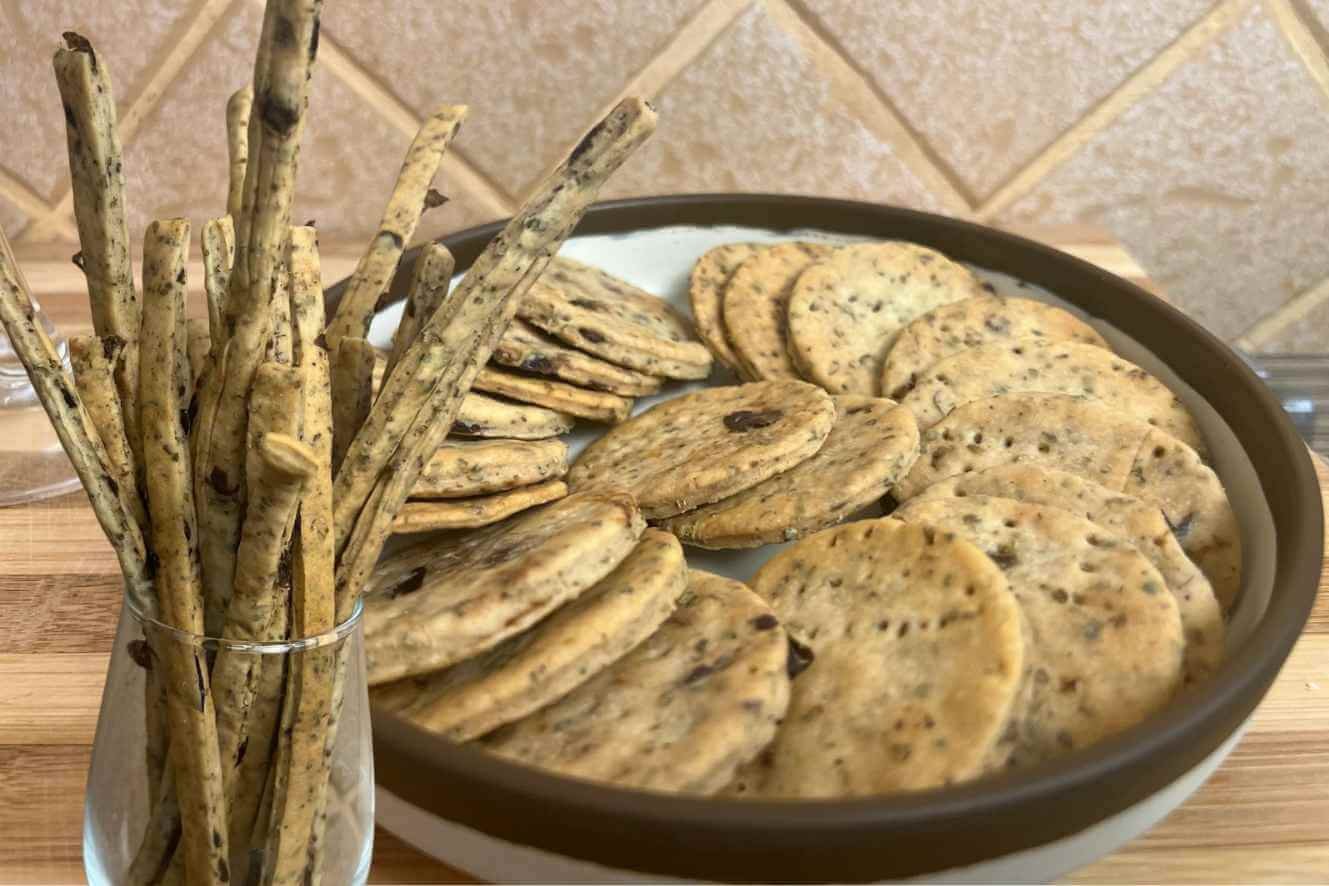
Some recipes prove that simple ingredients can create the most memorable flavors. These thyme and olive breadsticks are a perfect example.
They combine aromatic thyme, salty black olives, and rich olive oil in every crispy bite. Once baked, they become golden around the edges with a delicate crunch throughout.
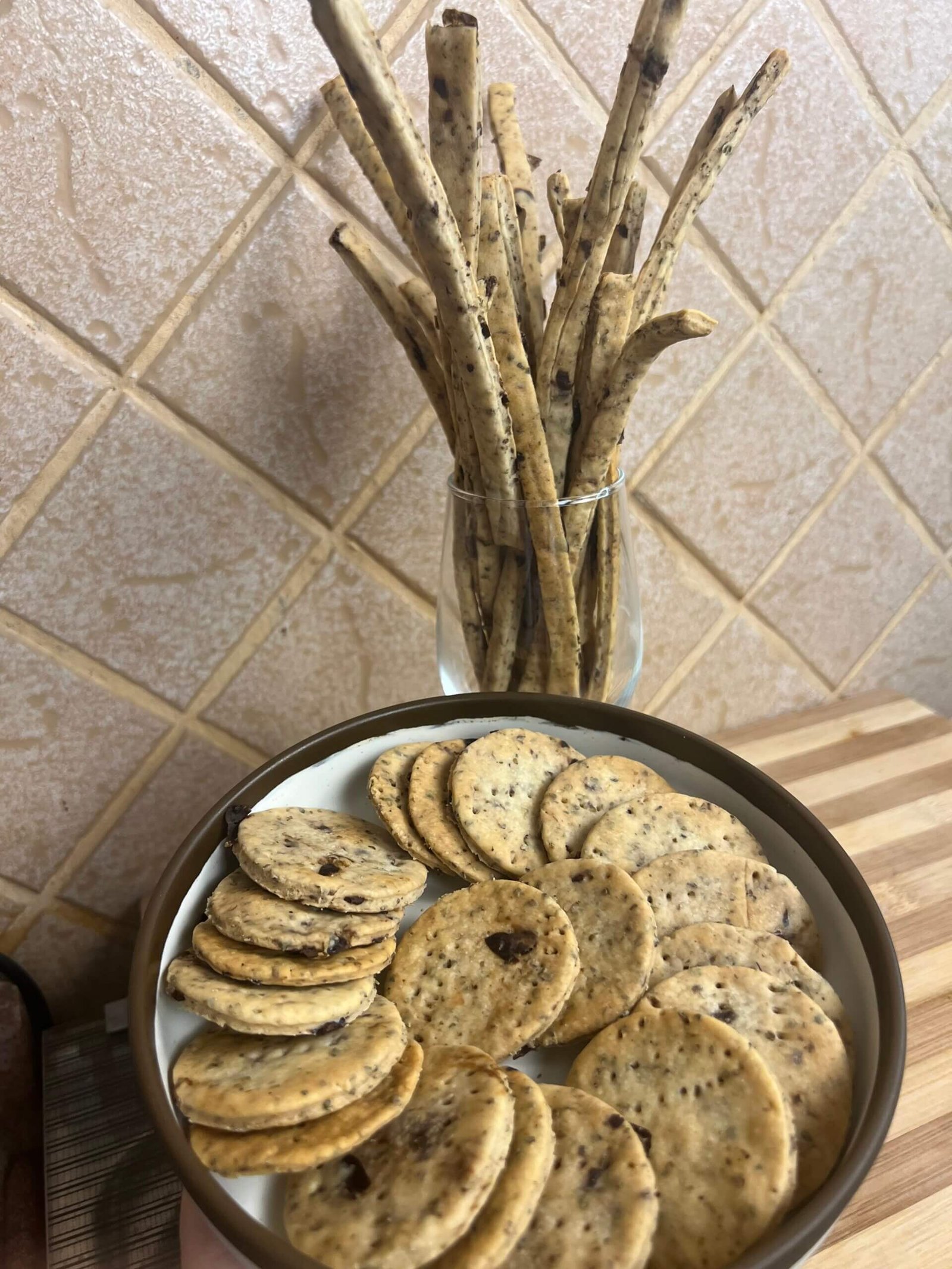
I prepare the dough in two different shapes. You can cut it into long breadsticks or make small round crackers. Both versions are easy to serve, store, and enjoy whenever you want something savory.
These breadsticks also bring familiar Lebanese flavors to the table in a new form. Serve them beside dips, cheese, fresh vegetables, or a complete mezze spread. They are equally delicious with an afternoon cup of tea.
Most importantly, this recipe does not require yeast or a long rising time. The dough comes together quickly and needs only a short rest before shaping. Therefore, you can prepare an impressive homemade snack without spending the entire day in the kitchen.
Breadsticks, Crackers, or Savory Lebanese Biscuits?
Although I call them breadsticks, this dough can take several different forms. Each shape creates a slightly different eating experience.
Cut the dough into thin strips for long, elegant breadsticks. They look beautiful inside a glass or arranged across a mezze board. Their shape also makes them ideal for dipping.
Alternatively, use a small cutter to create round crackers. These pieces are easier to pack in lunchboxes or serve as individual bites. You can also prick them with a fork for a traditional homemade appearance.
A Perfect Base for Soft Cheese
The round version works particularly well as a savory cracker. Its crisp texture creates a delicious contrast with fresh, creamy toppings.
Try spreading each piece with homemade cottage cheese, then add cucumber, tomato, or fresh herbs. The mild cheese allows the thyme and olive flavors to remain noticeable.
You can also serve the breadsticks with homemade baladi cheese for a more traditional Lebanese combination. Add olives, sliced vegetables, and fresh mint to create a simple breakfast or light dinner.
Whichever shape you choose, keep the thickness consistent. This helps every piece bake evenly and develop the same satisfying crunch.
Why Olive Oil Matters in This Dough
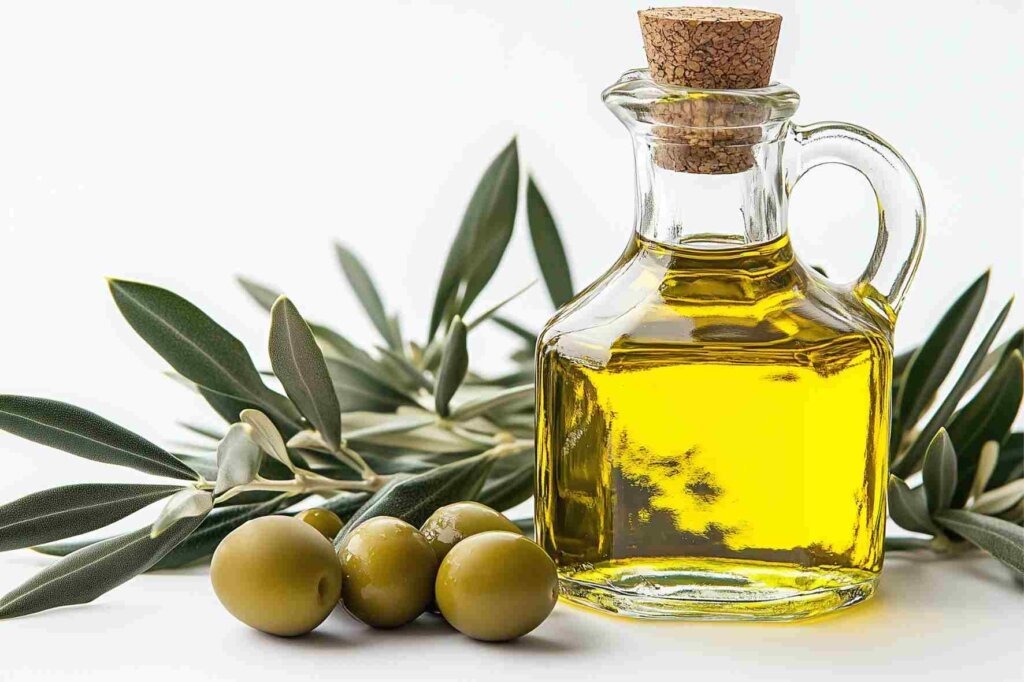
Olive oil does much more than add Mediterranean flavor to these thyme and olive breadsticks. It also controls their texture.
When you rub the oil into the flour, it coats some of the flour particles. This limits gluten development and produces a shorter, more delicate bite. Consequently, the breadsticks become crisp instead of chewy.
This technique differs from preparing a traditional yeast dough. Recipes such as kaakeh asrounieh need gluten development to create a soft and flexible crumb. Here, we want the opposite result.
However, the olive oil must be distributed evenly. Rub it into the dry ingredients until the mixture resembles damp, coarse crumbs. Only then should you begin adding the water.
Adding the water too early can create uneven patches in the dough. Some areas may become tough, while others remain oily and fragile.
The generous amount of olive oil also helps the breadsticks develop their golden color. Moreover, it carries the aroma of the thyme throughout every bite. This creates a richer flavor without requiring butter or dairy products.
Black Olives Add More Than Saltiness

Black olives give these breadsticks their distinctive appearance and small bursts of savory flavor. However, they also affect the dough’s texture.
Olives naturally contain moisture. Therefore, drain them thoroughly before adding them to the mixture. You can also pat them dry with kitchen paper.
If the olives remain too wet, the dough may feel sticky. More importantly, damp pieces can create softer areas after baking.
Chop the olives finely so they spread evenly throughout the dough. Large pieces may tear thin breadsticks or create weak spots in round crackers.
Check the Salt Before Mixing
The saltiness of black olives varies between brands and preparation methods. Taste one before measuring the salt for your dough.
This small step helps prevent an overly salty result. It reflects the same principle I use when explaining how to season food properly. Always consider the ingredients that already bring salt to a recipe.
If you enjoy the flavor of black olives, you can also prepare a homemade olive tapenade. Serve it beside the breadsticks for an even richer olive experience. Since both recipes use similar Mediterranean ingredients, they fit naturally on the same mezze table.
The Thickness Determines the Final Crunch
The way you roll the dough has a direct effect on the finished texture. A small difference can change the entire result.
Thin dough produces crisp, delicate breadsticks that snap easily. Slightly thicker dough creates a firmer bite with a softer center.
Neither option is wrong. However, every piece on the tray should have approximately the same thickness. Otherwise, thin pieces may burn before thicker ones finish baking.
Roll from the Center Outward
Place the dough between two sheets of parchment paper. Then, roll from the center toward the edges using gentle, even pressure.
Turn the dough occasionally to check its shape and thickness. This technique also helps when preparing homemade tortilla bread, although tortillas remain much softer and more flexible.
For crisp breadsticks, aim for a thickness of approximately 3 millimeters. If you prefer a sturdier cracker, leave the dough slightly thicker.
After cutting the shapes, prick round crackers with a fork. The small holes allow steam to escape and prevent large bubbles from forming.
Finally, keep similarly sized pieces together on each tray. This makes it easier to remove them when they reach the perfect golden color.
Let’s Make Lebanese Thyme & Olives Breadsticks
Lebanese Thyme & Olives Breadsticks
Ingredients
Equipment
Method
- In a large mixing bowl, combine the flour, baking powder, a pinch of salt, and a generous amount of thyme. Stir them together until well mixed.
- Pour in the olive oil. Using your hands, “rub” or crumble the oil into the flour mixture until it is evenly distributed and the texture resembles coarse sand.
- Create a well in the center of the mixture and pour in the water. Start mixing and kneading the dough by hand until it begins to come together.
- Add the finely chopped black olives to the dough. Knead the dough thoroughly for about 5 minutes until it is smooth, soft, and no longer sticking to your hands.
- Shape the dough into a ball, place it in a bowl, and let it rest for approximately 20 minutes.
- Preheat your oven to 190°C (375°F).
- Place the rested dough between two sheets of parchment paper (baking paper).
- Use a rolling pin to flatten it into a thin, even rectangle.
- Trim the uneven edges to make a clean shape.
- Cut the dough into long, thin strips (breadstick style).
- Alternative: You can also prick the dough with a fork and use a small circular cutter (or a coffee cup) to make round crackers.
- Place the strips on a baking tray lined with parchment paper. Bake in the preheated oven for about 15 minutes or until they are golden and crispy.
- Let them cool slightly to reach maximum crunchiness. Enjoy your homemade Lebanese-flavored Italian grissini!
Video
Notes
The Breadsticks Continue to Crisp After Baking
Do not judge the final texture while the breadsticks are still hot. They may feel slightly soft when leaving the oven.
During baking, heat turns the water inside the dough into steam. However, some moisture remains trapped when you remove the tray.
As the breadsticks cool, that remaining steam escapes. The structure becomes firmer, creating the crisp bite we want.
Look for Color, Not Only Baking Time
Ovens do not always heat in the same way. Therefore, use the baking time as a guide rather than a strict rule.
The edges should look lightly golden, while the surface should feel dry. The bottom should also have a little color.
If some pieces bake faster, remove them first. Leave thicker or larger pieces in the oven for another minute.
Transfer everything to a cooling rack whenever possible. Air can then circulate underneath instead of creating condensation against the hot tray.
Finally, let the breadsticks cool completely before placing them inside a container. Storing them warm traps moisture and quickly removes their crunch.
Build a Lebanese Mezze Board Around Them
These thyme and olive breadsticks can become the starting point for a colorful Lebanese mezze board. Their crisp texture balances soft, creamy dips beautifully.
Place the long breadsticks inside a glass for height. Then, arrange the round crackers around small bowls of dips and cheese.

Serve them with creamy feta dip for a salty and tangy pairing. The mild breadsticks carry the dip without hiding its flavor.
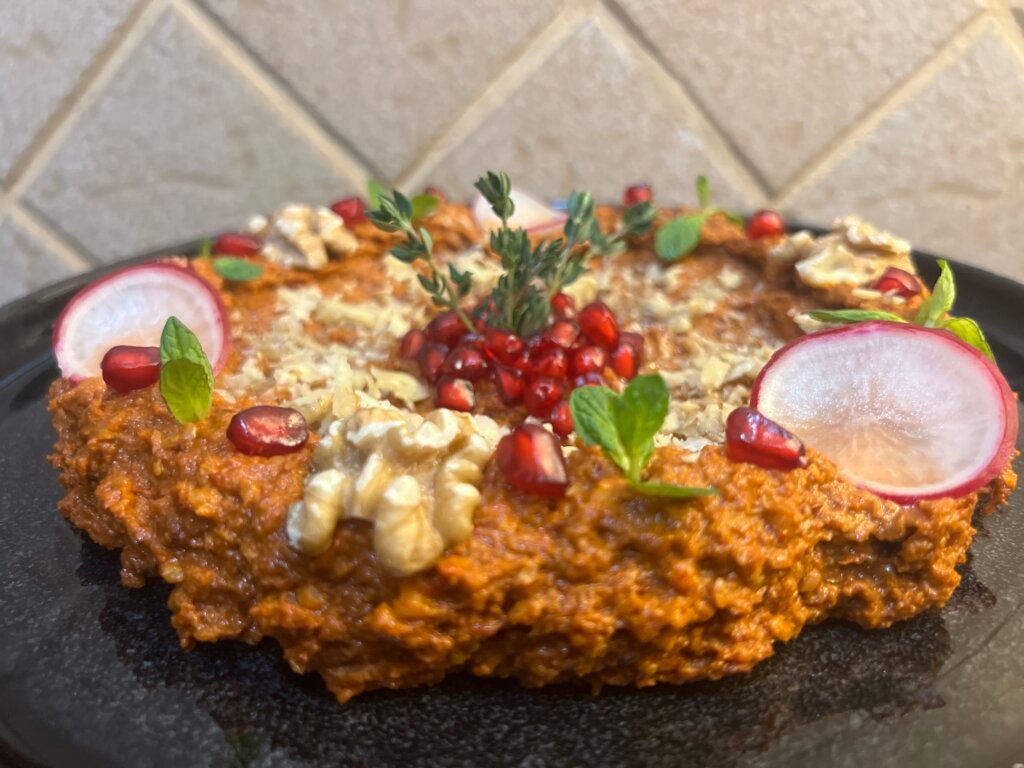
For a sweeter and slightly smoky option, add muhammara made with roasted red peppers and walnuts. Its deep red color also brightens the serving board.
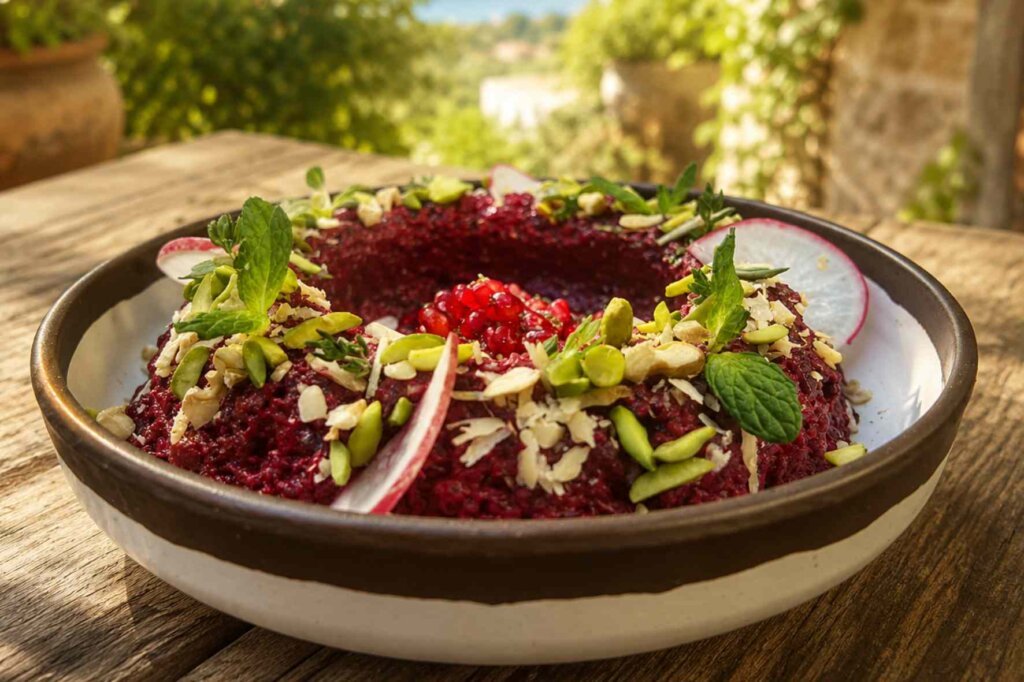
You can include beetroot mutabbal for another colorful contrast. Its earthy flavor and creamy texture work particularly well with thyme and olives.
Complete the board with cucumber slices, cherry tomatoes, fresh mint, and extra black olives. Homemade cottage cheese or baladi cheese can add a fresh dairy element.
This arrangement works well for brunch, family gatherings, or a light evening meal. Moreover, guests can create a different combination with every bite.
Offer a Gluten-Free Option on the Same Table
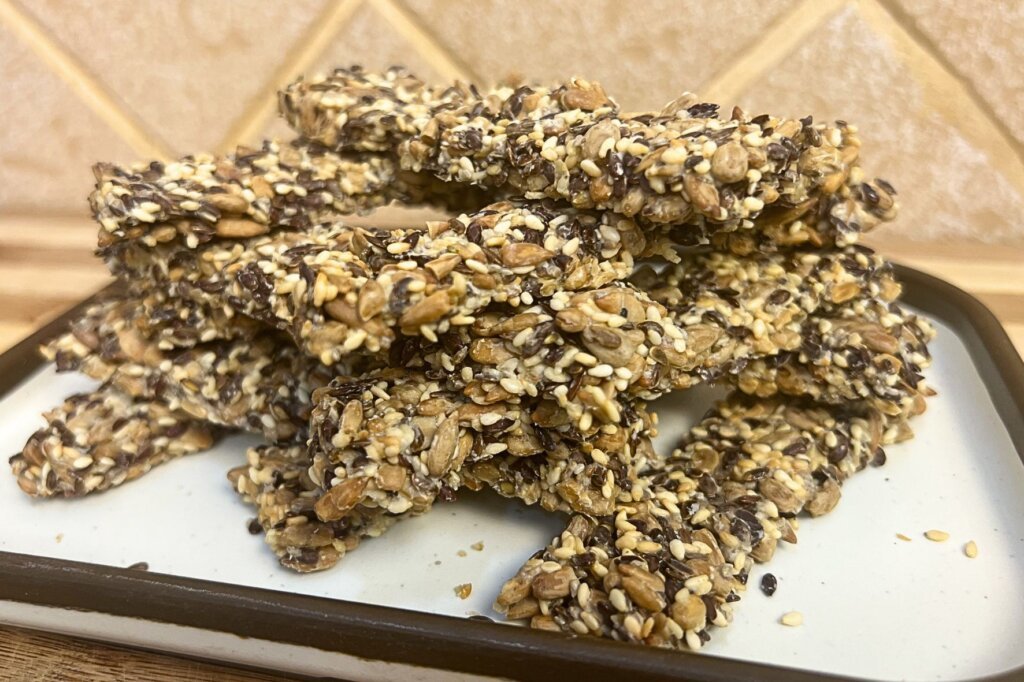
These thyme and olive breadsticks contain wheat flour. Therefore, they are not suitable for anyone following a gluten-free diet.
However, you can still prepare an inclusive snack board for guests with different dietary needs. Add a separate plate of gluten-free seed crackers beside the breadsticks.
Their nutty flavor and crisp texture pair with the same cheeses, vegetables, and dips. This means you do not need to prepare an entirely different mezze selection.
Keep the gluten-free crackers on a separate plate. Additionally, provide separate serving utensils to reduce the risk of crumbs mixing.
If someone has celiac disease, preparation requires even greater care. Use clean surfaces, containers, and utensils to avoid gluten cross-contact.
Offering both choices makes the table more welcoming. Meanwhile, everyone can enjoy the dips and toppings that suit their needs.
How to Store Thyme and Olive Breadsticks
Allow the breadsticks and crackers to cool completely before storing them. Even slight warmth can create condensation inside the container.
Place them in an airtight glass jar or food container. Keep the container in a cool, dry cupboard away from direct sunlight.
When stored correctly, the breadsticks should remain crisp for approximately one week. However, humidity may soften them sooner.
Avoid keeping them in the refrigerator. The moist environment can affect their texture and make them lose their pleasant crunch.
How to Restore Their Crunch
If the breadsticks become slightly soft, do not throw them away. Spread them across a baking tray in one layer.
Warm them at 160°C for approximately five minutes. Then, let them cool completely before serving or storing them again.
You can also freeze them for longer storage. Separate the pieces with parchment paper and place them inside a freezer-safe container.
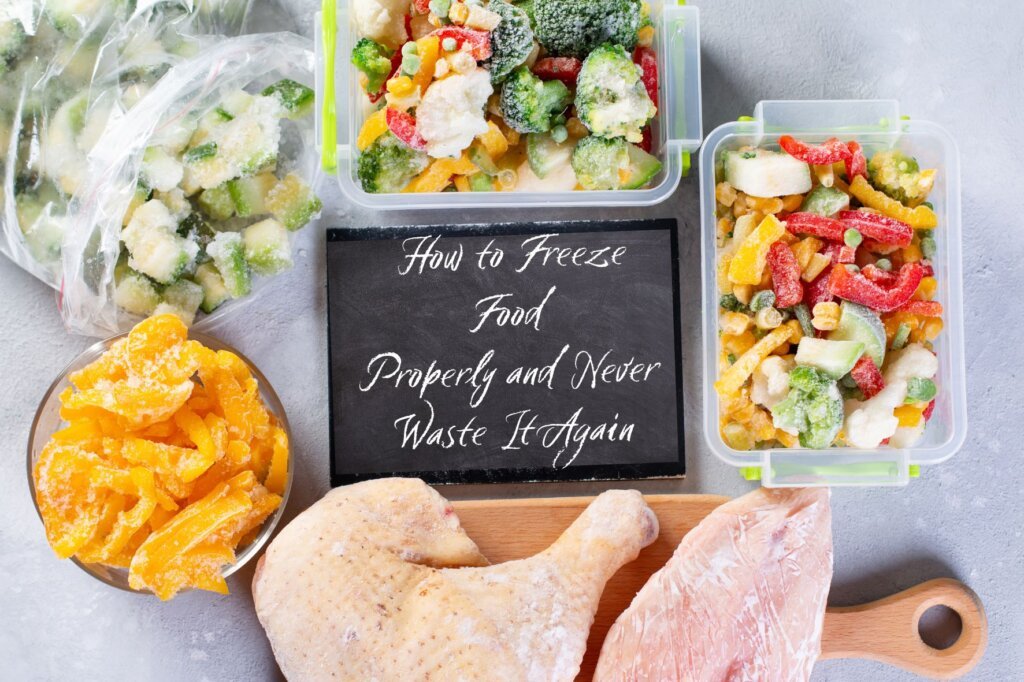
For more practical advice, my guide on how to freeze food properly explains how good packaging protects flavor and texture. Frozen breadsticks can keep well for up to two months.
Reheat them directly from frozen at 160°C until crisp. Most importantly, cool them again before returning any leftovers to storage.
Do Not Waste Broken Breadsticks
Thin breadsticks can sometimes break during shaping, baking, or storage. Fortunately, those pieces remain just as flavorful as the perfect ones.
Serve larger fragments beside dips or add them to a snack bowl. Their irregular shapes can give a mezze table a relaxed, homemade appearance.
Turn the Crumbs into a Topping
Crush smaller pieces and use them like seasoned breadcrumbs. The thyme, olives, and olive oil already provide plenty of flavor.
Sprinkle the crumbs over creamy mushroom soup just before serving. They add a crisp contrast to the smooth, rich soup.
You can also scatter them across salads instead of ordinary croutons. They would work especially well with a tomato salad or fresh cucumber salad.
For a warm dish, use the crumbs as a topping for baked vegetables. Mix them with a little grated cheese, then bake until golden.
Store leftover crumbs in an airtight jar. This small habit prevents waste and gives you a ready-made savory topping for another meal.
Why the Dough Needs Time to Rest
This dough does not contain yeast, so it does not need time to rise. However, its short resting period still matters.
While the dough rests, the flour absorbs the water more evenly. This creates a smoother texture and reduces dry or crumbly areas.
Resting also allows the gluten to relax. As a result, the dough becomes easier to roll without shrinking toward the center.
Cover the dough during this time. Otherwise, the surface may dry and form a thin skin that cracks during rolling.
Approximately 20 minutes should be enough. A longer rest is unnecessary and may allow the olives to release additional moisture.
If the dough still springs back, leave it covered for another five minutes. Then, roll it gently between two sheets of parchment paper.
This simple pause makes shaping easier and helps produce breadsticks with a more even thickness. Ultimately, even thickness creates better and more consistent baking results.
More Ways to Serve Them Throughout the Day
These thyme and olive breadsticks are not limited to parties or mezze boards. Their practical shape makes them useful throughout the day.
For breakfast, serve them with labneh, cucumber, tomatoes, and fresh mint. They also pair beautifully with homemade cottage cheese or baladi cheese.
Pack the round crackers in lunchboxes with cheese cubes and sliced vegetables. However, keep wet ingredients in a separate container to protect their crunch.
At lunchtime, use the breadsticks instead of ordinary bread beside a fresh salad. Their savory flavor works particularly well with freekeh tabbouleh and other herb-filled salads.
You can also place a few beside soup for a light dinner. Long breadsticks are especially convenient because they can be dipped without breaking easily.
For an afternoon snack, enjoy them with tea or coffee. Their thyme and olive flavor offers a savory alternative to sweet biscuits.
Because they travel well, they are also convenient for picnics and road trips. Simply pack them inside a rigid container to prevent breakage.
A Simple Dough with Many Possibilities
These thyme and olive breadsticks turn familiar Mediterranean ingredients into a crisp and versatile homemade snack. One dough also gives you two enjoyable shapes.
Prepare long breadsticks for dipping or round crackers for cheese and toppings. Then, serve them at breakfast, beside mezze, or as a savory afternoon snack.
I especially enjoy recipes that allow home cooks to adapt the presentation without complicating the method. Here, careful rolling and proper cooling make the greatest difference.
I hope you prepare this recipe and make it part of your own table. You can also visit my YouTube channel to watch more recipes and practical cooking techniques step by step.
Until our next recipe, enjoy the process and share every crispy bite with the people you love.

Chef François El Aaraj is a corporate chef and culinary consultant with more than 30 years of experience in professional kitchens and restaurant openings across Lebanon and abroad. Through this website, he shares authentic recipes, cooking techniques, and chef secrets designed to help home cooks create flavorful meals with confidence.
Leave a Reply