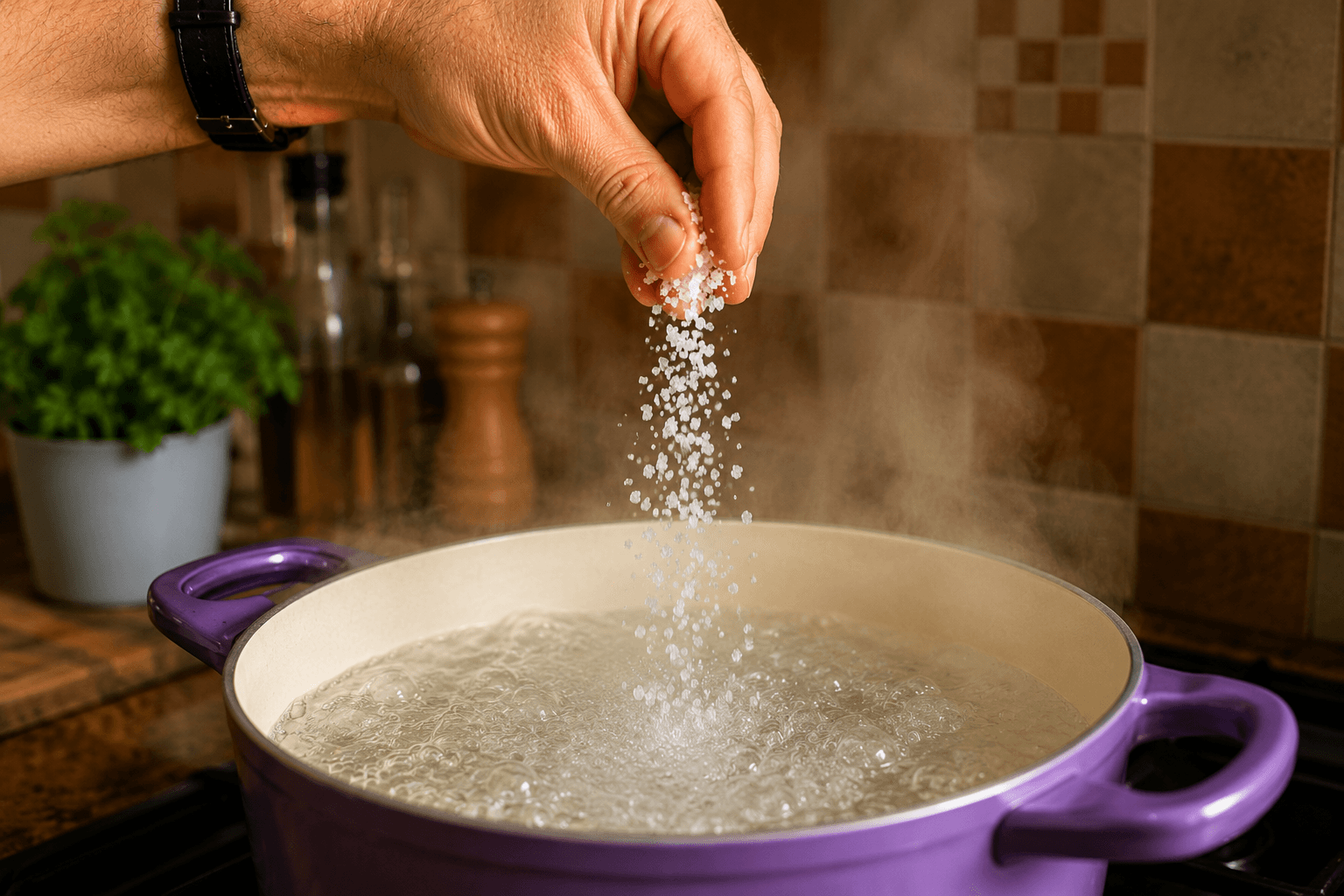
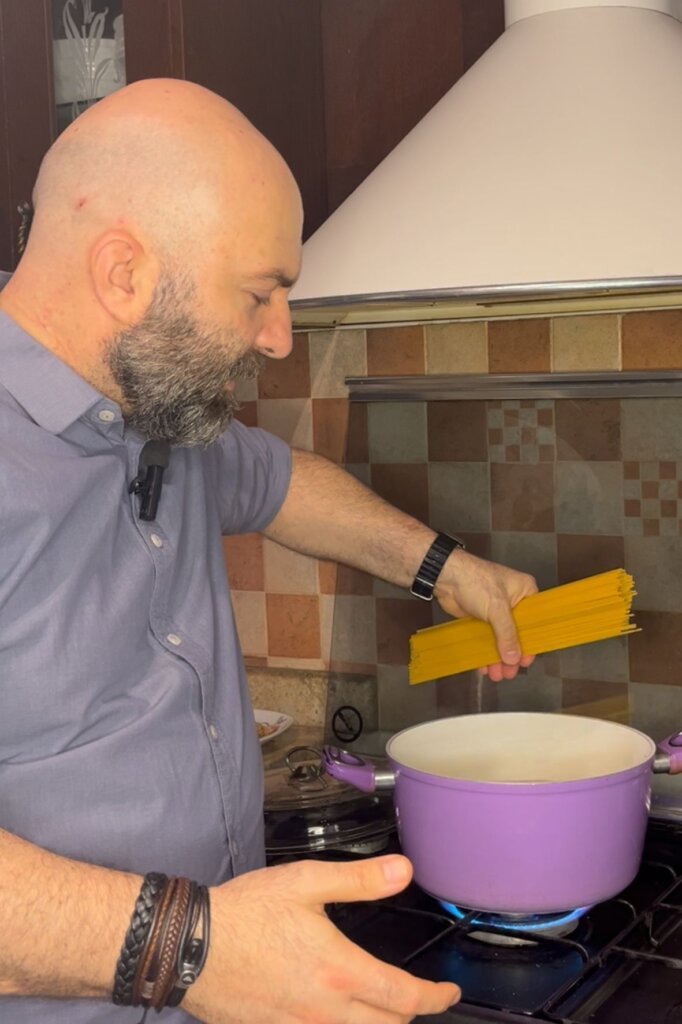
If there is one small cooking step that separates restaurant-quality pasta from bland homemade pasta, it is salting the pasta water correctly. Surprisingly, many people spend hours preparing sauces, buying expensive ingredients, or searching for the perfect pasta recipe while completely ignoring the pot of boiling water sitting on the stove. However, professional chefs know that this simple step changes the entire final result.
Throughout my years working in professional kitchens, training staff, and opening restaurant branches, I noticed something interesting. Beginners often focus heavily on the sauce, yet experienced chefs focus just as much on the pasta itself. After all, pasta is not simply a vehicle for sauce. Instead, it is one of the main components of the dish, and it deserves proper seasoning from the very beginning.
Today, I want to explain the real reason chefs salt pasta water, why this technique matters so much, and how this tiny detail can instantly improve your cooking at home.
Why Pasta Water Matters More Than Most People Think
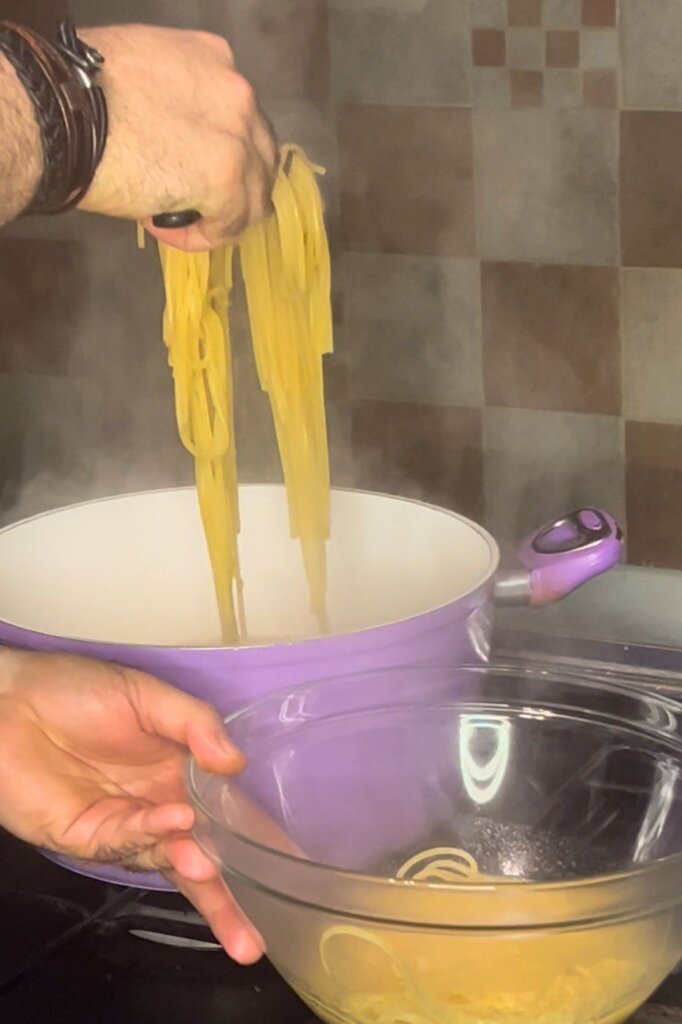
Many home cooks assume that the sauce alone will flavor the pasta. Unfortunately, that is not how pasta works. While pasta cooks, it absorbs water. Therefore, if the water has no seasoning, the pasta itself will taste plain and dull inside.
Even a rich tomato sauce or creamy Alfredo sauce cannot completely fix under-seasoned pasta. In fact, when pasta is not properly salted during cooking, the final dish often tastes flat no matter how delicious the sauce may be.
In professional kitchens, chefs build flavor in layers. This means that every component receives attention. Vegetables are seasoned. Meat is seasoned. Sauces are seasoned. Pasta should also be seasoned during the cooking process rather than only afterward.
I remember training a young cook years ago who prepared a beautiful seafood pasta. The sauce was excellent, the shrimp were perfectly cooked, and the presentation looked restaurant-worthy. Yet something tasted wrong. After tasting it, I immediately knew the problem: the pasta water had no salt. The pasta itself had absolutely no flavor, and it weakened the entire dish.
That experience stayed with him forever because he realized that great cooking is often about mastering the small details.
The Science Behind Salting Pasta Water
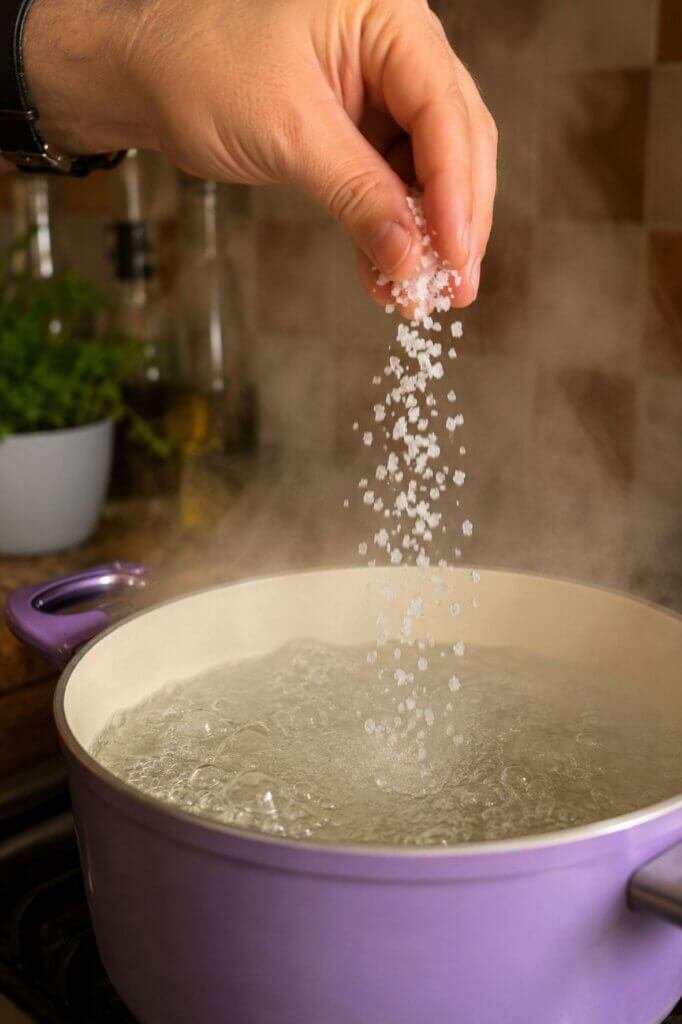
There is a real scientific reason behind this technique. As pasta cooks, it absorbs some of the cooking water. Therefore, salted water allows the pasta to absorb seasoning from the inside out.
On the other hand, sprinkling salt over cooked pasta afterward only seasons the surface. The inside remains bland. This is why professionally cooked pasta tastes more balanced and flavorful.
Additionally, salted water slightly enhances the natural flavor of wheat-based pasta. The difference may sound small, but once you notice it, it becomes impossible to ignore.
Another important factor involves starch. During cooking, pasta releases starch into the water. Later, chefs often use some of this starchy pasta water to help sauces cling beautifully to the pasta. Because the water is seasoned, it improves the overall flavor of the final dish rather than diluting it.
This is one of the secrets behind creamy restaurant pasta sauces that feel silky and perfectly combined instead of oily or separated.
Does Pasta Water Really Need to Taste Like the Sea?
You have probably heard chefs say that pasta water should taste “like the sea.” While this phrase became famous in culinary schools and restaurants, many people misunderstand it.
The idea is not to make the water aggressively salty. Instead, it should taste pleasantly seasoned. Think of lightly salted soup rather than ocean water.
Unfortunately, some beginners take this expression too literally and end up oversalting their pasta completely. As a result, the final dish becomes unpleasant.
In my kitchens, I always taught cooks to season with balance. You want enough salt to flavor the pasta properly, but not so much that it dominates the dish.
For most home cooking, adding around 1 to 1½ tablespoons of salt per large pot of water is usually enough. Naturally, the exact amount depends on how much water and pasta you are using.
When Should You Add the Salt?
Timing matters more than people think.
Many beginners add salt too early, while the water is still cold. Technically, this works, but I personally prefer adding salt once the water reaches a boil. At that point, the salt dissolves quickly and evenly.
Additionally, adding salt after the boil helps people measure more carefully instead of throwing random amounts into the pot.
One mistake I often saw during kitchen training involved cooks forgetting the salt entirely until after the pasta was already cooking. Unfortunately, adding salt too late reduces the effect because the pasta has already absorbed unsalted water during the first cooking stage.
Therefore, the ideal process is simple:
- Bring water to a rolling boil
- Add the salt
- Stir briefly
- Add the pasta
This sequence gives the best results consistently.
How Much Salt Should You Actually Use?
This is one of the most common cooking questions.
Some people barely add a pinch, while others pour large amounts carelessly. Neither approach works well.
For home cooking, here is a practical guideline:
- Small pot: about 1 teaspoon salt
- Medium pot: about 2 teaspoons salt
- Large pasta pot: about 1 to 1½ tablespoons salt
Kosher salt and sea salt are often preferred in professional kitchens because they dissolve nicely and provide cleaner flavor. However, regular table salt also works if used carefully.
The goal is balance, not extreme saltiness.
I always encourage people to taste and adjust over time. Eventually, you develop intuition, and you no longer need exact measurements.
Why Chefs Never Add Oil to Pasta Water
This is another important kitchen myth.
For years, many people believed oil should be added to pasta water to prevent sticking. However, most professional chefs avoid this practice completely.
Why?
Because oil coats the pasta surface, making it harder for sauces to cling properly afterward. Instead of helping the dish, it often weakens the connection between pasta and sauce.
The real solution is much simpler:
- Use enough water
- Stir the pasta during the first minute
- Avoid overcrowding the pot
That is exactly how restaurants do it.
Pasta Water Is Secretly an Ingredient
One of the biggest differences between restaurant pasta and homemade pasta involves reserved pasta water.
Professional chefs rarely drain pasta completely and forget about the water. Instead, they save some of that starchy liquid before draining.
Why does this matter so much?
Because pasta water helps emulsify sauces beautifully. It combines with butter, olive oil, cheese, and tomato sauces to create a glossy texture that coats the pasta evenly.
Without pasta water, sauces can feel heavy, oily, or disconnected.
I still remember watching new cooks throw away the pasta water automatically during training. Every time, I stopped them immediately. In many kitchens, that water is considered almost as important as the sauce itself.
Even a few tablespoons can completely transform the final texture of a dish.
Different Pasta Dishes Need Different Salt Levels
Not every pasta dish requires the exact same seasoning approach. In fact, experienced chefs slightly adjust pasta water seasoning depending on the sauce itself.
For example:
- Creamy Alfredo sauces already contain parmesan and butter, so the pasta water should be well seasoned but not overpowering.
- Seafood pasta usually benefits from lighter seasoning to preserve the delicate flavors of shrimp, mussels, or calamari.
- Aglio e Olio depends heavily on properly salted pasta water because the sauce itself is very simple. Since the recipe mainly contains garlic, olive oil, chili, and parsley, the pasta must already carry flavor from the inside.
- Penne all’Arrabbiata needs balanced seasoning because the spicy tomato sauce already has bold flavors. Therefore, oversalting the pasta water can easily make the dish too intense.
- Pesto Linguine often requires slightly gentler salting because pesto already contains parmesan cheese, pecorino, and naturally salty ingredients. A lighter hand with salt helps maintain freshness and balance.
This is exactly why professional chefs constantly taste throughout the cooking process instead of blindly following measurements.
Cooking is not only about recipes. It is also about understanding balance, texture, and how every ingredient interacts with the others.ng balance and understanding ingredients.
The Biggest Difference Home Cooks Notice
One of my favorite kitchen moments happens when someone tastes properly seasoned pasta for the first time.
The reaction is usually immediate.
Suddenly, even a simple pasta with olive oil, garlic, or butter tastes dramatically better. The dish feels more complete, richer, and more professional despite using the same ingredients.
That is the beauty of proper technique. Sometimes the smallest adjustments create the biggest improvements.
You do not always need expensive ingredients or complicated recipes. Instead, you need to understand how flavor is built step by step.
This is something I learned very early in my culinary career while working in Italian kitchens. The chefs there respected simplicity. However, they treated every small detail seriously.
A beautifully cooked pasta dish often depends on fundamentals rather than complexity.
Common Pasta Water Mistakes
Over the years, I noticed several mistakes repeated again and again.
Using Too Little Water
When there is not enough water, pasta releases too much starch into a small space and becomes sticky.
Forgetting the Salt
This remains the biggest mistake of all because it affects the entire dish.
Adding Salt Too Late
The pasta absorbs less seasoning when salt is added after cooking begins.
Oversalting the Water
Too much salt can overpower delicate sauces.
Throwing Away All the Pasta Water
This removes one of the most useful cooking tools for building silky sauces.
Adding Oil to the Water
This can prevent sauces from sticking properly.
Fortunately, all these mistakes are easy to fix once you understand the reasoning behind them.
Why Professional Kitchens Care So Much About Small Details
Many people imagine professional kitchens as places filled with secret ingredients or complicated techniques. In reality, restaurants often succeed because they consistently execute basic techniques correctly.
Salting pasta water may seem small, yet it reflects a larger cooking philosophy: respect every ingredient and every step.
The best chefs I worked with always paid attention to details that most people ignored:
- Proper seasoning
- Correct heat levels
- Timing
- Texture
- Balance
These details may appear simple individually. However, together they create restaurant-quality food.
This is exactly why learning foundational cooking habits matters so much for home cooks.
A Word from Chef François
One of the easiest ways to improve your pasta immediately is to test this technique yourself. Cook two small portions side by side. Salt one pot properly and leave the other unsalted. Then taste them before adding sauce.
The difference surprises almost everyone.
Throughout my career, I learned that great cooking rarely depends on expensive ingredients or complicated tricks. Instead, it comes from understanding how small decisions affect flavor, texture, and balance.
Salting pasta water is one of those small decisions that changes everything.
Final Thoughts
The next time you cook pasta, remember that the water itself is part of the recipe. It is not just there to soften noodles. It is the first opportunity to season the dish correctly.
By salting pasta water properly, reserving some of that starchy liquid, and respecting the cooking process, you can instantly create pasta dishes that taste richer, more balanced, and far more professional.
If you enjoy learning restaurant cooking secrets made simple, explore more recipes and kitchen tips and visit my YouTube channel for more practical cooking techniques and authentic recipes.

Chef François El Aaraj is a corporate chef and culinary consultant with more than 30 years of experience in professional kitchens and restaurant openings across Lebanon and abroad. Through this website, he shares authentic recipes, cooking techniques, and chef secrets designed to help home cooks create flavorful meals with confidence.
Leave a Reply