
There is nothing more disappointing than spending time making a beautiful soup, only to taste it and feel… nothing. The texture may be creamy. The ingredients may be fresh. The color may look perfect. Yet somehow, the soup tastes dull, weak, or lifeless.
As a chef, I have seen this happen countless times in home kitchens. People often assume the problem comes from the recipe itself. However, most of the time, the issue is much simpler. Soup becomes flat when balance is missing.
A good soup should feel alive. It should have warmth, depth, aroma, and personality. Every spoonful should make you want another one. Fortunately, flat soup is usually very easy to fix once you understand the reasons behind it.
In this article, I will walk you through the real reasons your soup tastes flat and explain how professional chefs build rich, comforting flavor in soups without making them complicated. Whether you are making lentil soup, mushroom soup, pumpkin soup, chicken soup, or vegetable soup, these tips will completely change the way your soups taste.


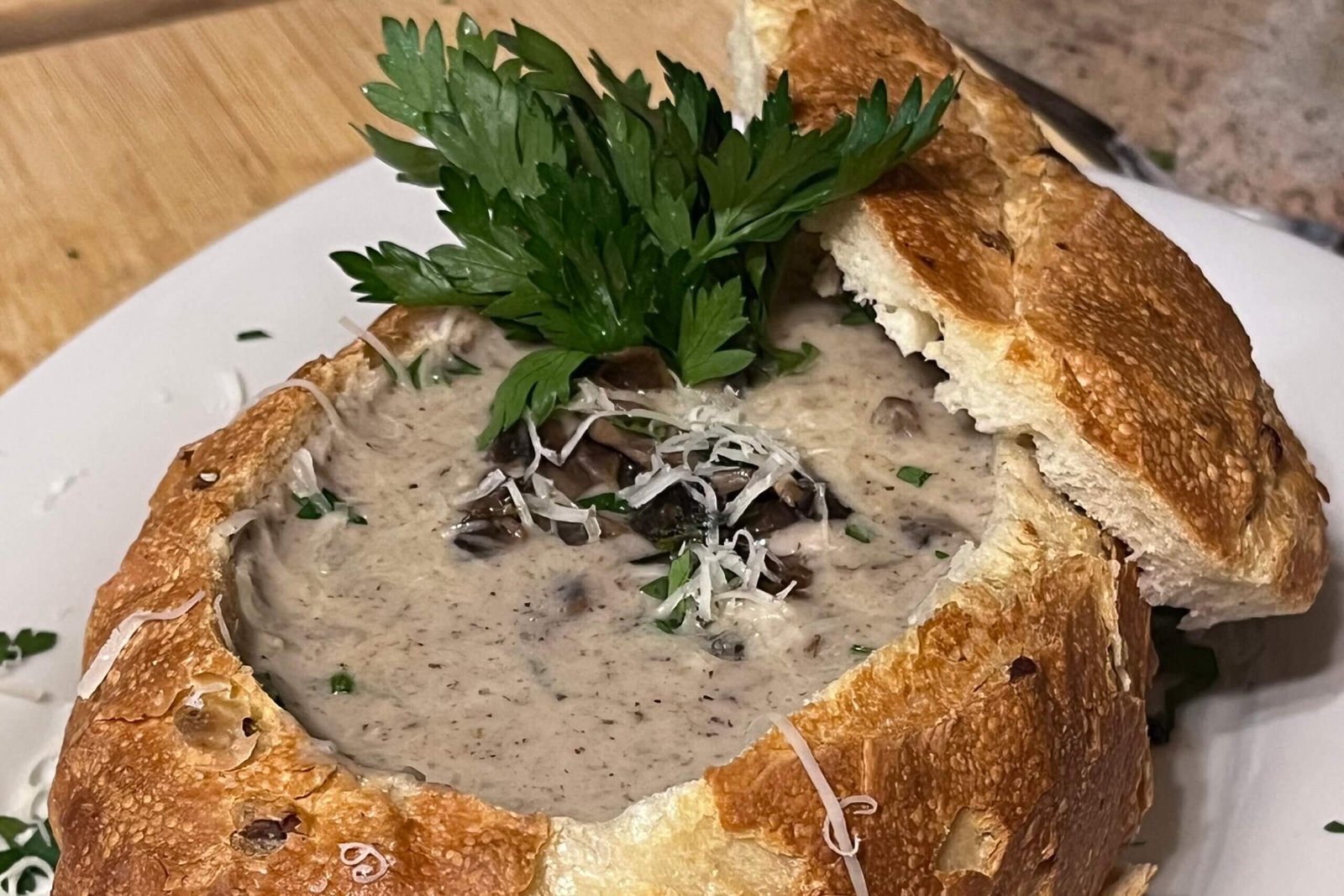
What Does “Flat Soup” Actually Mean?
When people say a soup tastes flat, they usually mean one of these things:
- The flavor feels weak
- The soup tastes watery
- The ingredients do not stand out
- The soup has no aroma
- Everything tastes “the same”
- The soup feels boring after a few spoonfuls
Interestingly, flat soup is not always caused by a lack of seasoning. Sometimes it comes from missing contrast, poor cooking techniques, or the absence of acidity, texture, or aroma.
Professional chefs think about soup in layers. Instead of depending on a single ingredient, they slowly build flavor throughout the cooking process.
That is the secret.
The Biggest Reason Your Soup Tastes Flat: Lack of Salt
Let us start with the most common issue.
Salt is not there simply to make food salty. Its real role is to wake up flavor. Without enough salt, even expensive ingredients can taste dull.
I often tell beginner cooks this:
“If your soup tastes boring, it probably needs salt before it needs anything else.”
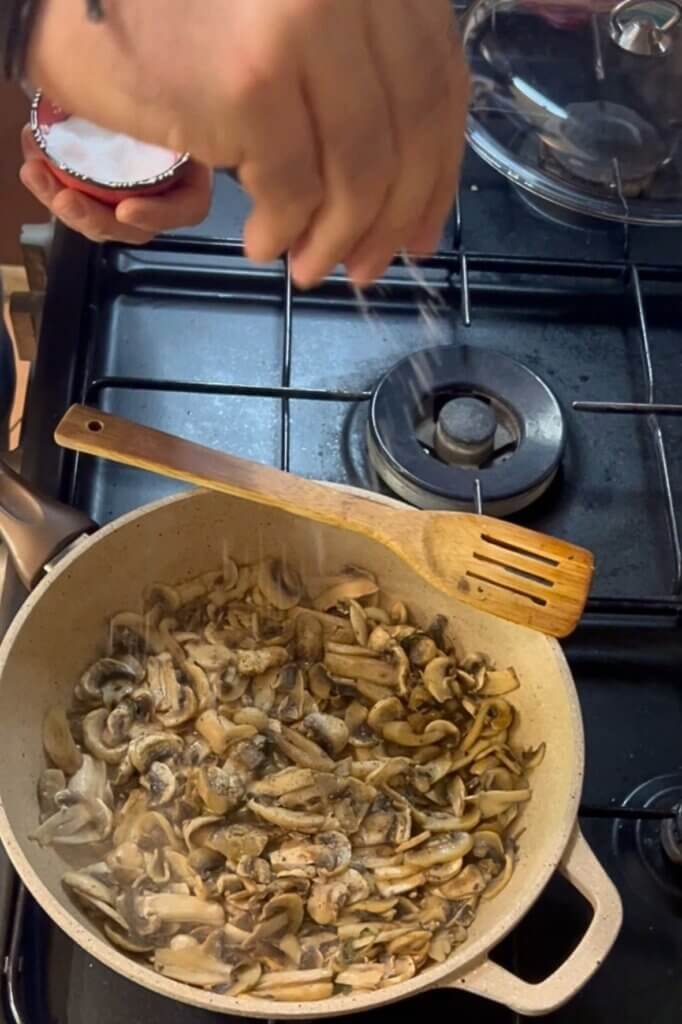
However, adding salt correctly matters.
Many people add one small pinch at the beginning and never taste the soup again. Meanwhile, soups change during cooking. Water evaporates. Vegetables soften. Ingredients release natural sweetness.
That is why chefs taste soup multiple times while cooking.
How to Fix It
- Add salt gradually
- Taste after every adjustment
- Use sea salt or kosher salt when possible
- Finish with a final seasoning check before serving
You should notice the flavors becoming brighter, not saltier.
Your Soup Needs Acidity
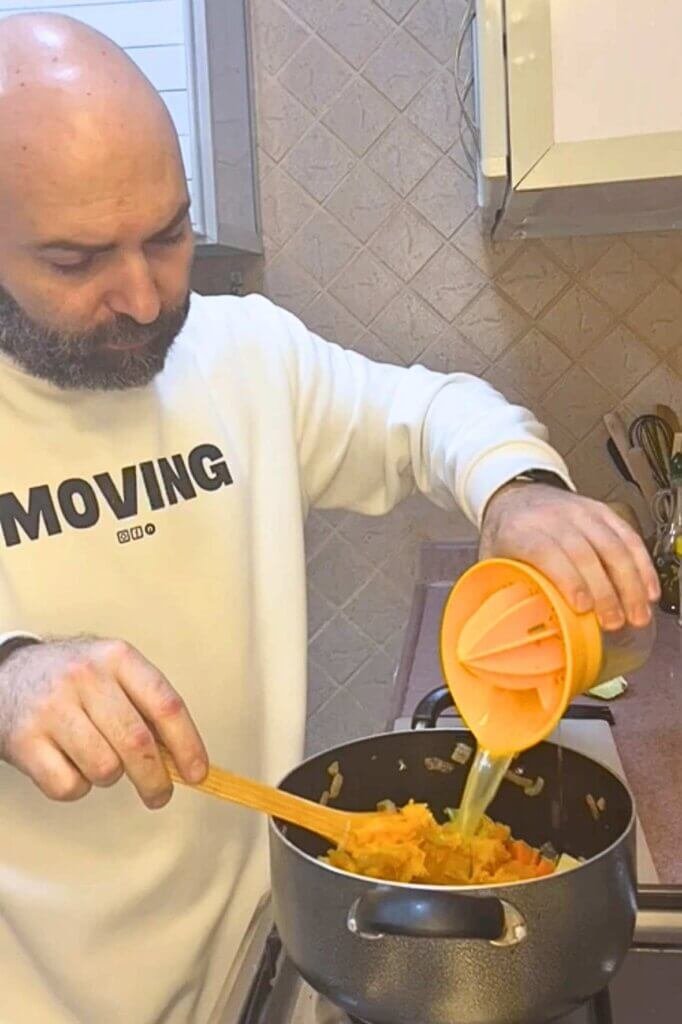
This is one of the most overlooked secrets in cooking.
Sometimes a soup has enough salt and still tastes heavy or dull. In that case, it often needs acidity.
Acidity gives soup energy. It creates contrast and helps flavors shine.
Think about how lemon transforms lentil soup or how a small splash of vinegar wakes up vegetable soup. The change can be dramatic.
In restaurant kitchens, chefs constantly balance richness with acidity.
Great Acidic Ingredients for Soup
- Lemon juice
- Lime juice
- Apple cider vinegar
- White vinegar
- Tomato paste
- Fresh tomatoes
- Pomegranate molasses
- Yogurt
The key is moderation. A small amount can completely transform a soup without making it taste sour.
Weak Broth Creates Weak Soup
No matter how many vegetables or spices you add, the soup will never taste amazing if the broth itself lacks flavor.
Broth is the foundation of soup.
Unfortunately, many people use plain water and expect deep flavor at the end. While some soups can work with water, most soups benefit greatly from a rich broth.
In professional kitchens, we spend hours developing stocks because they create body and depth naturally.
Ways to Improve Broth
- Simmer vegetables longer
- Roast vegetables before adding them
- Use homemade stock if possible
- Add onion, garlic, celery, and carrots
- Include herbs such as bay leaves or thyme
- Avoid boiling aggressively
A slow simmer extracts flavor gently and creates a fuller taste.
You Are Not Building Flavor in Layers
One of the biggest differences between home cooking and restaurant cooking is layering.
Many people throw everything into the pot at once. Although this works for convenience, it does not create complexity.
Chefs build flavor step by step.
For example:
- Sauté onions first
- Add garlic later
- Toast spices briefly
- Add vegetables
- Add broth
- Finish with fresh herbs or lemon
Each stage creates a new layer of flavor.
This is especially important in soups because soups rely heavily on depth rather than texture alone.
Your Onions May Be Undercooked
Onions are one of the greatest flavor builders in soup.
However, if they are rushed, the soup loses sweetness and richness.
I learned early in my career that properly cooked onions can completely transform a simple soup. Even a basic lentil soup tastes more comforting when onions are slowly softened.
Common Onion Mistakes
- Cooking on heat that is too high
- Not cooking long enough
- Adding liquid too quickly
Good onions should become soft, fragrant, and slightly golden before the broth goes in.
That small detail creates a major difference.
Your Soup Might Need Fat
Fat carries flavor.
Without enough fat, soups often feel thin and incomplete.
This does not mean your soup should become greasy. Instead, it means it may need a touch of richness to create balance.
Different soups use different sources of fat:
- Olive oil
- Butter
- Cream
- Coconut milk
- Yogurt
- Cheese
- Tahini
Even a small drizzle of olive oil before serving can add depth and aroma.
In Lebanese cooking especially, olive oil plays a huge role in bringing soups and stews to life.
Overcooked Vegetables Can Kill Flavor
Vegetables lose brightness when cooked too long.
This is very common in vegetable soups where everything becomes soft and muted.
Fresh vegetables bring natural sweetness and aroma. However, overcooking can make them taste tired.
How Chefs Prevent This
- Add delicate vegetables later
- Cook greens briefly
- Avoid excessive boiling
- Maintain a gentle simmer
Color is often a clue.
Bright vegetables usually taste fresher and more vibrant.
Spices Need Proper Treatment
Another reason soups taste flat is poorly handled spices.
Spices are powerful, but they need proper activation.
One mistake I see often is adding spices directly into liquid without blooming them first.
Professional chefs briefly cook spices in oil before adding broth. This releases their aroma and deepens their flavor.
Great Soup Spices
- Cumin
- Paprika
- Black pepper
- Turmeric
- Coriander
- Cinnamon
- Nutmeg
Even simple soups can become unforgettable with properly toasted spices.
Fresh Herbs Matter More Than You Think
Fresh herbs add freshness, aroma, and color.
Without herbs, many soups taste heavy or one-dimensional.
In Lebanon, fresh parsley, mint, and cilantro are used constantly because they make dishes feel alive.
Best Herbs for Soup
- Parsley
- Cilantro
- Basil
- Dill
- Mint
- Chives
However, timing matters.
If herbs cook too long, they lose their brightness. That is why many chefs add them near the end.
Texture Affects Flavor
Interestingly, texture changes how we experience flavor.
A soup that is completely smooth can sometimes feel less exciting than one with contrast.
Professional chefs often add texture intentionally.
Ways to Add Texture
- Crispy croutons
- Toasted nuts
- Fried onions
- Cream swirls
- Parmesan
- Toasted bread
- Crispy chickpeas
These additions create contrast and make the soup feel more satisfying.
Your Soup May Simply Need Time
Some soups taste better the next day.
This is because flavors continue blending after cooking.
Soups like lentil soup, onion soup, and vegetable soup often become deeper overnight.
That is why many restaurants prepare soups ahead of time whenever possible.
If your soup tastes slightly flat today, do not give up immediately. Letting it rest can improve the flavor dramatically.
The Secret Ingredient Many Chefs Use
Here is a secret many restaurant kitchens use:
They add tiny amounts of ingredients that boost umami.
Umami creates savory depth and richness.
Examples Include
- Parmesan rind
- Soy sauce
- Mushroom powder
- Tomato paste
- Worcestershire sauce
- Roasted garlic
These ingredients do not necessarily stand out individually. Instead, they make the soup taste fuller and more satisfying.
Common Soup Mistakes That Cause Flat Flavor
Let us summarize the biggest mistakes:
1. Not Enough Salt
The flavors never wake up.
2. No Acidity
The soup feels heavy and dull.
3. Weak Broth
The base lacks depth.
4. No Flavor Layering
Everything tastes one-dimensional.
5. Overcooking Ingredients
Freshness disappears.
6. Forgetting Texture
The soup feels monotonous.
7. Rushing the Process
Flavor needs time.
Fortunately, every one of these problems can be fixed.
My Personal Experience as a Chef
One thing I learned after years in restaurant kitchens is that great soup is rarely about expensive ingredients.
Some of the most unforgettable soups I ever tasted were incredibly simple.
A humble lentil soup with crispy croutons.
A mushroom soup with proper seasoning.
A creamy pumpkin soup balanced with just enough acidity.
The difference was attention to detail.
I remember training young cooks who kept asking why their soup tasted “empty.” Most of the time, they expected one magical ingredient to fix everything. However, real flavor comes from small decisions made throughout the cooking process.
That is what separates average soup from comforting, memorable soup.
How to Instantly Improve Any Soup Tonight
If your soup tastes flat right now, try this quick chef method:
- Add a pinch of salt
- Add a small squeeze of lemon
- Stir in fresh herbs
- Add a drizzle of olive oil
- Taste again slowly
You will often notice an immediate difference.
Sometimes the transformation is surprisingly dramatic.
Final Thoughts
Understanding why your soup tastes flat can completely change the way you cook.
Soup is not only about ingredients. It is about balance, layering, aroma, texture, and patience.
Once you start thinking like a chef, even simple soups become richer, warmer, and more satisfying.
The good news is that you do not need complicated techniques to create incredible flavor. Small adjustments such as proper seasoning, acidity, fresh herbs, and slow cooking can make an enormous difference.
The next time your soup feels dull, do not throw it away.
Instead, treat it like a chef would:
Taste it carefully, identify what is missing, and build the flavor step by step.
That is how truly comforting soup is made.

Chef François El Aaraj is a corporate chef and culinary consultant with more than 30 years of experience in professional kitchens and restaurant openings across Lebanon and abroad. Through this website, he shares authentic recipes, cooking techniques, and chef secrets designed to help home cooks create flavorful meals with confidence.
Leave a Reply