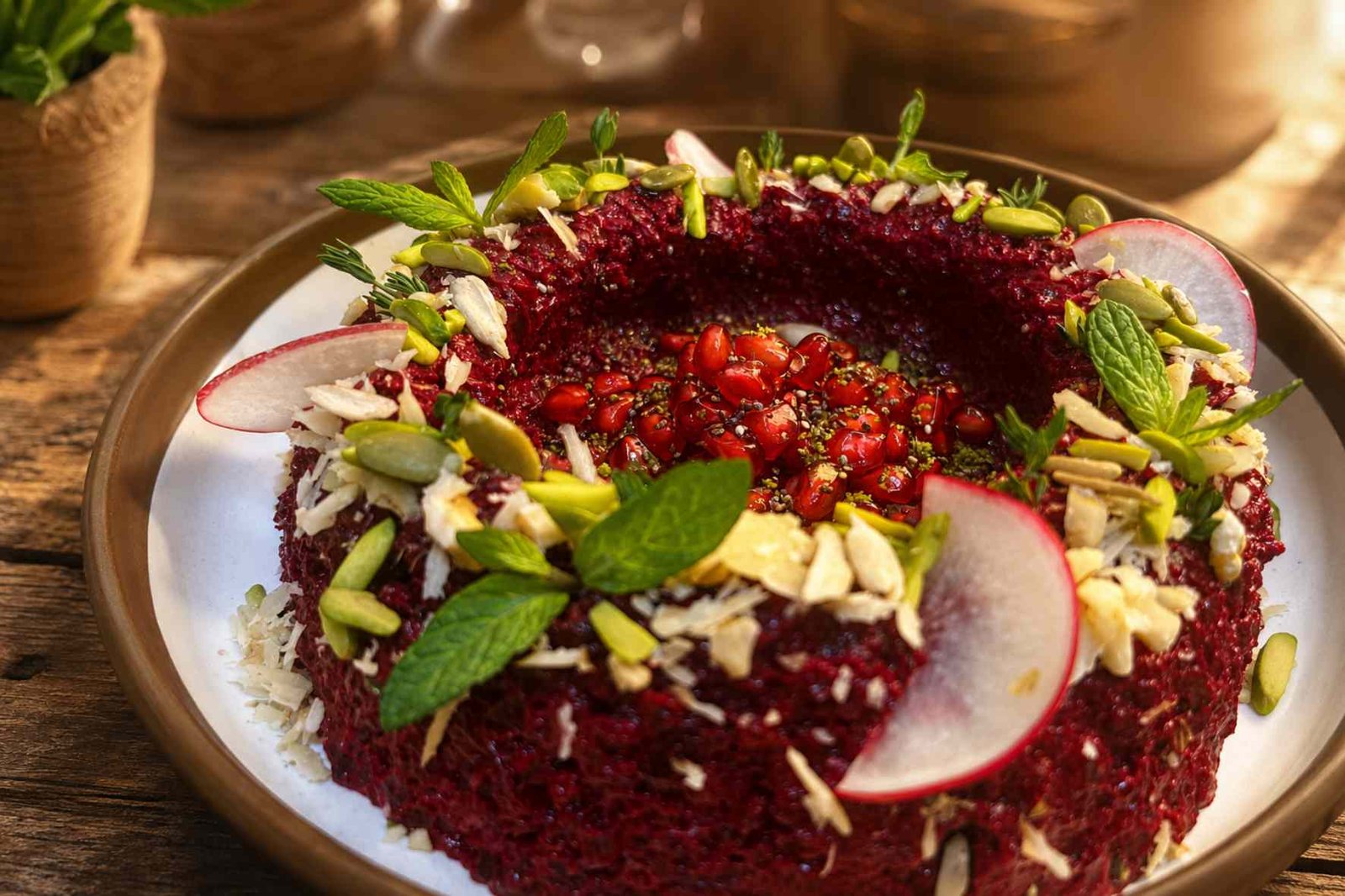
Beetroot mutabbal brings a colorful and modern twist to the Lebanese mezze table. Its creamy texture combines earthy beetroot, nutty tahini, fresh lemon juice, and garlic in every flavorful bite.
A Colorful Twist on Lebanese Mutabbal
Beetroot mutabbal brings a colorful and modern twist to the Lebanese mezze table. Its creamy texture combines earthy beetroot, nutty tahini, fresh lemon juice, and garlic in every flavorful bite.
Classic Lebanese mutabbal usually begins with smoky roasted eggplant. However, this version replaces the eggplant with beetroot. The result is a vibrant dip with a naturally sweet, earthy flavor and a beautiful deep pink color.
Although beetroot mutabbal looks impressive, it requires only a few simple ingredients. Tahini adds richness, while lemon juice balances the beetroot’s sweetness. Meanwhile, garlic gives the dip a bold and savory finish.
You can serve this creamy beetroot dip as an appetizer, a side dish, or part of a generous mezze spread. It pairs beautifully with warm pita bread, crunchy vegetables, falafel, and grilled meats. Its striking color also makes it perfect for dinner parties and special occasions.
In this article, I will share everything you need to prepare beetroot mutabbal successfully. You will learn how to achieve the right texture, balance its flavors, avoid common mistakes, and serve it beautifully.
What Is Beetroot Mutabbal?
Beetroot mutabbal is a creamy dip made with cooked beetroot, tahini, lemon juice, garlic, and seasonings. These simple ingredients create a rich balance of earthy, sweet, nutty, and tangy flavors.
The word mutabbal comes from the Arabic word متبّل, which means “seasoned.” In Lebanese cuisine, the name usually refers to the familiar eggplant-based mutabbal. However, cooks now use the same idea to create modern variations with different vegetables.
Beetroot gives this version its striking pink color and gentle natural sweetness. Meanwhile, tahini creates a smooth texture and adds its distinctive sesame flavor. Lemon juice provides freshness, while garlic gives the dip a savory kick.
Unlike hummus, beetroot mutabbal does not depend on chickpeas for its body. Instead, the cooked beetroot forms the base of the dip. Therefore, its texture feels lighter, while its flavor remains creamy and satisfying.
You can enjoy beetroot mutabbal as part of a Lebanese mezze, spread it inside sandwiches, or serve it with fresh vegetables. It also adds flavor and color to an otherwise simple meal.
Is Beetroot Mutabbal Traditionally Lebanese?
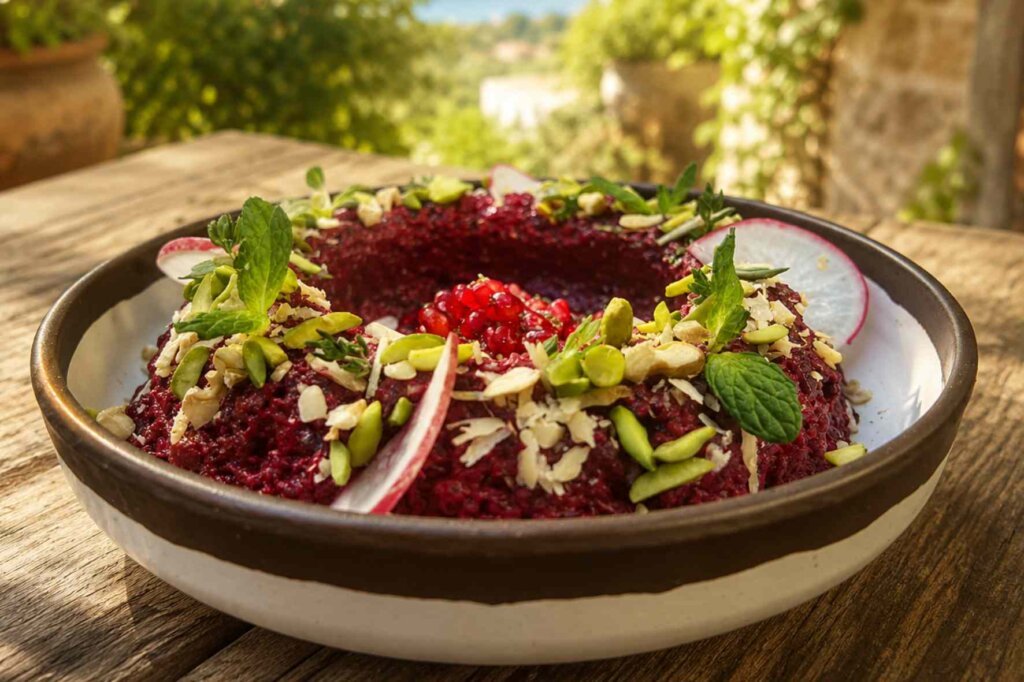
Traditional Lebanese mutabbal uses roasted eggplant as its main ingredient. Lebanese cooks mix the soft eggplant with tahini, lemon juice, garlic, and salt. This combination creates the smoky dip that we know and love.
Beetroot mutabbal offers a more modern take on this classic recipe. It keeps the familiar tahini, lemon, and garlic flavors. However, beetroot replaces the roasted eggplant and gives the dip a sweeter taste and brighter color.
Lebanese cuisine often grows through creativity. We respect traditional recipes, but we also enjoy exploring new ingredients. Beetroot mutabbal shows how one small change can create a completely different dish.
This variation may not belong to old Lebanese culinary traditions. Still, it fits beautifully on a Lebanese mezze table. You can serve it beside hummus, eggplant mutabbal, labneh, tabbouleh, and fresh pita bread.
Most importantly, beetroot mutabbal keeps the balance that defines many Lebanese dips. It combines rich tahini, sharp lemon juice, fresh garlic, and a smooth vegetable base. Therefore, it feels both new and familiar.
Why Beetroot Works So Well in Mutabbal
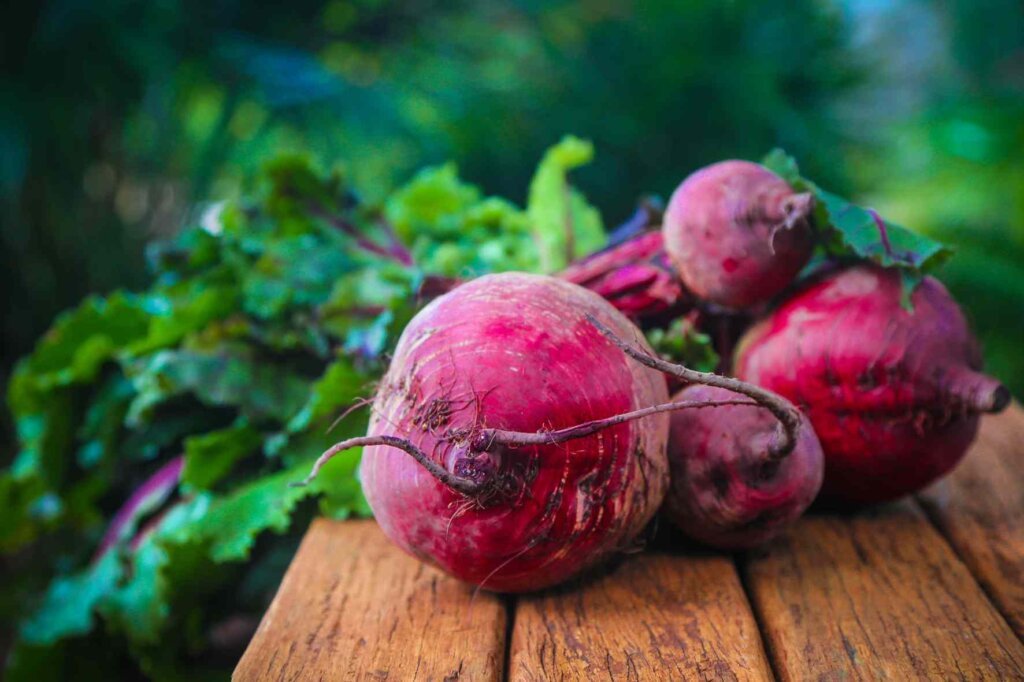
Beetroot has an earthy taste and a gentle natural sweetness. Tahini adds a rich, nutty flavor that balances that sweetness. Together, they create a creamy dip with plenty of character.
Lemon juice also plays an important role. Its acidity brightens the dip and keeps the beetroot from tasting too sweet. Meanwhile, garlic adds a savory flavor and gives the mutabbal a little kick.
Beetroot also becomes soft after cooking. Therefore, it blends easily and creates a smooth texture. However, you must drain it well. Extra water can make the mutabbal thin and weaken its flavor.
The beautiful color makes this dip even more special. Beetroot naturally creates a deep pink or purple shade without any food coloring. As a result, the finished dish stands out on any table.
This mutabbal offers more than a pretty appearance. It brings sweetness, acidity, richness, and freshness together in every bite. That balance makes it a delicious addition to a Lebanese mezze or a simple family meal.
Let’s Make Beetroot Mutabbal
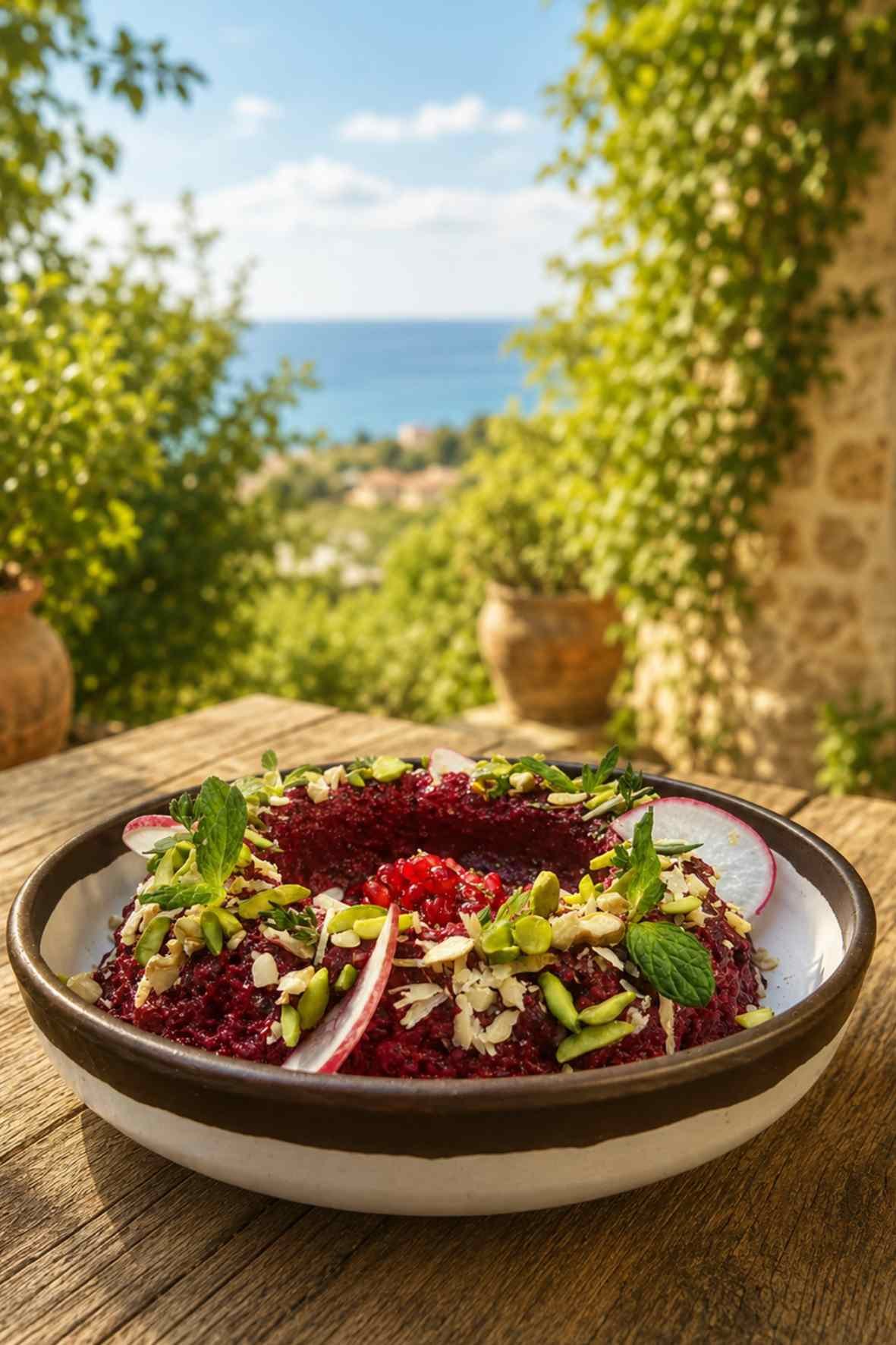
Beetroot Mutabbal
Ingredients
Equipment
Method
- Wash the beetroot thoroughly and trim the stems, leaving a small part attached to prevent bleeding.
- Place them in a pot and cover with cold water. Bring to a boil, then reduce to medium heat and cook for 35–45 minutes, or until fork-tender.
- Drain and let them cool slightly, then peel the skin off (it will slide off easily). Cut into medium chunks.
- On a cutting board, sprinkle half of the salt over the garlic clove. Using the flat side of a large chef’s knife, smash and scrape repeatedly until you obtain a smooth garlic paste.
- Place the chopped beetroot in a food processor. Pulse until you achieve small, slightly textured pieces. Do not over-blend into a purée.
- Transfer the beetroot to a bowl. Add tahini, remaining salt, lemon salt, and the garlic paste. Mix well with a spoon until smooth and creamy.
- Spread the moutabal onto a serving plate and shape it nicely. Drizzle with olive oil and decorate with walnuts, pistachios, pomegranate seeds, radish, mixed seeds, and fresh mint.
- Serve chilled or at room temperature.
Video
How to Cook Beetroot for the Best Mutabbal
Soft beetroot creates a smooth and creamy mutabbal. Therefore, always cook it fully before you start blending. A knife should slide easily into the center without resistance.
Boiling offers the easiest cooking method. First, wash the beetroot well and place it in a large pot. Then, cover it with water and cook it until tender. Keep the beetroot whole during cooking to preserve its color and flavor.
Let the Beetroot Drain and Cool
Once the beetroot becomes tender, drain the hot water. Allow it to cool before you remove the skin. The skin should come off easily with your fingers or a small knife.
Next, place the peeled beetroot in a colander. Let any extra water drain before blending. This simple step prevents a thin or watery mutabbal.
You can also roast the beetroot for a deeper and sweeter flavor. However, roasting takes more time. It also produces a thicker dip because the oven removes some moisture.
Whichever method you choose, never blend hot beetroot with the tahini. Heat can affect the texture and weaken the fresh taste of the lemon and garlic. Instead, cool the beetroot completely for a smoother and fresher result.
Why Tahini Matters in Beetroot Mutabbal
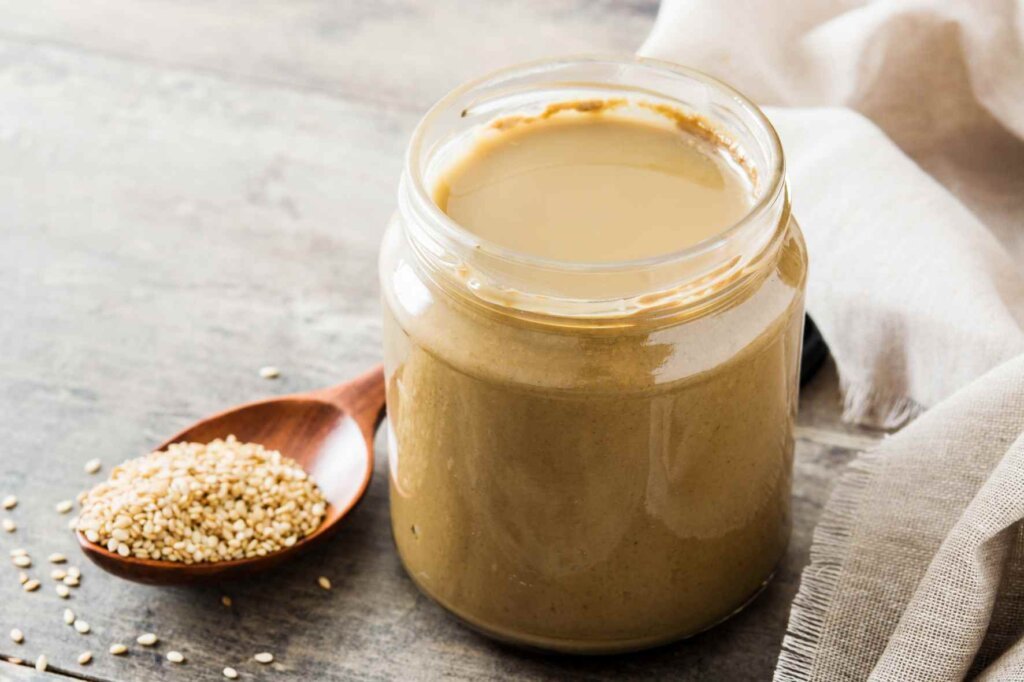
Tahini gives beetroot mutabbal its creamy texture and rich flavor. It also adds a gentle bitterness that balances the beetroot’s natural sweetness.
Choose good-quality tahini with a smooth and pourable texture. Fresh tahini should taste nutty and pleasant. Old tahini may taste bitter and can spoil the flavor of the whole dip.
Always stir the tahini well before measuring it. The sesame oil often rises to the top of the jar. Meanwhile, the thicker paste settles at the bottom. Stirring brings both parts together and gives you an even texture.
Find the Right Balance
Avoid adding too much tahini at once. A large amount can hide the beetroot flavor and turn the dip heavy. Instead, add it gradually and taste the mixture as you blend.
Lemon juice also helps the tahini taste lighter. It adds freshness and balances its richness. Garlic and salt then complete the flavor.
The perfect beetroot mutabbal should taste creamy but still allow the beetroot to shine. You should notice its earthy sweetness first, followed by the nutty tahini and fresh lemon.
Beetroot Mutabbal on the Lebanese Mezze Table
Lebanese mezze brings people together around one table. Instead of serving one large dish, we share many small plates. Everyone tastes a little of everything and enjoys the meal slowly.
Mezze also reflects the generous spirit of Lebanese hospitality. When guests arrive, we fill the table with different colors, textures, and flavors. Fresh salads balance creamy dips, while warm pastries and grilled dishes complete the meal.
Beetroot mutabbal fits beautifully into this style of dining. Its bright color catches the eye, while its creamy texture pairs well with crisp vegetables and warm pita bread. It also adds a modern touch without losing the familiar flavors of tahini, lemon, and garlic.
What to Serve with Beetroot Mutabbal
You can place beetroot mutabbal beside classic hummus, traditional eggplant mutabbal, and creamy labneh. These dips create a rich and inviting center for the table.
Next, add fresh salads such as tabbouleh and fattoush. Their herbs, tomatoes, and lemony dressings bring freshness to every bite. You can also include stuffed vine leaves, falafel, kibbeh, and rakakat or cheese rolls, also known as Lebanese cheese rolls.
For a larger spread, serve chickpea fatteh, eggplant fatteh, or small portions of tomato bulgur pilaf. Homemade toum, pickles, olives, and warm pita bread can complete the meal.
The beauty of Lebanese mezze lies in its variety. Each plate offers a different taste, yet all the dishes work together. Therefore, beetroot mutabbal becomes more than a dip. It becomes part of a warm and memorable shared experience.
The First Time I Tasted Beetroot Hummus
Some recipes begin in a professional kitchen. Others begin with a simple meal and a flavor that stays in your memory. My journey with beetroot dips started during a visit to a Lebanese restaurant in Beirut.
The restaurant served delicious Lebanese food at reasonable prices. My wife and I enjoyed its relaxed atmosphere and generous mezze dishes. During one visit, we ordered beetroot hummus for the first time.
The bright color immediately caught our attention. However, the flavor impressed us even more. The beetroot added gentle sweetness and an earthy taste to the familiar hummus. The dip felt creative, yet it still matched the Lebanese mezze around it.
My wife fell in love with it from the first bite. She enjoyed it so much that she asked me to prepare it for her at home. That simple request inspired me to explore beetroot in different Lebanese dips.
From Beetroot Hummus to Beetroot Mutabbal
The restaurant served beetroot hummus made with chickpeas. My beetroot mutabbal follows a different idea. It uses beetroot as the main base and combines it with tahini, lemon juice, garlic, and seasonings.
The two dips share the same beautiful color. However, they offer different textures and flavors. Beetroot hummus feels thicker because chickpeas give it more body. Meanwhile, beetroot mutabbal allows the earthy beetroot flavor to stand out more clearly.
You can find both my beetroot hummus recipe and this beetroot mutabbal recipe on the website. Try each one and decide which version you prefer. Of course, you may fall in love with both, just as we did.
Frequently Asked Questions
Can I use ready-cooked beetroot?
Yes, you can use ready-cooked beetroot to save time. However, choose plain beetroot without vinegar, sugar, or added flavors. Drain it very well before blending.
Can I use canned beetroot?
You can use canned beetroot, but fresh beetroot usually gives a better flavor and texture. Check the label carefully because many canned products contain vinegar or added sugar.
Should I boil or roast the beetroot?
Both methods work well. Boiling offers an easy and convenient option. Roasting removes more moisture and creates a deeper, sweeter flavor. Choose the method that suits your time and preferred texture.
Why did my beetroot mutabbal become watery?
The beetroot probably carried too much water after cooking. Drain it well and allow it to cool before blending. Also, add lemon juice gradually and avoid adding unnecessary water.
How can I thicken watery beetroot mutabbal?
Add a small amount of tahini or more cooked beetroot. Then, blend the mixture again. Add each ingredient slowly so you can protect the flavor balance.
Can I make beetroot mutabbal without tahini?
You can, but the result will no longer have the classic mutabbal flavor. Tahini adds creaminess and a rich sesame taste. If you avoid sesame, you can create a beetroot dip with yogurt or another creamy ingredient instead.
Is beetroot mutabbal vegan?
Yes. Beetroot mutabbal usually contains only beetroot, tahini, lemon juice, garlic, salt, and plant-based seasonings. Always check any extra garnish if you follow a strict vegan diet.
Can I prepare it ahead of time?
Yes. You can prepare beetroot mutabbal one day before serving. Store it in a covered container in the refrigerator. The resting time can help the flavors blend.
How long does beetroot mutabbal last in the refrigerator?
Keep it in an airtight container and enjoy it within three to four days. Always use a clean spoon, and discard the dip if you notice an unusual smell or appearance.
Can I freeze beetroot mutabbal?
Freezing may change the smooth texture of the tahini after thawing. For the best result, serve beetroot mutabbal fresh or keep it refrigerated for a few days.
What can I serve with beetroot mutabbal?
Serve it with warm pita bread, toasted bread, fresh vegetables, falafel, kibbeh, grilled chicken, or grilled meat. It also pairs beautifully with other dishes on a Lebanese mezze table.
A Word from Chef François
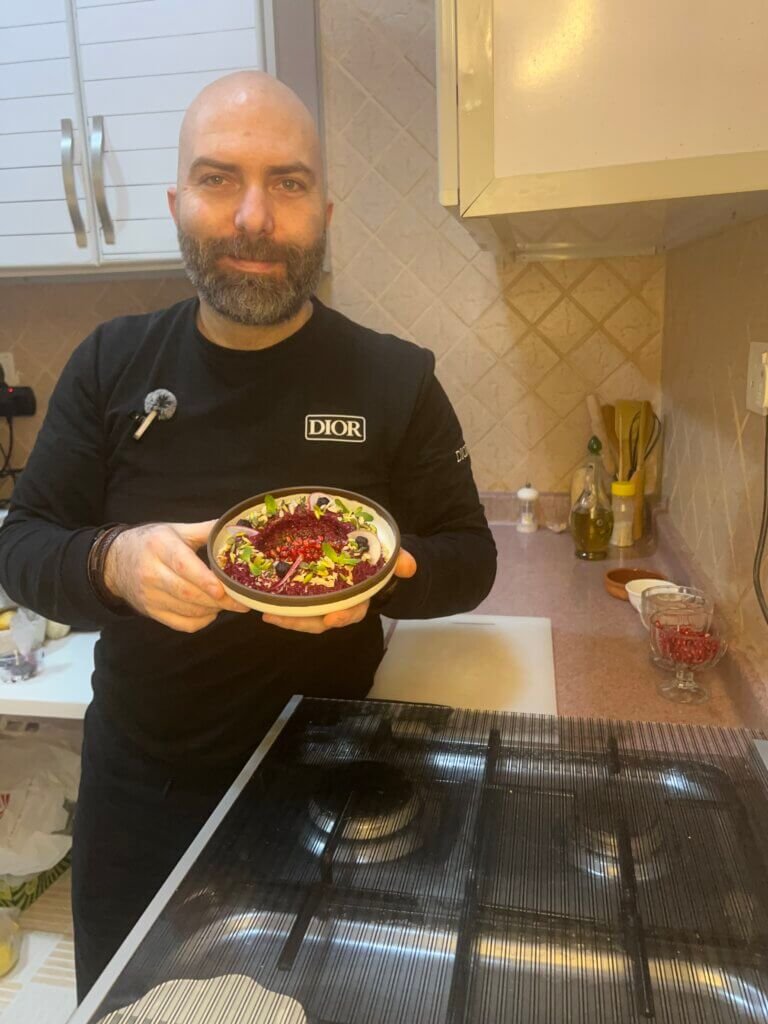
I truly hope you’re enjoying my recipes and video tutorials as much as I enjoy creating them for you. Your support means everything. So, if you haven’t already, please head over to YouTube and subscribe to the channel. Also, turn on notifications so you never miss a new recipe. Together, we can keep learning, cooking, and creating beautiful dishes.
Latest Posts
- Eggplant Mtabbal: Authentic Lebanese Flavor Made Easy
- Eggplant Raheb: The Simple Lebanese Salad I Come Home To
- Dynamite Sauce: Adds a Little Personality to Every Plate
- Dynamite Shrimps: My Secrets to a Crispy Coating Finish
- The Joy of Seeing Someone Cook Successfully for the First Time

Chef François El Aaraj is a corporate chef and culinary consultant with more than 30 years of experience in professional kitchens and restaurant openings across Lebanon and abroad. Through this website, he shares authentic recipes, cooking techniques, and chef secrets designed to help home cooks create flavorful meals with confidence.
Leave a Reply