For many years, Monday was my only day off. While most people looked forward to the weekend, my wife and I looked forward to Monday. It became our little tradition.After dropping our daughters off at school, we would go out for breakfast together. No rush, no kitchen orders, and no restaurant service. Just the two of us enjoying a quiet morning before the day became busy. Whenever we talked about breakfast, one dish was almost always on the table: chickpea fatteh. It quickly became part of our Monday ritual and one of the meals we looked forward to sharing the most.
A Dish That Defined Our Mornings
Whenever we talked about breakfast, my wife always chose one dish first: fatteh. We tried it in many places over the years, yet one restaurant always stood above the rest. A small restaurant in Gemmayzeh called Em Nazih served one of the most memorable fatteh I have ever tasted. The warm chickpeas, creamy yogurt, crispy bread, fragrant garlic, and toasted nuts came together in perfect balance. As a chef, I appreciated the technique behind the dish. As a husband, I simply enjoyed sharing it with the person I loved.
Today, life looks very different. I now work in Saudi Arabia, while my family remains in Lebanon. The Monday breakfasts have become beautiful memories. Even more painful, the restaurant where we created so many of those memories was destroyed during the Beirut port explosion on August 4, 2020.
Every time I prepare this recipe, I remember those quiet mornings. I remember the conversations, the laughter, and the simple happiness that came from sharing a delicious breakfast together. This homemade fatteh is inspired by those memories and by one of the finest versions of the dish I have ever enjoyed.
Why Chickpea Fatteh Is More Than Just Comfort Food
A bowl of chickpea fatteh feels rich and satisfying. However, it also provides many nutrients that make it a well-balanced meal. Every layer contributes something valuable, from the creamy yogurt to the hearty chickpeas and crunchy pita bread.
Chickpeas Add Protein and Fiber
Chickpeas form the heart of every traditional fatteh. They provide plant-based protein that helps build and maintain muscle. At the same time, they contain plenty of dietary fiber. Fiber supports healthy digestion, promotes fullness, and helps keep your energy levels steady throughout the morning.
For this reason, many families enjoy fatteh as a breakfast that keeps them satisfied for hours.
Yogurt Brings More Than Creaminess
The yogurt sauce gives fatteh its signature tangy flavor. Yet it also adds nutritional value. Yogurt supplies calcium, phosphorus, and protein, all of which support healthy bones and teeth.
If you prepare the sauce with fresh yogurt that contains live cultures, it may also provide beneficial probiotics. These friendly bacteria help maintain a healthy digestive system and support normal immune function.
Tahini Adds Healthy Fats and Minerals
Tahini contributes much more than its distinctive nutty flavor. It contains healthy unsaturated fats that provide long-lasting energy. It also supplies minerals such as calcium, magnesium, copper, and iron.
These nutrients work together to support normal muscle function, healthy bones, and blood production.
Every Layer Has a Purpose
The toasted pita bread provides complex carbohydrates that fuel your body without causing a rapid drop in energy. Meanwhile, the toasted pine nuts or almonds add healthy fats, vitamin E, and a pleasant crunch that balances the creamy yogurt.
Even the warm butter or ghee poured over the top has a purpose. It carries the aromas of the spices and creates the rich flavor that makes traditional fatteh so memorable.
When you combine all these ingredients, you create a dish that feels indulgent while offering protein, fiber, healthy fats, vitamins, and minerals in every serving.
The History and Tradition of Fatteh in the Levant
Few dishes tell the story of the Levant as beautifully as fatteh. Although every country prepares it a little differently, the idea behind the dish has remained the same for generations. It transforms simple, everyday ingredients into a meal that feels generous, comforting, and full of flavor.
A Name That Tells the Story
The word fatteh comes from the Arabic verb “fatta” (فتّ), which means “to break into pieces” or “to crumble.” The name refers to the toasted or fried pita bread that is broken into bite-sized pieces before the other ingredients are layered on top.
Long before modern kitchens, families found practical ways to avoid wasting food. Rather than throwing away bread that had become a little dry, they toasted it and turned it into the base of a completely new dish. This tradition reflects an important value that still defines Lebanese and Levantine cooking today: making the most of every ingredient.
A Dish Shared Across the Levant
Today, fatteh appears on breakfast and brunch tables throughout Lebanon, Syria, Palestine, and Jordan. While the ingredients change from one region to another, the foundation remains remarkably similar. Crispy bread meets a creamy yogurt sauce, then warm toppings bring everything together.
In Lebanon, chickpea fatteh is one of the best-known versions. Other families prepare fatteh with roasted eggplant, shredded chicken, minced meat, or even seafood. Each variation reflects local ingredients, family traditions, and regional tastes, yet they all preserve the spirit of the original dish.
From Humble Origins to Restaurant Favorite
Fatteh began as a simple home-cooked meal, yet it gradually found its place in restaurants across the Middle East. Today, many cafés and traditional breakfast restaurants proudly serve their own signature version. Some focus on perfectly cooked chickpeas. Others become famous for their yogurt sauce or generously toasted pine nuts.
As a chef, I have always admired how such a modest dish can leave such a lasting impression. It proves that memorable cooking does not depend on expensive ingredients. Instead, it comes from careful preparation, balanced flavors, and respect for tradition.
A Tradition Worth Preserving
Although recipes continue to evolve, the heart of fatteh remains unchanged. Families still gather around the table to share it, especially during breakfast or weekend brunch. Every household adds its own touch, but every bowl celebrates the same values: hospitality, simplicity, and the joy of sharing good food with the people you love.
That is one of the reasons fatteh has remained a beloved classic for generations. It is far more than a recipe. It is part of the culinary heritage of the Levant, and every bowl carries a story of its own.
The Many Delicious Faces of Fatteh
Although many people immediately think of chickpea fatteh, this beloved Middle Eastern dish has countless variations. Every region and every family adds its own ingredients while keeping the same comforting combination of crispy bread, creamy yogurt, and flavorful toppings.
Chickpea Fatteh
The version I am sharing today remains one of the most popular throughout Lebanon and the Levant. Tender chickpeas, toasted pita bread, creamy yogurt sauce, garlic, tahini, and toasted pine nuts come together to create a breakfast that has stood the test of time.
Eggplant, Chicken, and Meat Fatteh
Eggplant fatteh replaces the chickpeas with fried or roasted eggplant. The vegetables absorb the yogurt beautifully and create a rich, silky texture.
Chicken fatteh combines shredded chicken with the traditional yogurt sauce. It often appears at family gatherings and Ramadan tables because it easily feeds a crowd.
Many households also prepare meat fatteh with seasoned minced lamb or beef. The warm spices add another layer of flavor and transform the dish into a more substantial meal.
Seafood and Modern Variations
Along the Mediterranean coast, some restaurants prepare shrimp fatteh. The sweetness of the shrimp pairs surprisingly well with the tangy yogurt and toasted bread.
Today, many chefs also create modern versions using roasted vegetables, mushrooms, spinach, or even avocado. These variations show just how adaptable fatteh has become without losing its identity.
One Tradition, Many Memories
No matter which ingredients you choose, every fatteh follows the same simple philosophy. It combines crisp bread, creamy yogurt, and warm toppings into a dish that celebrates texture as much as flavor.
That is one reason fatteh has remained a favorite across generations. Each family prepares it a little differently, yet every version brings people together around the table.
Traditional Lebanese Breakfast Is About Sharing
Breakfast holds a special place in Lebanese culture. It is more than the first meal of the day. It is an opportunity for family and friends to gather around the table, enjoy a variety of dishes, and begin the day together. Whether at home or in a neighborhood restaurant, breakfast is often served slowly, with plenty of conversation and fresh ingredients.
A Table Filled with Variety
Unlike a simple breakfast built around one dish, a traditional Lebanese breakfast usually offers several small plates that everyone shares. Fresh vegetables, olives, mint, cucumbers, tomatoes, and pickles almost always appear on the table. Warm pita bread accompanies every meal, making it easy to enjoy each dish.
Popular breakfast choices include chickpea fatteh, ful medames, balila, labneh with thyme breadsticks, hummus, manakish, and a selection of local cheeses. Families often serve these dishes together, allowing everyone to enjoy a little of everything.
A Tradition Rooted in Family and Heritage
Lebanese breakfast reflects much more than our love of good food. It tells the story of family gatherings, regional ingredients, and recipes passed down from one generation to the next. Every household has its own traditions, yet the values remain the same: hospitality, generosity, and the joy of sharing a meal.
If you would like to learn more about the traditions that shaped our cuisine, I invite you to read my article, “The Secrets of Traditional Lebanese Cuisine: A Journey Through Flavor, Family, and Heritage.” It explores how family customs, seasonal ingredients, and centuries of culinary history continue to influence the dishes we prepare today.
Chickpea Fatteh Has Earned Its Place
Among all these traditional dishes, chickpea fatteh remains one of the most beloved. The contrast between creamy yogurt, tender chickpeas, crispy pita bread, fragrant garlic, and toasted pine nuts creates a combination that has delighted generations.
Whether you enjoy it at home with your family or order it from a traditional breakfast restaurant, chickpea fatteh represents the warmth and hospitality that define Lebanese cuisine. Every bowl celebrates simple ingredients prepared with care, proving once again that some of the most memorable meals are also the most traditional.
Let’s Make Chickpea Fatteh (Fattet Hummus)
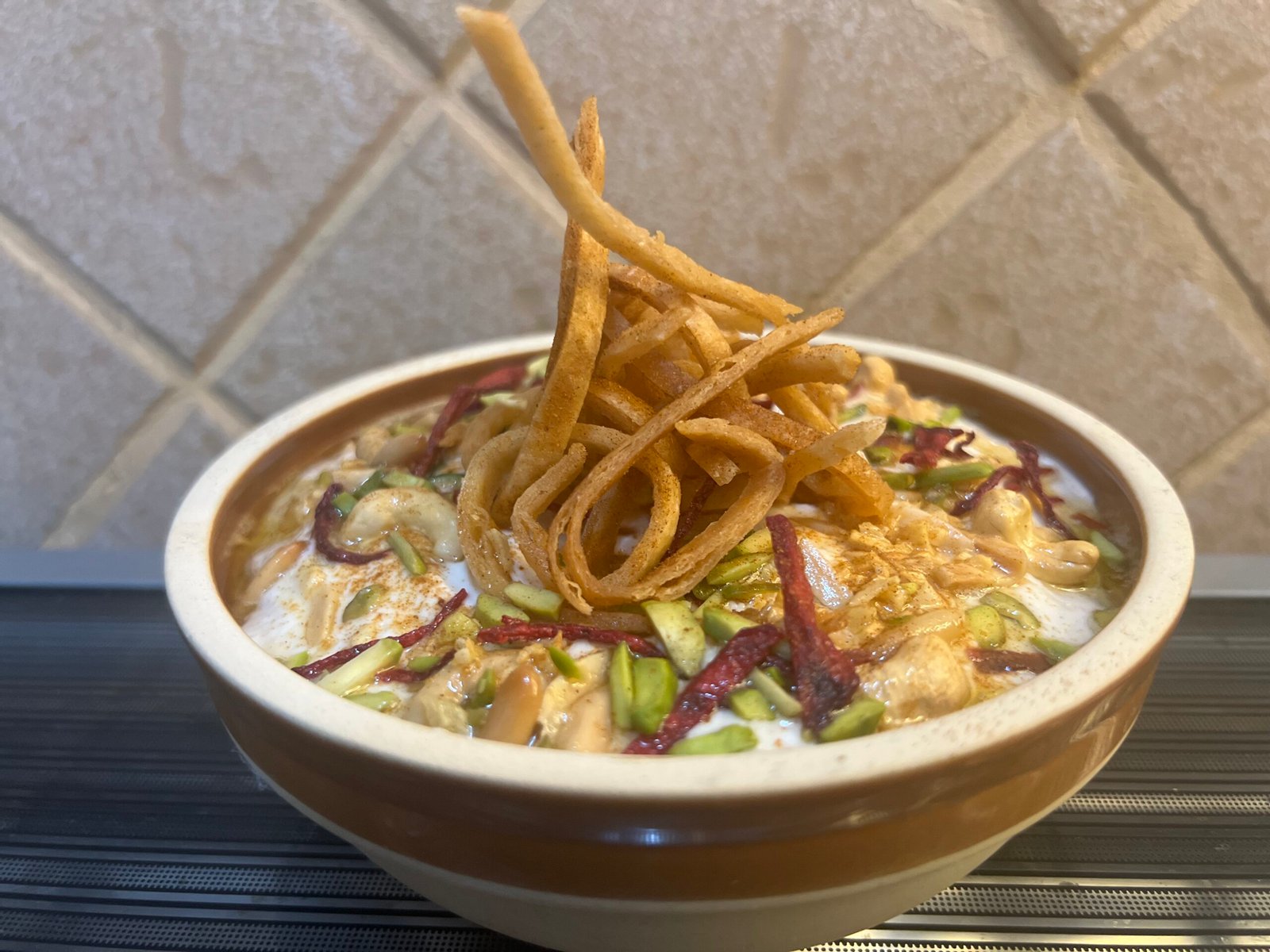
Chickpea Fatteh
Ingredients
Method
- For the boiled chickpeas, please watch the dedicated video explaining the correct method for cooking chickpeas to achieve a smooth texture and perfect color.
- Place 3 cups of boiled chickpeas in a casserole or saucepan over medium heat. Add 1 teaspoon salt and ½ teaspoon ground cumin, then gently warm the chickpeas for a few minutes until heated through. Do not let them dry out.
- Meanwhile, cut the pita bread into squares, fry until golden and crispy, then drain on paper towels.
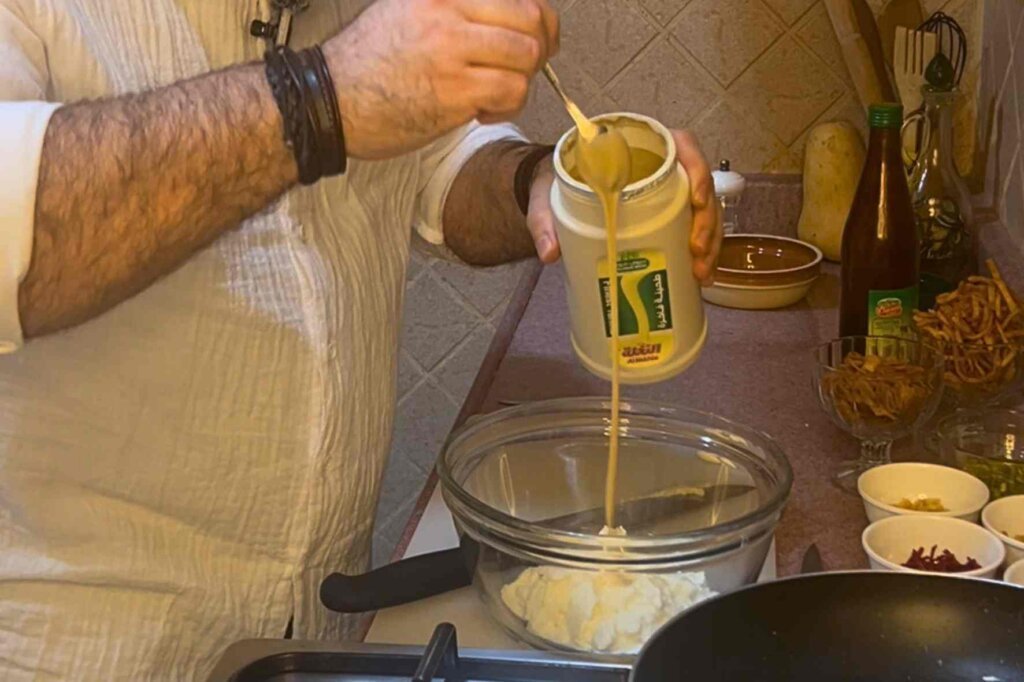
- For the yogurt sauce, in a bowl combine the yogurt, tahini, salt, lemon juice, pomegranate molasses, and garlic. Mix well until smooth and creamy.
- To assemble, spread the fried pita bread in a serving plate, top with the warm chickpeas, then pour the yogurt sauce evenly over the top. Finish with the roasted nuts and the fried tortilla pieces. Serve immediately.
How to Cook Chickpeas Like a Pro for the Perfect Fatteh
Every great chickpea fatteh starts with perfectly cooked chickpeas. Although the yogurt sauce and crispy bread receive most of the attention, the chickpeas form the foundation of the dish. If they are not cooked properly, the final result will never have the right texture.
The process begins long before the pot goes on the stove. Soaking the chickpeas overnight allows them to absorb water evenly. As a result, they cook more consistently and become easier to digest. This simple step also helps them develop the soft, creamy texture that makes traditional fatteh so enjoyable.
Once soaked, cook the chickpeas gently over low heat until they become tender all the way through. They should hold their shape, yet mash easily with the back of a spoon. Undercooked chickpeas remain firm and chalky, while overcooked ones break apart and turn mushy. The goal is to find the perfect balance between tenderness and structure.
In my YouTube tutorial, I walk you through the entire process step by step. I show you how I soak the chickpeas, how long I cook them, and how to recognize the exact moment they are ready. Once you master this technique, you can use these chickpeas not only for fatteh, but also for hummus, salads, soups, and many other Lebanese and Middle Eastern recipes.
Common Mistakes When Making Chickpea Fatteh
Chickpea fatteh is a simple dish, yet every ingredient plays an important role. A small mistake can affect the texture, flavor, or balance of the entire bowl. Fortunately, most problems are easy to avoid once you know what to look for.
Using Undercooked or Overcooked Chickpeas
The chickpeas should be tender from the center to the skin. They should hold their shape, yet mash easily with the back of a spoon.
If they remain firm, they feel dry and chalky. On the other hand, if they cook for too long, they become mushy and lose their pleasant texture. Taking the time to cook them properly creates a much better fatteh.
Choosing the Wrong Yogurt
The yogurt sauce should feel creamy enough to coat the chickpeas without becoming heavy. Very thin yogurt makes the bread soggy too quickly, while overly thick yogurt can overpower the other ingredients.
I always recommend using full-fat yogurt for the richest flavor and smoothest texture. If your yogurt contains excess liquid, strain it before preparing the sauce.
Forgetting to Season Every Layer
Many people only season the yogurt. However, the chickpeas also need salt, and the yogurt sauce needs the right balance of garlic, lemon juice, and tahini.
Seasoning each component separately creates a dish with much more depth. Every bite becomes balanced instead of relying on just one flavorful layer.
Letting the Pita Bread Become Soft
The crispy pita bread creates one of the signature textures of chickpea fatteh. If you prepare it too early or pour the yogurt over it long before serving, it quickly loses its crunch.
For the best results, toast or fry the bread shortly before assembling the dish. Then serve the fatteh immediately while the contrast between crispy bread and creamy yogurt is still at its best.
Burning the Pine Nuts
Pine nuts toast very quickly because they contain natural oils. A few extra seconds in the pan can turn them from beautifully golden to bitter.
Cook them over medium heat while stirring constantly. Remove them from the pan as soon as they become lightly golden, since they will continue cooking from the residual heat.
Using Too Much Garlic or Lemon
Garlic and lemon give fatteh its fresh, vibrant character. However, neither ingredient should dominate the dish.
Too much garlic masks the delicate flavor of the chickpeas and tahini. Too much lemon makes the yogurt overly sharp. Taste the sauce as you prepare it, then adjust the seasoning gradually until the flavors feel balanced.
Assembling the Dish Too Early
Unlike many casseroles, chickpea fatteh is at its best immediately after assembly. Waiting too long allows the bread to absorb too much moisture and lose its texture.
If you are preparing the dish for guests, keep the chickpeas, yogurt sauce, toasted bread, and toppings separate. Assemble everything just before serving to enjoy the perfect combination of creamy, crispy, and crunchy textures.
Final Thoughts
Some recipes become favorites because they are easy to prepare. Others stay with us because they remind us of the people, places, and moments we cherish most. For me, chickpea fatteh will always be one of those dishes.
Every time I prepare it, I remember our quiet Monday mornings, the conversations over breakfast, and the wonderful fatteh we enjoyed at Em Nazih in Gemmayzeh. Those memories inspired this recipe, and I hope it helps you create meaningful moments around your own table.
If this is your first time making Lebanese chickpea fatteh, do not be intimidated by its simple ingredients. Focus on cooking the chickpeas until they are perfectly tender, prepare a smooth and well-balanced yogurt sauce, toast the pita bread until it is crisp, and assemble everything just before serving. These small details transform humble ingredients into an unforgettable meal.
If you would like to discover more authentic Lebanese recipes, professional cooking techniques, and the stories behind the dishes, I invite you to explore the rest of my website. You will also find step-by-step video tutorials on my YouTube channel, where I share the methods and tips I have learned throughout more than three decades as a professional chef.
From my kitchen to yours, I hope this authentic Lebanese chickpea fatteh brings as much comfort, warmth, and happiness to your family as it has brought to mine over the years.

Chef François El Aaraj is a corporate chef and culinary consultant with more than 30 years of experience in professional kitchens and restaurant openings across Lebanon and abroad. Through this website, he shares authentic recipes, cooking techniques, and chef secrets designed to help home cooks create flavorful meals with confidence.
Leave a Reply