
One of my greatest joys as a chef comes from a simple message: someone tried my recipe, and it worked. A successful cook is in the making!
Behind that message, I see a person who made the time to cook. They gathered the ingredients, followed the steps, and trusted me to guide them. Now, they have a dish they feel proud to serve.
After more than 30 years in professional kitchens, I still find these moments special. They remind me why I share my recipes. I want people to enjoy good food and feel confident making it themselves.

Sharing My Knowledge Is Part of My Legacy
I take pride in being one of the chefs who openly share their recipes, techniques, and kitchen secrets—even with other chefs. Some prefer to guard that knowledge closely. For me, sharing it is an honorable part of our profession.
A recipe carries years of practice, discovery, and care. However, teaching it to someone else gives it a future. When I help another chef succeed, I see my work continue through their hands, their ideas, and the people they will teach in turn.
Over the years, I have trained a long line of successful chefs. Thankfully, they have beautiful things to say about their time with me in the kitchen. Their words mean a great deal to me. They remind me that chefs value a mentor who shares freely and gives them room to grow.
I am proud to say that I am a leader, not a boss. I lead by example, explain the reasons behind each step, and encourage questions. My wish is seeing people beside me build skills they can carry throughout their careers.
That same spirit guides the recipes I share today. Whether I teach a professional chef or someone cooking for the first time, I feel the same joy when they succeed. To me, a lasting legacy grows each time we pass our knowledge on.
Why It Matters to See Someone Cook Successfully
Why Your First Success Matters When You Learn to Cook
The first time you cook a dish, even a simple step can raise a question. You may read the recipe carefully and still feel unsure when you start. After all, knowing the instructions and putting them into practice are two different experiences.
How hot should the pan be? Does the dough need more water? Has the sauce thickened enough? For an experienced cook, these decisions often feel natural. However, a beginner may need a clear explanation and a little time to recognize the right signs.
That is why I pay attention to the small details when I teach. For example, showing how a sauce coats a spoon can offer more guidance than simply saying it should be thick. Likewise, describing how a dough should feel helps someone judge their own mixture.
With each clear step, the recipe begins to feel more manageable. Then, the dish comes together. The sauce tastes good, the dough feels right, and the food reaches the table. Perhaps the family even asks for another serving.
A Small Success Builds Confidence
That first success can mean much more than a good meal. Suddenly, the person who felt nervous has a result they can feel proud of. As a result, they may feel ready to try the recipe again or explore another dish.
The next time they enter the kitchen, they bring that experience with them. They remember what worked and which signs to watch for. Even if they still have questions, they now have a reason to trust their progress.
Moreover, repeating a recipe helps turn those early lessons into familiar skills. A cook begins to notice when the heat is too high or when a mixture needs more time. Gradually, each decision feels easier.
This is one reason I believe so strongly in learning the basics. In Why Every Young Cook Should Learn the Basics First, I explain how simple skills help cooks build confidence, one recipe at a time.
Above all, I want beginners to appreciate these small achievements. You do not need to prepare a complicated meal to make progress. Sometimes, one dish that turns out well gives you the encouragement to keep learning—and that is a success worth celebrating.
What I Want People to Learn from My Recipes

When I share a recipe, I want to give people more than a list of ingredients. I want to teach the skills that help them cook with confidence.
Knowing what to add is only part of the process. Understanding how and why we do each step helps us get a good result. Therefore, I explain the small details that can make a big difference: when to lower the heat, how to recognize the right texture, and why we add an ingredient at a certain stage.
For example, “cook the onions” may leave a beginner unsure. Should they soften without changing color, or should they turn golden? I show the result we need and explain how it affects the dish.
Likewise, when I prepare dough or a sauce, I explain what to look for as it comes together. I share the techniques and kitchen secrets I have learned through years of practice. These details help viewers understand the food in front of them and make better choices as they cook.
I guide you through my articles as well
To take these lessons further, I have added articles to my website that explain the reasons behind simple kitchen steps.
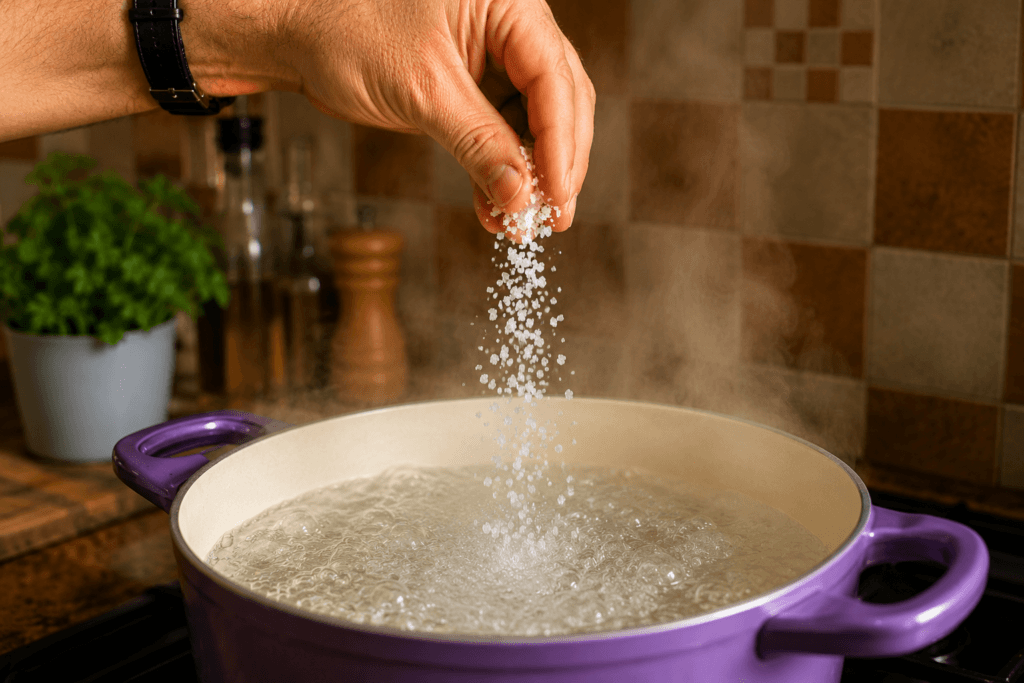
In “Pasta Water: The Real Reason Chefs Salt It Properly“, I explore a familiar habit that many people follow without knowing its purpose.
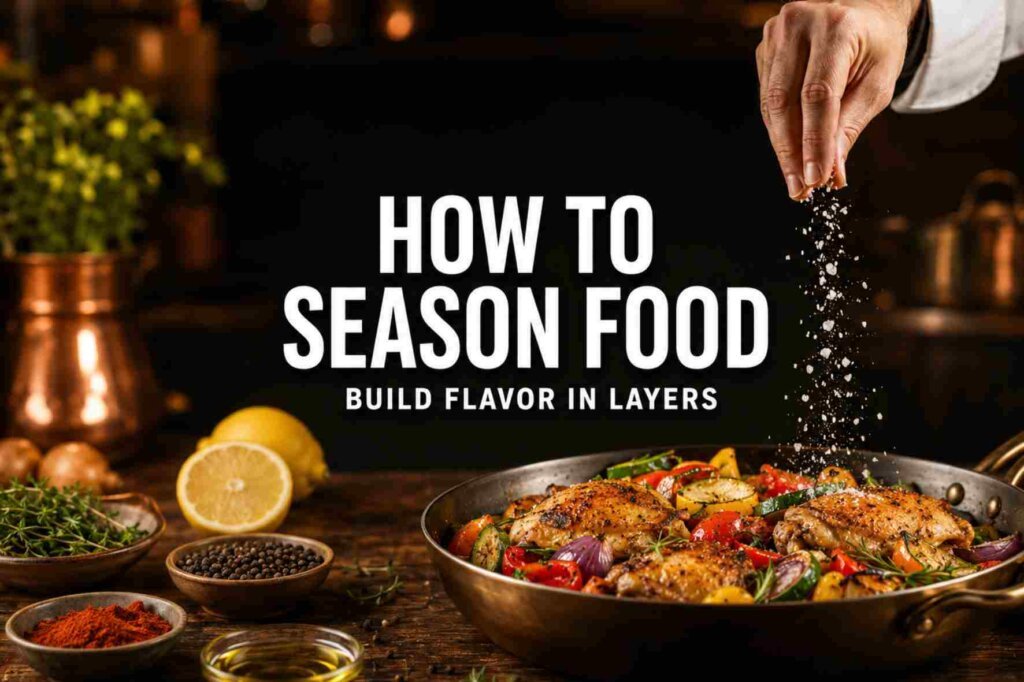
In “How to Season Food“, I explain how tasting and adjusting flavors can help bring a dish into balance.
These lessons apply to far more than one recipe. Once you understand a technique, you can use it in other dishes too. As a result, each recipe becomes a chance to build a skill.
My goal is to help people grow more independent in the kitchen. I want them to know what to do, understand why it works, and feel ready to use that knowledge the next time they cook.
The YouTube Comments That Stay with Me
A video shows me teaching a recipe. The comments show me what happens next.
Someone takes that recipe into their own kitchen. They prepare it with their own hands. Then, they come back to share the result.
Those messages give the work a personal meaning.
I especially enjoy reading the details. Was this their first attempt? Which step helped them? Did they serve the dish to their family? Would they make it again?
A comment may take only a minute to write. Yet, it can tell a whole story about someone’s progress.
“These sambousek look so beautifully made and appetizing, and I’m sure they taste delicious! When you taste them on camera, you make us crave them and want to get up and make the recipe right away. Enjoy, and may God bless you!”
This comment was under the Sambousek video.
These stories can encourage other beginners too. When people see that another home cook succeeded, they may feel ready to try.
The Goal Is to Cook and Learn, Not to Be Perfect
A first attempt may look different from mine. That is normal.
The dough may have an uneven shape. The sauce may be a little thicker. The plate may look simple.
I want people to notice what they learned as well as what they made.
Perhaps they kneaded dough for the first time. Perhaps they learned to control the heat. Or perhaps they tasted a sauce and knew it needed a little more lemon.
Each of these steps builds a skill.
Of course, we should learn from mistakes too. If a dish needs more balance, my guide on How to Season Food can help readers think about salt, acidity, and other flavors before making changes.
The aim is to understand the food better each time we cook it.
How to Make Your First Cooking Attempt Easier
A little preparation can make cooking feel much calmer. These habits give you time to focus on the recipe and enjoy the process.
Choose to cook a manageable recipe
Start with a dish you want to eat and feel ready to make.
A simple sauce can be a good first project. For example, Honey Mustard Sauce gives you a chance to measure, mix, and taste without managing several pans at once.
You can then serve it with a meal and enjoy something you made yourself.
As your confidence grows, choose recipes that introduce one new skill at a time.
Read the full recipe before you start
Check the ingredients, tools, and method first.
Look for steps that need extra time, such as resting dough or chilling a mixture. This helps you plan and avoids surprises halfway through.
If you follow a video, watch it once before cooking. Then, pause and replay the steps when you need to.
Prepare your ingredients
Measure the ingredients before turning on the heat. Chop the vegetables and place your tools within reach.
This simple habit helps you keep up with the recipe. You can watch the pan instead of searching for a spoon or measuring the next ingredient.
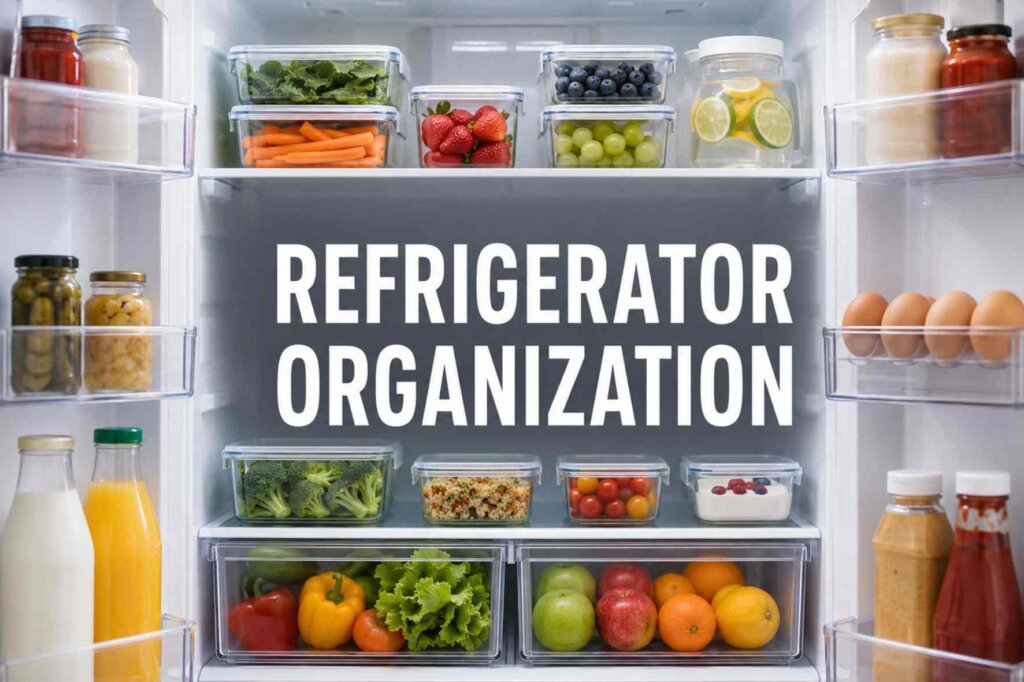
An orderly kitchen helps too. In my article on Refrigerator Organization, I share ways to keep ingredients easy to find and make daily food preparation more practical.
While you cook watch the food as well as the clock
Cooking times offer a guide. However, pans and stoves can heat food at different rates.
Pay attention to the signs shown in the recipe. Notice the color, texture, and thickness of the food.
Does the sauce coat the spoon? Have the onions softened? Does the dough feel smooth?
These details help you judge the result in your own kitchen.
Keep a few notes
After cooking, write down anything you want to remember.
Perhaps your sauce needed less time on the stove. Perhaps you preferred more lemon juice. A small note can help you repeat a good result.
Over time, those notes become a record of what you have learned.
Your Questions Help Me Teach Better
Every question you ask helps me see a recipe through your eyes. A step that feels familiar to me may be new to someone learning to cook. Therefore, your questions show me where I need to slow down, explain more, or offer a closer view.
For example, you might ask how soft a dough should feel or how thick a sauce should become. These questions remind me to describe the signs you can see and feel. Instead of giving you only a cooking time, I can explain what to look for before you move to the next step.
I also appreciate hearing about the parts you find difficult. If your sauce turns out too thin or your dough feels sticky, tell me what happened. Mention any changes you made to the ingredients or method. Those details help me give you a more useful answer.
One Question Can Help Many People Learn to Cook
Sometimes, one question opens the door to a lesson that helps many people. A viewer who asks when to add salt may encourage others to think about how they season their food. This is also why I write guides such as Can You Refreeze Meat and How Chefs Use Butter: The Secret Behind Restaurant Flavor. They give me space to explain the reasons behind steps we often take for granted.
Your successful attempts teach me something too. When you tell me that a close-up, a simple tip, or a clear explanation helped you, I learn which details make the biggest difference in your kitchen. As a result, I can bring more of that guidance into future videos.
So, please feel free to ask, even if the question seems simple. You may be asking exactly what another viewer wants to know. Through these conversations, we build a place where people can learn, share their progress, and feel more confident each time they cook.
Enjoying the Result—and Saving Some for Later
Serving your first successful dish brings a special kind of pride.
You know the care that went into it. You remember the moment you hesitated, checked the recipe, and kept going.
Sharing that food with someone else can make the experience even sweeter. Yet, cooking for yourself deserves the same care and pride.
If you make more than you need, plan how to store the extra portions. My guide on How to Freeze Food Properly explains the basics of preparing suitable foods for the freezer.
Learning to store food is another useful kitchen skill. It helps you make the most of the time and effort you put into a recipe.
Why These Moments Keep Me Sharing
Every recipe takes work before it reaches the screen. We prepare the ingredients, film the steps, and explain the details.
When someone tells me they followed along successfully, I see the purpose behind that work.
A recipe has helped someone feed their family, try a new skill, or enjoy time in the kitchen. That connection means a great deal to me.
It also reminds me to keep my teaching clear. People should finish a video feeling ready to begin.
Your First Success Starts with One Recipe
You do not need to know everything before you start cooking.
Choose one recipe. Read it carefully. Prepare your ingredients and give yourself time to learn.
If the result needs work, use that experience to guide your next attempt. If it turns out well, take a moment to enjoy your success.
And if you try one of my recipes, tell me how it went. What did you make? What helped you? Was it your first time preparing that dish?
You can share your experience on my YouTube channel and explore more recipes.
Your first successful dish may become the start of a habit you enjoy for years. For me, helping you reach that moment is one of the great joys of being a chef.
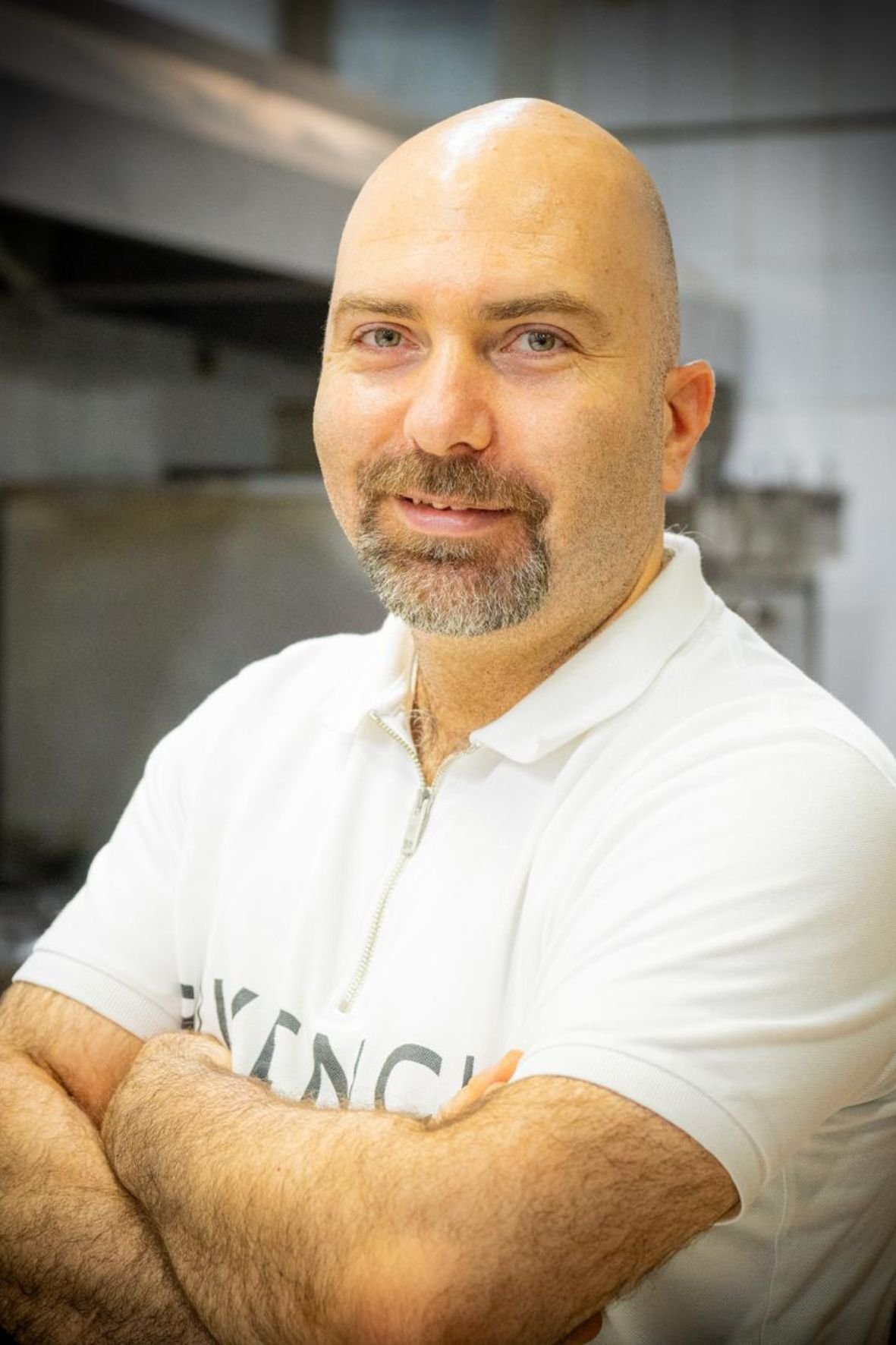
Chef François El Aaraj is a corporate chef and culinary consultant with more than 30 years of experience in professional kitchens and restaurant openings across Lebanon and abroad. Through this website, he shares authentic recipes, cooking techniques, and chef secrets designed to help home cooks create flavorful meals with confidence.
Leave a Reply