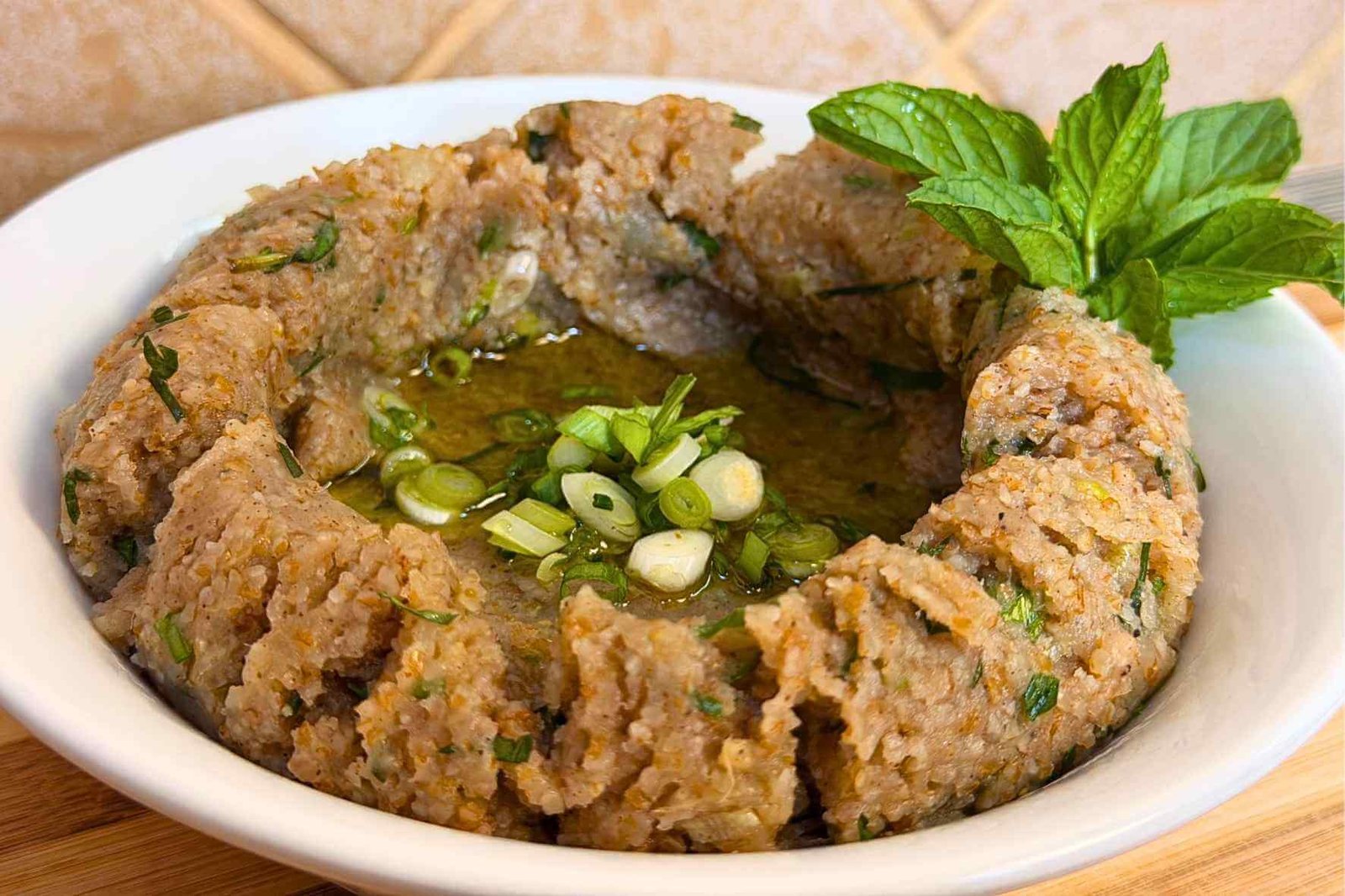
Potato kibbeh has always felt like more than a dish to me. It carries the flavors of my childhood in the south of Lebanon: simple meals, family gathered around the table, and the homemade pickles my mother prepared with so much care. When I make it today, I remember where I grew up and the people who first taught me what good food could mean.
I wanted to share this potato kibbeh with you because it has a place in my life that goes beyond its ingredients. It reminds me of the way my mother cooked for us, of the meals we enjoyed as a family of seven, and of an autumn afternoon when I introduced my wife to it. Each time I prepare it, those memories come back to the table.
Potato Kibbeh and the Food of My Childhood
I grew up in a town in the south of Lebanon, where vegetarian cooking was part of everyday life. Our meals often came from the ingredients we had at home. My father worked as a modest employee, and meat was not always an option for our family. So we grew up eating many affordable vegetarian dishes—and loving them.
Those meals never felt like a lesser version of something else. They were familiar, satisfying, and full of flavor. My mother knew how to bring simple ingredients together in a way that made us look forward to eating. A dish of potatoes, bulgur, herbs, or vegetables could become a meal everyone enjoyed.
That is one reason potato kibbeh means so much to me. It belongs to a kind of cooking that makes good use of humble ingredients and gives them a place at the center of the table. It reminds me that a meal can be memorable because of the people and the memories around it, as much as because of what is in the pot.
A Family of Seven Around the Table
There were seven of us at home: my parents and their five children. I was the fourth child. My younger sister came eight years after me, and she became a chef too. Cooking has become part of our family story in a way I never could have predicted when we were children.
I remember our family through the everyday scenes that made up our life: the rhythm of the house, the meals my mother prepared, and the way food brought everyone together. A large family learns to appreciate dishes that can be shared. There is something special about placing food in the middle of the table and watching everyone serve themselves.
The meals were simple, but they were never without care. My mother cooked for the people she loved. She paid attention to the food, and she had a wonderful taste in cooking. No matter what she prepared, it came out delicious. That was her gift.
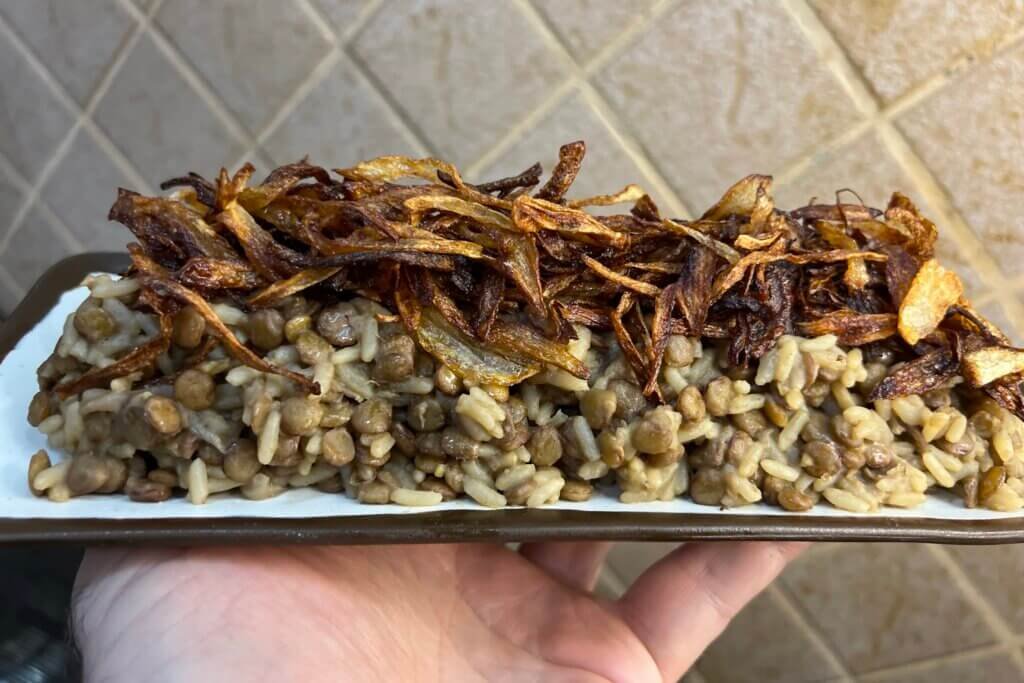
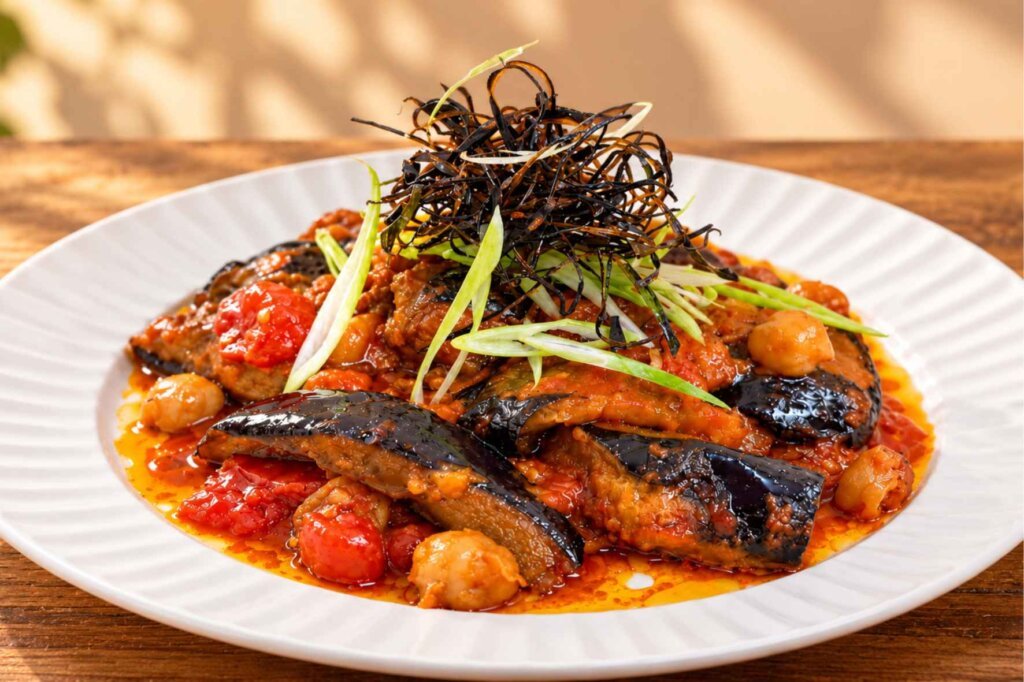
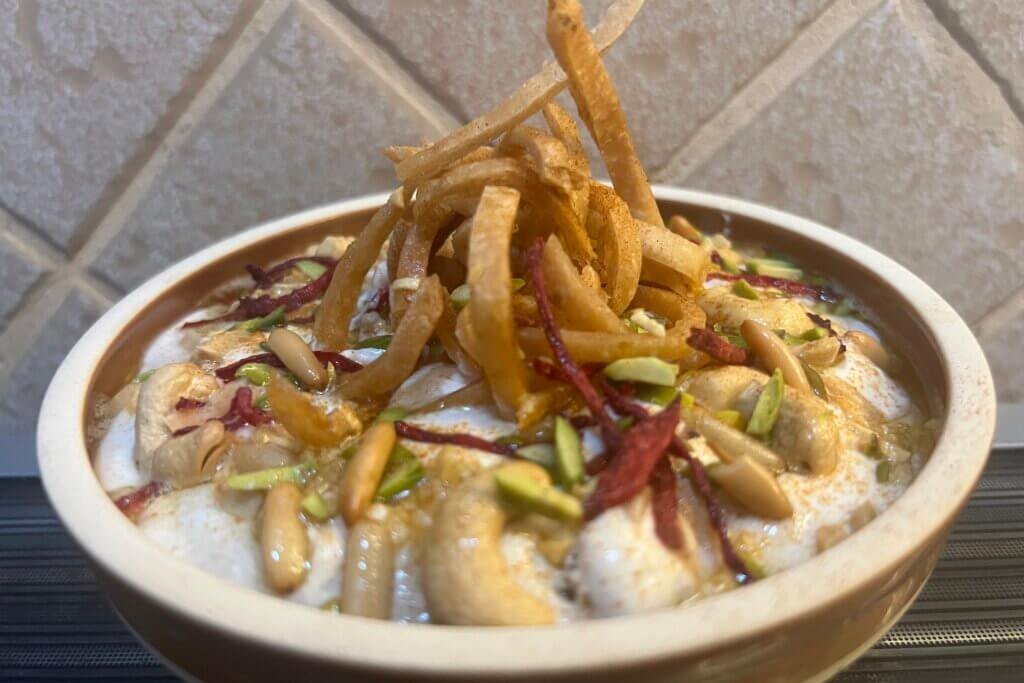
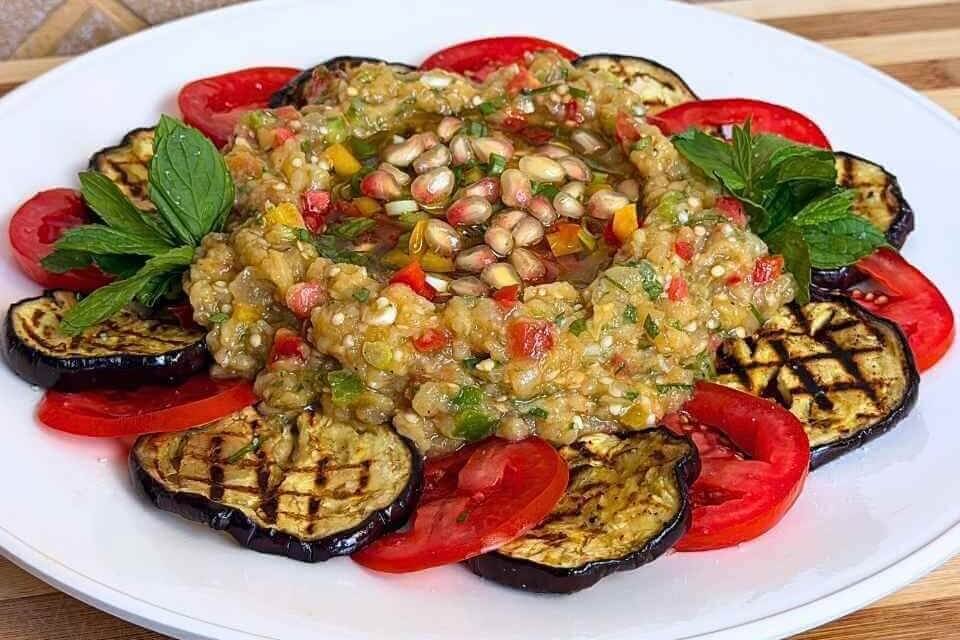
I share many more simple Lebanese dishes on my website, including mdardara, eggplant moussaka, chickpea fatteh, tomato bulgur pilaf, and Eggplant Raheb. Each one brings its own flavor and memories, yet they all remind me how familiar ingredients can make a generous family meal. You can find these and more in my recipe collection.
My Mother Cooked with Love
My mother was a very lovable person. She cared deeply for her family, and that care showed in the way she cooked. She did not need an elaborate meal to make us feel looked after. Her food had the warmth of someone who wanted everyone at the table to enjoy themselves.
When I think of her cooking, I remember how she could take everyday ingredients and turn them into something we wanted to eat again and again. It was not about showing off or making a dish complicated. It was about making food with attention, generosity, and love.
That kind of cooking stays with you. I have spent many years working in professional kitchens, learning techniques and preparing all kinds of dishes. Still, some of my strongest food memories come from my mother’s kitchen. They remind me why I started cooking in the first place: food is a way to care for people.
The Pickles We Ate With Potato Kibbeh
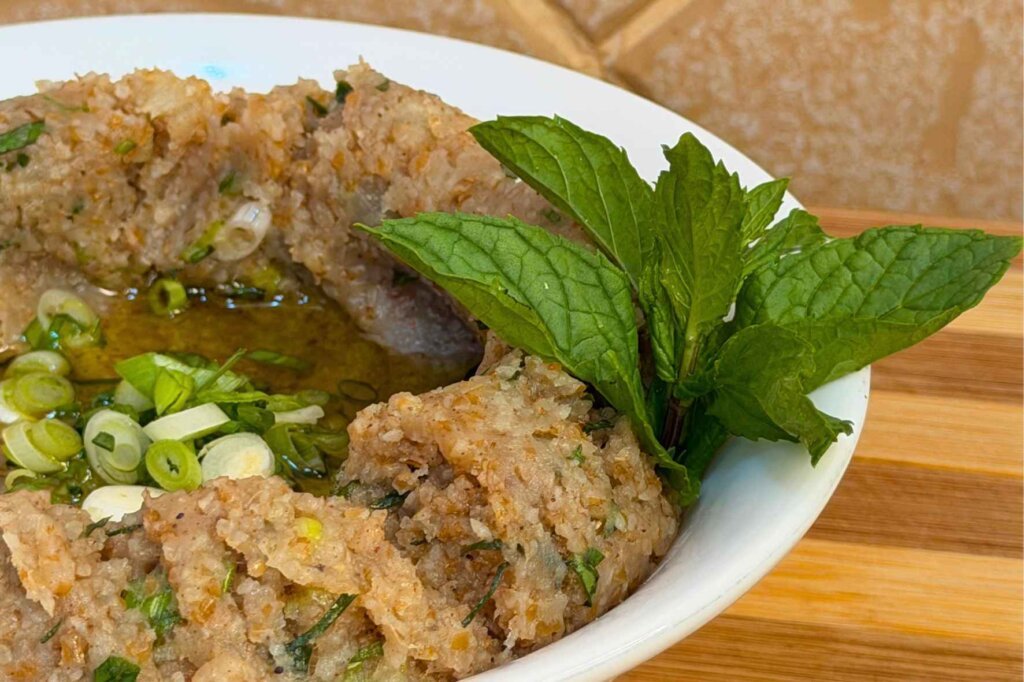
Potato kibbeh was one of the dishes we ate with the pickles my mother prepared. She made all sorts of pickles at home. They were part of the food we enjoyed with our meals, and I remember them as a familiar presence on the table.
The sharp, tangy taste of pickles alongside a comforting dish like potato kibbeh makes a meal feel complete. That combination brings back the way we ate at home. It is a memory of flavors, but also of my mother’s work and thoughtfulness. She prepared food for her family, and she made sure there was always something delicious to enjoy with it.
Many people have a dish they remember eating with one particular side, condiment, or salad. For me, potato kibbeh brings back those homemade pickles. The pairing belongs to my memory of the dish. Even now, when I think about serving potato kibbeh, I remember how it tasted at home with the pickles my mother made.
My father loved my mother’s pickles so much that lunch without a plate of them on the table could start a little argument. In his mind, a meal simply wasn’t complete without pickles. So whenever we sat down to eat potato kibbeh, those homemade pickles were always there—tangy, crisp, and ready to be enjoyed with every bite.
Why Simple Vegetarian Dishes Stay with Us
Some dishes stay in our hearts because they are connected to a particular moment or person. Others become part of our lives through years of being cooked and shared. Potato kibbeh holds both kinds of memories for me.
It came from a time when vegetarian meals were a natural part of our family’s cooking. We did not need to think of them as a trend or a special category. They were simply the food we grew up eating. They were affordable, familiar, and delicious.
I am grateful for that upbringing. It taught me to value dishes that do not depend on expensive ingredients. It also showed me how much flavor can come from thoughtful cooking. Potatoes and bulgur may be simple, yet they can become a dish with real character when prepared with care.
Today, I still enjoy introducing people to Lebanese vegetarian dishes. They deserve to be remembered and shared. They can be comforting meals for a family, generous dishes for guests, or a lovely way to bring a taste of Lebanon into a home far away.
I think you all enjoy my article about Lebanese food: The Secrets of Traditional Lebanese Cuisine: A Journey Through Flavor, Family, and Heritage
The Autumn Afternoon I Introduced My Wife to Potato Kibbeh
I still remember the day I introduced my wife to potato kibbeh. It was a fall afternoon, and we were renovating our living room. We had spent the whole day painting the walls, and by around four o’clock, we were finally finished—and starving.
After a long day of work, I wanted to make something quick, but still delicious and satisfying. So I thought of potato kibbeh. I prepared it, and as soon as my wife tried it, she fell in love with it.
That moment has stayed with me. Although it was an ordinary day at home, the dish became part of a memory we still share. Sometimes, the meals we remember most aren’t served on special occasions. Instead, they appear when everyone is tired and hungry, and someone makes something comforting.
For my wife, potato kibbeh was a new taste; for me, it was familiar food from my childhood. By sharing it with her, I brought two parts of my life together. In that way, I gave her a little piece of my past through a dish I had grown up loving.
A Dish My Wife Made Her Own
My wife also loves simple Lebanese vegetarian dishes. After that first meal, potato kibbeh became one of the dishes she enjoyed too. Now she loves making these kinds of meals for our children.
That makes me happy. Food memories grow when we share them. A dish that once belonged to my childhood has found a place in our home today. Our children can enjoy it as something delicious, while also learning about the kinds of food their family loves.
I like seeing a dish travel through a family in this way. My mother prepared it for us. I shared it with my wife. Now she makes it for our children. Each person brings their own moment to the dish, and those moments become part of its story.
We all have food that connects us to the people who cared for us. Sometimes it is a dessert made for a holiday. Sometimes it is soup on a cold evening. For me, potato kibbeh brings back my mother, my childhood home, and the meal I shared with my wife after we finished painting our living room.
Sharing the Memory Through My Video
When I shared potato kibbeh on my page, my goal was to show you how to prepare it and to pass along the memories that come with it. Cooking videos can teach us what to do with ingredients, yet they can also give us a glimpse of the people, places, and traditions behind a dish.
I wanted you to see this food as I know it: a familiar vegetarian dish from the south of Lebanon, tied to my family and to the way we ate when I was growing up. It carries a personal story, and I am glad to share that story with you.
Every cook has dishes that mean something beyond the meal itself. When I make potato kibbeh, I think of my mother’s wonderful cooking and the pickles she prepared for us. I remember that vegetarian meals were part of our everyday life. And I remember the day my wife tried this dish for the first time and loved it.
If you make this potato kibbeh at home, I hope it becomes connected to a good moment of your own. Perhaps you will serve it to your family on a busy evening, share it with someone who has never tasted it, or prepare it with a side dish that becomes part of your own tradition.
A Family of Kebbeh Recipes
Potato kibbeh is part of a much larger family of dishes. On my website, you can also find meat kibbeh, fish kibbeh, chicken kibbeh, lentil kibbeh, and rice kibbeh. Although they share the name, each one has its own character, flavor, and story.
I love how versatile kibbeh can be. For example, lentil kibbeh makes a satisfying vegetarian meal, while fish and chicken bring different flavors to the table. Rice kibbeh has its own texture and appeal, and meat kibbeh remains a beloved classic in many families.
In the end, every version is delicious in its own way. More than that, these dishes remind me that food traditions continue to grow as families adapt recipes, share their favorites, and create new memories around the table. That’s why there is room for many kinds of kibbeh at our table.
Let’s Make Potato Kibbeh
You will find the recipe card below this article with the ingredients and instructions for preparing potato kibbeh. I hope you enjoy making it and serving it with the people you love.
For me, this dish will always bring together the flavors of home, my mother’s generous cooking, and the memories I have made with my own family. That is what I wanted to share with you: a Lebanese vegetarian dish, and a little of the story it carries.
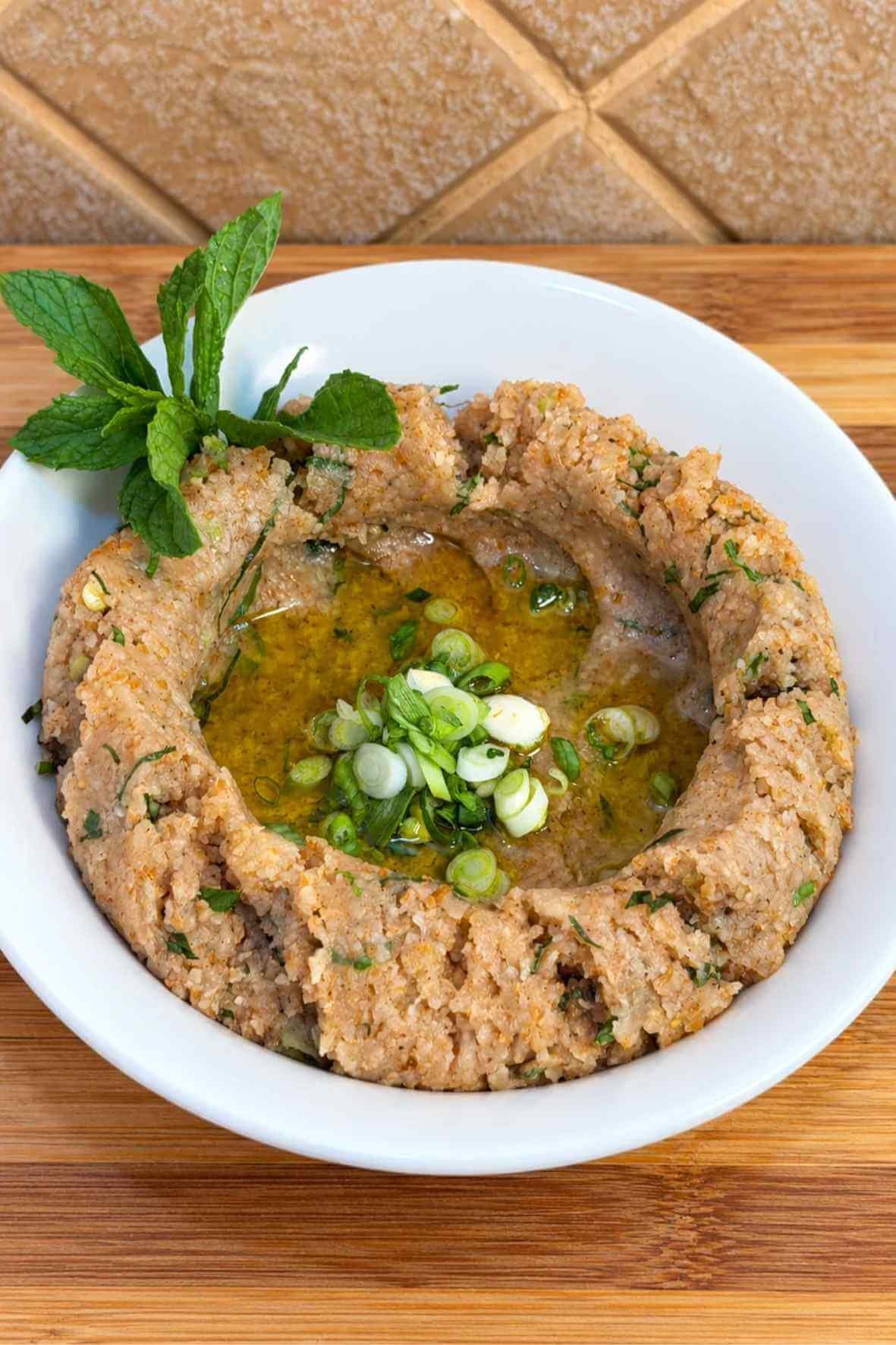
Potato Kebbeh
Ingredients
Equipment
Method
- Peel the potatoes.
- Cut them into small cubes, place them in water, and rinse them briefly.
- Put the potatoes in a small pot and add enough water to cook them, without adding too much.
- Season with coarse salt, cover the pot, and boil until the potatoes are cooked through.
- Drain the cooked potatoes and put them in a bowl.
- Mash them with a fork, leaving some small pieces for texture.
- Add the fine brown bulgur to the hot potatoes in batches, mixing it in so the heat and moisture soften the bulgur.
- Add the salt, allspice, cinnamon, and nutmeg to the potato mixture.
- Pour in the olive oil and mix well.
- Leave the mixture briefly so the bulgur can absorb the moisture and soften.
- Finely chop the spring onions and mint.
- Save a little spring onion for garnish.
- Mix the rest into the potato kibbeh once it has cooled slightly.
- Knead it gently by hand if needed.
- To serve it, spoon the kibbeh onto a plate, shape it, and garnish with spring onion and olive oil.
Video
A Dish Full of Memories, Shared with You
For me, potato kibbeh is much more than a simple vegetarian dish. Growing up in southern Lebanon, I came to love it alongside my mother’s home cooking and the pickles she prepared for our family. Later, making it for my wife brought a new memory to this old favorite, and she loved it just as much as I did.
Together, these moments remind me how food carries our stories from one generation to the next. Thank you for taking the time to read mine; I truly enjoy sharing the memories behind my dishes as well as the recipes themselves. When you’re ready for more, visit my YouTube channel for more recipes, cooking ideas, and stories from my kitchen.
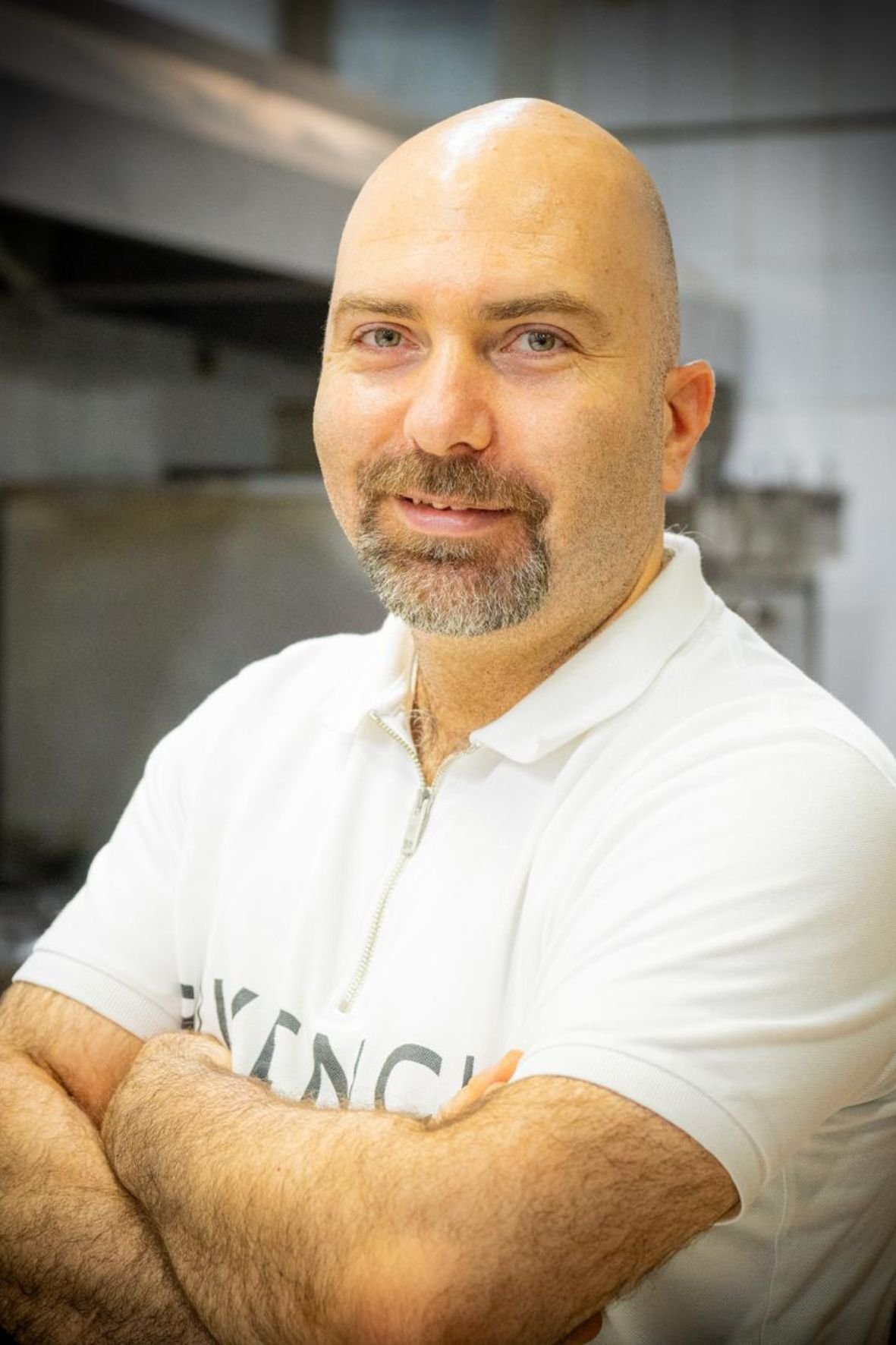
Chef François El Aaraj is a corporate chef and culinary consultant with more than 30 years of experience in professional kitchens and restaurant openings across Lebanon and abroad. Through this website, he shares authentic recipes, cooking techniques, and chef secrets designed to help home cooks create flavorful meals with confidence.
Leave a Reply