Lebanese cuisine is more than food on a plate. It is history, hospitality, tradition, and emotion served together at one table. Across generations, Lebanese families have preserved recipes that tell stories of villages, family gatherings, celebrations, and everyday life. The secrets of traditional Lebanese cooking are not hidden in complicated techniques. They are found in fresh ingredients, patience, balance, generosity, and love.
From the mountains of Lebanon to the coastal cities, every region has contributed something unique to Lebanese cuisine. The result is one of the world’s richest and most respected culinary traditions. Lebanese food is famous for its vibrant flavors, colorful presentation, healthy ingredients, and comforting dishes that bring people together.
In this article, we will explore the true secrets behind traditional Lebanese cooking, from the ingredients and cooking methods to the cultural traditions that make Lebanese food unforgettable.
The Heart of Lebanese Cuisine
Traditional Lebanese cooking is deeply connected to family life. In many Lebanese homes, recipes are passed down from mothers and grandmothers to younger generations. Meals are often prepared slowly and shared with many people.
Unlike fast food culture, Lebanese cooking values patience. Dishes are rarely rushed. Ingredients are prepared carefully, herbs are chopped fresh, and spices are added gradually to create balance rather than overpowering heat.
One of the biggest secrets of Lebanese cuisine is that every ingredient has a purpose. Nothing is added randomly. Each herb, spice, or drizzle of olive oil contributes to harmony in flavor.
Fresh Ingredients Make the Difference
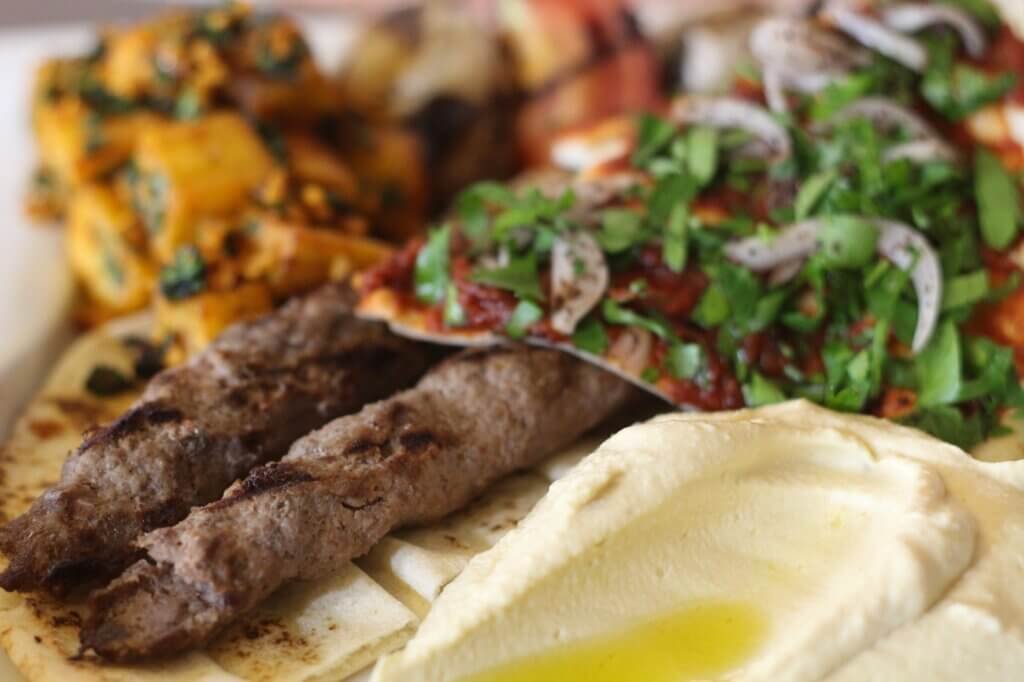
The foundation of traditional Lebanese cooking is freshness. Lebanese dishes rely heavily on vegetables, herbs, legumes, olive oil, grains, and grilled meats.
In Lebanon, many families still shop daily for produce. Tomatoes are selected when fully ripe, parsley is used immediately after washing, and olive oil is often locally produced.
The most important ingredients in Lebanese cooking include:
- Olive oil
- Garlic
- Lemon juice
- Fresh parsley
- Mint
- Tomatoes
- Chickpeas
- Lentils
- Yogurt
- Bulgur wheat
- Sumac
- Pomegranate molasses
These ingredients appear repeatedly in Lebanese recipes because they create the bright and fresh flavor profile that Lebanese food is known for.
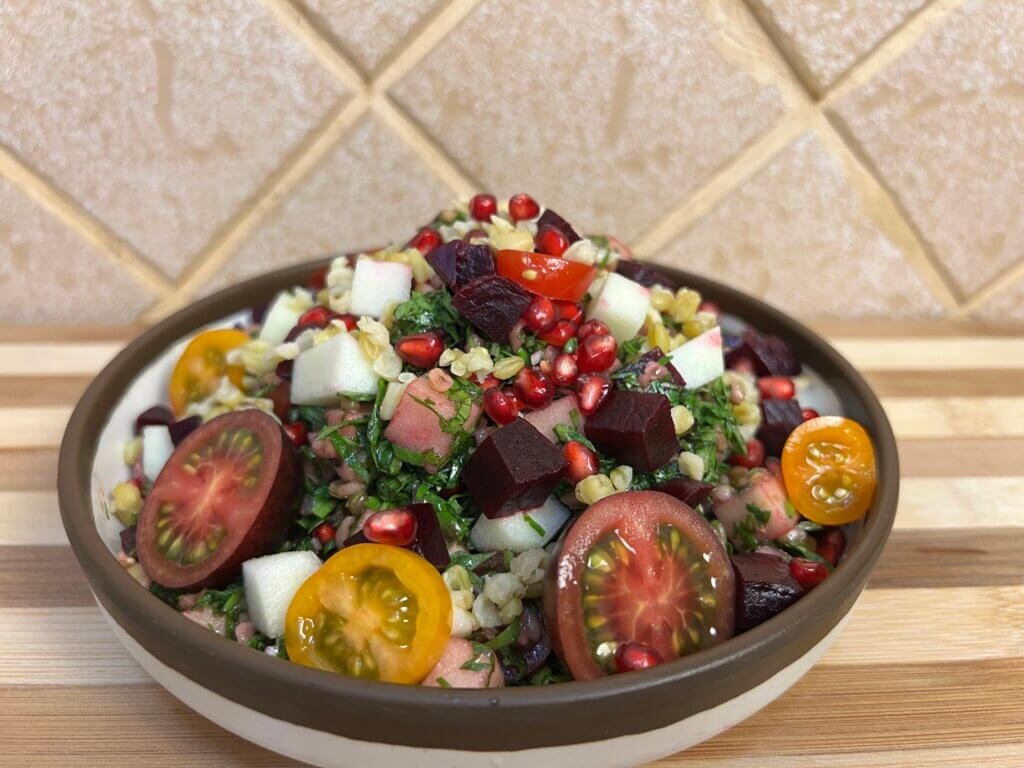
For example, tabbouleh is not simply a salad. It is a celebration of parsley, mint, lemon, and tomatoes. The freshness of the herbs is what makes the dish exceptional.
Olive Oil: The Golden Secret in Lebanese Cuisine
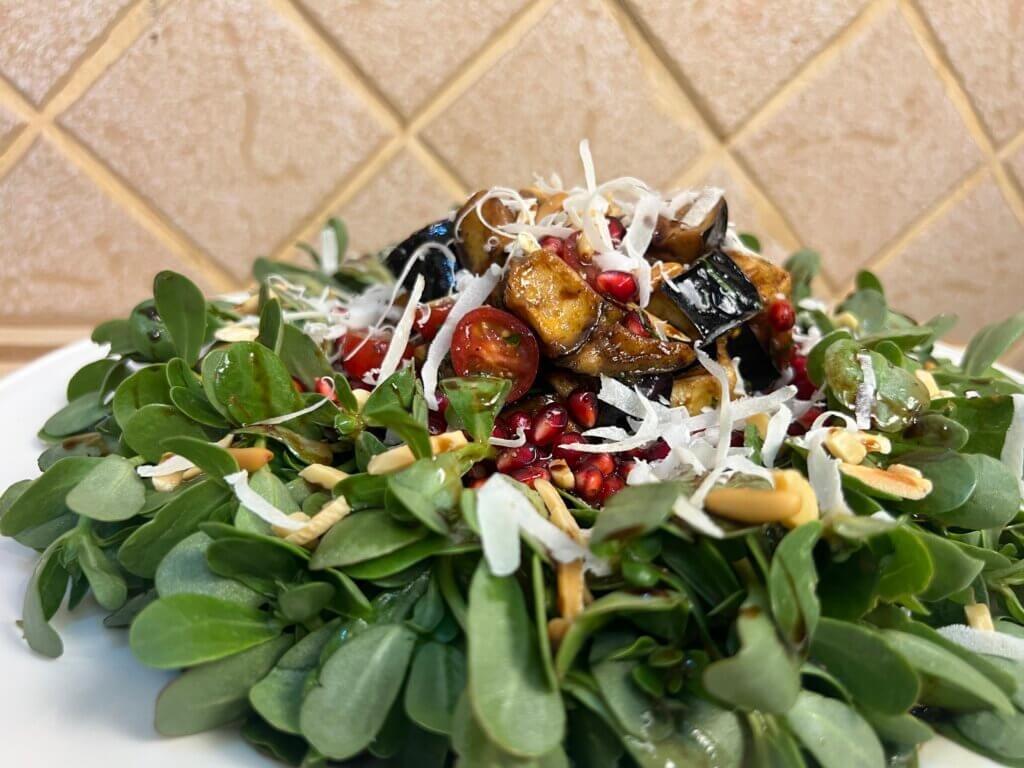
One cannot talk about traditional Lebanese cooking without mentioning olive oil. In Lebanon, olive oil is more than an ingredient. It is part of cultural identity.
Lebanese olive oil is used in salads, dips, stews, marinades, and even breakfasts. It adds richness while preserving the natural flavors of the food.
Traditional Lebanese cooks never drown dishes in heavy sauces. Instead, olive oil creates a smooth and balanced texture while allowing ingredients to shine naturally.
Many Lebanese villages still harvest olives using traditional methods. Families gather during olive season to collect olives and produce oil that will be used throughout the year.
Good olive oil transforms simple dishes into unforgettable meals. A plate of hummus topped with quality olive oil instantly becomes luxurious.
The Magic of Spices in The Lebanese Cuisine
Lebanese cuisine is flavorful without being excessively spicy. The goal is balance rather than intensity.
Some of the most commonly used spices include:
- Sumac
- Cinnamon
- Allspice
- Seven spice blend
- Cumin
- Coriander
- Black pepper
Lebanese seven spice is especially important in traditional cooking. It is commonly used in meat dishes, rice, and stews. Every family often has its own preferred blend.
Another secret is the careful use of cinnamon in savory dishes. While many cultures associate cinnamon with desserts, Lebanese cooking uses it subtly in meat and rice recipes to add warmth and depth.
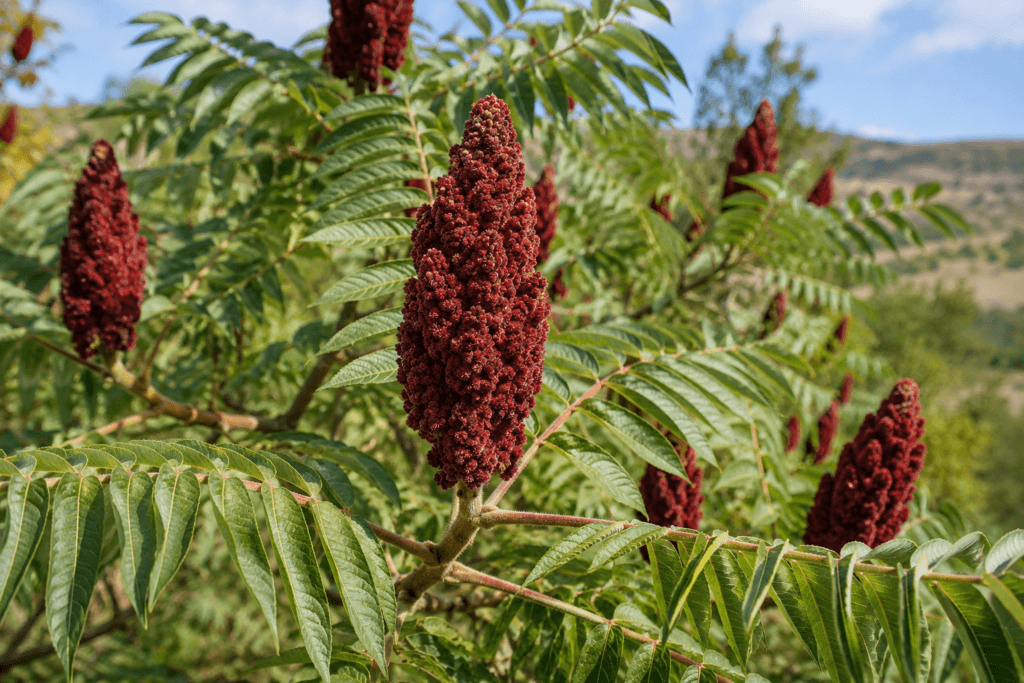
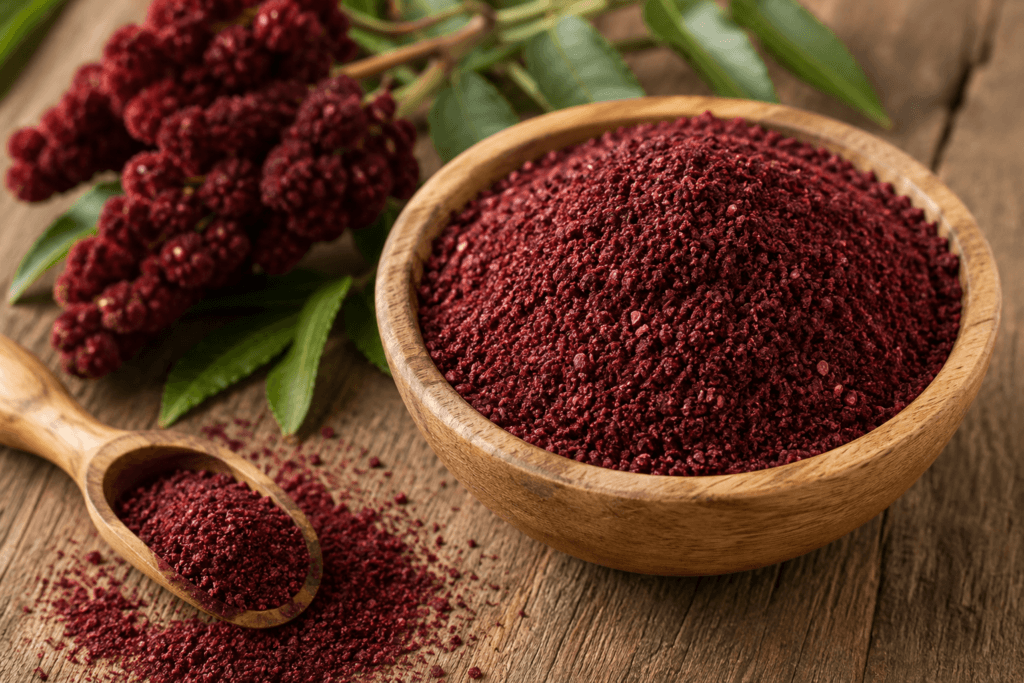
Sumac is another iconic Lebanese ingredient. Its tangy flavor replaces heaviness with brightness. Sprinkled over onions, salads, or grilled meats, sumac adds a fresh citrus-like finish.
Why Mezze Is So Special in The Lebanese Cuisine
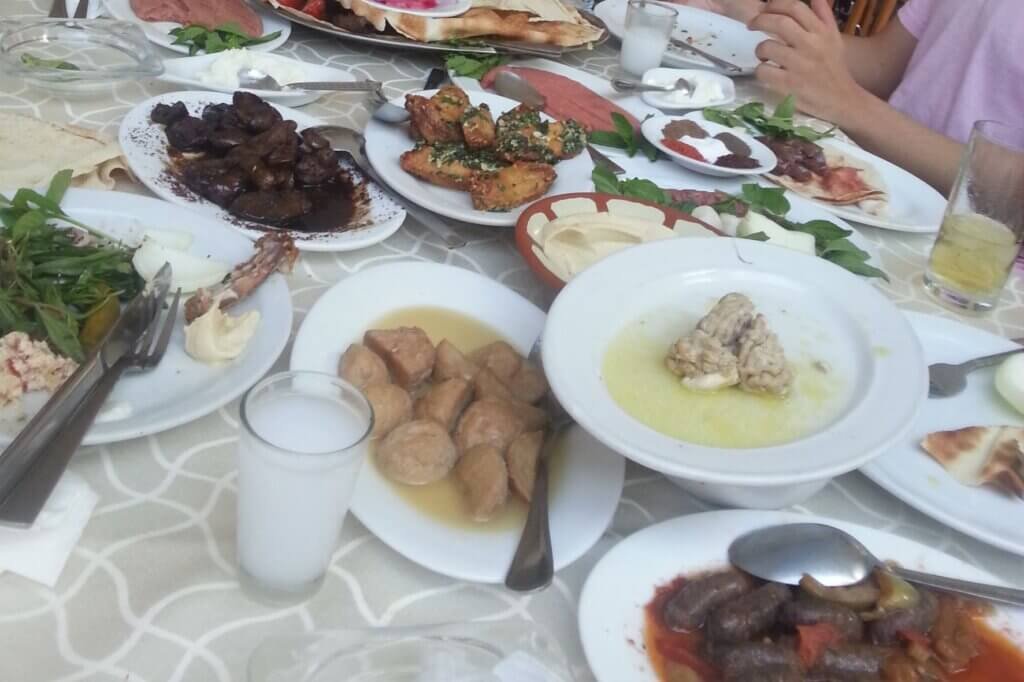
One of the greatest traditions in Lebanese cuisine is mezze. Mezze refers to a collection of small dishes served before the main course.
A Lebanese mezze table may include:
- Hummus
- Baba ghanouj
- Tabbouleh
- Fattoush
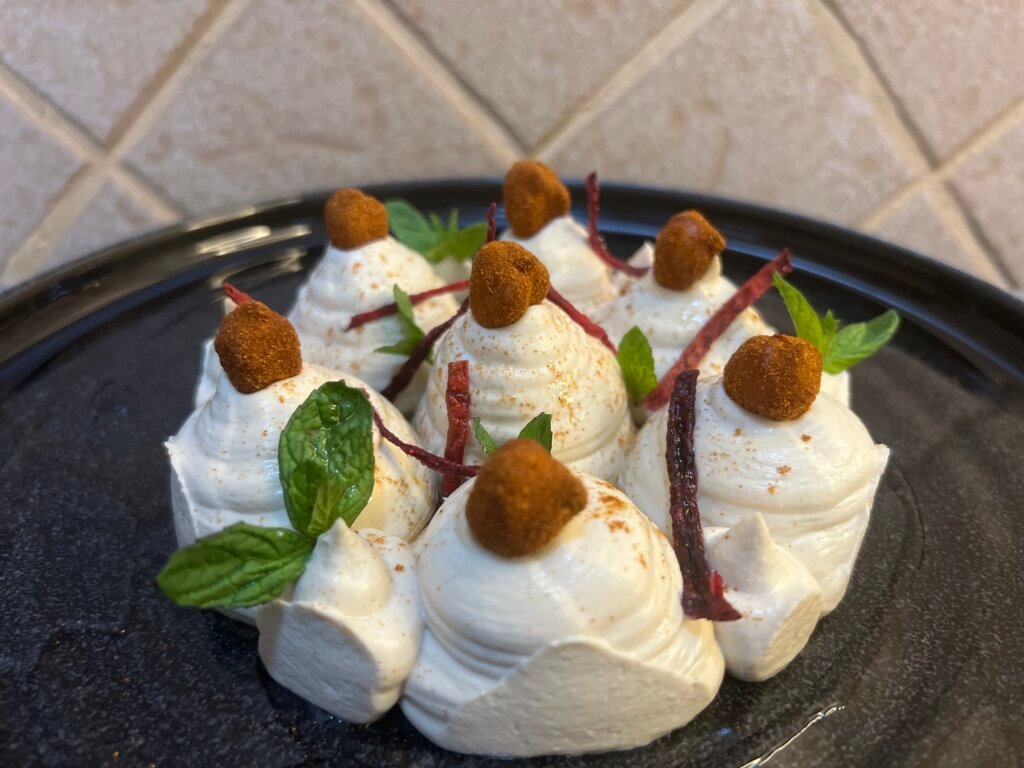
- Labneh
- Stuffed grape leaves
- Kibbeh
- Sambousek
- Pickles
- Grilled halloumi
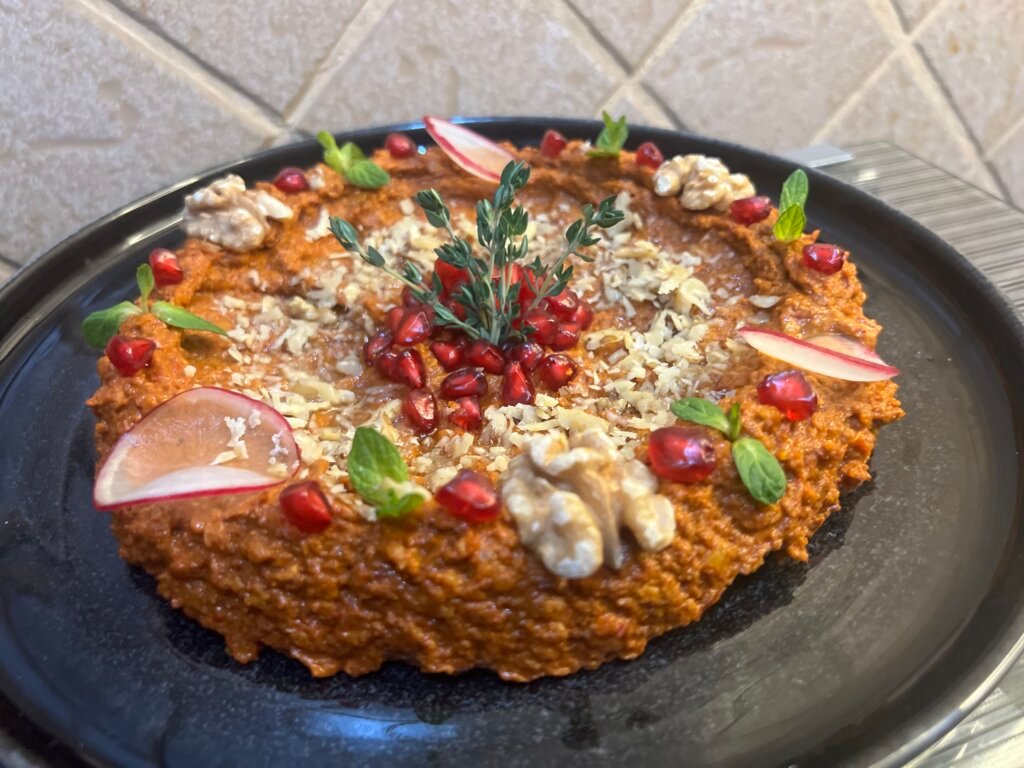
- Muhammara
- Cheese rolls
The secret of mezze is variety. Lebanese meals are designed to create conversation and connection. People eat slowly, share plates, and enjoy many flavors in one sitting.
Mezze also reflects the generosity of Lebanese hospitality. Guests are welcomed with abundance. Serving many dishes is a sign of care and respect.
The Importance of Balance
Traditional Lebanese cooking focuses heavily on balance.
Rich foods are paired with acidic ingredients. Fried dishes are served with fresh herbs and yogurt. Meat dishes are balanced with vegetables and grains.
For example:
- Fried kibbeh is often served with yogurt.
- Grilled meats are paired with garlic sauce and pickles.
- Rich rice dishes are balanced with fresh salads.
- Lentil soups are finished with lemon juice.
This balance keeps Lebanese cuisine satisfying without feeling too heavy.
It is one reason why Lebanese food is often considered among the healthiest cuisines in the world.
Cooking with Love and Patience
One of the biggest secrets behind Lebanese food is emotional connection.
Traditional Lebanese recipes are rarely rushed. Stuffed vegetables may take hours to prepare. Kibbeh dough is kneaded carefully. Grape leaves are rolled one by one.
Cooking is often a family activity. Grandmothers teach techniques through observation rather than written recipes.
Measurements are frequently estimated by feeling and experience. Many Lebanese cooks say things like:
- “Add enough lemon until it tastes right.”
- “Cook until the aroma changes.”
- “Use your hands to feel the texture.”
This intuition creates deeply personal cooking styles that differ from one family to another.
The Secret Behind Lebanese Grilled Meats
Lebanese grilled meats are famous worldwide. Whether it is shish tawook, kafta, or lamb skewers, the flavor comes from several important secrets.
Marinades Matter
Lebanese marinades are designed to tenderize meat while enhancing flavor naturally.
Common marinade ingredients include:
- Yogurt
- Lemon juice
- Garlic
- Olive oil
- Seven spice
- Paprika
Yogurt is especially important because it softens chicken while keeping it juicy during grilling.
High Heat Cooking
Traditional Lebanese grilling uses strong heat. The goal is to create caramelization while keeping the inside tender.
Overcrowding the grill or pan is avoided because it causes meat to release moisture instead of browning properly.
Charcoal Flavor
Many traditional Lebanese restaurants still use charcoal grills. The smoky aroma adds depth that cannot easily be replicated with regular cooking methods.
Bread Is Sacred in Lebanese Culture
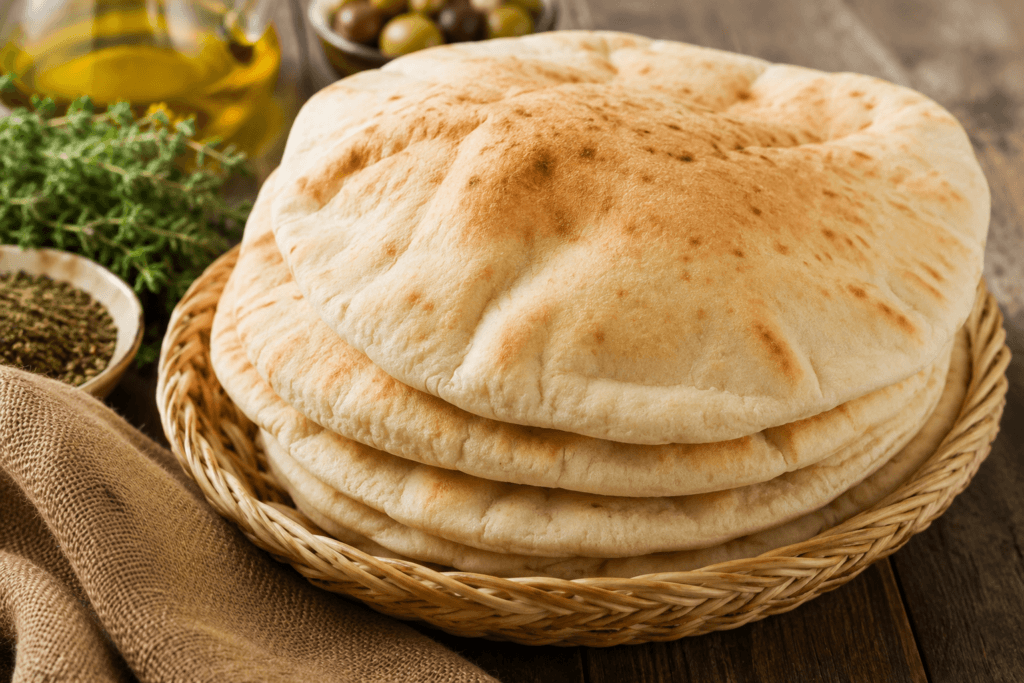
Bread plays a major role in Lebanese meals. Traditional Lebanese flatbread is used to scoop dips, wrap grilled meats, and accompany mezze.
In Lebanese culture, bread symbolizes blessings and sustenance. Wasting bread is often discouraged.
Fresh bread from Lebanese bakeries has a soft texture and warm aroma that completes the meal experience.
Mana’eesh, baked with zaatar, cheese, or labneh, is one of Lebanon’s most beloved breakfast foods.
Lebanese Desserts and Sweet Traditions
Lebanese desserts are elegant and aromatic rather than overwhelmingly sweet.
Traditional desserts often include:
- Rose water
- Orange blossom water
- Pistachios
- Semolina
- Ashta cream
- Honey or syrup
Popular Lebanese desserts include:
- Knafeh
- Layali Lubnan
- Maamoul
- Meghli
- Rice pudding
A major secret of Lebanese desserts is fragrance. Floral waters create a luxurious aroma that makes desserts memorable and unique.
Another important detail is texture. Lebanese desserts often combine creamy, crunchy, and syrupy elements together.
Hospitality: The True Secret Ingredient
Perhaps the greatest secret of traditional Lebanese cooking is hospitality.
In Lebanon, food is connected to generosity. Guests are encouraged to eat more, try every dish, and stay longer at the table.
Meals are social experiences rather than quick routines.
Even simple meals are often presented beautifully because sharing food is considered an act of love.
This emotional warmth is one reason Lebanese cuisine leaves such a strong impression on visitors from around the world.
Why Lebanese Food Continues to Inspire the World
Today, Lebanese cuisine is enjoyed globally. Lebanese restaurants can be found across Europe, North America, the Gulf, and beyond.
People are drawn to Lebanese food because it offers:
- Fresh ingredients
- Balanced nutrition
- Rich flavors
- Beautiful presentation
- Vegetarian-friendly options
- Strong cultural identity
As interest in healthy and authentic cooking grows, Lebanese cuisine continues to gain admiration worldwide.
Traditional Lebanese cooking also adapts well to modern lifestyles. Many dishes are naturally nutritious and suitable for balanced eating habits.
Preserving Lebanese Culinary Heritage
As modern life becomes faster, preserving traditional Lebanese cooking techniques becomes increasingly important.
Many old recipes are at risk of disappearing because younger generations may rely more on convenience foods.
Fortunately, chefs, home cooks, and content creators are helping preserve Lebanese culinary heritage through videos, cookbooks, blogs, and social media.
Teaching traditional recipes ensures that future generations remain connected to Lebanese culture and identity.
Final Thoughts
The secrets of traditional Lebanese cooking are not hidden in expensive ingredients or complicated methods. They are found in simplicity, freshness, patience, and human connection.
Lebanese cuisine teaches us that food is not only nourishment. It is memory, culture, comfort, and celebration.
From olive oil and herbs to charcoal grills and family gatherings, every element of Lebanese cooking reflects a deep respect for flavor and tradition.
Whether you are enjoying a simple plate of hummus or a grand Lebanese mezze feast, you are experiencing generations of culinary wisdom passed down with love.
And perhaps that is the true secret of Lebanese cooking: food made from the heart always tastes unforgettable.

Chef François El Aaraj is a corporate chef and culinary consultant with more than 30 years of experience in professional kitchens and restaurant openings across Lebanon and abroad. Through this website, he shares authentic recipes, cooking techniques, and chef secrets designed to help home cooks create flavorful meals with confidence.
Leave a Reply