Some recipes come into my kitchen through years of professional experience. Others arrive in a much simpler way: a colleague prepares something, I taste it, and the dish stays in my mind. That is how I discovered lentil kebbeh a few years ago.
One of my colleagues prepared it, and I fell in love with it. I enjoyed the combination of lentils, fine bulgur, onions, and olive oil. The ingredients were simple, yet together they made a dish with flavour, texture, and character.
Naturally, I wanted to prepare it myself. However, I also wanted to bring my own touch to the plate.
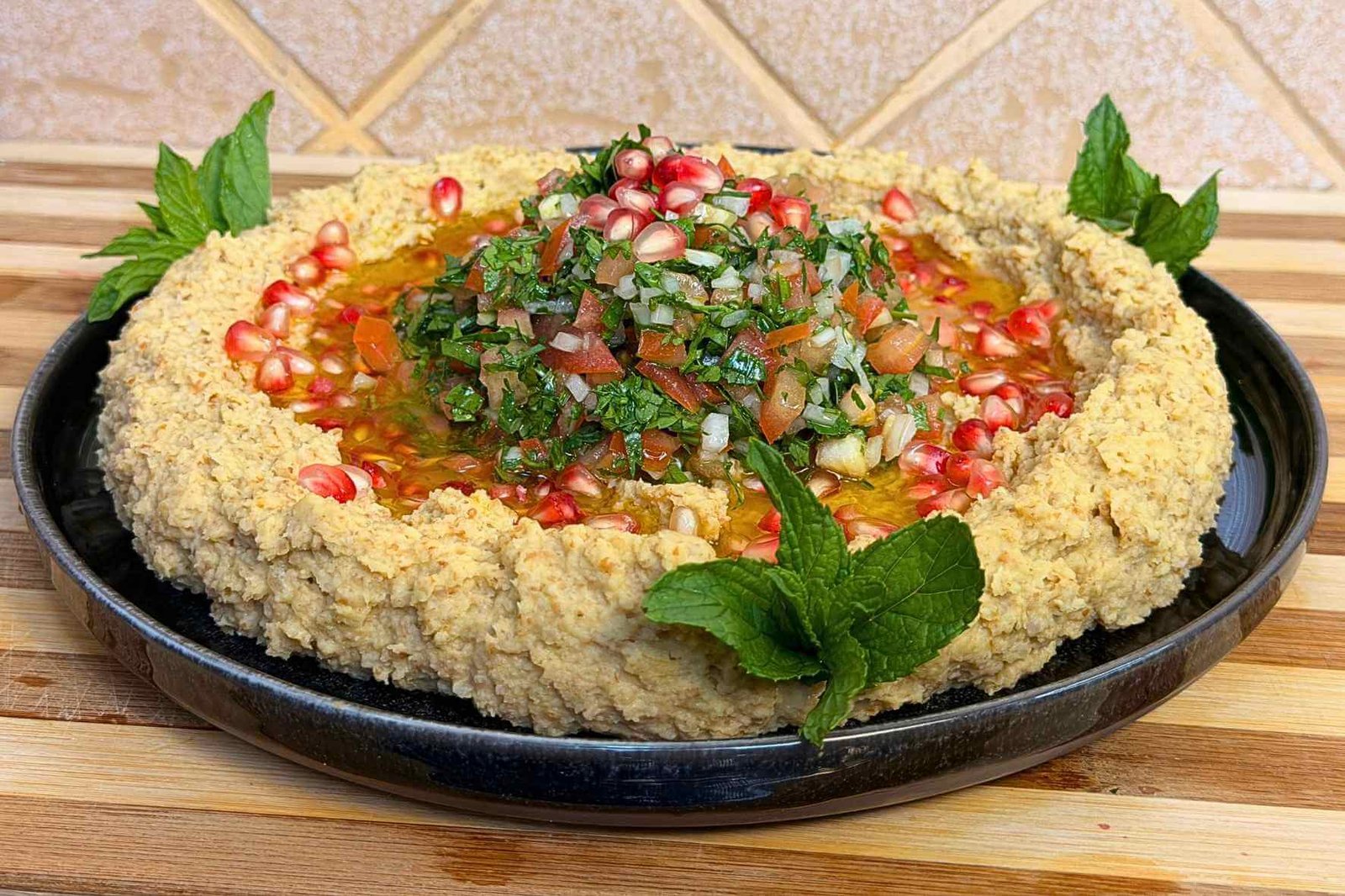
For my version, I prepared a fresh salad very close to tabbouleh. Then, I added it as a topping to give the lentil kebbeh more freshness, colour, and flavour.
That addition became my favourite part of serving this dish. Each spoonful brings together the soft lentil mixture, fresh herbs, juicy tomatoes, and bright lemon juice. It is a simple combination, but every element has a purpose.
How a Colleague Introduced Me to Lentil Kebbeh
Working alongside other cooks gives you opportunities to learn in unexpected ways. Sometimes, you discover a new technique. At other times, you taste a familiar ingredient in a form you had never considered.
Although I have spent many years in professional kitchens, I still enjoy these moments. Experience gives you knowledge, but curiosity keeps you learning.
When my colleague prepared lentil kebbeh, I discovered another way to enjoy ingredients I already knew well. Lentils and bulgur were hardly new to me. Nevertheless, their combination in this dish caught my attention.
The lentils gave the mixture its soft texture. Meanwhile, the bulgur added body and helped bring everything together. The onions and olive oil completed the dish without hiding the flavour of the main ingredients.
What I loved was how satisfying it felt with so few components.
As a chef, I appreciate a dish that knows what it wants to be. Here, there was no need for a long list of ingredients or an elaborate presentation. The pleasure came from getting a few simple things right.
There Is Always Something New to Learn
That experience reminded me why I enjoy sharing recipes.
A colleague introduced me to a dish. I enjoyed it, prepared my own version, and now I can introduce it to someone else. Perhaps you will make it for your family, and it will become part of your own cooking routine.

This is the kind of exchange I discuss in The Joy of Seeing Someone Cook Successfully for the First Time. A recipe can travel from one kitchen to another, giving each cook a little more confidence along the way.
What Makes This Lentil Kebbeh So Enjoyable?
For me, the appeal begins with the texture.
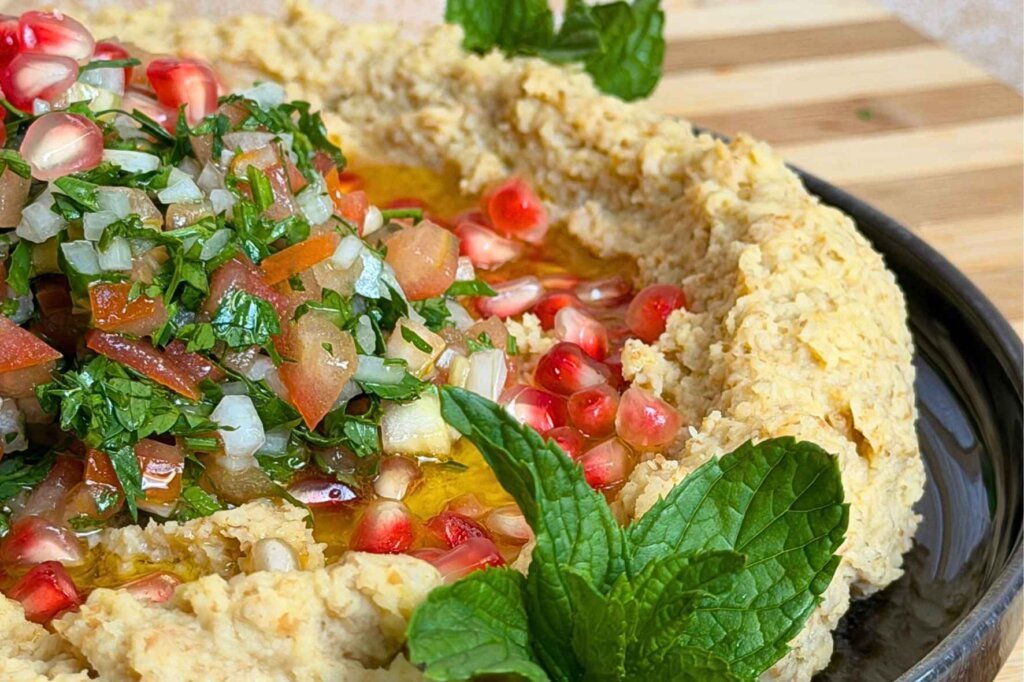
Lentil kebbeh should have enough body to hold together, while remaining soft and pleasant to eat. I want the bulgur to blend with the lentils rather than feel like a separate, dry ingredient.
Then comes the flavour.
The onions bring a savoury base, while olive oil adds richness. A little cumin supports the lentils without taking over. Finally, salt brings the ingredients into balance.
However, my version adds another layer through the topping.
The fresh salad interrupts the richness in a good way. Lemon brings acidity, tomatoes add juiciness, and the herbs make each bite feel brighter.
As a result, the dish offers more variety than its short ingredient list might suggest. One spoonful may carry more mint. Another may include a little extra tomato or a sharper piece of onion.
That changing balance keeps me reaching for another bite.
My Personal Touch: A Salad Inspired by Tabbouleh
When I prepared my version, I wanted something fresh to accompany the lentil mixture.
Tabbouleh gave me the direction.
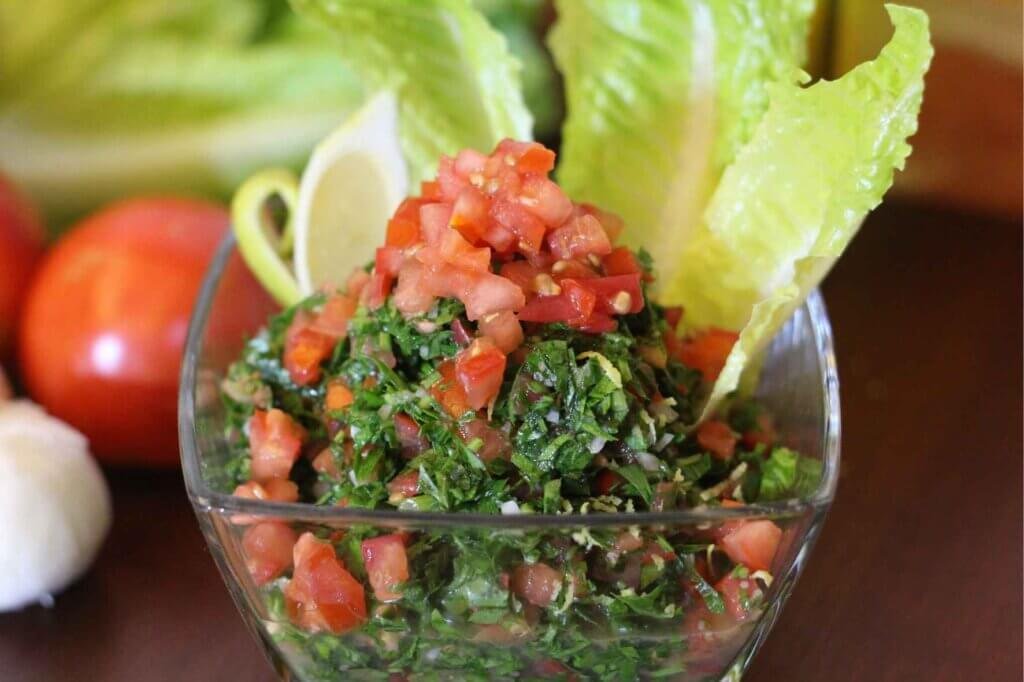
I used finely chopped parsley, tomatoes, fresh mint, onion, and lemon juice. These ingredients gave me the herb-filled freshness I wanted, without turning the topping into a second bulgur dish.
I call it tabbouleh-inspired because its role here is different. I am preparing a topping to complement the kebbeh, so I adjust the balance with the whole plate in mind.
The lentil base already contains bulgur. Therefore, I keep the topping focused on vegetables, herbs, and lemon.
A Garnish That Adds More Than Colour
I like a garnish to contribute to the food beneath it.
A few leaves can make a plate attractive. However, this salad does much more. It adds moisture, texture, acidity, and a fresh aroma.
The parsley gives the topping its main character. Meanwhile, mint adds a lighter note that works beautifully with lemon and olive oil.
Tomatoes bring sweetness and juice. Finely chopped onion adds a little sharpness. Together, these ingredients balance the softer, richer lentil mixture.
Most importantly, I want people to eat the topping with the kebbeh. It belongs in the same spoonful.
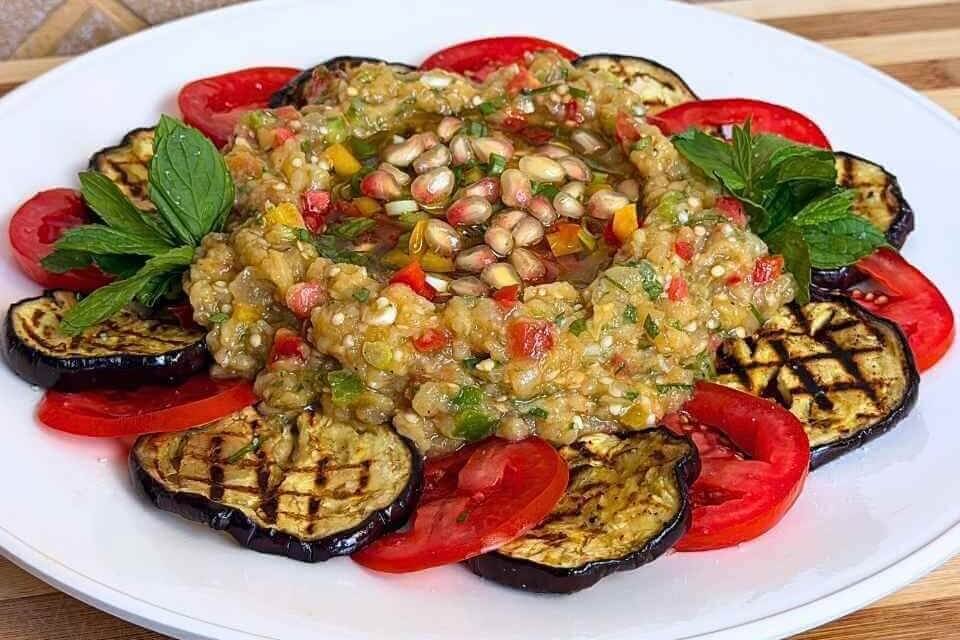
If you enjoy this style of fresh finishing, my Eggplant Raheb is another recipe to explore. It offers a different base, with plenty of opportunities to enjoy vegetables, herbs, and a bright dressing.
Understanding the Ingredients Before You Begin
The full quantities and method are in the recipe card below. However, understanding the role of each ingredient makes the preparation easier.
It also helps you recognise what the mixture needs as you work.
Red Lentils Give the Mixture Its Soft Base
I use dry red lentils for this recipe.
As they cook, they soften and break down, creating the base that holds the bulgur and other ingredients together.
For that reason, the condition of the cooked lentils matters. If they remain too firm, the mixture will not come together in the same way. On the other hand, too much remaining liquid can leave the kebbeh loose.
Before cooking, I rinse the lentils and check them for any small debris. It is a basic step, but simple preparations still deserve care.
Fine Brown Bulgur Adds Body
Fine bulgur is an important part of the texture.
Because it is finely ground, it can soften and blend into the lentil mixture more readily than a coarse variety. Therefore, I recommend using the type specified in the recipe.
Changing the bulgur can change both the texture and the amount of moisture the mixture needs.
I also prefer weighing it. Cup measurements can vary between brands and according to how tightly the cup is filled. A scale makes it easier to repeat the result.
Onions and Olive Oil Build Flavour
The onions help give the lentil base its savoury character.
Meanwhile, olive oil contributes richness and makes the mixture more enjoyable to eat. Since its flavour remains noticeable, I choose an oil that tastes pleasant to me.
You do not need to search for the most expensive bottle. Instead, use one you enjoy in simple dishes where the oil is part of the flavour.
Cumin Should Support the Dish
I keep the cumin gentle.
It works well with lentils, but I still want to taste the olive oil, onions, and fresh topping. Therefore, I begin with a small amount and taste before adding more.
The same principle applies to salt. Seasoning should bring the ingredients together.

In How to Season Food, I explain why tasting throughout preparation helps you make better decisions than adding everything automatically.
Let’s Make Lentil Kebbeh
Ingredients
Equipment
Method
- Rinse the red lentils thoroughly in several changes of water.
- Separately, rinse the fine brown bulgur, drain well, and set aside to absorb the remaining moisture.
- Place the lentils in a saucepan and add water.
- Cover and cook over very low heat for about 15 minutes, until tender and most of the water has been absorbed.
- Avoid stirring during cooking.
- Meanwhile, dice the onions and place them in a small saucepan with the olive oil.
- Cook gently over very low heat, stirring occasionally, until completely soft.
- Avoid browning them. Remove from the heat and set aside to cool.
- Stir the drained bulgur into the cooked lentils.
- Cook over low heat for another 2 minutes, allowing the mixture to heat through and the bulgur to absorb moisture.
- Remove from the heat and leave to cool.
- Transfer the cooled lentil and bulgur mixture to a food processor.
- Add the softened onions with all their cooking oil, a pinch of cumin, and salt.
- Process until combined into a cohesive, kibbeh-like paste. Transfer to a bowl and adjust the seasoning.
- Chop the washed and dried parsley and mint without mincing them too finely.
- Finely dice the tomatoes and onion, then combine with the herbs in a bowl.
- Add lemon juice, a little olive oil, and salt.
- Toss well, taste, and adjust the seasoning.
- Keep the topping chilled until ready to serve.
- Spread the lentil kebbeh on a serving platter, shaping it into a thick ring with a hollow in the centre.
- Scatter pomegranate seeds around the ring.
- Spoon the salad into the centre, including its dressing.
- Finish with a drizzle of olive oil and fresh mint leaves.
Getting the Texture Right
Texture is one of the most useful things to pay attention to when preparing lentil kebbeh.
Measurements give you a starting point. However, the mixture itself tells you whether the ingredients have come together properly.
Lentils may absorb water differently, and bulgur can vary between brands. Consequently, it helps to understand the result you are looking for.
I want a cohesive mixture that spreads easily on a serving plate. It should feel soft, with no unpleasantly firm grains of bulgur.
Give the Bulgur Time to Soften
If the mixture seems slightly loose at first, avoid rushing to correct it.
The bulgur needs time to absorb moisture. As it rests, the texture can become firmer.
Adding more dry bulgur too quickly may create the opposite problem. You could end up with a mixture that feels heavy or grainy once it has fully rested.
Instead, follow the resting stage in the recipe, then assess the texture again.
Make Small Adjustments
If the mixture is too firm, a little moisture may help. However, add it gradually and mix well before deciding whether it needs more.
Likewise, if it seems too wet, consider whether it simply needs more resting time.
The goal is to make a controlled adjustment. A large addition can be difficult to correct.
This is one reason I encourage beginners to understand basic cooking techniques. In Why Every Young Cook Should Learn the Basics First, I talk about how observing texture and recognizing small changes can make cooking feel much more manageable.
Preparing a Fresh Topping That Works with the Kebbeh
Since the topping is an important part of my version, I give it the same attention as the lentil base.
First, I wash the herbs and dry them well. Excess water can collect on the plate and dilute the lemon dressing.
Then, I chop the parsley and mint finely enough to combine easily with the other ingredients.
I want a fresh, distinct texture. Therefore, I avoid crushing the herbs into a wet paste.
The tomatoes and onions also need a fine cut. Large pieces can make it harder to enjoy everything together in one bite.
Taste the Topping with the Base
Tasting the salad on its own is useful. However, tasting it with the kebbeh gives you a better idea of the finished dish.
The topping may seem quite bright by itself, yet feel balanced when combined with the lentils and olive oil.
Similarly, a topping that tastes mild alone may disappear against the base.
For that reason, I take a small spoonful of each and taste them together. Then, I decide whether the plate needs a little more lemon or seasoning.
It is a small step that can make a noticeable difference.
How I Like to Serve Lentil Kebbeh
I enjoy serving lentil kebbeh on a wide plate or shallow platter.
This gives me enough space to spread the base and arrange the fresh salad over it. It also allows people to take some of both components easily.
I avoid spreading the kebbeh too thinly. I still want each portion to feel generous beneath the topping.
For a casual table, I place the platter in the centre and let everyone help themselves. Alternatively, smaller individual plates make it easier to give each person a balanced portion.
Make It Part of a Mezze Table
Lentil kebbeh fits comfortably alongside other dishes that offer different textures.
For example, I might serve it with Hummus, Eggplant Raheb, fresh vegetables, and bread. If I want to include another vegetable dish, Loubieh bi Zeit would also suit the table.
I think about variety when choosing accompaniments. The kebbeh is soft, so crisp cucumber, radishes, or lettuce can bring a welcome contrast.
You can also serve it as a simple meal with vegetables on the side. It does not need a large spread to be enjoyable.

A Meat-Free Dish with Plenty of Character
One of the things I appreciate about lentil kebbeh is that its ingredients work so well together on their own.
The lentils, bulgur, onions, and olive oil create the main character of the dish. Then, the topping gives it freshness and contrast.
There is no need to make the plate complicated.
It is also a useful recipe when I want to prepare something with familiar cupboard ingredients. Lentils and bulgur form the base, while a modest amount of fresh vegetables and herbs brings the plate to life.
Of course, simple ingredients still need balance. Too much cumin can hide the freshness. Too little lemon can leave the topping flat. Meanwhile, the wrong texture can make the base less pleasant to eat.
That is why I take time to taste, observe, and adjust.
If You Enjoy Lentil Kebbeh, Try My Potato Kibbeh
Lentil kebbeh introduced me to a flavor I discovered through a colleague. However, potato kibbeh takes me back to my childhood. Both dishes bring together simple ingredients, yet each has its own texture and character. While lentils give this recipe an earthy flavor, potatoes create a soft, mellow base that works beautifully with bulgur and olive oil.
Potato kibbeh also holds a special memory in my family. One fall afternoon, my wife and I had spent the day painting our living room. By around four o’clock, we had finished, and we were starving. I wanted to prepare something quick, comforting, and satisfying, so I made potato kibbeh. It was her first time trying it, and she fell in love with it.
Sharing that meal meant more to me than simply preparing lunch. After a tiring day together, I was introducing her to something familiar from my childhood. Since then, the dish has carried that memory alongside the ones I grew up with.
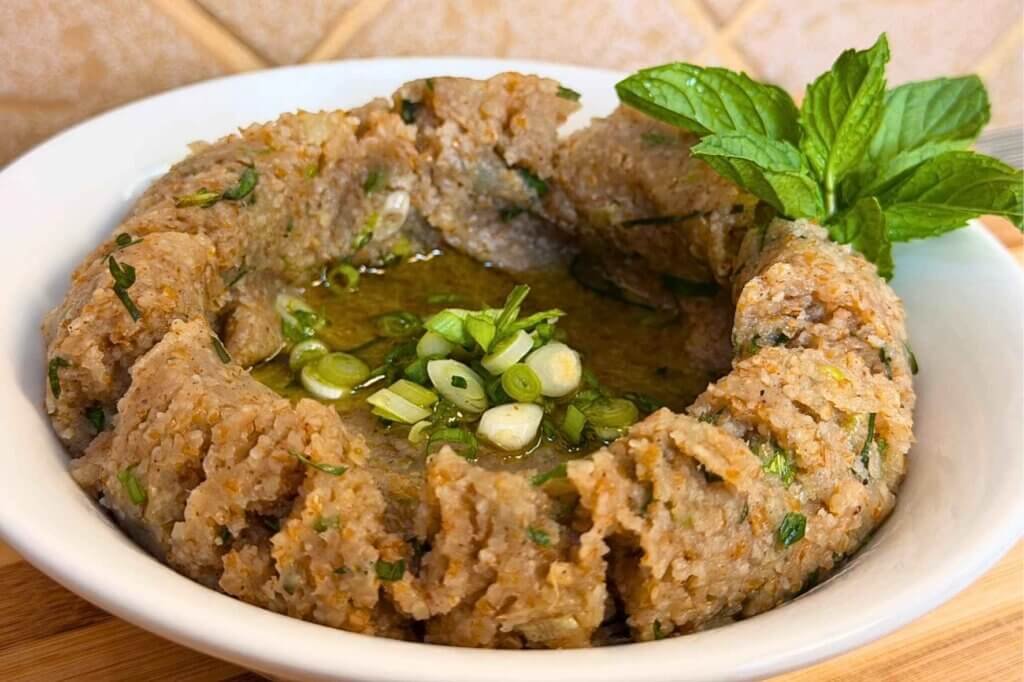
If you enjoy discovering different ways to prepare kebbeh, explore my Potato Kibbeh recipe, where I share two versions: a vegetarian option and another with minced beef. You might find a new family favorite, just as my wife did.
A Few Details I Would Pay Attention To
Before making this recipe, these are the points I would keep in mind:
- Use fine bulgur. A coarser variety will behave differently and change the texture.
- Follow the resting stage. Give the bulgur time to absorb moisture before adjusting the mixture.
- Dry the herbs well. This keeps excess water out of the topping.
- Chop the garnish finely. Each spoonful should include a comfortable mix of ingredients.
- Keep the cumin balanced. It should complement the lentils and fresh herbs.
- Taste the base and topping together. Judge the flavour of the complete dish.
None of these details is complicated. Nevertheless, together they help turn a basic mixture into a plate you want to share.
From My Colleague’s Kitchen to My Own Version
I first discovered lentil kebbeh because a colleague prepared it. A few years later, I still appreciate how that simple introduction gave me another dish to enjoy and share.
My tabbouleh-inspired topping grew from that first experience. I loved the lentil kebbeh itself, and I wanted to serve it with an extra layer of freshness.
Parsley, tomatoes, mint, onion, and lemon gave me exactly what I was looking for.
For me, that is part of the pleasure of cooking. We learn from one another, then make thoughtful choices that reflect our own taste.
You will find my full lentil kebbeh recipe in the card below. You can also follow the preparation on my YouTube channel, where I share the steps and details that help bring each dish together.
And if you prepare this version, tell me what you think of the topping. It is the personal touch that made this lentil kebbeh feel like my own.

Chef François El Aaraj is a corporate chef and culinary consultant with more than 30 years of experience in professional kitchens and restaurant openings across Lebanon and abroad. Through this website, he shares authentic recipes, cooking techniques, and chef secrets designed to help home cooks create flavorful meals with confidence.
Leave a Reply