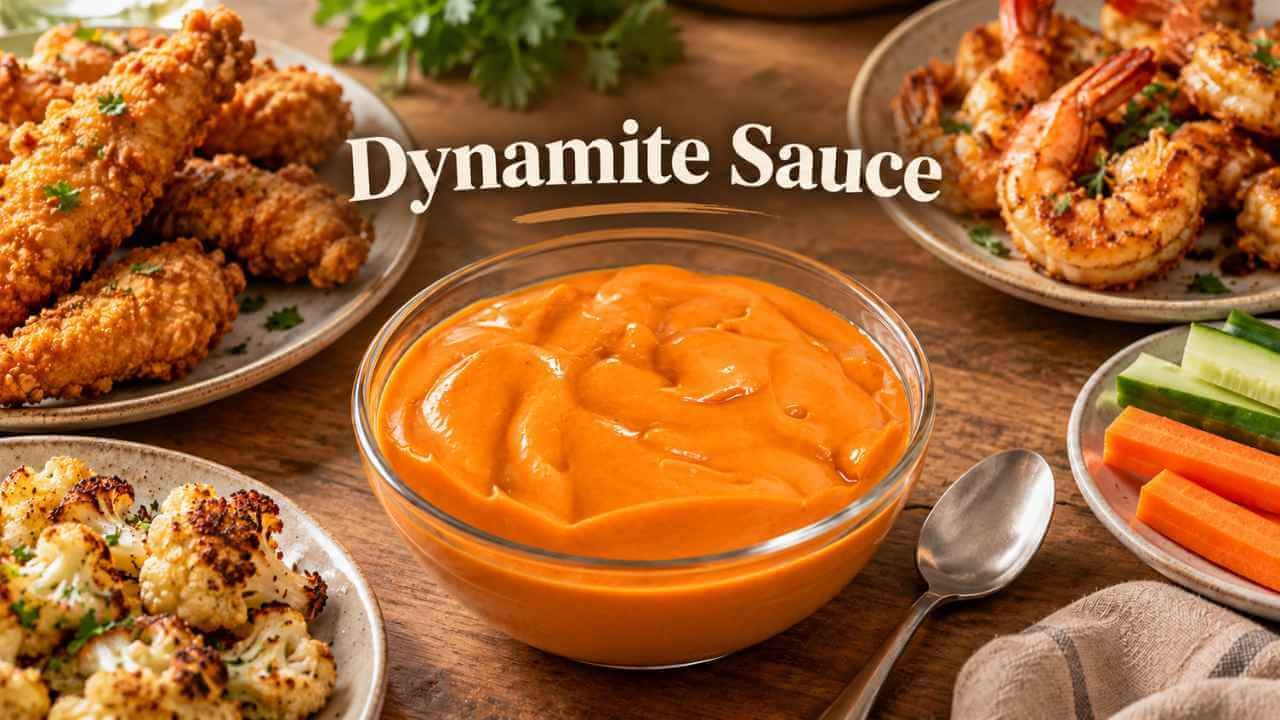
Put a plate of golden chicken bites on the table, and someone will usually ask, “Where is the dynamite sauce?”
I understand that question very well.
The chicken may be beautifully cooked. Its crust may be crisp, and its seasoning may be just right. Yet a small bowl beside it promises another experience: a creamy dip, a little sweetness, perhaps a warm touch of chili.
Suddenly, the same plate offers several ways to enjoy each bite.
That is what I love about sauces. They invite us to play with food in a simple, delicious way. A familiar ingredient can feel fresh again, even when we have cooked it many times before.
My dynamite sauce captures that spirit. I pair it with shrimp, chicken, vegetables, and crispy appetizers. However, it also gives me a reason to talk about something bigger: how a sauce develops its own character, and how we choose the right one for the food in front of us.
You can explore my sauces collection for more ideas. First, though, let us give that little dipping bowl the attention it deserves.
What Makes a Sauce Original?
For me, originality in cooking starts with a clear choice.
What do I want someone to taste first? How should the sauce feel? What food will it accompany?
A sauce can use familiar ingredients and still have a distinct personality. Change the balance of sweetness, acidity, heat, and creaminess, and you change the experience.
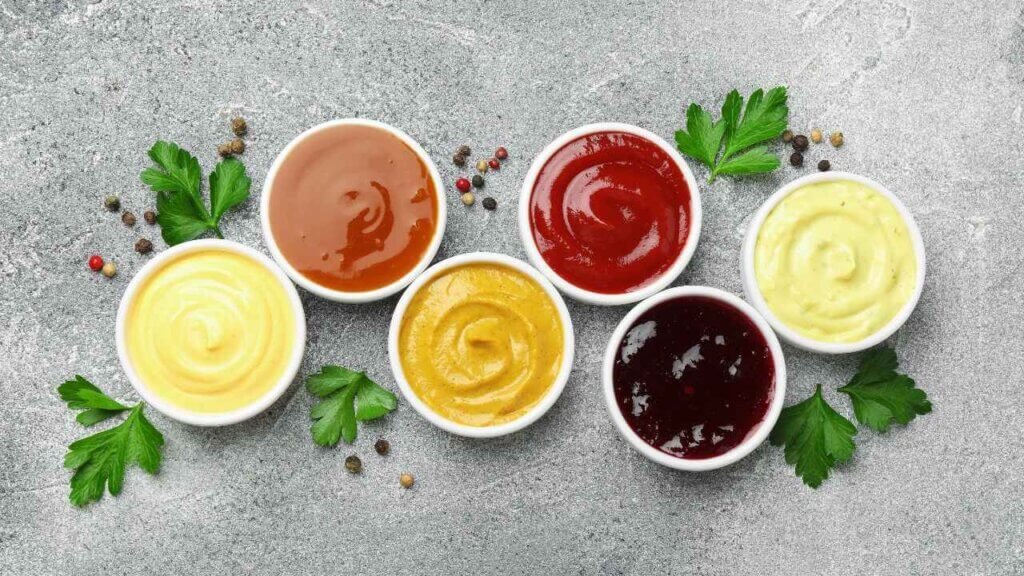
Take mayonnaise and ketchup. Together, they create a familiar creamy base. However, mustard, chili, pickles, or a touch of sweetness can lead that base in several directions.
My cocktail sauce and Thousand Island dressing show how closely related sauces can offer different textures and uses.
That does not mean I invented every sauce I prepare. Many recipes belong to long traditions, while others have evolved through countless kitchens. I enjoy giving my version a clear identity while respecting the idea behind it.
Originality can be as simple as knowing exactly why you added that last spoonful.
My Dynamite Sauce: Creamy, Gently Spicy, and Full of Possibilities
The name “dynamite” might make you expect a sauce that sets your mouth on fire. My version takes a gentler approach.
I want warmth, sweetness, and a smooth finish. You should enjoy the food beneath the sauce as much as the sauce itself.
Mayonnaise gives it body. Ketchup brings tomato flavor and tang, while sweet chili sauce and sriracha add sweetness and heat. Then, condensed milk and ashta give my version a richer, softer character.
Those last two ingredients may surprise you. After all, we often associate them with desserts.
Here, they have a different role. They round out the sharper flavors and contribute to the creamy texture. However, balance matters: the finished sauce should still belong beside savory food.
I like this version because it gives me several things in one bite. First comes the creamy texture. Then the sweet and tangy notes appear, followed by gentle chili warmth.
The exact quantities and method belong in the recipe card. What I want you to understand here is the purpose of the combination. Once you understand that, tasting the sauce becomes much more interesting.
Let’s Make Dynamite Sauce
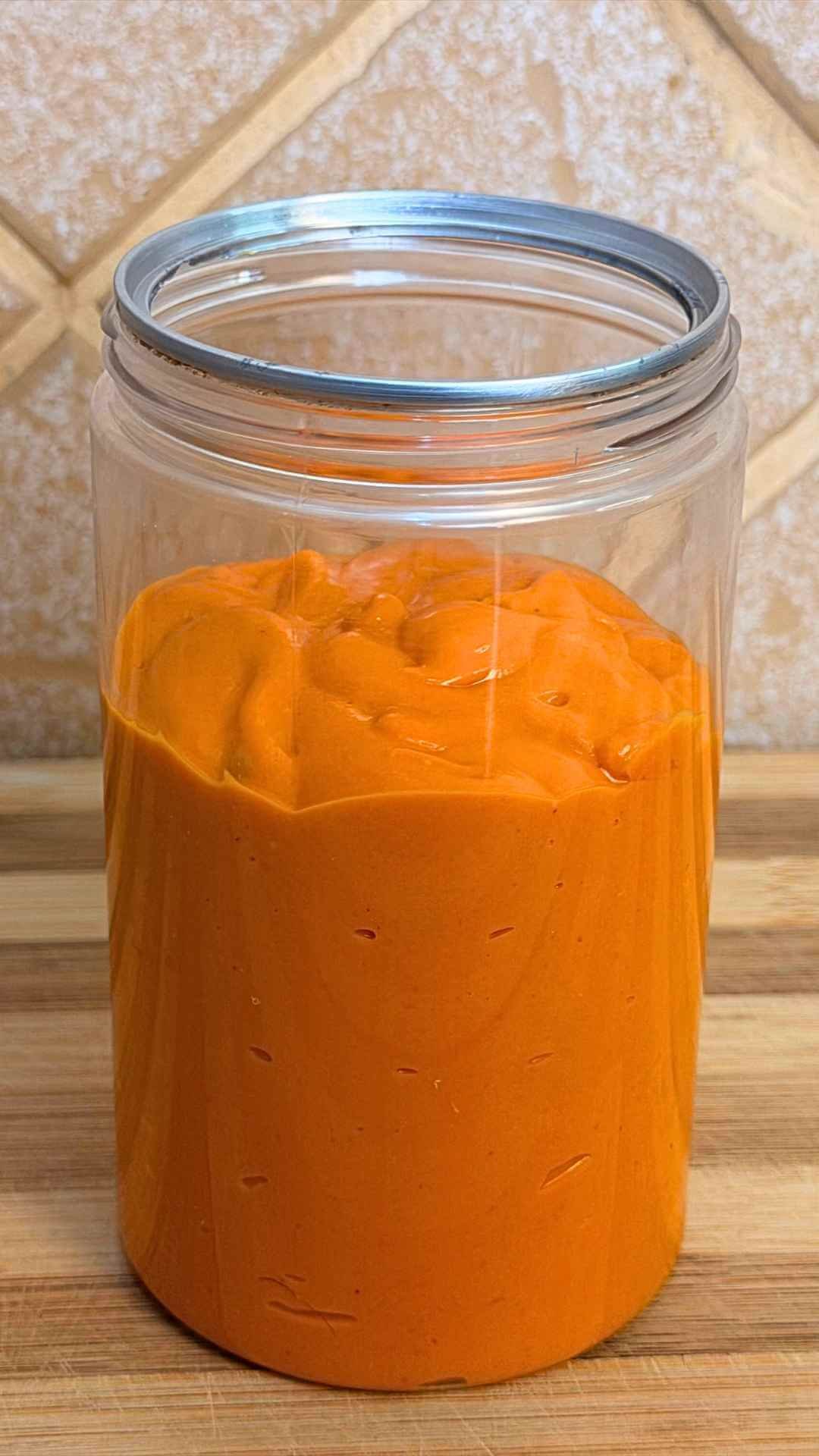
Homemade Dynamite Sauce
Ingredients
Equipment
Method
- Combine the base. Place the mayonnaise, ketchup, sweet chili sauce, and sriracha in a mixing bowl. Whisk until evenly blended.
- Add the creamy ingredients. Add the sweetened condensed milk and ashta cream. Whisk until the sauce is smooth and free of lumps.
- Mix in the coloring. Add the yellow and red liquid food coloring. Stir thoroughly until the color is uniform.
- Check the texture and flavor. Scrape down the sides of the bowl and mix again. Taste the sauce; it should be creamy, slightly sweet, and gently spicy.
- Serve or chill. Serve with shrimp, chicken, vegetables, or crispy appetizers. Alternatively, cover and refrigerate for 30 minutes before serving.
- Store properly. Transfer the remaining sauce to a clean, airtight container and refrigerate promptly. Use a clean spoon each time you serve it.
Video
Why Shrimp and Dynamite Sauce Work So Well Together
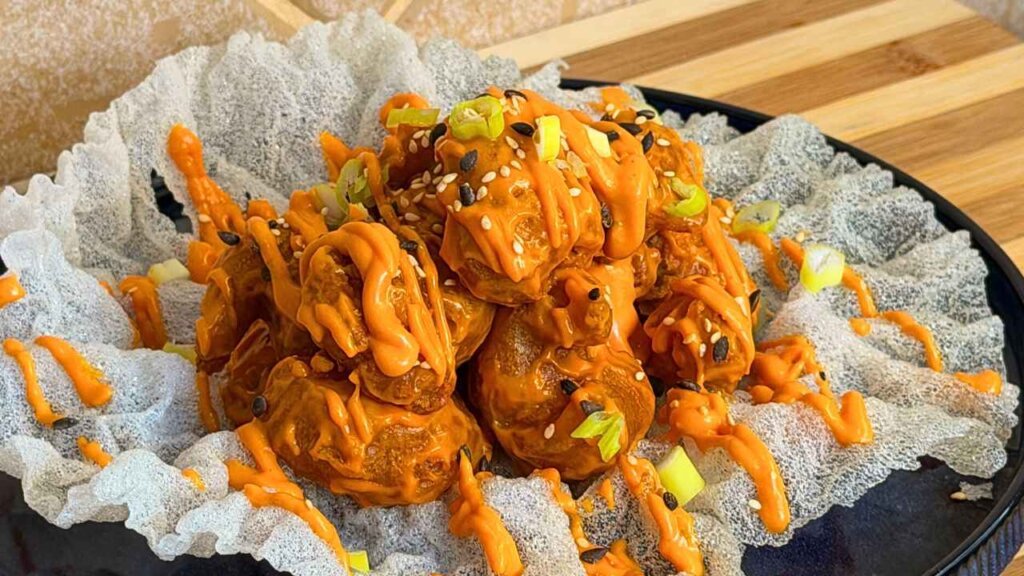
My dynamite shrimps bring the idea to life.
There is a crisp coating, a tender center, and a creamy sauce that connects the two. Meanwhile, the shrimp’s natural sweetness works well with the sauce’s gentle heat.
However, the coating still deserves care. After spending time creating that golden crust, I do not want to hide it beneath too much sauce.
I begin with enough to coat the shrimp lightly. Then I check the result before adding more.
If I am serving the shrimp as a shared appetizer, I may offer extra sauce beside the plate. That lets each person choose their favorite balance.
Timing also matters. Coat crispy shrimp close to serving, because a wet sauce gradually softens the crust. For a platter that will sit longer, dipping is often the better choice.
You will find this combination in my dynamite shrimps recipe. It is an excellent place to start if you want to see how the sauce becomes part of a complete dish.
Chicken Gives the Same Sauce a Different Personality
Shrimp may be the obvious partner, but chicken deserves its turn.
With crispy chicken, the appeal comes from contrast. The golden coating meets a smooth sauce, while the savory meat balances its sweeter notes.
Cut chicken into smaller pieces, and the meal becomes an appetizer. Tuck those pieces into a wrap with lettuce and a little sauce, and you have a different way to serve them.
Grilled chicken also works. In that case, I would start with a small spoonful on the side. There is no breaded crust to absorb the sauce, so the same amount can feel much richer.
This is why I taste a sauce with its intended food. A spoonful on its own tells me only part of the story.
The chicken’s seasoning changes the balance. So does the cooking method. The best pairing comes from considering both.
Vegetables Are Welcome at the Dynamite Table
A bowl of dynamite sauce should not have to wait for seafood or chicken.
Roasted cauliflower, grilled zucchini, mushroom bites, and potato wedges all offer interesting possibilities. Each vegetable brings something different.
Cauliflower gives a mild base and browned edges. Zucchini has a softer texture. Mushrooms bring a deeper savory taste, while potatoes offer that comforting combination of crisp outside and soft center.
For vegetables, I usually prefer dipping or a light drizzle. That keeps their individual flavors clear.
Fresh cucumber and carrot sticks offer another option when I want a platter with both cooked and raw ingredients. Their crunch creates a different experience from breaded food.
Of course, a vegetable platter served with my dynamite sauce still contains dairy and, depending on the mayonnaise, egg. The vegetables do not change the ingredients of the dip.
What they do change is the range of ways we can enjoy it.
Six Appetizer Ideas from My Recipes to Try with Dynamite Sauce
You do not need six new sauces to serve six different appetizers. Sometimes, one bowl opens the door to several combinations.
Here are six recipes from my collection that I would consider for a dynamite sauce platter. Some are natural partners; others are playful pairings to try in small amounts.
1. Dynamite Shrimps
This is the most direct match. Serve the shrimp lightly coated or keep extra sauce beside them for dipping.
If you are building a larger platter, smaller portions make it easier to enjoy several appetizers.
2. Crispy Chicken
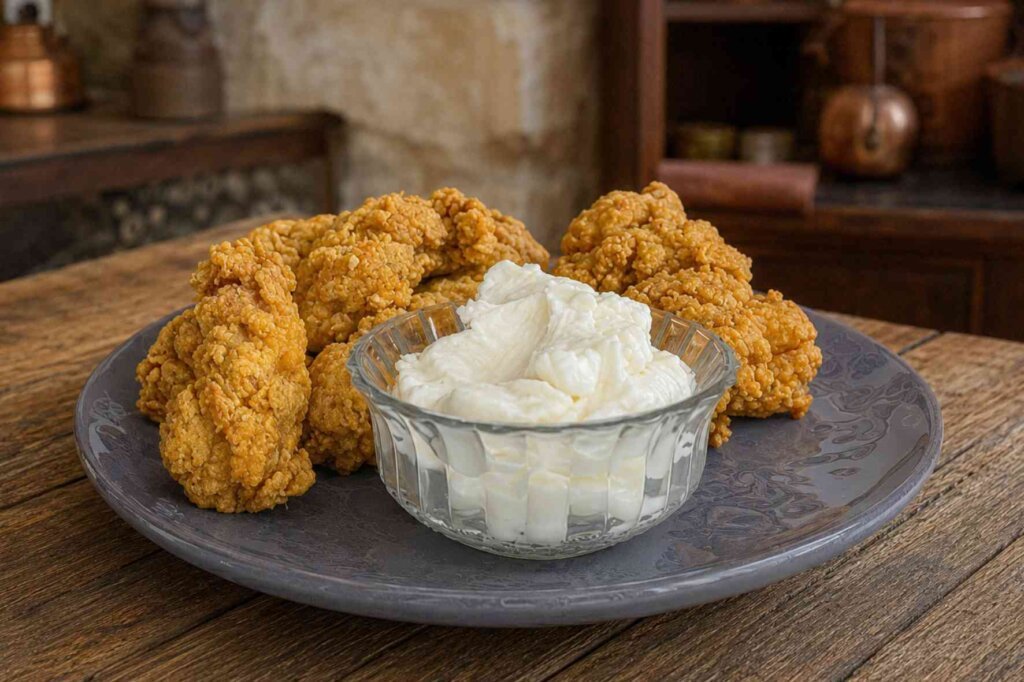
Chicken bites or strips offer plenty of crisp edges for the sauce to cling to. They are also easy to share.
For variety, serve dynamite sauce beside honey mustard and let everyone compare the two.
3. Fish Fingers

My homemade fish fingers usually make me think of tartar sauce. However, dynamite sauce offers a sweeter, warmer alternative.
Try one piece with each sauce. You may discover that your favorite depends on your mood.
4. Mozzarella Sticks

Warm, stretchy cheese and a crisp coating already make a delicious combination. Add a small dip of dynamite sauce, and you introduce sweetness and gentle heat.
Because both the cheese and sauce are rich, a little is enough.
5. Sambousek
This is a less traditional pairing, especially with a seasoned meat filling.
I would serve the sauce separately and try a small amount first. The filling should remain the main flavor, with the dip adding a new accent.
6. Fried Kibbeh
Kibbeh has a strong identity of its own, so I approach this pairing with curiosity.
A little dynamite sauce beside a mini kibbeh can offer an unexpected contrast. However, if you prefer the classic flavor on its own, there is no need to change it.
That is the pleasure of serving dips separately: the table leaves room for both familiar tastes and new experiments.
Sweet and Sour Sauce Brings a Brighter Kind of Fun
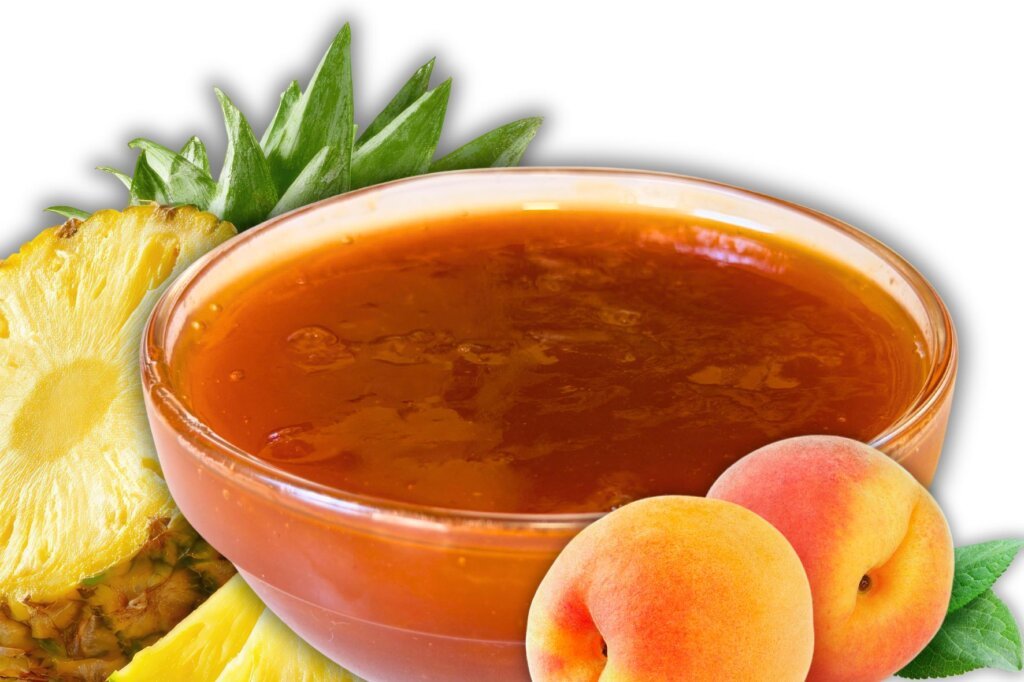
Dynamite sauce gives me creaminess. My sweet and sour dip gives me a livelier, tangier direction.
Imagine tasting the same chicken bite with each one.
With dynamite sauce, the bite feels richer and softer. With sweet and sour sauce, the acidity stands out more clearly.
Both combinations can be delicious. They simply answer different cravings.
I enjoy that freedom when planning a shared platter. One guest may reach for the creamy bowl, while another prefers a fruity, tangy dip.
Sweet and sour sauce also gives vegetables and savory pastry bites a different finish. It can brighten a rich mouthful, especially when I use it sparingly.
However, I still want to taste the food. A strong sauce should add interest without taking control of every bite.
Sweet Chili Sauce Offers Warmth with a Glossy Finish
My sweet chili sauce takes another route.
It brings sweetness, chili warmth, and a glossy texture. Beside chicken, shrimp, or vegetable bites, it creates an appealing finish without the creamy body of dynamite sauce.
There is also a useful connection between the two: sweet chili sauce is one of the ingredients in my dynamite recipe.
I enjoy that kind of relationship in cooking. A sauce can stand proudly on its own, then become part of another preparation.
Still, sweet chili and sweet and sour sauce have different personalities. One focuses more on the partnership between sweetness and chili, while the other puts the sweet-and-tangy contrast at the center.
When choosing between them, I think about the food and the result I want. Then I taste.
That final step is much more useful than choosing a sauce simply because its color looks right.
The Other Sauces I Keep Coming Back To
A growing sauce collection makes everyday cooking more flexible.
My honey mustard sauce gives chicken, sandwiches, and appetizers a sweet, sharp finish.
Meanwhile, my tartar sauce offers a creamy, tangy partner for fish. My Lebanese garlic dip brings a much bolder garlic flavor to chicken and potatoes.
Cocktail sauce and Thousand Island dressing give me more creamy options. Homemade ketchup and barbecue sauce also belong in the conversation, especially when I want a familiar plate to move in a different direction.
I do not need to serve them all at once. Two carefully chosen sauces often make a better table than six bowls competing for attention.
For more ideas, browse my sauces category and choose a recipe that suits what you are cooking.
A Small Bowl Can Hold a Family Memory
Some sauces become personal for reasons that have little to do with technique.
Cocktail sauce is one of those recipes for me. It has long been my daughters’ favorite dip, and I taught them to prepare it when they were about seven.
A simple bowl became a chance to learn how flavors work together.
Mix, taste, adjust. Then taste again.
I love that a sauce can offer such an approachable first lesson. There is something satisfying about seeing separate ingredients come together and realizing that your own choices affect the result.
That family connection also explains why I enjoy sharing sauce recipes. They give home cooks an easy way to participate, experiment, and build confidence.
The result may be a small bowl, but the pleasure of making it can be much bigger.
How I Choose a Sauce for a Plate
I start by looking at what the dish already offers.
Is it rich? Mild? Strongly seasoned? Crisp? Soft?
Then I ask what would make the next bite more enjoyable.
For a rich fried appetizer, I may choose a tangy dip. For mild chicken or vegetables, I may want gentle heat. With a delicate ingredient, I use a lighter hand so its flavor remains clear.
Texture matters too. A dip should cling comfortably to the food. A sauce for coating needs to spread without leaving a heavy layer.
Finally, I taste the combination. A sauce that seems strong on a spoon may feel beautifully balanced with a potato wedge. Conversely, one that tastes perfect alone may overwhelm a lightly seasoned piece of fish.
The plate gives me the final answer.
Make a Shared Platter Feel Generous without Making It Complicated
For a relaxed meal, I would choose two or three appetizers, add some vegetables, and serve two contrasting sauces.
For example, crispy chicken, fish fingers, cucumber sticks, and dynamite sauce could sit beside a small bowl of sweet and sour dip.
Another evening, I might choose shrimp, mozzarella sticks, roasted cauliflower, and honey mustard alongside dynamite sauce.
The goal is variety in each bite, with enough space on the platter to see and enjoy the food.
Use separate spoons for each sauce. Keep the creamy dips chilled until serving, and refill small serving bowls as needed. That is also a practical way to keep the main batch clean.
Most of all, serve crispy food close to the time you plan to eat. A good sauce deserves a good partner.
Give the Sauce a Chance to Surprise You
The next time you prepare chicken, shrimp, or vegetables, think about the sauce while you plan the dish.
Will you dip, drizzle, or lightly coat? Do you want a creamy finish, a bright tang, or a little chili warmth?
Those small choices can make a familiar meal feel new.
Start with my dynamite sauce, then explore sweet and sour dip, sweet chili sauce, and the other recipes in my collection. Try a few combinations and notice what you enjoy.
You can also join me on my YouTube channel, where I share the recipes and techniques behind these dishes.
And tell me in the comments: what would you dip into dynamite sauce first—shrimp, chicken, vegetables, or something I have not thought of yet?

Chef François El Aaraj is a corporate chef and culinary consultant with more than 30 years of experience in professional kitchens and restaurant openings across Lebanon and abroad. Through this website, he shares authentic recipes, cooking techniques, and chef secrets designed to help home cooks create flavorful meals with confidence.
Leave a Reply