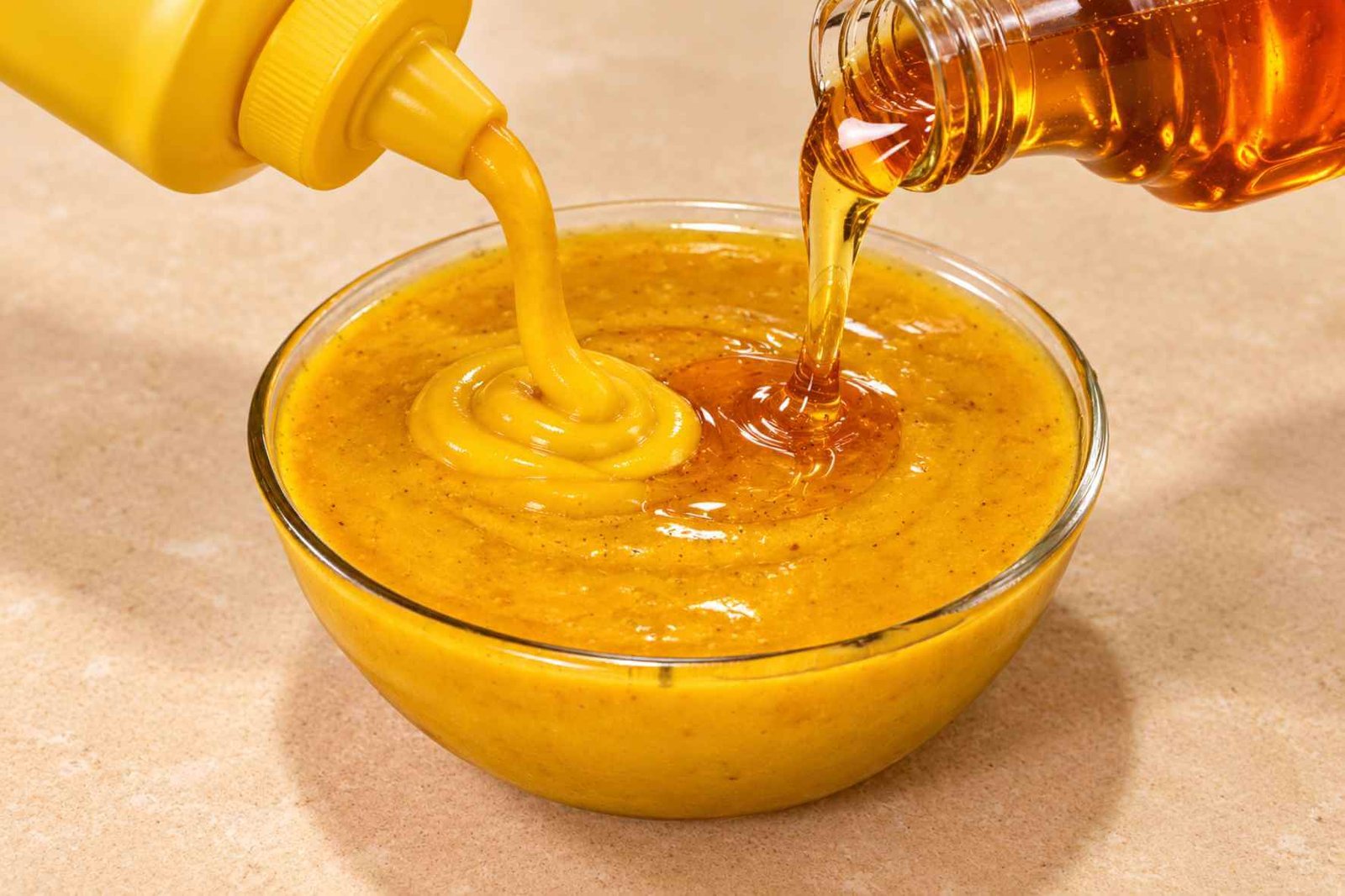
Some sauces earn a permanent place in the kitchen because they work with almost anything. Honey mustard is one of them. I can serve it beside a plate of fries, spread it in a sandwich, or add a spoonful to a salad, and each time it brings something different to the meal.
The appeal comes from its balance. Honey adds sweetness, mustard brings a sharp edge, and mayonnaise gives the sauce a creamy texture. A little vinegar lifts the flavor so the sauce does not feel heavy. When these ingredients work together, you taste more than sweetness or mustard. You get a sauce that makes you want another bite of whatever you are eating with it.
My version uses both regular mustard and Dijon mustard. I also add small pinches of garlic powder, paprika, salt, and black pepper. Once everything is mixed, I refrigerate the sauce for at least half an hour. That short rest makes a noticeable difference to its texture and flavor.
You will find the exact quantities and instructions in the recipe card. Here, I want to explain how I think about the sauce, how to adjust it to your taste, and the different ways you can use it.
What Makes a Good Honey Mustard Sauce?
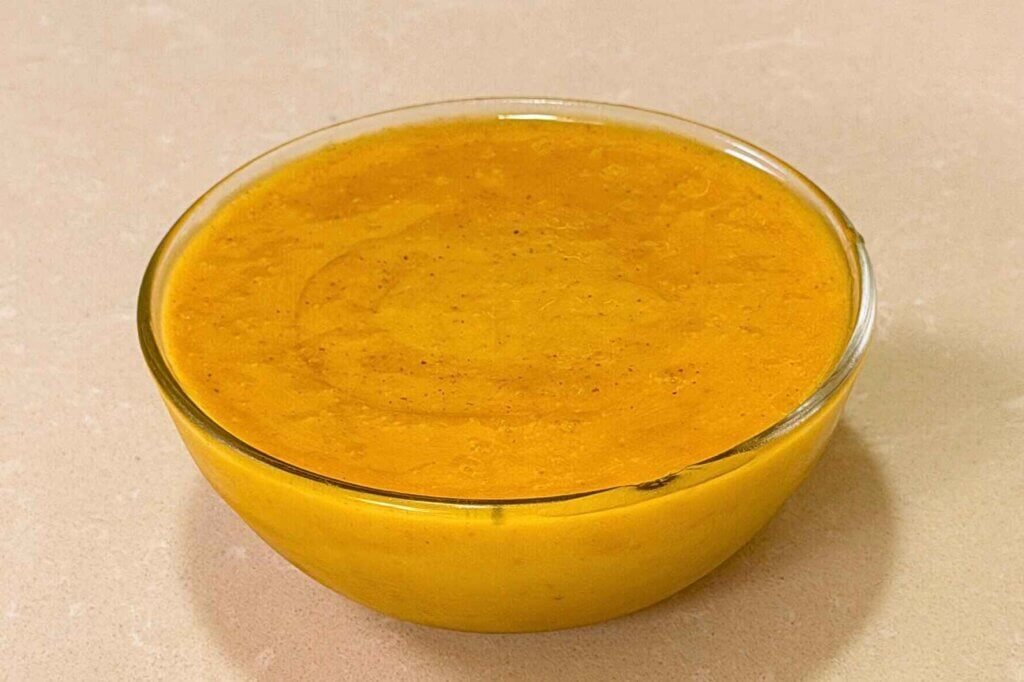
A good honey mustard sauce needs balance. The honey should add sweetness without hiding the mustard, while the mustard should bring enough tang to keep the sauce lively. Mayonnaise brings everything together and gives the sauce its creamy texture.
The mayonnaise you choose makes a difference. I like using my homemade mayonnaise because I know exactly how it tastes before I add the honey and mustard. If you use a different mayonnaise, taste the finished sauce and adjust it as needed.
I also think about what I am serving with it. A sauce that tastes slightly sharp on its own can be just right beside rich, savory food. Try it with my crispy chicken recipe: the cool, creamy sauce is especially good with the hot, crunchy coating.
For me, the best test is a bite of the actual meal. The sauce should complement the food and make you want another bite.
Why I Use Two Kinds of Mustard
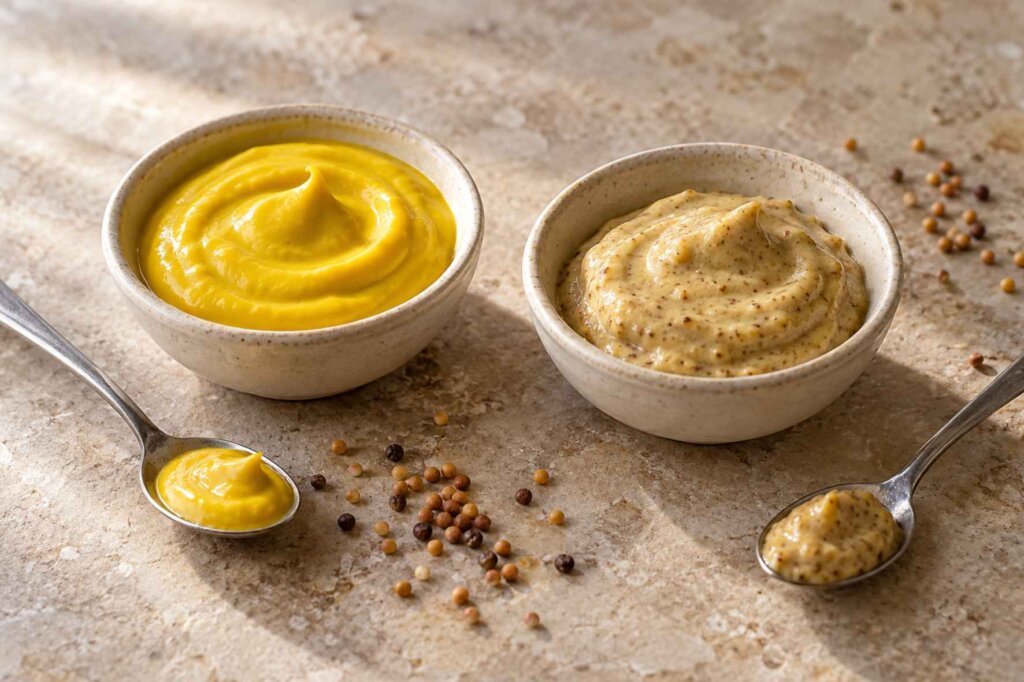
In my honey mustard sauce, I combine regular yellow mustard with Dijon mustard. They each bring a different quality to the bowl.
Regular mustard has a familiar, approachable taste. It gives the sauce its recognizable honey mustard character without making it too intense. Dijon is sharper and more complex. It keeps the honey from taking over and gives the finished sauce a stronger savory side.
Using both lets me build flavor without adding a long list of ingredients. Neither mustard has to do all the work. The regular mustard provides the base, while the Dijon gives the sauce a little more personality.
Brands vary, so I always recommend tasting the sauce before serving it. One Dijon mustard may be noticeably stronger than another. The same is true of regular mustard. The recipe card gives you my starting point, but your final adjustment should depend on what you taste in your own kitchen.
If you only have one kind of mustard, you can still make a sauce. Just expect a different result. With regular mustard alone, it will usually taste milder. With Dijon alone, the mustard flavor may be more pronounced. Add it gradually and taste before deciding whether the sauce needs more honey or mayonnaise.
The Role of Honey
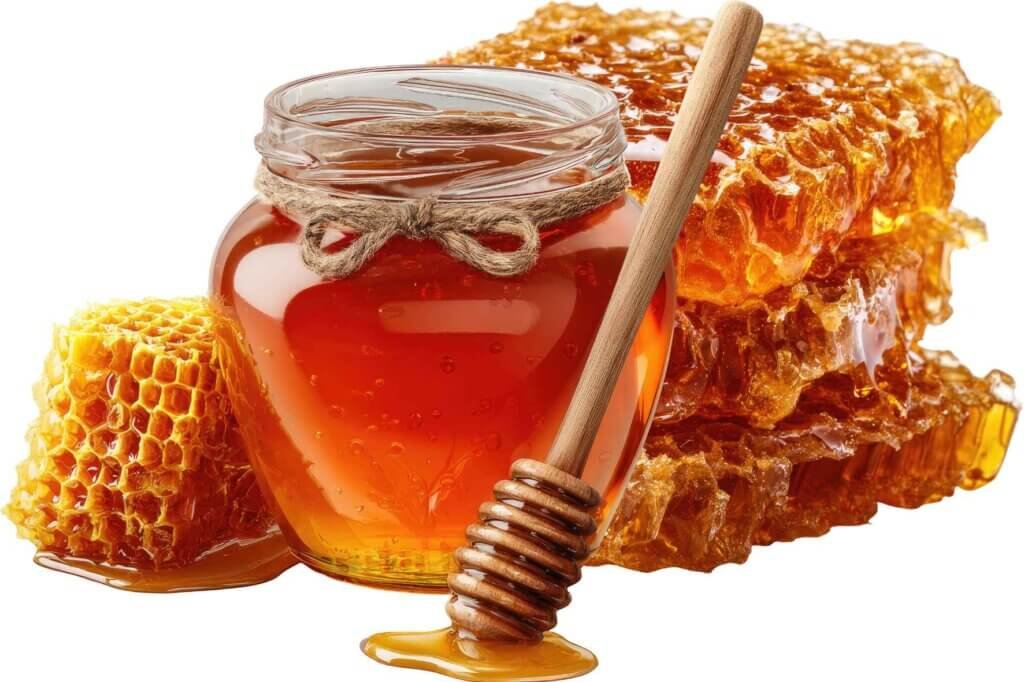
Honey does more than make this sauce sweet. It softens the sharpness of the mustard and gives the sauce a rounded flavor. It also contributes to that glossy appearance you see when the ingredients are fully mixed.
The type of honey can influence the finished sauce. A mild honey lets the mustard stand out. A strongly flavored honey adds more of its own character. Neither choice is automatically better; it depends on the result you want.
When I make this sauce, I begin with the amount of honey in the recipe card. Then I taste. If I am serving it with salty fries or a well-seasoned piece of meat, that sweetness can be especially welcome.
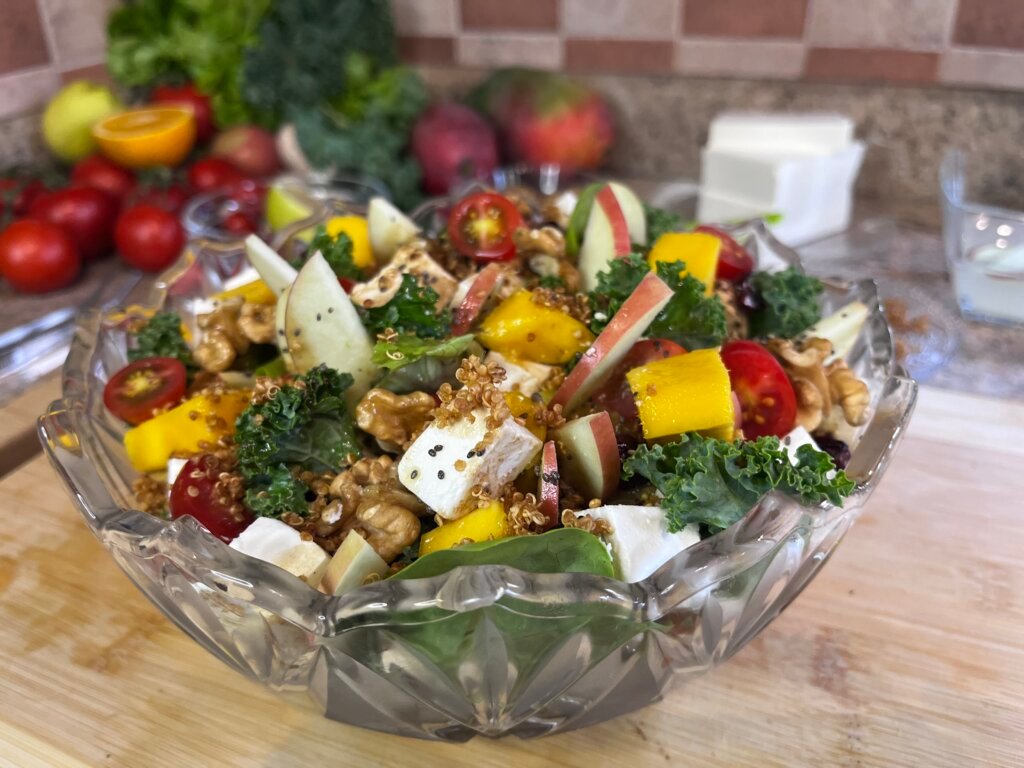
For a salad, I may prefer the sauce a little sharper so it does not make the vegetables taste too sweet, like in the Crispy Quinoa Kale Salad.
If you are adjusting the honey, add a little at a time. It is easy to make the sauce sweeter. Correcting a sauce after adding too much honey takes more effort because you have to bring the mustard and other flavors back into balance.
Why the Mayonnaise Matters
Mayonnaise gives my version of honey mustard sauce its creamy body. It brings the honey and mustard together into a smooth sauce that works particularly well as a dip or sandwich spread.
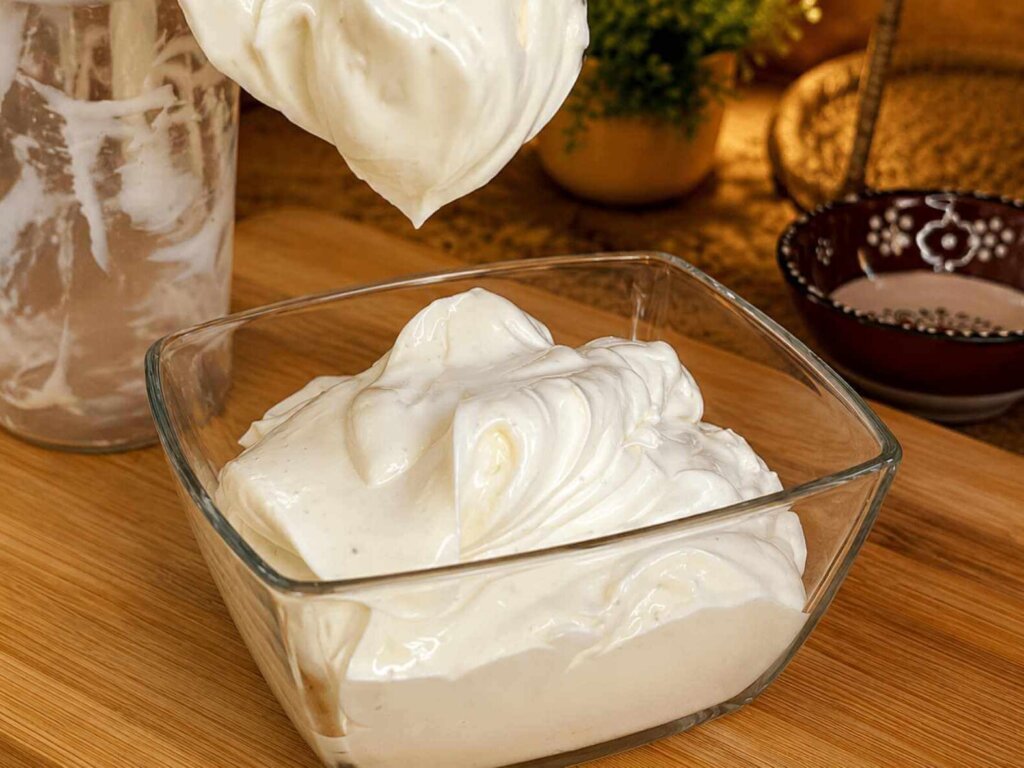
You can use a mayonnaise you already enjoy, including my homemade mayonnaise. Its flavor will carry through to the finished sauce, so start with one that tastes good to you. A tangy mayonnaise will produce a different result from a mild one. Taste the honey mustard after mixing it, then adjust the balance if needed.
The mayonnaise also affects texture. A thick mayonnaise makes a thick honey mustard sauce. That is ideal when I want the sauce to cling to fries or stay in place inside a sandwich. If I want to use it as a salad dressing, I thin only the portion I need rather than changing the whole batch.
Mayonnaise gets its smooth texture from an emulsion. Understanding how an emulsion works can help you make other creamy sauces and dips with more confidence. I explain the technique in my article, How to Create a Stable Emulsion for Creamy Sauces and Dips.
This is one reason I like making the sauce myself. I can keep it thick for dipping, then adjust a small portion for a different meal. One bowl of honey mustard can have several uses without requiring me to prepare a new sauce each time.
If you use homemade mayonnaise, follow its storage guidance and keep the finished honey mustard sauce refrigerated.
A Little Vinegar Makes a Difference
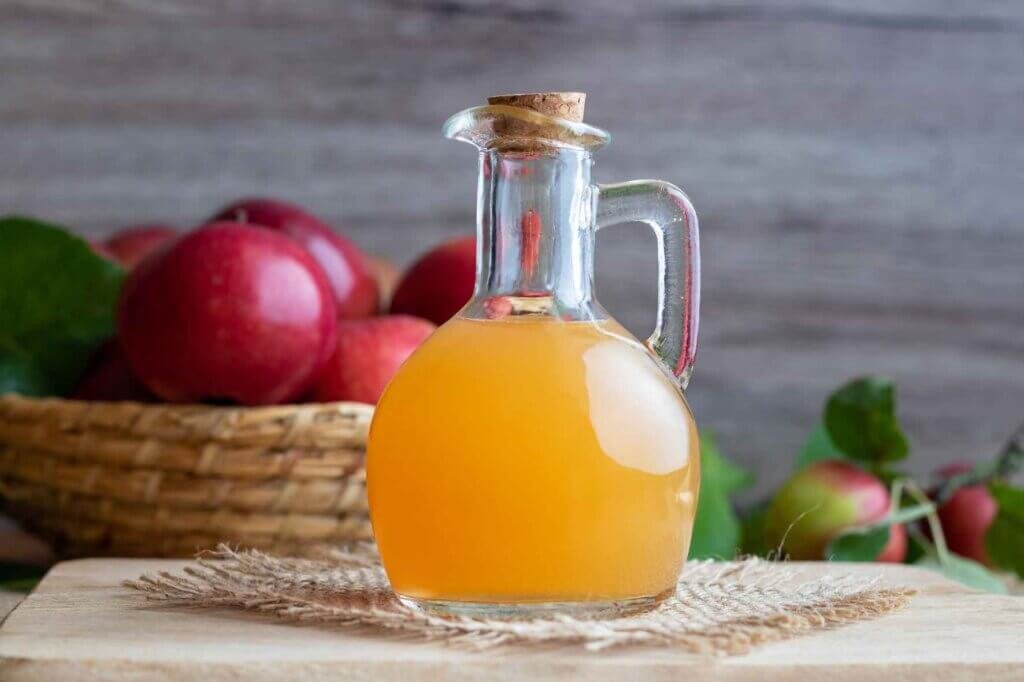
Honey and mayonnaise can make a sauce feel rich. Apple cider vinegar helps cut through that richness. I use only a small amount, but it changes the way the other ingredients taste.
The vinegar should not turn honey mustard sauce into something that tastes strongly acidic. Its job is to add freshness and make the mustard and honey feel more lively. When you taste the sauce, you may not immediately identify the vinegar, but you would notice if the sauce felt flat without it.
This is particularly useful when the sauce is served with fried food. Fries, breaded chicken, and other rich foods benefit from a dip with a little tang. That contrast keeps each bite interesting.
If your mayonnaise or mustard is already quite acidic, taste the sauce before adding any extra vinegar. The exact balance can change with the products you use. Follow the recipe the first time, then adjust future batches based on your preference.
The Small Seasonings That Complete the Sauce
I add garlic powder, paprika, salt, and black pepper in small amounts. None should dominate the sauce. Together, they give it a more complete savory flavor.
Garlic powder adds a gentle background note without changing the smooth texture. Paprika gives a little warmth and depth. Salt helps the sweetness and tang come forward, while black pepper adds a mild finish.
Small pinches are enough because the mustard and mayonnaise are already seasoned. Taste before adding more salt, especially if you are using a strongly flavored mayonnaise or plan to serve the sauce with salty food.
There is no need to turn this into a heavily spiced sauce. For me, the honey and the two mustards should remain the main flavors. The seasonings are there to support them.
Let’s Make Homemade Honey Mustard Sauce
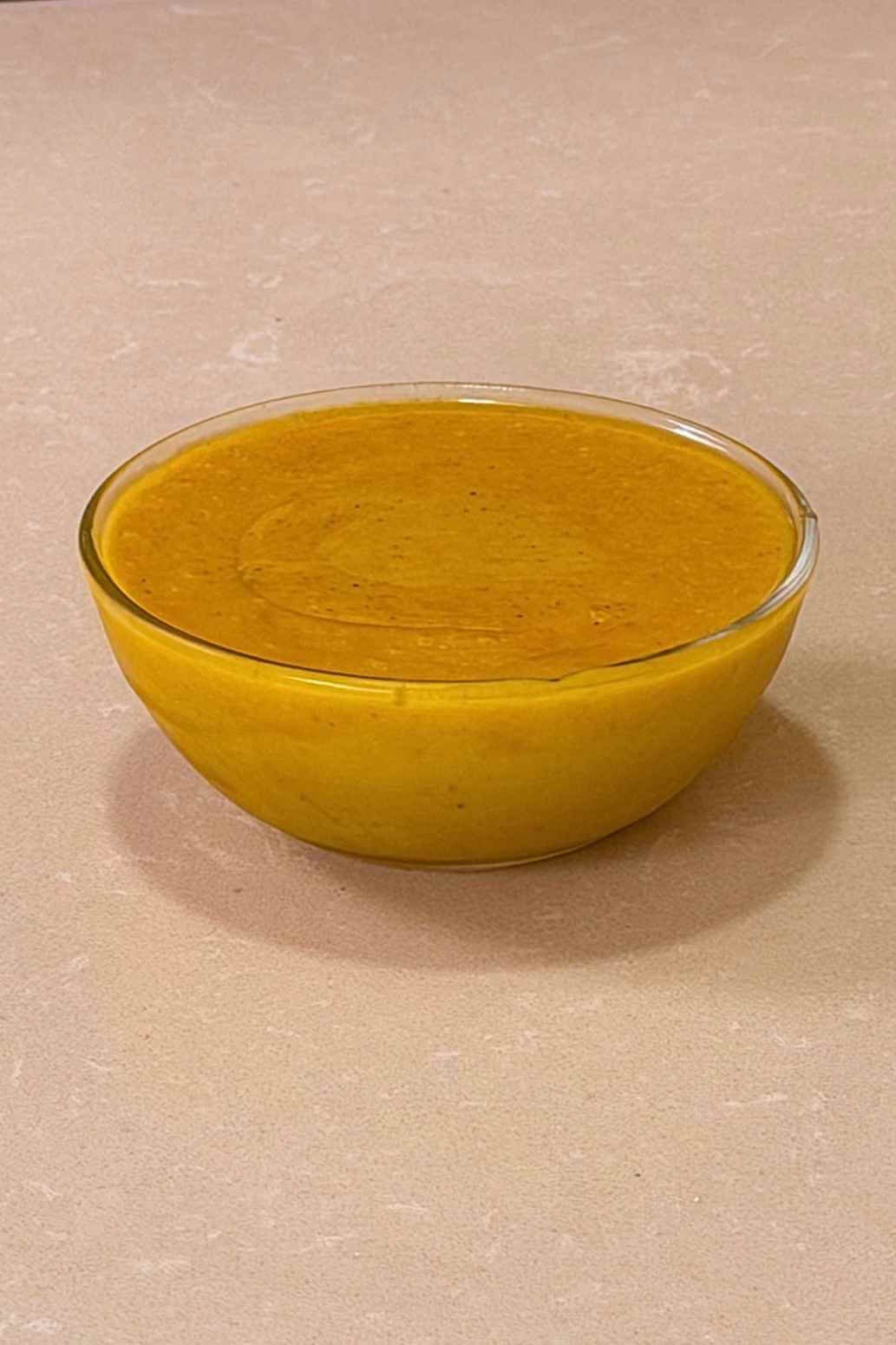
Homemade Honey Mustard Sauce
Ingredients
Equipment
Method
- Place the mayonnaise, honey, Dijon mustard and yellow mustard in a bowl.
- Add the apple cider vinegar, garlic powder, sweet paprika, salt and black pepper.
- Whisk all the ingredients together until the sauce becomes completely smooth and creamy.
- Cover the sauce and refrigerate it for at least 30 minutes to allow it to thicken and the flavors to blend.
- Stir once more before serving. Serve it with chicken, burgers, steak, French fries, sandwiches or salads.
Video
Why I Chill the Sauce Before Serving
You can taste honey mustard sauce as soon as you mix it, but I prefer to refrigerate it for at least 30 minutes. In my video, you can see that the sauce becomes slightly thicker after resting. The flavors also have time to come together.
Freshly mixed sauce may taste as though each ingredient is speaking separately. After a short rest, it usually tastes more unified. The garlic powder and paprika become less distinct, while the honey and mustard settle into a better balance.
Chilling is especially helpful if you are serving the sauce as a dip. A slightly thicker sauce holds nicely on fries or a piece of chicken. It also stays in place better when spread inside a sandwich.
Cover the bowl or transfer the sauce to a clean container before putting it in the refrigerator. If you often make sauces ahead of time, my guide on how to organize your refrigerator can help you keep them easy to find and use.
Give the sauce a stir before serving. If it has become thicker than you want, adjust only the portion you need. I avoid thinning the entire bowl unless I know I will use all of it the same way.
How to Fix a Sauce That Tastes Too Sweet or Too Sharp
The easiest way to improve a sauce is to identify what is missing before adding anything. Take a small taste, then ask yourself: does it need more tang, more sweetness, or more seasoning?
If it tastes too sweet, try a little more Dijon mustard. A few drops of vinegar can also help, but add them carefully. Too much vinegar can make the sauce sour.
If the mustard is too sharp, a little honey or mayonnaise can soften it. Honey changes the sweetness; mayonnaise makes the sauce milder and creamier. Choose the one that brings it closer to the result you want.

If the sauce tastes flat, it may need a small pinch of salt rather than more honey or mustard. Salt can make the flavors that are already there easier to taste. I explain this approach in more detail in my article on how to season food.
Make changes in small steps. Stir well and taste after each addition. I also taste the sauce once more after chilling, because its balance can seem different when it is cold.
Honey Mustard as a Dip
This is probably the first way many people think of using honey mustard sauce. Its creamy texture makes it easy to serve in a small bowl beside a plate of food.
I like it with French fries because the sauce brings sweetness and tang to the potatoes. It also works with roasted potato wedges. When the potatoes are well seasoned and still warm, the cool sauce creates a pleasant contrast.
For a snack or appetizer, try it with fish fingers, mozzarella sticks, chicken strips, or crispy shrimp. It is also delicious with onion rings and roasted cauliflower. The sauce clings well to each bite, while its tang helps balance rich or fried coatings.
In my video, I also suggest serving it with steak. Put a little sauce on the side so you can choose how much to add to each bite.
When serving honey mustard as a dip, I keep it thick rather than thinning it into a dressing. That way, it stays on a fish finger or potato wedge instead of dripping straight back into the bowl.
Using It in Sandwiches and Burgers

A sauce can change a sandwich more than an extra topping does. Honey mustard adds moisture and flavor in one step, which makes it useful when the other ingredients are simple.
Spread a thin layer on the bread first. You can always add more, but too much sauce can make a sandwich difficult to eat. It pairs well with chicken, turkey, and many vegetable fillings. Lettuce and crunchy vegetables add a fresh contrast to its creamy texture.
You can also try it in my Lebanese burger recipe. The honey mustard brings a sweet and tangy note to the seasoned patty. Start with a small amount so you can still taste the burger and its other toppings, then add more if you like.
For a packed sandwich, I prefer to spread the sauce away from very wet vegetables when possible. This helps the bread hold its texture for longer. You can also serve a little extra sauce on the side for dipping.
Can You Use the Honey Mustard Sauce as a Salad Dressing?
Yes, although my original version is thicker than a typical pourable dressing. That makes it suitable for a hearty salad, where a small amount can coat the ingredients without pooling at the bottom of the bowl.
Start by putting a little sauce in a separate bowl. If you want it thinner, whisk in a small amount of water. Add water gradually until the texture suits the salad you are making. Then taste again, because thinning the sauce also softens its flavor.
Honey mustard works particularly well with crunchy greens, cabbage, chicken, potatoes, and vegetables with a slightly bitter taste. The sweetness can balance those stronger flavors. I would begin with less dressing than I think I need, toss the salad thoroughly, and add more only if necessary.
For a delicate green salad, a thick coating may feel too heavy. For a substantial salad with chicken or potatoes, the creaminess may be exactly what you want. Match the texture of the sauce to the ingredients rather than using the same amount for every salad.
Ideas for Easy Meals
Having a bowl of honey mustard sauce ready can make an ordinary meal feel more complete. You do not need to build a complicated dish around it.
Serve it with roasted vegetables and chicken for an easy dinner. Add it to a plate of potatoes and a simple salad. Spread it in a wrap with leftover grilled chicken and lettuce. Put a small bowl on the table when serving fries so everyone can dip as they like.
It can also help bring leftovers together. A piece of cooked chicken, some vegetables, and bread become a satisfying sandwich when you add a flavorful sauce. A small amount can brighten a bowl of leftover roasted potatoes.
I like sauces that give me options. When one preparation can work as a dip, spread, and occasional dressing, it earns its place in the refrigerator.
How to Store Honey Mustard Sauce
Transfer the sauce to a clean, covered container and refrigerate it promptly. Use a clean spoon each time you serve some, especially if you plan to keep the rest for another meal.
How long it keeps depends partly on the mayonnaise you use. If you make the mayonnaise yourself, follow its storage guidance and use the honey mustard sauce within that period. Check the sauce before serving and discard it if it seems spoiled.
I do not recommend freezing this sauce. Mayonnaise does not freeze well: after thawing, the sauce may separate and lose the smooth, creamy texture that makes it such a good dip. I prefer to make a smaller batch and keep it refrigerated. For foods that do freeze well, see my guide on how to freeze food properly.
Stir the refrigerated sauce before serving. Because it is quick to prepare, making a fresh batch is usually the best way to enjoy its texture.
Final Thoughts
Honey mustard sauce is simple to prepare, but a few details make it especially good: using two kinds of mustard, adding just enough vinegar and seasoning, and giving the sauce time to chill. Those choices create a creamy sauce with sweetness and tang that works with many different meals.
I hope you try it first as I make it, then adjust it to your taste. Serve it with fries, fish fingers, crispy chicken, a burger, or a hearty salad. You may find that it quickly becomes one of the sauces you reach for most often.
You can watch me make this sauce and discover more recipes on my YouTube channel. If you enjoy cooking along with me, subscribe so you can find the next recipe when it comes out.

Chef François El Aaraj is a corporate chef and culinary consultant with more than 30 years of experience in professional kitchens and restaurant openings across Lebanon and abroad. Through this website, he shares authentic recipes, cooking techniques, and chef secrets designed to help home cooks create flavorful meals with confidence.
Leave a Reply