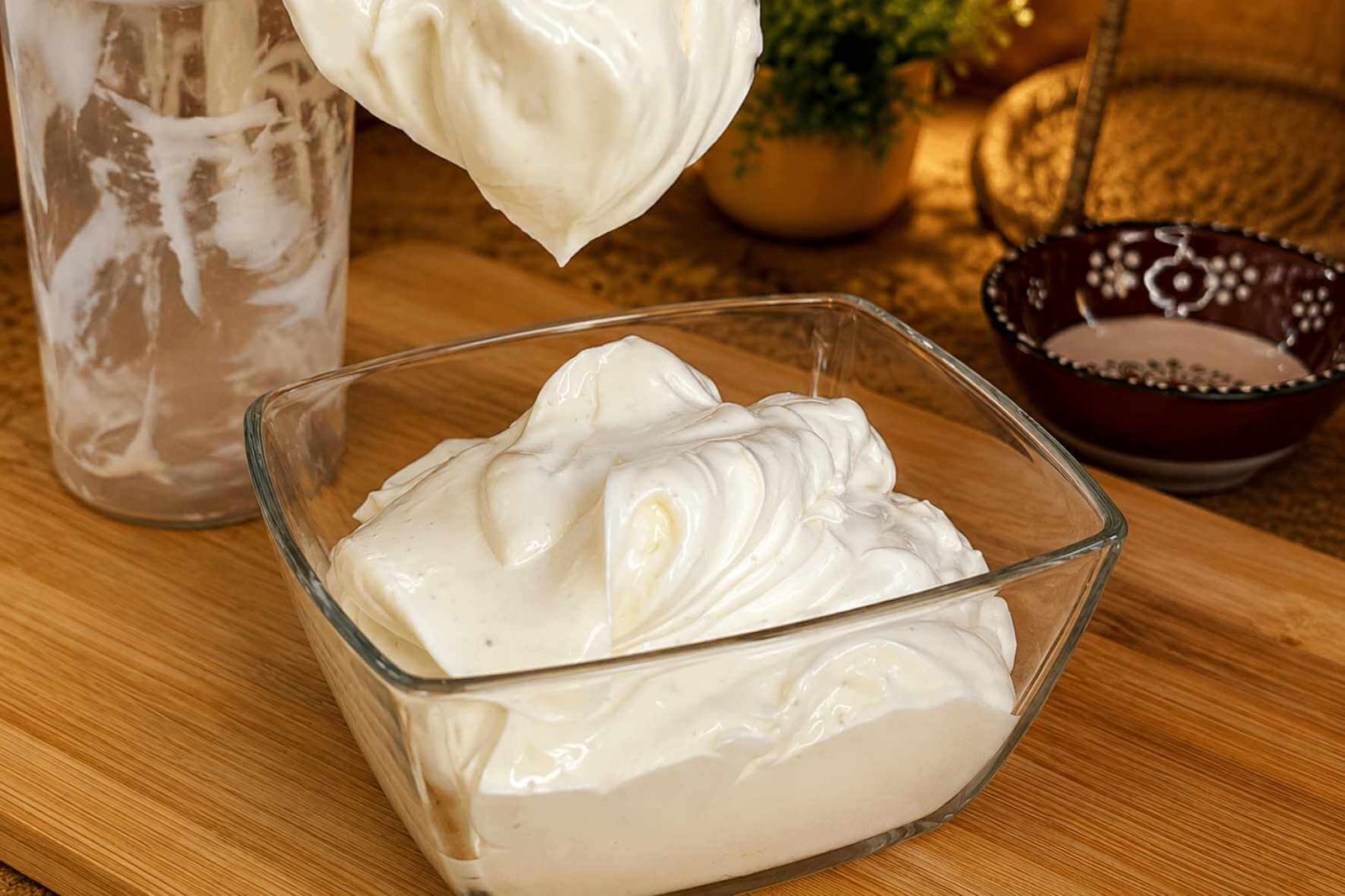
Making homemade mayonnaise was one of the first classic techniques I learned in culinary school. Every chef is expected to master it because it teaches one of the most important skills in cooking: creating a stable emulsion. At first, it may seem like nothing more than mixing eggs and oil. However, once you understand the process, you’ll realize that this simple sauce lays the foundation for countless recipes.
Later, when I began working in French restaurants, homemade mayonnaise became part of my daily routine. Instead of opening a jar, we prepared fresh batches in the kitchen whenever we needed them. The difference was obvious. The texture felt smoother, the flavor tasted fresher, and we could easily adjust the seasoning to complement every dish we served.
Why Many People Still Buy Store-Bought Mayonnaise
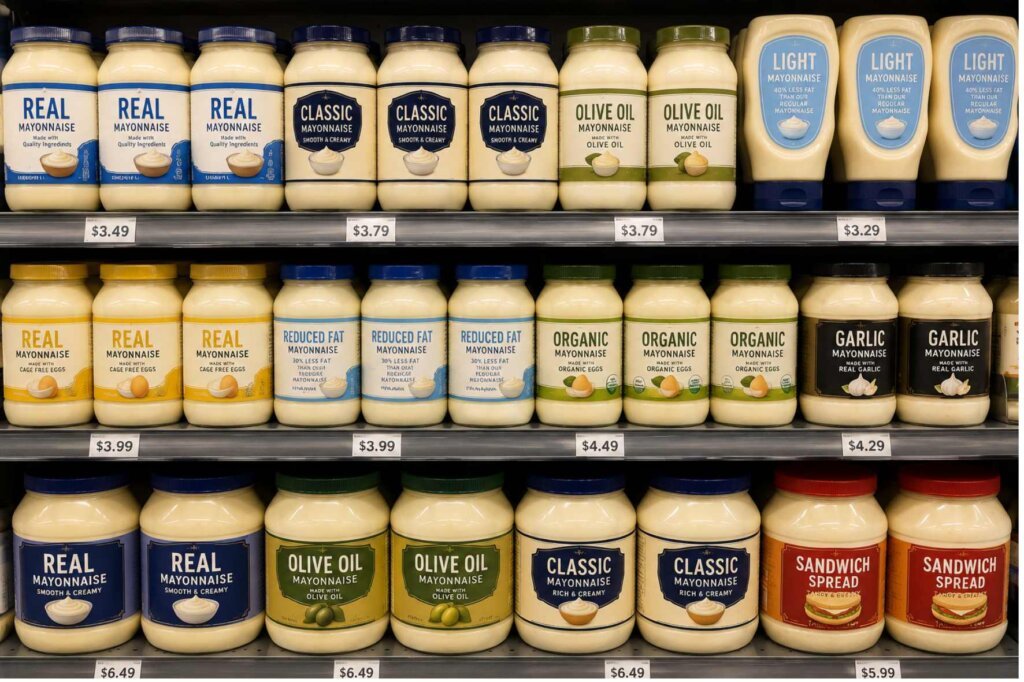
Today, many people still buy mayonnaise from the supermarket, and I completely understand why. It is convenient, consistent, and many believe it is the safer choice because it contains no fresh raw eggs. That concern is perfectly reasonable. Fortunately, when you use fresh eggs, follow good hygiene practices, refrigerate the mayonnaise properly, and include an acidic ingredient such as white vinegar, you greatly reduce the risk of harmful bacteria growing. Later in this article, I’ll explain how vinegar helps create a less favorable environment for bacteria like Salmonella, while also sharing the food safety practices I follow in my own kitchen.
Once you learn the proper technique, you’ll discover that homemade mayonnaise is much easier than it looks. More importantly, you’ll gain a recipe that you can customize to suit your own taste. Whether you prefer it tangier, creamier, or a little richer, making it yourself gives you complete control over the final result. That’s one of the reasons I still prepare it from scratch after all these years in professional kitchens.
Why Every Chef Learns to Make Homemade Mayonnaise
Homemade mayonnaise is much more than a sandwich spread. In culinary school, it is considered one of the fundamental recipes that every aspiring chef must master. While the ingredient list is short, the technique teaches one of the most important lessons in cooking: how to create a stable emulsion. Once you understand this process, you’ll find it much easier to prepare a variety of sauces and dressings with confidence.
An emulsion simply means combining two ingredients that naturally don’t mix, such as oil and water, into one smooth and stable mixture. Although it may sound technical, you’ll use this technique throughout your cooking journey. In fact, it’s the same principle behind my garlic dip (toum) recipe. Whether you’re making homemade mayonnaise or a fluffy garlic dip, success depends on creating and maintaining a stable emulsion. Once you master it, many classic sauces become much easier to prepare.
When I started working in French restaurants, I quickly realized that homemade mayonnaise wasn’t just something we learned for an exam. It was part of our daily routine. Instead of opening a commercial jar, we made fresh mayonnaise whenever the kitchen needed it. Although it required a few extra minutes, the result was always worth the effort.
Fresh mayonnaise has a cleaner flavor and a lighter texture than most commercial brands. Better yet, you control every ingredient that goes into it. If you want a richer mayonnaise, you can add a little more egg yolk. If you enjoy a brighter flavor, you can increase the vinegar slightly. You also decide how much salt and mustard to use instead of relying on a factory recipe.
A Recipe That Teaches Confidence
Many beginner cooks avoid homemade mayonnaise because they think it is difficult. In reality, success depends more on patience than experience. Once you understand why the ingredients come together and follow the right technique, you’ll be surprised by how reliable the recipe becomes.
I always encourage new cooks to make mayonnaise at least once from scratch. Even if you continue buying it occasionally, preparing it yourself helps you understand one of the most important techniques in cooking. More importantly, it gives you the confidence to prepare many other recipes that rely on the same principle, including homemade garlic dip and other classic sauces, making you a better cook with every batch you prepare.
The Science Behind Homemade Mayonnaise
One of the reasons homemade mayonnaise seems so magical is that it brings together two ingredients that normally refuse to mix. Oil and water naturally separate. Since egg yolks contain water, adding oil alone would simply leave you with two distinct layers. The secret lies in creating a stable emulsion that keeps everything blended into one smooth, creamy sauce.
The Secret Ingredient Isn’t the Vinegar
Many people think vinegar is what makes mayonnaise come together. In fact, the real hero is the egg yolk. Egg yolks contain a natural emulsifier called lecithin. Lecithin acts like a bridge between the oil and the water, allowing thousands of tiny droplets of oil to stay suspended throughout the mixture instead of separating.
That’s why mayonnaise gradually becomes thick and creamy as you slowly add the oil. Each small addition creates millions of tiny droplets that the lecithin helps keep together. The finer these droplets become, the smoother and more stable your mayonnaise will be.
Why You Must Add the Oil Slowly
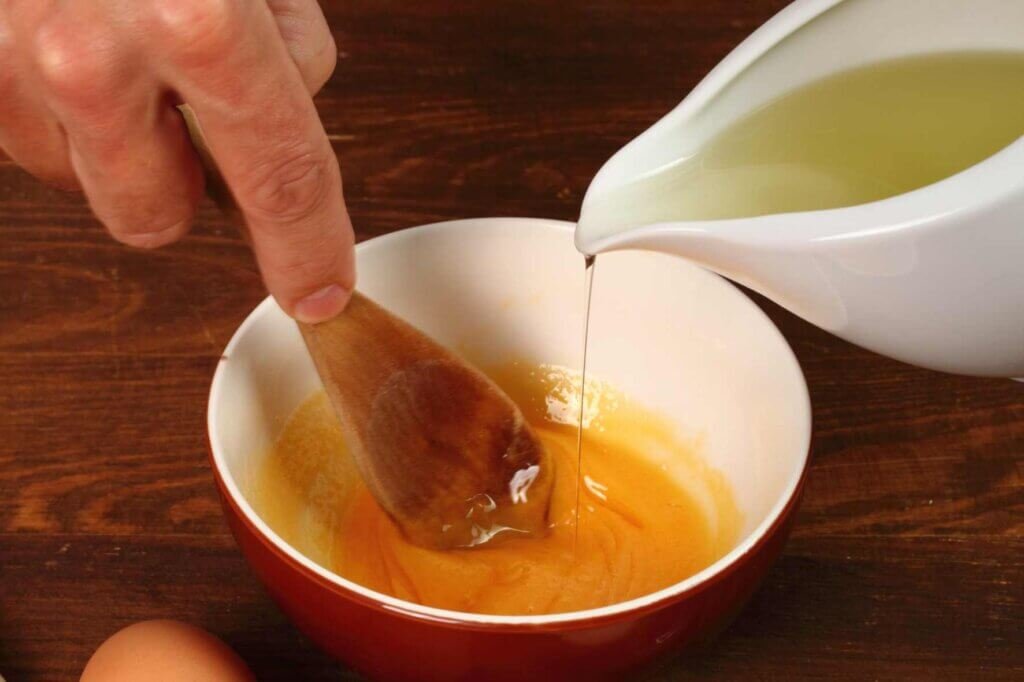
One of the biggest mistakes beginners make is pouring the oil in too quickly. When too much oil enters the mixture at once, the egg yolks cannot coat every droplet properly. As a result, the emulsion breaks, and the mayonnaise turns thin or separates completely.
For this reason, I always recommend adding the oil in a slow, steady stream while blending continuously. It may take an extra minute, but that patience almost always pays off. Once the emulsion begins to form, you’ll notice the mayonnaise becoming thicker with every few seconds. Watching it transform from a runny mixture into a rich, silky sauce is one of the most satisfying moments in the kitchen.
The good news is that if your mayonnaise does break, it doesn’t necessarily mean you’ve wasted your ingredients. In the next sections, I’ll show you why it happens and, more importantly, how to fix it instead of throwing it away.
Let’s Make Homemade Mayonnaise
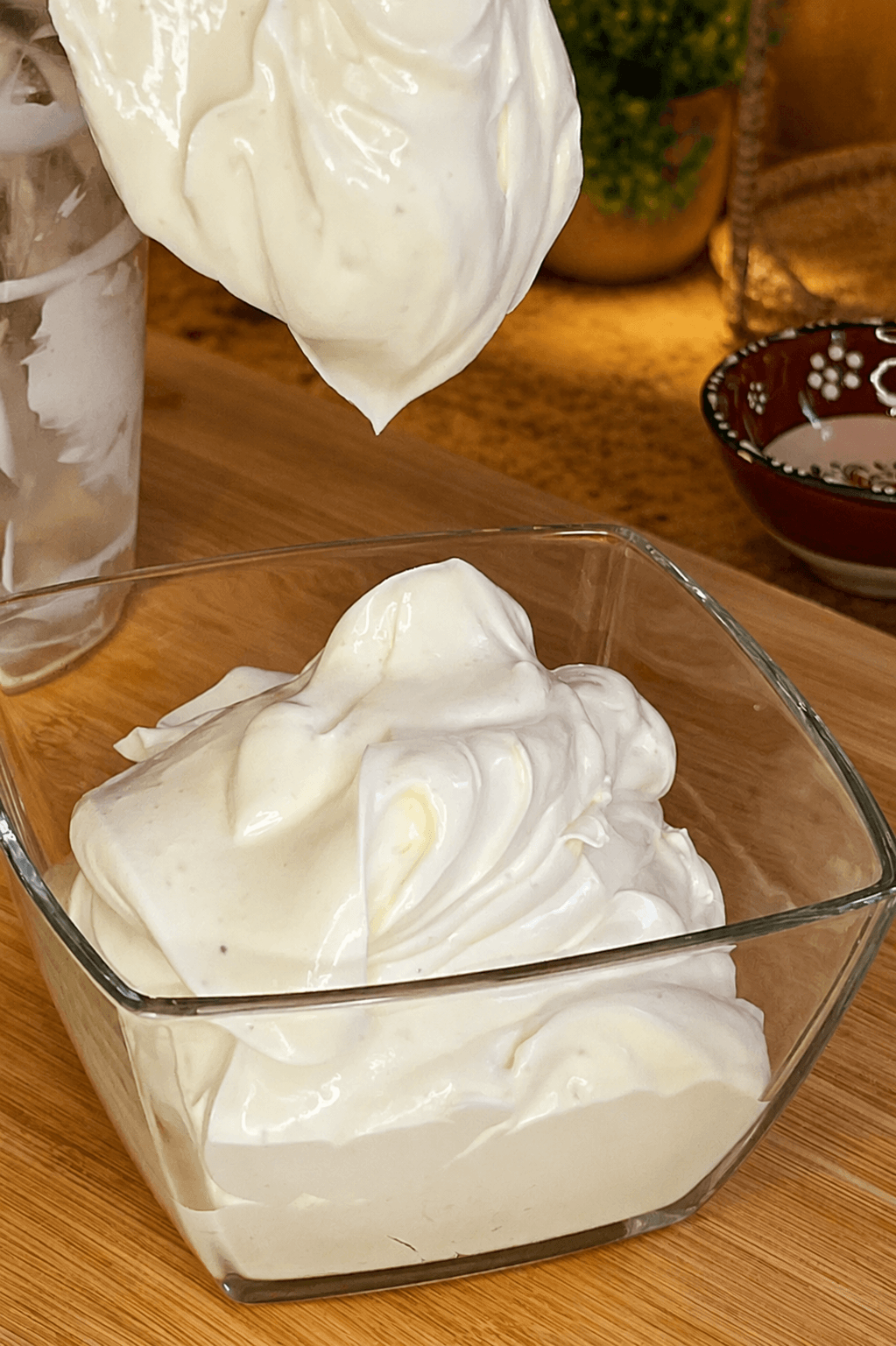
Homemade Mayonnaise
Ingredients
Equipment
Method
- In your tall container, add the 2 egg yolks, salt, white pepper, and Dijon mustard.
- Add the two ice cubes along with a tiny splash of water.
- Pour a very small amount of oil into the container (just enough to cover the yolks).
- Place the immersion blender at the very bottom of the container.
- Turn it on high and hold it still at the bottom for about 5–10 seconds until you see the bottom layer turn white and creamy.
- While the blender is running, begin pouring the remaining oil in a very slow, thin stream (like a thread).
- Technique: Keep the blender at the bottom until the mixture thickens significantly.
- Only then, slowly tilt and lift the blender head upward to pull the remaining oil into the emulsion.
- Do not lift it out completely, or the mixture may break.
- When you have incorporated about half of the oil, add the white vinegar (or lemon juice).
- This will lighten the color of the mayonnaise and help stabilize the emulsion.
- Continue adding the rest of the oil. If the mayonnaise becomes too thick or starts to look “oily/greasy,” add a few drops of ice-cold water.
- This will “relax” the mixture and keep it smooth.
- Once all the oil is incorporated, continue to move the blender up and down a few times until the texture is perfectly smooth and stiff.
- Chill and Store
- Transfer the mayonnaise to a clean glass jar.
- Place it in the refrigerator for at least 30 minutes before serving; this allows the flavors to meld and the consistency to firm up even more.
Video
Notes
- The ice and cold water help prevent the oil and yolks from “breaking” or separating during the high-speed blending.
- Safety: Since this recipe uses raw egg yolks, ensure your eggs are fresh and pasteurized if possible.
- Consistency: If the mayonnaise is too runny, you may need to add more oil. If it’s too thick, add more cold water or vinegar.
- Storage: Keep refrigerated. Homemade mayonnaise lasts approximately 3–5 days.
Is Homemade Mayonnaise Safe?
One of the most common questions I hear is whether homemade mayonnaise is safe because it contains raw egg yolks. It’s a fair concern, and it’s one of the main reasons many people choose store-bought mayonnaise. Fortunately, when you prepare homemade mayonnaise correctly and follow a few simple food safety rules, you can greatly reduce the risk.
The biggest concern is a bacterium called Salmonella, which can sometimes be found in raw eggs. However, the risk depends on several factors, including the quality and freshness of the eggs, how they are handled, and how the finished mayonnaise is stored. That’s why I always recommend using the freshest eggs you can find, keeping your equipment clean, and refrigerating the mayonnaise as soon as you prepare it.
How Does Vinegar Help?
White vinegar does more than add a pleasant tangy flavor. Its acidity lowers the pH of the mayonnaise, making it a much less favorable environment for many harmful bacteria, including Salmonella. Although vinegar cannot sterilize contaminated eggs or completely eliminate the risk, studies have shown that acidic ingredients such as vinegar or lemon juice can significantly slow bacterial growth when combined with proper refrigeration.
For that reason, I never recommend skipping the vinegar in this recipe. It contributes to the flavor, helps balance the richness of the egg yolks and oil, and adds an extra layer of protection by increasing the acidity of the finished mayonnaise.
Simple Food Safety Tips
Making homemade mayonnaise safely is easier than many people think. Use fresh eggs from a trusted source, prepare only the amount you expect to use within a few days, and keep it refrigerated in a clean, airtight container. I also avoid leaving it at room temperature for long periods, especially during the summer.
If you’re pregnant, elderly, very young, or have a weakened immune system, you may prefer to use pasteurized eggs. They allow you to enjoy the same creamy homemade mayonnaise while reducing the risk associated with raw eggs.
Once you understand these simple precautions, you’ll see that homemade mayonnaise is not something to fear. Like many classic recipes, success comes from using good ingredients, following proper technique, and handling the finished food responsibly.
One Mayonnaise, Countless Sauces
One of the things I love most about homemade mayonnaise is that it doesn’t stop at a single recipe. Once you have a fresh batch in the refrigerator, you already have the foundation for several classic sauces. In fact, many of the cold sauces served in restaurants begin with mayonnaise and only require a few extra ingredients to create a completely different flavor.
That is one of the reasons chefs prefer making mayonnaise from scratch. Instead of buying several bottled sauces, they prepare one quality mayonnaise and transform it into whatever the menu requires. It’s a simple technique that saves both time and ingredients while producing fresher results.
A Few Ingredients Make All the Difference
Whenever I make homemade mayonnaise, I often prepare extra because I know I’ll use it in other recipes during the week. With just a handful of ingredients, you can create sauces that pair with seafood, fried foods, sandwiches, and grilled meats.
If you enjoy seafood, my tartar sauce combines homemade mayonnaise with pickles, capers, herbs, and a few simple seasonings. It’s the perfect companion for my fish fingers, adding freshness and acidity that balance the crispy coating.
For burgers, sandwiches, and salads, I often prepare thousand island dressing. Its creamy texture and slightly sweet, tangy flavor make it incredibly versatile. It’s also one of the ingredients that gives my coleslaw its rich and creamy dressing.
Another favorite is cocktail sauce, which blends homemade mayonnaise with ketchup and a few seasonings to create a smooth, slightly tangy sauce. I love serving it with seafood, fried appetizers, and even crispy chicken when I want something different from the classic dipping sauces.
Fresh Ingredients, Better Flavor
Although these sauces are easy to find at the supermarket, making them yourself gives you complete control over the final result. You decide how much acidity, sweetness, or seasoning each sauce should have. Better yet, you avoid unnecessary preservatives while enjoying a fresher flavor that complements your meals instead of overpowering them.
Once you start preparing homemade mayonnaise, you’ll quickly discover that you’re not learning just one recipe. You’re building the foundation for an entire collection of classic sauces that you’ll use again and again in your kitchen.
Why Homemade Mayonnaise Sometimes Breaks
Almost everyone who makes homemade mayonnaise for the first time worries about one thing: What if it doesn’t work? The good news is that broken mayonnaise happens to experienced chefs as well. It doesn’t mean you’ve failed. In most cases, one small mistake causes the emulsion to separate, and it’s often easy to fix.
Adding the Oil Too Quickly
The most common reason mayonnaise breaks is adding the oil too fast. The egg yolks need time to coat every tiny drop of oil. If you pour in a large amount at once, the yolks can’t keep up, and the mixture separates instead of becoming creamy.
For the best results, start with just a few drops or a very thin stream of oil while blending continuously. Once the mayonnaise begins to thicken, you can slowly increase the flow without rushing the process.
The Ingredients Should Be at the Same Temperature
Another common mistake is using ingredients at different temperatures. If the eggs come straight from the refrigerator while the oil is warm, the emulsion may become less stable.
Whenever possible, let your ingredients sit at room temperature for a short time before you begin. This simple step helps the mayonnaise come together more smoothly and consistently.
Don’t Worry If It Breaks
One lesson I learned early in my career is never to throw broken mayonnaise away immediately. In most cases, it can be saved.
The easiest method is to place a fresh egg yolk in a clean bowl. Then, while whisking or blending, slowly add the broken mayonnaise a little at a time, just as if it were the oil. The new egg yolk creates a fresh emulsion and gradually brings the sauce back together.
It feels almost like magic the first time you see it happen. Instead of wasting your ingredients, you end up with a perfectly smooth mayonnaise and one more valuable kitchen skill.
Patience Always Wins
Many cooking techniques reward speed, but mayonnaise rewards patience. Take your time, add the oil gradually, and let the emulsion develop naturally. Once you’ve made it successfully a few times, you’ll realize it’s one of the easiest classic sauces to prepare, and you’ll rarely need to think twice about it again.
It Makes Better Sandwiches and Salads Too
Fresh homemade mayonnaise can completely change a sandwich or salad. Because it has a lighter texture than many commercial brands, it adds creaminess without overpowering the other ingredients.
I regularly use it in my homemade burger recipe, where it complements the juicy beef and fresh vegetables. It also works beautifully in my chicken tawook sandwich, adding just enough richness while allowing the grilled chicken and garlic flavors to remain the stars of the sandwich.
Homemade mayonnaise is also an essential ingredient in my Kani Salad. Combined with fresh vegetables and crab sticks, it creates the creamy dressing that gives the salad its smooth texture and balanced flavor. Just like with my coleslaw, using freshly made mayonnaise lets you control the seasoning and achieve a lighter, fresher result than many store-bought dressings.
A Simple Recipe Every Cook Should Know
Some recipes become part of your kitchen because they’re impressive. Others stay with you because they’re genuinely useful. For me, homemade mayonnaise belongs in the second category. It doesn’t require expensive ingredients or complicated equipment. Instead, it teaches an essential cooking technique that you’ll use again and again throughout your culinary journey.
Don’t be discouraged if your first attempt isn’t perfect. Every chef has made a batch that didn’t turn out as planned. What matters is understanding why it happened and trying again. With a little patience, you’ll soon be making smooth, creamy mayonnaise with confidence.
If you’d like to follow the process step by step, watch the full video on my YouTube channel, where I demonstrate every stage and share the small details that make a big difference. While you’re there, you’ll also find many more recipes, cooking tips, and professional techniques to help you become more confident in the kitchen.
I hope this recipe inspires you to skip the supermarket jar once in a while and discover just how satisfying it is to make one of the world’s classic sauces from scratch. Happy cooking!

Chef François El Aaraj is a corporate chef and culinary consultant with more than 30 years of experience in professional kitchens and restaurant openings across Lebanon and abroad. Through this website, he shares authentic recipes, cooking techniques, and chef secrets designed to help home cooks create flavorful meals with confidence.
Leave a Reply