
Some sauces are made for one particular dish, while others quietly earn a permanent place in the refrigerator. For me, tartar sauce belongs to the second group. I may prepare it to serve with homemade fish fingers, but before long, everyone starts finding other foods to dip into it.
What makes a good tartar sauce so enjoyable is the contrast of flavours and textures. It is creamy without being bland, tangy without becoming too sharp and slightly crunchy from the finely chopped ingredients. Every spoonful brings freshness to rich, golden food.
The quality of the base makes an enormous difference. When I prepare it with my homemade mayonnaise, the sauce tastes fresher, richer and more balanced than versions made entirely from packaged ingredients. The mayonnaise carries the other flavors, so it should never be treated as an unimportant ingredient.
This recipe is also quick enough to prepare at the last minute. However, giving the sauce a little time to rest allows its flavours to blend beautifully. In this guide, I will share the small details that help me achieve the right consistency, explain how to adjust its flavour and show you several ways to serve it beyond the traditional seafood plate.
What Makes Tartar Sauce Different?
Tartar sauce is a cold, mayonnaise-based sauce known for its creamy texture and pleasantly tangy flavour. Finely chopped pickles usually provide its characteristic sharpness and gentle crunch. Depending on the recipe, herbs, capers, mustard, lemon juice or onions may also be added.
However, a good tartar sauce should not taste like mayonnaise mixed with random ingredients. Every element needs a purpose. The creamy base softens the acidity, while the pickles and lemon bring freshness. Herbs add colour and aroma without overwhelming the sauce.
Texture matters just as much as flavour. If the ingredients are chopped too coarsely, the sauce becomes difficult to spread or dip into. On the other hand, chopping everything too finely removes the little bursts of crunch that make tartar sauce interesting.
Tartar Sauce Versus Cocktail Sauce
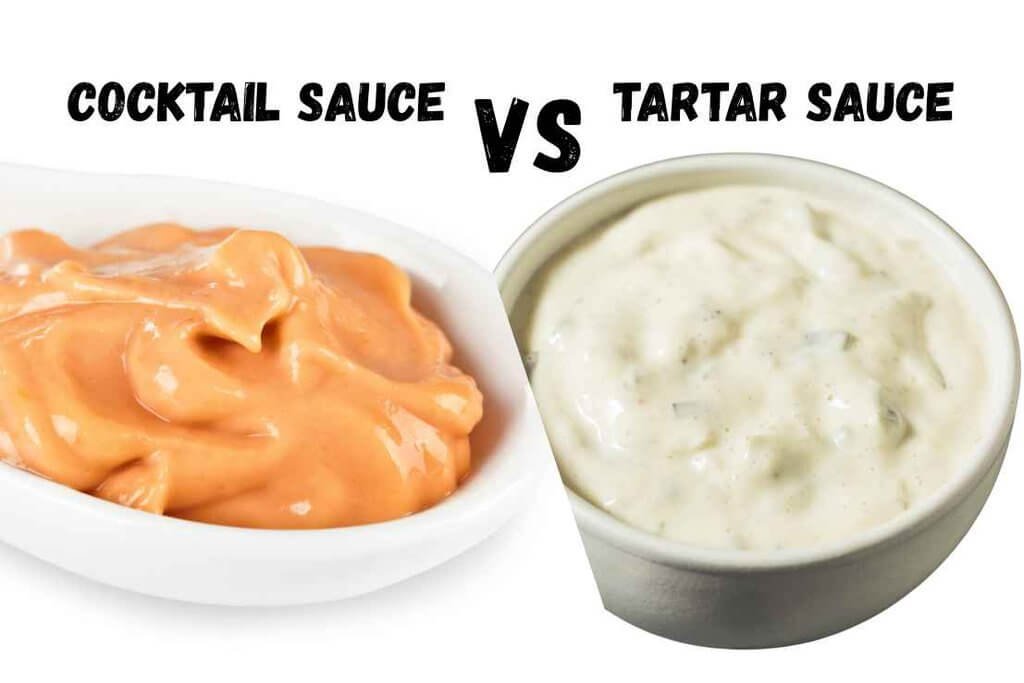
Although both sauces are commonly served with seafood, their flavours are quite different. Tartar sauce is creamy, tangy and herbaceous. Cocktail sauce, meanwhile, usually has a brighter colour and a sweeter, sharper flavour.
The best choice depends on the dish and your personal preference. Cocktail sauce works beautifully when you want a bold and lively accompaniment. Tartar sauce is often better when the food needs something creamy and cooling to balance a crisp coating.
I do not consider one sauce better than the other. They simply play different roles on the plate. Understanding those differences helps you select a sauce that complements the food rather than covering its flavour.
Why the Mayonnaise Base Matters
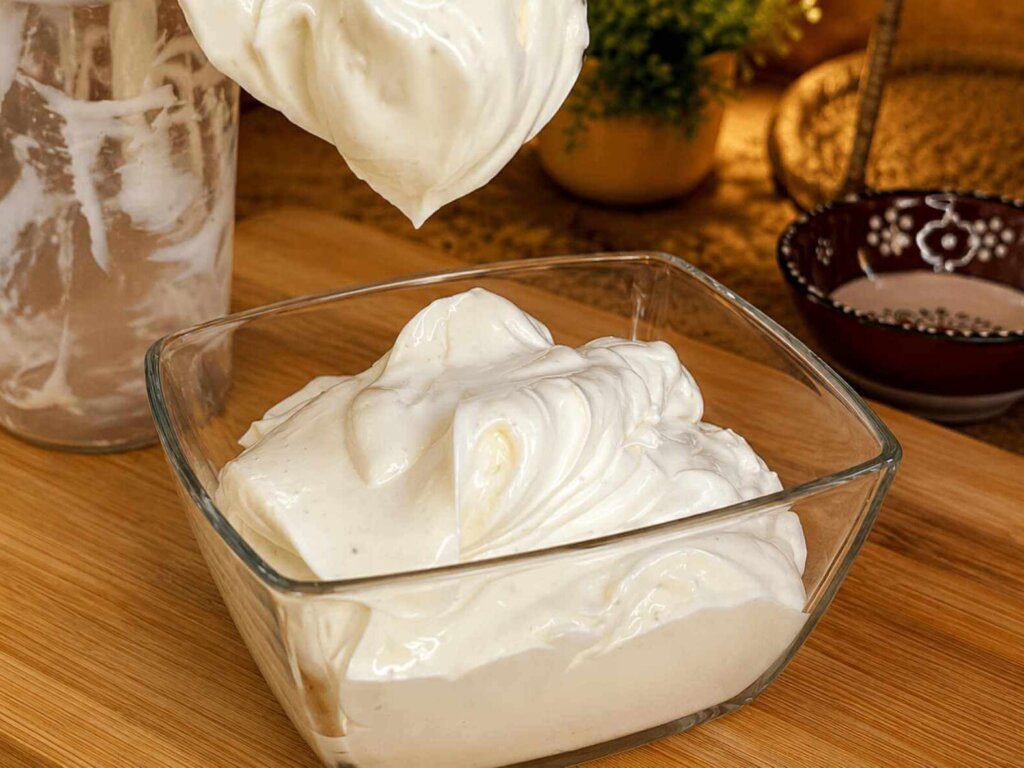
Mayonnaise forms most of the tartar sauce, so its flavour and consistency affect the entire recipe. A thick, balanced mayonnaise creates a creamy sauce that holds the chopped ingredients evenly. If the mayonnaise is thin or overly acidic, the finished sauce may become watery or taste too sharp.
Whenever possible, I prefer using homemade mayonnaise. It gives me better control over the salt, acidity and thickness of the sauce. Its fresh flavor also allows the pickles, herbs and other ingredients to stand out without competing with an overly sweet or heavily seasoned base.
However, mayonnaise alone does not make a good tartar sauce. The remaining ingredients must introduce enough freshness and acidity to keep the sauce from feeling heavy. This balance becomes particularly important when tartar sauce is served with fried food.
Getting the Right Consistency
Start with mayonnaise that is thick enough to stay on a spoon. Remember that pickles, lemon juice and other additions may release moisture and gradually loosen its texture.
Drain wet ingredients carefully before chopping them. After chopping pickles or capers, you can gently press them with a paper towel to remove excess liquid. This simple step prevents the sauce from becoming watery as it rests.
Add liquid ingredients gradually rather than pouring everything in at once. You can always add another squeeze of lemon juice later, but thickening an overly runny tartar sauce is more difficult.
Finally, let the finished sauce rest in the refrigerator before serving. During this time, the mayonnaise absorbs the flavours of the chopped ingredients, creating a sauce that tastes more harmonious and complete. Stir it once more before serving and adjust the seasoning only after tasting it cold.
Building a Balanced Tartar Sauce
The best tartar sauce is not simply creamy. It should contain enough acidity, freshness and seasoning to complement rich food without overpowering it. Achieving that balance depends on how each ingredient is prepared and added.
Pickles provide much of the sauce’s distinctive character. They bring acidity, saltiness and a gentle crunch. Chop them finely enough to distribute their flavour throughout the sauce, but do not turn them into a paste. Small, even pieces give every spoonful a pleasant texture.
Capers can add another layer of sharpness and a slightly briny flavour. Because both capers and pickles contain salt, taste the mixture before adding any additional seasoning.
Fresh herbs lighten the sauce and give it a cleaner finish. Parsley is a mild option, while dill produces a more noticeable herbal flavour. Whichever herb you use, chop it finely so it blends smoothly into the sauce.
Add Acidity Carefully
Lemon juice brightens the sauce and helps cut through the richness of fried food. However, too much can make the sauce thin and overpower the other ingredients. Add it gradually, mix well and taste before adding more.
Mustard can also contribute acidity while adding depth. A small amount should support the other flavours rather than make the sauce taste strongly of mustard.

This balance is one reason tartar sauce tastes so different from Thousand Island sauce. Thousand Island dressing usually has a mildly sweet flavor and a pinkish color, while tartar sauce remains sharper, fresher and more savory.
Once all the ingredients are combined, taste the sauce before seasoning it. The pickles, capers and mustard may already provide enough salt. Finish with black pepper, then refrigerate the sauce briefly to allow its flavors to settle.
Let’s Make Tartar Sauce

Tartar Sauce
Ingredients
Method
- In a small bowl, combine the mayonnaise, chopped pickles, egg white, capers, and minced onion.
- Season with salt and white pepper.
- Add a small drizzle of lemon juice, then mix well until all ingredients are evenly combined.
- Refrigerate for a few minutes before serving for the best flavor.
Tartar Sauce Is Not Only for Seafood
Tartar sauce is traditionally associated with fish and seafood, but its creamy and tangy character works with many other foods. The sauce is especially useful when a dish is rich, salty or covered with a crisp coating.
One of my favorite alternatives is serving it with crispy chicken. The acidity of the pickles and lemon balances the fried coating, while the creamy texture prevents the chicken from feeling dry. It can be served as a dip, spread inside a chicken sandwich or spooned beside the meal.
Tartar sauce also works well with roasted or baked potatoes. The potatoes have a mild flavour that allows the herbs, pickles and seasoning in the sauce to stand out. For a lighter option, serve a small amount beside roasted vegetables or vegetable fritters.
Use It as a Sandwich Spread
Instead of serving tartar sauce only as a dip, try using it as a sandwich spread. Apply a thin layer to bread before adding cooked chicken, fish or roasted vegetables. Its creamy consistency adds moisture, while the acidity keeps the sandwich from tasting too heavy.
You can also use it in wraps and toasted sandwiches. However, avoid adding too much, particularly when the filling already contains moist ingredients such as tomatoes. A small amount is usually enough to distribute the flavour without making the bread soggy.
These simple uses make tartar sauce worth preparing even when seafood is not on the menu. One batch can accompany dinner and then become part of a completely different meal the following day.
I’ll use American English throughout the rest of the article.
When to Choose Tartar Sauce or Garlic Sauce
Both tartar sauce and garlic sauce can add creaminess and flavor to a meal, but they create very different results. Choosing between them depends on the food you are serving and the type of flavor you want to highlight.
Garlic sauce has a bold, unmistakable taste. It works particularly well with grilled meats, chicken, sandwiches, and roasted potatoes. Because garlic is the dominant flavor, the sauce can easily become the strongest element on the plate.
Tartar sauce has a fresher and more acidic profile. The pickles, herbs, and lemon create several layers of flavor rather than one dominant note. This makes it especially useful with delicate foods that could be overwhelmed by a strong garlic taste.
Let the Main Dish Guide Your Choice
Before selecting a sauce, consider what the main dish needs. Rich or fried foods usually benefit from acidity and freshness. Mild foods may need a stronger sauce to give them more character.
You should also consider the seasoning already used in the dish. If the food contains plenty of garlic, adding garlic sauce may make the meal feel repetitive. A tangy tartar sauce can provide a more interesting contrast.
There is no rule that limits either sauce to one type of food. However, the sauce should complement the main ingredient rather than hide it. Taste the food first, consider what it is missing, and then choose the sauce that brings better balance to the plate.
Turn It Into an Easy Appetizer Dip
Tartar sauce can also be served as part of an appetizer platter. Its creamy texture makes it easy to dip, while the chopped pickles and herbs give it more character than plain mayonnaise.

For an unexpected pairing, try serving it with homemade mozzarella sticks. Their hot, melted center and crisp coating contrast beautifully with the cold sauce. The acidity also helps balance the richness of the cheese.
Temperature plays an important role in this combination. Keep the tartar sauce refrigerated until you are ready to serve, then place it beside the mozzarella sticks while they are still hot and crisp. The contrast makes both the sauce and the appetizer more enjoyable.
Make the Sauce Easy to Dip
If the tartar sauce is very thick, stir in a small amount of lemon juice to loosen it slightly. Add only a few drops at a time so the sauce does not become runny.
Serve it in a wide, shallow bowl rather than a narrow container. This makes dipping easier and prevents the crisp coating from breaking apart. If you are preparing a large appetizer platter, divide the sauce between two small bowls so everyone can reach it comfortably.
Do not pour the sauce directly over fried appetizers before serving. Keeping it on the side preserves their crispness and allows each person to add the amount they prefer.
How to Prevent Watery Tartar Sauce
One of the most common problems with homemade tartar sauce is excess liquid. The sauce may look perfectly thick when first mixed, then become watery after sitting in the refrigerator.
Pickles, capers, onions, and fresh herbs can all release moisture. Therefore, drain them thoroughly before chopping. After chopping pickles or capers, gently press them between paper towels to remove any remaining liquid.
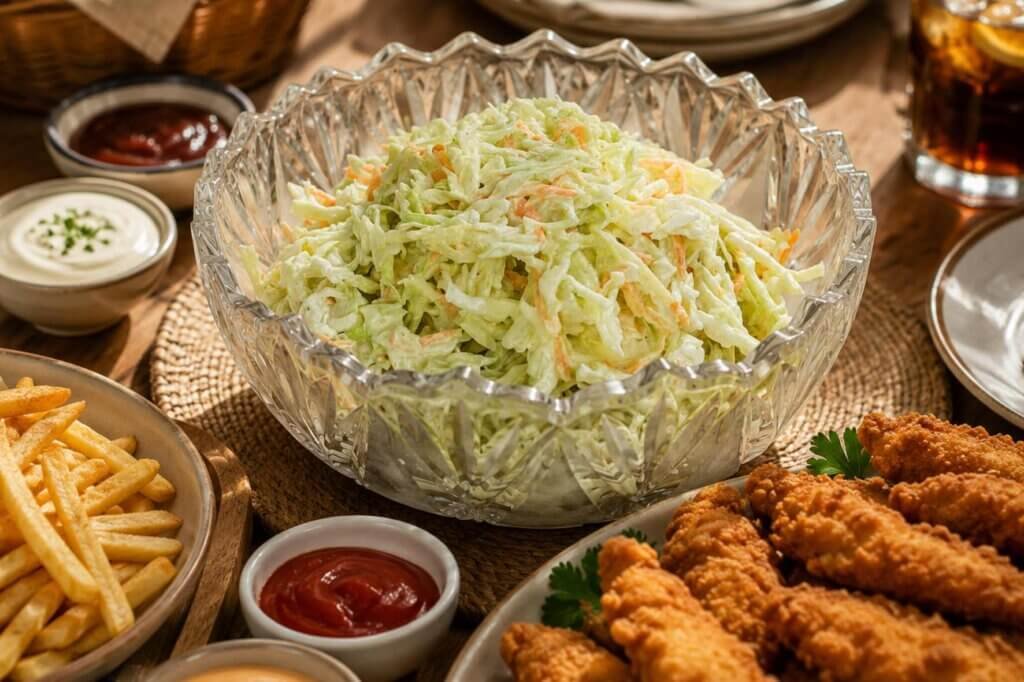
This is similar to what happens when preparing coleslaw. Cabbage releases water as it sits with salt and dressing, which can gradually thin the mixture. In both recipes, controlling moisture helps protect the creamy texture.
Measure Liquid Ingredients Carefully
Lemon juice adds necessary acidity, but it can quickly loosen the sauce. Instead of adding the entire amount at once, mix in a little, taste the sauce, and decide whether it needs more.
The same rule applies if your recipe contains pickle juice. It has a strong flavor and a thin consistency, so even a small amount can make a noticeable difference.
If the sauce becomes slightly thinner than expected, refrigerate it before making any adjustments. Chilling can help it firm up. If it remains too loose, stir in a small spoonful of thick mayonnaise rather than adding more chopped ingredients.
Always use a clean, dry spoon when serving tartar sauce. Introducing water or crumbs into the container can affect both its texture and how well it keeps. After serving, return it to the refrigerator promptly.
Try Tartar Sauce on a Homemade Burger

Ketchup and traditional burger sauces are familiar choices, but tartar sauce can give a homemade burger a completely different character. Its sharp, creamy flavor works especially well when the burger contains rich or crispy ingredients.
Spread a thin layer on the bun rather than adding a large spoonful. This gives you the flavor of the sauce without allowing it to drip or overpower the meat. It also works well on chicken or fish burgers, where the pickles and herbs complement the lighter filling.
Build the Burger Without Making It Soggy
Toast the cut sides of the bun before assembling the burger. This creates a light barrier that helps prevent the sauce and other moist ingredients from soaking into the bread.
Place the tartar sauce directly against the toasted bun, then add the burger and drier toppings. If you are also using tomatoes or other juicy vegetables, pat them dry before adding them.
Tartar sauce already contains several strong flavors, so keep the remaining toppings simple. Too many pickles, sauces, or acidic ingredients can make the burger taste unbalanced. A crisp lettuce leaf and a few fresh vegetables may be all you need.
This is also a practical way to use a small amount of leftover sauce. Instead of preparing another seafood meal, you can turn it into a flavorful spread for lunch the following day.
How to Store Homemade Tartar Sauce
Store tartar sauce in a clean, airtight container. Then, place it in the refrigerator as soon as you finish making it. Keep it chilled until you are ready to serve.
A glass jar works well because it does not absorb strong smells. It also lets you check the sauce without opening the lid.
For the best taste and texture, use the sauce within three to four days. However, its shelf life also depends on the ingredients you use. If one ingredient is close to its expiration date, the sauce will not stay fresh for long.
Keep the Sauce Clean and Fresh
Always use a clean, dry spoon. Do not dip food into the main container. Crumbs and moisture can cause the sauce to spoil faster.
Also, do not leave tartar sauce at room temperature for a long time. Instead, serve a small amount in a separate bowl. You can add more later if needed.
Before serving leftovers, stir the sauce and check its smell and texture. Throw it away if it smells sour, changes color, or shows signs of mold. When in doubt, it is safer to prepare a fresh batch.
Common Tartar Sauce Mistakes
Tartar sauce is easy to prepare. Still, a few small mistakes can affect its taste and texture. Here are the most common ones to avoid.
Leaving the Ingredients Too Large
Large pieces of pickles, capers, or onions can make the sauce hard to spread. They may also give one bite too much flavor.
Chop each ingredient into small, even pieces. However, do not turn them into a paste. The sauce should still have a light crunch.
Adding Too Much Liquid
Lemon juice and pickle juice add a fresh, sharp taste. Yet, too much liquid will make the sauce thin.
Add these ingredients in small amounts. Stir and taste after each addition. This gives you more control over the final texture.
Seasoning Before Tasting
Pickles, capers, and mustard may already contain plenty of salt. Therefore, do not season the sauce too early.
Mix everything first. Then, taste the sauce before adding salt or pepper. This simple habit can prevent an overly salty result.
Serving It Right Away
Freshly mixed tartar sauce may taste uneven. One ingredient may stand out more than the others.
If possible, chill the sauce before serving. Even 30 minutes can help the flavors blend. Stir it again after chilling, then make any final changes.
Using Too Many Strong Ingredients
More flavor does not always create a better sauce. Too much mustard, onion, garlic, or lemon can hide the fresh taste of the herbs and pickles.
Start with a small amount of each strong ingredient. You can always add more after tasting. A good tartar sauce should taste balanced, not crowded.
How to Adjust Tartar Sauce to Your Taste
A tartar sauce recipe is easy to change. However, make one adjustment at a time. This helps you keep the flavors balanced.
For a Sharper Taste
Add a little more lemon juice, mustard, or chopped capers. Start with a small amount. Then, stir and taste before adding more.
You can also add a few drops of pickle juice. Keep in mind that it will thin the sauce. Therefore, use it with care.
For a Milder Sauce
Reduce the mustard, onion, or capers. You can also add a little more of the creamy base.
A mild version works well for children or anyone who dislikes strong, sharp flavors. It is also a good choice for lightly seasoned food.
For More Freshness
Add finely chopped parsley or dill. Fresh herbs give the sauce a brighter taste and a touch of color.
Dry the herbs well before chopping them. Extra water can make the sauce loose.
For More Crunch
Add a small amount of finely chopped pickle. Make sure the pieces are even and well drained.
Do not add too much at once. The sauce should stay creamy and easy to spread.
For a Hint of Heat
A pinch of cayenne pepper or a few drops of hot sauce can add gentle heat. The goal is not to make the sauce very spicy. Instead, the heat should sit quietly behind the other flavors.
After each change, let the sauce rest for a few minutes. Then, taste it again. Some flavors become stronger as the sauce sits.
Frequently Asked Questions
Can I Make Tartar Sauce Ahead of Time?
Yes. In fact, making it a few hours early can improve the flavor. The resting time helps the ingredients blend.
Cover the sauce and keep it in the refrigerator. Stir it well before serving.
Can I Make Tartar Sauce Without Capers?
Yes. Capers add a salty and sharp taste, but they are not essential. You can leave them out or add a little extra chopped pickle instead.
Taste the sauce before adding salt. The pickles may already provide enough seasoning.
Can I Use Sweet Pickles?
Yes, but they will change the flavor. Sweet pickles create a softer and sweeter sauce. Dill pickles give it a sharper taste.
Choose the type that works best with your meal. You can also mix both kinds for a more balanced result.
Can I Freeze Tartar Sauce?
Freezing is not recommended. The creamy base may separate as it thaws. As a result, the sauce can become thin, grainy, or uneven.
It is better to prepare a small batch and keep it in the refrigerator.
Why Does My Tartar Sauce Taste Too Sour?
You may have added too much lemon juice, pickle juice, or mustard. First, stir in a small amount of the creamy base. Then, chill the sauce and taste it again.
Do not add sugar right away. It may hide the sour taste without fixing the balance.
How Can I Make the Sauce Thicker?
Add a small spoonful of thick mayonnaise and stir well. Then, place the sauce in the refrigerator for 15 to 30 minutes.
Next time, drain the pickles, capers, and herbs more carefully. Also, add liquid ingredients in small amounts.
Final Thoughts
Homemade tartar sauce is simple, but the small details matter. A thick base, well-drained ingredients, and careful seasoning can turn a basic sauce into something fresh and full of flavor.
The key is balance. The sauce should be creamy, yet bright. It should have some crunch, but it must remain easy to dip and spread. Most of all, it should support the food instead of hiding its taste.
Once you learn the basic method, you can adjust the sauce to suit your meal. Add more herbs for freshness, extra pickles for crunch, or a little heat for a bolder finish. Just remember to add strong ingredients in small amounts and taste as you go.
I hope you try this recipe and make it your own. For more tested recipes, clear cooking tips, and step-by-step tutorials, visit our website and subscribe to our YouTube channel. Together, we can make everyday cooking easier, tastier, and more enjoyable.

Chef François El Aaraj is a corporate chef and culinary consultant with more than 30 years of experience in professional kitchens and restaurant openings across Lebanon and abroad. Through this website, he shares authentic recipes, cooking techniques, and chef secrets designed to help home cooks create flavorful meals with confidence.
Leave a Reply