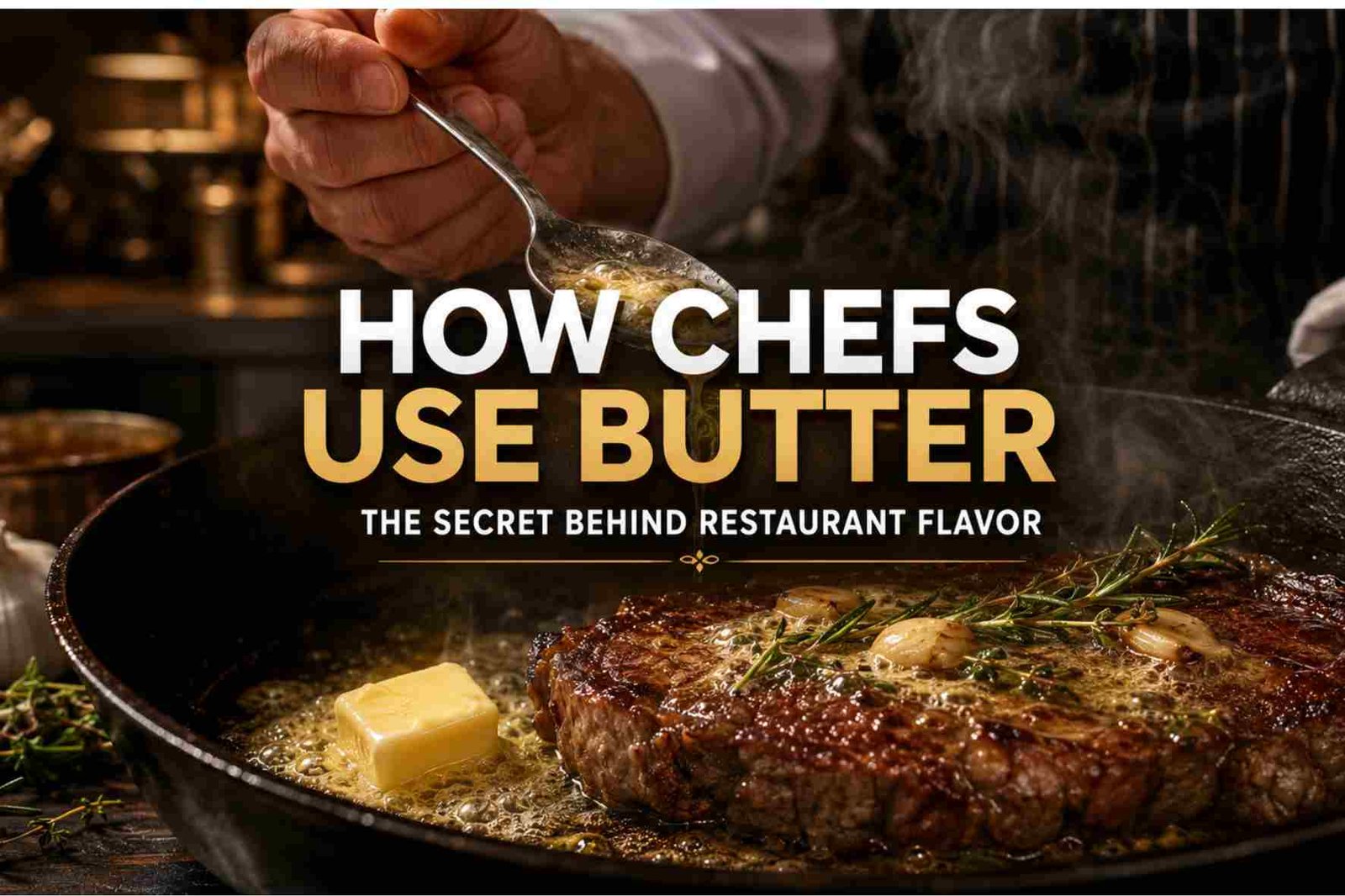
Why does a simple restaurant dish often taste richer than the same dish prepared at home? The ingredients may seem familiar. However, the finished plate has a deeper flavor, smoother texture, and beautiful shine.
Butter is often part of the answer.
Understanding how chefs use butter reveals an important difference between home and professional cooking. Many home cooks add butter only once. They melt it at the beginning or place a small piece over the finished food. Chefs, however, may use butter at several stages.
They sauté ingredients in it, baste meat with it, and whisk it into sauces. In addition, they use cold butter to finish pasta, rice, vegetables, and soups. Each addition has a specific purpose.
Restaurants do not necessarily use large amounts in every dish. Instead, chefs know when butter will make the greatest difference. Even a small piece can improve flavor, texture, aroma, and appearance.
Of course, butter cannot rescue poor ingredients or careless cooking. Heat control, seasoning, and timing still matter. Yet, when chefs use butter correctly, it brings all these elements together.
In this article, we will explore the techniques behind that restaurant-style richness. You will also learn how to use butter more effectively in your own kitchen.
How Chefs Use Butter at Different Cooking Stages
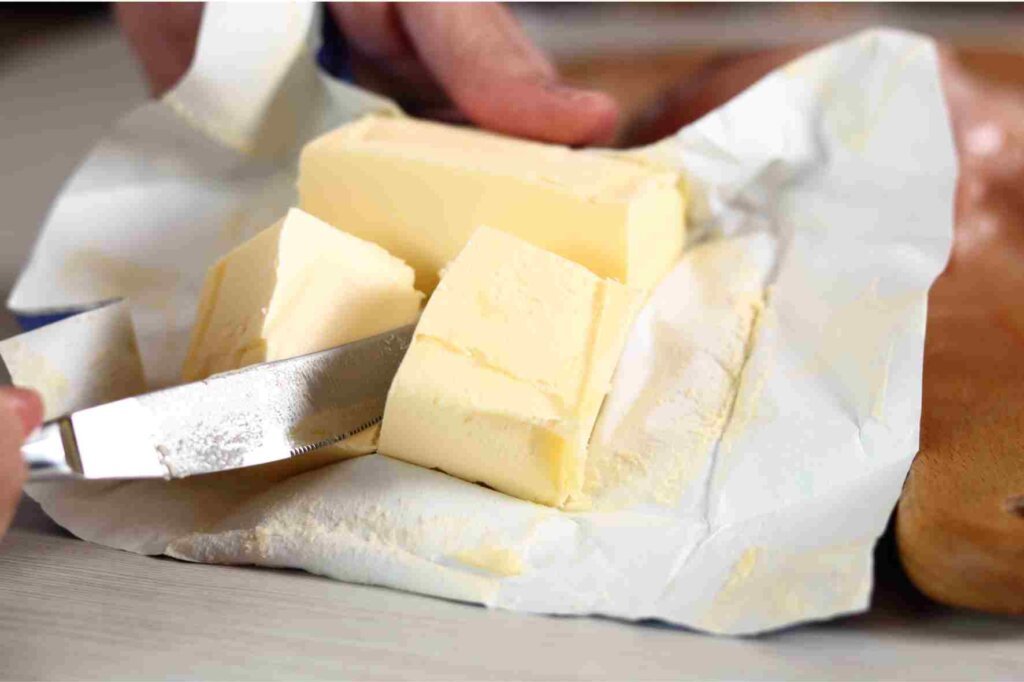
Many people think of butter as a single ingredient added at one moment. In a professional kitchen, however, butter can play several roles within the same recipe.
A chef may use one type of fat to start cooking. Then, they may introduce butter halfway through the process. Finally, they might add another small piece just before serving.
This layered approach creates depth. It also explains why restaurant food can taste rich without looking greasy.
Butter at the Beginning
Chefs often begin a dish by heating butter gently in a pan. This works well for ingredients that benefit from moderate heat, such as onions, mushrooms, leeks, or garlic.
As the butter melts, it coats each ingredient. It also absorbs aromatic flavors and spreads them across the dish.
However, regular butter contains milk solids. These solids can burn when exposed to high heat. Burnt butter tastes bitter and can quickly spoil a delicate sauce.
For this reason, chefs rarely treat butter like a high-heat cooking oil. They control the temperature carefully. Alternatively, they combine butter with oil.
The oil allows the chef to begin cooking at a slightly higher temperature. Meanwhile, the butter provides the flavor that oil alone cannot create.
Still, adding oil does not make the butter impossible to burn. The pan temperature remains important. Professional cooks watch the butter’s color, smell, and movement instead of relying only on the stove setting.
Butter plays an important role in my onion soup because it helps the onions soften and caramelize slowly. This gradual cooking develops the deep sweetness and rich flavor that define the finished soup.
Butter During Cooking
Chefs may add fresh butter after the main ingredient begins to cook. This is especially common with steak, chicken, fish, and some vegetables.
For example, a chef may sear a steak in a small amount of oil. Once the surface develops a crust, they reduce the heat. Then, they add butter, garlic, and herbs.
As the butter foams, the chef tilts the pan and spoons it repeatedly over the meat. This technique is known as butter basting.
The hot butter carries the flavors of the garlic and herbs across the meat. It also reaches areas that may not remain in full contact with the pan. As a result, the surface cooks more evenly and gains a richer aroma.
Timing makes a major difference here. If the chef adds the butter too early, it may burn before the steak finishes cooking. Adding it later protects its flavor while still allowing enough time for basting.
This technique also works beautifully with thick fish fillets. However, chefs use gentler heat because fish cooks quickly and can dry out.
How Chefs Use Butter to Finish a Dish
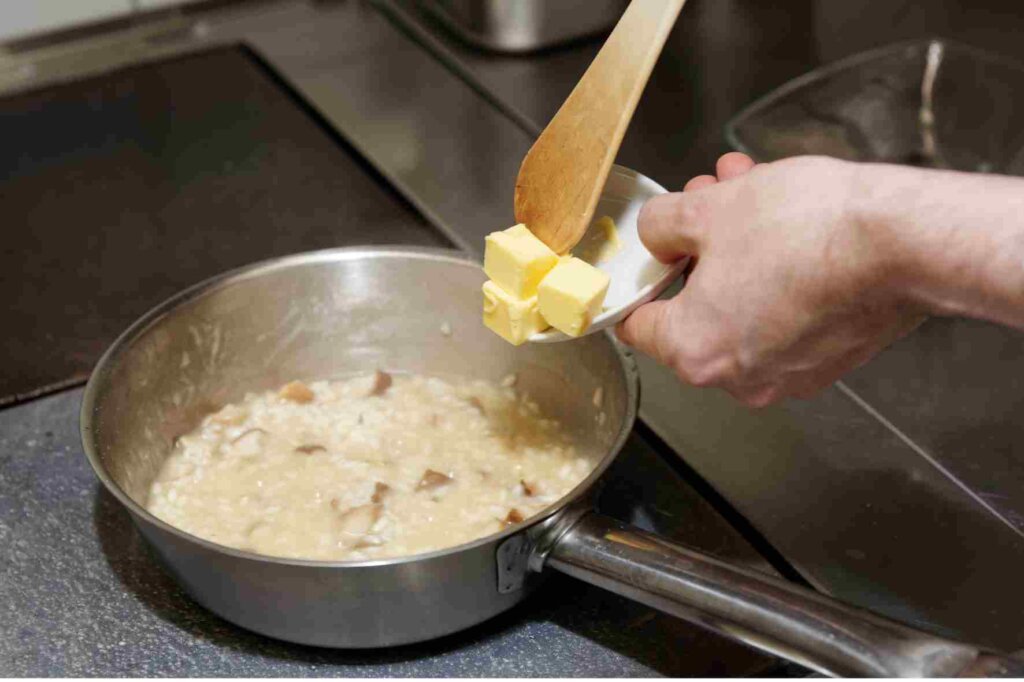
The final piece of butter is often the one customers notice most, even if they never see it.
Chefs frequently add cold butter after lowering the heat or removing the pan from the stove. They whisk or stir it into the dish until it melts and becomes fully incorporated.
This is called finishing with butter.
The technique can soften acidity, smooth the texture, and create an attractive shine. It also gives sauces a fuller mouthfeel without making them taste obviously buttery.
French cooking uses the expression monter au beurre for this method. The chef gradually incorporates cold butter into a warm sauce. The butter and liquid form a temporary emulsion, creating a silky consistency.
Temperature is essential. If the sauce remains too hot, the butter can separate. The result may look oily instead of smooth. Therefore, chefs often lower the heat before adding it.
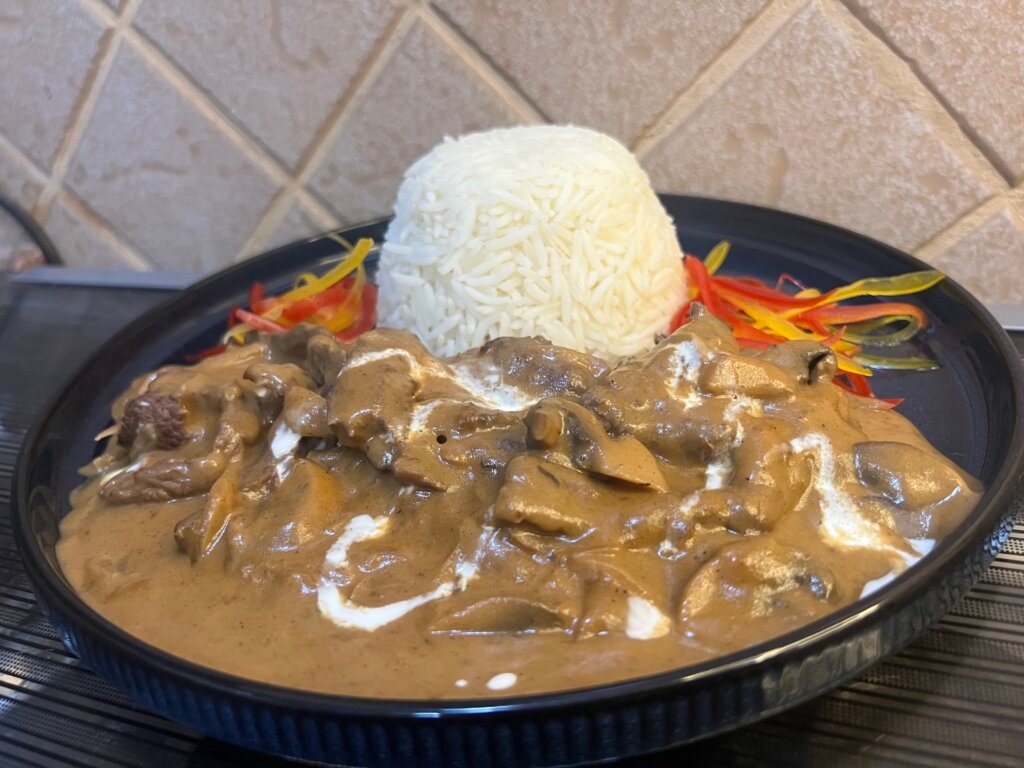
A dish such as creamy stroganoff also benefits from the richness of butter. It supports the creamy sauce, enhances the flavor of the mushrooms, and helps create a smooth finish.
This simple final step works with pan sauces, pasta, risotto, soups, and cooked vegetables. It is one of the clearest examples of how chefs use butter to create the flavor and texture we associate with restaurant food.
Why Restaurant Butter Does Not Always Taste the Same
Not all butter produces the same result. Chefs choose different types according to the cooking method, temperature, and desired flavor.
Regular butter contains butterfat, water, and milk solids. The water creates steam as the butter heats. Meanwhile, the milk solids begin to brown and eventually burn.
These changes can be useful when controlled correctly. However, chefs sometimes need a purer fat that tolerates higher heat. That is when clarified butter becomes valuable.
Clarified Butter for Higher Heat
Clarified butter is butter with most of its water and milk solids removed. The remaining golden fat has a higher smoke point than regular butter.
Chefs use it for sautéing, searing, and other cooking methods that require stronger heat. It provides a buttery taste without burning as quickly.
Ghee is similar to clarified butter. However, cooks usually heat it longer. This process develops a deeper, slightly nutty flavor.
Both options work well when regular butter would brown too quickly. Still, chefs may choose regular butter when they want the flavor of toasted milk solids.
Salted or Unsalted Butter?
Professional kitchens generally prefer unsalted butter. It gives chefs complete control over the seasoning.
The salt content in salted butter can differ between brands. If a chef uses a large quantity, that variation may affect the finished dish.
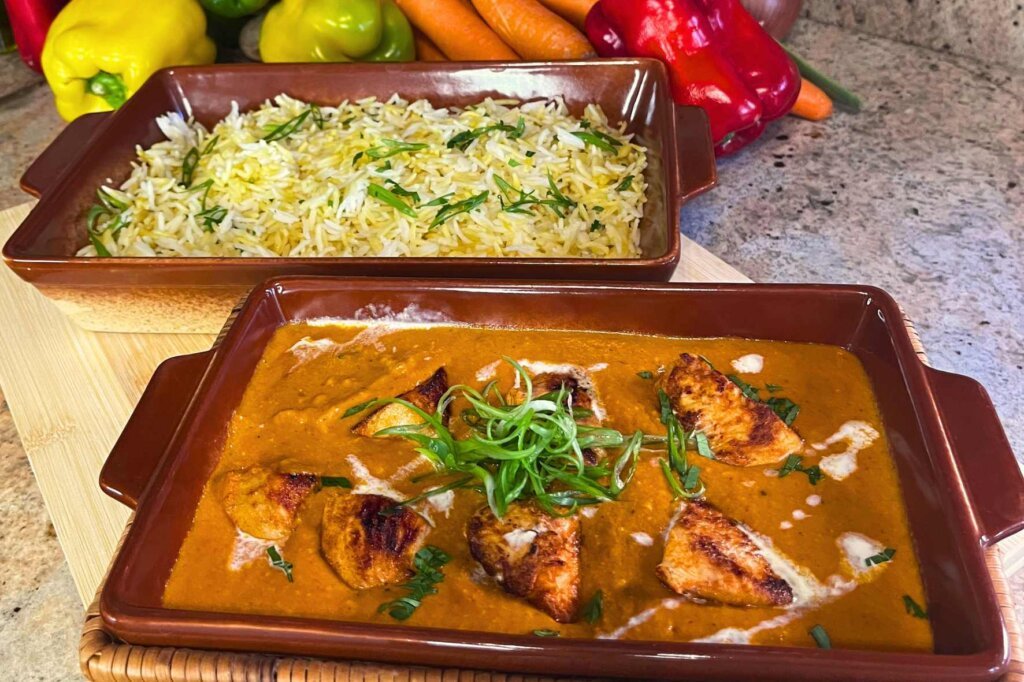
Unsalted butter creates a more predictable result. It works beautifully in butter chicken. In fact, it enriches the tomato-based sauce while allowing the chef to control the salt and keep the spices balanced.
Unsalted butter also works better when reducing sauces. As liquid evaporates, the flavors become more concentrated. A sauce made with salted butter could become too salty after reduction.
However, salted butter can still work well for spreading on bread or finishing simple vegetables. The best choice depends on the dish.
How Chefs Use Brown Butter for Deeper Flavor
Butter does not only make food taste creamy. When heated carefully, it can also develop toasted, nutty flavors.
This transformation creates brown butter, known in French as beurre noisette. The French name means “hazelnut butter,” although the recipe contains no hazelnuts. The name describes its warm color and nutty aroma.
To make it, chefs melt butter over medium heat. First, the butter foams as its water begins to evaporate. Then, the milk solids settle near the bottom of the pan.
As the heat continues, these solids turn golden brown. The butter develops a rich aroma that resembles toasted nuts and caramel.
Timing matters. The difference between brown butter and burnt butter can be only a few seconds. Therefore, chefs watch the color closely and remove the pan from the heat before the solids become too dark.
They may also transfer the butter immediately to a cool container. Leaving it inside the hot pan can cause it to keep cooking.
Where Brown Butter Works Best
Brown butter can enhance both savory and sweet recipes. Chefs use it with pasta, fish, roasted vegetables, pastries, cakes, and cookies.
It pairs especially well with sage. When sage leaves cook briefly in brown butter, they become crisp and release their aroma. The combination creates a simple but powerful sauce for pasta or gnocchi.
Chefs may also spoon brown butter over cauliflower, pumpkin, carrots, or sweet potatoes. Its toasted flavor complements the natural sweetness of these vegetables.
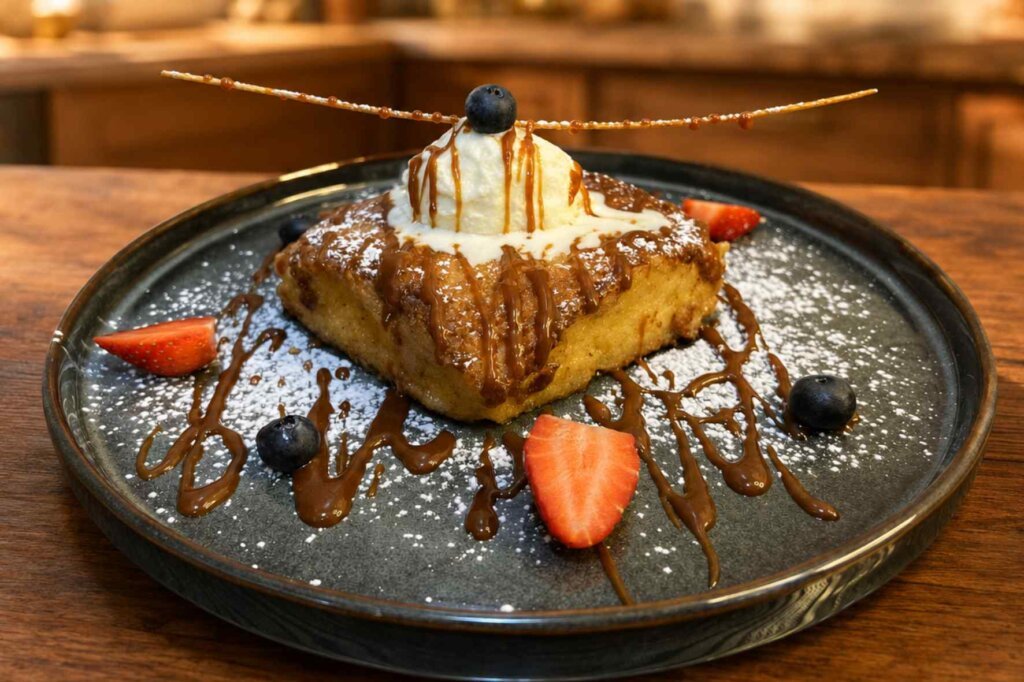
Butter also gives pain perdu, also known as French toast, its golden surface and lightly crisp edges. As the butter browns in the pan, it adds a warm, nutty aroma that complements the soft bread.
However, brown butter does not suit every recipe. A delicate white sauce may need the clean flavor and pale color of regular butter. Good cooking depends on choosing the right technique rather than using the richest option every time.
Butter Creates Smooth and Glossy Sauces
Sauces offer one of the best examples of how chefs use butter. Butter can thicken a sauce, soften its acidity, and create a glossy finish.
After cooking meat, chicken, or fish, a chef may find browned pieces stuck to the pan. These pieces contain concentrated flavor.
The chef adds wine, stock, lemon juice, or another liquid to loosen them. This process is called deglazing. The liquid then simmers and reduces, which concentrates its flavor.
At this stage, the sauce may taste intense or slightly sharp. Cold butter helps bring it into balance.
The chef lowers or switches off the heat. Then, they whisk in small pieces of cold butter. Each piece melts slowly and blends with the reduced liquid.
The finished sauce becomes smoother and slightly thicker. More importantly, it clings to the food instead of running across the plate like water.
Butter Supports an Emulsion
Butter contains fat, while most sauces contain water or another liquid. These elements naturally resist staying together. However, steady whisking and controlled heat can help create an emulsion.
The sauce must remain warm enough to melt the butter. Yet, it should not become so hot that the fat separates.
This balance explains why chefs add cold butter gradually. Adding everything at once can cool the sauce unevenly or make it harder to incorporate.
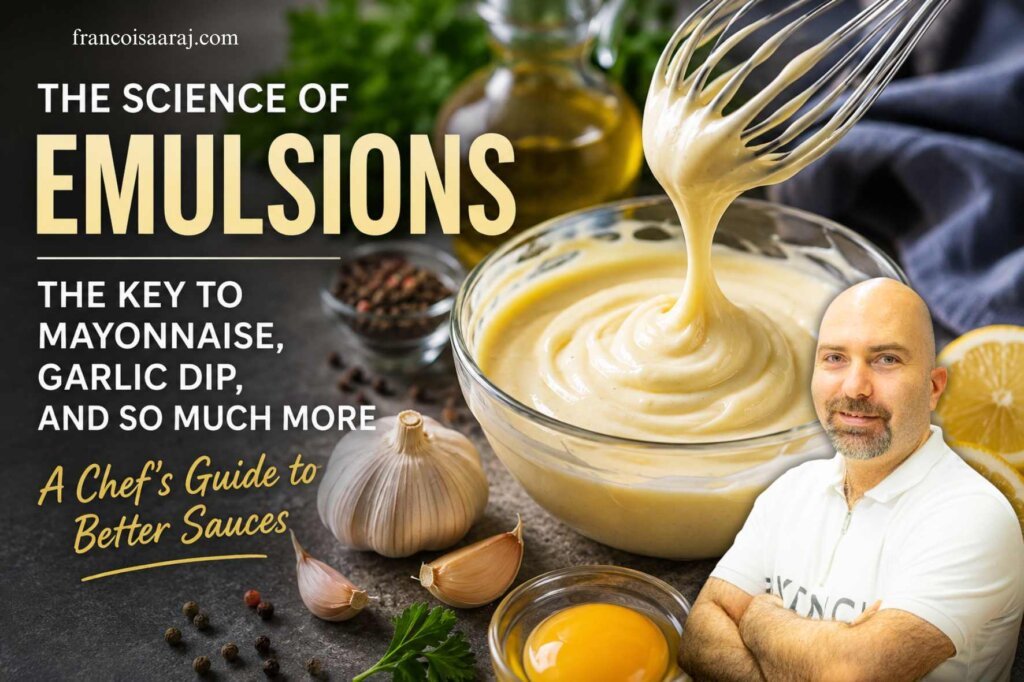
Anyone interested in this process can also read the article about the science of emulsions in sauces and dips. It explains how fat and water combine in mayonnaise, vinaigrettes, and other familiar recipes.
My creamy mushroom soup shows how butter can build flavor in a soup. It helps the mushrooms and onions develop a richer taste while giving the finished soup a smooth texture.
Butter Can Balance Acidity
Restaurant sauces often contain acidic ingredients. Wine, vinegar, tomatoes, mustard, and citrus juice all add brightness. However, too much acidity can make a sauce taste harsh.
Butter rounds out that sharpness. It does not remove the acid. Instead, its fat softens how strongly we experience it.
This creates balance. The sauce remains fresh and lively, but it no longer overwhelms the main ingredient.
Still, chefs taste the sauce before adding extra butter. Sometimes it needs salt, sweetness, or further reduction instead. Understanding what the dish lacks is always more effective than adding ingredients without a clear purpose.
How Chefs Use Butter in Pasta and Risotto
Restaurant pasta often feels smoother and more flavorful than pasta prepared at home. Many people assume the difference comes from adding more sauce. However, chefs usually focus on how the sauce coats the pasta.
Butter plays an important role in creating that texture.
A chef may add a small piece of butter while tossing the pasta with its sauce. The butter blends with the sauce and starchy pasta water. Together, they form a light emulsion that clings to every strand or shape.
This method produces a glossy finish without leaving a pool of liquid at the bottom of the plate.
Butter Connects the Pasta and Sauce
Home cooks sometimes place boiled pasta on a plate and pour sauce over it. Restaurants usually finish the pasta inside the pan.
Chefs transfer the pasta before it becomes completely tender. Then, they cook it briefly with the sauce. They may also add reserved pasta water and a small amount of butter.
The pasta releases more starch as the ingredients move inside the pan. Meanwhile, the butter helps combine the water-based sauce with any fat already present.
This technique creates a unified dish. The pasta and sauce no longer taste like separate components.
It also explains why pasta water is such a valuable ingredient. Its starch helps thicken the sauce and hold the emulsion together. However, chefs add it gradually. Too much water can dilute the flavor and make the sauce thin.
Butter does not belong in every traditional pasta recipe. Some Italian dishes rely on olive oil, cheese, or rendered meat fat instead. Therefore, chefs should respect the character of the original recipe.
Nevertheless, butter works beautifully in creamy sauces, mushroom pasta, tomato-based sauces, and many modern restaurant dishes.
The Final Step in Risotto
Butter is equally important when finishing risotto. After the rice finishes cooking, chefs often remove the pan from direct heat. Then, they add cold butter and grated cheese.
This final mixing stage is known as mantecatura. It gives risotto its flowing, creamy consistency.
The rice should move gently across the plate. It should not sit in a stiff mound. However, it should not resemble soup either.
Butter helps achieve this balance. It coats the rice while joining the starch, cooking liquid, and cheese. As a result, the risotto becomes creamy without depending on heavy cream.
Resting the risotto briefly also matters. It allows the ingredients to settle and the texture to become more consistent.
Butter Makes Vegetables More Appealing
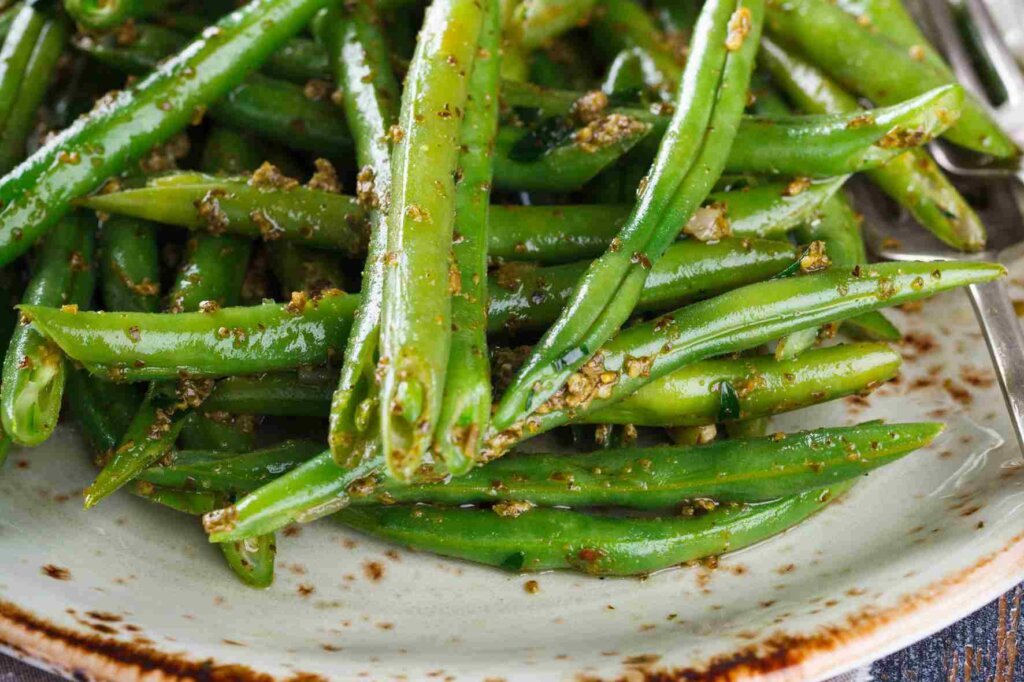
Vegetables are another place where restaurants use butter strategically. A plate of restaurant vegetables may look simple, yet each piece often has a rich flavor and polished surface.
Chefs may blanch the vegetables before service. This means cooking them briefly in boiling salted water and then cooling them quickly.
When an order arrives, they reheat the vegetables in a pan with a little butter. The butter restores warmth, adds flavor, and gives the surface a gentle shine.
Garlic, herbs, citrus zest, or spices may also enter the pan. Since butter carries aromatic compounds, it helps spread those flavors across the vegetables.
Glazing Vegetables with Butter
Some restaurants use butter to glaze carrots, turnips, onions, and other firm vegetables.
The chef cooks the vegetables with a small amount of water or stock, butter, and seasoning. As the liquid evaporates, the butter forms a light coating around each piece.
A small amount of sugar may also help with glazing. However, naturally sweet vegetables often need very little.
The result should look glossy rather than greasy. If butter collects at the bottom of the pan, the chef may have used too much or failed to reduce the liquid correctly.
This distinction matters. Restaurant-style cooking does not mean covering every vegetable in heavy fat. Good chefs use enough butter to support the ingredient while allowing its natural flavor to remain clear.
Butter Can Soften Bitter Flavors
Some vegetables contain natural bitterness. Brussels sprouts, cabbage, endive, and certain leafy greens are common examples.
Butter can soften how strongly we perceive that bitterness. Salt and acidity also help create balance.
For example, a chef may finish sautéed greens with butter and lemon juice. The butter rounds out the bitterness, while the lemon adds freshness. Together, they make the vegetables taste more complete.
This connects naturally with the idea of seasoning food in layers. Great flavor does not come from salt alone. Fat, acidity, aroma, sweetness, and texture all affect the final result.
How Chefs Use Butter in Mashed Potatoes
Mashed potatoes may contain far more butter in a restaurant than most people expect. In some fine-dining kitchens, chefs add butter gradually until the potatoes become exceptionally smooth.
The type of potato still matters. A floury potato creates a lighter mash, while a waxy variety may become dense or sticky.
The preparation method matters too. Chefs often pass cooked potatoes through a ricer or fine sieve. This removes lumps without overworking the starch.
They then incorporate warm milk or cream and softened butter. Some chefs add the butter before the liquid to coat the starch and create a richer texture.
However, aggressive mixing can make mashed potatoes gluey. Potatoes contain starch that becomes sticky when overworked. Therefore, chefs fold the ingredients together with care.
Butter cannot correct potatoes that have already become gummy. It works best when combined with the right variety, proper cooking, and gentle handling.
This is an important lesson in how chefs use butter. The ingredient supports good technique, but it never replaces it.
Does Restaurant Food Always Need More Butter?
Restaurants often use more butter than home cooks. However, more butter does not automatically create better food.
Too much butter can hide delicate flavors. It can also make a sauce greasy, dull the acidity, or leave the dish feeling heavy. Skilled chefs know when to stop.
The goal is balance.
A rich sauce may need lemon juice or vinegar to brighten it. Buttered vegetables may need fresh herbs. Meanwhile, a creamy risotto may benefit from black pepper or a small amount of aged cheese.
Butter should support these flavors instead of dominating them.
The type of restaurant also makes a difference. French restaurants often depend heavily on butter. Mediterranean kitchens may use more olive oil. Asian cuisines may rely on sesame oil, coconut milk, animal fat, or other ingredients.
Even within one kitchen, chefs select the fat according to the recipe. They do not use butter simply because it is available.
How to Use Restaurant Butter Techniques at Home
You do not need restaurant-sized quantities to improve your cooking. Instead, focus on timing and control.
These practical tips can help you use butter more effectively:
- Cut butter into small, even pieces before cooking.
- Use unsalted butter when you want full control over seasoning.
- Add regular butter over moderate heat to prevent burning.
- Sear meat in oil before adding butter for basting.
- Lower the heat before finishing a sauce with cold butter.
- Add butter gradually instead of adding a large piece at once.
- Combine butter with pasta water to help sauce coat the pasta.
- Watch the milk solids closely when making brown butter.
- Taste the dish before adding more butter.
- Use lemon juice, vinegar, or herbs to balance rich flavors.
Temperature remains one of the most important factors. Butter behaves differently in a warm pan, a very hot pan, and a gently simmering sauce.
When butter foams, its water is evaporating. When the milk solids turn golden, it develops a nutty taste. Once they become very dark, bitterness quickly follows.
Learning to recognize these stages will improve your cooking more than simply increasing the quantity.
Common Mistakes When Cooking with Butter
Butter is easy to use, but a few common mistakes can affect the final dish.
Starting with Excessive Heat
Placing regular butter in a smoking-hot pan can burn the milk solids within seconds. Begin with moderate heat or use a more suitable fat for the initial sear.
You can then add butter later for flavor.
Adding Cold Butter to a Boiling Sauce
Cold butter can create a silky finish, but the sauce should not boil after you add it. Excessive heat may break the emulsion and release a greasy layer.
Lower the heat or remove the pan from the stove first.
Using Butter to Hide Poor Seasoning
Butter adds richness, but it cannot replace salt, acidity, herbs, or properly developed flavor.
If a dish tastes flat, identify what it lacks before adding more fat. My guide about why soup tastes flat can help you understand how salt, acid, sweetness, aroma, and texture work together.
Forgetting That Butter Continues Cooking
A hot pan remains hot after you switch off the stove. Therefore, brown butter can burn even after you remove it from direct heat.
Transfer it to a cooler container as soon as it reaches the desired color.
Using the Same Butter Technique for Every Dish
Clarified butter suits high-heat cooking. Cold butter works well for finishing sauces. Meanwhile, brown butter brings a toasted flavor.
Choosing the correct form matters as much as choosing the correct quantity.
What “How Chefs Use Butter” Teaches Us About Cooking
Understanding how chefs use butter reveals an important truth about restaurant cooking. Great flavor rarely comes from one secret ingredient. Instead, it comes from using familiar ingredients with precision.
Chefs add butter at different moments because each stage produces a different result. Butter can carry aromas, support browning, soften acidity, and create a smooth emulsion. It can also give vegetables, pasta, risotto, and sauces an attractive shine.
Still, good chefs do not add butter without thinking. They consider the temperature, cooking method, texture, and other flavors on the plate.
You can use the same approach at home. Start with small amounts. Watch how the butter reacts to heat. Then, taste the dish before deciding whether it needs more.
Once you understand what butter contributes, you will no longer see it as a simple cooking fat. You will see it as a tool for controlling flavor, texture, and balance.
These details explain why restaurant dishes often taste richer than expected. More importantly, they show that you do not need a professional kitchen to apply the same techniques.
Frequently Asked Questions About How Chefs Use Butter
Why do chefs add butter at the end of cooking?
Chefs finish dishes with butter to improve texture, flavor, and appearance. Cold butter can thicken a warm sauce and give it a glossy finish. It also softens strong acidity from wine, vinegar, tomatoes, or lemon juice.
For the best result, chefs lower the heat before adding it. Boiling the sauce afterward may cause the butter to separate.
Why do chefs cook with both oil and butter?
Oil usually tolerates higher temperatures than regular butter. Butter, however, provides a richer flavor.
Chefs may begin searing food in oil. Then, they add butter after reducing the heat. This method works especially well when basting steak, chicken, or fish.
Still, oil does not prevent butter from burning completely. The chef must continue controlling the temperature.
What butter do professional chefs use?
Many chefs prefer unsalted butter because it gives them greater control over seasoning. They may also use clarified butter for higher-heat cooking.
European-style butter contains a higher percentage of butterfat than many standard varieties. Therefore, it can provide a richer flavor and smoother texture. However, ordinary unsalted butter still works well in most home kitchens.
Why must butter be cold when finishing a sauce?
Cold butter melts gradually. This gives the chef time to whisk the fat into the liquid and form a smooth emulsion.
If the butter melts too quickly, the fat may separate and float on the surface. Small, cold cubes make the process easier to control.
Can I replace butter with olive oil?
You can replace butter with olive oil in many recipes, but the result will taste and feel different.
Olive oil adds its own aroma and creates a lighter mouthfeel. Butter offers creaminess and helps some sauces form a glossy emulsion. The best option depends on the recipe and the flavor you want.
In some dishes, a combination of both works well.
Is brown butter the same as burnt butter?
No. Brown butter has golden-brown milk solids and a pleasant nutty aroma. Burnt butter becomes very dark and tastes bitter.
Remove brown butter from the heat as soon as it reaches a deep golden color. Then, transfer it to another container because the hot pan will continue cooking it.
Does adding more butter always improve a dish?
No. Excess butter can make food greasy and hide delicate flavors.
The most useful lesson about how chefs use butter is not simply to add more. It is to add the right amount at the right moment. Taste the dish and consider its salt, acidity, aroma, and texture before adding another piece.
How Chefs Use Butter to Create Restaurant Flavor
Learning how chefs use butter explains why many restaurant dishes have such a rich flavor and silky texture. The secret, however, is not simply using a large quantity. Chefs understand when to add butter, how to control its temperature, and what each addition brings to the dish.
They use butter to baste meat, finish sauces, glaze vegetables, and bring pasta ingredients together. They also transform it into clarified butter or brown butter when a recipe requires a different flavor or higher cooking temperature.
You can use these techniques in your own kitchen. Start with small amounts, control the heat, and add butter gradually. Most importantly, taste the food throughout the cooking process. Butter should support the other ingredients rather than hide them.
Good cooking often depends on these small decisions. Once you understand butter’s role, you can create smoother sauces, more flavorful vegetables, and better-balanced dishes at home.
For more practical advice, explore my other cooking tips, recipes, and professional kitchen guides. You can also visit my YouTube channel for step-by-step recipes and techniques that will help you cook with greater confidence.

Chef François El Aaraj is a corporate chef and culinary consultant with more than 30 years of experience in professional kitchens and restaurant openings across Lebanon and abroad. Through this website, he shares authentic recipes, cooking techniques, and chef secrets designed to help home cooks create flavorful meals with confidence.
Leave a Reply