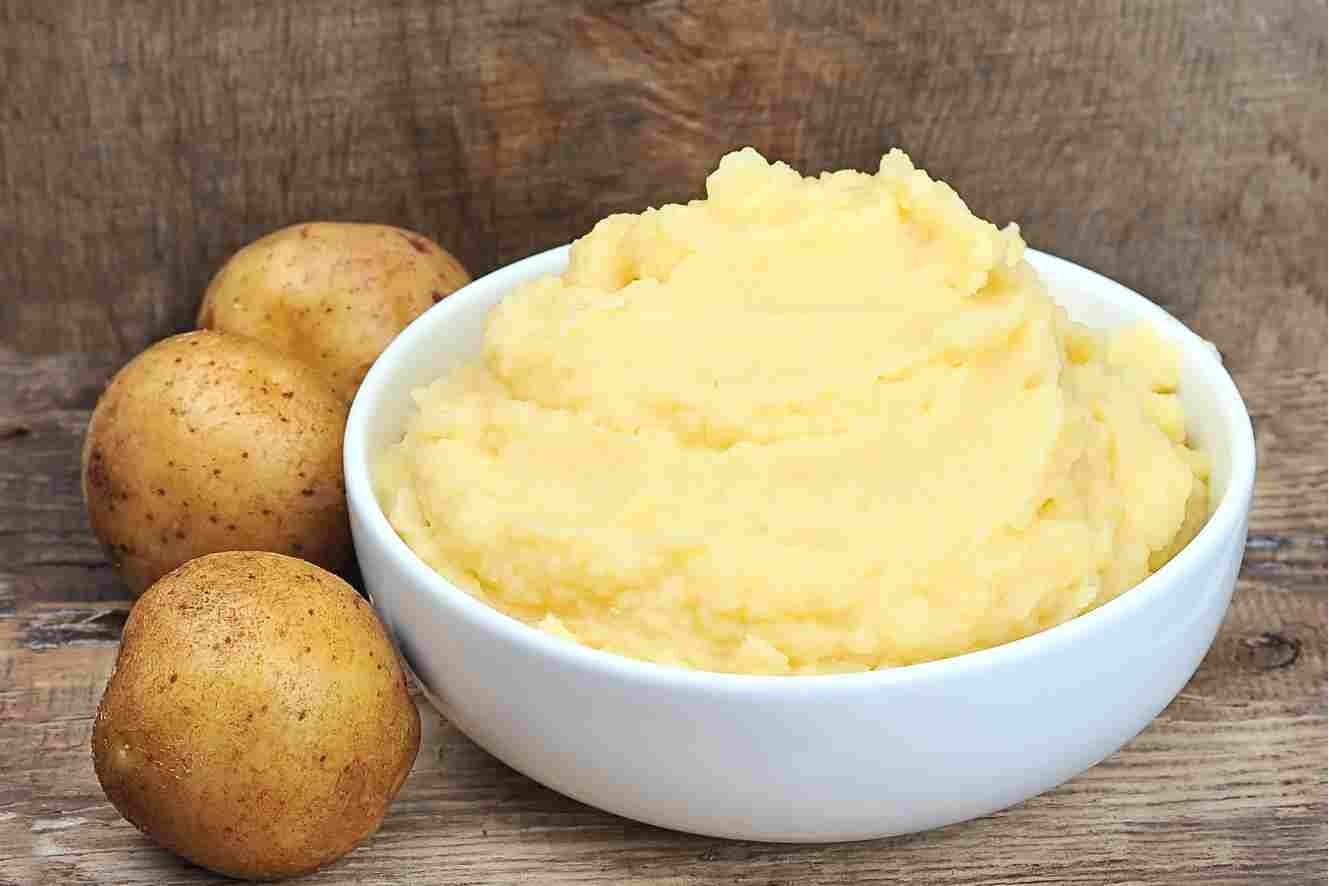
Mashed potato purée is one of the most comforting side dishes you can prepare. It has a smooth texture, a rich buttery flavor, and a delicate creamy finish. Better still, it pairs well with many different meals.
However, achieving the perfect consistency takes more than simply crushing cooked potatoes. The type of potato matters. The cooking method also affects the texture. Finally, the way you add the butter and cream can transform an ordinary mash into a restaurant-style potato purée.
In this guide, I will show you how to prepare smooth and flavorful mashed potatoes. I will also explain the most common mistakes and share ideas for serving them.
What Is Mashed Potato Purée?
Mashed potato purée is a smooth and creamy preparation made from cooked potatoes, butter, and cream. Salt, white pepper, and nutmeg add subtle flavor without overpowering the potatoes.
Traditional mashed potatoes can have a soft yet slightly rustic texture. Potato purée, however, usually feels smoother and more refined. Chefs often pass the cooked potatoes through a potato ricer or fine sieve to remove lumps.
The word “purée” may make the recipe sound complicated. However, the basic method remains simple. The main difference lies in the final texture and the attention given to each step.
Mashed Potatoes and Potato Purée Are Closely Related
Both dishes use similar ingredients. However, regular mashed potatoes may contain milk instead of cream. They may also have a thicker or more textured consistency.
Mashed potato purée contains more fat and often feels silkier. Butter coats the potato starch, while warm cream loosens the mixture. Together, they create a smooth consistency that holds its shape without becoming heavy.
You can serve either version at home. Still, mashed potato purée works especially well when you want an elegant presentation.
Why Butter Is Essential in Mashed Potato Purée
Butter does more than add richness. It improves the texture, carries flavor, and gives the potatoes a glossy finish. Therefore, it plays a central role in this recipe.
Restaurants often use more butter than home cooks expect. This is one reason restaurant mashed potatoes taste so luxurious.

If you would like to understand this technique better, read my article about how chefs use butter. It explains how butter improves sauces, vegetables, soups, and many other dishes.
For the best result, use good-quality butter and add it while the potatoes are still hot. The heat helps the butter melt evenly. It also allows the fat to coat the potato without leaving greasy patches.
However, avoid adding cold cream directly to the potatoes. Cold liquid lowers their temperature and makes the butter harder to incorporate. Instead, warm the cream gently before adding it.
A Small Amount of Nutmeg Makes a Difference
Nutmeg has a warm and slightly sweet aroma. You only need a small pinch because its flavor can quickly become dominant.
When used carefully, nutmeg adds depth without making the potatoes taste sweet. It works especially well with butter, cream, and white pepper.
White pepper is also useful because it blends into the pale potatoes. Black pepper tastes delicious, but it leaves visible dark specks. Therefore, white pepper gives the purée a cleaner appearance.
What to Serve with Mashed Potato Purée
Mashed potato purée pairs beautifully with roasted meat, grilled steak, chicken, and slow-cooked dishes. Its mild flavor balances rich sauces and savory pan juices.
It also makes an excellent base for creamy stroganoff. Although many people serve stroganoff with rice, you can serve it over mashed potatoes instead. The purée absorbs the creamy mushroom sauce and makes the meal even more comforting.
Mashed potatoes also work well with:
- Roast chicken
- Grilled or pan-seared steak
- Beef stew
- Mushroom sauce
- Roasted vegetables
- Meatballs and gravy
- Butter chicken
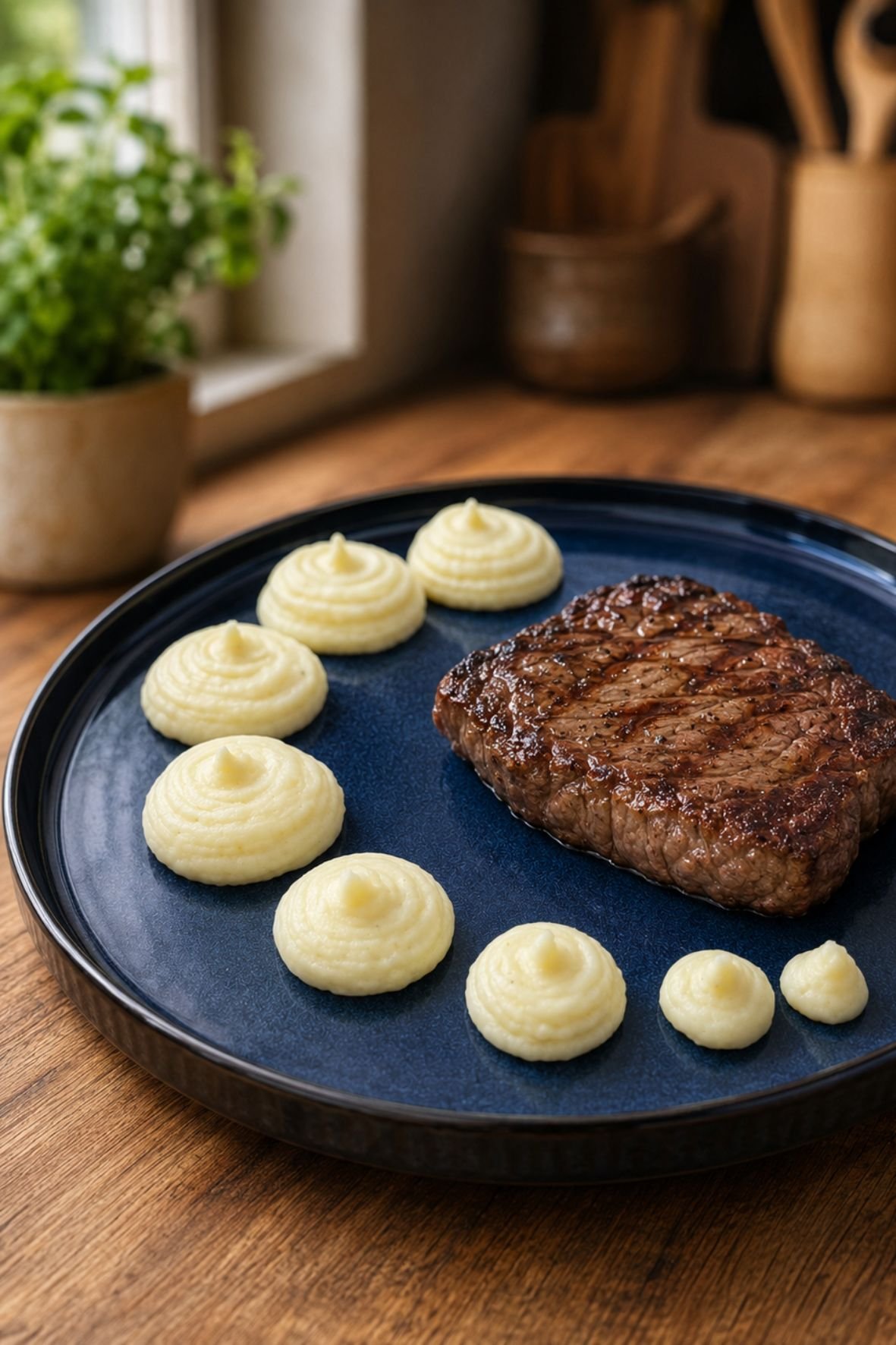
For a beautiful presentation, pipe small portions of the purée around the plate. You can then place the meat or main dish in the center. This creates an elegant restaurant-style finish without making the plate look crowded.
Let’s Prepare Mashed Potatoes
Mashed Potatoes
Ingredients
Equipment
Method
- Preheat your oven to 200°C (390°F).
- Spread a generous layer of coarse salt on a baking tray.
- The salt helps absorb excess moisture from the potatoes, resulting in a more concentrated potato flavor.
- Wash and thoroughly dry the potatoes.
- Place them on the bed of salt and sprinkle more coarse salt over the top.
- Bake for 50 to 60 minutes, or until the potatoes are completely tender inside.
- Remove the potatoes from the oven and brush off any excess salt.
- Important: Work with the potatoes while they are still hot to prevent them from becoming gummy.
- Slice each potato in half and scoop out the insides with a spoon.
- Pass the potato flesh through a food mill or a fine ricer into a pot.
- This ensures a perfectly smooth, lump-free texture.
- Place the pot over low heat.
- Add the heavy cream (you can substitute with milk, but cream provides a richer finish).
- Stir continuously to incorporate.
- Season with a small amount of fine salt (be careful, as the potatoes may have absorbed some salt during baking), a pinch of nutmeg, and white pepper.
- Add the butter cubes to the mixture.
- Continue stirring over low heat until the butter is fully melted and the purée takes on a glossy, dough-like consistency that doesn’t stick to the sides of the pot.
- For a professional look, you can use a piping bag to create decorative swirls on the plate.
- Alternatively, spread a thick layer and use the back of a warm spoon to create a “swoosh” effect.
- Serve as a side dish for steak, mushrooms, or roasted vegetables.
Video
Notes
Chef’s Tips:
Never let the potatoes cool: Milling and mixing while hot is the secret to a light, airy texture. The Food Mill is key: Do not use a blender or food processor, as this will release too much starch and make the potatoes gluey. Make-ahead: You can mix the milled potatoes with butter and store them in the fridge. When ready to serve, simply reheat while stirring in the cream and spices.Why Mashed Potato Purée Is Considered a Side Dish
Mashed potato purée is usually served as a side dish rather than a complete meal. It supports the main course and helps create a balanced plate.
A good side dish should complement the main ingredient without competing with it. It may add texture, absorb a sauce, soften a strong flavor, or make the meal more satisfying.
Mashed potato purée performs all these roles. Its mild flavor works with many seasonings. Meanwhile, its creamy texture balances grilled, roasted, or slow-cooked meat. It also absorbs gravy and creamy sauces beautifully.
Side Dishes Complete the Plate
Many familiar foods belong to the side-dish category. We rarely treat rice, fries, roasted vegetables, or plain bulgur as the main element of a meal. Instead, we pair them with meat, chicken, fish, legumes, or another substantial dish.
Popular side dishes include:
- Mashed potatoes
- Steamed or seasoned rice
- French fries
- Roasted potatoes
- Grilled vegetables
- Sautéed mushrooms
- Couscous
- Bulgur
- Pasta
- Fresh salads
Each option changes the character of the meal. Rice absorbs sauce while keeping its individual grains. Roasted vegetables add color and texture. A fresh salad brings acidity and crunch. In contrast, mashed potato purée gives the plate a soft, rich, and comforting element.
Choosing the Right Side Dish
The best side dish depends on the main course and its sauce. A dry grilled steak benefits from a creamy or buttery accompaniment. A rich stew may need something mild that absorbs its cooking liquid. Meanwhile, fried food often tastes better with a fresh salad or lighter vegetable side.
Texture also matters. If the main dish feels crisp, a smooth purée creates contrast. If the main course already contains a creamy sauce, mashed potatoes can absorb that sauce and bring the whole plate together.
This is why mashed potato purée works particularly well with stroganoff. Rice remains a traditional and delicious choice. However, replacing it with mashed potatoes creates a richer and more comforting meal.
You can make the same substitution when serving chicken and beans stew. Instead of rice, spoon the stew over creamy mashed potatoes. The purée absorbs the flavorful cooking liquid while adding a smooth contrast to the tender chicken and beans.
Which Potatoes Make the Best Mashed Potato Purée?
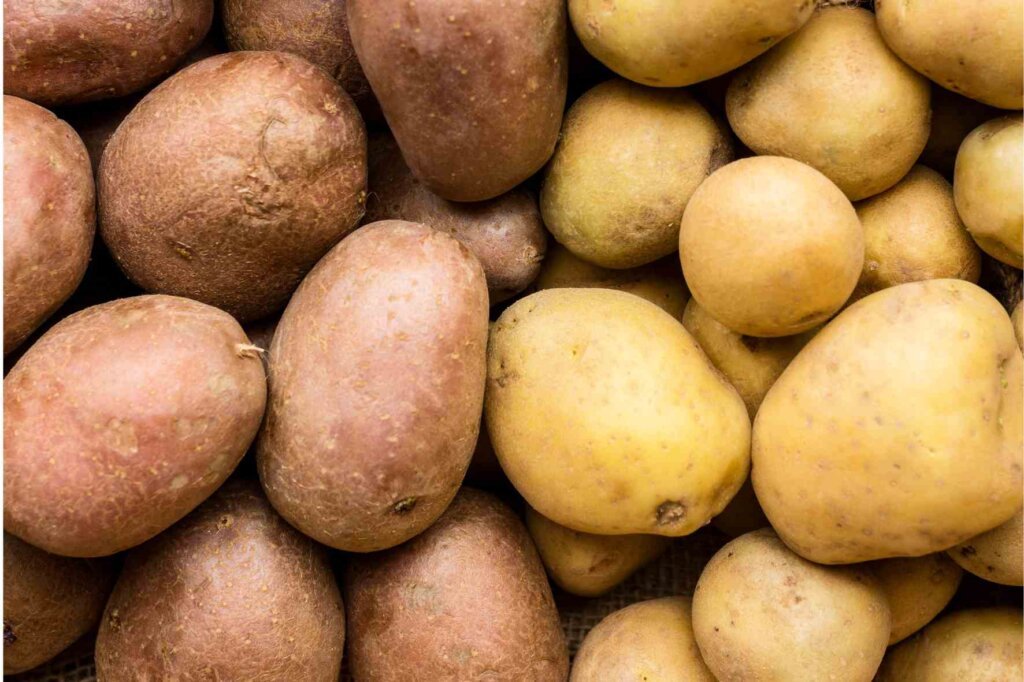
The type of potato you choose has a major effect on the final texture. Some potatoes become light and fluffy when cooked. Others remain firm and may produce a dense or sticky mash.
For the smoothest mashed potato purée, choose a floury or high-starch variety. These potatoes break apart easily after cooking. They also absorb butter and cream without requiring too much mixing.
High-Starch Potatoes Create a Lighter Texture
Russet potatoes are one of the best choices for mashed potatoes. They contain plenty of starch and have a relatively dry interior. As a result, they become soft and fluffy when cooked.
Their dry texture also allows them to absorb butter and cream well. This helps you create a rich purée without making it watery.
However, Russet potatoes may not be available under the same name in every country. When shopping, look for potatoes described as floury, starchy, or suitable for baking and mashing.
Choose potatoes with dry-looking flesh rather than a firm, waxy interior. Your local vegetable seller may also help you select the variety commonly used for mashed potatoes.
Yukon Gold Potatoes Offer a Naturally Creamy Flavor
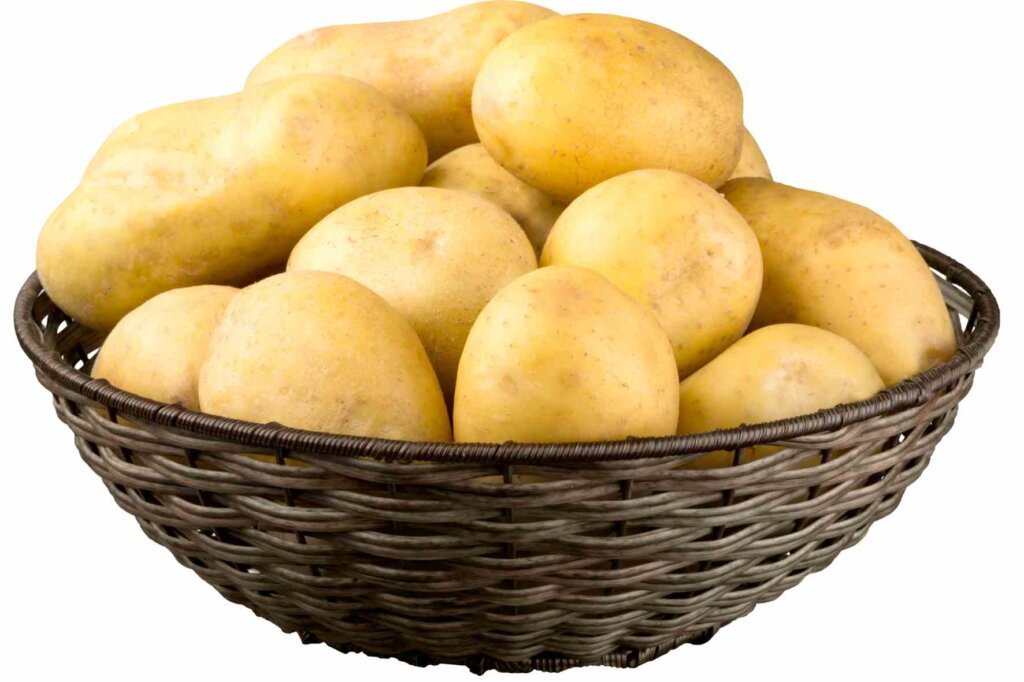
Yukon Gold potatoes are another excellent option. They contain less starch than Russet potatoes, but they have a naturally buttery flavor and a creamy yellow interior.
They produce a slightly denser purée. However, the result still feels smooth and rich. You can also combine Yukon Gold and Russet potatoes to balance flavor and lightness.
A mixture gives you the fluffy texture of a high-starch potato and the creamy taste of a golden variety.
Avoid Very Waxy Potatoes
Waxy potatoes contain more moisture and less starch. They hold their shape well after cooking, which makes them ideal for salads, soups, and roasted dishes.
However, this quality makes them less suitable for mashed potato purée. They require more pressure and mixing to break down. Excessive mixing releases too much starch and can make the potatoes sticky.
Red potatoes, fingerling potatoes, and some small new potatoes usually fall into this category. You can still mash them for a rustic dish. However, they may not produce the silky texture expected from a refined purée.
Check the Potatoes Before Cooking
Regardless of the variety, choose firm potatoes without soft areas or deep cuts. Avoid potatoes with green skin because the green color can indicate higher levels of solanine. You should also remove any sprouts before cooking.
Try to select potatoes of a similar size. This helps them cook evenly, especially when you bake them whole. If one potato remains firm while the others become soft, the purée may contain small lumps.
Choosing the right potato makes the remaining steps much easier. Once the potatoes become soft and dry, you can incorporate the butter and cream gently. This produces a smooth mashed potato purée without excessive mixing.
Why Baking Potatoes Improves Mashed Potato Purée
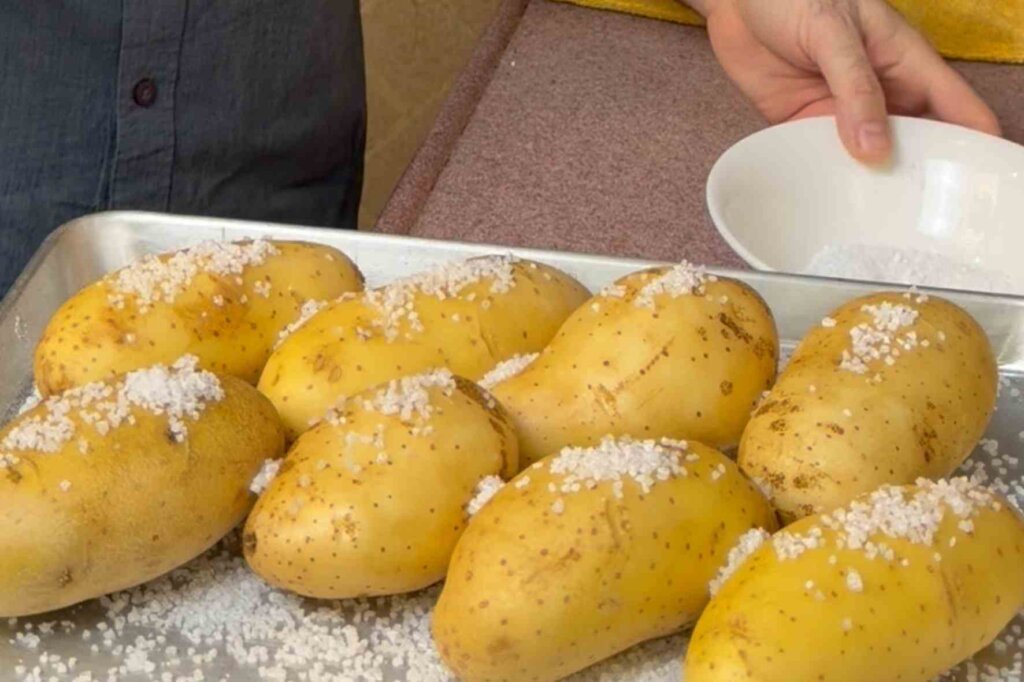
Many mashed potato recipes begin by boiling peeled potatoes in water. This method works well and saves time. However, baking the potatoes can produce a lighter and more flavorful purée.
Potatoes absorb some water while boiling. If they become waterlogged, they may taste diluted. The additional moisture can also prevent them from absorbing the butter and cream properly.
Baking avoids this problem. The dry heat cooks the potatoes without placing them in water. As a result, their flavor remains concentrated, and the flesh develops a light, fluffy texture.
Baked Potatoes Absorb Butter and Cream Better
The dry interior of a baked potato can absorb fat and liquid more effectively. Therefore, you can add butter and warm cream while maintaining a rich potato flavor.
This balance is important. The purée should feel creamy, but it should still taste like potatoes. Too much water can weaken the flavor and create a loose consistency.
Furthermore, baked potatoes require less handling. Once the flesh becomes completely tender, it separates easily from the skin. You can then pass it through a potato ricer or mash it while it remains hot.
How to Bake Potatoes for Purée
Choose potatoes of a similar size so they finish cooking at the same time. Wash them well, dry them, and pierce each potato several times with a fork.
Place the potatoes directly on an oven rack or on a baking tray. Bake them until a knife slides easily into the center. The exact time will depend on their size and your oven.
Do not remove them while the centers remain firm. Undercooked potatoes create small lumps that become difficult to remove later.
Once baked, cut the potatoes open carefully. Scoop out the flesh while it remains hot, but protect your hands from the steam. Hot potatoes pass through a ricer more easily and absorb butter more evenly.
Do Not Let the Potatoes Cool Completely
Cold potato starch becomes firmer. Therefore, cooled potatoes require more force and mixing to reach a smooth consistency.
Too much mixing may release excess starch and turn the mashed potato purée gluey. For that reason, prepare your butter, warm cream, and seasonings before removing the potatoes from the oven.
Working while everything remains warm gives you better control. It also helps you create a smooth mashed potato purée with less effort and minimal mixing.
Why Mashed Potato Purée Sometimes Becomes Gluey
A good mashed potato purée should feel smooth, light, and creamy. However, improper handling can turn it sticky, stretchy, or glue-like.
This problem usually develops when the potatoes release too much starch. Potatoes naturally contain starch, but aggressive mixing breaks down their cells. The released starch then combines with moisture and creates a thick, elastic texture.
Overmixing Is the Main Cause
The longer you mix the potatoes, the more starch they release. Therefore, stop as soon as the butter, cream, and seasonings become evenly incorporated.
Avoid beating the potatoes with an electric mixer. Although this method works quickly, it can make the purée sticky within minutes.
Instead, pass the hot potatoes through a ricer or food mill. Then, fold in the remaining ingredients gently with a spatula or wooden spoon.
Never Use a Blender or Food Processor
Blenders and food processors use fast, sharp blades. These blades damage the potato cells and release a large amount of starch.
At first, the potatoes may appear smooth. However, they soon become shiny, elastic, and difficult to serve.
Unfortunately, adding more cream or butter will not restore the original texture. It may loosen the mixture slightly, but the purée will remain gluey.
Work While the Potatoes Are Hot
Hot potato flesh passes easily through a ricer. In contrast, cold potatoes become firm and require more pressure to mash.
This extra handling increases the risk of releasing too much starch. Therefore, prepare the other ingredients before the potatoes finish baking.
Open the potatoes, remove the flesh, and mash it while it remains hot. Then, add the butter and warm cream without unnecessary delay.
Add the Ingredients in the Right Order
Add the butter before pouring in the cream. The melted butter coats some of the potato starch and helps maintain a smooth texture.
Next, add the warm cream gradually. Stir gently after each addition and stop once the mashed potato purée reaches the desired consistency.
Pouring in all the cream at once makes the texture harder to control. You may end up mixing for too long while trying to combine everything evenly.
Can You Fix Gluey Mashed Potatoes?
You cannot completely reverse gluey mashed potatoes. However, you do not need to throw them away.
Spread them in a baking dish, add cheese on top, and bake until golden. You can also use them to make potato cakes, croquettes, or a savory pie topping.
The texture matters less in these dishes because the potatoes combine with other ingredients. Still, prevention remains the best approach. Use the right potatoes, work while they are hot, and mix them as little as possible.
How to Season Mashed Potato Purée
Potatoes have a mild flavor, so careful seasoning makes a noticeable difference. Without enough salt, even a rich mashed potato purée can taste flat.
However, seasoning does not mean adding a large amount of salt at the end. Taste the purée as you combine the ingredients. This gives you greater control over the final flavor.

Understanding how to season food properly can improve far more than this recipe. Salt works best when it supports the natural flavor of each ingredient rather than covering it.
Add Salt Gradually
At first, put salt in the baking tray, and on the potatoes while baking them.
Add some salt after mashing the hot potatoes. Then, taste the purée again after adding the butter and cream.
Fat can soften the effect of salt. Therefore, the purée may need a final adjustment once all the ingredients are combined.
Add only a small amount each time. You can always add more, but you cannot easily remove excess salt.
Why White Pepper Works Well
White pepper adds gentle heat without leaving dark specks throughout the potatoes. It gives the mashed potato purée a clean and refined appearance.
Its flavor also blends well with butter and cream. However, white pepper can taste strong when used excessively. Start with a small quantity and adjust it carefully.
You can use black pepper if you prefer its flavor. The dark specks will make the presentation look more rustic, but they will not harm the dish.
Use Nutmeg Carefully
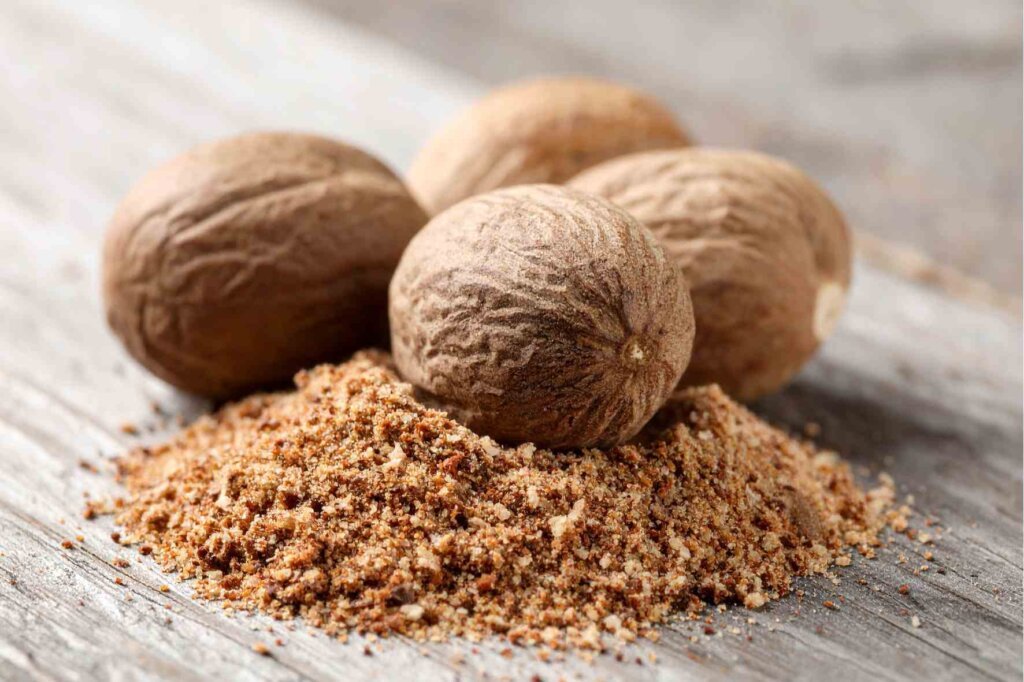
A small pinch of nutmeg adds warmth and depth. It complements potatoes, butter, and cream especially well.
However, nutmeg should remain in the background. Too much can overpower the mild potato flavor and give the purée an unwanted sweetness.
Freshly grated nutmeg usually has a stronger aroma than pre-ground nutmeg. Therefore, use even less if you grate it directly into the bowl.
Taste Before Serving
Always taste the mashed potato purée immediately before serving. Check the salt, pepper, and consistency while it remains warm.
The flavor should feel balanced and buttery. No single seasoning should dominate the potatoes.
This final taste gives you one last opportunity to make a small adjustment. Often, a little salt is all the purée needs to taste complete.
How to Store and Reheat Mashed Potato Purée
Mashed potato purée tastes best when served fresh. However, you can prepare it ahead when planning a large meal or entertaining guests.
Proper storage protects both its texture and food safety. It also makes reheating much easier.
Refrigerating Mashed Potato Purée
Transfer the purée to a shallow, airtight container. Shallow containers allow food to cool more quickly and evenly.
Do not leave it at room temperature for several hours. The USDA recommends refrigerating leftovers within two hours of cooking. That time drops to one hour when the temperature rises above 32°C.
Store the mashed potato purée in the refrigerator for up to three or four days. Keep it covered so it does not absorb other food odors or develop a dry surface.
Can You Freeze Mashed Potato Purée?
Yes, you can freeze it. The butter and cream help protect its texture during freezing and reheating.
Divide the purée into small portions before placing it in airtight freezer containers. Smaller portions cool and thaw more evenly. They also allow you to reheat only the amount you need.
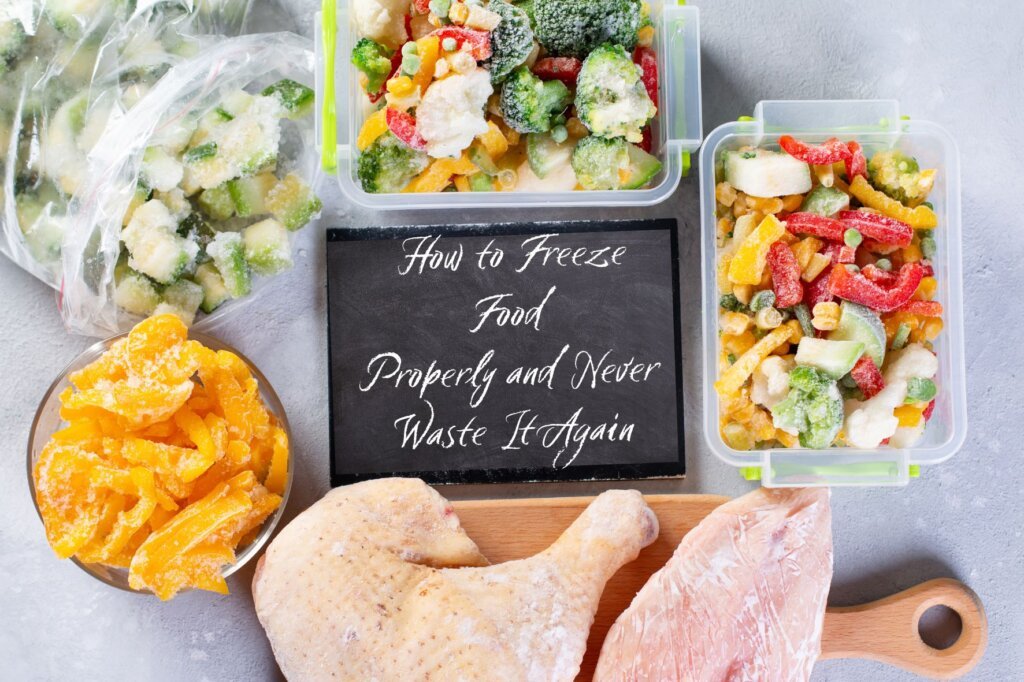
For more practical advice about containers, portioning, and protecting food from freezer burn, read my guide on how to freeze food.
Thaw the purée overnight in the refrigerator when possible. You can also reheat it directly from frozen, but it will take longer.
Reheating on the Stovetop
Place the mashed potato purée in a saucepan over low heat. Add a small amount of cream or milk to restore moisture.
Stir gently and only when needed. Constant stirring may make the potatoes sticky.
Once the purée becomes hot, add a small piece of butter if the texture seems dry. Taste it before serving and adjust the seasoning if necessary.
Reheating in the Microwave
Place the purée in a microwave-safe dish and cover it loosely. Add a small spoonful of cream or milk before heating.
Heat it in short intervals. Stir gently between each interval so it warms evenly.
Covering the dish helps retain moisture. It also prevents the surface from becoming dry.
Reheating in the Oven
The oven works well when reheating a larger quantity. Transfer the purée to an oven-safe dish and cover it with foil or a lid.
Add a few small pieces of butter across the surface. Then, heat the purée until it becomes hot throughout.
For food safety, reheated leftovers should reach 74°C. Use a food thermometer to check the center, especially when reheating a deep dish.
Avoid reheating the same portion several times. Instead, remove only what you plan to serve and keep the remaining purée refrigerated.
Flavor Variations for Mashed Potato Purée
The basic mashed potato purée has a delicate buttery flavor. Therefore, it pairs well with many main dishes. However, you can also adapt it with herbs, cheese, garlic, or other vegetables.
Always prepare the basic purée first. Then, fold in the additional ingredients gently. This protects the texture and prevents overmixing.
Roasted Garlic Mashed Potatoes
Roasted garlic adds a mild, slightly sweet flavor. It tastes much softer than raw garlic and blends easily into the potatoes.
Squeeze the soft roasted cloves from their skins and mash them into a paste. Then, fold the paste into the finished purée.
Start with a small amount and taste before adding more. The garlic should complement the potatoes rather than dominate them.
Cheese Mashed Potato Purée
Finely grated Parmesan, Gruyère, or cheddar can make the purée richer. Add the cheese while the potatoes remain warm so it melts evenly.
Reduce the salt at first because many cheeses already taste salty. Once the cheese has melted, taste the purée and adjust the seasoning.
Avoid adding large pieces of cheese. They may melt unevenly and make the texture stringy.
Fresh Herb Variation
Chives, parsley, dill, and thyme can add freshness and color. Chop the herbs finely and fold them in shortly before serving.
Use one herb or combine two that suit the main course. For example, thyme works well with beef, while dill pairs nicely with fish.
Do not add too many herbs. Mashed potato purée should still have a clear potato flavor.
Pesto Mashed Potatoes
For a colorful variation, fold a small amount of homemade pesto sauce into the finished purée. The basil, cheese, and nuts add a fresh Italian flavor.
Add the pesto gradually because its flavor can be strong. It will also change the purée from pale cream to light green.
This variation works especially well with grilled chicken, roasted vegetables, or fish.
Mashed Potatoes with Other Vegetables
You can replace part of the potato with cooked sweet potato, pumpkin, cauliflower, or celeriac. Each vegetable changes the flavor, color, and consistency.
Make sure the additional vegetable does not contain too much water. Roast or drain it well before combining it with the potatoes.
Start by replacing only one-quarter of the potato. This keeps the familiar texture while adding a new flavor.
Truffle Mashed Potato Purée
A small amount of truffle oil can create a luxurious version. Add only a few drops after mixing in the butter and cream.
Truffle oil has a powerful aroma, so use it carefully. Too much can overpower the entire dish.
These variations allow you to match the mashed potato purée to different meals. Still, the classic butter and cream version remains the most versatile choice.
How to Present Mashed Potato Purée
Mashed potato purée can look rustic or elegant, depending on how you serve it. A few simple techniques can improve the presentation without changing the recipe.
Always serve the purée warm. Cold mashed potatoes lose their soft texture and may form a dry surface.
Warm the Serving Plate
A cold plate can cool the purée quickly. Therefore, warm the plate slightly before serving.
The plate should feel warm but not dangerously hot. This small step keeps the butter soft and preserves the creamy consistency.
It also gives you more time to arrange the main course and sauce.
Use the Purée as a Base
Spoon the mashed potato purée into the center of the plate. Then, use the back of the spoon to create a soft curve or shallow well.
Place the meat, chicken, or vegetables partly over the purée. This allows the cooking juices or sauce to flow into the potatoes.
This presentation works especially well with stews, stroganoff, meatballs, and other dishes containing sauce.
Pipe the Purée for an Elegant Finish
For a restaurant-style presentation, transfer the warm purée to a piping bag fitted with a wide nozzle.
Pipe small portions around one side of the plate. Keep the sizes similar, but do not worry if each one looks slightly different.
Leave enough empty space for the main ingredient. A grilled steak can sit in the center, while the piped purée creates an attractive border.
Avoid using a narrow nozzle. The purée may become difficult to pipe, and excessive pressure can affect its texture.
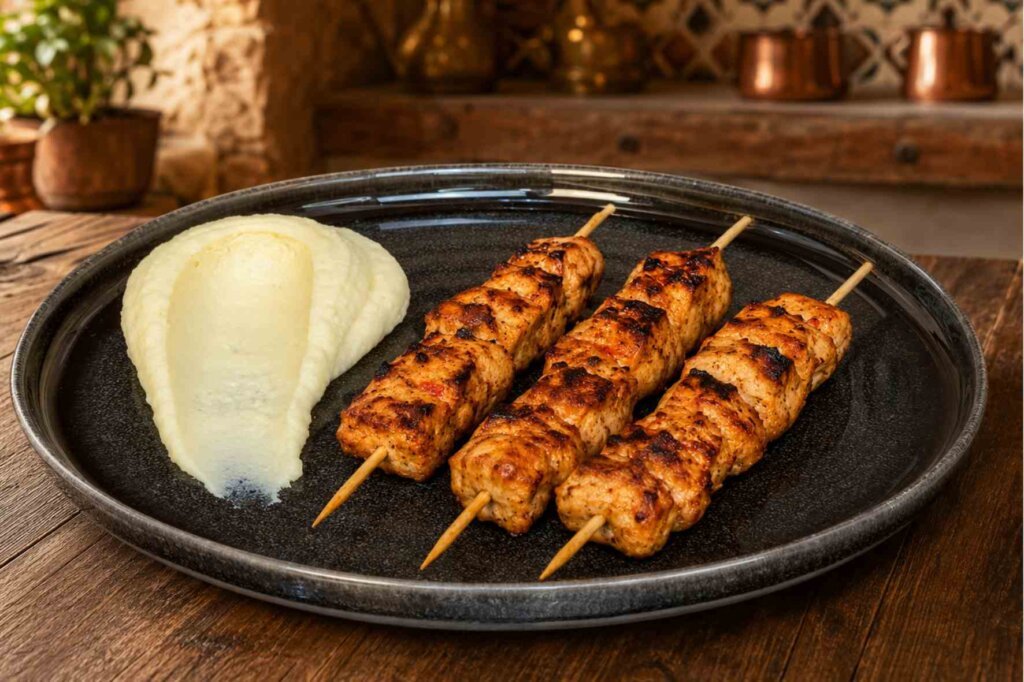
Keep Casual Meals Simple
You do not need a piping bag for every meal. For a family dinner, a generous spoonful of purée often looks more inviting.
Serve it beside chicken tawook, grilled meat, or crispy chicken. Add the main ingredient first, then spoon a small amount of sauce or cooking juice near the potatoes.
Do not pour too much sauce over crispy food. Keeping the sauce beside it protects the crunchy coating.


Add a Simple Garnish
A small garnish can add color to the pale purée. Try chopped chives, parsley, thyme leaves, or a light sprinkle of white pepper.
You can also add a small piece of butter and allow it to melt naturally across the warm surface.
Keep the garnish simple. Too many herbs or decorations may hide the smooth texture that makes mashed potato purée appealing.
Finally, wipe the edge of the plate before serving. A clean rim makes even a simple dish look more polished.
Frequently Asked Questions About Mashed Potato Purée
Can I use milk instead of fresh cream?
Yes, you can replace the cream with whole milk. However, the purée will taste lighter and may feel less rich.
Warm the milk before adding it. Then, pour it gradually until you reach the desired consistency.
Do I need to peel the potatoes before baking?
No. Bake the potatoes with their skins intact. The skins protect the flesh and help prevent it from drying too quickly.
After baking, cut each potato open and scoop out the soft interior. Discard the skins or save them for another recipe.
Can I make mashed potato purée without a potato ricer?
Yes. A regular potato masher can produce good results when the potatoes are completely soft.
Mash gently while the potatoes remain hot. Stop once no large lumps remain, and avoid vigorous mixing.
Why is my mashed potato purée too loose?
The purée may become loose if you add too much cream at once. Watery potatoes can also cause a thin consistency.
Return the purée to very low heat and stir gently for a short time. This can help some excess moisture evaporate. Do not cook it for too long because the potatoes may become sticky.
Can I prepare the purée before my guests arrive?
Yes. Prepare it earlier in the day and store it safely in the refrigerator.
Reheat it slowly with a little cream or butter. Stir only as needed to restore the smooth texture.
Can I make dairy-free mashed potato purée?
Yes. Replace the butter with a dairy-free alternative or olive oil. You can also use unsweetened plant-based milk instead of cream.
Choose a milk with a mild flavor. Strongly flavored products may overpower the potatoes.
Which main dishes pair well with mashed potatoes?
Mashed potatoes pair well with steak, roast chicken, meatballs, stews, and mushroom sauces. You can also serve them with butter chicken instead of rice.
The purée absorbs the flavorful sauce and creates a rich, comforting meal. For a lighter contrast, serve fresh or roasted vegetables on the side.
Final Thoughts on Mashed Potato Purée
Mashed potato purée may use simple ingredients, but each step affects the final result. Choosing the right potatoes creates a better base. Meanwhile, baking them keeps the flesh dry and flavorful.
Work while the potatoes remain hot, and avoid aggressive mixing. Add the butter first, followed by warm cream. Then, season gradually until the flavor feels balanced.
The finished purée should taste rich without feeling heavy. It should also remain smooth enough to spoon or pipe onto the plate.
Serve it with steak, roasted chicken, stroganoff, stews, or grilled vegetables. You can keep the classic flavor or try one of the variations shared above.
Once you understand the basic method, mashed potato purée becomes a dependable side dish for both family meals and elegant dinners.
For more professional recipes and practical cooking demonstrations, visit my YouTube channel and subscribe. You will find clear techniques that help you prepare restaurant-style food in your own kitchen.

Chef François El Aaraj is a corporate chef and culinary consultant with more than 30 years of experience in professional kitchens and restaurant openings across Lebanon and abroad. Through this website, he shares authentic recipes, cooking techniques, and chef secrets designed to help home cooks create flavorful meals with confidence.
Leave a Reply