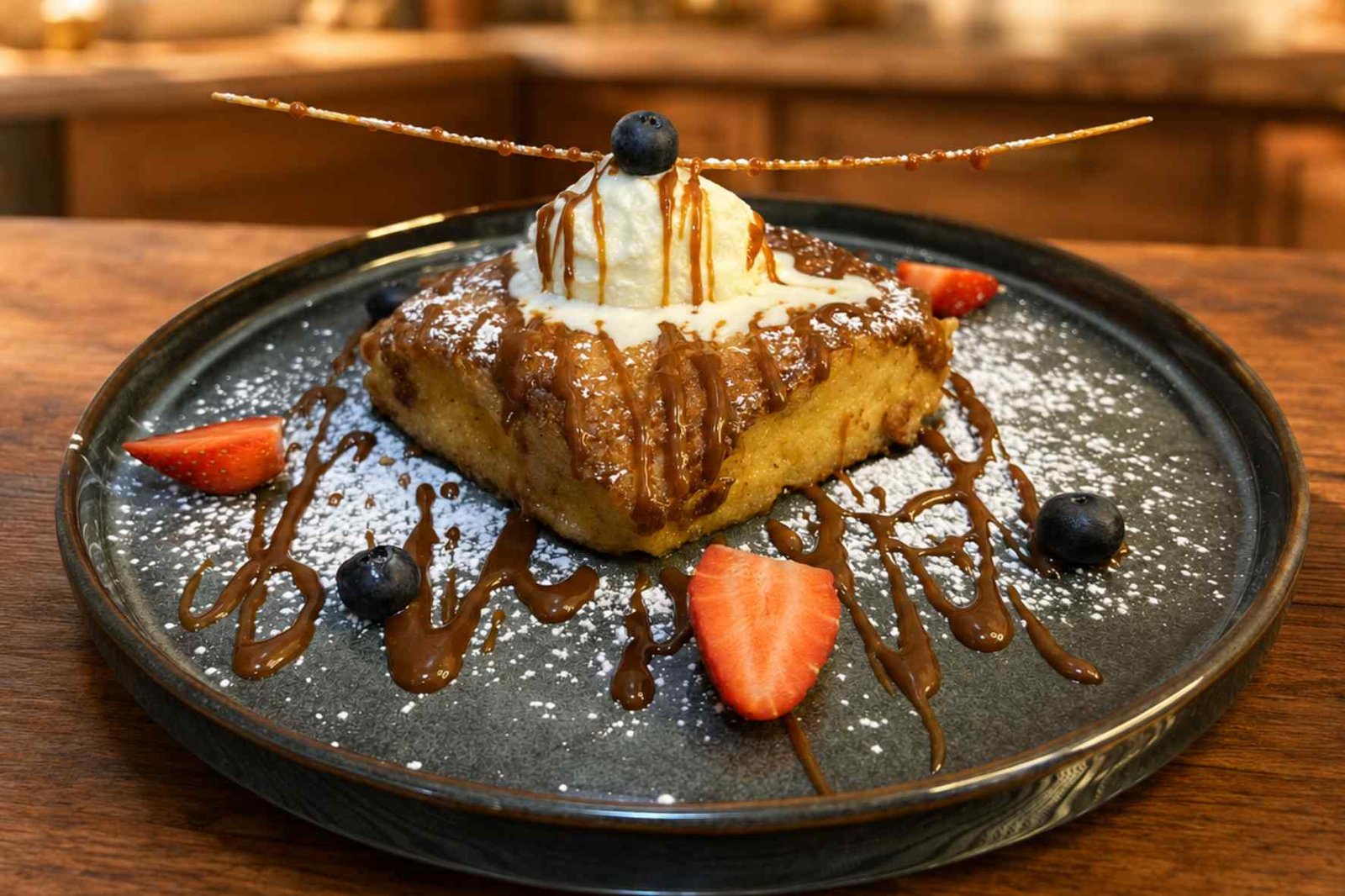
French toast has always been one of my daughters’ favorite desserts. They love its golden caramelized surface, soft center, and rich vanilla flavor. However, the generous toppings make it even more tempting. A scoop of vanilla ice cream, warm caramel sauce, and fresh berries can transform a simple slice of bread into an irresistible dessert.
As a chef and a father, I always enjoy preparing the dishes my daughters love. Yet busy days do not always leave enough time to cook everything from the beginning. Therefore, I prepare several pieces of French toast ahead of time and freeze them individually.
This simple habit makes life much easier. Whenever my daughters crave something sweet, they can take one piece from the freezer and heat it. Within minutes, they have a warm and comforting dessert ready to enjoy.
Preparing French Toast Ahead of Time
I cook the French toast before freezing it. Then, I allow each piece to cool completely. This step is very important because warm food creates condensation inside the container. As a result, ice crystals may form and affect the texture.
Once the pieces have cooled, I wrap them separately. Individual wrapping prevents them from sticking together. It also allows my daughters to remove only the number of pieces they need.
Afterward, I place the wrapped pieces inside a freezer-safe container or bag. I always write the preparation date on the package. Proper labeling helps us use the oldest food first and avoid unnecessary waste.
When it is time to serve, we reheat the French toast until the center becomes warm and the outside regains some of its caramelized texture. An oven or air fryer usually produces a better result than a microwave. However, the microwave remains convenient when someone wants a quick treat.
I freeze only the cooked French toast, without the ice cream, caramel sauce, fruit, or confectioners’ sugar. We add those ingredients after reheating. This keeps every topping fresh and allows each person to create their preferred combination.
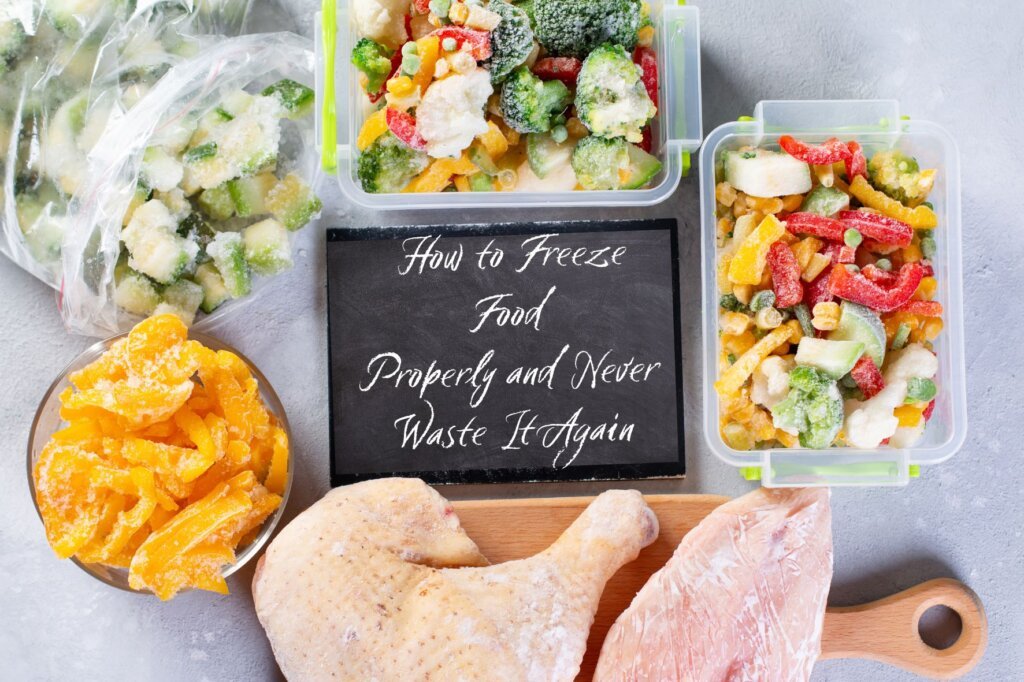
Freezing food correctly can save time, reduce waste, and make homemade meals more convenient. If you want to learn more, read my complete guide on how to freeze food properly. It explains how to cool, wrap, label, store, and defrost different foods safely.
For me, this recipe offers more than a beautiful dessert. It gives my daughters the comfort of enjoying one of their favorite treats whenever they want—even when I am not there to prepare it for them.
Are Pain Perdu and French Toast the Same?
Yes, pain perdu and French toast refer to the same basic dish. Both recipes use bread soaked in a mixture of milk and eggs. The bread then cooks in butter until it develops a golden surface and a soft center.
However, the name and preparation style may change from one country to another. In France, people call the dish pain perdu. In English-speaking countries, most people know it as French toast.
The French expression pain perdu translates to “lost bread.” Traditionally, families used this method to save bread that had become dry or stale. Instead of throwing it away, they soaked it in milk and eggs. The liquid softened the bread and made it enjoyable again. Therefore, the recipe gave “lost” bread a delicious second life.
This technique also reduced food waste. In the past, bread was an important part of every household meal. Families rarely discarded it. Instead, they found practical ways to transform leftovers into new dishes.
From Leftover Bread to an Elegant Dessert
Traditional pain perdu began as a simple and economical recipe. However, chefs eventually transformed it into a refined breakfast and dessert.
Today, many restaurants prepare pain perdu with thick slices of brioche. Brioche contains butter and eggs, so it already has a rich flavor and tender texture. Once it absorbs the custard mixture, it becomes soft and creamy inside. Meanwhile, butter and sugar create a golden, caramelized crust.
French toast can also use sandwich bread, challah, sourdough, or another firm loaf. However, thick brioche produces a more luxurious result. For this reason, I prefer it for this dessert-style version.
My recipe also takes the traditional idea further. I soak the brioche in a rich mixture of cream, milk, egg yolks, vanilla, sugar, and cinnamon. Then, I coat and cook it with brown sugar and butter. The sugar caramelizes around the bread and creates a beautiful contrast between the crisp surface and the tender center.
Why Do We Call It French Toast?
The name “French toast” does not describe one strict recipe. Instead, it refers to a family of dishes made by soaking bread in an egg-based mixture before cooking it.
Different countries have their own versions. Some people serve it for breakfast with maple syrup and fruit. Others add cinnamon, honey, jam, or confectioners’ sugar. Restaurants may turn it into a plated dessert with ice cream, caramel, or chocolate sauce.
Therefore, you can call this recipe either pain perdu or French toast. Both names are correct. Pain perdu highlights its French identity and traditional roots. French toast is the more familiar international name.
No matter which name you choose, the idea remains the same: transform bread into something warm, rich, and comforting. What began as a clever way to reuse stale bread has become one of the world’s most popular breakfast dishes and desserts.
Why Brioche Makes the Best French Toast
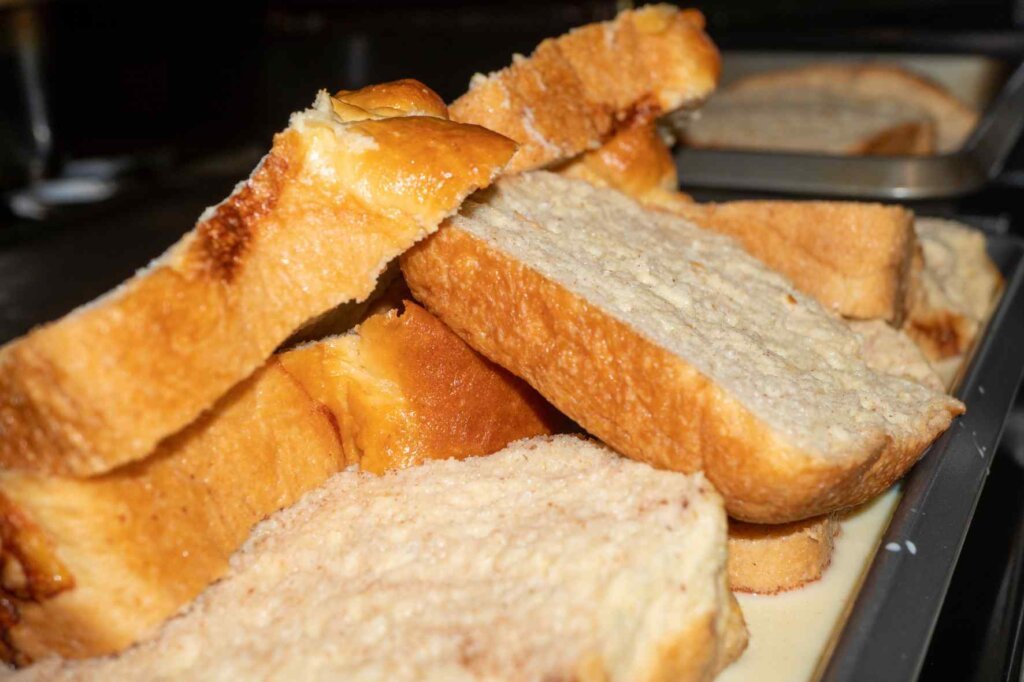
You can prepare French toast with several types of bread. However, brioche produces one of the richest and most satisfying results. Its tender crumb absorbs the custard mixture beautifully. At the same time, its buttery structure helps each piece remain soft without falling apart.
Brioche already contains butter, milk, and eggs. Therefore, it has a richer flavor than regular sandwich bread. When you soak it in cream, milk, egg yolks, vanilla, and cinnamon, it becomes even more indulgent.
The result feels closer to a plated dessert than a simple breakfast. The center becomes soft and custardy, while the outside develops a golden caramelized crust.
Choose Thick Slices
The thickness of the bread makes a noticeable difference. Thin slices absorb liquid quickly, but they can become too soft. They may also tear when you lift them from the custard mixture.
For this recipe, choose thick brioche slices. Each slice should absorb enough liquid to create a creamy center while remaining firm enough to handle.
Thick bread also creates a better contrast between textures. The outside becomes crisp and caramelized. Meanwhile, the center stays moist, tender, and rich.
If your brioche loaf feels extremely fresh and delicate, allow the slices to sit uncovered for a short time. Slightly dry bread absorbs the mixture more evenly. However, you do not need to wait until it becomes completely stale.
Avoid Bread That Is Too Soft
Fresh brioche can sometimes feel very light and fragile. If you soak it for too long, it may collapse or break apart. Therefore, handle each slice gently and watch how quickly it absorbs the liquid.
The perfect soaking time depends on the bread’s thickness and freshness. Slightly dry slices may need more time. Fresh slices usually need less.
Pressing or squeezing the bread will damage its structure. Instead, place it gently in the mixture and turn it carefully. Allow the custard to enter the center naturally.
Can You Use Another Type of Bread?
Yes, you can replace brioche if necessary. Challah offers a similar soft and rich texture. Thick white bread can also work, especially when it has a firm crumb.
Sourdough creates a stronger flavor and a chewier result. Regular sandwich bread works for a quick homemade breakfast, but it will not produce the same luxurious texture.
Whatever bread you choose, avoid very thin or overly airy slices. The bread must hold the custard without falling apart during cooking.
For this recipe, brioche remains my first choice. It supports the creamy filling, caramelized coating, and generous toppings. Most importantly, it turns a familiar French toast recipe into an elegant dessert worthy of a restaurant menu.
How to Soak Brioche Without Making It Soggy
Soaking the bread may look like the easiest part of the recipe. However, this step strongly affects the final texture. The brioche must absorb enough custard to become creamy inside. At the same time, it must remain firm enough to lift, coat, and cook.
If you soak it too briefly, the center may stay dry. If you leave it too long, the slice may collapse. Therefore, the goal is to achieve even absorption without weakening the bread.
Let the Custard Reach the Center
Place each brioche slice gently into the custard mixture. Allow the first side to absorb some liquid. Then, turn it carefully and soak the second side.
Do not press the bread firmly into the mixture. Pressing can damage its delicate crumb and force too much liquid into the outer layers. Instead, let the brioche absorb the custard naturally.
The soaking time depends on the bread. Thick, slightly dry slices need more time than fresh ones. For this reason, watch the texture instead of relying only on the clock.
The slice should feel heavier after soaking. However, it should not bend excessively when you lift it.
Work With Slightly Dry Brioche
Slightly dry brioche works especially well for pain perdu. It absorbs the custard more evenly and usually holds its shape better.
If your brioche is very fresh, cut it into thick slices and leave them uncovered for a short time. You can also place them on a tray so air reaches both sides.
This step does not mean the bread must become completely hard. You only want to remove some surface moisture. The inside should remain tender.
Traditionally, pain perdu offered a way to use bread that was no longer fresh. In fact, the name means “lost bread.” Therefore, using slightly dry brioche stays faithful to the original idea behind the recipe.
Handle Every Slice Carefully
Custard-soaked brioche becomes delicate. Always lift it with a wide spatula or both hands. Support the entire slice instead of holding it from one corner.
After lifting the bread, allow the excess mixture to drip back into the bowl. However, do not squeeze the slice. Removing too much custard can leave the center dry.
Transfer the soaked brioche directly to a clean tray if you are not cooking it immediately. Avoid stacking the pieces because they may stick together or lose their shape.
Do Not Soak Every Piece at Once
When preparing several servings, work in small batches. Soak only the pieces you can cook shortly afterward.
If soaked brioche sits for too long, the custard continues moving through the crumb. As a result, the bread may become fragile before it reaches the pan.
Working in batches also helps you adjust the soaking time. After cooking the first piece, cut or taste it if necessary. If the center feels too dry, soak the next piece slightly longer. If it feels too wet, reduce the soaking time.
Look for the Right Texture
Properly soaked brioche should have a moist center without becoming mushy. Once cooked, it should feel almost custard-like inside. Meanwhile, the exterior should remain strong enough to develop a caramelized crust.
This contrast makes pain perdu special. The outside offers a light crispness and deep caramel flavor. Then, the center gives you a soft, rich, and comforting texture.
Careful soaking creates that balance. Therefore, take your time with this step. A few extra moments of attention can completely change the final result.
Let’s Make French Toast
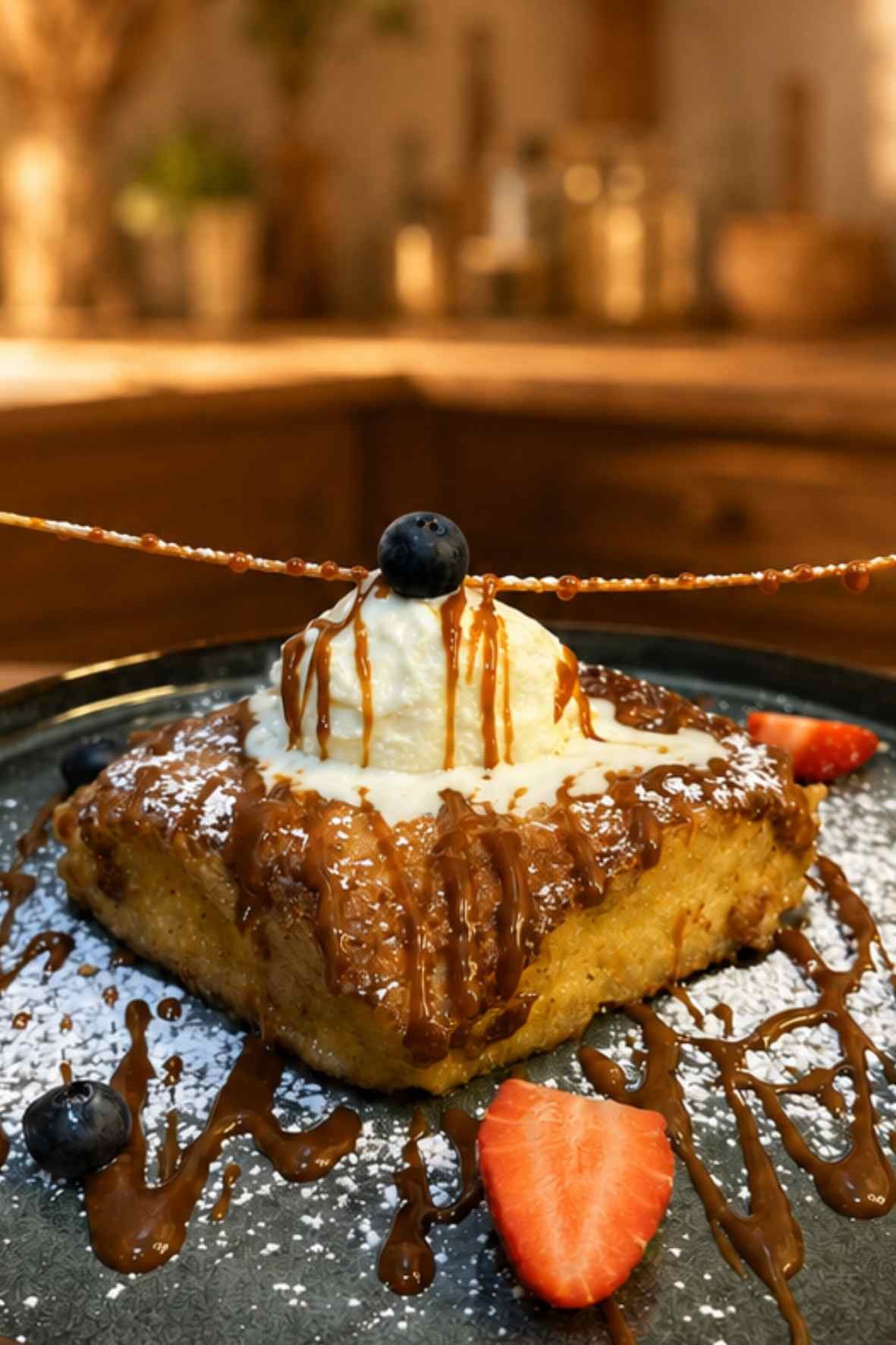
French Toast
Ingredients
Equipment
Method
- In a large bowl, combine the milk, cream, granulated sugar, egg yolks, cinnamon, and vanilla.
- Whisk vigorously until the yolks are fully incorporated and the sugar has completely dissolved.
- Set this mixture aside.
- Take your brioche loaf and trim off the outer crusts.
- Slice the bread into very thick portions (approximately 1.5 to 2 inches thick).
- You want them thick so they can soak up the liquid without falling apart.
- Place the brioche slices into the custard mixture.
- Flip them several times to ensure the liquid penetrates deep into the center of the bread.
- Let them soak for a minute or two while you heat the pan.
- Heat a large frying pan over medium-low heat and melt a generous knob of butter.
- Take the soaked bread and press all sides (including the edges) into a plate of brown sugar.
- Place the bread in the pan.
- Fry slowly, flipping occasionally, until every side has a deep, golden-brown caramelized crust.
- Remove from the pan and set on a plate.
- Heat a small amount of oil in a saucepan.
- Break the dry spaghetti strands in half and fry them for a few seconds until they turn golden brown.
- Remove immediately and drain on a paper towel.
- Place the caramelized toast in the center of the plate.
- Top with a large scoop of vanilla ice cream.
- Gently press the fried spaghetti into the ice cream for height and texture.
- Dust the entire plate with powdered sugar.
- Drizzle generously with caramel sauce.
- Finish by decorating with fresh strawberries and blueberries.
Video
What to Serve With French Toast
French toast can become a simple breakfast or an indulgent dessert. The toppings make the difference. While classic versions often include maple syrup, fruit, or confectioners’ sugar, this pain perdu deserves a more generous presentation.
I serve it warm with vanilla ice cream, homemade caramel sauce, berries, and a light dusting of confectioners’ sugar. The warm bread slowly melts the ice cream, while the cold creaminess contrasts beautifully with the caramelized crust.
Homemade Caramel Sauce
Caramel sauce is one of my favorite additions to French toast. Its buttery flavor complements the cinnamon, vanilla, and brown sugar in the recipe. It also adds moisture without hiding the taste of the brioche.
For the best result, warm the caramel slightly before serving. It should pour easily but remain thick enough to coat the toast. You can drizzle it over the ice cream or serve it on the side.
You can find my complete homemade caramel sauce recipe on the website and YouTube channel. It is useful for much more than pain perdu. You can also serve it with brownies, pancakes, waffles, cakes, cheesecakes, and many other desserts.
Chocolate Sauce
Chocolate sauce offers another delicious option. Dark chocolate creates a richer and less sweet result. Meanwhile, milk chocolate gives the dessert a softer, creamier flavor.
White chocolate can also work, especially when paired with strawberries or raspberries. However, use it lightly because the brioche, caramelized sugar, and ice cream already add plenty of sweetness.
You can replace the caramel completely with chocolate sauce. Alternatively, add a small drizzle of both for a more indulgent dessert.
Vanilla Ice Cream
Vanilla ice cream remains the perfect choice for this recipe. Its simple flavor allows the brioche and caramel to remain noticeable. It also creates a wonderful hot-and-cold contrast when placed over freshly cooked French toast.
Serve the ice cream immediately before bringing the plate to the table. Otherwise, it may melt completely and cover the caramelized surface.
You can also try chocolate, caramel, coffee, or cinnamon ice cream. Each flavor gives the dessert a different character.
Fresh Fruit and Berries
Fresh fruit adds color and balances the richness. Strawberries, blueberries, raspberries, and blackberries all pair beautifully with French toast.
Banana slices also work well with caramel or chocolate sauce. During warmer months, peaches, figs, and mango can add a fresh seasonal touch.
Fruit should support the dessert rather than overcrowd the plate. A few carefully placed pieces usually look more elegant than a large fruit mixture.
Simple Toppings for Breakfast
If you prefer to serve French toast for breakfast, keep the toppings lighter. Add a little honey or maple syrup with fresh fruit. You can also serve it with Greek yogurt instead of ice cream.
Chopped walnuts, almonds, pecans, or pistachios add crunch. A light dusting of cinnamon or confectioners’ sugar can finish the plate without making it too heavy.
French toast gives you plenty of room to be creative. Serve it simply in the morning as breakfast or turn it into a restaurant-style dessert. Either way, choose toppings that create balance between sweetness, freshness, creaminess, and texture.
Is French Toast a Breakfast or a Dessert?
French toast can easily belong to both categories. The basic recipe often appears on breakfast and brunch menus. However, rich brioche and indulgent toppings can transform it into an elegant dessert.
A breakfast version usually includes maple syrup, honey, fruit, or a little confectioners’ sugar. Some people also serve it with yogurt, nuts, or a cup of coffee. These simple additions keep the dish comforting without making it too heavy.
Pain perdu becomes a dessert when we add caramel sauce, chocolate sauce, or ice cream. A thick slice of buttery brioche also gives it the richness of a pastry rather than ordinary breakfast toast.
A Beautiful Choice for Brunch
French toast works especially well for a weekend brunch. You can prepare several toppings and allow everyone to create their own plate.
Fresh berries, sliced bananas, toasted nuts, honey, maple syrup, and chocolate sauce offer plenty of variety. Adults can enjoy it with coffee, while children can choose their favorite fruit and sauces.
You can also prepare the French toast ahead of time. This makes it easier to serve several people without spending the entire morning beside the stove.
An Easy Restaurant-Style Dessert
For dessert, presentation becomes more important. Serve one thick piece of pain perdu while it is still warm. Then, add vanilla ice cream and drizzle it with homemade caramel.
A few berries bring freshness and color. Finally, a light dusting of confectioners’ sugar creates an elegant finish.
The contrast makes this version special. You get warm bread and cold ice cream, a caramelized crust and creamy center, plus rich sauce and fresh fruit in every bite.
Despite its impressive appearance, the dessert uses familiar ingredients. That combination makes it suitable for family meals, dinner parties, and special occasions.
Whether you call it breakfast or dessert depends entirely on how you serve it. For my daughters, it is always a favorite sweet treat. Sometimes, the best recipes do not need to fit into only one category.
Can You Freeze French Toast?
Yes, French toast freezes very well. In fact, this is one of the reasons I enjoy preparing it for my daughters. I often make several pieces ahead of time and keep them in the freezer. Whenever they want something sweet, they can reheat one piece and add their favorite toppings.
Freezing individual servings also prevents waste. You only reheat what you plan to eat, while the remaining pieces stay safely stored.
Freeze Each Piece Separately
Allow the cooked French toast to cool completely before freezing it. Warm food creates condensation, which can lead to ice crystals and a softer texture.
Once cooled, place the pieces on a lined tray without allowing them to touch. Freeze them until firm. Then, wrap each piece separately and transfer them to a freezer-safe bag or container.
Individual wrapping makes serving much easier. It also protects the pieces from freezer burn and prevents them from sticking together.
Always write the preparation date on the package. For the best flavor and texture, enjoy frozen French toast within one to two months.
For more practical advice, visit my complete guide on how to freeze food properly. It explains cooling, wrapping, labeling, freezing, and defrosting in greater detail.
Freeze It Without the Toppings
Freeze the French toast by itself. Do not add ice cream, caramel sauce, confectioners’ sugar, or fresh berries before freezing.
Instead, add the toppings after reheating. This keeps the fruit fresh, the ice cream frozen, and the caramel sauce smooth.
You can store homemade caramel sauce separately in the refrigerator according to its recipe instructions. Warm it gently before serving.
How to Reheat Frozen French Toast
You can reheat French toast directly from frozen. An oven or air fryer will give you the best texture because the dry heat helps refresh the caramelized exterior.
Heat it gently until the center becomes completely warm. Avoid using very high temperatures because the sugar on the outside may burn.
A microwave offers the quickest option. However, it usually creates a softer texture. If you use one, heat the French toast in short intervals to avoid overheating the edges.
Once warm, finish it with vanilla ice cream, caramel or chocolate sauce, fruit, and confectioners’ sugar. It will feel like a freshly prepared dessert without requiring you to start the entire recipe again.
Common French Toast Mistakes
French toast is easy to prepare, but a few mistakes can affect its texture and flavor. Fortunately, you can avoid most problems with small adjustments.
Using Bread That Is Too Thin
Thin bread absorbs the custard quickly and may tear when you move it. It also lacks the soft, creamy center that makes pain perdu special.
Choose thick slices of brioche whenever possible. They hold their shape and create a better contrast between the caramelized exterior and tender center.
Soaking Fresh Bread for Too Long
Very fresh brioche already contains plenty of moisture. Therefore, it can become soggy if it remains in the custard for too long.
Slightly dry bread works better. It absorbs the mixture evenly while maintaining its structure.
Adding Too Much Sugar
This recipe includes sugar in the custard, brown sugar during cooking, and sweet toppings. Adding more can make the finished dessert overwhelming.
Excess sugar may also burn in the pan. Use a light, even coating and control the heat carefully.
Cooking Over High Heat
High heat creates color quickly, but it may burn the outside before the center becomes warm. Use medium or medium-low heat instead.
Give the thick brioche enough time to cook gently. The sugar should caramelize without becoming dark or bitter.
Crowding the Pan
Do not squeeze several large pieces into a small pan. Crowding lowers the temperature and makes flipping difficult.
Cook in batches when necessary. This gives each piece enough space to caramelize evenly.
Serving It Too Late
Pain perdu tastes best while it is warm. If it sits for too long, the crust softens and the center becomes cool.
Prepare the toppings before you begin plating. Then, add the ice cream, sauce, fruit, and confectioners’ sugar just before serving.
Adding the Ice Cream Too Early
Vanilla ice cream creates a beautiful contrast with warm French toast. However, it melts quickly.
Place it on the bread at the last moment. Serve the dessert immediately so guests can enjoy both temperatures and textures.
Frequently Asked Questions
Are Pain Perdu and French Toast the Same?
Yes. Both names describe bread soaked in an egg-and-milk mixture and then cooked until golden.
Pain perdu is the French name and means “lost bread.” The traditional recipe transformed stale bread into a delicious new dish. French toast is the more familiar English name.
What Is the Best Bread for French Toast?
Brioche is my preferred choice for this recipe. It has a buttery flavor and tender crumb. It also absorbs the custard while maintaining its shape.
Challah and thick white bread can also work. Avoid very thin slices because they may become soggy or tear.
Can I Use Fresh Brioche?
Yes, but handle it carefully. Fresh brioche is very soft and may absorb the liquid too quickly.
Cut it into thick slices and leave them uncovered briefly before soaking. This allows the surface to dry slightly.
Can I Prepare the Custard in Advance?
Yes. You can mix the custard, cover it, and refrigerate it for a short time before use. Whisk it again before soaking the bread because the cinnamon may settle or float.
Always keep mixtures containing egg yolks and dairy refrigerated.
Why Is My French Toast Soggy?
The bread may be too thin, too fresh, or soaked for too long. The pan may also be too cool.
Use thick, slightly dry brioche and allow excess custard to drip away. Then, cook it in a properly heated pan without overcrowding.
Why Is My French Toast Burnt Outside but Cold Inside?
The cooking temperature is probably too high. Brown sugar caramelizes quickly, while thick brioche needs more time to warm through.
Lower the heat and cook the bread gradually. If necessary, finish very thick pieces briefly in a moderate oven.
Can I Make French Toast Without Heavy Cream?
Yes. You can replace the cream with more whole milk for a lighter result. However, the center will taste less rich and creamy.
You can also use half-and-half if it is available.
Can I Use Whole Eggs Instead of Egg Yolks?
Yes, although the texture will change slightly. Egg yolks create a richer and smoother custard. Whole eggs produce a firmer texture because of the egg whites.
If you substitute them, whisk the mixture thoroughly to avoid visible cooked egg around the bread.
What Can I Serve With Pain Perdu?
Serve it with homemade caramel sauce, chocolate sauce, vanilla ice cream, or fresh berries. Maple syrup, honey, bananas, toasted nuts, and Greek yogurt also work well.
Choose lighter toppings for breakfast. For dessert, add ice cream and a warm sauce.
Can I Freeze Cooked French Toast?
Yes. Cool each piece completely, freeze it individually, and transfer it to a freezer-safe container.
Add caramel, ice cream, fruit, and confectioners’ sugar only after reheating. You can also read my guide on how to freeze food properly for more storage advice.
How Do I Reheat Frozen French Toast?
An oven or air fryer produces the best texture. Reheat the frozen piece gently until the center becomes completely warm.
A microwave works when you need a quicker option, but it may soften the caramelized crust.
How Long Does French Toast Last in the Refrigerator?
Store cooked French toast in a sealed container and refrigerate it promptly. For the best quality, eat it within two to three days.
Because the recipe contains eggs, cream, and milk, do not leave it sitting at room temperature for an extended period.
Final Thoughts on This French Toast Recipe
French toast proves that familiar ingredients can create an impressive dessert. Thick brioche absorbs the vanilla and cinnamon custard, while butter and brown sugar form a golden caramelized surface. Vanilla ice cream, homemade caramel sauce, and fresh berries complete the plate.
You can serve this recipe for breakfast, brunch, or dessert. You can also change the toppings according to the occasion. Try chocolate sauce, maple syrup, seasonal fruit, or toasted nuts.
Most importantly, you can prepare the French toast ahead of time and freeze individual portions. This is how I keep one of my daughters’ favorite desserts ready for them. Whenever they want a sweet treat, they can reheat one piece and finish it with the toppings they love.
I hope you try this pain perdu recipe and make it part of your own family moments. If you enjoyed it, explore the other dessert recipes, sauces, and practical cooking tips on my website. You can also visit my YouTube channel for the complete video tutorial and more step-by-step recipes.

Chef François El Aaraj is a corporate chef and culinary consultant with more than 30 years of experience in professional kitchens and restaurant openings across Lebanon and abroad. Through this website, he shares authentic recipes, cooking techniques, and chef secrets designed to help home cooks create flavorful meals with confidence.
Leave a Reply