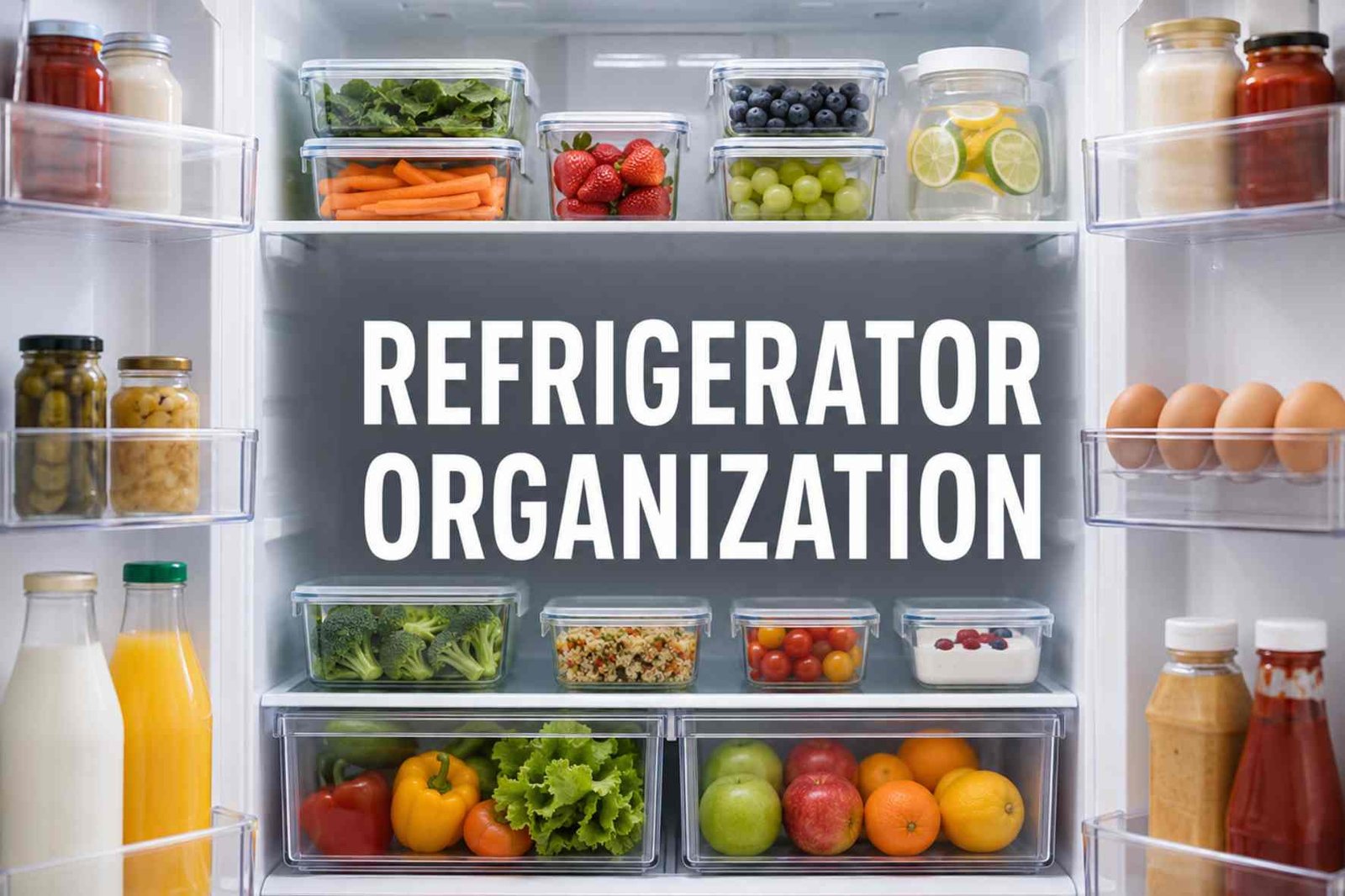
Refrigerator organization can change the way you cook at home. A clear system helps you find ingredients faster. It also keeps food fresh and reduces waste. Most importantly, it protects food from cross-contamination.
During my years in professional kitchens, I learned that every ingredient needs a suitable place. We never store food wherever we find an empty space. Instead, we consider temperature, food safety, and how soon we will use it.
You can follow the same approach at home. However, you do not need a professional refrigerator or expensive storage products. A few simple habits can make a major difference.
In this guide, I will explain how to organize each part of your refrigerator. We will also look at storage containers, leftovers, raw meat, sauces, vegetables, and common mistakes. By the end, you will have a practical system that suits your kitchen.
Why Refrigerator Organization Matters
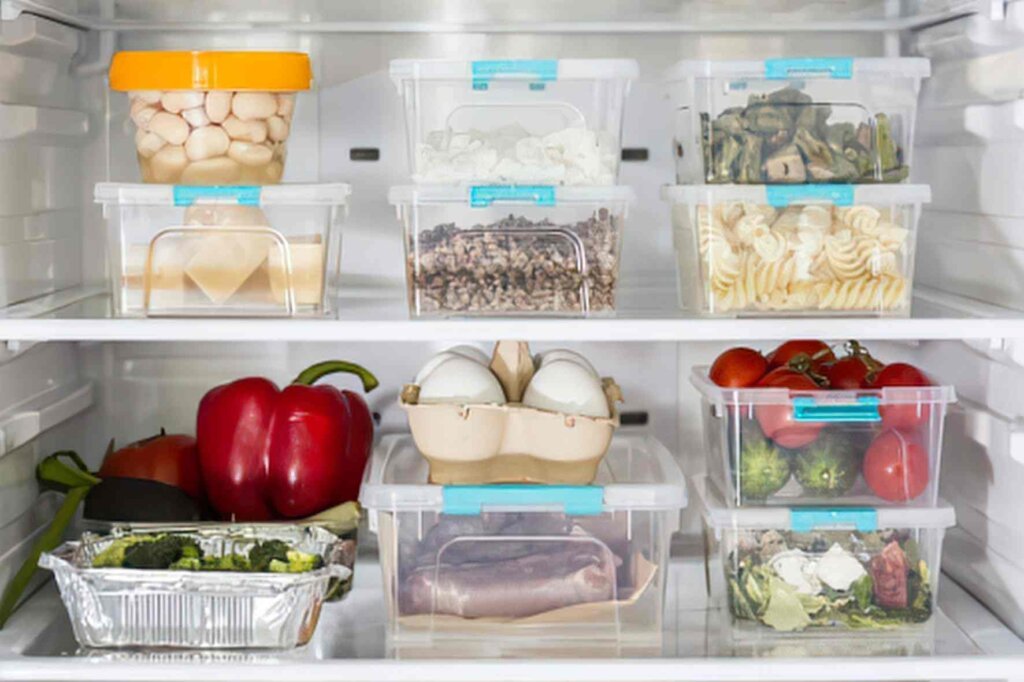
An organized refrigerator does more than look clean. It gives you better control over the food you buy and prepare.
First, you can see what you already have. Therefore, you are less likely to buy the same ingredient twice. You can also use older products before opening new ones.
In addition, good organization saves time. You will not need to move several containers to find one small jar. Instead, every type of food will have a clear place.
This system becomes especially useful during a busy week. You can quickly check your ingredients before planning dinner. As a result, everyday cooking feels simpler and less stressful.
Better Organization Means Less Food Waste
Food often spoils because we forget about it. A container may remain hidden behind a large bottle. Meanwhile, fresh vegetables may sit untouched at the back of a drawer.
A clear refrigerator layout prevents this problem. Keep food you need to use soon near the front. Then, place newer items behind it. Professional kitchens call this system “first in, first out.”
For example, imagine that you buy a new carton of milk. Do not place it in front of the carton you already opened. Instead, move the older carton forward and place the new one behind it.
You can use the same method for yogurt, cheese, sauces, vegetables, and prepared meals. Consequently, you will waste less food and save money.
Sometimes, you may cook more food than your family can finish. Refrigerate the amount you will eat soon. Then, freeze the remaining portions before they lose their quality. You can read my article on how to freeze food properly.
Refrigerator Organization and Food Safety
Proper refrigerator organization also helps prevent foodborne illness. This is one of the main reasons professional kitchens follow strict storage rules.
Raw meat, poultry, and seafood may contain harmful bacteria. Their juices can leak from damaged packages or loosely covered containers. If those juices reach cooked food, they may cause cross-contamination.
For this reason, always keep raw products below ready-to-eat food. Store them on the lowest shelf in a sealed container or tray. This simple step helps contain possible leaks.
Keep Cooked and Raw Food Separate
Place cooked meals, dips, desserts, and prepared salads on higher shelves. These foods may not receive further cooking. Therefore, they need protection from raw ingredients.
You should also use separate tools while preparing raw and cooked foods. For example, never cut fresh vegetables on a board that still carries raw chicken juices. Read my article about wooden versus plastic cutting boards.
Always cover food before placing it in the refrigerator. Airtight containers protect it from spills, odors, and moisture loss. Moreover, they make stacking easier and keep the refrigerator looking tidy.
However, avoid placing very large pots inside whenever possible. Divide food into smaller, shallow containers instead. This allows it to cool more evenly. It also makes individual portions easier to reheat later.
A good refrigerator system supports every stage of cooking. It protects your ingredients before preparation and keeps leftovers safer afterward. Therefore, refrigerator organization should become part of your regular kitchen routine.
Set the Right Temperature Before Organizing Your Refrigerator
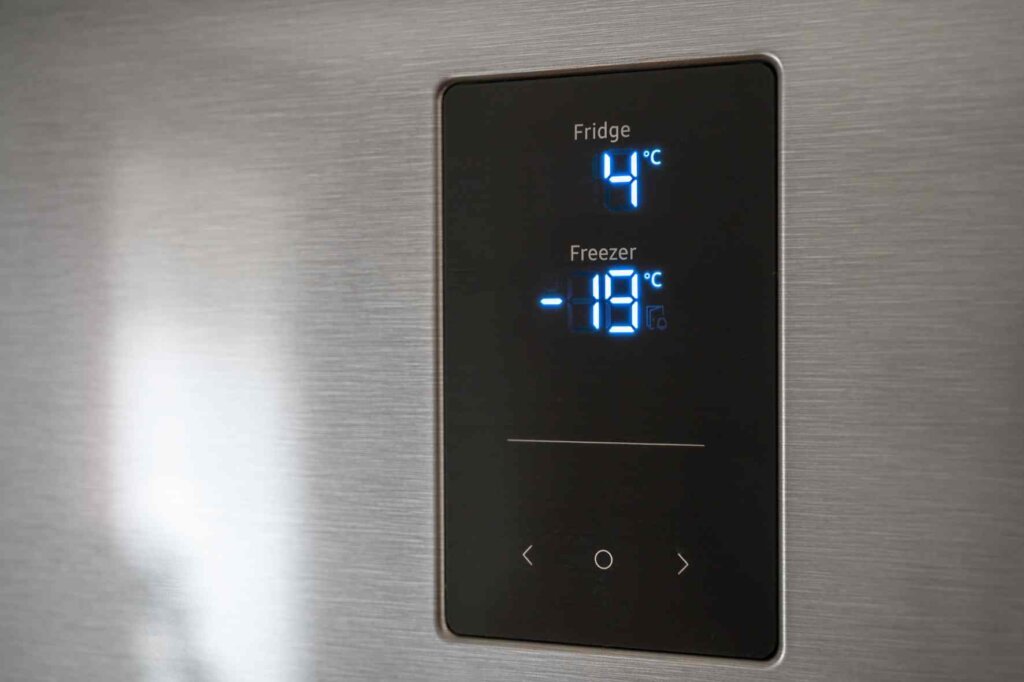
Refrigerator organization will not protect food if the appliance is too warm. Therefore, temperature should come before shelves, containers, and labels.
Keep your refrigerator at 4°C (40°F) or below. Meanwhile, your freezer should remain at −18°C (0°F). These temperatures slow bacterial growth and help perishable food stay safe. The FDA’s food-storage guidance recommends checking both temperatures regularly.
However, the control dial does not always show the true temperature. Some refrigerators only display numbers such as one to five. These numbers show the cooling level, not the exact temperature.
For a more accurate reading, place an appliance thermometer inside. Leave it for several hours before checking it. You can then adjust the settings if needed.
Avoid Overfilling the Refrigerator
A full refrigerator may look well stocked. However, packing it too tightly can block the movement of cold air.
Cold air needs space to circulate around containers and packages. Otherwise, some areas may remain warmer than others. This can affect the freshness and safety of your food.
Try to leave small spaces between larger items. In addition, avoid covering the air vents at the back. These vents help distribute cold air throughout the appliance.
If your refrigerator is always overcrowded, check what you truly need to keep chilled. Remove expired products and empty containers. Then, freeze any suitable food that you will not eat soon.
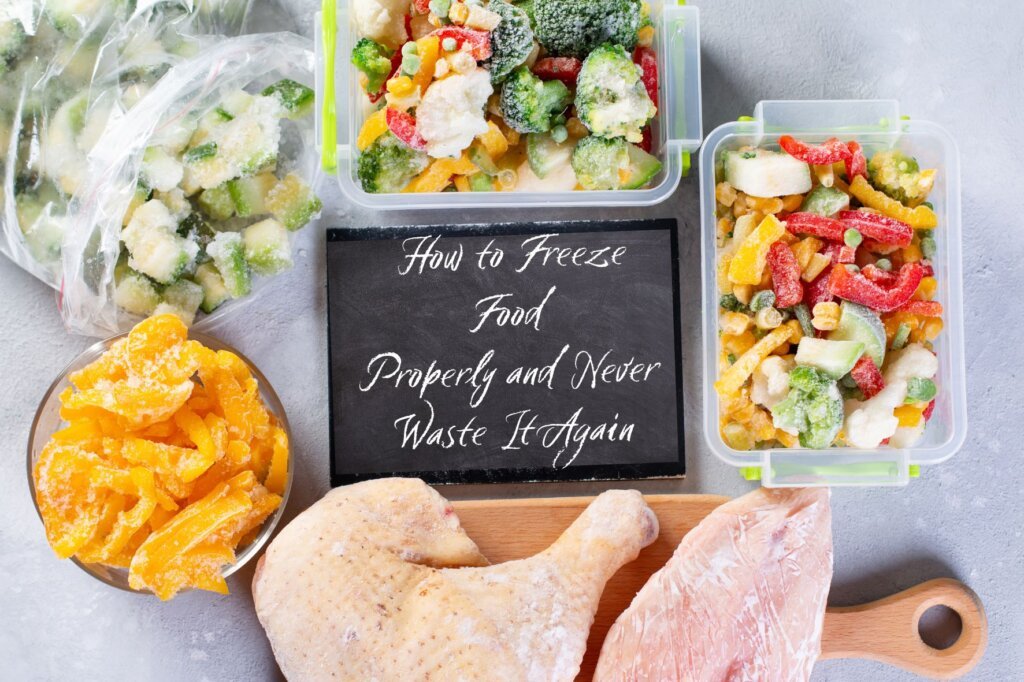
My guide on how to freeze food properly explains how to protect its flavor and texture.
Understand the Different Refrigerator Zones
The temperature inside a refrigerator is not always the same in every area. Some parts stay colder, while others face frequent temperature changes. Therefore, each type of food needs a suitable location.
The back of the refrigerator often remains cooler than the front. In contrast, the door usually experiences the greatest changes. Warm kitchen air enters whenever you open it.
However, refrigerator designs can differ. For this reason, check your appliance manual and observe how your own refrigerator cools. An additional thermometer can also help you compare different areas.
Keep Sensitive Food in a Stable Area
Place highly perishable food in a consistently cold part of the refrigerator. This includes dairy products, cooked meals, homemade dressings, and opened food.
For example, homemade sauces often contain fresh ingredients and fewer preservatives than commercial products. Therefore, they need careful storage. After preparing my homemade mayonnaise that never fails, I place it in a clean, airtight container and return it to the refrigerator promptly.
The same rule applies to milk, yogurt, cream, and soft cheese. Do not leave them in the door simply because the shelves seem convenient. Instead, keep them on an internal shelf where the temperature stays more stable.
At the same time, avoid pushing every container against the back wall. Some refrigerators create very cold spots there. Food may partially freeze, especially if it contains a lot of water.
Understanding these temperature zones creates the foundation for effective refrigerator organization. Next, we can look at each shelf and decide exactly what belongs there.
Refrigerator Organization by Shelf
Once the temperature is correct, you can organize the shelves. Each shelf should hold a specific type of food. This system makes ingredients easier to find. More importantly, it separates ready-to-eat food from raw products.
Professional kitchens follow a clear storage order. Cooked and ready-to-eat foods stay at the top. Meanwhile, raw products remain below them. This order reduces the risk of liquids dripping onto food that will not receive further cooking.
You can follow the same refrigerator organization system at home.
What to Store on the Upper Shelves
Use the upper shelves for food that is already cooked or ready to eat. These items need protection from raw meat and seafood.
Suitable foods include:
- Cooked meals and leftovers
- Prepared salads
- Desserts
- Cakes and pastries that need refrigeration
- Opened jars
- Dips and homemade sauces
- Ready-to-eat snacks
Always cover these foods before storing them. Airtight containers prevent spills and limit exposure to air. They also protect food from strong refrigerator odors.
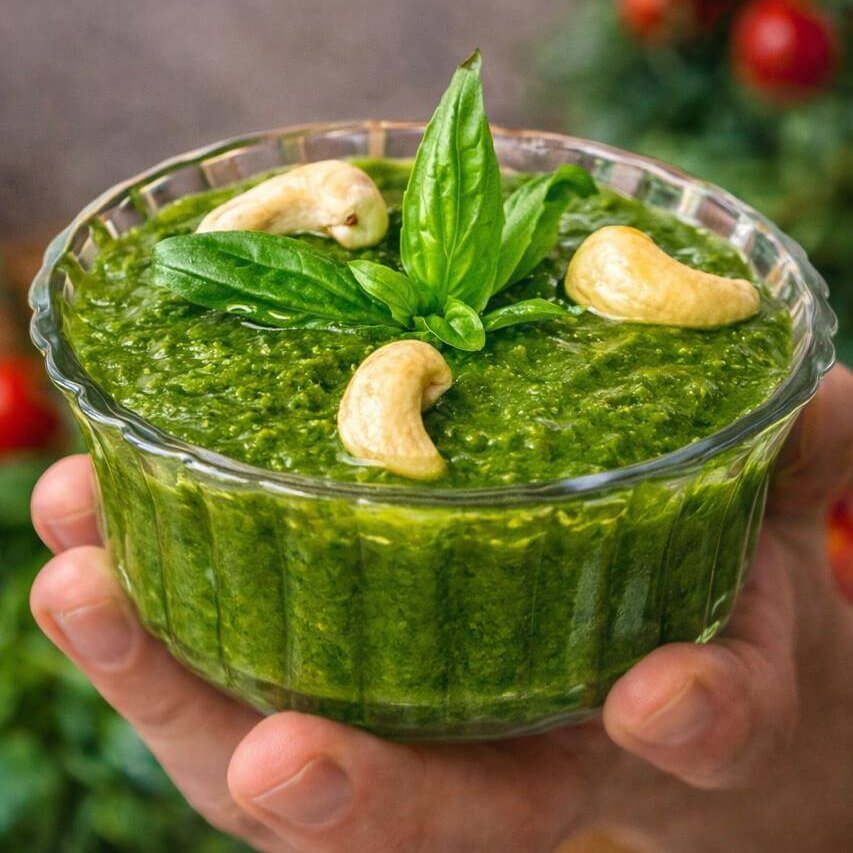
Homemade sauces need special care because they may contain fewer preservatives. For example, store your homemade pesto with cashews in a clean container with a tight lid. This helps preserve its flavor and bright green color.
Avoid placing warm food directly beside dairy products or delicate desserts. Instead, divide large amounts into shallow containers. Smaller portions release heat faster and cool more evenly.
However, do not leave cooked food on the counter for several hours while waiting for it to become completely cold. Refrigerate perishable food within two hours. During very hot weather, shorten this time to one hour.
Use the Middle Shelves for Everyday Ingredients
The middle shelves usually offer easy access and a fairly stable temperature. Therefore, they work well for ingredients you use regularly.
You can store the following items there:
- Milk
- Yogurt
- Cream
- Soft and hard cheeses
- Eggs in their original carton
- Opened dairy products
- Sealed cold cuts
- Frequently used ingredients
Group similar products together. For example, keep yogurt containers in one section and cheese in another. As a result, you can quickly see what you have.
Small bins can help contain loose packets and jars. However, avoid buying too many organizers. Large bins may take up useful space and hide food from view.
Keep Eggs in Their Original Carton
Many refrigerators include an egg holder in the door. Yet, the door faces regular temperature changes. Each time you open it, warm air reaches the eggs.
Instead, keep eggs inside their original carton on an internal shelf. The carton protects them and shows the expiration date. It also prevents the shells from absorbing surrounding odors.
Place the carton toward the back of a middle shelf, but do not press it against the refrigerator wall. This location usually offers a more stable temperature than the door.
Use the older eggs first. When you buy a new carton, place it behind the one you already have. This simple habit supports the “first in, first out” system and reduces waste.
Good shelf organization should match your cooking routine. Keep frequently used ingredients visible and easy to reach. Meanwhile, protect delicate food from raw products. In the next section, we will organize the lowest shelf and store raw meat safely.
Store Raw Meat on the Lowest Refrigerator Shelf
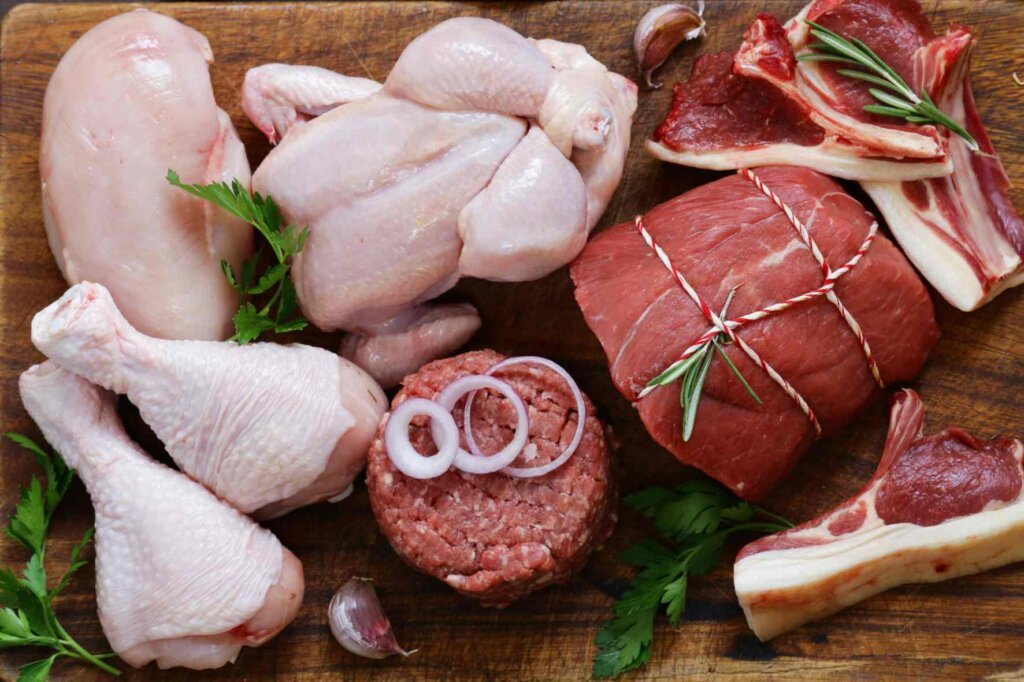
The lowest shelf is the safest place for raw meat, poultry, and seafood. These products may release liquid as they sit or thaw. Therefore, keeping them low prevents drips from reaching other foods.
Never place raw chicken above cooked meals, salads, desserts, or fresh fruit. Even a small leak can spread harmful bacteria. Moreover, you may not notice the contamination before eating the affected food.
Keep raw products in their original packaging if it remains secure. However, do not depend on thin supermarket wrapping alone. Place each package inside a sealed container or on a tray with raised edges.
This extra layer catches leaks before they spread across the shelf. It also makes cleaning much easier.
Separate Different Types of Raw Food
If possible, do not place every raw product inside the same container. Chicken juices should not touch beef, fish, or seafood.
Use separate containers for:
- Raw poultry
- Beef and lamb
- Fish and seafood
- Minced meat
- Meat that is marinating
Label each container if the contents are not clear. In addition, write the purchase date or planned cooking date. This small habit helps you use food before it loses its freshness.
Avoid washing raw chicken before storing or cooking it. Splashing water can spread bacteria across the sink, worktop, and nearby utensils. Proper cooking will make the chicken safe.
After handling raw meat, wash your hands and clean every surface it touched. You should also choose your preparation tools carefully.
Thaw Frozen Food Without Creating a Mess
The refrigerator is one of the safest places to thaw frozen meat. It keeps food cold while it defrosts slowly.
However, thawing packages often release more liquid than fresh ones. Always place frozen meat inside a deep dish or leakproof container. Then, store it on the lowest shelf.
Plan ahead because large pieces may need a full day or longer to thaw. Smaller portions usually defrost faster. Therefore, freezing food in practical portions can save time later.
Never Thaw Meat on the Kitchen Counter
Leaving frozen meat on the counter may seem faster. However, the outside can become warm while the centre remains frozen. Bacteria can then grow on the warmer surface.
Instead, thaw food in the refrigerator. You may also use a microwave when you plan to cook it immediately. Another option is cold-water thawing in a sealed package, with the water changed regularly.
Once the meat has thawed, cook it within a safe period. The exact time depends on the product. Ground meat, poultry, and seafood usually need faster use than larger cuts of beef or lamb.
Do not rely only on smell or colour to judge safety. Harmful bacteria may be present even when food appears normal. Therefore, when you cannot confirm how long raw meat has been stored, it is safer to discard it.
Correct storage on the lowest shelf protects the rest of the refrigerator. It also creates a clear boundary between raw ingredients and ready-to-eat food. This simple rule remains one of the most important parts of refrigerator organization.
Organize the Crisper Drawers Correctly
The drawers at the bottom of your refrigerator are designed for fresh produce. However, they do more than separate fruit from vegetables. Many crisper drawers also control humidity.
Humidity affects how quickly produce loses moisture or begins to rot. Therefore, using the drawer settings correctly can extend the life of your ingredients.
A high-humidity drawer keeps more moisture inside. It works well for produce that wilts quickly, such as:
- Lettuce and leafy greens
- Spinach
- Broccoli
- Fresh herbs
- Green beans
- Cucumbers
A low-humidity drawer allows more air to escape. It is often better for many fruits, especially those that release ethylene gas as they ripen. Examples include apples, pears, peaches, avocados, and melons.
A helpful rule is to place produce that wilts in high humidity and produce that tends to rot in low humidity. This method is also recommended by Iowa State University Extension.
Do Not Mix Every Fruit and Vegetable
Some fruits release ethylene gas. This natural gas helps them ripen. However, it can also cause nearby vegetables to age faster.
For example, apples can affect delicate greens when you store them together. Therefore, separating fruit from leafy vegetables can help both last longer.
Before storing produce, remove any damaged or spoiled pieces. One mouldy strawberry can quickly affect the rest of the box. However, do not wash every fruit and vegetable in advance unless you can dry it thoroughly.
Extra moisture can encourage faster spoilage. Instead, wash most produce shortly before using it. If you prefer to wash it ahead, dry it well before refrigeration.
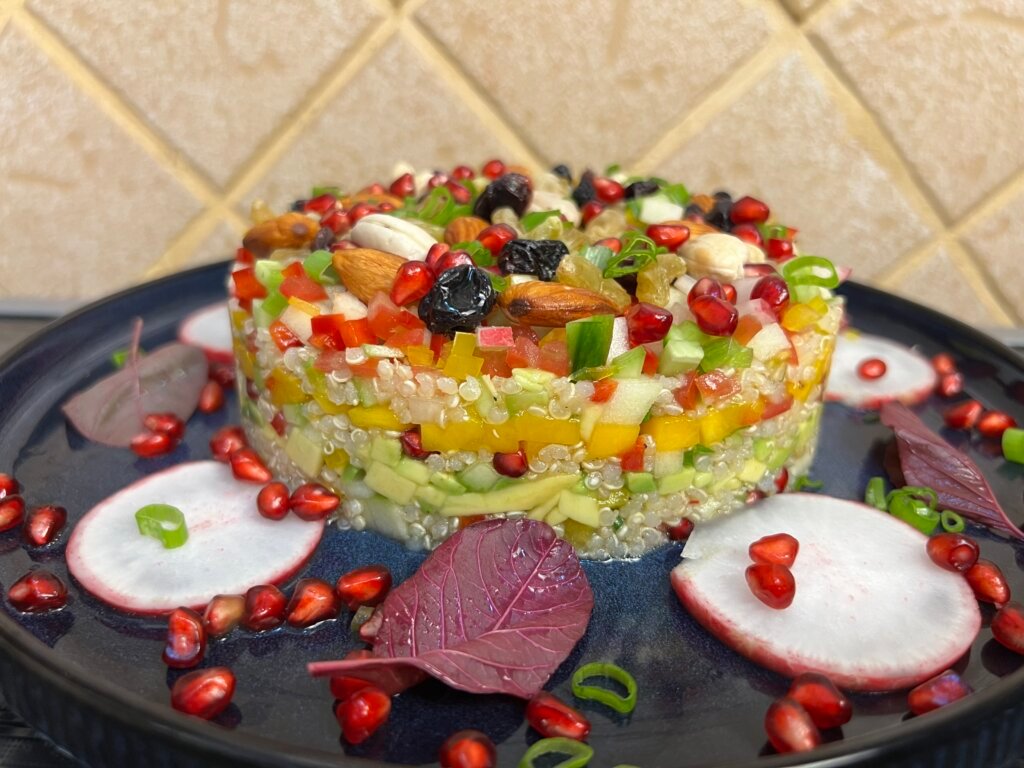
Keeping fresh produce in good condition makes healthy meals easier to prepare. For example, properly stored apples, berries, greens, and tomatoes can later become part of my colorful healthy quinoa salad.
What Belongs in the Refrigerator Door?
The refrigerator door offers convenient storage. Yet, it is better suited to products that can handle slight temperature changes.
Use the door for items such as:
- Commercial condiments
- Mustard and ketchup
- Pickles and olives
- Jam
- Bottled sauces
- Water and soft drinks
- Butter, if your refrigerator has a covered compartment
Arrange bottles by height to make them easier to see. Keep taller bottles at the back when the shelf design allows it. In addition, wipe bottle bases before returning them to the refrigerator. This prevents sticky marks from building up.
Check opened products regularly. A long shelf life does not mean they last forever after opening. Always follow the storage directions on the label.
Keep Delicate Products Away From the Door
Milk, eggs, cream, and fresh homemade sauces need a more stable temperature. Therefore, the door is not their best location.
This point is especially important for sauces made with fresh ingredients. After preparing my homemade Thousand Island dressing, I keep it on an internal shelf rather than in the door. The same approach works for other homemade dips and dressings.
Avoid filling door shelves with small, unrelated packets. They easily fall over and disappear behind bottles. Instead, place them together in one small container. You can then remove the whole container when you need a packet.
Finally, do not force too many heavy bottles into the door. Extra weight can place pressure on the shelves. It can also make products difficult to remove without knocking something over.
By using the drawers and door for the right foods, you make better use of the entire refrigerator. You also protect delicate ingredients and keep fresh produce in better condition.
Choose Containers That Make Food Easy to See
Storage containers can improve refrigerator organization. However, the shape and size matter more than the brand.
Clear containers allow you to identify food without opening every lid. They also remind you to use prepared ingredients before you forget them.
Square and rectangular containers usually use shelf space more efficiently than round ones. They sit neatly beside each other and leave fewer empty gaps. In addition, flat lids make stacking safer.
Choose several sizes rather than buying one large set of tiny containers. Use small containers for sauces and chopped herbs. Medium containers work well for prepared ingredients. Meanwhile, larger containers can hold family meals.
Avoid creating tall, unstable stacks. You may need to remove several boxes to reach the one at the bottom. As a result, useful food can remain hidden.
Store Food in Practical Portions
Consider how you will use the food before choosing a container. If you plan to serve the whole dish at once, one container may be enough. However, separate portions are often more convenient for individual meals.
This approach also reduces unnecessary handling. You only open the portion you plan to eat. The remaining food stays untouched.
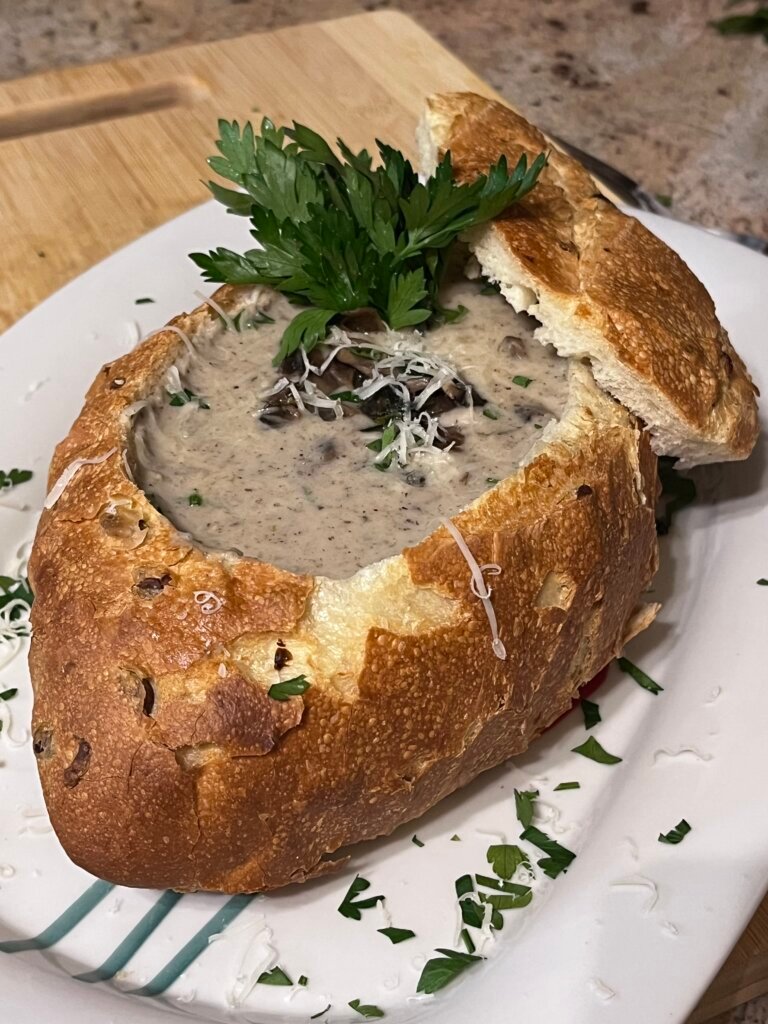
Soups should go into containers that leave a little space below the lid. This helps prevent spills when you move them. For example, you can divide leftover creamy mushroom soup into individual portions for quick lunches during the week.
Do not store acidic sauces in reactive metal containers. Tomato-based dishes, lemon dressings, and other acidic foods may react with certain metals. Glass or food-safe plastic offers a better choice.
Label Food Before You Forget What It Is
A container may look obvious when you fill it. Two days later, however, you may not remember what it contains.
Use a removable label or a piece of food-safe tape. Write the name of the dish and the date you prepared it. If necessary, add a short note such as “contains nuts” or “very spicy.”
Keep a marker close to the refrigerator. This makes labelling quick and prevents you from skipping the step.
Your label could read:
Mushroom soup – 23 July
There is no need to write a long description. A clear name and date provide the most useful information.
Create an “Eat First” Area
Set aside one small section for foods that need attention soon. You can use a shallow bin or simply reserve the front corner of one shelf.
Place opened products, ripe produce, and short-lived leftovers in this area. Then, check it before planning lunch or dinner.
This method turns forgotten ingredients into meal ideas. A few roasted vegetables may become a side dish. Cooked chicken can fill a sandwich. Meanwhile, ripe herbs can flavour a sauce or salad.
Do not use the “eat first” area to keep food beyond a safe period. It serves as a reminder, not a way to extend storage life.
Manage Refrigerated Leftovers Safely
Most cooked leftovers should be eaten within three to four days, according to USDA guidance. However, some foods have different limits. When in doubt, check reliable storage guidance for that specific dish.
Writing the date removes the need to guess. It also helps everyone in the household understand which meals are still suitable to eat.
Before storing a large meal, separate its parts when practical. Keep sauces away from crispy foods. Store salad dressing apart from fresh leaves. In the same way, keep garnishes separate from soup until serving.
This protects texture as well as safety. A meal that still tastes fresh is far more likely to be eaten instead of wasted.
Finally, check labelled food while planning your weekly meals. Refrigerator organization works best when it becomes part of your cooking routine, not a task you complete only once.
Foods That Do Not Always Belong in the Refrigerator
Good refrigerator organization also means knowing what to leave outside. Some foods lose their flavour or texture when stored in cold conditions. Others simply take up space without gaining any benefit.
However, storage needs may change after you cut or cook an ingredient. Always refrigerate peeled, sliced, or prepared produce when required.
Potatoes and Sweet Potatoes
Keep whole potatoes and sweet potatoes in a cool, dark, and dry place. Cold refrigerator temperatures can change their texture and flavour.
Avoid keeping them in sealed plastic bags. Instead, use a basket, paper bag, or container with ventilation. Keep them away from direct sunlight because light can cause potatoes to turn green.
Whole Onions and Garlic
Uncut onions and whole garlic bulbs need a dry area with airflow. Moisture inside the refrigerator can make them soft or encourage mould.
In addition, do not keep whole onions beside potatoes. Both may spoil faster when stored together.
Once you cut an onion, place the remaining part in a closed container and refrigerate it. Peeled garlic also needs refrigeration. Use both within a reasonable period.
Bread
The refrigerator can make bread lose its soft texture faster. Therefore, keep the amount you will eat soon at room temperature in suitable packaging.
If you have too much bread, freezing offers a better option. Slice it first so you can remove only what you need.
However, hot and humid conditions may cause bread to develop mould quickly. In that case, you may need to adjust the storage method to suit your kitchen and the local weather.
Bananas and Other Ripening Fruit
Leave unripe bananas at room temperature. Cold temperatures slow the ripening process and may darken the skin.
You can refrigerate ripe bananas if you need to keep them for a little longer. The peel may become dark, but the fruit inside can remain suitable to eat.
The same general idea applies to avocados, peaches, pears, and similar fruits. Allow them to ripen on the counter. Then, move them to the refrigerator if you are not ready to eat them.
Tomatoes
Tomatoes often develop their best flavour at room temperature. Keep them away from strong sunlight and use them once they become ripe.
If the tomatoes are fully ripe and you cannot use them soon, refrigeration can slow further softening. Allow them to return closer to room temperature before serving for better flavour.
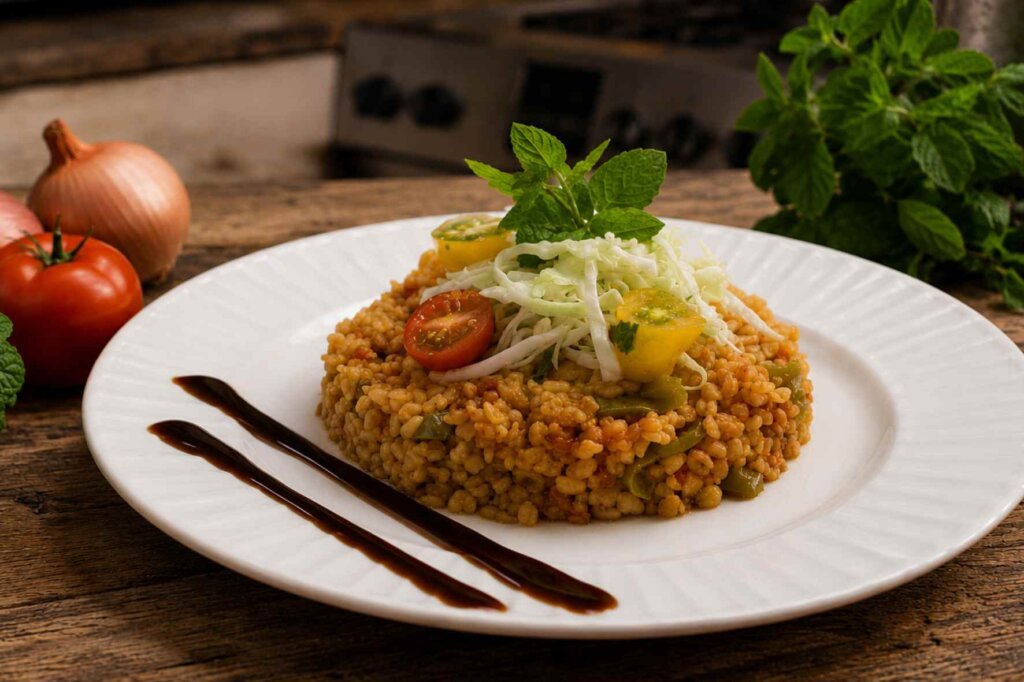
Of course, ripe tomatoes rarely last long in my kitchen. I often use them in recipes such as my comforting tomato bulgur pilaf, a traditional Lebanese dish filled with family memories.
How to Clean and Maintain an Organized Refrigerator
Refrigerator organization will not last without regular maintenance. Fortunately, you do not need to complete a deep clean every week.
Start with a quick weekly check. Look for spills, damaged produce, forgotten leftovers, and empty containers. This small routine may take only a few minutes.
Wipe spills as soon as they happen. Dried sauces and sticky liquids become harder to remove later. More importantly, liquid from raw products can spread contamination.
The FDA recommends cleaning refrigerator walls and shelves with hot water and mild dishwashing liquid. Afterward, rinse and dry them with a clean cloth or paper towel.
Complete a Deeper Clean Regularly
Every few weeks, choose a time when the refrigerator is not very full. Remove food one shelf at a time rather than emptying everything at once.
Take out removable drawers and shelves if the appliance instructions allow it. Let cold glass shelves warm slightly before washing them. A sudden change in temperature may damage some types of glass.
Wash each part with warm water and mild dishwashing liquid. Then, rinse and dry it completely before returning it to the refrigerator.
Also, clean these commonly missed areas:
- Drawer handles
- Shelf edges
- Door seals
- Bottle bases
- The space beneath the drawers
- The exterior handle
Do not use harsh chemicals near food unless the appliance manufacturer recommends them. In addition, never mix cleaning products.
Once everything is dry, return the food in organized groups. This is also a good time to check open jars and remove anything you can no longer identify safely.
Common Refrigerator Organization Mistakes
Even a clean refrigerator can become difficult to use when the system is too complicated. Watch for these common mistakes:
- Buying more storage bins than you need
- Using containers that hide their contents
- Creating tall and unstable stacks
- Keeping unlabelled leftovers
- Filling drawers until produce becomes crushed
- Treating every refrigerator area as equally cold
- Saving almost empty jars for months
- Ignoring spills until the next deep clean
- Using large containers for very small amounts of food
- Creating a system that nobody else in the household understands
The best refrigerator organization system should feel simple. If maintaining it takes too much time, reduce the number of categories and containers.
Make Refrigerator Organization Part of Your Routine
Effective refrigerator organization makes cooking easier, supports food safety, and reduces waste. It also helps you understand what you already have before buying more food.
Start with one small change. Set the correct temperature, organize one shelf, or create an area for food that needs using soon. Then, improve the rest of the refrigerator gradually.
Most importantly, choose a system that suits the way your family cooks and eats. A beautiful refrigerator has little value if nobody can maintain it.
For more practical kitchen advice, visit my cooking tips section. You can also explore my recipes for new ways to use the ingredients already waiting in your refrigerator. If you enjoy learning through video, subscribe to my YouTube channel for recipes, techniques, and professional cooking advice.
Finally, visit my Chef’s Journal to read more about my journey through professional kitchens. There, I share the experiences and lessons that shaped the way I cook today.

Chef François El Aaraj is a corporate chef and culinary consultant with more than 30 years of experience in professional kitchens and restaurant openings across Lebanon and abroad. Through this website, he shares authentic recipes, cooking techniques, and chef secrets designed to help home cooks create flavorful meals with confidence.
Leave a Reply