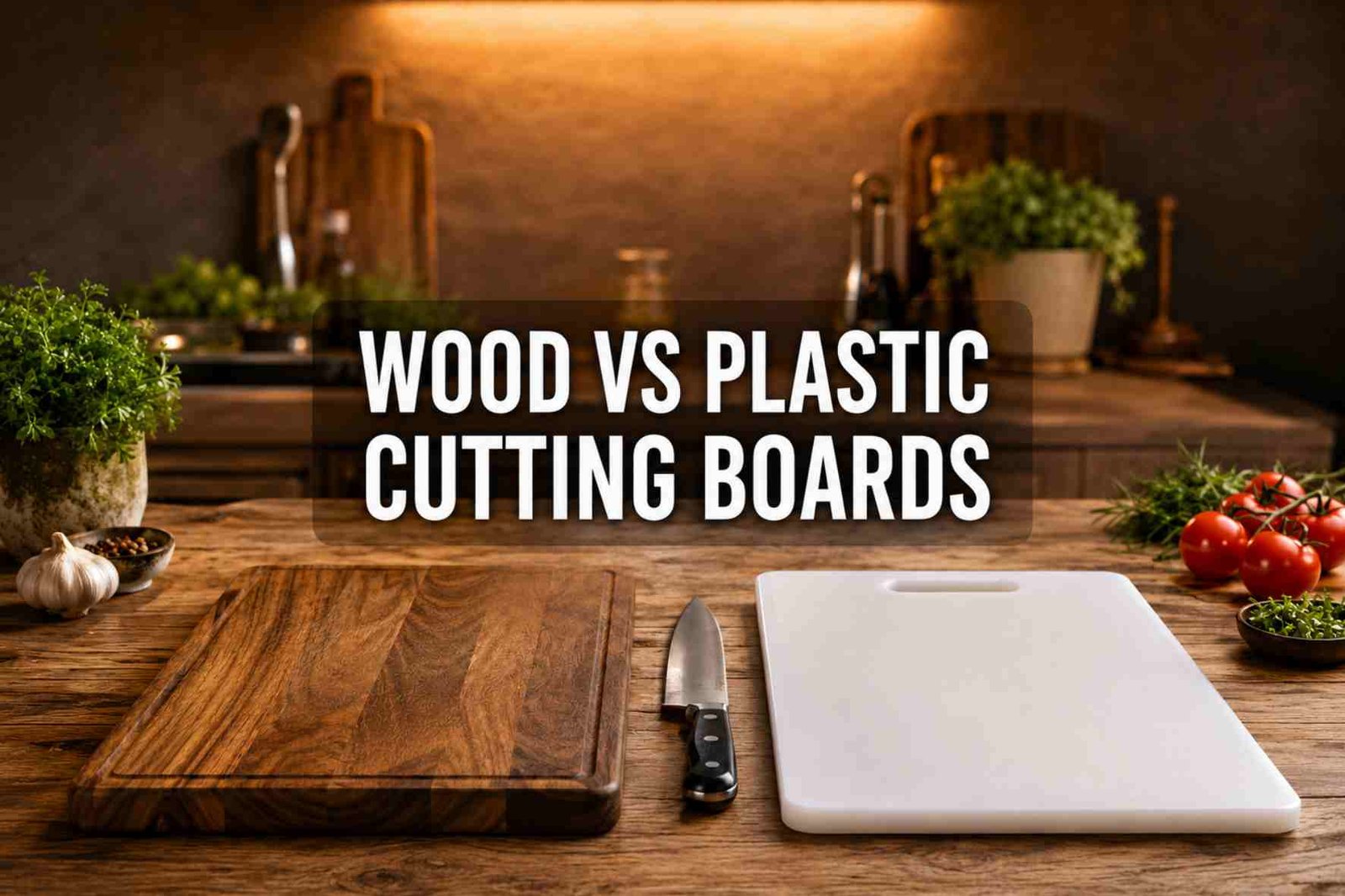
A cutting board may look like a simple kitchen tool. However, cutting boards directly affect food safety, knife performance, and everyday cooking. Therefore, choosing the right one deserves more attention than many people give it.
Wooden and plastic cutting boards remain the two most popular choices. Both can provide a safe and practical surface for food preparation. However, each material has its own advantages, weaknesses, and care requirements.
Wooden cutting boards often look warmer and more attractive. They can also feel gentler under a sharp knife. In contrast, plastic boards usually cost less and require less maintenance. Many plastic models can also go into the dishwasher.
Which Cutting Board Should You Choose
Still, the choice does not depend on appearance alone. Hygiene often becomes the biggest concern. Many home cooks believe plastic always offers a safer surface because it does not absorb water easily. Others prefer wood because certain types can resist deep knife damage and remain useful for years.
The truth sits somewhere in the middle. Both materials can be safe when you clean, dry, and replace them correctly. Likewise, either type can become unsafe when deep grooves, cracks, moisture, or food residue remain on its surface. The USDA confirms that cooks can use either wood or nonporous cutting boards. However, it advises replacing boards once they develop hard-to-clean grooves.
Moreover, one board may not suit every kitchen task. A sturdy wooden board works beautifully for bread, vegetables, herbs, and many daily preparations. Meanwhile, a dishwasher-safe plastic board can offer a practical choice for raw chicken, meat, or fish.
In this guide, I will compare wooden and plastic cutting boards closely. We will examine hygiene, durability, knife care, cleaning, cost, and daily use. By the end, you will know which cutting boards deserve a place in your kitchen—and why you may actually need both.
Why Choosing the Right Cutting Board Matters
Cutting boards do more than protect your kitchen counter. They also affect food safety, knife care, and the way you prepare food. Therefore, choosing the right board can make cooking safer and easier.
First, a good cutting board gives you a stable surface. It should stay in place while you slice, chop, or dice. A board that moves can cause the knife to slip. As a result, it increases the risk of injury.
Size also matters. A small board may work for cutting a lemon or chopping a few herbs. However, it becomes difficult to use when preparing meat or several vegetables. Food can fall from the edges, while juices may run onto the counter.
Your Cutting Board Affects Your Knives
The material of the board can also affect your knives. A surface that is too hard may dull the blade quickly. Then, you will need to sharpen your knives more often.
Wood usually provides a softer cutting surface. For this reason, many chefs prefer it for daily chopping. Plastic can also protect the blade when it has a good quality and a smooth surface.
However, avoid cutting directly on glass, stone, marble, or ceramic. These materials may look attractive, but they can damage a sharp blade. In addition, the knife may slide across their smooth surface.
Food Safety Starts with the Cutting Surface
Cutting boards can carry bacteria when we do not clean them well. Raw chicken, meat, and fish may leave juices on the surface. Those juices can then reach vegetables, bread, or other foods.
Therefore, I recommend using separate boards whenever possible. Keep one board for raw meat and another for foods that are ready to eat. You can also use a third board for bread, fruit, and desserts.
Color-coded plastic boards make this system easier. For example, you can use red for raw meat and green for vegetables. The colors help everyone in the kitchen avoid mistakes.
Still, the material alone does not make a cutting board safe. Good cleaning, proper drying, and regular inspection matter just as much. Deep grooves and cracks can trap moisture and food particles. Once a board becomes difficult to clean, you should replace it.
Ultimately, the best cutting board fits your cooking habits. It should offer enough space, remain stable, protect your knives, and be easy to clean. These simple qualities can improve both safety and comfort in the kitchen.
Wooden Cutting Boards: Advantages and Disadvantages
Wooden cutting boards bring warmth and character to a kitchen. They also offer a comfortable surface for daily food preparation. However, they need more care than most plastic boards.
Manufacturers make wooden boards from several types of wood. Maple, walnut, beech, teak, and acacia remain popular choices. Each type has a different color, grain, weight, and price.
A strong hardwood board can last for many years. However, the wood should feel smooth and solid. It should not have deep cracks, loose pieces, or rough edges.
Why Many Cooks Prefer a Wooden Cutting Board
Wood feels gentle under a knife. The blade can touch the surface without losing its sharp edge too quickly. Therefore, wooden boards work well for regular chopping and slicing.
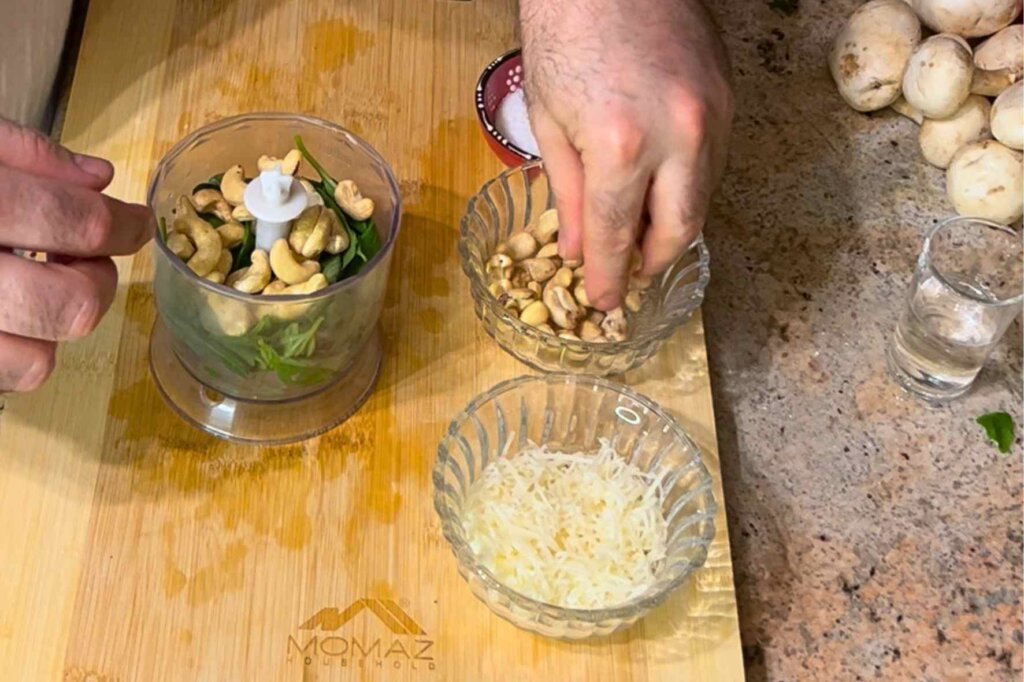
They are especially useful when chopping onions, vegetables, nuts, and fresh herbs. For example, a large wooden board gives you enough space to prepare basil and cashews for my homemade pesto with cashews recipe.
Wooden boards also remain stable during use. Their weight helps prevent them from moving across the counter. Still, you can place a damp kitchen towel underneath the board for extra support.
In addition, wooden boards look beautiful on the table. You can use one to serve bread, cheese, fruit, or small appetizers. A good wooden board can move easily from the kitchen counter to the dining table.
Wooden Boards Require Regular Care
Despite these benefits, wood needs proper maintenance. You should wash a wooden board by hand with hot, soapy water after each use. Then, rinse it and dry it right away.
Never leave a wooden board soaking in water. The wood may absorb moisture and start to swell. As a result, the board may bend, split, or crack.
Most wooden cutting boards should not go into the dishwasher. The strong heat and long washing cycle can damage the wood. Instead, stand the board upright after washing. This allows air to reach both sides.
Wood also needs regular oiling. Use a food-safe mineral oil made for cutting boards. The oil helps prevent the surface from drying and cracking. However, avoid cooking oils such as olive oil. They can become rancid and create an unpleasant smell.
Are Wooden Cutting Boards Worth Buying?
A high-quality wooden board often costs more than a basic plastic one. It also needs more attention. However, it can last much longer when you care for it correctly.
Choose a wooden cutting board if you cook often and want a strong surface that protects your knives. It works especially well for bread, vegetables, herbs, fruit, and cooked food.
Still, you may want a separate plastic board for raw meat and chicken. Using both types can give you the beauty of wood and the easy cleaning of plastic.
Plastic Cutting Boards: Advantages and Disadvantages
Plastic cutting boards offer a simple and practical option for busy kitchens. They are usually lightweight, affordable, and easy to find. In addition, they come in many sizes, colors, and thicknesses.
Most plastic boards use materials such as polyethylene or polypropylene. These materials do not absorb water easily. Therefore, plastic boards dry faster than wooden ones.
However, not every plastic board offers the same quality. Thin boards may slide, bend, or wear out quickly. A thicker board often gives you a safer and more stable cutting surface.
Why Plastic Cutting Boards Are Practical
Plastic boards are easy to clean. Many can go into the dishwasher, where hot water can wash the entire surface. However, you should always check the manufacturer’s instructions first. Some thin boards may bend under high heat.
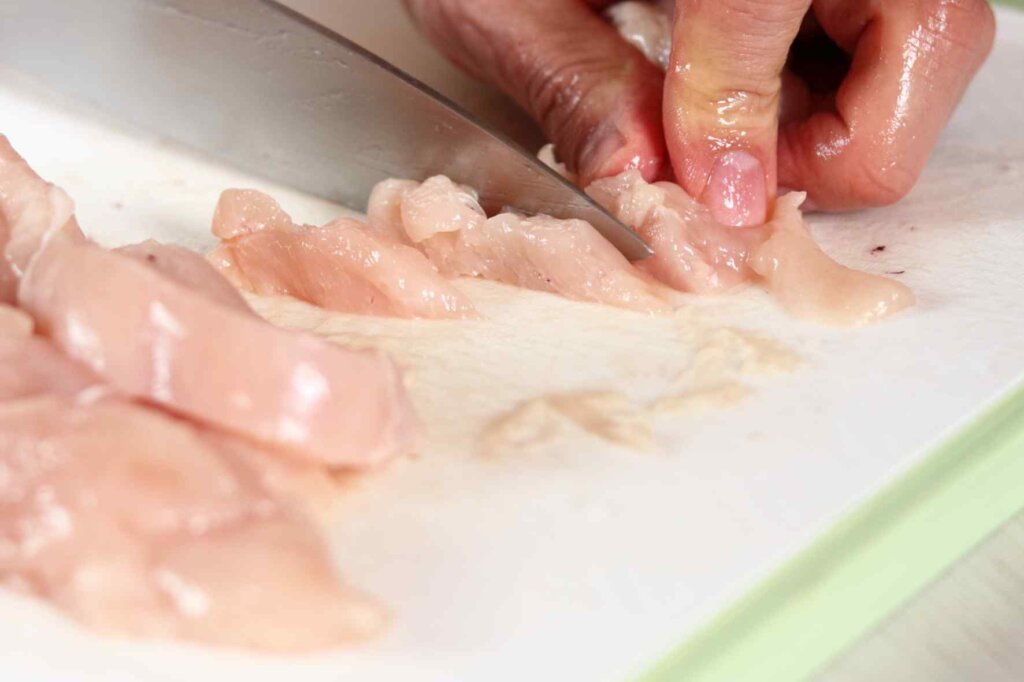
Plastic cutting boards can be useful when preparing raw meat, fish, and chicken. For example, you can use a separate plastic board when cutting chicken for my crispy chicken recipe. Afterward, wash the board well before using it again.
You can also buy plastic boards in different colors. This makes it easier to assign one color to each type of food. You might use red for meat, yellow for chicken, blue for fish, and green for vegetables.
This system reduces confusion. More importantly, it helps prevent raw food juices from reaching ready-to-eat foods.
Plastic boards also cost less than many wooden models. Therefore, you can replace them without making a large investment. This makes them suitable for home kitchens, restaurants, and catering businesses.
Plastic Boards Can Develop Deep Grooves
Plastic may look smooth when it is new. However, sharp knives slowly create marks across its surface. These marks can become deeper with regular use.
Food particles and moisture may remain inside the grooves. As a result, the board can become harder to clean. Even a dishwasher may not remove every particle from a badly damaged surface.
Plastic boards can also move across the counter because they are light. For better safety, choose one with rubber edges or nonslip feet. Alternatively, place a damp towel under the board before you start cutting.
Some thin plastic boards also bend over time. High dishwasher temperatures can make this problem worse. A warped board will not sit flat, which makes chopping less safe.
When Should You Choose Plastic?
Choose a plastic board when you want something light, affordable, and easy to clean. It is a useful choice for raw animal products, especially when it is dishwasher safe.
However, inspect the surface often. Replace the board when deep grooves, stains, cracks, or unpleasant smells remain after cleaning. Plastic cutting boards do not last forever, even when they still look usable from a distance.
For many home cooks, plastic and wood work best together. Plastic handles messy raw ingredients, while wood offers a stable surface for most everyday chopping.
Which Cutting Board Is More Hygienic?
Many people believe that plastic cutting boards are always safer than wooden ones. However, the material alone does not decide whether a board is hygienic. Cleaning, drying, storage, and general condition matter much more.
Both wooden and plastic boards can provide a safe cutting surface. However, both can also carry harmful bacteria when cooks handle them incorrectly.
Raw chicken, meat, seafood, and eggs may carry bacteria. Therefore, anything that touches these foods needs careful cleaning. Food safety also matters when making recipes that contain uncooked ingredients, such as homemade mayonnaise.
Plastic Does Not Always Mean Cleaner
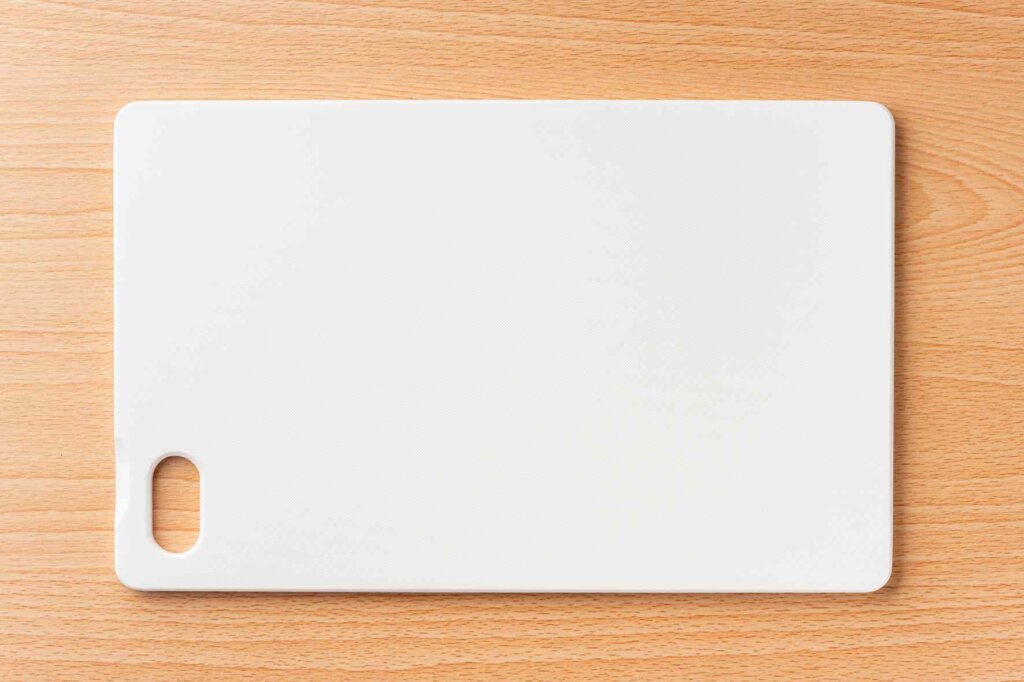
Water is not absorbed by plastic as easily as wood. In addition, many plastic cutting boards can go into the dishwasher. The hot cycle makes cleaning them convenient.
However, knives leave grooves in plastic over time. Raw food juices can enter these narrow spaces. Once the cuts become deep, cleaning the entire surface becomes difficult.
A plastic board may look clean while small food particles remain inside its grooves. Therefore, you should inspect it under good light. Replace it when the surface becomes rough or badly scratched.
Wooden Boards Can Also Be Safe
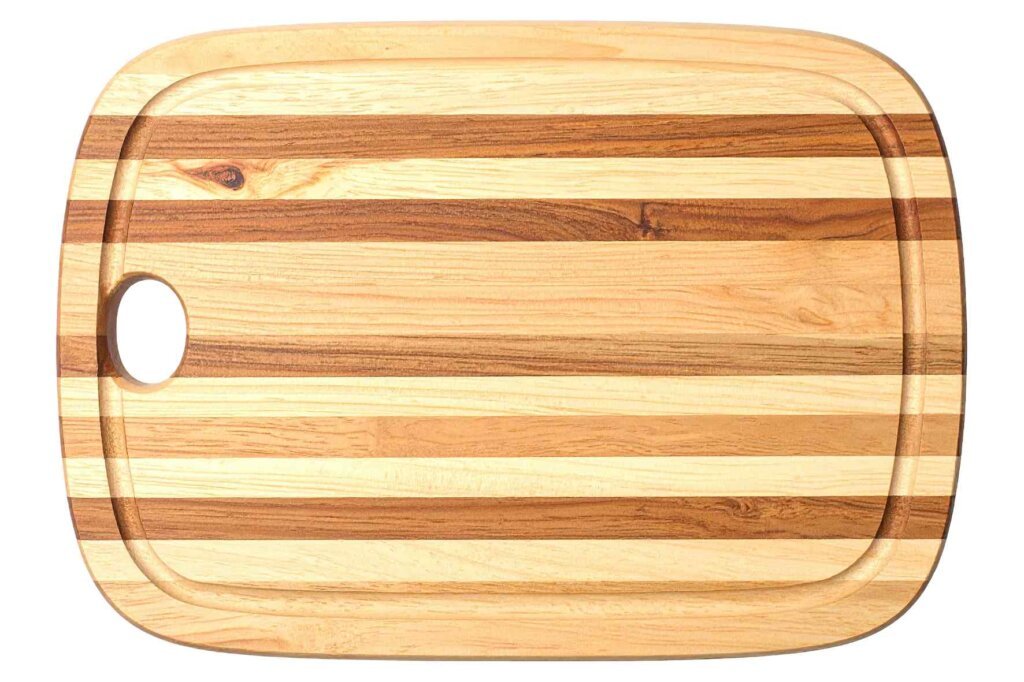
Wood has a porous surface. For this reason, some home cooks avoid using it for food preparation. However, a well-maintained wooden board can still provide a safe surface for many kitchen tasks.
You must wash it well after every use. Then, dry it without delay. Never leave it flat on a wet counter because moisture may remain underneath.
Instead, stand the board upright and allow air to move around both sides. Good airflow helps the wood dry faster. It also reduces the risk of unpleasant smells, stains, and mold.
Still, avoid using a cracked wooden board. Deep cracks can trap food and moisture. Once you cannot clean the cracks properly, replace the board.
Separate Boards Improve Food Safety
Using separate cutting boards provides the safest and easiest system. Keep one board for raw meat, chicken, and seafood. Then, use another for bread, fruit, vegetables, cheese, and cooked food.
This separation helps prevent cross-contamination. For example, never cut raw chicken and then chop salad ingredients on the same unwashed board. Bacteria from the chicken may transfer to food that you will not cook.
Also, wash your knife, hands, and nearby work surface after handling raw ingredients. Cleaning only the cutting board does not protect the rest of the kitchen.
Ultimately, wood and plastic can both be hygienic. Choose a board that you can clean correctly and inspect it often. Most importantly, replace it when cracks or deep grooves make cleaning difficult.
Which Cutting Board Protects Your Knives Better?
A good cutting board should protect both your work surface and your knives. However, some board materials dull knife blades faster than others.
Wood usually offers the gentlest surface. The knife edge can move against the wood without facing too much resistance. Therefore, many chefs prefer wooden cutting boards for daily chopping.
Plastic also provides a softer surface than glass, marble, or stone. Still, its effect on a knife depends on the board’s quality and condition.
Wooden Boards Are Gentle on Knife Blades
Wood has a small amount of natural give. As the knife touches the board, the wood fibers can move slightly under the blade. This helps the knife stay sharp for longer.
A sharp knife makes food preparation safer and more accurate. It cuts through ingredients without forcing you to apply too much pressure. For example, a sharp blade helps you cut even onion slices for French onion soup.
Wooden cutting boards work well for chopping herbs, fruit, vegetables, bread, and cooked meat. However, choose the type of wood carefully.
Hardwoods such as maple, walnut, beech, and acacia make good cutting boards. They offer enough strength without feeling too hard under the knife.
By contrast, very soft wood can develop deep marks quickly. These marks may trap moisture and food particles. Therefore, the board should offer a balance between strength and softness.
Plastic Boards Can Also Protect Knives
A good plastic cutting board does not usually damage a knife blade. New plastic has a smooth surface with enough softness for everyday cutting.
However, the board becomes less comfortable as deep grooves develop. The knife may catch inside those marks. As a result, cutting can feel less smooth and controlled.
Thin plastic boards may also move or bend. This does not always dull the knife, but it can make cutting less safe. Choose a thick board with rubber edges or a nonslip base when possible.
Avoid Glass, Marble, and Ceramic Boards
Glass and stone boards look clean and attractive. However, they are too hard for regular cutting.
The knife edge hits a solid surface after every slice. Consequently, the blade may become dull much faster. It may even develop small chips, especially when the knife has a thin edge.
These hard surfaces can also feel slippery. The sound of the blade hitting glass or stone may make chopping unpleasant.
You can still use marble or glass boards for serving cheese, pastries, or desserts. However, avoid using them as your main cutting surface.
Overall, wood offers the best protection for quality knives. Plastic comes close and provides a practical alternative. No matter which one you choose, avoid very hard surfaces and sharpen your knives regularly.
Can You Put Cutting Boards in the Dishwasher?
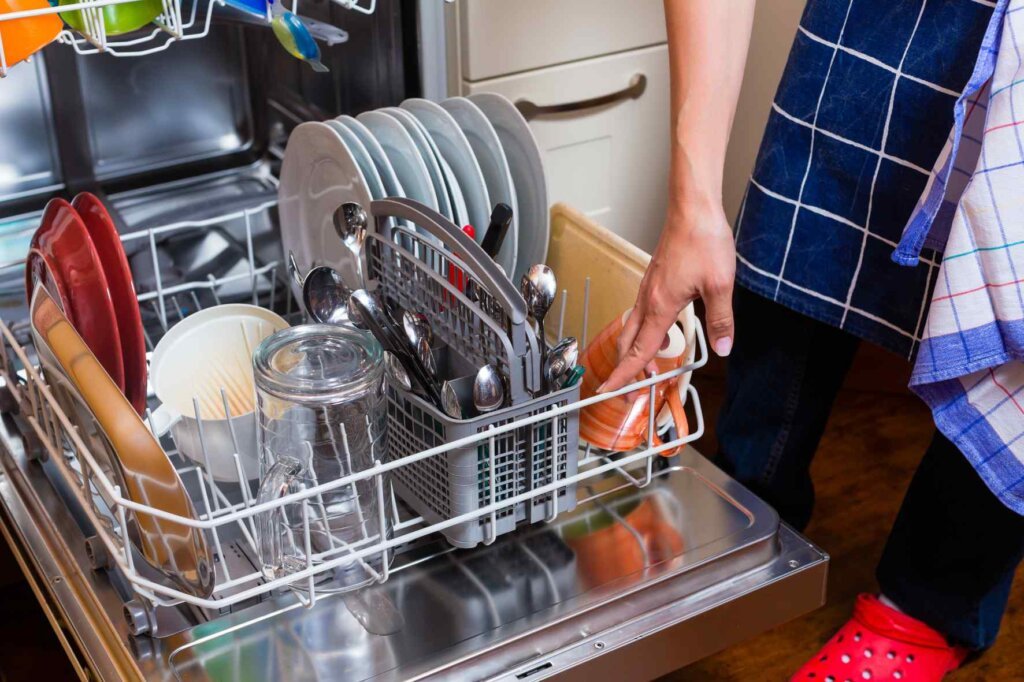
The dishwasher can clean some cutting boards quickly and thoroughly. However, not every board can handle the heat, water, and long washing cycle.
Plastic boards often tolerate the dishwasher well. Wooden boards usually do not. Therefore, always check the care instructions before washing a new board.
Washing a Plastic Cutting Board in the Dishwasher
Many plastic cutting boards are dishwasher safe. This makes them convenient for preparing raw chicken, meat, and seafood.
For example, you can use a dishwasher-safe board when preparing fish for homemade fish fingers. Then, place it in the dishwasher after you finish.
Put the board on the lower or upper rack according to the manufacturer’s instructions. Make sure that it cannot fall or block the spray arms.
However, thin plastic boards may bend under high heat. Once a board warps, it will no longer sit flat on the counter. As a result, it may move while you cut food.
If you are unsure, wash the board by hand. Use hot water, dish soap, and a clean brush or sponge. Then, rinse it well and allow it to dry completely.
Never Put Wooden Boards in the Dishwasher
A dishwasher can damage a wooden cutting board. The long cycle exposes the wood to water for too much time. In addition, the high temperature can dry the surface unevenly.
As a result, the wood may bend, split, or crack. The glue between the wooden pieces may also weaken. Even one dishwasher cycle can damage some boards.
Instead, wash a wooden board by hand after each use. Scrub both sides with warm or hot soapy water. Washing both sides helps the board absorb moisture more evenly.
Next, rinse it without leaving it in the sink. Dry the surface with a clean towel. Finally, stand the board upright so air can reach both sides.
What About a Bamboo Cutting Board?
Bamboo boards should also stay out of the dishwasher unless the manufacturer says otherwise. Although bamboo resists moisture better than some woods, dishwasher heat can still cause cracks and warping.
Bamboo boards often contain several glued pieces. Therefore, long contact with hot water may weaken their construction.
Handwashing remains the safest choice. Dry the board right away and store it in a place with good airflow.
The dishwasher can make plastic boards easier to maintain. However, handwashing protects wooden and bamboo boards from serious damage. Proper washing will keep every board cleaner, flatter, and useful for longer.
Why Professional Kitchens Use Color-Coded Cutting Boards
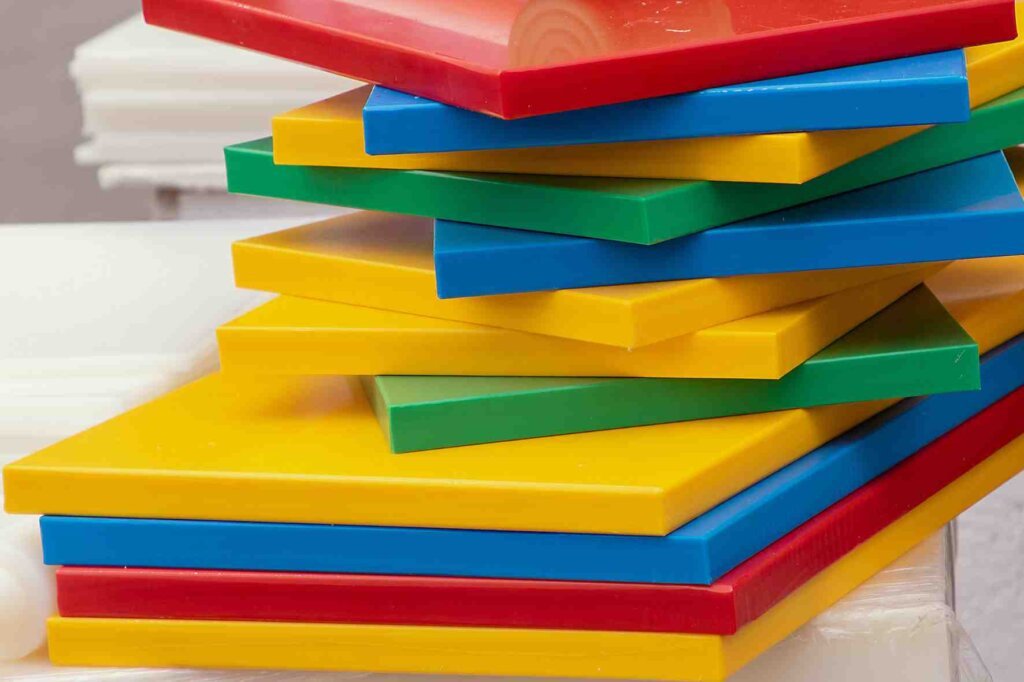
Professional kitchens prepare many ingredients at the same time. Chefs may handle chicken, meat, fish, vegetables, bread, and dairy products during one service. Therefore, they need a clear system to prevent cross-contamination.
Color-coded cutting boards make this system easier. Each color represents a food group. As a result, kitchen workers can quickly choose the correct board.
The Common Cutting Board Colors
The exact system may vary between kitchens. However, many professional kitchens use the following colors:
- Red: raw meat
- Yellow: raw chicken and poultry
- Blue: raw fish and seafood
- Green: fruit, vegetables, and salad ingredients
- Brown: cooked meat
- White: bread, dairy products, and bakery items
For example, a chef may prepare raw shrimp on a blue board before serving them with homemade cocktail sauce. Meanwhile, another chef can chop salad ingredients safely on a green board.
The colors create a clear visual guide. Even during a busy service, staff members can identify the right board without reading a label.
Color Coding Reduces Confusion
Raw food juices may contain harmful bacteria. If they reach cooked or ready-to-eat foods, they can cause cross-contamination.
For example, a cook should never cut raw chicken on a board and then use it for lettuce. The lettuce will not receive heat to destroy any bacteria transferred from the chicken.
A color-coded system helps prevent this mistake. It also makes food-safety training easier for new kitchen workers.
However, color coding only works when everyone follows the same rules. The kitchen should display a simple color guide where staff can see it. Workers should also wash every board after use.
Can You Use This System at Home?
You do not need six boards in a small home kitchen. However, two or three colors can make food preparation safer.
Keep one board for raw meat, poultry, and seafood. Use another for fruit, vegetables, bread, and cooked foods. If possible, add a third board for foods with strong smells, such as onions and garlic.
You can also label the boards if they have the same color. Add a small mark to the handle or store them in separate places. The system should remain simple enough for everyone at home to follow.
Still, different colors do not replace proper cleaning. You must wash each cutting board after every use. You should also replace it when deep grooves make the surface difficult to clean.
Color-coded cutting boards provide an easy way to organize food preparation. More importantly, they create a clear barrier between raw and ready-to-eat foods. This simple habit can make both professional and home kitchens safer.
How to Prevent Cross-Contamination
Cross-contamination happens when harmful bacteria move from one food or surface to another. Cutting boards can spread these bacteria when you use them without proper cleaning.
Raw meat, chicken, fish, and eggs create the greatest concern. Their juices may reach knives, hands, counters, towels, and ready-to-eat foods. Therefore, safe preparation requires more than washing the board alone.
Prepare Ready-to-Eat Foods First
Start with foods that do not need cooking. For example, wash and cut fruit, vegetables, herbs, bread, and cheese before handling raw meat.
This order protects fresh ingredients from raw juices. It becomes especially important when preparing a dish such as cottage cheese and berries salad. Since you serve the salad without cooking it, heat cannot destroy any bacteria transferred during preparation.
After preparing the fresh ingredients, move them away from the work area. Then, bring out the raw chicken, meat, or fish.
Use Separate Cutting Boards
Keep one board for raw animal products and another for ready-to-eat food. Different colors make the boards easier to identify.
If you only have one board, wash it fully between tasks. Use hot, soapy water and scrub the entire surface. Remember to clean the edges, handle, grooves, and both sides.
In addition, never place cooked food on a board that held raw ingredients. Use a clean plate or tray instead.
Clean Everything That Touched Raw Food
The knife needs the same attention as the board. Wash it before cutting any other ingredient. Also, clean your hands with soap and water after handling raw food.
Next, check the surrounding work area. Raw juices can splash onto the counter, sink, faucet, or nearby utensils. Clean these surfaces before continuing with the recipe.
Kitchen towels can also spread bacteria. Do not wipe raw food juices with a towel and then use it to dry your hands or clean a plate. Instead, use disposable paper towels or place the used cloth directly into the laundry.
Store Cutting Boards Correctly
A clean board can still develop problems when it remains damp. Moisture creates a better environment for bacteria, mold, and unpleasant smells.
Therefore, allow every board to dry completely before storing it. Stand boards upright with space between them. Avoid stacking wet boards because air cannot reach the surfaces between them.
Also, keep raw food separate inside the refrigerator. Store meat, chicken, and seafood in sealed containers on the lowest shelf. This prevents their juices from dripping onto other foods.
Cross-contamination can happen in seconds. However, a clear routine can prevent it. Separate raw and ready-to-eat ingredients, wash every surface, and keep your cutting boards clean and dry.
Common Cutting Board Mistakes
Even a high-quality cutting board can become unsafe when you use it incorrectly. Fortunately, you can avoid most problems with a few simple habits.
Using One Board for Every Ingredient
Using the same board for raw chicken and salad ingredients increases the risk of cross-contamination. Keep at least two boards in your kitchen. Use one for raw animal products and another for ready-to-eat foods.
Cutting on a Board That Moves
A moving board can make the knife slip. Therefore, choose a heavy board or one with nonslip edges. You can also place a damp kitchen towel underneath it.
Leaving Raw Food to Thaw on the Board
Never leave frozen meat or chicken to thaw on a cutting board at room temperature. Raw juices may spread across the board and counter. Instead, follow the safe methods explained in my guide on [how to freeze and thaw food safely].
Putting a Wooden Cutting Board in the Dishwasher
Dishwasher heat and moisture can damage wood. The board may bend, crack, or split. Always wash wooden cutting boards by hand and dry them right away.
Leaving Boards Soaking in the Sink
Both wooden and plastic boards should come out of the sink after washing. Long soaking can damage wood and allow bacteria from dirty water to reach the surface.
Storing a Cutting Board While It Is Wet
Do not place a wet board inside a closed cupboard. Instead, stand it upright until both sides dry completely. Good airflow helps prevent mold and unpleasant smells.
Using Cooking Oil on a Wooden Cutting Board
Olive oil and other cooking oils can become rancid. As a result, the board may develop a bad smell. Use food-safe mineral oil or a product made for wooden cutting boards.
Ignoring Deep Grooves and Cracks
Deep marks can trap food particles and moisture. Once you cannot clean the surface well, replace the board. Do not wait for it to break.
Using Glass or Marble for Chopping
Glass, marble, stone, and ceramic can dull a knife quickly. They may also cause the blade to slide. Use these surfaces for serving rather than cutting.
Using a Cutting Board That Is Too Small
Food and juices can fall from a small board. Choose one that gives you enough space to work comfortably. The board should also fit inside your sink so you can wash it properly.
Final Verdict: Wood or Plastic Cutting Boards?
Wooden and plastic cutting boards can both provide a safe and practical work surface. Therefore, the best choice depends on your cooking habits and cleaning routine.
Wood offers a stable and knife-friendly surface. It also lasts for years when you clean, dry, and oil it correctly. For this reason, it works well for vegetables, herbs, bread, fruit, and cooked foods.
Plastic costs less and requires less maintenance. Many plastic boards can also go into the dishwasher. Therefore, they offer a practical choice for raw meat, chicken, fish, and other messy ingredients.
However, neither material stays safe forever. Replace plastic boards when they develop deep grooves or become warped. Likewise, replace wooden boards when they crack, split, or become difficult to clean.
For most home kitchens, the best answer is not choosing only one. Keep a strong wooden board for everyday preparation. Then, use a separate dishwasher-safe plastic board for raw animal products.
Above all, clean every board after use and allow it to dry completely. Separate raw foods from ready-to-eat ingredients, and inspect the surface often. These habits matter more than the material itself.
For more recipes, professional kitchen advice, and step-by-step cooking tutorials, subscribe to my YouTube channel. Turn on the notifications as well, so you never miss a new recipe or helpful cooking tip.
Choosing the right cutting boards can make daily cooking safer, easier, and more enjoyable. For more practical kitchen guidance, explore my other cooking tips and discover simple ways to improve your results at home.

Chef François El Aaraj is a corporate chef and culinary consultant with more than 30 years of experience in professional kitchens and restaurant openings across Lebanon and abroad. Through this website, he shares authentic recipes, cooking techniques, and chef secrets designed to help home cooks create flavorful meals with confidence.
Leave a Reply