Let’s be honest. Nobody eats fish sticks because they are the healthiest food on the table. We eat them because they are delicious. There is something incredibly satisfying about biting into a crispy golden coating and hearing that unmistakable crunch before reaching the tender fish inside.
Over the years, I have experimented with many ways of recreating that crunchy texture while making dishes a little lighter. One of my favorite successes was my crispy chicken recipe made in the air fryer. I was genuinely surprised by how well it turned out. The coating became beautifully crisp, the chicken remained juicy, and the result was far healthier than traditional deep frying.
Nothing tops fried food!
However, despite all the advantages of air frying, I still believe that fried food has a unique signature. The texture is different. The aroma is different. Most importantly, the experience is different. A perfectly fried fish stick or piece of crispy chicken delivers a type of comfort that is difficult to replicate. It reminds us of family meals, casual gatherings, and those moments when we simply want to enjoy good food without overthinking it.
Of course, the experience becomes even better when paired with the right sauces and dips. Fish sticks are wonderfully versatile because they work with so many flavors. Cocktail sauce adds a tangy kick. Thousand Island dressing brings sweetness and creaminess.
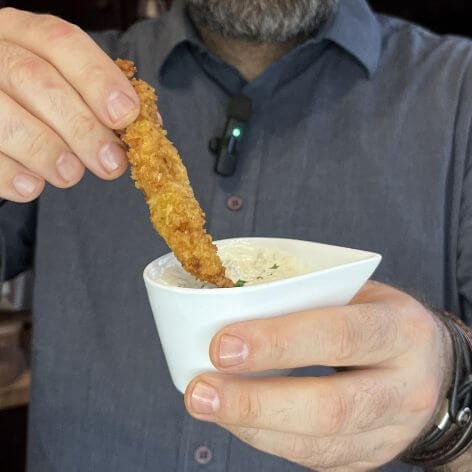
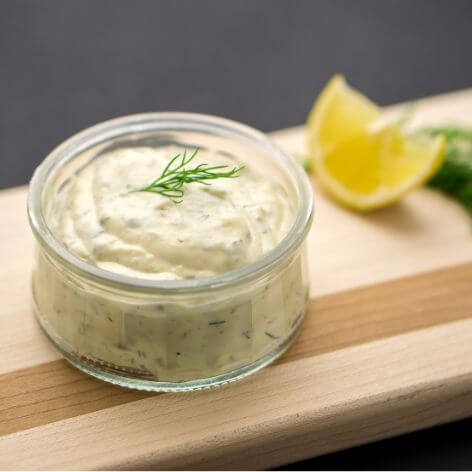
Tartar sauce remains a classic companion for seafood. Homemade mayonnaise offers a rich and smooth texture, while garlic dip adds a bold Mediterranean touch.
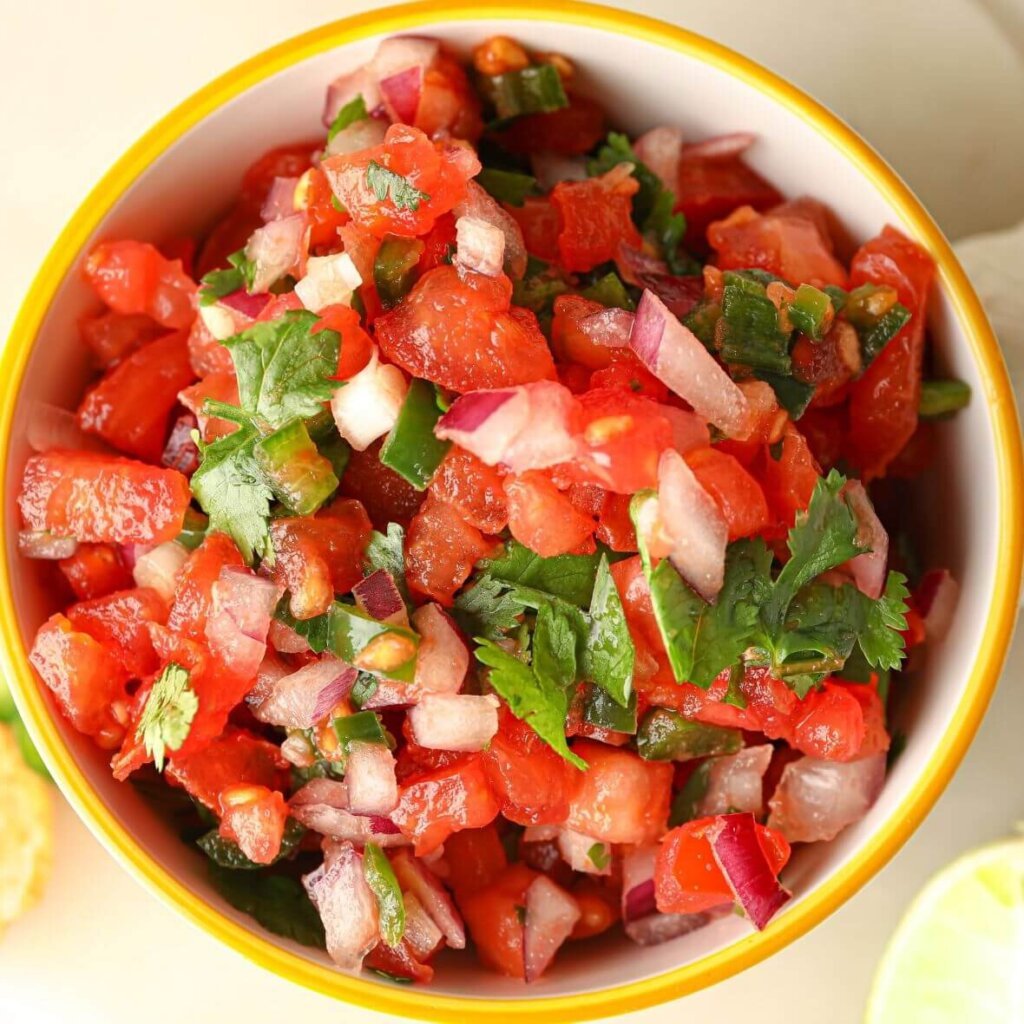
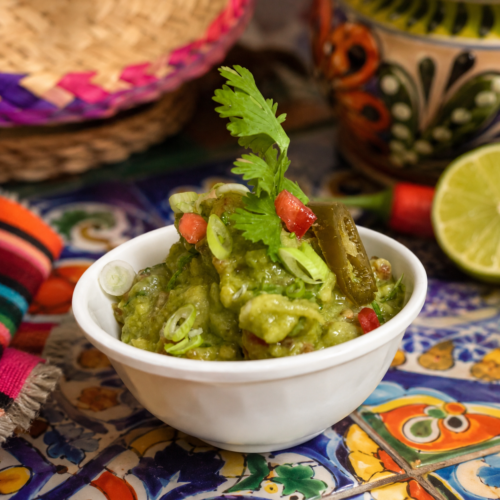
For those who enjoy fresh and vibrant flavors, guacamole and pico de gallo create a delicious contrast to the crispy coating. Sour cream brings a cooling element that balances the richness of fried food. Each sauce creates a completely different experience, making the same fish stick feel like a new dish every time.
My Story with Fish Sticks
The idea of breaded fish was completely unfamiliar during my childhood. Growing up, fish was something we bought fresh from the market. We either fried it whole or baked it. That was simply how fish was prepared in our home and in most Lebanese households.
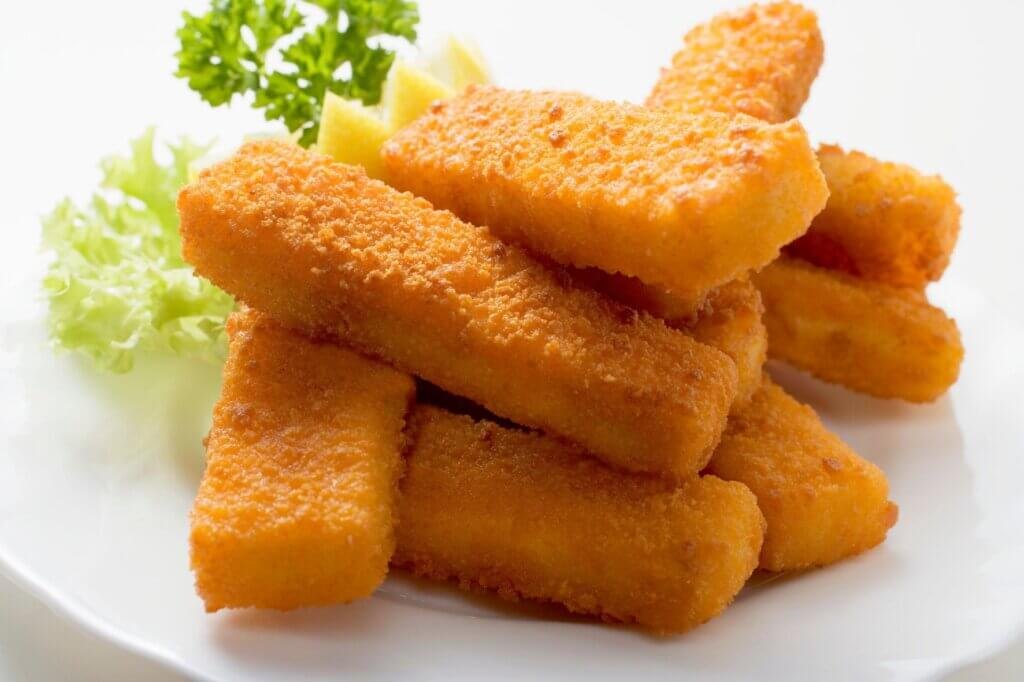
As children, we never saw fish sticks or fish fingers. In fact, many of us would probably have found the concept strange. Why would anyone take a beautiful fish fillet, coat it in breadcrumbs, and shape it into sticks?
Things began to change after the end of the Lebanese civil war. As imported products started entering the market, supermarket freezers slowly filled with foods we had never seen before. Among them were the famous fish fingers. I still remember how unusual they seemed at first. Yet curiosity quickly turned into appreciation. Before long, many families had tried them, and restaurants gradually started adding similar items to their menus.
The day I brought back my beautiful childhood memory in a professional way
As I grew older and began my professional journey as a chef, fish sticks reappeared in my life, but this time from a completely different perspective. Instead of opening a frozen package, we prepared them from scratch in the restaurant. We selected quality fish fillets, seasoned them carefully, coated them in breadcrumbs, and fried them to perfection.
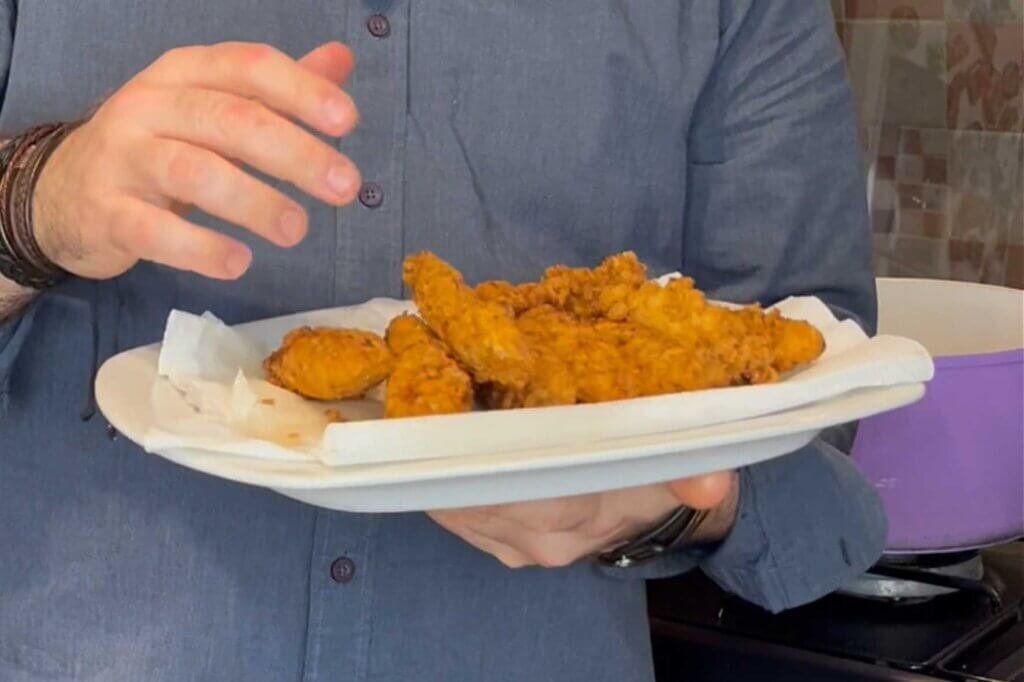
The difference was remarkable. These homemade fish sticks tasted nothing like the products I remembered from childhood. The fish was fresher, the coating was crunchier, and the flavor was infinitely better. It was one of those moments that reminded me how much difference quality ingredients and proper technique can make.
Today, fish sticks remain one of those dishes that bridge two worlds for me. They combine childhood memories of discovering new foods with the professional skills I developed later in my career. They may be simple, but when prepared properly, they become a comforting meal that both children and adults enjoy.
Understanding Breadcrumbs: Choosing the Right Crunch
Not all breadcrumbs are created equal. Although they all serve the same purpose of creating a crispy coating, each type produces a different texture, color, and eating experience. As a chef, I have worked with many kinds of breadcrumbs throughout my career, and I can confidently say that the choice of breadcrumb can completely transform a dish.
Traditional Fine Breadcrumbs
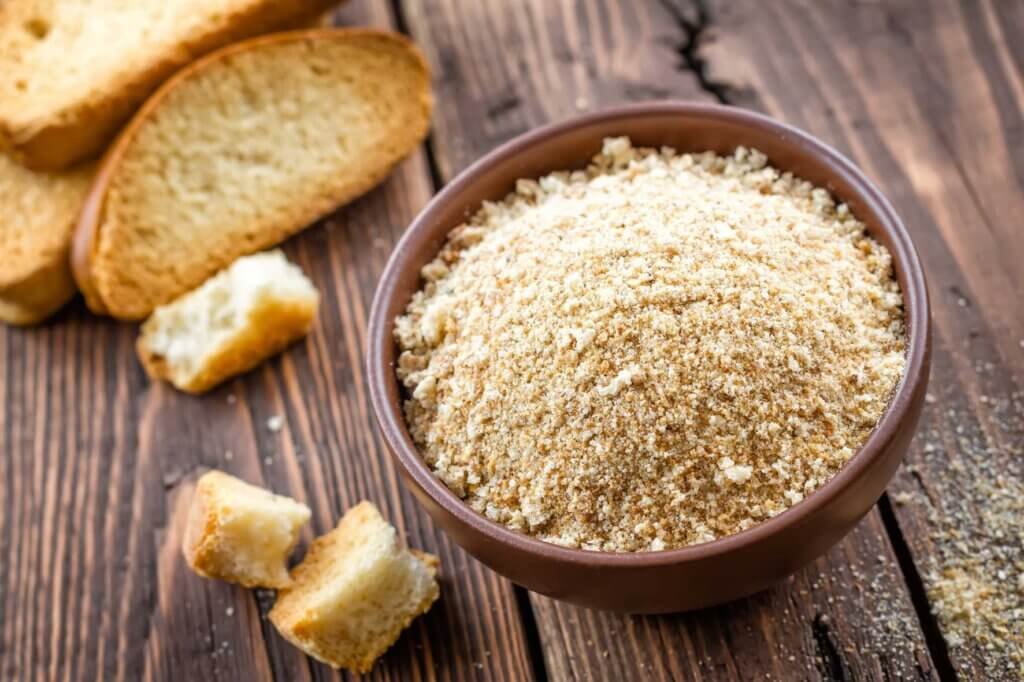
They create a thin coating that browns quickly and adheres well to meat, fish, and vegetables.
These breadcrumbs are excellent for recipes where you want a delicate crust rather than an overly crunchy coating. They are commonly used in meatballs, croquettes, stuffed vegetables, and classic breaded cutlets. While they provide a pleasant crunch, the texture tends to be denser and less airy than other varieties.
Fresh Breadcrumbs
Fresh breadcrumbs are made from soft bread that has not been fully dried. Because they retain some moisture, they create a softer and more tender coating.
I often use fresh breadcrumbs in baked dishes, gratins, and stuffing recipes where I want texture without excessive crunch. They also absorb flavors beautifully, making them ideal for herb-infused toppings.
Italian-Style Breadcrumbs
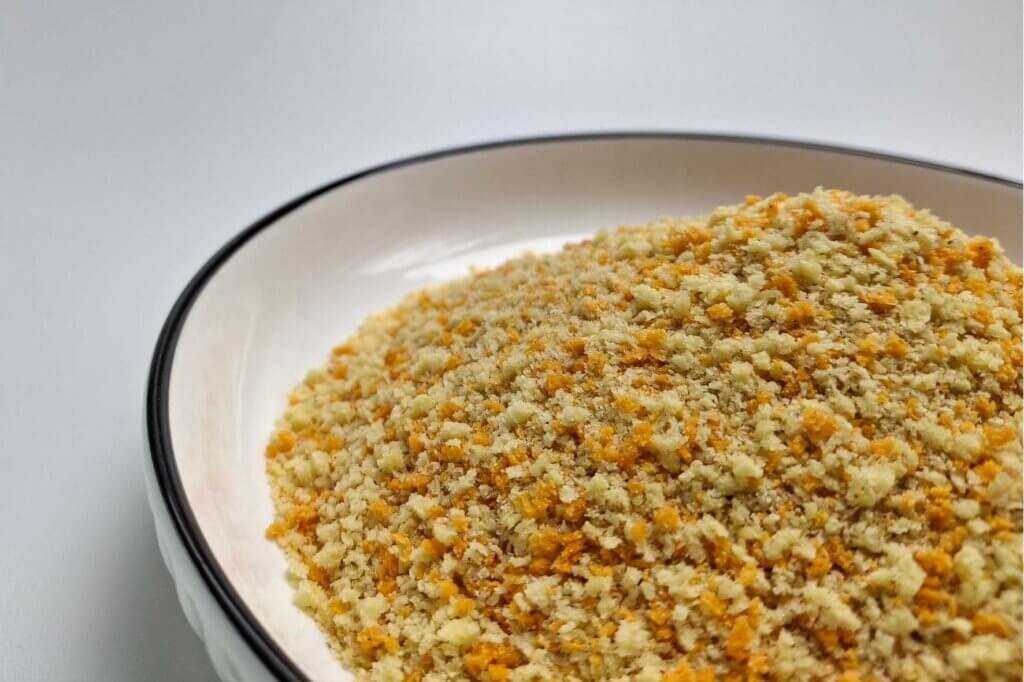
Italian breadcrumbs are typically seasoned with herbs such as oregano, basil, parsley, and garlic powder. They add flavor directly to the coating, making them convenient for quick recipes.
These breadcrumbs work particularly well with chicken cutlets, eggplant parmesan, and baked seafood dishes. However, because they already contain seasonings, I prefer to use them only when the added flavors complement the recipe.
Panko Breadcrumbs
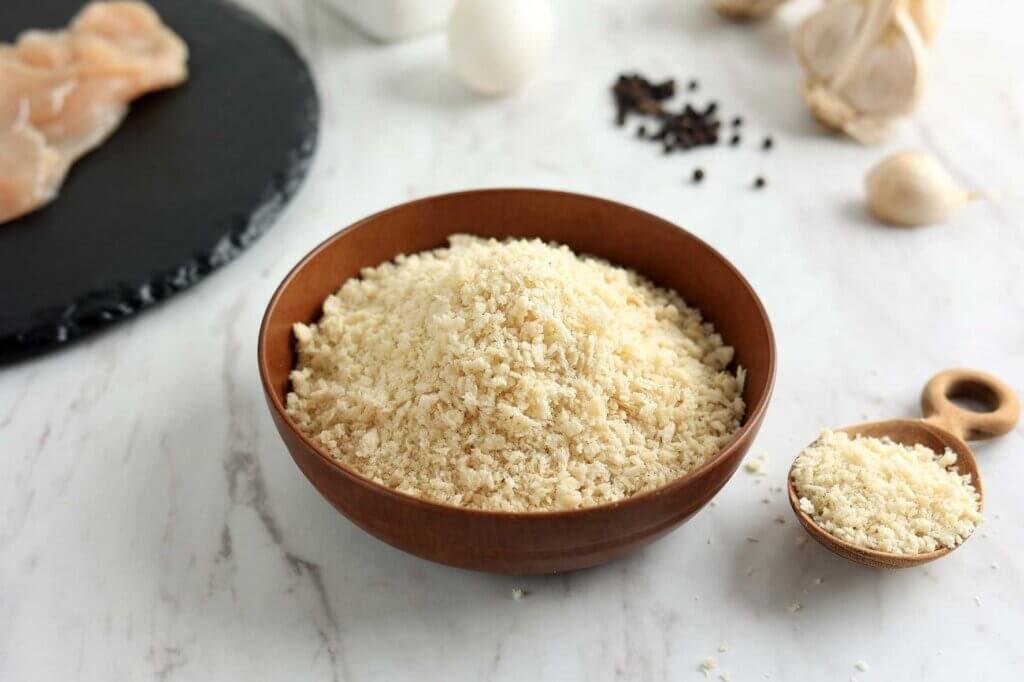
If I had to choose one breadcrumb for fish sticks, crispy chicken, or any dish where crunch is the star, I would choose Japanese panko breadcrumbs every time.
Unlike traditional breadcrumbs, panko is made from bread that is baked using a special process, creating large, irregular flakes rather than fine crumbs. These flakes trap more air, which results in an exceptionally light and crispy coating.
What I love most about panko is the texture. The crunch is airy rather than heavy. When you bite into a panko-coated fish stick, you hear a satisfying crackle before reaching the tender fish inside. It creates the kind of texture that keeps you coming back for another bite.
Panko also develops a beautiful golden color during frying. The larger flakes brown evenly and create an attractive appearance that looks just as good as it tastes. This is one of the reasons why many restaurants use panko for fried seafood, chicken tenders, and other breaded specialties.
Whenever I make fish sticks at home, panko is my first choice because it delivers the restaurant-quality crunch that many people are trying to achieve.
Cornflakes Coating
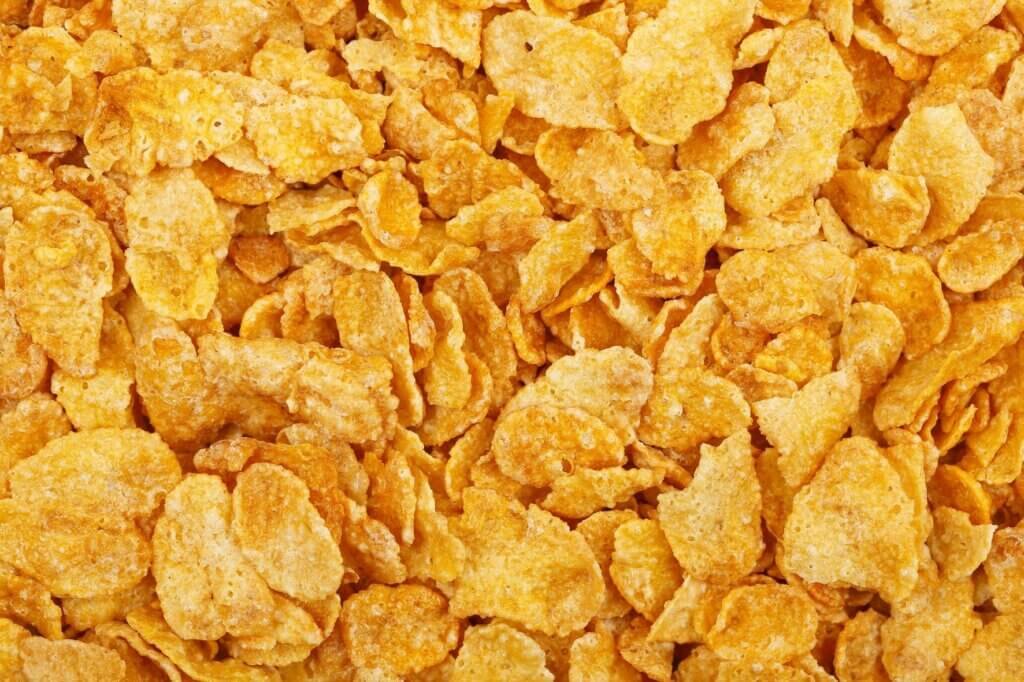
Another popular alternative to traditional breadcrumbs is plain cornflakes. Many home cooks and professional chefs use crushed cornflakes to create an extra-crispy coating for chicken, fish, and even vegetables.
Cornflakes produce a crunch that is quite different from both traditional breadcrumbs and panko. The coating tends to be thicker, louder, and more rugged, creating an almost shattering crispness when fried or baked. They also develop a beautiful golden color that makes the finished dish look especially appealing.
I often recommend using unsweetened cornflakes and crushing them by hand rather than turning them into a fine powder. Leaving some larger pieces creates more texture and gives the coating a rustic appearance. Cornflakes are particularly popular for chicken tenders, fish fillets, and oven-baked recipes because they remain crispy even without deep frying.
While I still prefer panko for fish sticks because of its light and airy texture, cornflakes are an excellent option for anyone looking for a bold crunch and a coating that stands out from the traditional breadcrumb crust.
Lebanese Breadcrumbs
Before imported breadcrumbs became widely available in supermarkets, many Lebanese households made their own breadcrumbs using a traditional product known simply as kaak. Unlike the soft bread used in many Western countries, this kaak resembles thin breadsticks or crunchy grissini. Bakers prepare it until it becomes completely dry and crisp, giving it a remarkably long shelf life.
To make Lebanese breadcrumbs, these crunchy breadsticks are ground into a very fine powder. The result is a breadcrumb that is much finer than panko and even finer than many commercial breadcrumbs. Because of its delicate texture, it adheres beautifully to fish, chicken, meat, and vegetables, creating an even coating that fries to a lovely golden color.
Growing up, this was the breadcrumb most familiar to us. Long before we discovered Japanese panko or seasoned Italian breadcrumbs, Lebanese cooks were already creating their own coatings using ground kaak. It is a wonderful example of how traditional kitchens found practical ways to avoid waste while producing ingredients that could be used in countless recipes.
Although I often use panko today when I want an extra-light and airy crunch, I still appreciate Lebanese breadcrumbs for their heritage and versatility. They remind me that long before specialty ingredients filled supermarket shelves, our local bakeries were already providing everything we needed to create delicious breaded dishes at home.
How to Make Homemade Breadcrumbs
One of the best things about breadcrumbs is that you can easily make them at home instead of throwing away leftover bread.
To make traditional breadcrumbs, simply save stale bread and allow it to dry completely. Once dry, blend it in a food processor until you reach the desired texture. You can then store the crumbs in an airtight container for several weeks.
For fresh breadcrumbs, use day-old bread and pulse it briefly in the food processor. The resulting crumbs will be soft and slightly moist.
You can even make homemade panko-style breadcrumbs. Remove the crusts from white bread and grate or pulse the bread gently into larger flakes. Spread the flakes on a baking sheet and dry them in a low-temperature oven without allowing them to brown. The result will not be identical to authentic Japanese panko, but it will create a lighter and crispier coating than traditional breadcrumbs.
Making your own breadcrumbs is economical, reduces food waste, and allows you to control both the texture and flavor. Most importantly, it ensures that a loaf of bread has one last delicious purpose before it leaves your kitchen.
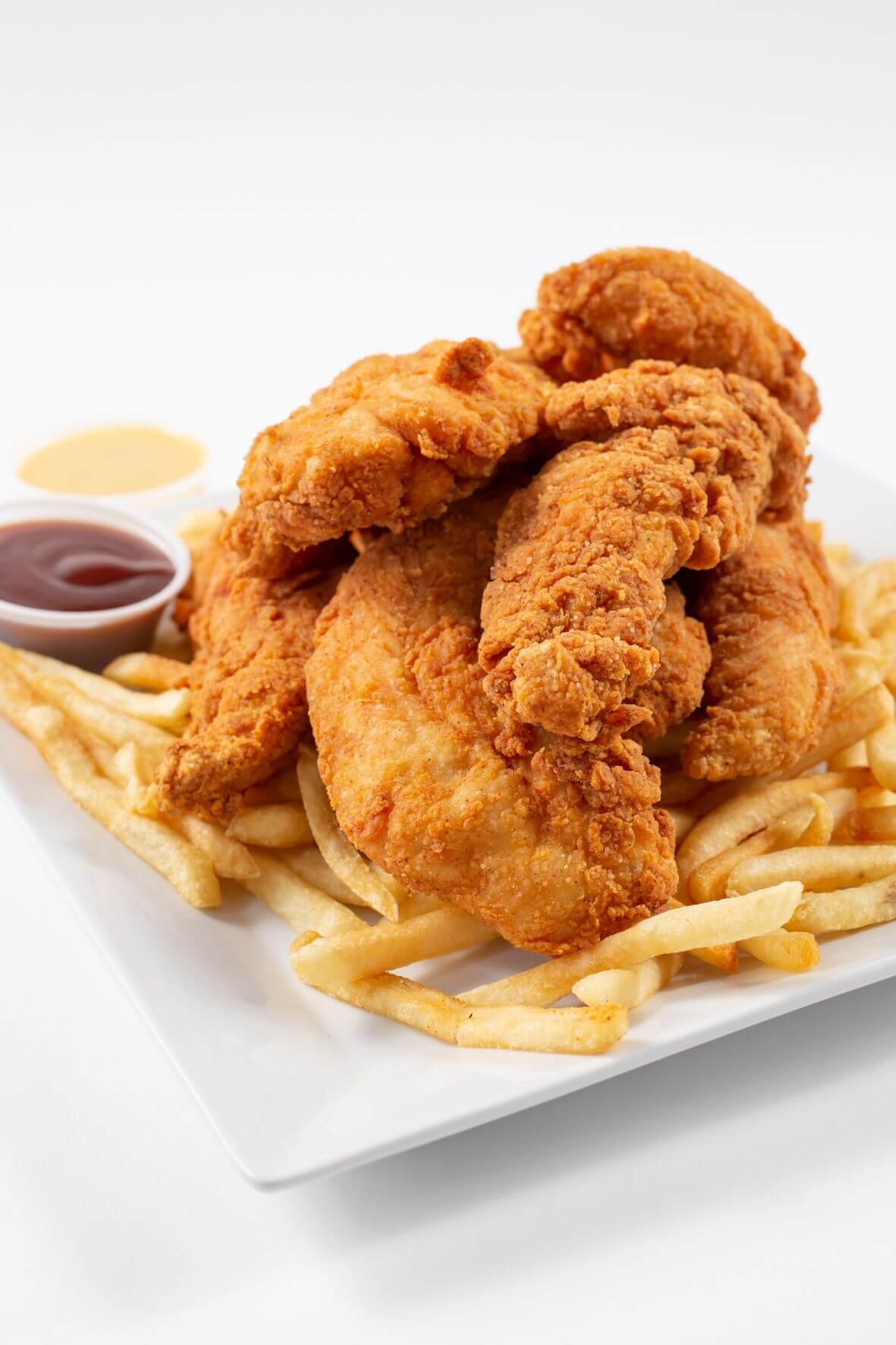
Fish Sticks
Ingredients
Equipment
Method
- In a large bowl, combine the liquid milk, white pepper, salt, and mustard.
- Take the dried oregano and rub it between your palms over the bowl to release its aromatic oils before mixing it in.
- Whisk until well combined.
- Take your fish fillets and cut them into even “finger” shapes (about 1-inch thick strips).
- Place the fish fingers into the milk mixture.
- Cover and refrigerate for at least 5 to 6 hours.
- This step ensures the fish stays tender, white, and juicy inside.
- After marinating, pour the fish and liquid into a strainer to remove excess moisture.
- Prepare three separate stations:
- Station 1: A bowl of plain flour.
- Station 2: A bowl of beaten eggs seasoned with white pepper and oregano.
- Station 3: A bowl of Panko breadcrumbs.
- Using one hand for wet ingredients and one for dry to keep things clean.
- Roll the fish finger in the flour and shake off the excess.
- Dip it into the egg wash.
- Toss it in the Panko breadcrumbs, pressing down gently to ensure the crumbs adhere well.
- Place the coated fish fingers on a tray lined with parchment paper or plastic wrap.
- Sprinkle a few extra breadcrumbs on top.
- Place the tray in the freezer (ideally overnight) until firm.
- Heat a generous amount of oil in a pan.
- You can fry the fish fingers directly from the freezer or slightly defrosted.
- Fry them in batches until they are golden brown and crispy.
- Avoid overcooking to keep the centers juicy.
- Serve hot with a side of homemade Tartar sauce.
Video
The Best Side Dishes to Serve with Fish Sticks
Fish sticks are wonderfully versatile. Their crispy coating and mild seafood flavor make them easy to pair with a wide variety of side dishes. Whether you are preparing a quick family dinner or serving a casual meal for guests, the right side dish can transform a simple plate of fish sticks into a complete and satisfying feast.
French Fries
French fries are perhaps the most classic companion for fish sticks. There is a reason why fish and chips became one of the world’s most beloved comfort foods. The crispy fish and golden fries create a combination of textures that feels both satisfying and familiar.
I particularly enjoy serving homemade fries because they can be seasoned exactly to my liking. A sprinkle of sea salt, a touch of paprika, or even a little garlic powder can elevate the entire meal. When paired with tartar sauce or garlic dip, fish sticks and fries become the kind of comfort food that everyone enjoys.
Potato Wedges
If you want something a little heartier than French fries, potato wedges are an excellent choice. Their fluffy interior and crispy exterior pair beautifully with the crunchy coating of fish sticks.
I often season potato wedges with paprika, oregano, garlic powder, and a little olive oil before baking them. The result is a rustic side dish that complements the fish without overpowering it.
Coleslaw
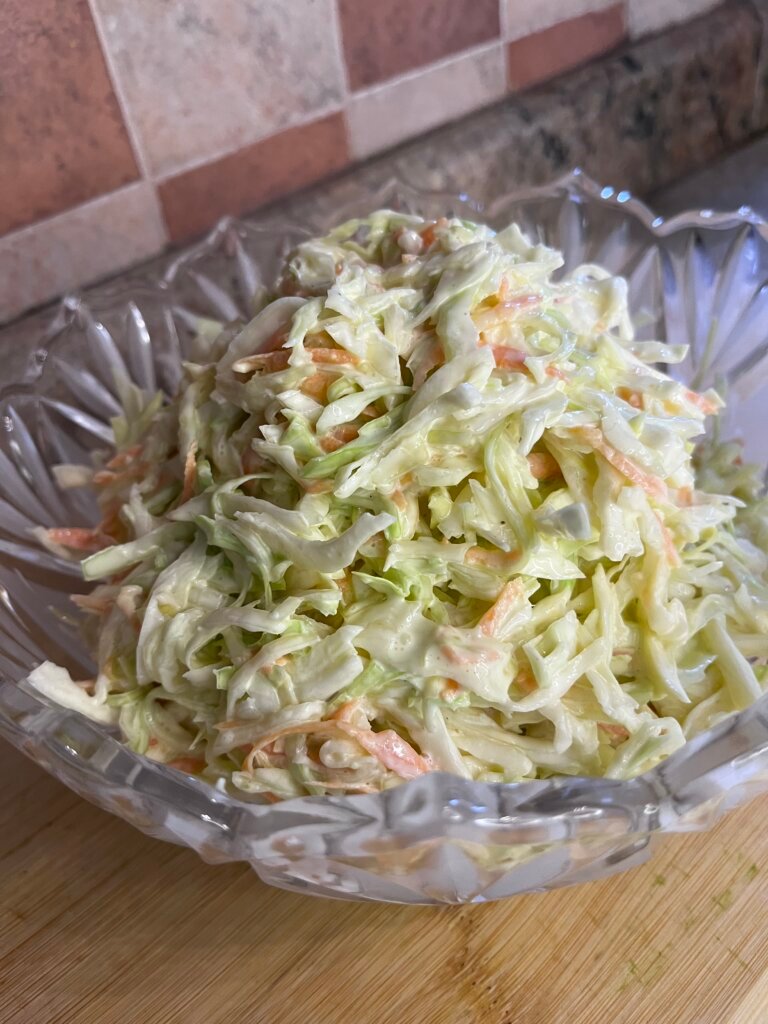
Whenever I serve fried foods, I like to include something fresh and crunchy on the side. Coleslaw provides exactly that balance. The crisp cabbage and carrots add freshness while the creamy dressing contrasts wonderfully with the crispy fish coating.
The slight acidity of coleslaw also helps cut through the richness of fried food, making each bite feel lighter and more refreshing.
Green Salad
A simple green salad is one of the easiest ways to create a more balanced meal. Fresh lettuce, cucumbers, tomatoes, and herbs bring brightness to the plate and provide a welcome contrast to the warm, crispy fish sticks.
I often dress the salad with lemon juice and olive oil. The citrus notes work especially well with seafood and help highlight the delicate flavor of the fish.
Pickles
Pickles may seem like a small addition, but they can make a surprisingly big difference. Their sharp, tangy flavor cuts through the richness of the fried coating and refreshes the palate between bites.
In Lebanon, pickles are often served alongside sandwiches, shawarma, and fried foods for exactly this reason. Whether you choose cucumber pickles, mixed vegetables, or pickled turnips, they bring a bright and lively element to the meal.
Corn on the Cob
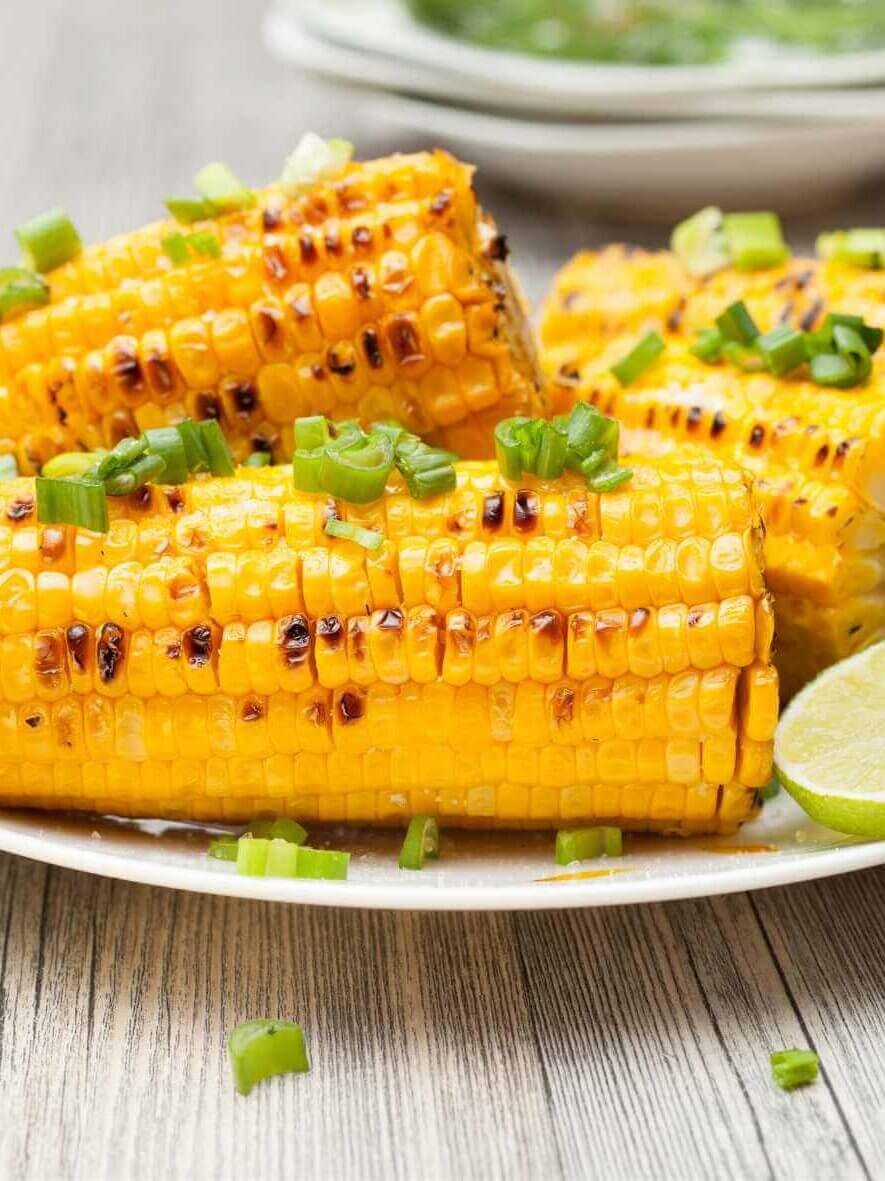
Corn on the cob is a popular side dish that pairs beautifully with fish sticks, especially during the warmer months. The natural sweetness of the corn balances the savory flavors of the fish while adding another layer of texture to the plate.
A little butter, a sprinkle of salt, and perhaps a squeeze of lemon are all it takes to turn corn into a delicious accompaniment.
Rice Pilaf
Although fish sticks are often associated with fries, rice can be an excellent alternative. A light rice pilaf seasoned with herbs and vegetables creates a more substantial meal while allowing the fish to remain the star of the plate.
This combination is particularly appealing for families who prefer rice-based meals or are looking for a lighter option than fried potatoes.
My Favorite Combination
If I had to choose my favorite way to serve fish sticks, I would keep things simple. A generous portion of crispy fish sticks, homemade French fries, a side of coleslaw, and a selection of dipping sauces create the perfect balance of crunch, freshness, and flavor.
Add tartar sauce, garlic dip, homemade mayonnaise, or even a spoonful of pico de gallo, and you have a meal that feels comforting, satisfying, and impossible to resist.
How to Get the Crispiest Fish Sticks
Achieving perfectly crispy fish sticks is not difficult, but a few small details can make a huge difference. Start by patting the fish dry before breading it, as excess moisture can prevent the coating from becoming crisp. After coating the fish in flour, egg, and breadcrumbs, allow it to rest for a few minutes so the breading adheres properly. When frying, make sure the oil is hot enough and avoid overcrowding the pan or fryer, as this lowers the oil temperature and can result in a soggy coating.
If you would like to learn more about the science behind crispy fried foods, be sure to read my article, “Why Your Fried Food Isn’t Crispy: Common Mistakes and How to Fix Them.” In that article, I explain in detail how oil temperature, overcrowding, moisture, and other common mistakes can affect the final texture of your fried dishes. By applying those same principles to fish sticks, you can achieve the golden, crunchy coating that makes them so irresistible.
Final Thoughts
Fish sticks may seem like a simple dish, but as we have seen throughout this article, there is much more to them than meets the eye. From their arrival in Lebanese supermarkets after the civil war to the homemade versions I later prepared as a chef, fish sticks have become a beloved comfort food enjoyed by both children and adults. Whether you choose traditional breadcrumbs, panko, Italian-style breadcrumbs, or even crushed cornflakes, the key is to use quality ingredients and proper techniques to achieve that irresistible golden crunch.
I hope this recipe and the tips shared throughout this article inspire you to make your own homemade fish sticks and discover just how much better they can be than store-bought alternatives. If you try this recipe, I would love to hear from you. Leave a comment below and share your experience, your favorite dipping sauce, or any special twists you added to the recipe.
Don’t forget to visit my YouTube channel, where you’ll find step-by-step recipe videos, cooking tutorials, and practical kitchen techniques gathered from more than three decades of professional cooking experience. While you’re here, take some time to explore the many recipes, cooking guides, and helpful kitchen tips available throughout this website. Whether you’re looking for Lebanese classics, international favorites, baking recipes, or simple tricks that make a big difference in the kitchen, you’ll find plenty of inspiration to help you cook with confidence.
Thank you for visiting, and as always, happy cooking!

Chef François El Aaraj is a corporate chef and culinary consultant with more than 30 years of experience in professional kitchens and restaurant openings across Lebanon and abroad. Through this website, he shares authentic recipes, cooking techniques, and chef secrets designed to help home cooks create flavorful meals with confidence.
Leave a Reply