There are some recipes that win us over with complexity. They simmer for hours, require special techniques, and leave the kitchen smelling wonderful long before they reach the table. Then there are recipes that earn our respect for the exact opposite reason. They are simple, fresh, and made from ingredients we often already have at home. Pico de Gallo is one of those recipes.
As a chef, I have spent more than three decades working with food. During those years, I have prepared elegant sauces, rich reductions, and dishes that required hours of careful attention. Yet some of the recipes I return to most often are surprisingly simple. Pico de Gallo is one of them.
The first time I truly appreciated it was not because of the recipe itself, but because of what it did to the food around it. I remember serving grilled meats on a hot summer day. The meat was flavorful, juicy, and perfectly cooked. Yet what everyone kept talking about was the fresh tomato mixture served alongside it. The brightness of the tomatoes, the sharpness of the onions, the freshness of the herbs, and the citrus notes transformed the entire meal.
That experience taught me something important: sometimes a simple condiment can have as much impact as the main dish itself.
Whenever I share a Pico de Gallo recipe, I notice that many people ask the same question:
Isn’t Pico de Gallo just salsa?
It’s a fair question. Both come from Mexican cuisine, contain tomatoes, can include onions, peppers, herbs, and citrus. Both are commonly served with tortilla chips, tacos, burritos, and grilled foods.
Yet despite these similarities, they are not exactly the same thing.
Understanding the difference can help you choose the right one for your meal and appreciate why each has earned a special place in kitchens around the world.
What Is Pico de Gallo?
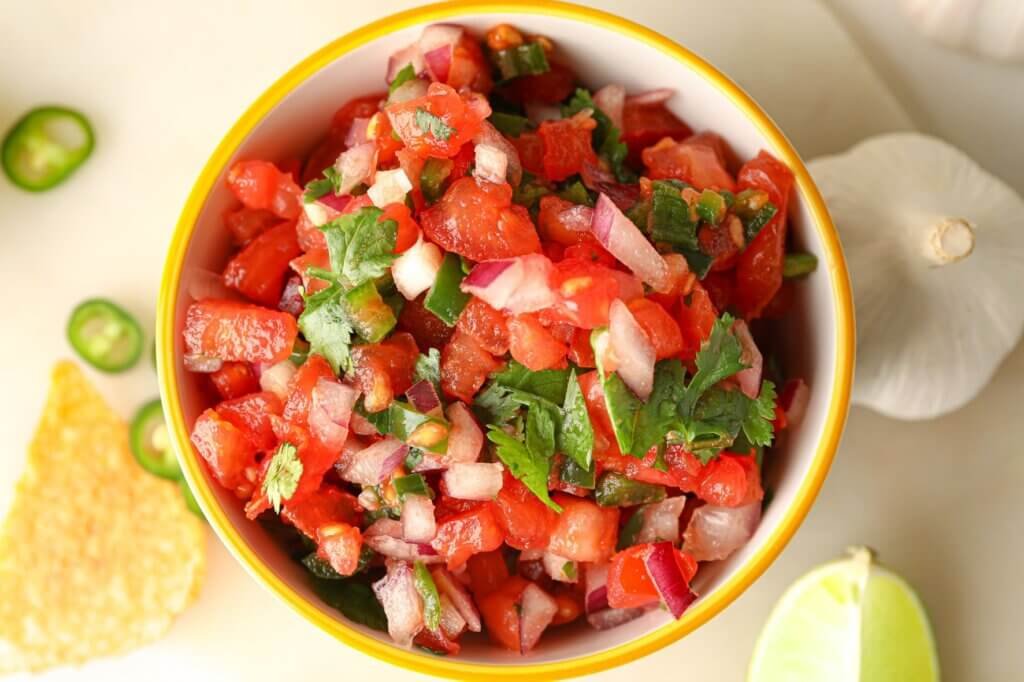
Pico de Gallo is a fresh Mexican condiment made primarily from diced tomatoes, onions, chili peppers, fresh cilantro, Mexican spices and lime juice.
Unlike many traditional salsas, Pico de Gallo is not blended. Every ingredient remains visible and recognizable. The tomatoes are diced. The onions are chopped. The herbs remain fresh and vibrant.
When you look at a bowl of Pico de Gallo, you can clearly identify every component.
This may sound like a small detail, but it dramatically affects the eating experience.
Each bite delivers different textures. One spoonful might contain more tomato. Another may highlight the crunch of onion. Another might bring a little extra heat from the peppers.
That variety is part of what makes Pico de Gallo so enjoyable.
Its name is often translated as “rooster’s beak,” although there are several theories about how it received that name. Regardless of its origins, Pico de Gallo has become one of the most recognizable fresh condiments in Mexican cuisine.
What Is Salsa?
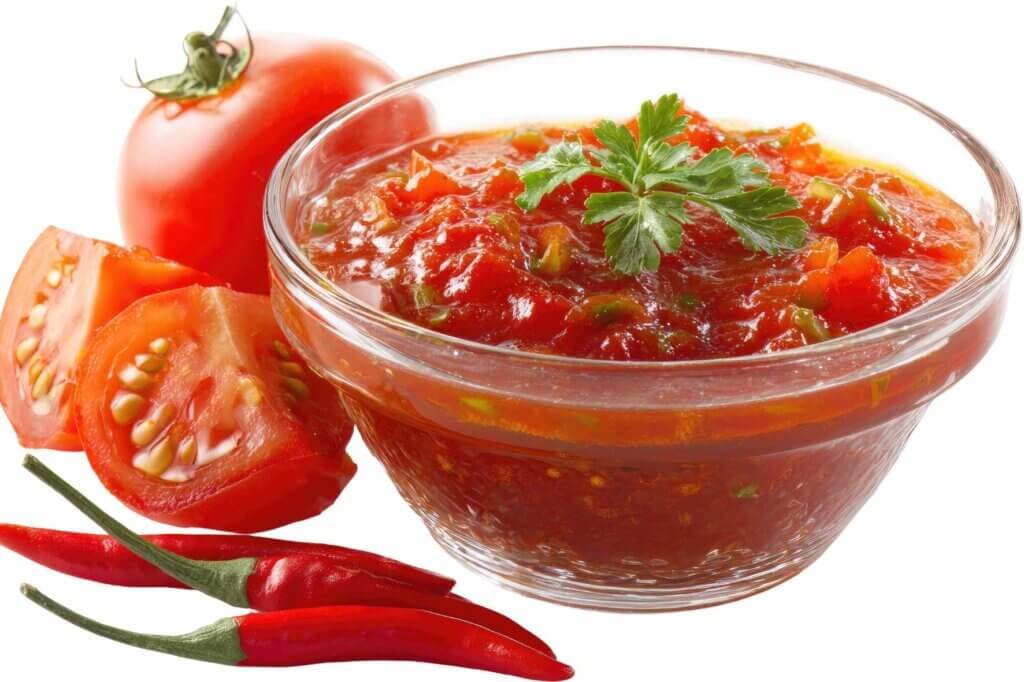
The word “salsa” simply means “sauce” in Spanish.
This is where much of the confusion begins.
Pico de Gallo is technically a type of salsa because it is a sauce or condiment. However, not all salsas are Pico de Gallo.
Traditional salsa can take many forms.
Some are smooth and blended. Others are chunky. Some are made entirely from fresh ingredients, while others are cooked, roasted, or simmered.
For example, salsa roja often includes roasted tomatoes and peppers that are blended into a smooth sauce. Salsa verde uses tomatillos instead of tomatoes. Some salsas contain garlic, spices, roasted vegetables, or additional ingredients that completely change their flavor profile.
When most people think of salsa, they picture the dip served with tortilla chips in restaurants. Depending on where you eat, that salsa may be smooth, thin, thick, spicy, smoky, or mild.
Pico de Gallo, on the other hand, maintains a much more consistent identity. It is almost always fresh, chunky, and uncooked.
The Main Difference Between Pico de Gallo and Salsa
If I had to explain the difference in one sentence, I would say this:
Pico de Gallo is fresh and chunky, while salsa is a broader category that can be fresh, cooked, chunky, or smooth.
This difference affects nearly everything else.
Pico de Gallo delivers freshness. You taste individual ingredients. The tomatoes still feel like tomatoes. The onions still provide crunch. The herbs remain bright and aromatic.
Salsa often creates a more unified flavor. The ingredients blend together into a sauce where no single ingredient dominates.
Neither approach is better.
They simply serve different purposes.
When I prepare grilled chicken, steak, fish, or tacos, I often reach for Pico de Gallo because it adds freshness and texture.
When I want a dip for chips or a sauce for enchiladas, a blended salsa may be the better choice.
The beauty of cooking is that there is rarely one correct answer.
Why Freshness Matters
One reason I love Pico de Gallo is that it reminds us how powerful fresh ingredients can be.
Many modern foods rely on heavy sauces, excess sugar, or complicated preparations to create flavor. Pico de Gallo does the opposite.
Its success depends entirely on the quality of its ingredients.
A ripe tomato matters.
Fresh cilantro matters.
A juicy lime matters.
This is one of the reasons I enjoy making it at home. It reconnects us with ingredients in their most natural form.
When tomatoes are at their peak, there is very little that needs to be done to them. A little onion, a little citrus, and a touch of seasoning can be enough to create something truly memorable.
As a chef, those are often my favorite recipes—the ones that allow ingredients to speak for themselves rather than hiding them beneath layers of complexity.
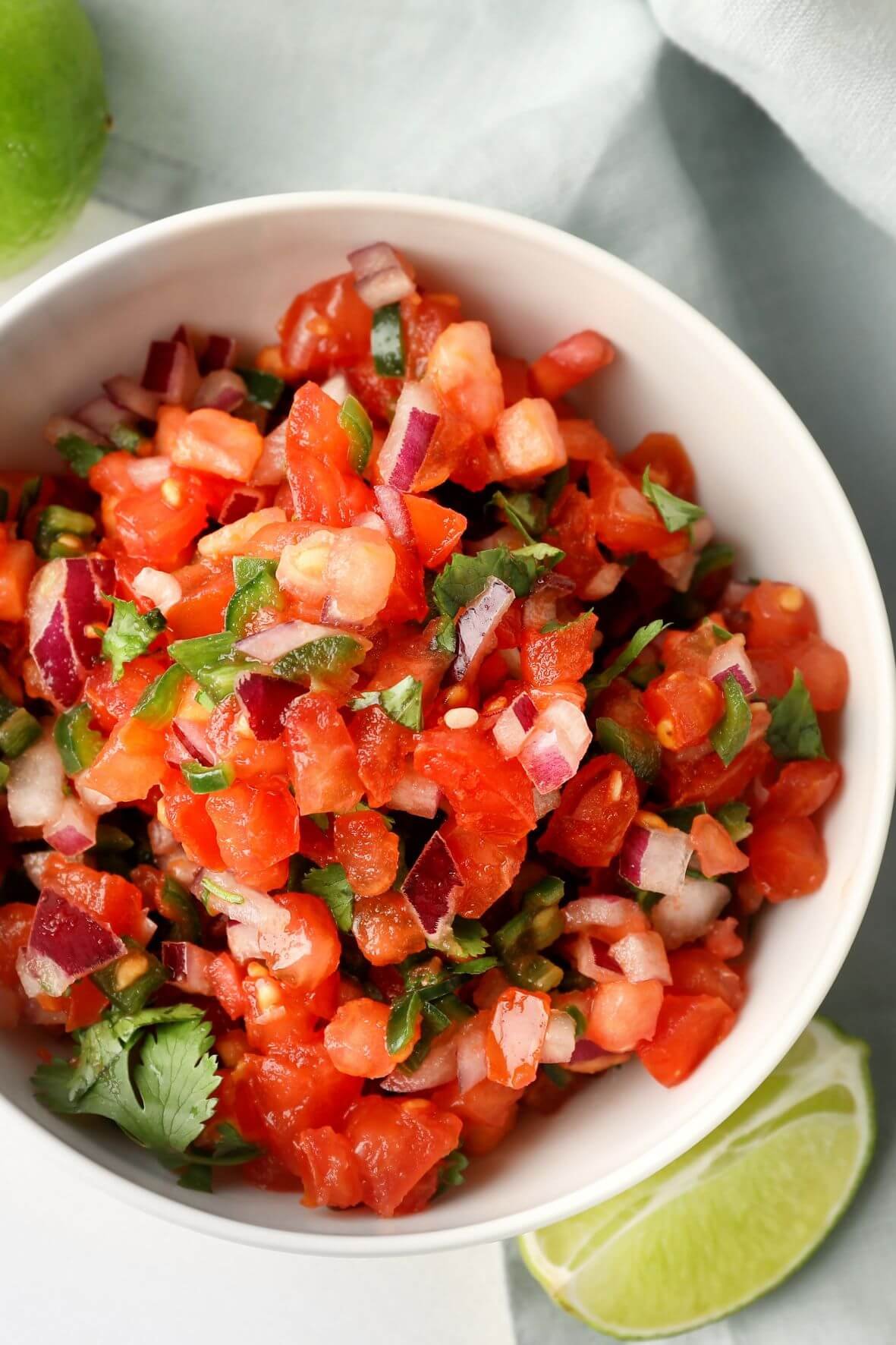
Pico de Gallo
Ingredients
Equipment
Method
- Choose firm, ripe red tomatoes.
- Remove the stems and the pulpy centers.
- Finely dice the tomatoes into small, uniform pieces (similar to the cut used for tabbouleh).
- Finely dice the onions and add them to a mixing bowl with the chopped tomatoes.
- Remove the thick stems from a bunch of fresh cilantro.
- Finely chop the leaves and add them to the bowl.
- Finely dice your jalapeños.
- Add a Mexican spice blend.
- Squeeze fresh lemon juice over the mixture and drizzle with a generous amount of olive oil.
- Stir all the ingredients together until well combined.
- Serve immediately with tortilla chips, nachos, or tacos.
Video
Notes
- You can use fresh jalapeños for a crisp bite or pickled jalapeños (as used in the video) for extra acidity and heat.
- If you don’t have a pre-made blend, use a mixture of salt, black pepper, and a pinch of cumin
One Unexpected Pairing: Chili Con Carne
When most people think about Pico de Gallo, tacos and tortilla chips are usually the first dishes that come to mind. While those are excellent pairings, one of my personal favorites is serving it alongside Chili Con Carne.
Chili Con Carne is rich, hearty, and deeply satisfying. The slow-cooked meat, spices, beans, and tomato-based sauce create layers of warm and comforting flavors. However, because the dish is so rich, it benefits from something fresh to balance it.
This is where Pico de Gallo shines.
The juicy tomatoes, crisp onions, fresh cilantro, and citrus notes bring brightness to every bite. Instead of competing with the chili, Pico de Gallo creates contrast. The freshness cuts through the richness and makes the entire dish feel lighter and more vibrant.
I first started serving Pico de Gallo with Chili Con Carne during casual family meals. What surprised me was how quickly everyone began adding more of it to their bowls. The combination of hot, slow-cooked chili and cool, fresh Pico de Gallo creates a balance that is difficult to achieve with cheese or sour cream alone.
Today, whenever I prepare Chili Con Carne, a bowl of fresh Pico de Gallo is rarely far away. It’s a simple addition, but it transforms the meal and proves once again that sometimes the freshest ingredients make the biggest difference.
Frequently Asked Questions About Pico de Gallo
Is Pico de Gallo the Same as Salsa?
Not exactly. Pico de Gallo is considered a type of salsa, but it differs from many traditional salsas because it is always fresh and chunky. The ingredients are diced rather than blended, allowing each component to retain its texture and flavor. Traditional salsa, on the other hand, may be smooth, cooked, roasted, or blended into a sauce.
Why Is My Pico de Gallo Watery?
This is one of the most common issues people encounter. Tomatoes naturally contain a lot of water, and some varieties release more liquid than others. To reduce excess moisture, I recommend using firm, ripe tomatoes and removing some of the seeds before dicing. Allowing the mixture to drain briefly before serving can also help.
Can I Make Pico de Gallo Ahead of Time?
Yes. In fact, I often find that Pico de Gallo tastes even better after resting for 20 to 30 minutes. This allows the flavors to blend together. However, because it is made from fresh ingredients, it is best enjoyed within a day or two for maximum freshness and texture.
How Long Does Pico de Gallo Last in the Refrigerator?
When stored in an airtight container, Pico de Gallo will usually remain fresh for up to 2 days. After that, the tomatoes begin to soften and release more liquid. While it may still be safe to eat, the texture and appearance will not be as appealing.
Can I Freeze Pico de Gallo?
I generally do not recommend freezing Pico de Gallo. Tomatoes contain a large amount of water, and freezing changes their texture significantly. Once thawed, the mixture often becomes mushy and loses the fresh, crisp qualities that make Pico de Gallo special.
Is Pico de Gallo Spicy?
The spice level depends entirely on the peppers you use. Traditional recipes often include jalapeños, which provide a mild to moderate heat. If you prefer a milder version, you can reduce the amount of peppers or remove the seeds. For more heat, additional peppers can easily be added.
Can I Use Lemon Juice Instead of Lime Juice?
Yes. While lime juice is more traditional and contributes the characteristic flavor associated with Mexican cuisine, lemon juice can be an excellent substitute. In fact, I often use lemon juice when it is more readily available. The result is slightly different but still delicious.
What Are the Best Tomatoes for Pico de Gallo?
I prefer firm, flavorful tomatoes that are ripe but not overly soft. Roma tomatoes are a popular choice because they contain less water and hold their shape well after dicing. However, the best tomato is often the freshest one available to you.
Is Pico de Gallo Healthy?
One of the reasons I enjoy Pico de Gallo so much is that it relies on simple, wholesome ingredients. Tomatoes, onions, fresh herbs, and citrus provide flavor without the need for heavy sauces or excessive fats. It is naturally low in calories and can easily fit into a balanced diet.
What Can I Serve with Pico de Gallo?
Most people immediately think of tacos and tortilla chips, but Pico de Gallo is far more versatile than that. I enjoy serving it with grilled chicken, steak, fish, Chili Con Carne, rice bowls, omelets, wraps, and even burgers. Anywhere a dish could benefit from freshness and texture, Pico de Gallo is likely to feel right at home.
Why Does Restaurant Pico de Gallo Taste Better?
In my experience, the secret is rarely a special ingredient. The difference usually comes down to freshness, proper knife work, and balance. Restaurants often use perfectly ripe tomatoes, finely diced ingredients, and just enough citrus to enhance the flavors without overpowering them. Paying attention to these small details can make a significant difference at home.
A Few Words from François
After more than 30 years in professional kitchens, I’ve learned that great cooking isn’t always about complicated techniques or long ingredient lists. Sometimes, the recipes that leave the strongest impression are the simplest ones. Pico de Gallo is a perfect example. With just a handful of fresh ingredients, it can bring color, freshness, and balance to an entire meal.
One of my greatest joys today is sharing the knowledge and experience I’ve gathered throughout my culinary journey. Through our recipes, articles, and videos, my goal is to help home cooks create delicious food with confidence, whether they’re preparing a simple family meal or experimenting with new flavors from around the world.
If you enjoy learning practical cooking techniques, discovering professional tips, and preparing easy yet flavorful recipes, I invite you to visit our YouTube channel. There you’ll find step-by-step recipe videos, kitchen tips, cooking secrets, and many of the dishes we discuss here on the website.
Thank you for being part of this journey, and I hope this Pico de Gallo recipe brings as much freshness and enjoyment to your table as it has to mine over the years.

Chef François El Aaraj is a corporate chef and culinary consultant with more than 30 years of experience in professional kitchens and restaurant openings across Lebanon and abroad. Through this website, he shares authentic recipes, cooking techniques, and chef secrets designed to help home cooks create flavorful meals with confidence.
Leave a Reply