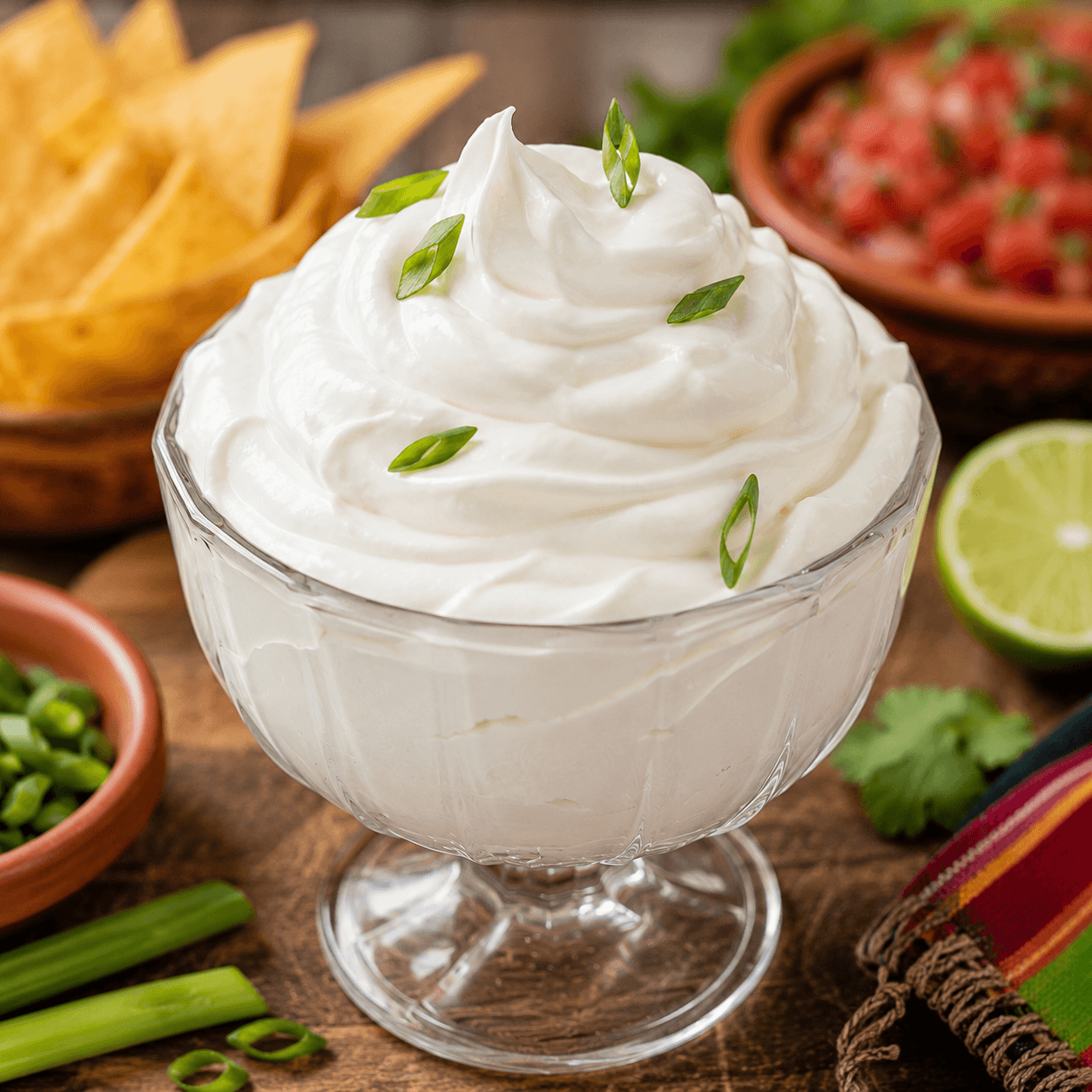
Sour cream is one of those ingredients that quietly transforms a dish without demanding attention. A spoonful can make a baked potato irresistible, add richness to tacos, create silky sauces, and bring moisture to cakes and muffins. Yet many home cooks either overlook it or assume it is difficult to make.
I used to think of it as just a topping for Mexican-inspired dishes. That changed when I started experimenting with it in homemade sauces, baked goods, and dips. The difference it made was remarkable. Recipes became creamier, flavors became more balanced, and even simple meals felt more professional.
The good news is that it is incredibly easy to make at home. With just a few ingredients and a little patience, you can create a fresh, flavorful version that rivals store-bought products.
In this guide, you’ll learn what this tangy cream is, how to make it, the best ways to use it, common mistakes to avoid, storage tips, and answers to frequently asked questions.
What Is Sour Cream?

Sour cream is a dairy product made by fermenting cream with beneficial bacteria. These bacteria thicken the cream and create the slightly tangy flavor it is known for.
Despite its name, it is not actually “sour” in an unpleasant way. Instead, it has a gentle tanginess that balances rich foods and enhances both savory and sweet recipes.
Its texture falls somewhere between heavy cream and cream cheese. It is thick enough to dollop onto dishes but smooth enough to stir into sauces and batters.
Today, it is widely used in North American, Eastern European, and Mexican cuisines, but its versatility makes it useful in virtually any kitchen.
The History of Sour Cream
Long before refrigeration existed, people needed ways to preserve dairy products. In many parts of Europe, fresh cream was naturally fermented by bacteria present in the environment.
Over time, these traditional methods evolved into the cultured dairy products we know today, including sour cream, crème fraîche, yogurt, and kefir.
Countries such as Russia, Poland, Ukraine, and Germany have long traditions of using cultured cream products in soups, pastries, and everyday cooking.
The modern version is produced under controlled conditions, but the basic principle remains the same: beneficial bacteria transform cream into something richer, thicker, and more flavorful.
Why This Recipe Works
The cream provides richness, the labneh adds body and cultured flavor, and the lemon juice introduces the tanginess that makes sour cream so distinctive.
The result is a fresh, creamy sauce that can be used immediately in a wide range of recipes.
Nutritional Value
It contains:
- Fat
- Protein
- Calcium
- Vitamin A
- Vitamin B12
- Phosphorus
While it is often considered an indulgent ingredient, moderate portions can fit comfortably into a balanced diet.
The fat content helps create satiety, meaning a small amount often goes a long way in satisfying hunger.
Why Sour Cream Makes Food Taste Better

There is actual food science behind sour cream’s popularity.
It Adds Richness
The fat content creates a luxurious mouthfeel that makes dishes feel more satisfying.
It Balances Flavors
The slight acidity cuts through rich foods and balances heavy ingredients.
It Improves Texture
Sour cream makes sauces smoother and baked goods more tender.
It Enhances Moisture
Many cakes and muffins stay fresher longer when sour cream is added to the batter.
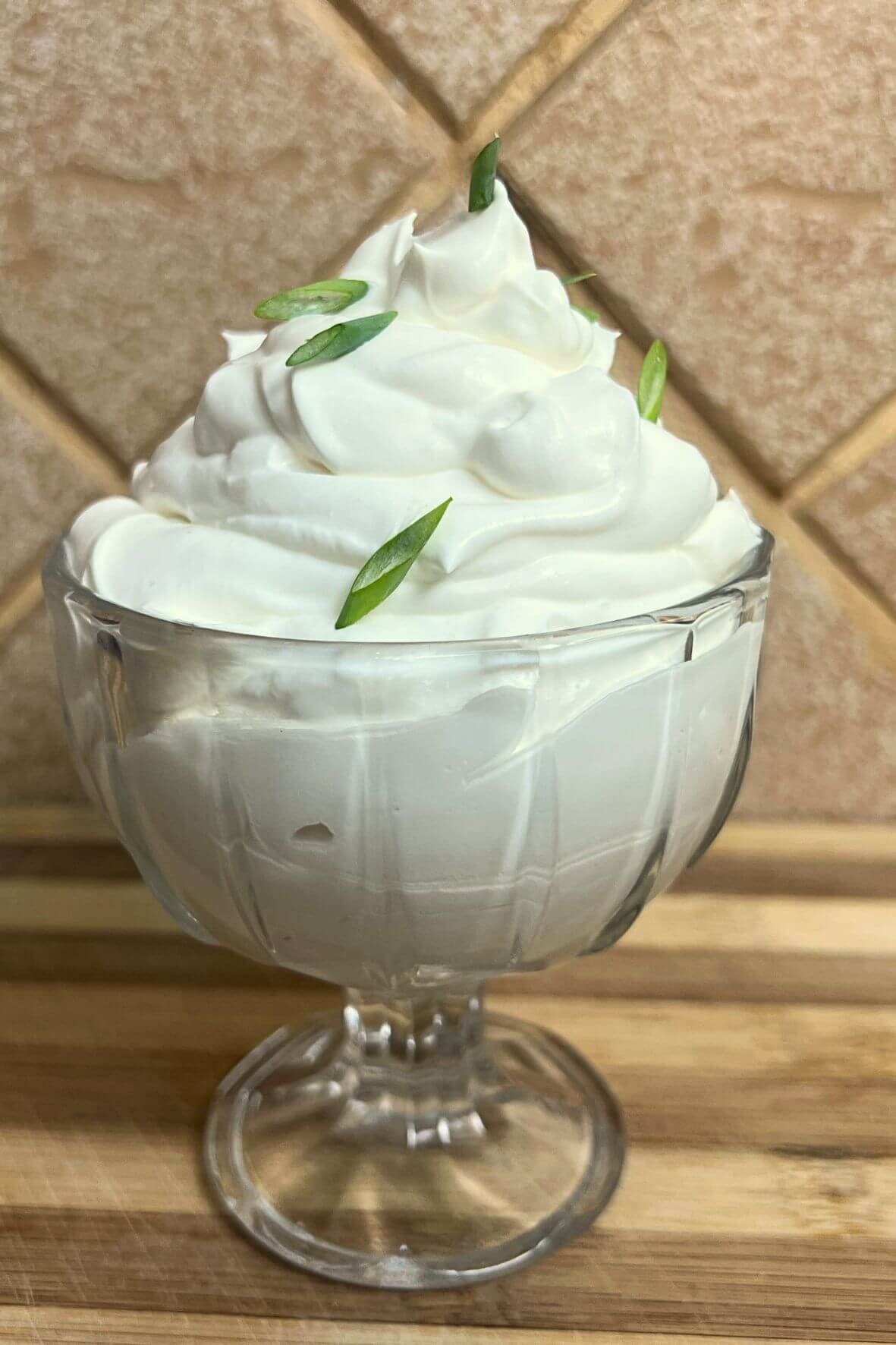
Easy Homemade Sour Cream
Ingredients
Equipment
Method
- In a mixing bowl, pour the whipping cream and add a pinch of salt and the tablespoon of labneh.
- Start whisking the ingredients using an electric hand mixer on low speed.
- Once the mixture begins to thicken slightly, add the lemon juice and continue whisking.
- Keep whisking until the texture becomes thick and firm.
- Transfer the sour cream into a bowl and place it in the refrigerator to allow it to chill and firm up further.
- Serve it in a small dish alongside nachos, tortillas, quesadillas, or any Mexican dish.
- You can garnish it with chopped green onions or fresh cilantro.
Video
Notes
Popular Uses
1. As a Topping
Perhaps the most famous use.
Try it on:
- Baked potatoes
- Chili con carne
- Tacos
- Nachos
- Burrito bowls
- Soups
Its cool, creamy texture provides contrast to warm dishes.
2. In Dips
It forms the base of countless dips.
Combine it with:
- Garlic
- Chives
- Dill
- Parsley
- Onion powder
- Lemon zest
The possibilities are endless.
3. In Salad Dressings
A spoonful of this creamy ingredient can transform a simple dressing into something rich and restaurant-worthy.
It works particularly well in:
- Ranch dressing
- Potato salad
- Coleslaw
- Cucumber salad
4. In Sauces
This sour ingredient creates silky sauces without requiring complicated techniques.
It’s commonly used in:
- Mushroom sauce
- Beef stroganoff
- Pasta sauces
- Chicken dishes
5. In Baking
Many people are surprised to learn that our star ingredient is a baker’s secret weapon.
It helps create:
- Moist cakes
- Tender muffins
- Soft coffee cakes
- Rich cheesecakes
- Fluffy pancakes
The Secret Ingredient for Better Cakes
One of the most interesting uses is in baking.
Professional bakers often add it because the combination of fat and acidity improves texture.
The acidity helps tenderize gluten while the fat keeps baked goods moist.
This is why many bakery-style cakes stay soft for days.
If you’ve ever wondered why a homemade cake sometimes lacks the texture of a bakery cake, sour cream may be the missing ingredient.
Sour Cream vs Greek Yogurt
Many people wonder whether they can substitute Greek yogurt for sour cream.
Similarities
- Creamy texture
- Tangy flavor
- High versatility
- Suitable for dips and sauces
Differences
Greek Yogurt:
- Higher protein
- Lower fat
- Slightly tangier
Sour Cream:
- Richer texture
- More luxurious mouthfeel
- Better for indulgent recipes
For healthier dishes, Greek yogurt often works well. For maximum richness, sour cream usually wins.
Sour Cream vs Crème Fraîche
These two ingredients are often confused.
Sour Cream
- Tangier flavor
- Lower fat
- More common in everyday cooking
Crème Fraîche
- Higher fat content
- Milder flavor
- More resistant to curdling
Both are excellent, but sour cream is usually more accessible and affordable.
Common Mistakes
Adding It to Boiling Liquids
High heat can cause it to separate.
Instead:
- Reduce the heat first.
- Stir in the sour cream gradually.
Using It Straight From the Refrigerator
Very cold sour cream added to hot dishes may curdle.
Allow it to sit at room temperature briefly before mixing.
Overheating
Sour cream performs best with gentle heat.
Avoid prolonged boiling whenever possible.
How to Store It
To maximize freshness:
- Keep refrigerated.
- Store in an airtight container.
- Use clean utensils every time.
- Avoid leaving it at room temperature for extended periods.
Properly stored homemade sour cream typically lasts several days.
Always check for unusual odors, mold, or discoloration before use.
Can We Freeze It?
Technically yes, but the texture changes after thawing, it becomes grainy.
For this reason, it is best used in cooked dishes after freezing rather than as a topping or dip.
Creative Ways to Use the Leftover
Many people buy sour cream for one recipe and then wonder what to do with the leftovers.
Try adding it to:
- Scrambled eggs
- Mashed potatoes
- Pasta sauces
- Pancake batter
- Smoothies
- Cheesecake filling
- Fruit dips
A small amount can dramatically improve texture and flavor.
Why Homemade Sour Cream Is Worth Trying
Store-bought sour cream is convenient, but homemade versions offer several advantages.
You control:
- The ingredients
- The flavor
- The consistency
- The freshness
Many home cooks are surprised by how vibrant and clean homemade sour cream tastes compared to commercial versions.
It also allows you to avoid unnecessary stabilizers and additives.
Frequently Asked Questions
Is it healthy?
In moderation, yes. It provides calcium, vitamins, and protein while adding flavor that may help make nutritious meals more enjoyable.
Can I replace sour cream with mayonnaise?
Often yes. Sour cream can be used in many dips, dressings, and spreads as a lighter alternative.
Can sour cream be used in desserts?
Absolutely. It works wonderfully in cheesecakes, cakes, muffins, and fruit-based desserts.
Why did my sour cream curdle?
It was likely exposed to excessive heat or added directly to a boiling liquid.
What does sour cream taste like?
It tastes rich, creamy, and mildly tangy.
Can I make sour cream without special equipment?
Yes. A bowl, whisk, and refrigerator are all you need for this recipe.
Final Thoughts
This creamy ingredient may seem simple, but its impact in the kitchen is surprisingly powerful. Whether you’re making creamy dips, improving a sauce, topping a baked potato, or creating a moist cake, sour cream brings richness, balance, and texture that few ingredients can match.
Best of all, it’s incredibly easy to make at home. With cream, labneh, lemon juice, and salt, you can create a fresh homemade version that elevates everyday cooking.
Once you start using it regularly, you’ll quickly discover why it has remained a favorite ingredient in kitchens around the world for generations.

Chef François El Aaraj is a corporate chef and culinary consultant with more than 30 years of experience in professional kitchens and restaurant openings across Lebanon and abroad. Through this website, he shares authentic recipes, cooking techniques, and chef secrets designed to help home cooks create flavorful meals with confidence.
Leave a Reply