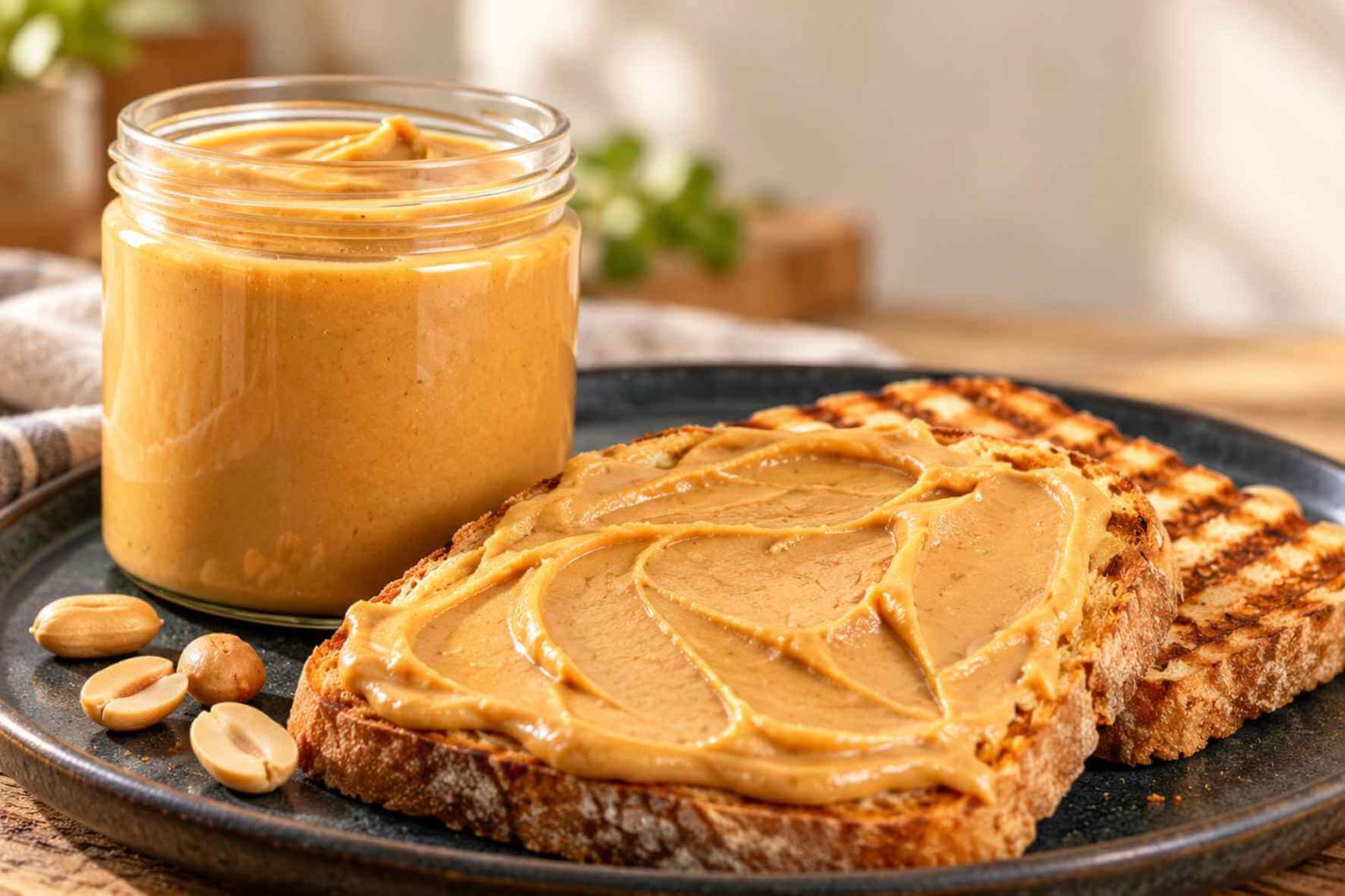
Today, making homemade peanut butter feels simple, but when I was a teenager growing up in Lebanon, peanut butter was something I knew only from the movies. We didn’t see it in our shops or hear much about it until American products began appearing in Beirut’s markets. I especially remember watching kids eat peanut butter and jam sandwiches on screen. The combination seemed so intriguing, but I couldn’t imagine what it tasted like.
When I finally tried peanut butter, my tongue felt as if it had stuck to the roof of my mouth! I have to admit, it wasn’t the most promising first taste. Then I tried Reese’s Peanut Butter Cups—and oh my goodness. Chocolate and peanut butter together? Heavenly. That was when I finally understood what all the fuss was about.
A Simple Recipe with a Lot of Personality

Peanut butter has a way of making simple food feel more satisfying. A slice of toast becomes a proper snack. A banana becomes a little more exciting. A plain sandwich has something creamy, nutty, and rich inside it.
The homemade version in the recipe card keeps the ingredient list simple: peanuts, a little salt, and honey. You can adjust the sweetness, leave the honey out, or add a flavor such as cocoa or cinnamon. The point is not to make the most complicated spread in the kitchen. It is to make a jar that tastes the way you like it.
There is also something satisfying about seeing exactly how the texture develops. The peanuts do not instantly become creamy. They go through stages, and each one looks a little different. Once you know what to expect, the process feels less like a recipe test and more like watching a familiar kitchen trick.
When Peanut Butter Showed Up at the Gym
Over the past five years, I’ve noticed more and more businesses in Lebanon selling homemade peanut butter. What surprised me most was where I kept seeing it: in gyms, often recommended or sold by personal trainers. That confused me. In my mind, peanut butter was fattening—so why were trainers encouraging people to eat it?
The answer is that peanut butter is calorie-dense, but that doesn’t automatically make it a “bad” food or mean it causes weight gain. It packs a lot of energy into a small serving, along with fats, some protein, and a little carbohydrate. That can make it a convenient snack for someone who needs extra energy to support demanding workouts or is trying to eat enough to build muscle. And because it’s rich and satisfying, a spoonful can make a simple snack feel more substantial.
But peanut butter isn’t a magic muscle-building food, and a spoonful on its own isn’t a complete recovery meal. After a tough workout, your body needs fluids and carbohydrates, and protein is important for muscle repair. Peanut butter can be part of that snack—spread on toast or paired with fruit and a protein-rich food—but it doesn’t need to be eaten immediately after every gym session. General sports nutrition guidance puts carbohydrates and protein among the priorities for recovery after strenuous exercise.
So I finally understood why trainers might recommend it: it’s convenient, tasty, and energy-rich. The key is the portion and the person’s needs. A recent small training study found that a peanut-butter-based post-workout smoothie did not produce greater strength or fitness gains than a calorie-matched carbohydrate smoothie, which is a useful reminder that peanut butter can fit into a training diet without being a special shortcut.
Peanut Butter and Jam: A Little Contrast Goes a Long Way
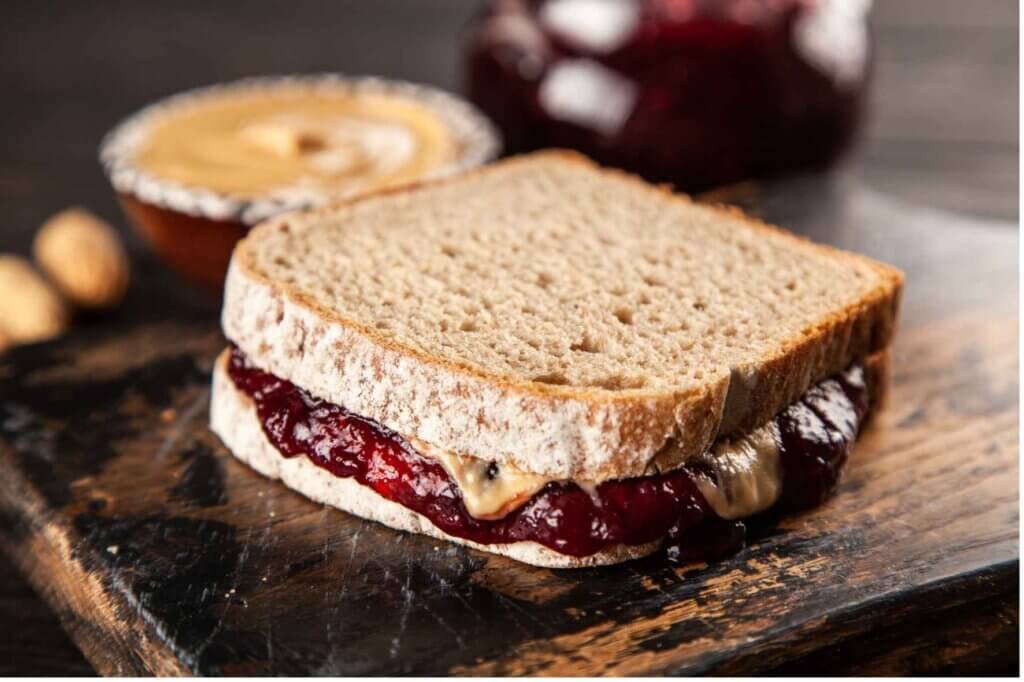
For years, peanut butter and jam sounded like one of those strange-but-famous movie foods. In American films, kids seemed to eat these sandwiches all the time—and ask for them as if they were even better than chocolate. Better than chocolate? I couldn’t understand that. I had never tasted peanut butter, so I had no idea what made this combination so irresistible.
When I finally tried peanut butter with jam, I understood the appeal a little more. The salty, nutty richness of the peanut butter meets the sweetness and fruitiness of the jam, so every bite has a lovely contrast. It wasn’t bad at all—in fact, it was fun to taste the sandwich I had seen so often on screen. But did it become my favorite? Not quite.
If I’m choosing a sweet sandwich, I’d reach for chocolate spread and banana. The banana is soft and sweet, while the chocolate brings that deep, familiar flavor I already loved. For me, that combination wins—though I can see why peanut butter and jam has its own devoted fans. If you’d like to try my version, take a look at the homemade chocolate spread recipe and spread it over bread with slices of ripe banana.
Dogs Love Peanut Butter
When I worked with Food and Design Catering, I discovered a little business that completely surprised me. The owner’s brother made homemade peanut butter especially for dogs. I had never had a dog, so I honestly didn’t know they loved peanut butter so much that people would buy it just for them.
Then I saw the orders coming in—and there were a lot of them. How do I know? Because I ended up making the peanut butter myself. It was wonderfully simple: just peanuts, with no salt, no sweeteners, and nothing else added. I would blend batch after batch, thinking about all those dogs waiting for their treat. It was a side of peanut butter I had never imagined: not for a gym snack, not for a sandwich, but for a very enthusiastic four-legged customer.
The whole thing made me smile. I had spent years thinking of peanut butter as a human food I first discovered in movies and later fell in love with in chocolate cups. Now I was helping make it for dogs—and judging by those orders, they were just as excited about it as people are.
Of course, a dog treat should be chosen carefully. The dog peanut butter I made had only peanuts in it, but that doesn’t mean every peanut butter is suitable for pets. Some sugar-free nut butters contain xylitol, which is dangerous to dogs, so owners should always check the ingredient label.
More Than a Sandwich Spread
Peanut butter is lovely between two slices of bread, but that’s only the beginning. Its rich, nutty flavor can bring a little extra comfort to breakfast, snacks, and desserts. I especially enjoy the way it pairs with fruit. Bananas make it creamy and naturally sweet, while blueberries add a fresh, tangy little pop.
That combination inspired my Banana Peanut Butter Muffins, made with bananas, peanut butter, eggs, and blueberries. They’re tasty, satisfying, and a fun way to turn a few simple ingredients into a homemade treat. The peanut butter gives the muffins a deeper flavor, while the fruit keeps every bite lively. They’re just as welcome with a cup of coffee as they are packed for a snack.
If you’re in the mood for cookies, try my Healthy Gluten-Free Peanut Butter Cookies. Peanut butter brings plenty of flavor, so it can be the star of a simple cookie without needing a long list of ingredients. They’re a lovely choice when you want something sweet and homemade.
And there are plenty of other ways to enjoy peanut butter between meals. Think Peanut Butter Oat Energy Balls for a quick grab-and-go bite, Apple Slices with Peanut Butter for a crisp-and-creamy combination, or a Peanut Butter Banana Smoothie when you want something cool and filling. You can also stir a spoonful into warm oatmeal or use it to make No-Bake Peanut Butter Oat Bars.
The fun is in how easily peanut butter shifts from one kind of snack to another. One day it’s a muffin, the next it’s a cookie or a spoonful stirred into breakfast—and somehow, it always makes the snack feel a little more special.
A Pinch of Salt Makes a Difference
When making homemade peanut butter, salt may seem like a tiny detail—but that little pinch can make a noticeable difference. Peanuts have a naturally rich, earthy flavor, and a small amount of salt helps bring it forward. It can also balance the sweetness if you add honey, giving the spread a fuller, more rounded taste without making it taste salty.
The important thing is to start modestly. You can add a pinch while blending, then taste the peanut butter and decide whether it needs a little more. Salt is easy to add, but impossible to remove once it’s mixed in. Keep in mind, too, that the flavor may seem slightly different when the peanut butter is warm from blending, so give it a moment before adjusting the seasoning.
This is a useful idea far beyond peanut butter. Salt can bring out the natural flavors of many ingredients, but good seasoning is about balance: using enough to make a dish taste lively without letting one flavor take over. That’s why I explain the basics in my How to Season Food article. It can help you understand when to season, how to taste as you go, and why a small adjustment can transform a dish.
For this peanut butter, the goal is simple: let the peanuts remain the star. Add just enough salt to make their flavor shine, then spread it on toast, spoon it into oatmeal, or enjoy it with fruit. Once you taste the difference, you’ll see why this small step deserves a place in the recipe.
Churros and Peanut Butter: A Fun New Pairing
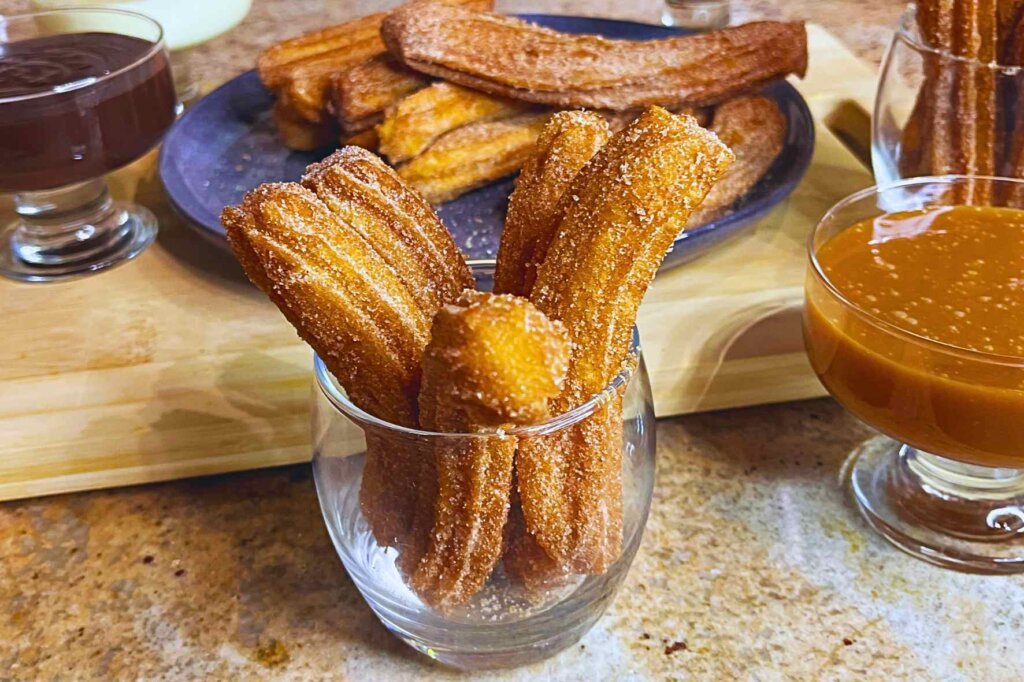
Once you start thinking beyond toast and sandwiches, peanut butter opens the door to all kinds of delicious pairings. One I’d love to try is churros with peanut butter. Churros are crisp on the outside, soft in the middle, and usually rolled in cinnamon sugar. They’re delicious dipped in chocolate sauce, but a little bowl of creamy peanut butter could make an interesting alternative—or an extra dip for anyone who wants both.
The contrast sounds especially tempting: warm, crunchy churros with smooth, rich peanut butter. The cinnamon and sugar bring sweetness and spice, while the peanuts add a roasted, savory note. You could serve the peanut butter as it is, or stir in a little honey to make it sweeter and easier to dip. If it feels too thick, a small splash of warm milk can help loosen it. Just add it gradually until the texture is right for dipping.
This would be a lovely treat to share, especially when the churros are freshly made and still warm. Put out a few different dips—peanut butter, chocolate, or even caramel—and let everyone choose their favorite. It turns a simple dessert into a little tasting experience, and nobody has to agree on just one topping.
If you haven’t made churros at home yet, you can try my Churros Recipe. They’re a fun project for a weekend or a gathering, and this peanut butter idea gives you another way to serve them. I can’t promise peanut butter will replace chocolate sauce, but it may earn a spot beside it on the dipping table.
Let’s Prepare Homemade Peanut Butter
Now that we’ve talked about peanut butter’s many uses—from sandwiches and muffins to a fun dip for churros—it’s time to make a batch at home. This recipe uses simple ingredients and lets the natural roasted peanut flavor shine, with a little salt and honey for balance. Blend the ingredients until the mixture reaches the smooth, creamy texture you like, then spoon it into a jar and enjoy it your way. You’ll find the full ingredient list and step-by-step instructions in the recipe card below.
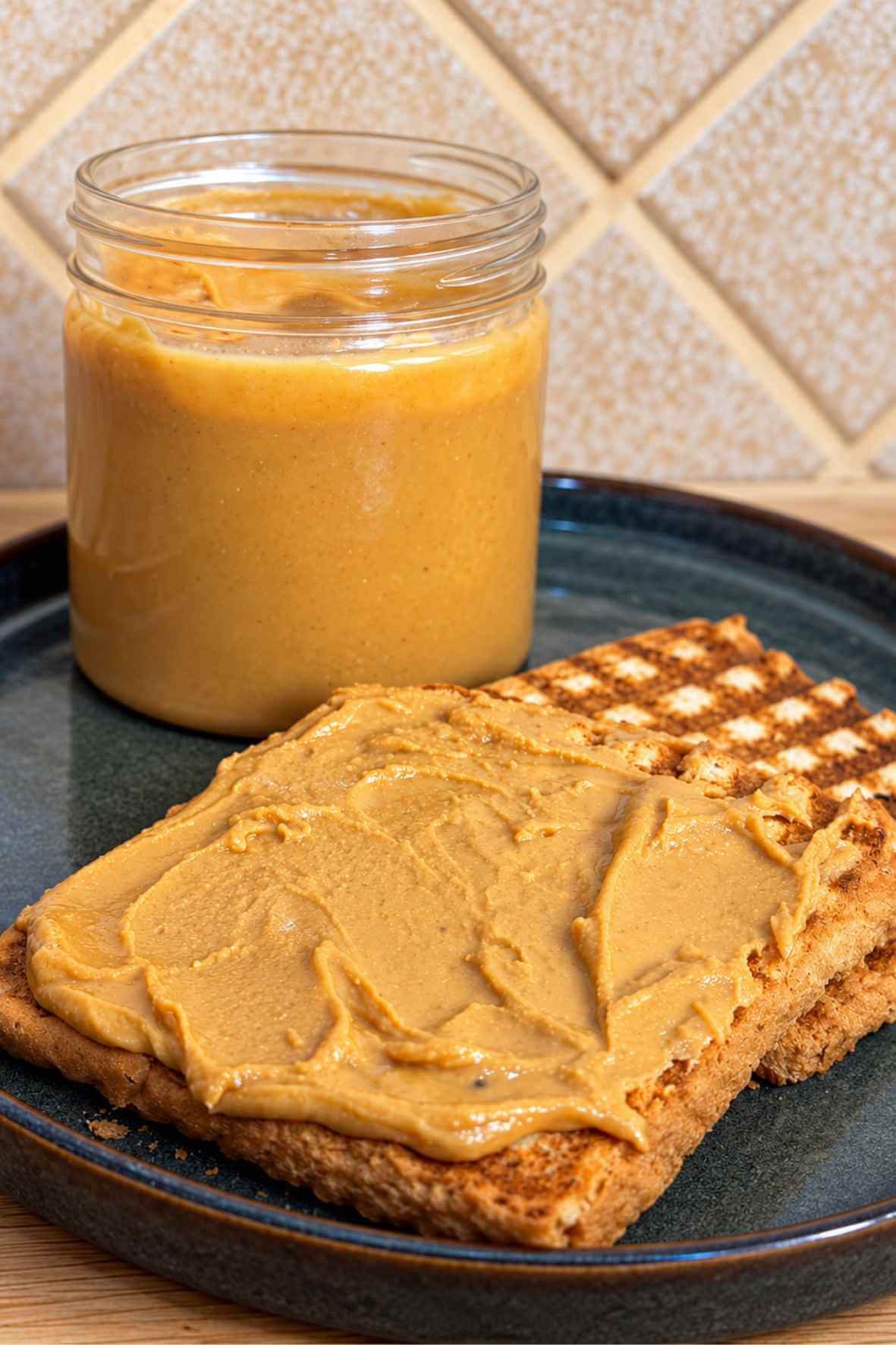
Homemade Peanut Butter
Ingredients
Equipment
Method
- Preheat the oven to 160°C (320°F). Spread the raw peanuts on a baking tray.
- Roast for 15–18 minutes, until the peanuts are lightly golden. Watch them closely so they don’t turn brown.
- Let the peanuts cool until they’re still slightly warm. This helps them blend smoothly without overheating the food processor.
- Transfer the peanuts to a food processor. Blend, stopping occasionally to stir and scrape down the sides. The peanuts will first become finely ground, then form a thick paste.
- Add the sea salt and honey. Continue blending until the peanuts release their natural oil and the mixture becomes smooth and spreadable.
- If the mixture stays too thick, make sure the peanuts are still warm. You can also blend in a little coconut oil or peanut oil, if needed.
- Transfer the peanut butter to a jar. Let it cool before serving; it will thicken as it cools.
Video
Notes
A Little Peanut Butter Goes a Long Way
My relationship with peanut butter has come a long way—from wondering what those movie sandwiches tasted like, to discovering the magic of chocolate and peanut butter, and even making batches just for dogs. I still might choose a chocolate-and-banana sandwich over peanut butter and jam, but that’s the fun of it: there are so many ways to enjoy this simple spread.
Whether you spoon it onto toast, blend it into muffins, stir it into oatmeal, or try it with warm churros, homemade peanut butter is easy to make your own. Try the recipe in the card above, and if you’d like to watch how it’s prepared, visit my YouTube channel for more recipes and cooking videos.
Now I’m curious: are you team peanut butter and jam, or would you rather have chocolate and banana?

Chef François El Aaraj is a corporate chef and culinary consultant with more than 30 years of experience in professional kitchens and restaurant openings across Lebanon and abroad. Through this website, he shares authentic recipes, cooking techniques, and chef secrets designed to help home cooks create flavorful meals with confidence.
Leave a Reply