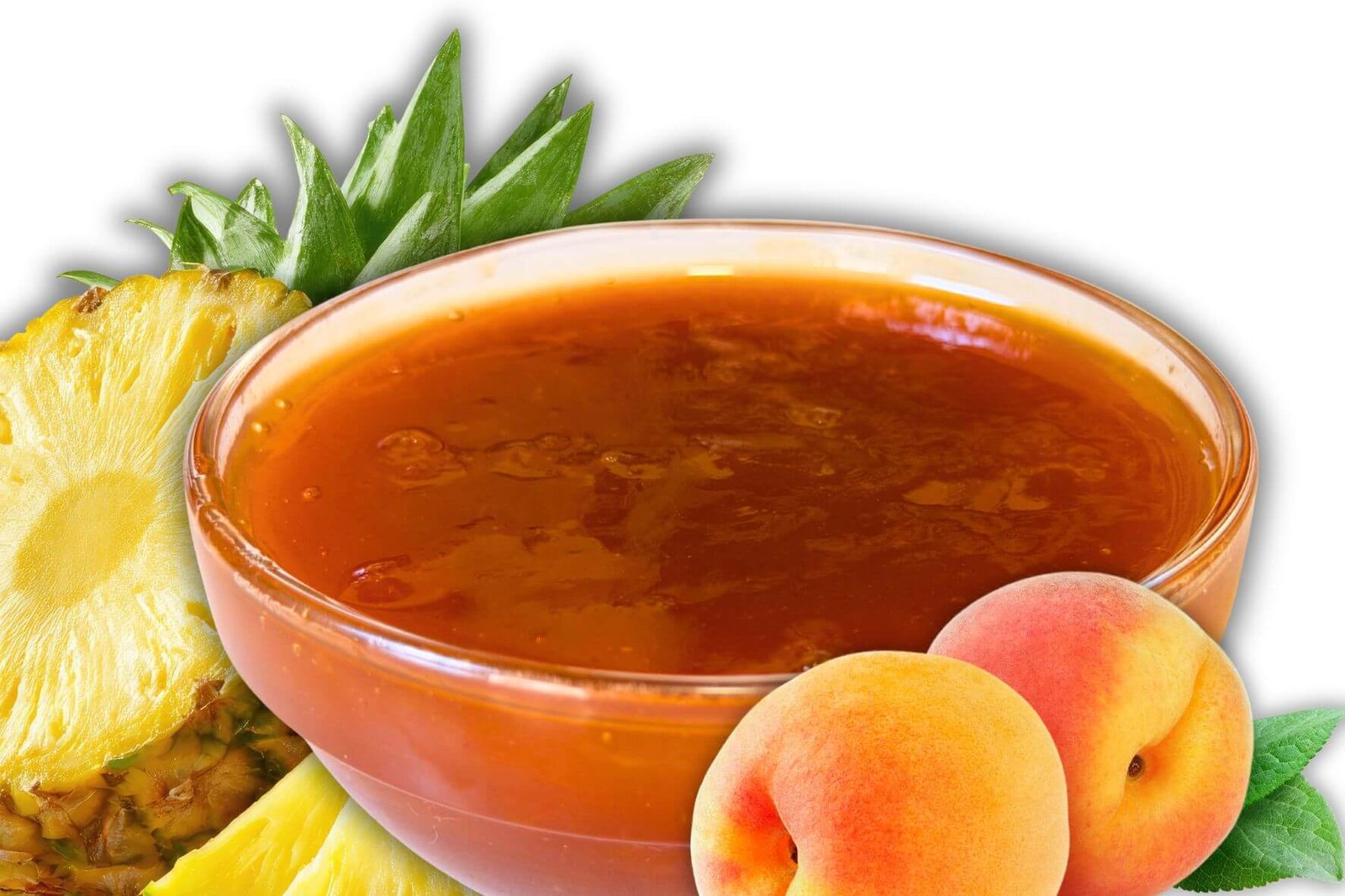
There are some sauces that simply sit beside a meal, and there are others that completely change it. Sweet and sour dip belongs to the second group. Its bright color catches the eye, its glossy texture makes food look instantly more appetizing, and its flavor creates the kind of contrast that keeps you reaching for one more bite.
I have always believed that a good dip should do more than add moisture. It should bring the entire plate together. Sweet and sour dip does exactly that. It combines sweetness, acidity, saltiness, fruitiness and a gentle savory depth in one spoonful. When those elements are properly balanced, the result is lively without being harsh, sweet without becoming heavy and tangy without overpowering the food.
This is also one of the most versatile sauces you can keep in your kitchen. Most people immediately think of spring rolls or crispy chicken, but that is only the beginning. It works beautifully with shrimp, fish fingers, roasted vegetables, Mozzarella sticks, sandwiches, rice bowls and even grilled meats. It can make a simple snack feel special and give a familiar family meal a completely different personality.
In this article, I want to explore what makes sweet and sour dip so appealing, why the balance of flavors matters, which foods pair with it best and how to enjoy it beyond the usual takeaway dishes. You will find my complete recipe, ingredient quantities and preparation method below.
Why Sweet and Sour Dip Is So Difficult to Resist

The secret is contrast. Our taste buds are naturally interested in foods that offer more than one clear sensation. A sauce that is only sweet may become tiring after a few bites. A sauce that is only acidic can feel sharp. Sweet and sour dip moves between the two, allowing each flavor to soften and highlight the other.
The sweetness gives the sauce roundness and comfort. The acidity brings freshness and prevents that sweetness from feeling sticky or overwhelming. Savory ingredients add depth, while a little garlic gives the flavor a warmer finish. The result is not one flat taste but a sequence: first fruity and sweet, then tangy, followed by a gentle savory note that lingers.
Texture also plays an important role. A well-made sweet and sour dip should be smooth enough for dipping but thick enough to cling to food. If it slides immediately off a spring roll or piece of chicken, much of the experience is lost. On the other hand, if it is too thick, it can feel heavy and mask the food underneath. That glossy, lightly coating texture is part of what makes the sauce so satisfying.
Color matters too. The warm orange-red shade creates an immediate expectation of bold flavor. We begin tasting with our eyes, especially when a sauce is served at the center of a shared platter. A vibrant bowl of sweet and sour dip makes golden fried foods, pale dumplings and grilled ingredients look even more inviting.
The Story Behind Sweet and Sour Flavor
Sweet-and-sour flavor combinations are often associated with Chinese cuisine, but the basic idea of pairing sweetness with acidity exists in many food traditions. Cooks around the world have long combined fruit, honey or sugar with vinegar, citrus or fermented ingredients. The reason is simple: the two tastes naturally balance one another, like in the Honey Mustard Sauce.
In Chinese cooking, sweet-and-sour preparations have taken different forms across regions and generations. Some are delicate and lightly seasoned, while others are glossy, bold and vividly colored. The restaurant-style dipping sauce familiar to many people today developed into its own recognizable category, especially alongside fried appetizers and Cantonese-inspired dishes served internationally.
As the flavor traveled, it adapted. Different kitchens began using locally available fruits, preserves, vinegars and seasonings. This is why there is no single version that represents every sweet-and-sour tradition. A dipping sauce served with spring rolls may be different from a sauce used to coat pork, chicken or fish. Home cooks also adjust the balance according to their own taste.
My version is designed specifically as a dip: smooth, glossy, fruity and easy to pair with many foods. I like a sauce that tastes familiar but still has character. It should remind you of the sweet and sour dip you enjoy in restaurants while offering the freshness and control that come with making it at home.
What Gives This Sweet and Sour Dip Its Character?
Every ingredient in a balanced sauce has a purpose. Although the exact amounts belong in the recipe card, understanding the role of each component can help you appreciate why the finished dip tastes so complete.
Apricot Jam Brings More Than Sweetness
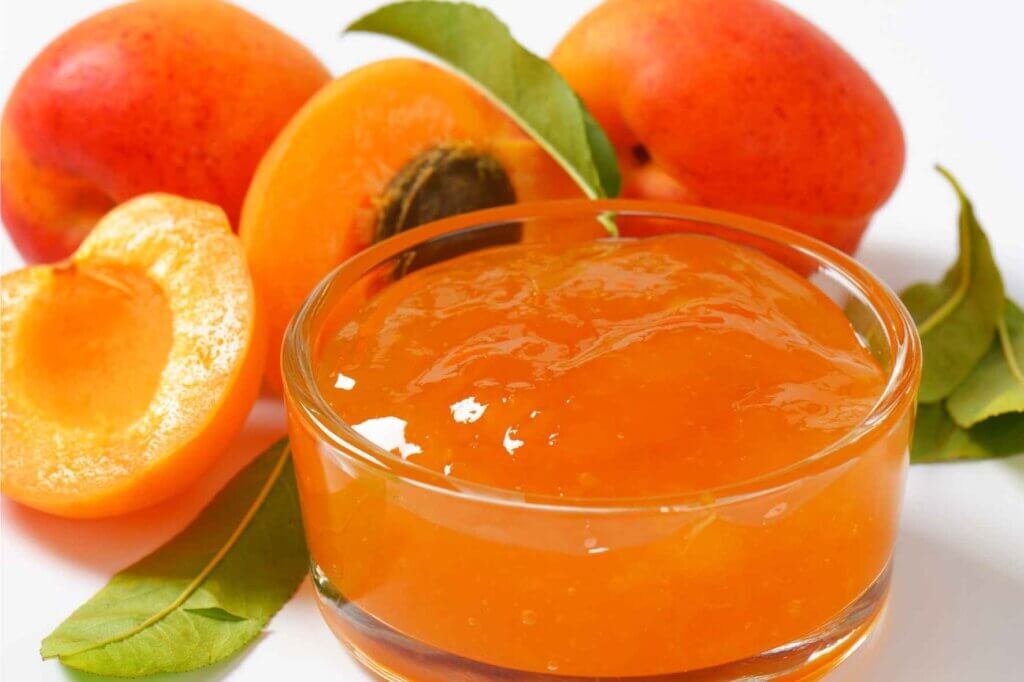
The jam provides sweetness, fruitiness and body at the same time. Apricot has a naturally gentle acidity, so it does not taste like plain sugar. Its flavor is bright enough to be noticeable but mild enough to blend with pineapple, vinegar, ketchup and savory seasonings.
The jam also helps create the attractive consistency expected from a dipping sauce. Instead of relying only on sugar for sweetness, it contributes fruit solids and a more rounded flavor. This makes the sauce taste fuller and gives it a homemade identity.
Some people are surprised to see apricot jam in a savory sauce. However, fruit and savory ingredients are classic partners. Think about chutneys with cheese, cranberry sauce with roast meat or fruit glazes on grilled dishes. Sweet and sour dip follows the same principle: fruit becomes more interesting when it meets salt, acid and spice.
Pineapple Juice Adds Tropical Freshness
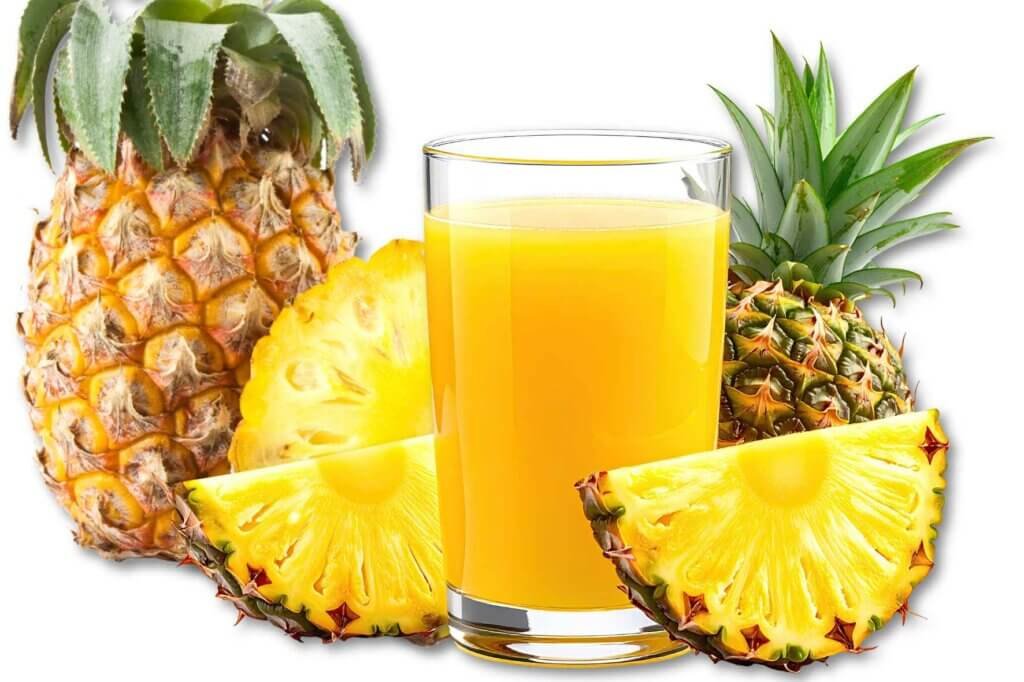
Pineapple juice gives the dip a lively fruit note. Its sweetness is accompanied by natural acidity, which helps the sauce feel bright rather than sugary. It also connects beautifully with crispy chicken, shrimp and vegetable dishes.
Pineapple is one of the flavors many people associate with sweet-and-sour dishes. Even when the sauce does not contain visible pineapple pieces, the juice contributes that familiar tropical background. It makes the dip especially enjoyable with fried food because its freshness cuts through richness.
Rice Vinegar Creates a Softer Tang
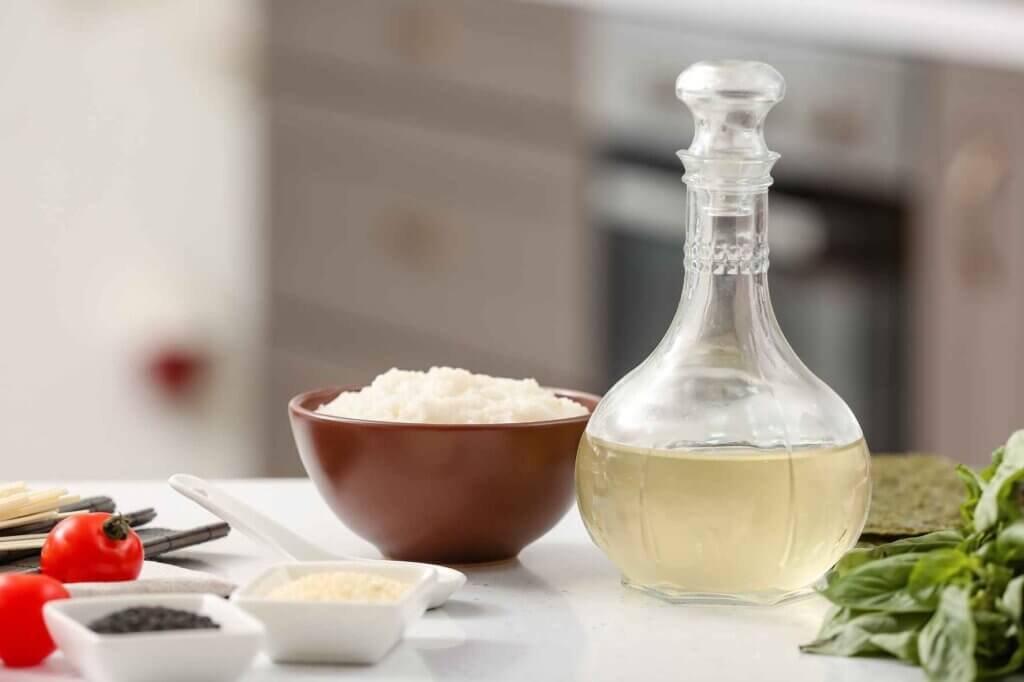
The sour side of the sauce needs to be clear but pleasant. Rice vinegar is useful because it tends to have a gentler character than many strong vinegars. It brings the acidity needed to balance the fruit and sweetness without making the sauce taste aggressively sharp.
Acidity also wakes up the other flavors. Without enough of it, fruit and ketchup can feel dull or overly sweet. With the right balance, the sauce becomes cleaner and more energetic. This is the difference between a dip that tastes sugary and one that makes you want another bite.
Ketchup Builds Familiarity and Color
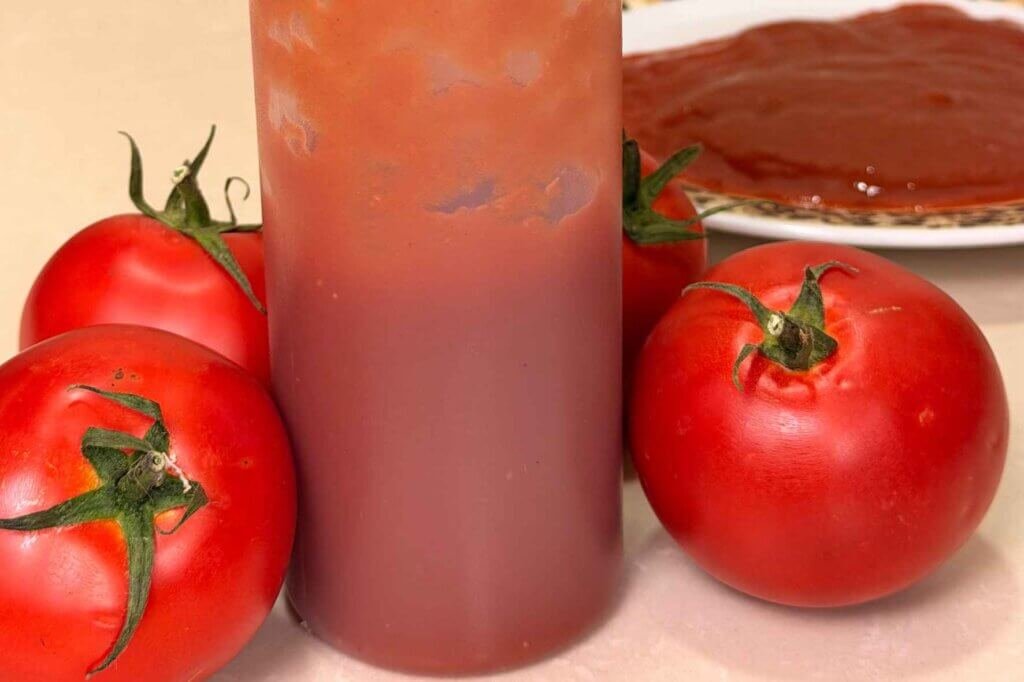
Ketchup contributes sweetness, tomato flavor, seasoning and color. It gives the sauce a recognizable restaurant-style base while helping the ingredients blend into a unified flavor.
Because ketchup already contains several flavor elements, its quality affects the final result. I enjoy using homemade ketchup when I have it available because I can control its sweetness and seasoning.
Soy Sauce Adds Savory Depth
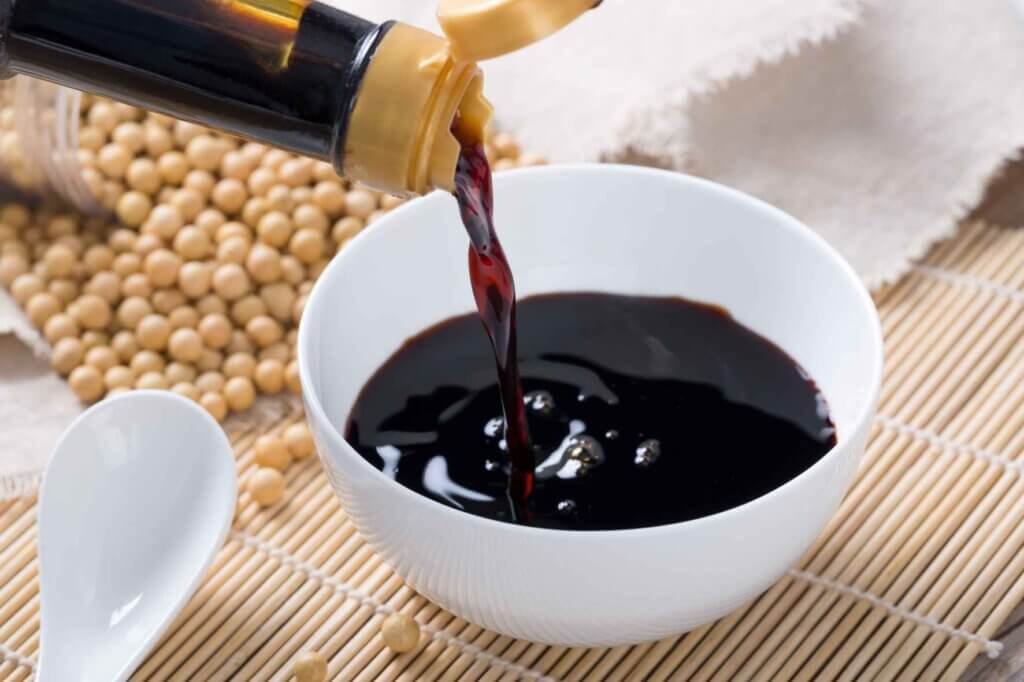
A small savory element is essential. Soy sauce prevents the dip from tasting like a fruit topping and connects it to the foods served beside it. Its saltiness sharpens the other ingredients, while its fermented character adds depth.
The goal is not to make the sauce taste strongly of soy. Instead, it should work quietly in the background. When the balance is right, you may not identify it immediately, but you would notice that something was missing without it.
Garlic Gives the Sauce a Warm Finish
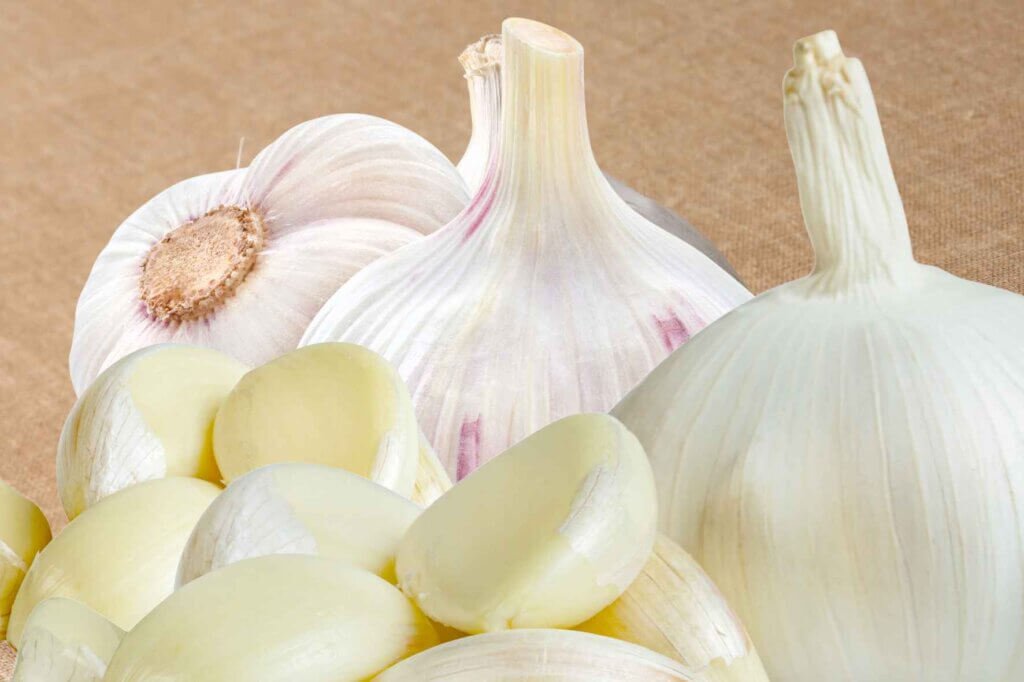
Garlic powder adds warmth without changing the smooth texture of the dip. It supports the savory side of the sauce and makes it more suitable for chicken, shrimp, vegetables and fried appetizers.
Garlic is especially helpful in a sauce with fruit because it creates contrast. The fruit remains bright, but the flavor feels more complete and more clearly connected to a savory meal.
Cornstarch Helps Create the Signature Gloss
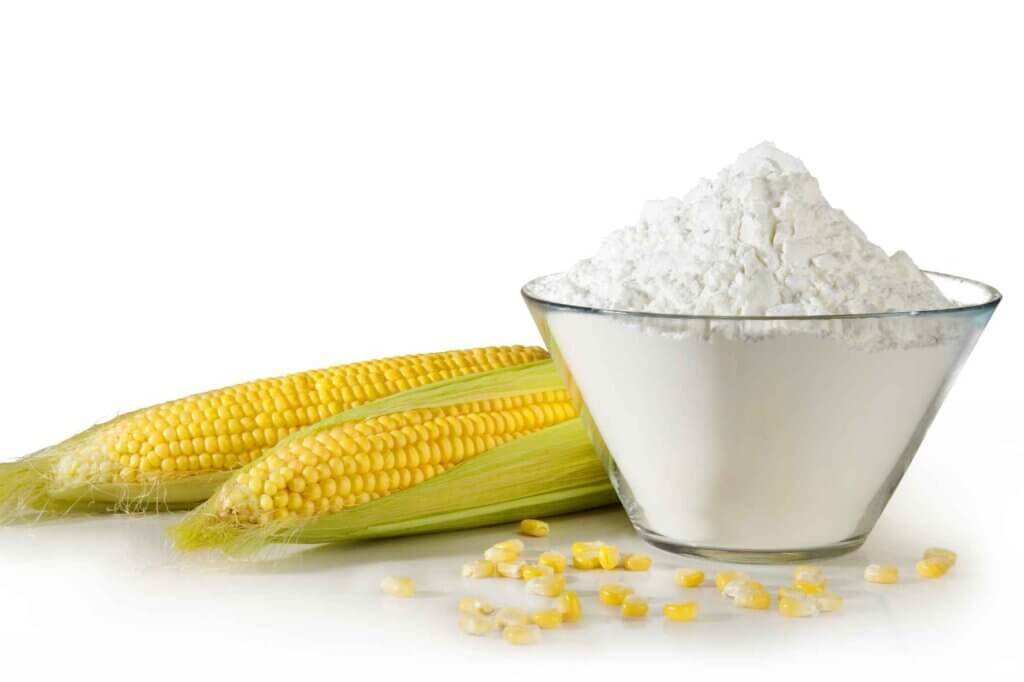
The visual appeal of sweet and sour dip depends greatly on its consistency. Cornstarch helps create the smooth, glossy finish that allows the sauce to coat food lightly.
Texture is not only about appearance. It changes the way flavor is delivered. A sauce that clings properly gives each bite a balanced amount of sweetness and acidity. This is why consistency can be just as important as seasoning.
Homemade Sweet and Sour Dip Versus Store-Bought Sauce
Convenience is the main advantage of a bottled sauce. You open it, pour it and serve it. However, homemade sweet and sour dip offers something more valuable: control.
When I prepare a sauce in my own kitchen, I know what goes into it. I can choose the brands and quality of the ingredients. I can also aim for a flavor that suits the food I plan to serve, rather than accepting a sauce designed to last on a supermarket shelf and appeal to everyone.
Many commercial sauces are intensely sweet. That strong sweetness can hide the fruit, acidity and savory notes that make sweet and sour sauce interesting. A homemade version can feel fresher and more balanced. It can complement crispy food without covering its seasoning or turning every bite into the same flavor.
Homemade sauce also gives a meal a personal touch. A platter of spring rolls becomes more memorable when the dip was made especially for it. Guests notice these details. Even though the sauce may look simple, it shows care and makes the table feel more complete.
Another benefit is versatility. Once you understand the flavor, you can decide whether to present it as a dip, drizzle it lightly over a rice bowl or serve it as part of a larger appetizer board. One sauce can support several dishes, which is useful for family meals and entertaining.
Let’s Make Sweet and Sour Dip
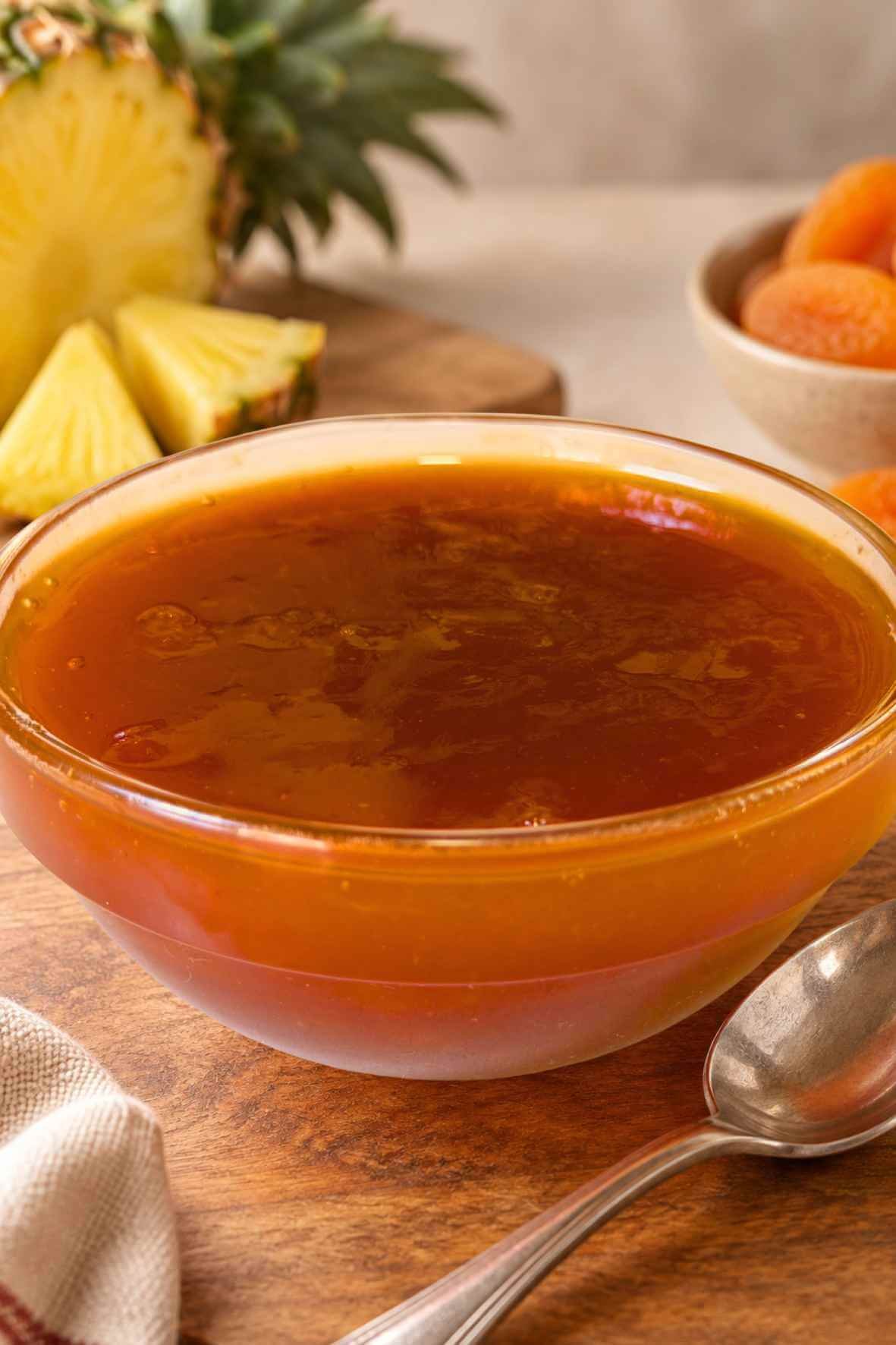
Homemade Sweet and Sour Dip
Ingredients
Equipment
Method
- Add the apricot jam, pineapple juice, ketchup, rice vinegar, soy sauce, and garlic powder to a small saucepan.
- Place the saucepan over medium heat and whisk until the ingredients are fully combined and the mixture begins to simmer.
- In a small bowl, mix the cornstarch with the cold water until completely smooth.
- Slowly pour the cornstarch mixture into the simmering sauce while whisking continuously.
- Cook for 1–2 minutes, stirring constantly, until the sauce thickens and becomes smooth and glossy.
- Remove the sauce from the heat and allow it to cool slightly before serving. It will continue to thicken as it cools.
Video
The Best Foods to Serve with Sweet and Sour Dip
The most successful pairings usually combine the sauce with something crisp, salty, mild or savory. The dip then supplies the bright contrast.
Spring Rolls
Spring rolls may be the classic partner for sweet and sour dip. Their crisp wrapper and savory filling create the perfect base for a fruity, tangy sauce. The dip reaches the filling without making the wrapper feel too heavy, especially when it has the correct consistency.
Whether your spring rolls contain vegetables, chicken or shrimp, this sauce makes every bite more lively. You can add an internal link here to your spring roll recipe so readers can prepare the complete combination.
Crispy Chicken
Crispy chicken and sweet and sour dip are a natural match. The sauce adds moisture and brightness while leaving the crunchy coating as the main texture. The acidity also balances the richness of fried chicken.
This pairing works well for strips, nuggets, popcorn chicken or larger pieces cut for sharing. You can also link this section directly to your crispy chicken recipe. Readers who arrive for the sauce may then discover a complete meal on your website.
Shrimp and Seafood
Shrimp has a gentle natural sweetness that works beautifully with pineapple and apricot. Breaded shrimp, grilled shrimp and shrimp skewers can all benefit from a small bowl of sweet and sour dip.
The sauce can also accompany fish fingers or mild white fish. In these pairings, it offers a colorful alternative to tartar sauce. It is especially appealing when serving several dips together and allowing everyone to choose.
Mozzarella Sticks and Fried Cheese
Tomato sauce is the usual partner for mozzarella sticks, but sweet and sour dip offers a more playful option. The acidity cuts through the richness of melted cheese, while the fruitiness creates an unexpected contrast.
It also works with halloumi bites or other firm cheeses that can be grilled or fried. Salty cheese makes the sweet side of the dip stand out, while the sauce softens the cheese’s intensity.
French Fries, Potato Wedges and Roasted Potatoes
Potatoes are mild enough to work with almost any dip. Sweet and sour sauce gives fries and wedges a bolder personality than ketchup alone. It is particularly good beside seasoned or spicy potatoes because its sweetness calms the heat.
For a party platter, I like offering more than one sauce. Sweet and sour dip can sit beside honey mustard, barbecue sauce and garlic dip. The variety makes even a simple plate of potatoes feel generous and fun.
Dumplings, Wontons and Other Appetizers
Fried wontons, dumplings and savory pastry bites pair naturally with this sauce. Their fillings may be rich or salty, so the sweet acidity provides balance.
The dip also works with sambousek, although this is a less traditional pairing. A meat-filled sambousek served with a small amount of sweet and sour sauce creates an interesting fusion between Lebanese and Asian-inspired flavors.
Vegetables and Plant-Based Dishes
Sweet and sour dip is not limited to fried meat. It is excellent with roasted cauliflower, crispy tofu, vegetable fritters, grilled zucchini, broccoli and mushroom bites.
Vegetable dishes often benefit from a strong finishing flavor. A colorful dip can also make vegetables more inviting for children or guests who would not normally choose them first. The key is to use the sauce as a complement so the flavor and texture of the vegetables remain present.
Creative Ways to Use Sweet and Sour Dip Beyond Dipping
The name may say “dip,” but that does not mean the sauce must stay in a small bowl. Its balanced flavor makes it useful in several types of meals.
It can be drizzled over a rice bowl containing chicken, shrimp, tofu or vegetables. The rice absorbs a little of the sauce, while the toppings keep their individual textures. A small amount can also brighten noodles, especially when paired with crunchy vegetables.
Sweet and sour dip can bring life to sandwiches and wraps. It works particularly well with crispy chicken, cabbage, carrots and lettuce. Because the sauce already combines sweetness, acidity and saltiness, it can replace several separate condiments.
It can also be served as part of a grazing board. Arrange spring rolls, chicken bites, vegetable sticks, cheese, potato wedges and shrimp around several bowls of sauce. Sweet and sour dip will usually be one of the first bowls to empty because it suits so many items.
For grilled foods, think of it as a finishing condiment rather than a heavy coating. Chicken skewers, grilled shrimp and roasted vegetables can all benefit from its fruity acidity. This is especially useful during warm weather, when bright flavors feel more refreshing.
How Flavor Balance Changes the Experience
Everyone has a slightly different idea of the perfect sweet and sour dip. Some people enjoy a fruit-forward sauce. Others prefer a stronger tang or a more savory finish. What matters most is balance.
If sweetness dominates completely, the sauce may taste like jam with seasoning. If acidity dominates, it can distract from the food. Too much soy sauce can make the color darker and the flavor too salty, while too much thickener can create a texture that feels heavy.
The best version allows you to recognize several notes without any single one becoming aggressive. You should taste fruit, tang and savory depth in a natural progression. The sauce should support the food and make it more enjoyable, not hide the work that went into preparing it.
Temperature can also influence perception. Chilled sauce may taste slightly less sweet and feel thicker. At room temperature, the fruit and acidity may seem more expressive. This is one reason the same sauce can feel different depending on how and when it is served.
Serving Sweet and Sour Dip for Guests
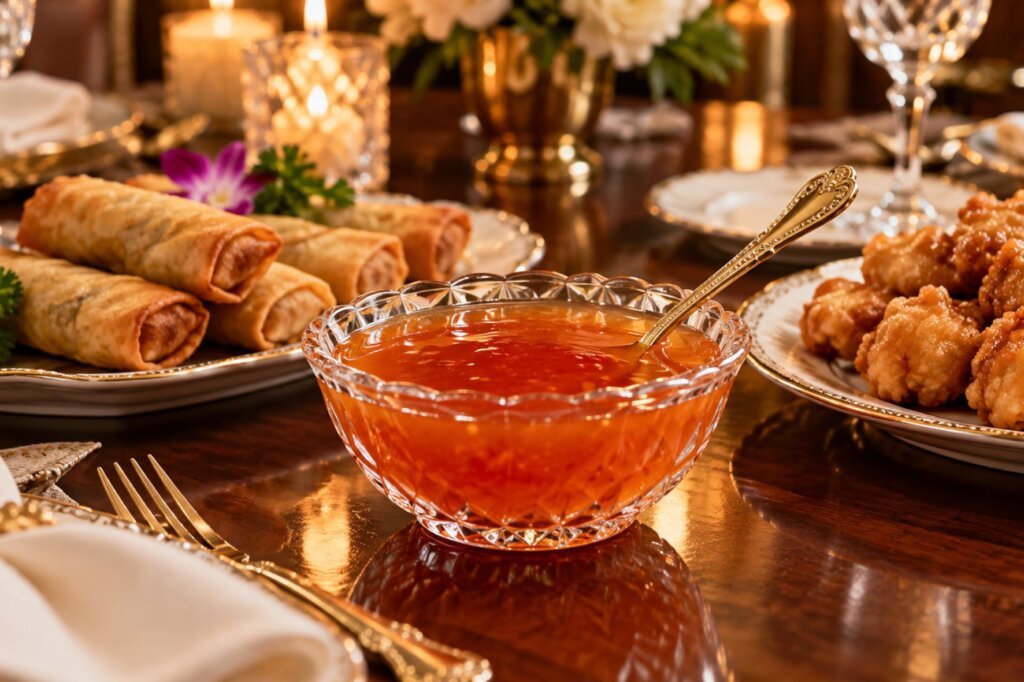
Presentation does not need to be complicated. A small clean bowl that shows the sauce’s color is often the best choice. Glass, white ceramic or a dark contrasting bowl can all work well.
Place the dip close to the food it accompanies, but avoid crowding the platter. For shared appetizers, several smaller bowls can be more practical than one large bowl. Guests can reach the sauce easily, and the presentation stays neat.
Garnish is optional. The sauce already has a beautiful glossy color, so it does not need much decoration. If the surrounding platter includes pineapple, fresh herbs, sliced vegetables or sesame seeds, those elements can create visual interest without changing the dip itself.
For a family movie night, serve it with crispy chicken, fries and vegetable sticks. As for a larger gathering, pair it with spring rolls, shrimp, dumplings and cheese bites. If you’re having a quick lunch, add it to a chicken wrap or rice bowl. The same sauce can feel casual or festive depending on the presentation.
Storage, Freshness and Food Safety
Homemade sauces deserve the same careful storage as any other prepared food. Transfer your sweet and sour dip to a clean, airtight container and place it in the refrigerator as soon as possible. Avoid leaving the sauce at room temperature for long periods, especially if guests have dipped food directly into a shared bowl.
For the best quality, keep the main batch refrigerated and serve only the amount you expect to use. If you need more, refill the serving bowl using a clean spoon. This simple habit helps protect the remaining sauce from crumbs, bacteria and cross-contamination. Proper placement also matters, so read my article on refrigerator organization to learn how to arrange and store food safely while keeping everything easy to find.
The sauce may become thicker once chilled. This is completely normal because the recipe contains both fruit preserves and cornstarch. Stir it well before serving. If necessary, you can loosen the consistency with a very small amount of pineapple juice or water. However, always check the sauce’s smell, appearance and overall condition before eating it. If anything seems unusual, discard it.
Although freezing can extend the life of many foods, it is not my first choice for this particular dip. Cornstarch-thickened sauces can separate after freezing and thawing, leaving them watery, grainy or uneven. Since this sauce is quick to prepare and tastes best when smooth and glossy, refrigeration is generally the better option.
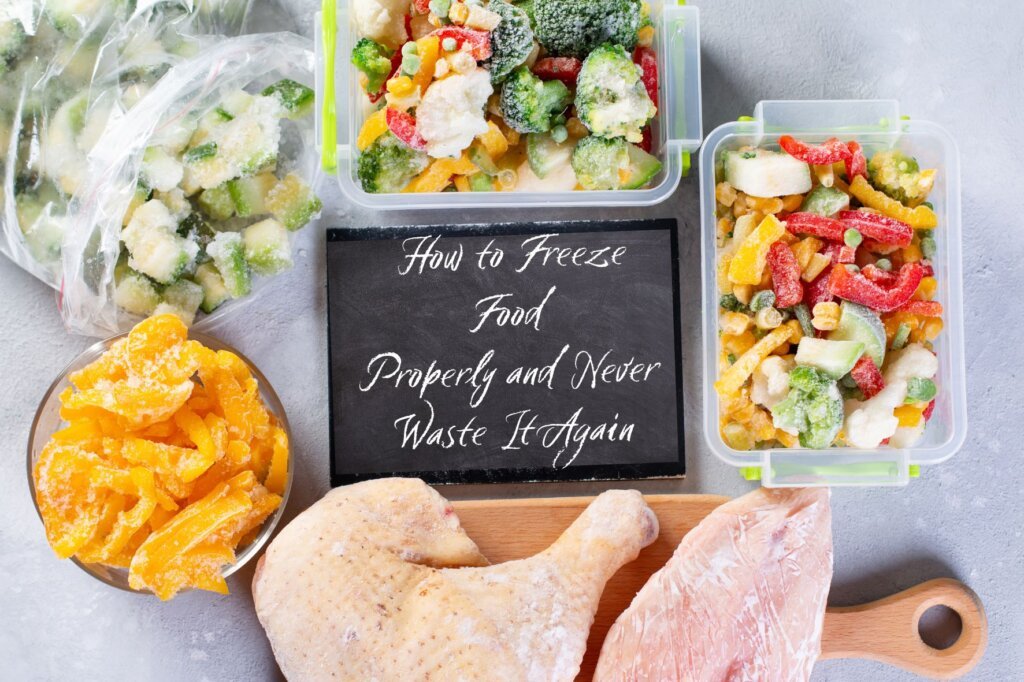
For advice on safely freezing other dishes and preserving their flavor and texture, read my complete guide on how to freeze food properly.
Dietary Considerations and Ingredient Awareness
Sweet and sour dip can fit many eating styles, but it is important to check the specific products used.
Soy sauce commonly contains wheat, so people following a gluten-free diet should choose a certified gluten-free alternative such as tamari and verify every label. Ketchup, jam, vinegar and cornstarch are often gluten-free, but manufacturing practices vary.
The sauce is generally suitable for vegetarian and vegan meals when all packaged ingredients meet those requirements. It pairs particularly well with tofu, vegetable spring rolls and roasted vegetables.
People monitoring sugar or sodium should remember that sweetness and salt are important parts of this sauce. Portion size matters, especially when it is served alongside other seasoned or fried foods. A flavorful dip does not need to cover the entire plate; a little can enhance each bite.
Allergies and dietary needs should always be considered when cooking for guests. Soy is a common allergen, and packaged ingredients may contain unexpected additives. Reading labels is a simple step that helps everyone enjoy the meal safely.
Common Questions About Sweet and Sour Dip
Is sweet and sour dip the same as sweet and sour sauce?
The terms are often used interchangeably, but texture and purpose can differ. A dip is usually thick enough to cling to appetizers. A sauce intended for cooking or coating a full dish may be thinner, more savory or designed to mix with other ingredients in the pan.
Why is fruit used in a savory sauce?
Fruit brings more than sugar. It provides aroma, natural acidity and complexity. Apricot and pineapple work especially well because they remain bright when combined with vinegar, tomato, soy and garlic.
What should the ideal texture be?
The sauce should coat a spoon and cling lightly to food without becoming stiff or gummy. It should still feel smooth and easy to dip. Remember that its texture can become firmer as it cools.
What does sweet and sour dip taste like?
It tastes fruity, tangy, lightly savory and gently garlicky. A good version should not taste only of sugar or vinegar. The flavors should arrive together in a balanced way.
Can it be served with food that is not fried?
Absolutely. It pairs with grilled chicken, shrimp skewers, roasted vegetables, rice bowls, wraps and tofu. Crisp fried food is a classic partner, but it is not a requirement.
Is homemade sweet and sour dip better than bottled sauce?
“Better” depends on what you value, but homemade sauce gives you greater control over flavor, ingredient quality and freshness. It also allows the fruit, acidity and savory notes to remain distinct rather than being dominated by sweetness.
Can I prepare it ahead for a gathering?
Yes, sweet and sour dip is convenient for planning because it can be refrigerated in a clean, airtight container. Keep it separate from the serving bowl until needed and follow sensible food-safety practices.
Why This Sauce Deserves a Place in Your Kitchen
I love recipes that solve more than one problem. Sweet and sour dip can complete an appetizer, brighten a simple lunch, add variety to a family dinner and help turn leftovers into something exciting. It is colorful, versatile and familiar enough to please many different tastes.
It also teaches an important cooking principle: great flavor often comes from balance rather than complexity. Sweetness becomes more interesting when it meets acidity. Rich food feels lighter when paired with something tangy. Mild ingredients become memorable when served with a sauce that has character.
Once you begin thinking of this as more than a dip for spring rolls, many possibilities appear. Try it beside crispy chicken, shrimp, fish fingers, mozzarella sticks, tofu, potato wedges or roasted vegetables. Add it to a wrap, offer it on a party board or use a small amount to brighten a rice bowl.
Most importantly, taste it with the food you plan to serve. A sauce does not exist alone; its job is to create a better complete bite. That relationship between the crisp food, the soft interior and the glossy sweet-and-sour finish is what makes this combination so satisfying.
Final Thoughts
Sweet and sour dip has remained popular because it delivers excitement in a simple form. Its fruitiness feels cheerful, its acidity keeps every bite lively and its glossy texture makes even an ordinary snack look inviting. It is the kind of sauce both adults and children recognize, yet a homemade version can still surprise them with fresher, more balanced flavor.
My goal with this recipe is to give you a dependable sauce that tastes special without limiting you to one dish. Serve it with spring rolls and crispy chicken, of course, but do not stop there. Let it become part of your appetizer platters, sandwiches, rice bowls, seafood meals and vegetable dishes.
You will find the complete ingredient list, exact quantities and preparation method in the recipe card below. If you prepare my sweet and sour dip, I would love to know what you served with it.
For more practical recipes, sauces and professional cooking tips, explore the other recipes on my website and visit my YouTube channel, where I demonstrate each technique step by step.

Chef François El Aaraj is a corporate chef and culinary consultant with more than 30 years of experience in professional kitchens and restaurant openings across Lebanon and abroad. Through this website, he shares authentic recipes, cooking techniques, and chef secrets designed to help home cooks create flavorful meals with confidence.
Leave a Reply