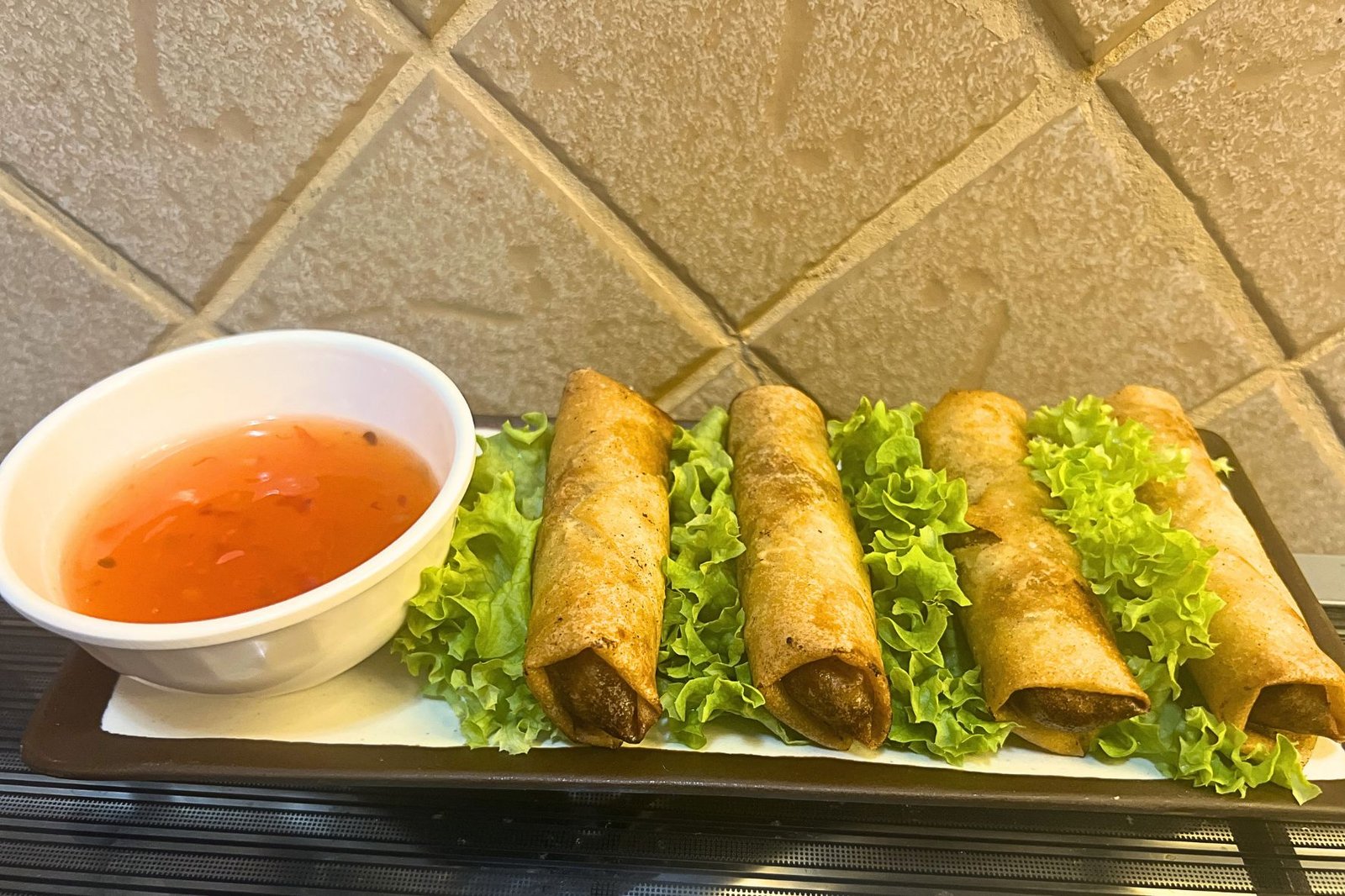
What Makes Crispy Spring Rolls So Irresistible
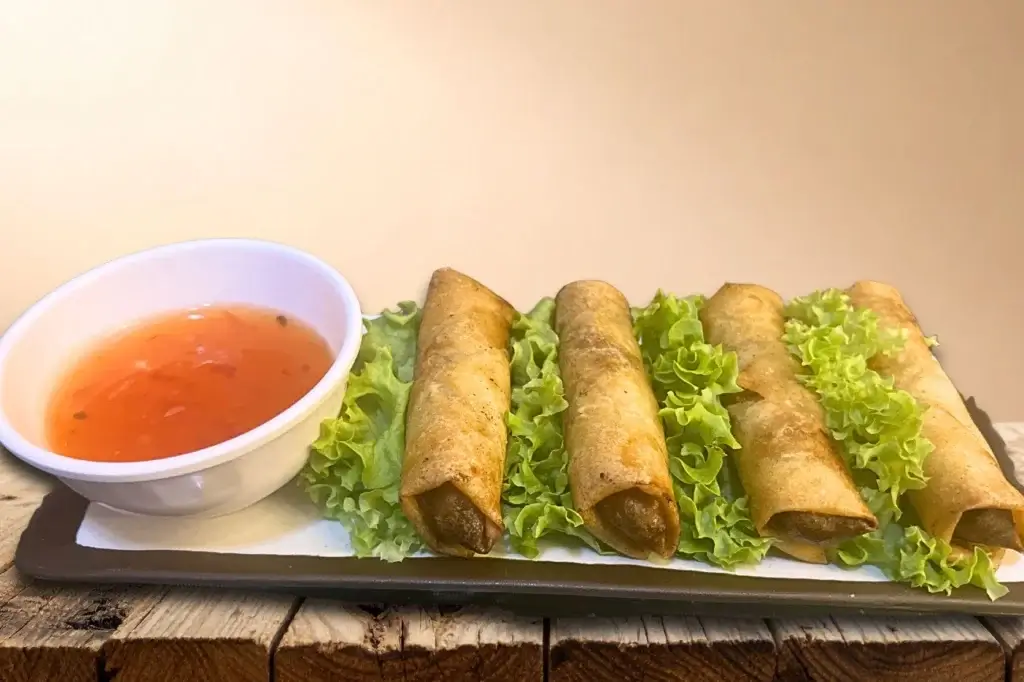
In Lebanon, food is more than just something we eat. It is part of our gatherings, our family tables, and the memories we create together. As part of Lebanese cuisine, cheese rolls have always been one of the most loved appetizers. However, when people in Lebanon first discovered crispy spring rolls through the growing popularity of Chinese cuisine, they quickly became fascinated by their golden crispy texture, generous size, and irresistible crunch.
What immediately caught people’s attention was the idea of dipping these crispy rolls into flavorful sauces before every bite. For many Lebanese families, spring rolls quickly became a favorite appetizer served at restaurants, gatherings, and even homemade dinners. Their satisfying texture and rich filling made them feel both comforting and exciting at the same time.
Personally, I have always loved the balance between sweet and sour flavors. That is why sweet and sour sauce remains my favorite companion for crispy spring rolls. There is something incredibly satisfying about hearing that crunchy sound while your mouth enjoys the beautiful amalgam of sweetness, acidity, and savory filling all at once. For me, this combination transforms a simple appetizer into a full sensory experience that never gets old.
The Origins of Crispy Spring Rolls
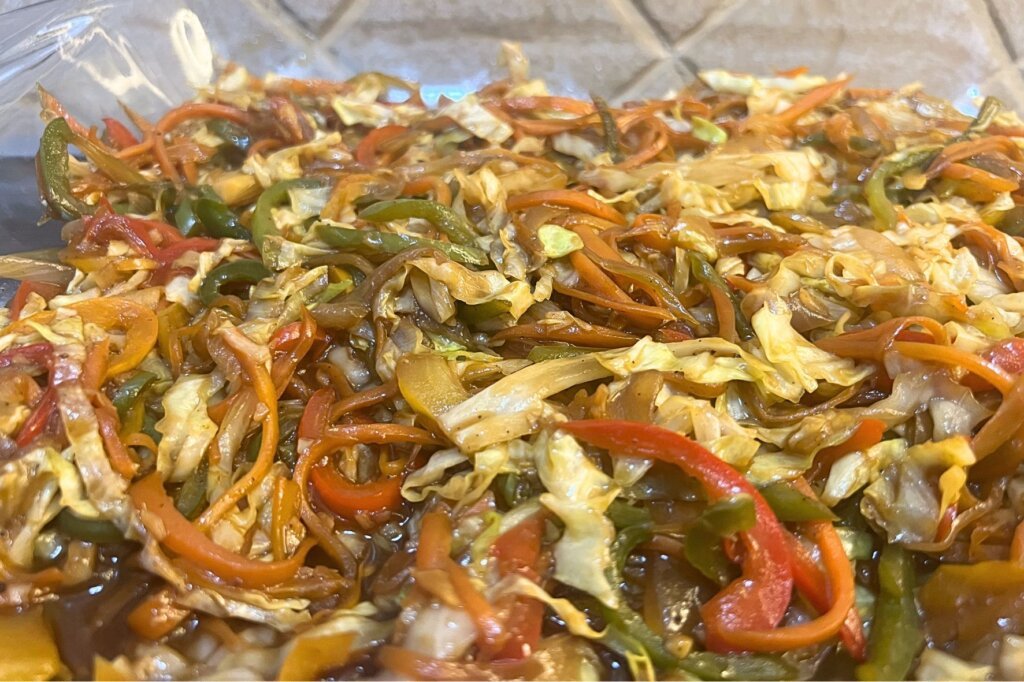
Crispy spring rolls trace their origins back to China, where they began as a simple and symbolic dish. Originally, they were not fried but made as thin pancakes filled with fresh seasonal vegetables. People prepared them during the Spring Festival to celebrate the end of winter and the arrival of a new season. Because fresh produce became available after the cold months, these rolls represented renewal, growth, and prosperity.
As time passed, cooking methods evolved, and frying became more popular. Gradually, the soft pancakes transformed into the crispy spring rolls we know today. This change added a new layer of texture, making the dish even more appealing. The contrast between the crunchy exterior and the flavorful filling quickly gained popularity among many communities.
Moreover, different regions in China began to adapt the recipe according to their preferences. Some versions remained light and vegetable-based, while others included meat or seafood. Because of this flexibility, crispy spring rolls became more diverse and suitable for different tastes.
Eventually, the dish spread beyond China to other parts of Asia. In countries like Vietnam and Thailand, local ingredients and flavors influenced the recipe, creating unique variations. For example, Vietnamese fried spring rolls became known for their rich fillings and delicate wrappers.
Today, crispy spring rolls are enjoyed worldwide. Although many variations exist, they still carry the essence of their origins—a dish that celebrates simplicity, sharing, and the joy of fresh ingredients transformed into something delicious.
Why Spring Rolls Are So Popular
Jump to RecipeCrispy spring rolls have earned their place as a favorite appetizer across many cultures, and their popularity continues to grow. First of all, their texture plays a big role. The outer layer turns perfectly golden and crunchy, while the inside stays soft, juicy, and full of flavor. This contrast creates a satisfying bite that keeps people coming back for more.
In addition, crispy spring rolls are incredibly versatile. They can be filled with vegetables, chicken, shrimp, or even creative modern combinations. Because of this flexibility, they easily suit different tastes and dietary preferences. Whether served at a casual gathering or a formal dinner, they always fit the occasion.
Moreover, they pair beautifully with a variety of sauces. Sweet chili sauce, soy-based dips, or garlic sauces all enhance their flavor and add another layer of enjoyment. As a result, every bite can feel slightly different depending on the sauce used.
Finally, crispy spring rolls are easy to serve and share. Their small size makes them perfect finger food, which makes them ideal for parties and family meals. Therefore, their combination of taste, texture, and convenience explains why they remain so popular worldwide.
The Best Sauces to Serve with Crispy Spring Rolls
Crispy spring rolls become even more delicious when paired with the right sauce. Sweet chili sauce is the most popular choice because it adds a perfect balance of sweetness and heat.
Additionally, soy sauce with a touch of vinegar creates a tangy dip. Some people also enjoy garlic sauce for a stronger flavor. Therefore, choosing the right sauce can elevate your crispy spring rolls to another level.
What to Serve with Crispy Spring Rolls
Crispy spring rolls are delicious on their own, yet they become even more satisfying when paired with the right dishes. Because they are crunchy and slightly rich, it is best to serve them with meals that bring balance and freshness. This way, the overall experience feels complete and enjoyable.
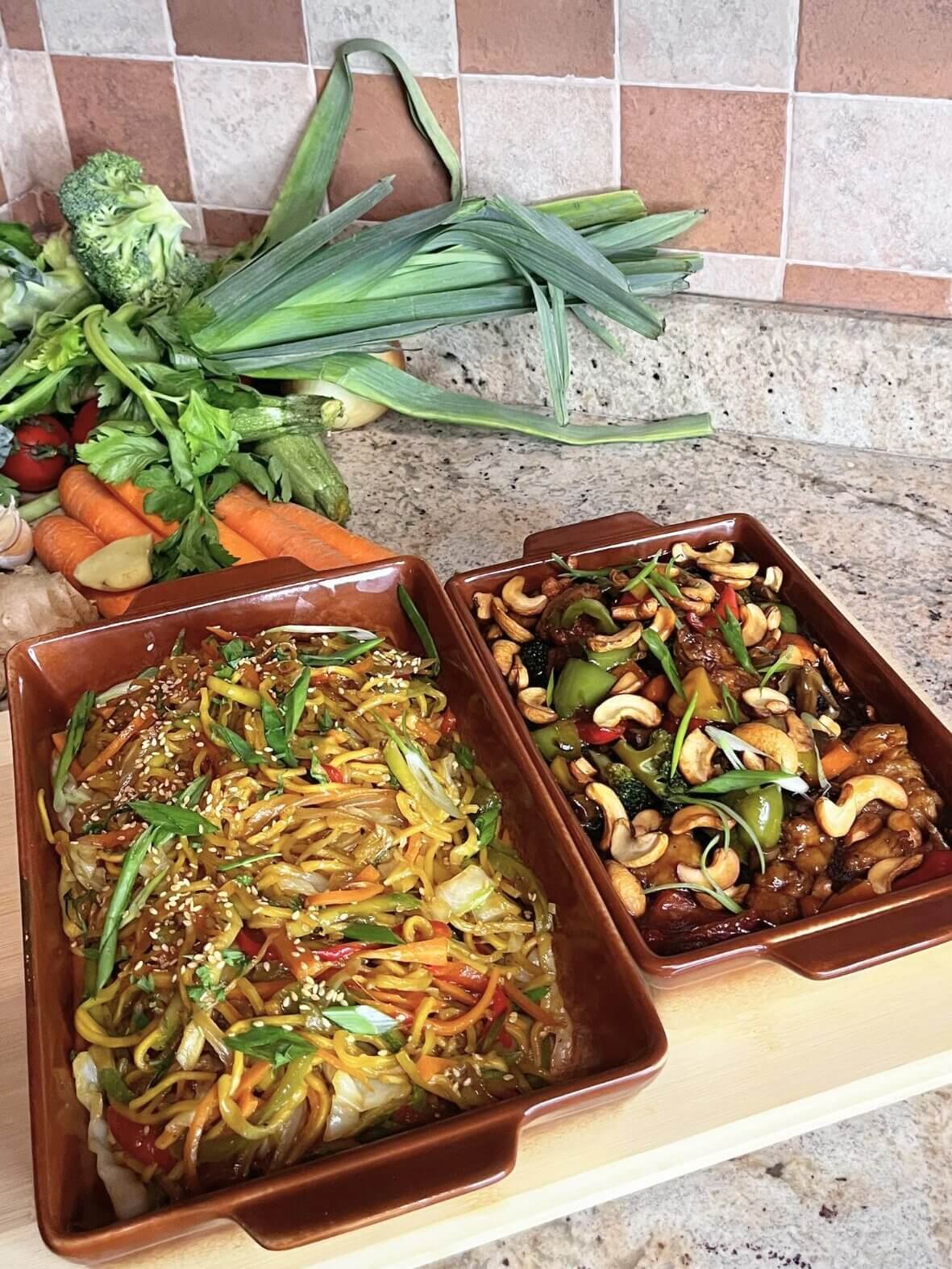
First, vegetable noodles make an excellent companion. Their light texture and savory flavor perfectly complement crispy spring rolls. In addition, the mix of vegetables in the noodles adds freshness, which balances the fried aspect of the rolls. When served together, they create a well-rounded and colorful plate that appeals to both the eye and the taste.
Moreover, chicken cashew nuts is another great option to serve alongside crispy spring rolls. This dish brings a rich, slightly sweet, and nutty flavor that pairs beautifully with the crunchy rolls. The tender chicken and the crunch of the cashews create a different texture that contrasts nicely with the crispiness of the spring rolls. As a result, the combination feels both satisfying and complete.
You can also add a fresh salad to lighten the meal. A simple mix of lettuce, cucumbers, and a light dressing helps refresh the palate between bites. Additionally, dipping sauces such as sweet chili or soy-based sauces tie everything together and enhance the flavors of all the dishes.
In the end, serving crispy spring rolls with dishes like vegetable noodles and chicken cashew nuts creates a balanced meal that offers a variety of textures and flavors. Therefore, this combination is perfect for both casual dinners and special gatherings.
Choosing the Right Wrapper
Jump to RecipeOne of the biggest secrets behind perfectly crunchy spring rolls is choosing the right wrapper. Even the most flavorful filling can lose its appeal if the wrapper does not fry properly or becomes too thick, chewy, or oily. Over the years in professional kitchens, I learned that the wrapper plays just as important a role as the filling itself.
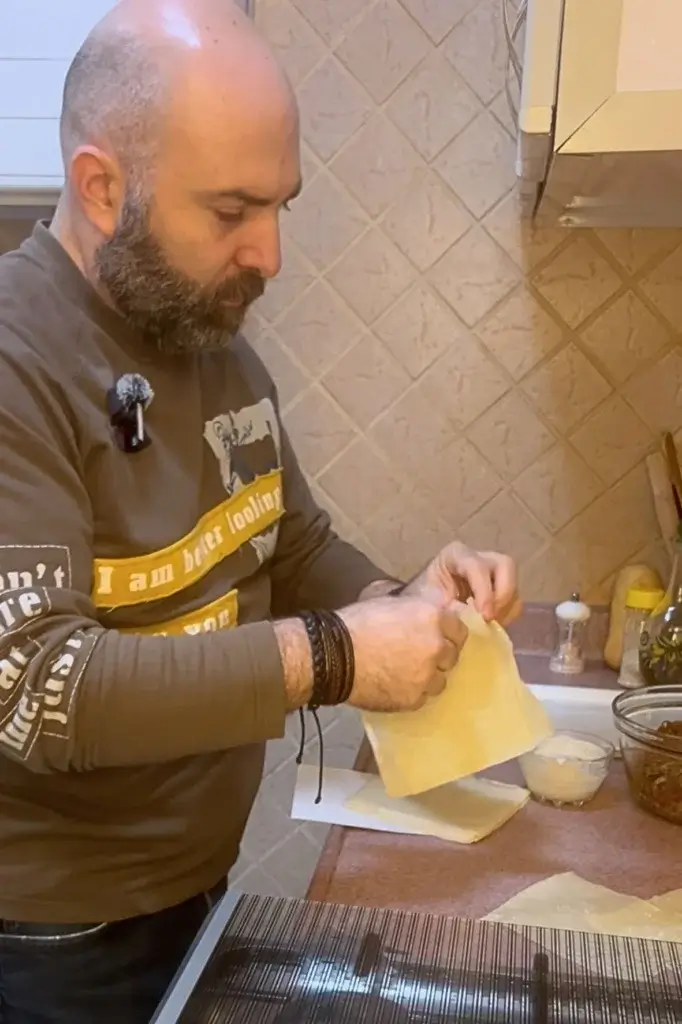
Traditional spring roll wrappers are usually made from wheat flour and are specifically designed for frying. They become beautifully golden and crispy while remaining thin and delicate. This is what gives spring rolls that satisfying crackling sound when you bite into them. In my opinion, thinner wrappers always create a more elegant and restaurant-style result because they allow the filling to shine without feeling heavy.
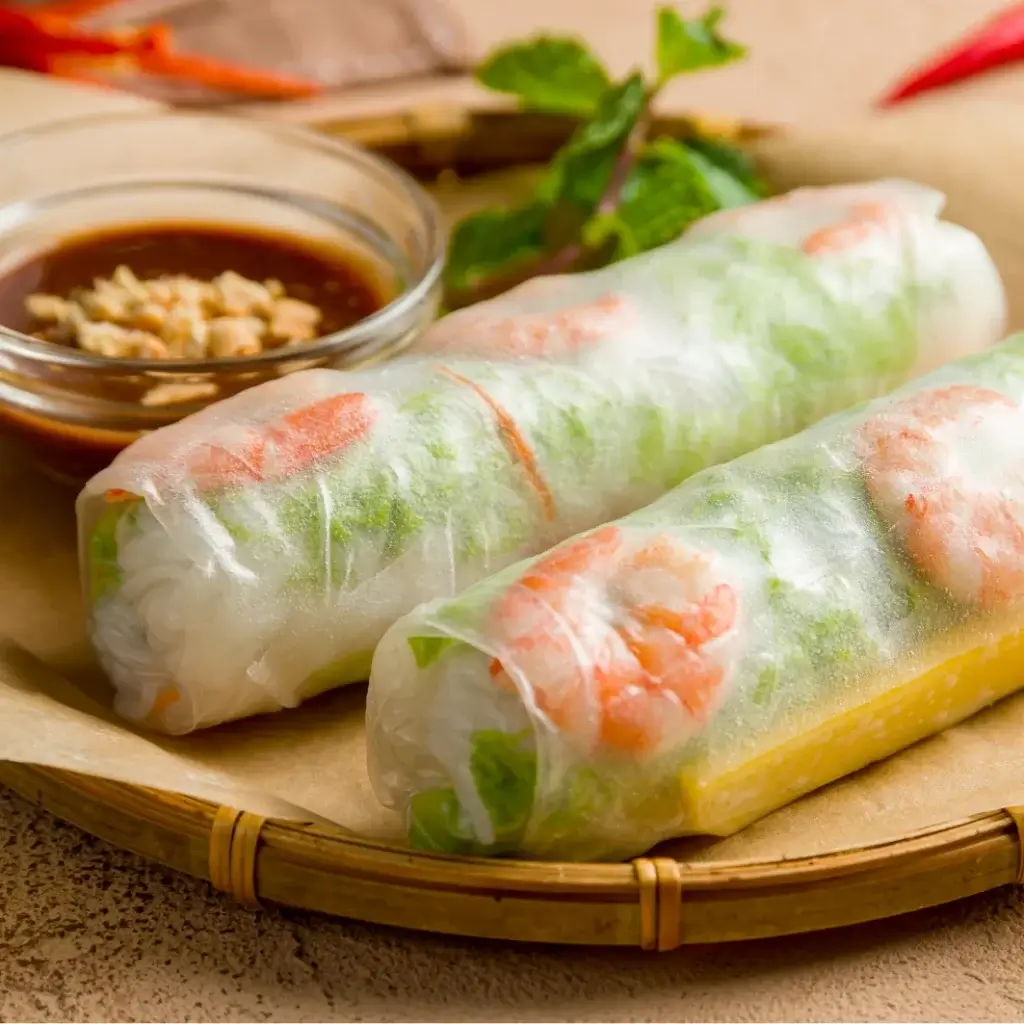
Many people confuse spring roll wrappers with rice paper wrappers used for fresh Vietnamese rolls. Although both are delicious, they create completely different textures. Rice paper becomes lighter and slightly bubbly when fried, while classic spring roll wrappers deliver the deep golden crunch most people expect from crispy spring rolls.
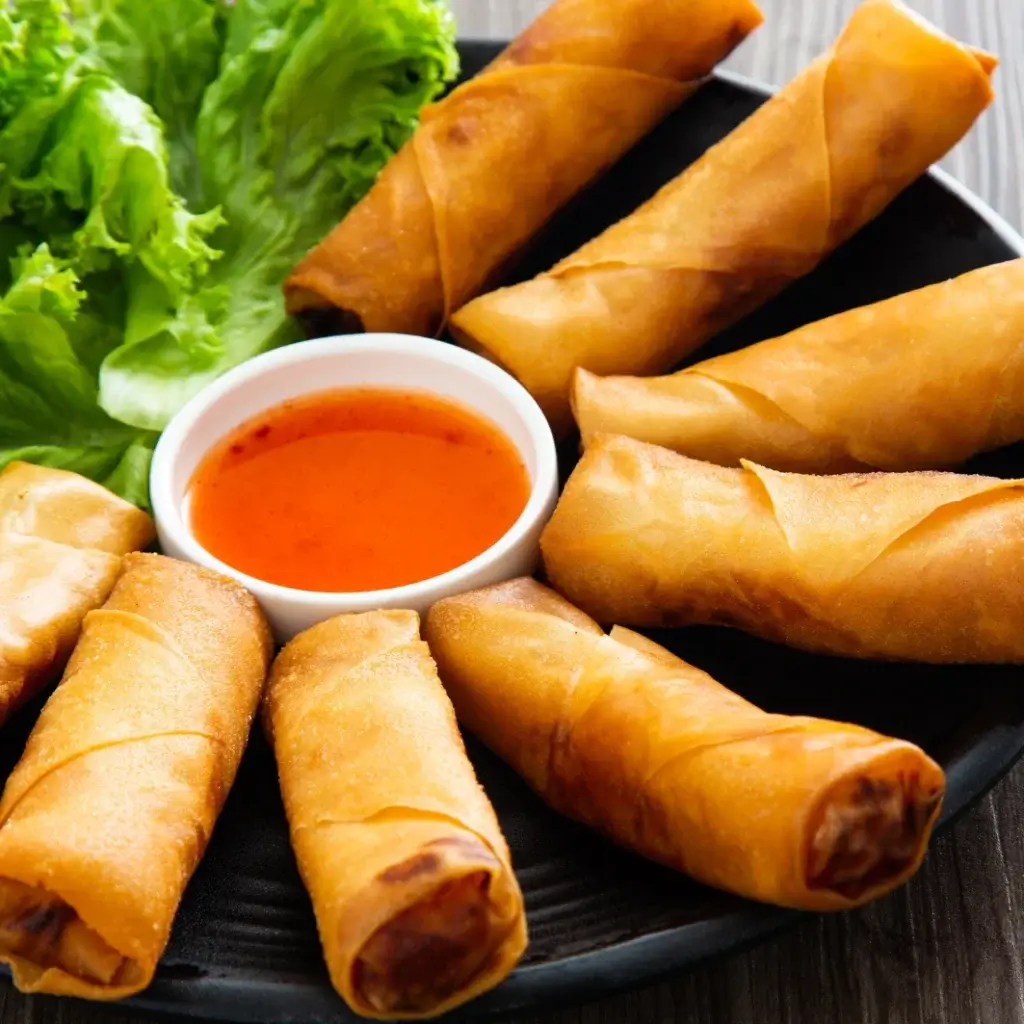
Whenever possible, I recommend using frozen spring roll wrappers from Asian grocery stores. They are usually more consistent, easier to work with, and crisp beautifully when fried at the correct temperature. However, it is very important to thaw them properly and keep them covered with a slightly damp towel while working. Otherwise, the edges dry quickly and begin to crack during rolling.
Another important detail is avoiding overfilling the wrapper. Many people try to add too much filling, which causes tearing and prevents the rolls from frying evenly. A well-balanced spring roll should feel compact and neatly rolled while still remaining light and crispy after frying
Can You Bake or Air Fry Spring Rolls?
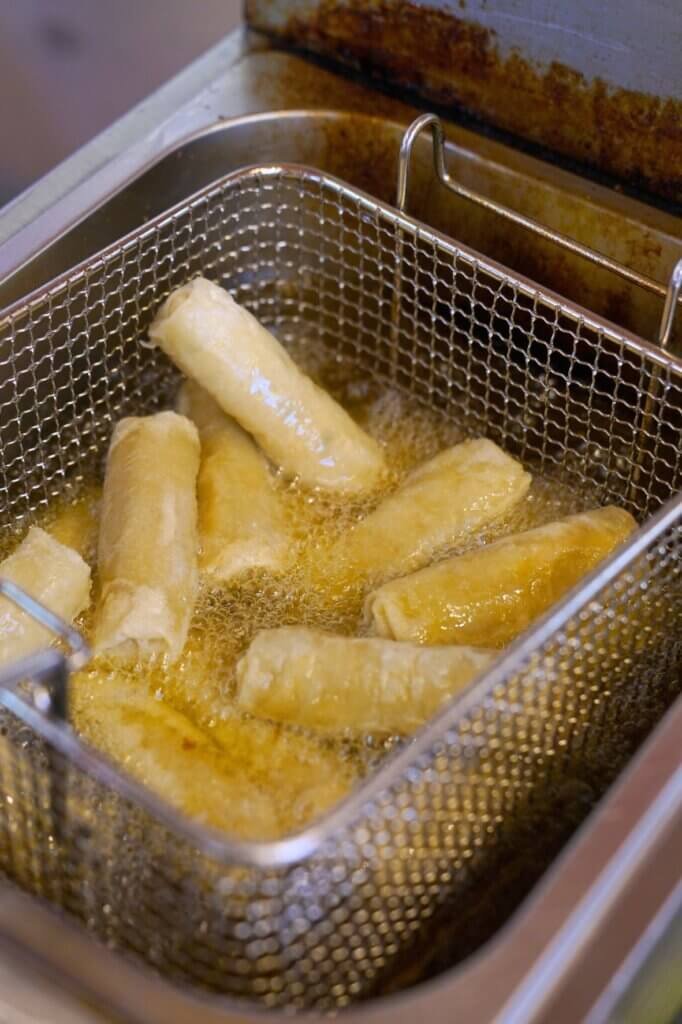
Absolutely. Although deep frying creates the most traditional texture for crunchy spring rolls, baking and air frying have become very popular alternatives for people looking for a lighter option without sacrificing too much crispiness. Over the years, I experimented with all three methods in both home and professional kitchens, and each one offers a slightly different experience.
When spring rolls are deep fried, the wrapper quickly becomes golden, blistered, and extremely crispy because the hot oil surrounds the entire roll evenly. This method creates the classic restaurant-style crunch that many people love. However, baking and air frying can still produce delicious results when done correctly.
For oven-baked spring rolls, one of the most important secrets is brushing or spraying the rolls lightly with oil before baking. This helps the wrapper develop a more even golden color and prevents it from drying out too much. I also recommend placing the spring rolls on a wire rack or turning them halfway through baking so all sides crisp evenly.
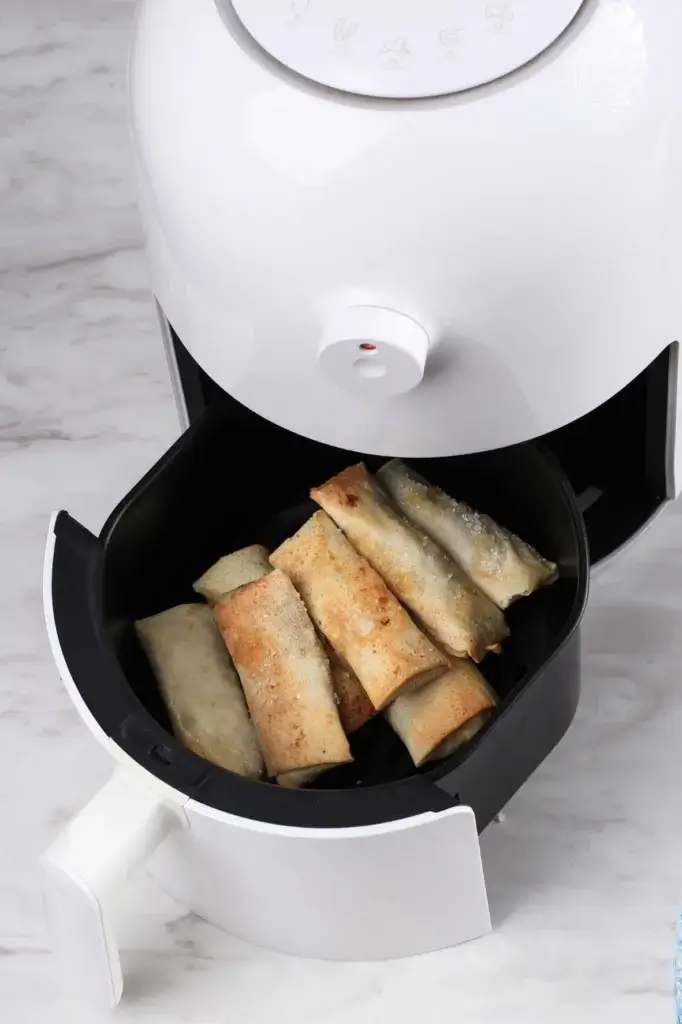
Air fryers, on the other hand, have changed the way many people prepare appetizers at home. The circulating hot air helps create a crispy exterior using much less oil than traditional frying. In fact, air-fried spring rolls can become surprisingly crunchy, especially when they are not overcrowded inside the basket.
One thing I always tell people is not to expect baked or air-fried spring rolls to taste exactly like deep-fried ones. Each cooking method has its own charm.
Personally, when I crave that unforgettable restaurant-style crunch with sweet and sour sauce, I still love the classic fried version. However, for everyday meals at home, air frying can be an excellent compromise between crispiness and convenience.
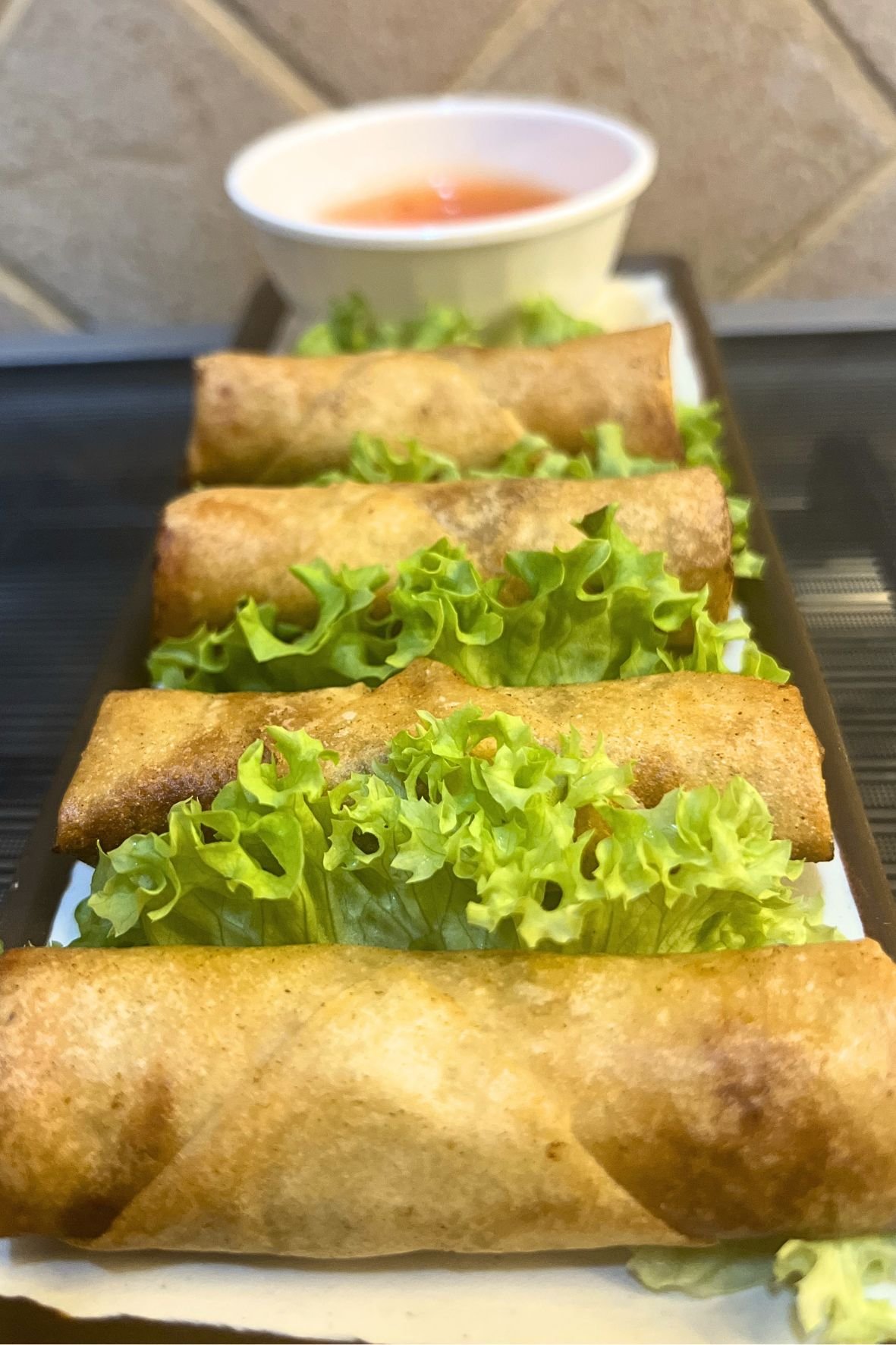
Spring Rolls
Ingredients
Equipment
Method
- Onions: Peel and cut the onions into thin julienne strips.
- Carrots: Peel and cut into thin matchsticks. (A mandoline or slicer can be used for more consistent results).
- Celery: Remove the strings from the celery stalks and chop them into thin pieces similar in size to the carrots.
- Bell Peppers: Cut green, red, and orange bell peppers into thin strips.
- Cabbage: Chop the cabbage finely. Ensure the pieces aren’t too large so they don’t tear the spring roll dough.
- Aromatics: Finely mince the garlic and ginger.
- Heat vegetable oil in a large pan or wok over high heat. (You can add a dash of sesame oil for extra flavor).
- Add the minced garlic and ginger, sautéing briefly until fragrant but not burnt.
- Add the onions and celery.
- Sauté on high heat, stirring constantly.
- The goal is to soften them slightly while keeping them crunchy.
- Incorporate the carrots and then the bell peppers.
- Season with black pepper and salt.
- You can also add vegetable or chicken bouillon powder if desired.
- Add the cabbage in two stages. Since it wilts quickly, it is added last.
- Add sweet soy sauce (or light/dark soy sauce) and oyster sauce.
- Continue tossing the vegetables until they are well-coated and slightly wilted.
- Transfer the mixture to a tray and let it cool completely.
- If there is excess liquid from the vegetables, drain it well to prevent the dough from getting soggy.
- Create a “glue” by mixing a small amount of flour with water until it reaches a paste-like consistency.
- Place a spring roll wrapper on a clean surface.
- Add a portion of the cooled vegetable filling.
- Fold the sides inward and roll the wrapper tightly.
- A tight roll ensures the spring roll doesn’t absorb too much oil during frying.
- Seal the edge with the flour-water paste.
- Place the assembled rolls in the freezer until firm.
- Heat vegetable oil in a deep pan.
- Fry the spring rolls directly from the freezer (do not thaw).
- Fry in small batches to maintain oil temperature.
- Fry until they are golden brown and crispy.
- Drain on paper towels.
- Serve hot with sweet chili sauce or soy sauce.
Video
Tips to Make Perfect Crispy Spring Rolls
To achieve the best crispy spring rolls, a few simple tips make a big difference.
First, always keep the filling balanced. Too much moisture can make the rolls soggy. Therefore, it is important to cook the vegetables properly and remove excess liquid.
Second, roll them tightly. A tight roll helps maintain shape and prevents oil from entering inside.
Finally, fry at the right temperature. If the oil is too cold, the rolls absorb oil. However, if the oil is too hot, they burn quickly. So maintaining medium heat ensures perfectly crispy spring rolls every time.
A Word from Chef François

Crispy spring rolls are a perfect example of how simple ingredients can create something truly special. I always recommend taking your time when preparing and rolling them, because the details make all the difference. Most importantly, enjoy the process and do not hesitate to experiment with flavors.
Also, I invite you to explore more recipes on my website and YouTube channel, where you will find many delicious ideas to inspire your cooking journey.

Chef François El Aaraj is a corporate chef and culinary consultant with more than 30 years of experience in professional kitchens and restaurant openings across Lebanon and abroad. Through this website, he shares authentic recipes, cooking techniques, and chef secrets designed to help home cooks create flavorful meals with confidence.
Leave a Reply