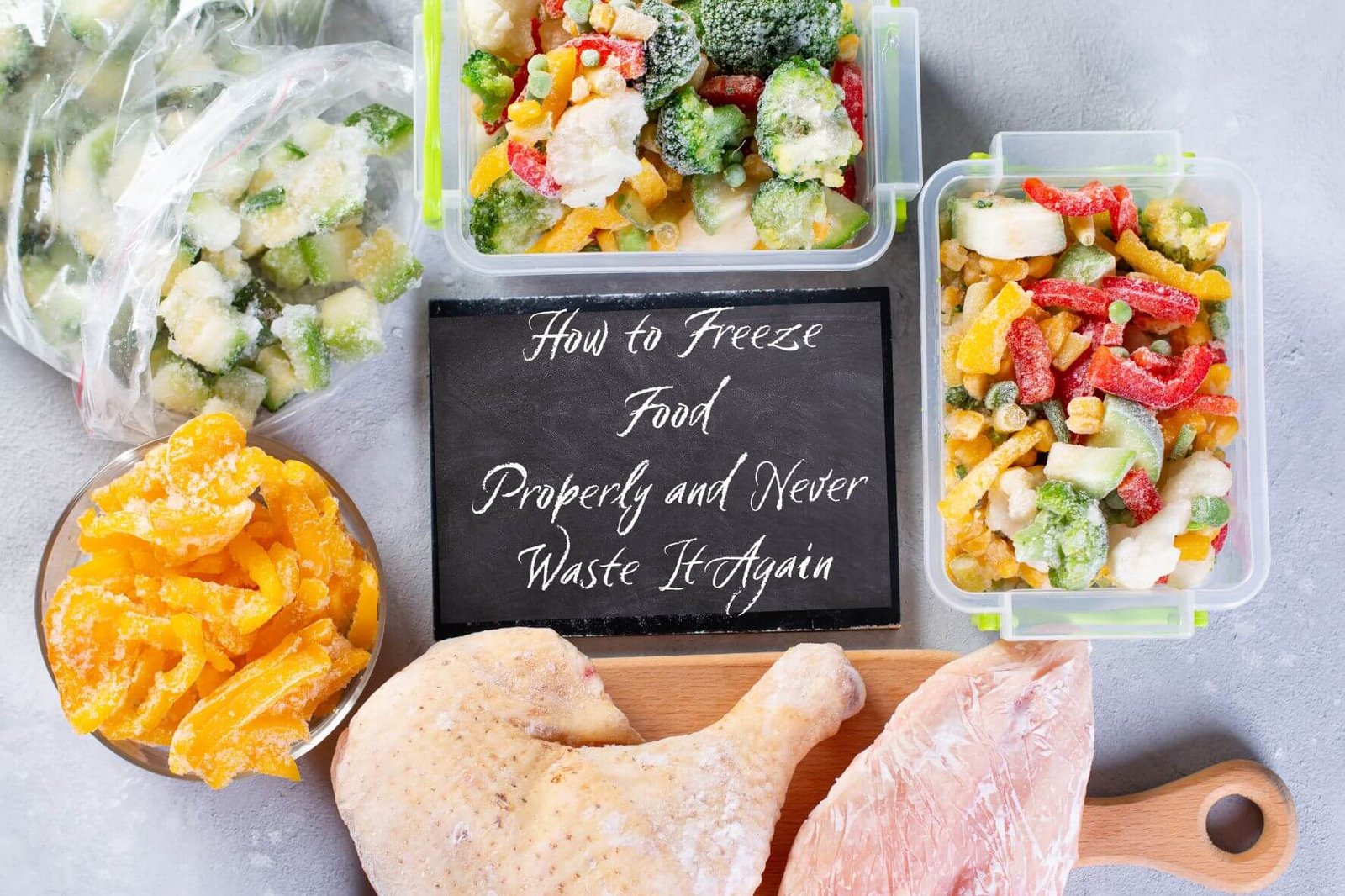
Have you ever wondered how to freeze food properly without ruining its flavor or texture? You’re not alone. During my years in professional kitchens, I met many people who believed freezing was only a last resort. Others thought frozen food could never taste as good as fresh food. Fortunately, neither of those beliefs is true.
When done correctly, freezing is one of the best tools in any kitchen. It helps reduce food waste and saves money. It also makes meal planning much easier. Most importantly, it allows you to enjoy homemade meals whenever you need them.
Many people are surprised to learn how often restaurants freeze food. We regularly freeze stocks, sauces, bread, prepared ingredients, and complete dishes. The goal is always the same. We preserve quality while working more efficiently.
Freezing food successfully is about much more than placing it in the freezer. The right packaging makes a difference. Cooling food before freezing also matters. Knowing how to thaw food correctly is just as important. Small details like these protect both flavor and texture.
Throughout my career, I have relied on these simple techniques every day. I still use them in my own kitchen. They have helped me save time, reduce waste, and always keep delicious meals within reach.
In this guide, I’ll show you exactly how to freeze food properly. You’ll discover which foods freeze well and which ones don’t. I’ll also explain safe freezing methods, storage times, thawing techniques, and the mistakes you should avoid. By the end, you’ll feel confident using your freezer like a professional chef.
Why Freezing Food Is One of the Best Kitchen Habits
Many people think freezing is only useful for leftovers. I see it very differently. Over the years, freezing has become one of my favorite kitchen habits. It saves time, reduces waste, and makes home cooking much more enjoyable.
One of the biggest benefits is saving money. Instead of throwing away extra ingredients, I freeze them for another meal. Fresh herbs, homemade stock, bread, cooked chicken, and many sauces freeze beautifully. This simple habit helps stretch your grocery budget without sacrificing quality.
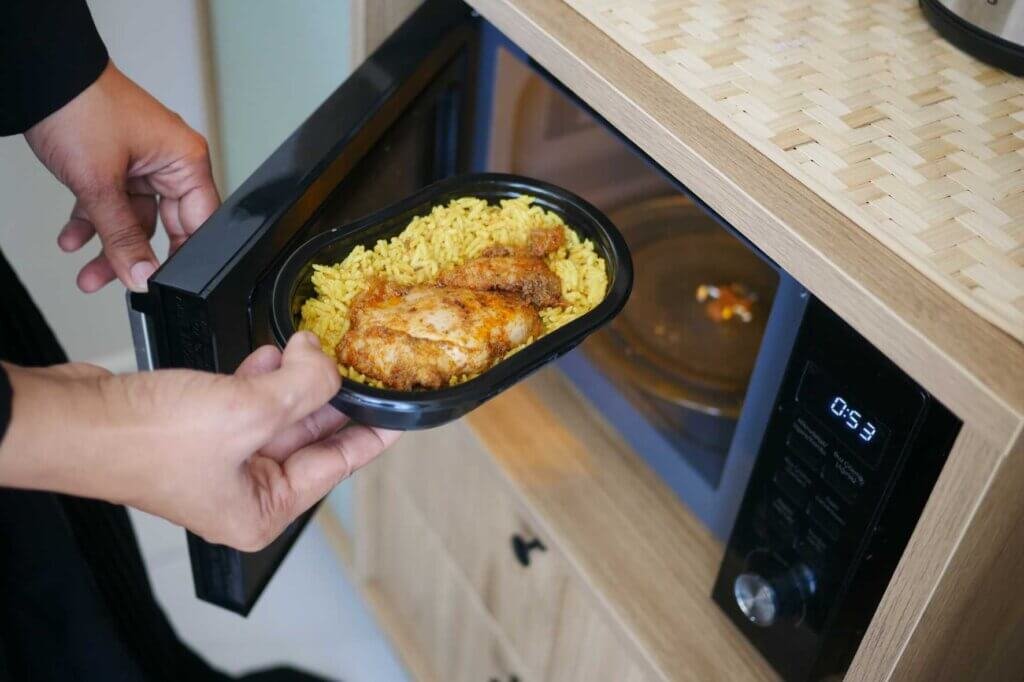
Freezing also makes meal preparation much easier. I often prepare larger batches of recipes and freeze individual portions. On busy days, I can enjoy a homemade meal in minutes. This works especially well for soups, pasta sauces, and slow-cooked dishes. If you enjoy making comforting meals, my Lentil Soup, French Onion Soup, and Bolognese Sauce recipes are all excellent choices for freezing.
Another advantage is preserving seasonal ingredients. When herbs, vegetables, or fruit are at their best, I like to freeze them for later use. This lets me enjoy great ingredients even when they are no longer in season.
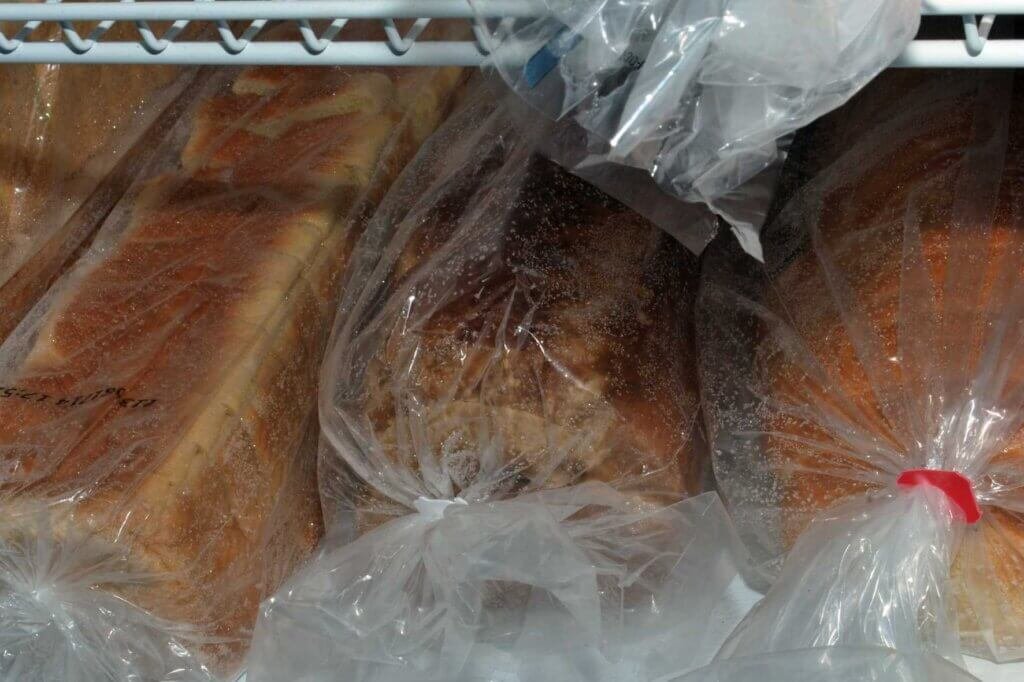
Freezing also helps reduce stress in the kitchen. Having homemade bread, pizza dough, or prepared ingredients ready to use makes cooking much faster. It also encourages you to cook at home more often. If you enjoy baking, you’ll find that Garlic Bread freezes exceptionally well before or after baking.
Many people believe freezing always damages food. In my experience, that only happens when food is frozen incorrectly. Using the right containers, removing excess air, and freezing food at the right time make a remarkable difference. I’ll show you exactly how to do that throughout this guide.
How to Freeze Food by Understanding the Science
To understand how to freeze food successfully, it helps to know what happens inside your ingredients. Almost every food contains water. As the temperature drops, that water turns into ice crystals. The size of those crystals plays an important role in the final texture of your food.
When food freezes quickly, the ice crystals stay small. Small crystals cause less damage to the food’s structure. As a result, meat stays juicier, vegetables keep more of their texture, and prepared meals taste closer to freshly cooked food.
Slow freezing creates larger ice crystals. These crystals break the tiny cells inside the food. Once the food thaws, those damaged cells release moisture. This is why some frozen foods become watery, mushy, or dry after defrosting.
This doesn’t mean you need special equipment at home. Most household freezers work perfectly well when you prepare food correctly. Cool cooked food before freezing, package it properly, and avoid leaving empty space inside the container. These simple steps help protect both texture and flavor.
Not every ingredient reacts the same way to freezing. Soups, sauces, cooked meats, and bread usually freeze very well. Fresh lettuce, cucumbers, and mayonnaise are much less successful because of their high water content or delicate structure. Later in this guide, I’ll show you exactly which foods belong in each category.
Once you understand how freezing works, making good decisions becomes much easier. Instead of guessing, you’ll know why certain foods freeze beautifully while others are best enjoyed fresh.
My Golden Rules Before Freezing Any Food
Before I freeze any food, I always follow a few simple rules. They only take a few extra minutes. However, they make a huge difference in the final result. Whether you’re freezing a full meal or a handful of fresh herbs, these habits will help preserve both quality and flavor.
Let Hot Food Cool First
One of the biggest mistakes people make is freezing hot food immediately. I always let cooked food cool before placing it in the freezer. Hot containers raise the temperature inside your freezer. They can also begin thawing nearby frozen foods. For food safety, don’t leave cooked food at room temperature for more than two hours.
Freeze the Right Portions
I rarely freeze large containers unless I know I’ll use everything at once. Instead, I divide food into meal-sized portions. Smaller portions freeze faster and thaw more quickly. They also help reduce waste because you only defrost what you need.
Remove as Much Air as Possible
Air is the enemy of frozen food. Too much air causes freezer burn and shortens the food’s quality. I always press the air out of freezer bags before sealing them. If I’m using containers, I choose the smallest size that comfortably fits the food.
Label Everything
I never rely on my memory. Every container gets a label with the food’s name and the freezing date. A few weeks later, many frozen foods look surprisingly similar. A simple label saves time and prevents unnecessary waste.
Use Freezer-Safe Packaging
Not every container is suitable for freezing. I use freezer bags, freezer-safe plastic containers, or glass containers designed for low temperatures. Good packaging protects food from air, moisture loss, and unwanted freezer odors.
These simple habits have served me well throughout my career. They don’t require expensive equipment or special skills. Following them every time is one of the easiest ways to improve the quality of your frozen food.
How to Freeze Food: The Best Foods to Freeze
One of the easiest ways to learn how to freeze food is by knowing which ingredients respond well to freezing. While not every food belongs in the freezer, many everyday ingredients freeze exceptionally well. When packaged correctly, they can maintain excellent flavor and texture for weeks or even months.
Soups and Stews
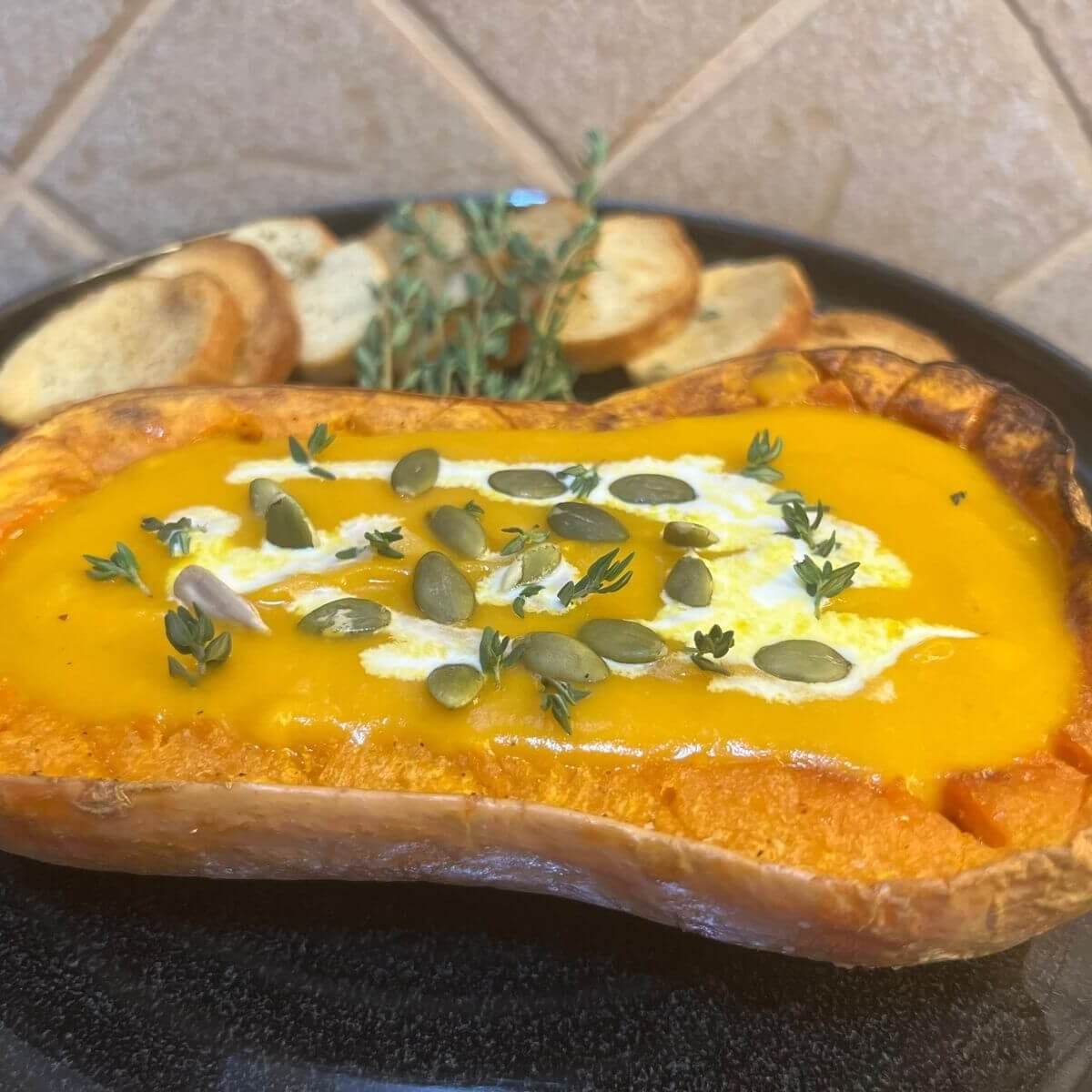
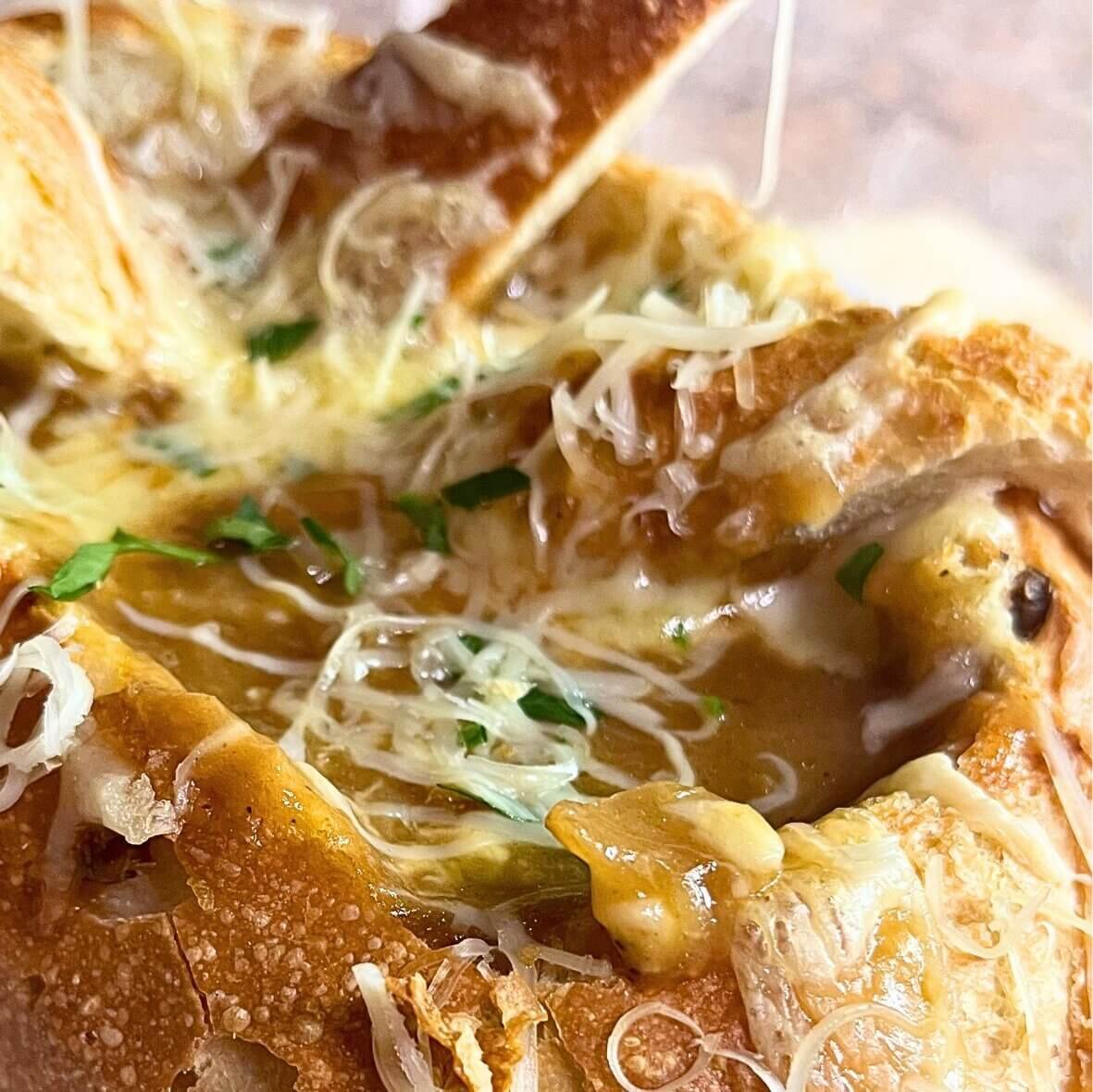
Soups are among my favorite foods to freeze. Most soups keep their flavor and texture beautifully when stored in airtight containers. Leave a little space at the top because liquids expand as they freeze. If you’re looking for freezer-friendly recipes, my Lentil Soup and French Onion Soup are both excellent choices.

Pasta Sauces
Homemade pasta sauces freeze extremely well. I often prepare larger batches and freeze individual portions for quick meals. Tomato-based sauces, including my Bolognese Sauce, thaw beautifully and taste just as delicious after reheating.
Pesto is another sauce that freezes exceptionally well. Since it contains olive oil, herbs, cheese, and nuts, it holds its flavor beautifully in the freezer. I like freezing pesto in small portions, making it easy to thaw only what I need. You can freeze it in ice cube trays for individual servings or in small airtight containers. If you enjoy homemade pesto, be sure to try my Homemade Pesto Sauce recipe. It’s perfect for preparing ahead and keeping on hand for quick pasta dishes, sandwiches, and marinades.
Bread and Dough
Bread is one of the easiest foods to freeze. Whole loaves, sliced bread, dinner rolls, and pizza dough all freeze very well. Wrap them tightly to prevent freezer burn and thaw only what you need. If you enjoy homemade bread, you can also freeze my Garlic Bread before or after baking.
Cooked Meat and Poultry
Cooked chicken, beef, turkey, and many slow-cooked dishes freeze very successfully. I recommend dividing them into meal-sized portions before freezing. This makes weeknight dinners much faster and helps reduce waste.
Homemade Stock
Whenever I prepare chicken or vegetable stock, I always freeze the extra. Homemade stock forms the foundation of countless recipes. Keeping portions in the freezer means you always have rich flavor ready for soups, sauces, and stews.
Fresh Herbs
Fresh herbs often spoil before they’re fully used. Chopped parsley, basil, dill, and cilantro freeze well for cooking. I like freezing them in small portions, making it easy to add fresh flavor directly to soups, sauces, and cooked dishes.
Cooked Rice and Beans
Cooked rice and beans are excellent for meal preparation. Freeze them in individual portions after they have cooled completely. They thaw quickly and make preparing healthy meals much easier. This method works especially well for complete meals, too.
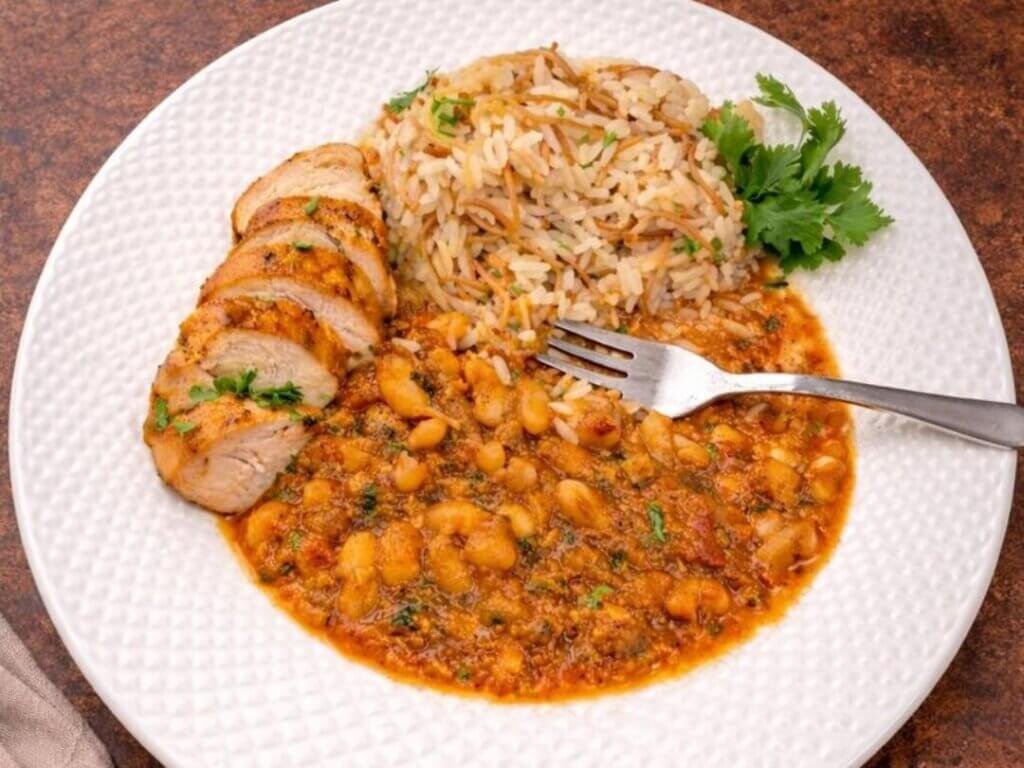
If you’re looking for a freezer-friendly recipe, I recommend trying my White Beans and Chicken with Vermicelli Rice. It freezes beautifully, making it an excellent option for busy weekdays when you want a comforting homemade meal in minutes.
Foods You Plan to Fry Later
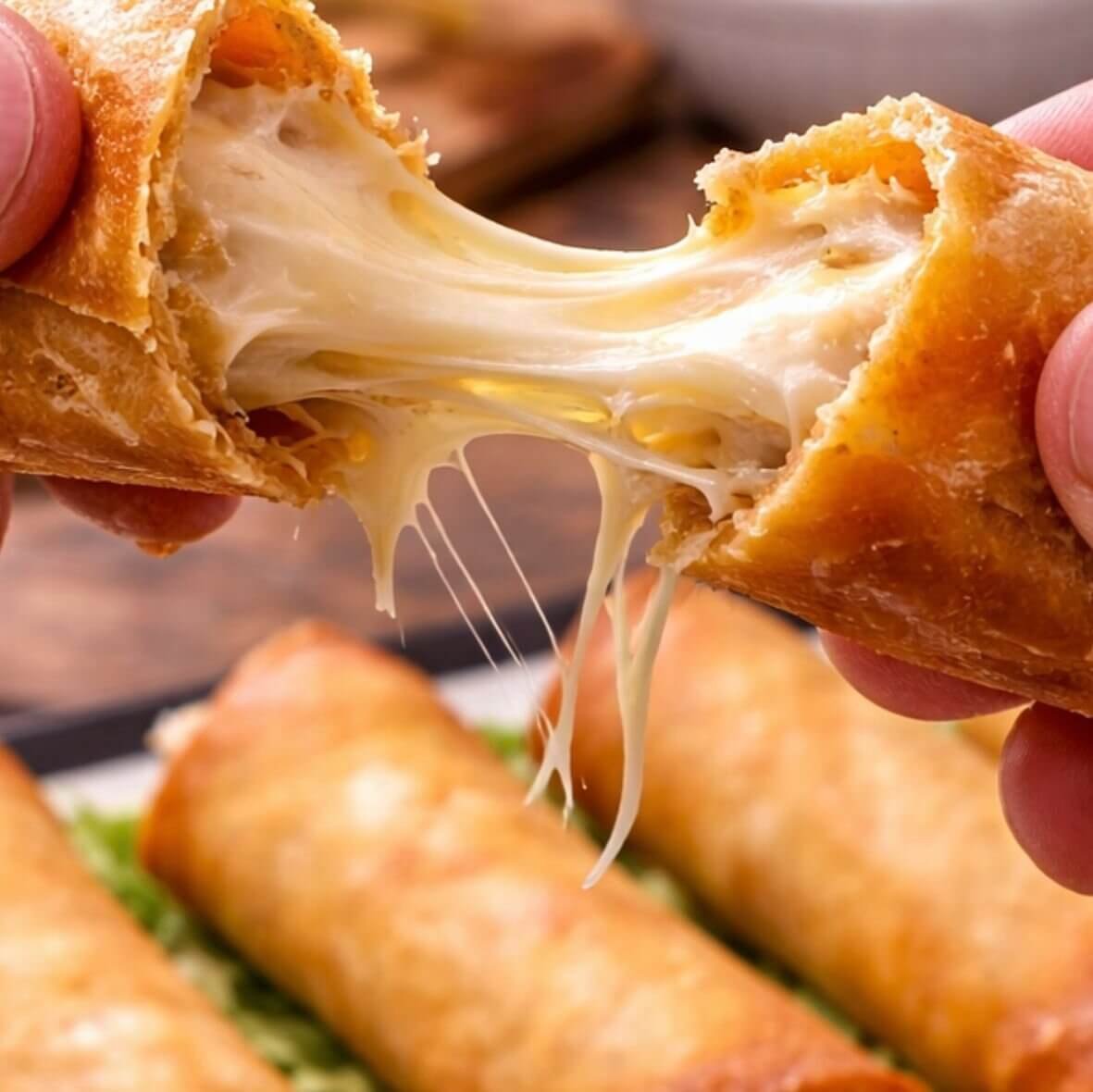
One of my favorite ways to save time is freezing foods that only need frying before serving. This method is perfect for meal preparation because the hard work is already done. When you’re ready to eat, simply fry the food straight from the freezer until it’s golden and cooked through.
Chicken strips, fish sticks, mozzarella sticks, spring rolls, cheese rolls, croquettes, schnitzels, and breaded vegetables all freeze exceptionally well. Arrange them in a single layer on a tray until frozen. Then transfer them to a freezer bag or airtight container. This prevents them from sticking together and lets you remove only the amount you need.
I use this technique often because it saves valuable time without sacrificing quality. Properly frozen breaded foods stay crisp on the outside and tender inside when fried correctly. If you enjoy preparing appetizers ahead of time, freezing them before frying is one of the best kitchen habits you can develop.
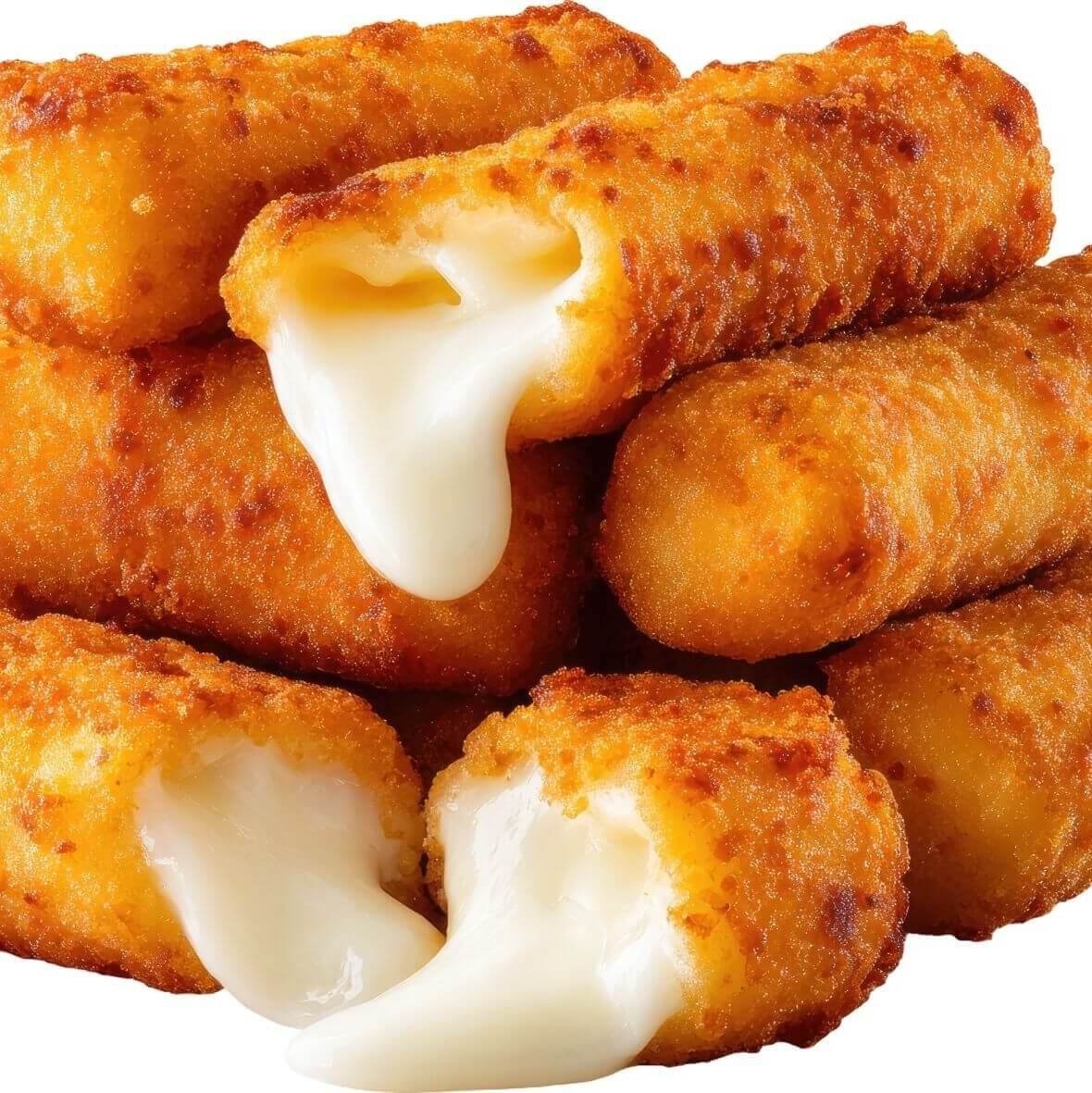
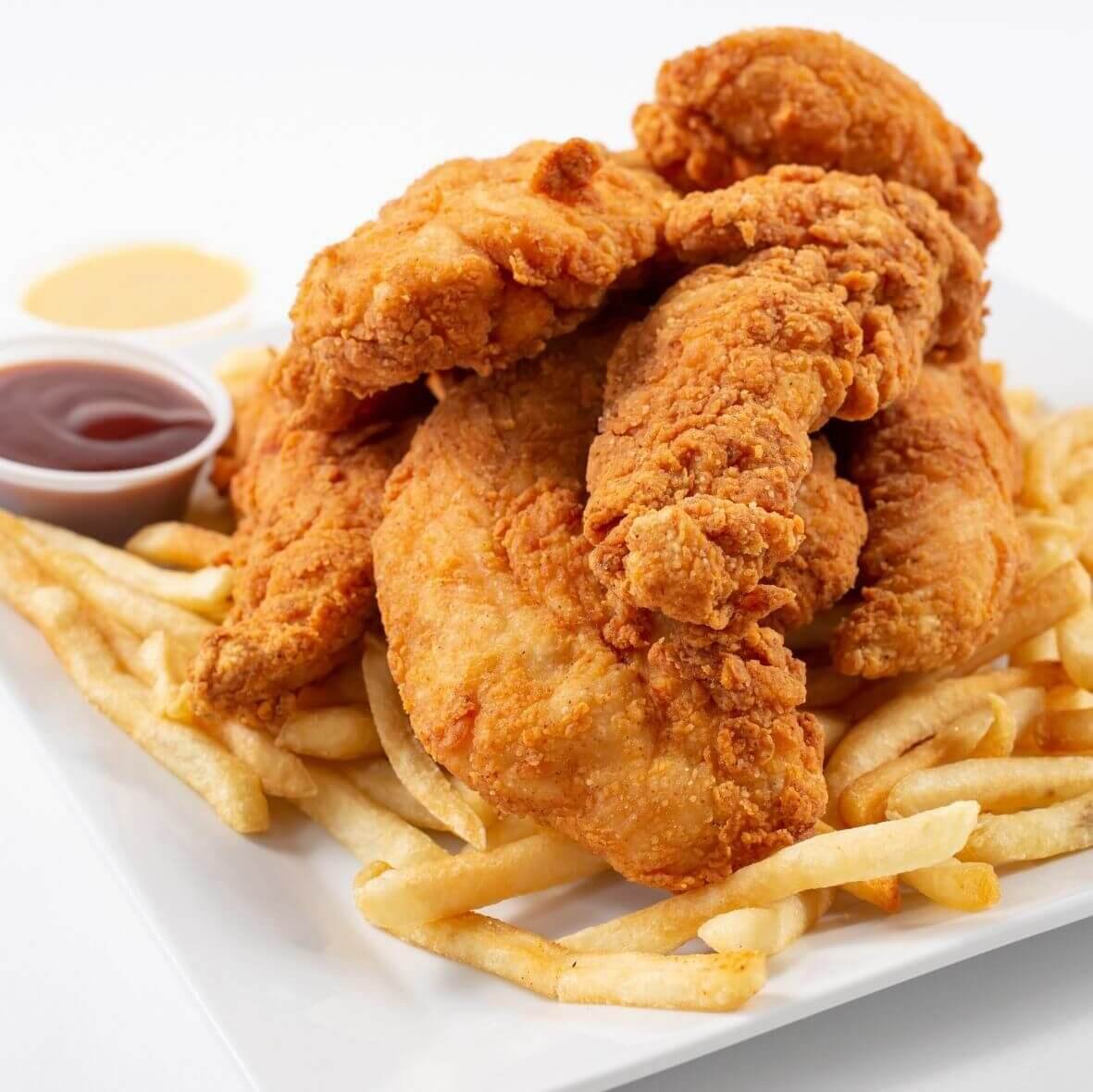
As you can see, many everyday foods freeze surprisingly well. The secret isn’t simply placing food in the freezer. Using the right packaging, portion sizes, and storage methods helps preserve both quality and flavor. Next, we’ll look at the foods that are better enjoyed fresh and why they don’t freeze as successfully.
Foods You Should Avoid Freezing
Although many foods freeze beautifully, some are best enjoyed fresh. These foods often lose their texture, separate, or become watery after thawing. Knowing what not to freeze is just as important as learning how to freeze food correctly.
Leafy Greens
Fresh lettuce, spinach for salads, arugula, and other leafy greens contain a lot of water. Once thawed, they become limp and soggy. While they are no longer suitable for salads, they can still be used in cooked dishes such as soups or casseroles.
Cucumbers and Raw Tomatoes
Cucumbers and fresh tomatoes don’t hold their texture well in the freezer. After thawing, they release a large amount of water and become soft. However, tomatoes intended for sauces or soups freeze much better because texture is less important after cooking.
Mayonnaise
Mayonnaise does not freeze well because it is an emulsion. As it thaws, the ingredients separate, leaving a watery and grainy texture. If you’re preparing salads, it’s better to add mayonnaise after thawing rather than before freezing.
Cream-Based Sauces
Sauces made with heavy cream or sour cream may separate after thawing. They often become grainy instead of smooth. If you plan to freeze a creamy dish, I recommend preparing the sauce without the dairy first. You can stir in the cream just before serving.
Soft Dairy Products
Soft cheeses, cottage cheese, ricotta, cream cheese, and sour cream often change texture in the freezer. While they remain safe to eat, they usually become crumbly or watery after thawing. Hard cheeses generally freeze much better.
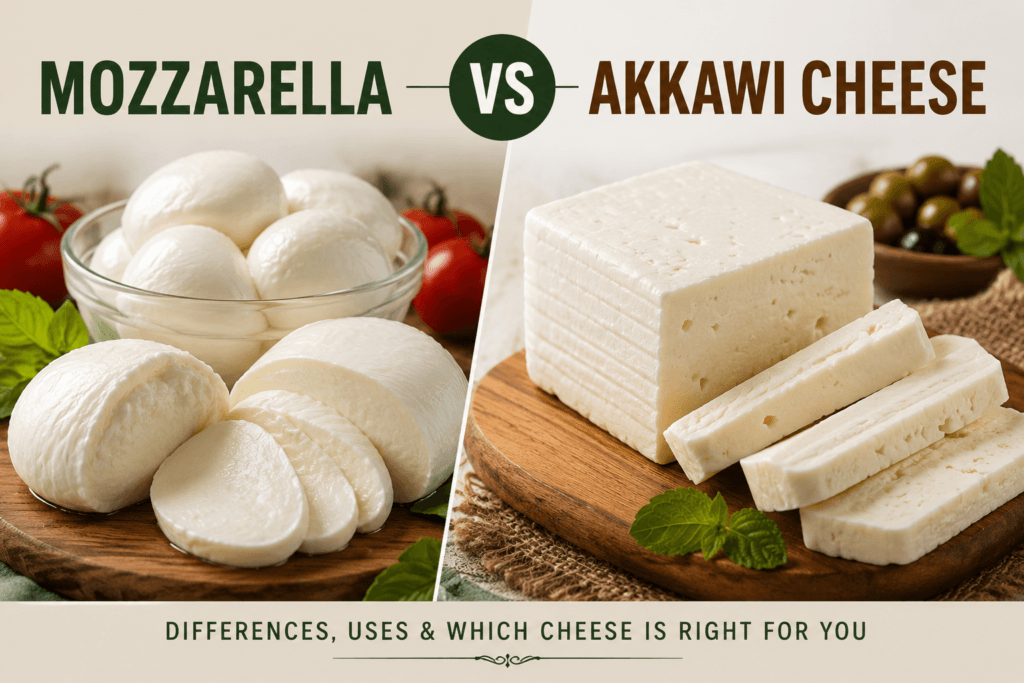
If you’re unsure which cheeses work best in different recipes, be sure to read my guide on Mozzarella vs. Akkawi Cheese.
Fried Foods
Fried foods lose their crispness during freezing. Moisture forms as they thaw, making the coating soft instead of crunchy. Although they can be reheated in the oven or an air fryer, they rarely taste as crisp as when freshly cooked.
Foods with High Water Content
Watermelon, oranges, grapes, and similar fruits become very soft after thawing. They are still excellent for smoothies, jams, and desserts, but they won’t have the same fresh texture.
Freezing doesn’t ruin these foods because they become unsafe. It simply changes their texture. Understanding these changes helps you choose the best storage method for every ingredient and avoid unnecessary disappointment.
How Long Can You Freeze Food?
One of the questions I hear most often is, “How long can I keep food in the freezer?” The answer depends on the type of food. While frozen food remains safe indefinitely if kept at 0°F (-18°C) or below, its quality gradually declines over time. That’s why I recommend following the storage times below for the best flavor and texture.
| Food | Best Quality |
|---|---|
| Raw chicken | 9–12 months |
| Raw beef | 6–12 months |
| Raw fish | 2–6 months |
| Cooked chicken | 3–4 months |
| Soups and stews | 2–3 months |
| Homemade stock | 3–6 months |
| Pasta sauces | 3–4 months |
| Pesto sauce | 6 months |
| Bread | 2–3 months |
| Pizza dough | Up to 3 months |
| Cooked rice | 1–2 months |
| Cooked beans | 2–3 months |
| Frozen vegetables | 8–12 months |
| Fresh herbs | 4–6 months |
| Butter | 6–9 months |
| Hard cheese | Up to 6 months |
These storage times are based on maintaining the best eating quality. Many foods remain safe beyond these periods if they stay continuously frozen. However, you may notice changes in texture, color, or flavor after extended storage.
One habit I strongly recommend is labeling every container before placing it in the freezer. Write the name of the food and the freezing date using a permanent marker or freezer label. This simple step helps you use older foods first and prevents perfectly good meals from being forgotten in the back of the freezer.
If you prepare meals regularly, try organizing your freezer so the oldest foods stay at the front. I follow this habit in my own kitchen because it reduces waste and makes meal planning much easier.
How to Thaw Frozen Food Safely
Freezing food correctly is only half the process. Thawing it the right way is just as important. Proper thawing helps preserve texture, maintain flavor, and reduce the risk of harmful bacteria growing on your food.
Thaw Food in the Refrigerator
Whenever possible, I thaw frozen food in the refrigerator. It’s the safest and most reliable method. The food stays at a safe temperature while it slowly defrosts. Depending on its size, this may take several hours or overnight. I often move tomorrow’s dinner from the freezer to the refrigerator before going to bed.
Use Cold Water When You’re Short on Time
If you need food more quickly, place the sealed package in a bowl of cold water. Change the water every 30 minutes to keep it cold. This method works well for meat, poultry, seafood, and other foods sealed in airtight packaging.
Never use warm or hot water to speed up thawing. The outside of the food can enter the temperature danger zone while the center remains frozen.
Use the Microwave Only When Cooking Immediately
Most microwaves include a defrost setting that works well for smaller portions. However, microwave thawing often starts cooking the outer edges of the food. For this reason, I recommend cooking the food immediately after thawing it in the microwave.
Some Foods Can Be Cooked Straight from Frozen
Not every food needs to be thawed first. Vegetables, frozen breaded foods, homemade stock, soups, and many prepared sauces can go directly into the pot, oven, or air fryer. This saves time and often produces excellent results. I regularly cook frozen chicken strips, spring rolls, mozzarella sticks, and cheese rolls without thawing them first.
Never Thaw Food on the Kitchen Counter
One of the biggest mistakes I see is leaving frozen food on the countertop for hours. While the center is still frozen, the outer layers quickly become warm enough for bacteria to multiply. Even though the food may still look frozen, it may no longer be safe to eat.
Planning ahead is the best way to thaw food safely. A little preparation protects both the quality of your meals and the health of everyone at your table.
Can You Refreeze Food?
This is one of the most common questions I receive. The answer is yes, but only under the right conditions.
If you thaw food in the refrigerator and keep it cold, you can usually freeze it again without any safety concerns. However, each time food freezes and thaws, it loses a little more moisture. As a result, the texture and flavor may not be as good after the second thaw.
If food has been left at room temperature for more than two hours, do not refreeze it. Harmful bacteria can multiply quickly once food enters the temperature danger zone. Freezing stops bacterial growth, but it does not destroy the bacteria that have already multiplied.
Food that has been thawed and then fully cooked can usually be frozen again. For example, if you thaw chicken in the refrigerator and cook it into a soup or casserole, you can safely freeze the cooked dish for another meal.
When in doubt, remember one simple rule. If food has stayed cold the entire time, it can usually be refrozen safely. If it has been sitting out for too long, it’s best to throw it away.
What Is Freezer Burn?
Have you ever found dry, gray, or icy patches on frozen food? That’s called freezer burn. Although it doesn’t make food unsafe to eat, it can greatly reduce its quality.
Freezer burn happens when air reaches the surface of frozen food. The moisture inside the food slowly evaporates, leaving dry spots behind. Those areas often become tough, bland, and unpleasant to eat.
The good news is that freezer burn is easy to prevent. Use airtight freezer bags or freezer-safe containers, remove as much air as possible, and wrap food tightly before freezing. Good packaging is your best defense.
If only a small area has freezer burn, you can simply trim it away before cooking. If most of the food is affected, it may still be safe to eat, but the flavor and texture will be disappointing.
Taking a few extra seconds to package food correctly can save you from wasting an otherwise good meal.
The Best Containers for Freezing Food
Choosing the right container is just as important as choosing the right food. Good packaging protects against air, moisture loss, and freezer burn while helping your food stay fresh for longer.
Freezer Bags
Freezer bags are my first choice for many foods. They’re perfect for vegetables, breaded foods, sauces, soups, and cooked meats. Press out as much air as possible before sealing the bag. For liquids, freeze them flat to save space and help them thaw faster.
Freezer-Safe Plastic Containers
Plastic containers work well for soups, stews, cooked rice, beans, and complete meals. Leave a little space at the top because liquids expand as they freeze.
Glass Containers
Many glass containers can be used safely in the freezer. Always check that they are labeled as freezer-safe. Leave enough headspace to allow food to expand and avoid sudden temperature changes that could crack the glass.
Vacuum-Sealed Bags
If you freeze food often, a vacuum sealer is an excellent investment. Removing nearly all the air greatly reduces freezer burn and helps food maintain its quality for a much longer time.
Ice Cube Trays
Ice cube trays aren’t just for water. I often use them to freeze Homemade Pesto Sauce, stock, tomato paste, lemon juice, and fresh herbs in olive oil. Once frozen, transfer the cubes to a freezer bag. This lets you thaw only the amount you need.
No matter which container you choose, always label it with the food’s name and the freezing date. This simple habit keeps your freezer organized and helps reduce food waste.
Vegetables You Should Blanch Before Freezing
Many vegetables freeze much better after blanching. Blanching is a simple process that involves boiling vegetables for a short time before cooling them quickly in ice water.
Blanching doesn’t cook the vegetables completely. Instead, it slows down the natural enzymes that continue working even in the freezer. These enzymes can cause vegetables to lose their color, flavor, texture, and nutrients over time.
Vegetables that benefit from blanching include broccoli, cauliflower, carrots, green beans, peas, asparagus, spinach, and Brussels sprouts. After blanching, cool them immediately in ice water, drain them well, and pat them dry before freezing.
Some vegetables don’t require blanching. Chopped onions, bell peppers, hot peppers, and herbs can usually be frozen directly without affecting their quality.
Taking a few extra minutes to blanch vegetables helps preserve their bright color, fresh flavor, and crisp texture. It’s one of the simplest techniques you can use to improve the quality of frozen vegetables.
How to Organize Your Freezer Like a Professional
An organized freezer saves more than just space. It saves time, reduces food waste, and helps you find exactly what you need when preparing a meal. In professional kitchens, staying organized is essential. I use many of the same habits at home because they make cooking much easier.
Freeze Food Flat Whenever Possible
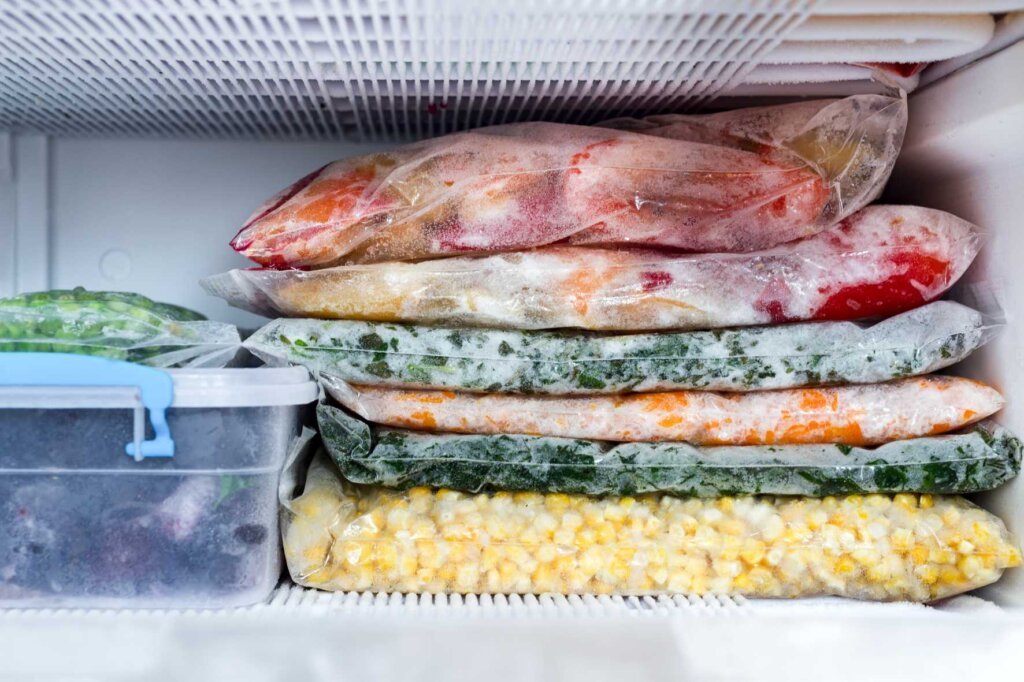
Foods such as soups, sauces, cooked beans, and minced meat freeze well in freezer bags. Lay the bags flat until the food is frozen. Once solid, you can stack them like books on a shelf. This saves a surprising amount of freezer space.
Group Similar Foods Together
Keep meat with meat, vegetables with vegetables, bread with bread, and prepared meals in their own section. This makes it easier to find what you need without searching through the entire freezer.
Use the First In, First Out Rule
Always place newly frozen food behind older items. This simple habit helps you use the oldest food first. Professional kitchens call this the First In, First Out (FIFO) method, and it’s one of the easiest ways to reduce waste.
Keep an Inventory
If your freezer is full, consider keeping a small list on the freezer door. Write down what you’ve frozen and the date. Cross items off as you use them. You’ll avoid buying ingredients you already have and won’t forget meals hidden at the bottom of the freezer.
A few minutes of organization can save hours over the course of a year. It also helps ensure that your homemade food gets enjoyed instead of forgotten.
The Biggest Freezing Mistakes to Avoid
Learning how to freeze food also means learning what not to do. Even small mistakes can affect the texture, flavor, and quality of your food. Fortunately, they’re all easy to avoid.
Freezing Hot Food
Never place steaming hot food directly into the freezer. Let it cool first. Hot food raises the temperature inside your freezer and can partially thaw nearby foods.
Leaving Too Much Air in the Packaging
Air causes freezer burn and dries out food over time. Always remove as much air as possible from freezer bags before sealing them.
Forgetting to Label Food
A frozen container of soup can look very similar to a frozen pasta sauce a few weeks later. Always write the name of the food and the freezing date on every package.
Freezing Large Portions
Large containers take much longer to freeze and thaw. Divide food into meal-sized portions whenever possible. You’ll save time and only thaw what you need.
Overloading the Freezer
Packing your freezer too tightly can slow air circulation. Leave a little room around newly frozen foods so cold air can circulate properly.
Keeping Food Too Long
Frozen food doesn’t stay at its best forever. Even though it may remain safe, its flavor and texture gradually decline. Try to use your oldest frozen foods first.
Avoiding these simple mistakes will help you enjoy better-tasting meals and make the most of the food you freeze.
My Favorite Foods to Always Keep in My Freezer
After decades of working in professional kitchens, there are a few foods I always like to have ready in my freezer. They save time, reduce waste, and make it much easier to prepare a homemade meal on busy days.
Homemade stock is always at the top of my list. It adds rich flavor to soups, sauces, and rice dishes without any extra effort. I also keep portions of Homemade Pesto Sauce because they thaw in minutes and instantly transform pasta, sandwiches, and grilled chicken.
I nearly always have a container of Bolognese Sauce ready for pasta nights. During the colder months, I also freeze portions of my Lentil Soup and French Onion Soup. They make quick lunches and comforting dinners with almost no preparation.
Bread is another freezer essential. Whether it’s sandwich bread, homemade loaves, or Garlic Bread, freezing helps keep it fresh and reduces waste. I simply thaw the amount I need.
Finally, I like keeping breaded foods ready to fry. Chicken strips, mozzarella sticks, spring rolls, cheese rolls, and fish sticks can go straight from the freezer into hot oil or the air fryer. They’re perfect when I need a quick appetizer or an easy family meal.
Keeping these freezer staples on hand means I can prepare delicious homemade food in less time while avoiding unnecessary trips to the grocery store.
Frequently Asked Questions
Can you freeze eggs?
Yes. Crack the eggs into a container and lightly beat them before freezing. Don’t freeze eggs inside their shells because they may crack as they expand.
Can you freeze milk?
Yes. Milk freezes well, although it may separate slightly after thawing. Shake it well before using.
Can you freeze cheese?
Many hard cheeses freeze very well. Soft cheeses may become crumbly or watery after thawing. If you’d like to learn more, read my guide comparing Mozzarella vs. Akkawi Cheese.
Does freezing kill bacteria?
No. Freezing stops bacteria from multiplying, but it does not kill them. That’s why proper thawing and cooking remain essential for food safety.
Can frozen food go bad?
Food stored continuously at 0°F (-18°C) remains safe to eat for a very long time. However, its quality slowly declines. Following the recommended storage times will help you enjoy the best flavor and texture.
Can I freeze cooked pasta?
Yes. Cooked pasta freezes well, especially when mixed with sauce. Slightly undercook the pasta if you know you’ll be freezing it, as it will soften a little during reheating.
A Final Word from My Kitchen
Over the years, I’ve learned that a well-stocked freezer is one of the most valuable tools in any kitchen. It’s not about storing food for months and forgetting about it. It’s about planning ahead, reducing waste, and making homemade cooking easier every single day.
Whether you’re freezing a pot of soup, a batch of Bolognese Sauce, fresh Pesto Sauce, or tomorrow’s dinner, a few simple habits make all the difference. Good packaging, proper labeling, and safe thawing will help you enjoy meals that taste almost as fresh as the day you made them.
I hope this guide has shown you that learning how to freeze food isn’t difficult. Once you understand the basics, it quickly becomes second nature. You’ll waste less food, save money, and always have homemade meals ready whenever you need them.
If you’d like to see these techniques in action, I invite you to visit my YouTube channel. There, I share step-by-step recipes, professional cooking techniques, kitchen tips, and practical advice I’ve learned throughout my career. Seeing the process can make many of these methods even easier to master.
My advice is simple: don’t wait until you have too many leftovers. Make freezing part of your regular cooking routine. Your future self will thank you the next time you open the freezer and find a homemade meal ready to enjoy.
Happy cooking, and I’ll see you in the next recipe!

Chef François El Aaraj is a corporate chef and culinary consultant with more than 30 years of experience in professional kitchens and restaurant openings across Lebanon and abroad. Through this website, he shares authentic recipes, cooking techniques, and chef secrets designed to help home cooks create flavorful meals with confidence.
Leave a Reply