
Beef stroganoff brings together tender meat, earthy mushrooms, and a creamy sauce that makes a simple dinner feel special. However, its success depends on more than adding cream to a pan. The cooking order matters, and so does knowing when to lower the heat.
After more than 30 years in professional kitchens, I have learned to value these small decisions. A few extra moments spent browning mushrooms can improve the whole sauce. Meanwhile, leaving thin beef strips over the heat for too long can spoil their texture.
That is what I want to help you understand with this recipe.
You do not need restaurant equipment or complicated skills. Instead, you need a suitable cut of beef, a wide pan, and a clear plan. Below, I explain how to choose your ingredients, build flavor, and serve a meal you can feel proud of.
What Makes Stroganoff So Comforting?
For me, the appeal of this dish comes from its balance. The meat gives it substance, the mushrooms bring a savory depth, and the sauce connects everything.
Each part should remain easy to taste. Too much cream can hide the beef and mushrooms. On the other hand, too little liquid can leave the dish dry and heavy.
The texture matters just as much. I want the sauce to flow around the ingredients while gently coating them. It should feel smooth on the spoon, without becoming sticky or resembling a thick paste.
There are many versions of this familiar dish. Some use sour cream for a tangy finish, while others use fresh cream for a milder taste. Mustard can also bring a welcome sharpness.
My approach focuses on a simple goal: tender beef and a sauce with enough character to make you want another bite.
Choose a Cut That Suits Quick Cooking
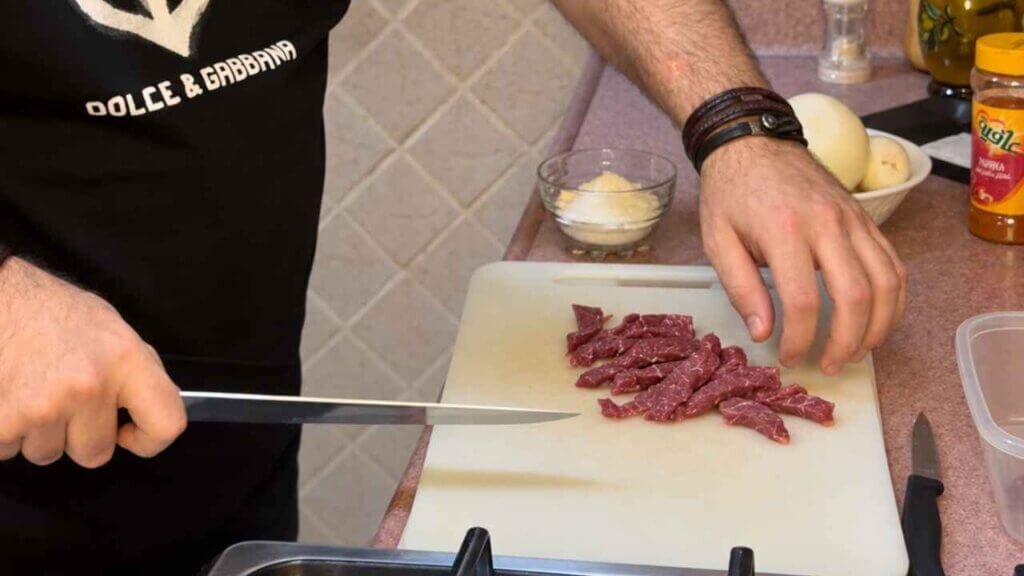
Before you start, think about how the meat will cook.
This is a quick cooking method, so tenderloin is a good choice. It is naturally tender and does not need a long simmer. Sirloin can also work well, provided you trim and slice it carefully.
However, an inexpensive stewing cut will behave differently. Meat that needs slow cooking will not become tender after a brief sear. Therefore, changing the cut may require changing the whole method.
If tenderloin is outside your budget, ask your butcher for a reasonably priced cut suitable for quick frying.
Next, look for the direction of the muscle fibers. Slice across them to shorten those fibers and make the meat easier to chew. Keep the strips similar in thickness, too.
Finally, pat the beef dry before seasoning it. Surface moisture must evaporate before browning can begin. Starting with dry meat gives the hot pan a better chance to do its job.
Prepare Everything Before Heating the Pan
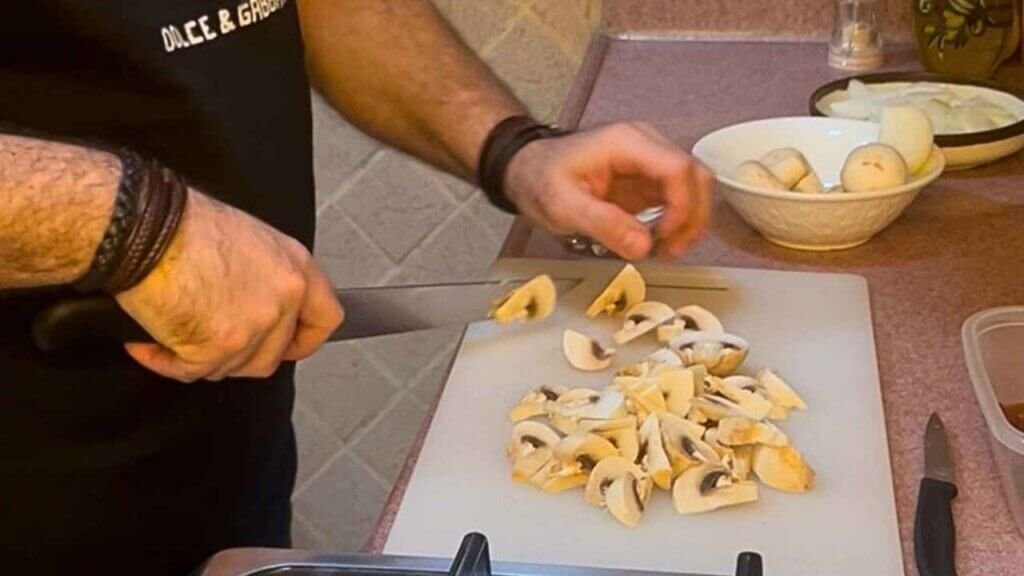
A little preparation makes this recipe much easier.
Once the beef enters the pan, you should be watching it rather than searching for mustard or slicing onions. For that reason, I recommend getting every ingredient ready first.
Slice the onions, prepare the mushrooms, and measure the liquids. Keep the flour and seasoning within reach. Also, set out a plate for the seared beef.
If your recipe uses celery, chop it finely so it blends into the sauce base. Large pieces would create a very different texture.
Choose a wide, heavy pan whenever possible. A deep, narrow pot can hold the sauce, but it offers less room for browning.
You should also decide on the side dish before cooking. Start potatoes early, or arrange the rice timing so it finishes close to the main dish.
This simple habit reduces pressure. As a result, you can pay more attention to the food and less attention to the clock.
Give the Beef Space to Brown
Heat the pan, then add a suitable cooking oil. When the oil is hot, place a small batch of beef inside.
You should hear a clear sizzle. Leave the strips briefly so their first side can develop color, then turn them.
Do not try to brown a full kilogram of meat at once in an ordinary home pan. Crowding lowers the temperature and traps moisture. Consequently, the beef may simmer in its juices.
Instead, work in batches and transfer each batch to a plate.

My article on why your meat releases water instead of searing explains this problem in more detail. Understanding it will also help you with steaks and other pan-fried dishes.
Remember that thin strips cook quickly. A dark crust is not worth dry meat, so avoid chasing color for too long.
Keep the juices that collect on the plate. Later, you can add them to the sauce for extra flavor.
Build a Stroganoff Sauce with Real Depth
After removing the beef, check the pan.
Brown bits left on the bottom can enrich the sauce. However, black, burnt residue will make it bitter. If necessary, clean the pan before continuing.
Lower the heat and add the butter for the vegetables. Soften the onions without burning them, then give the mushrooms time to cook and develop color.
Mushrooms release water as they heat. Let that moisture evaporate before adding the sauce liquids. Otherwise, you may end up with pale mushrooms and a diluted base.
If the pan is small, brown them separately.
Once the vegetables are ready, add the measured flour used for thickening. Stir it through the fat and cook briefly to remove its raw taste. Add paprika carefully, since it can scorch.
Next, introduce the mustard and your chosen liquid. Scrape up the browned bits, then add the stock gradually while stirring.
Let the base simmer until the vegetables are tender and the liquid has reduced. The cream should finish an already flavorful sauce.
Add Dairy Carefully and Taste Again
Fresh cream, sour cream, and crème fraîche bring different results.
Fresh cream gives a gentle, rich finish. Sour cream adds more tang, while crème fraîche offers richness with a mild cultured flavor. Therefore, choose the ingredient that matches your intended recipe.

If you would like to understand these differences better, explore my complete guide to sour cream.
Lower the heat before adding the dairy. For sour cream, mixing it first with a little warm sauce can help it blend more smoothly.
Then, taste again.
Cream softens strong flavors, so a sauce that tasted balanced earlier may now need adjustment. Add salt carefully, especially if your stock or demi-glace already contains it.

My guide on how to season food and build flavor in layers explains why tasting throughout cooking gives you more control.
Finally, return the beef and its juices. Finish cooking the meat gently, without an extended simmer.
Let’s Make Beef Stroganoff

Creamy Beef Stroganoff
Ingredients
Equipment
Method
- Cut the beef tenderloin into thin, even strips, slicing against the grain. Pat dry, then mix with the paprika, white pepper, salt, and olive oil.
- Thinly slice the onions. Slice or quarter the mushrooms, then dissolve the beef stock cube in the hot water.
- Heat a wide, heavy pan over medium-high heat. Add some of the corn oil, then sear the beef in small batches, adding more oil as needed.
- Allow the strips to brown briefly on each side. Avoid overcrowding the pan or cooking the beef for too long. Transfer to a plate and reserve any juices.
- Reduce the heat to medium and melt the butter in the same pan. Add the onions and cook until softened.
- Next, add the mushrooms. Cook until their released moisture evaporates and they begin to brown, stirring occasionally.
- Sprinkle the flour over the vegetables and stir for 1–2 minutes. Add the sauce paprika and stir briefly.
- Gradually pour in the wine while stirring, scraping up the browned bits from the bottom of the pan. Let it simmer for 2–3 minutes.
- Stir in the Dijon mustard. Then, gradually add the prepared beef stock, stirring continuously to keep the sauce smooth.
- Simmer gently for 8–10 minutes, or until the vegetables are tender and the sauce has thickened slightly.
- Meanwhile, rinse the basmati rice under cold water until the water runs mostly clear. Drain well.
- Melt the butter in a saucepan. Add the rice and stir gently for 1 minute. Pour in the hot water and add the coarse salt.
- Bring to a boil, then cover and reduce the heat to low. Cook according to the rice package directions, usually 12–15 minutes.
- Remove from the heat and leave covered for 10 minutes. Finally, fluff gently with a fork.
- Lower the heat and stir the heavy cream into the sauce. Allow it to simmer gently until it lightly coats the back of a spoon.
- Return the beef and its reserved juices to the pan. Cook gently until the strips finish cooking, checking a piece for doneness. Avoid prolonged simmering.
- Taste and adjust the salt and white pepper. If the sauce is too thick, add a little hot water or stock.
- Spoon the beef and mushroom sauce beside the rice and serve immediately. For a neat presentation, gently pack the rice into a small bowl, then invert it onto the serving plate.
Video
Choose a Side That Complements the Sauce
Because the main dish is rich, I prefer an accompaniment that lets its flavor remain the focus.
Rice is a practical choice. Its mild taste works well with the mushrooms and creamy sauce. However, use a measured water ratio suitable for your rice rather than relying only on the height of the water above it.
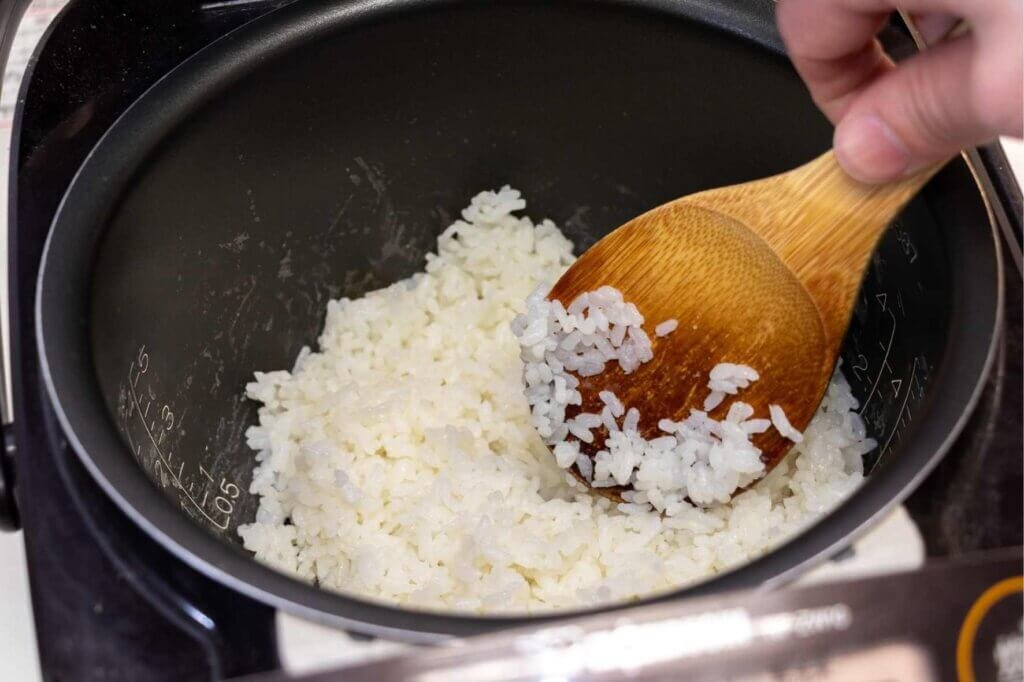
If your grains often become sticky, my guide on why rice becomes sticky can help.
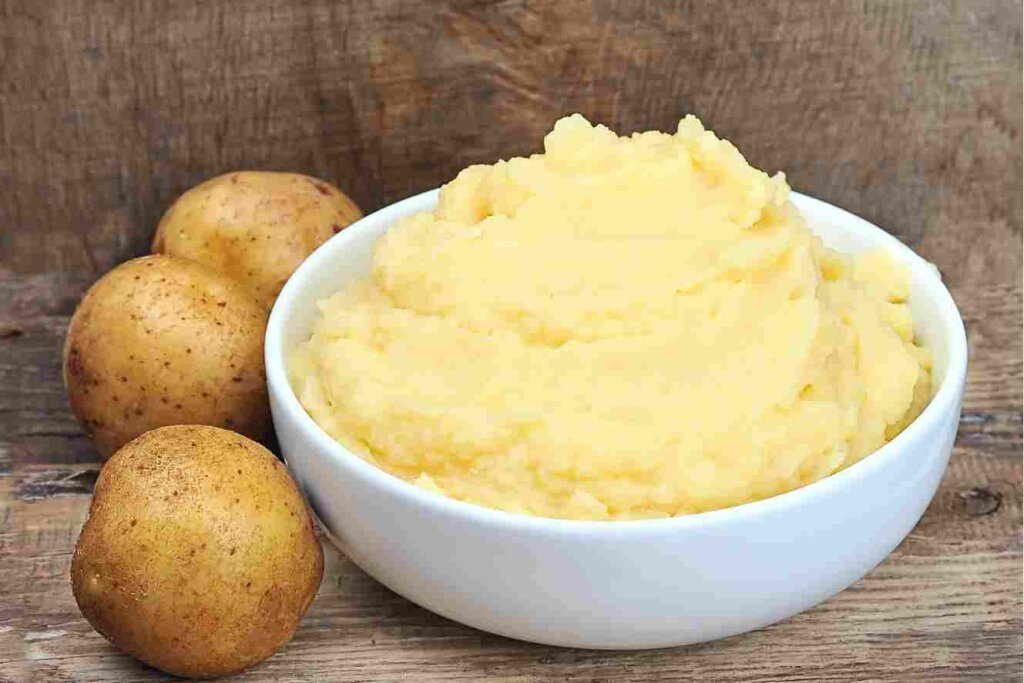
For a softer, more comforting plate, try my mashed potato purée. Spoon the meat beside it, then allow a little sauce to run over the edge.
Wide noodles are another good option. Drain them well so excess cooking water does not thin the sauce.
Finally, add a simple vegetable. Green beans, broccoli, or carrots bring color and a different texture. You do not need another heavy sauce to make the plate complete.
Fix Small Problems Before Serving
Before taking the pan to the table, check the consistency.
If the sauce looks too thick, add a little warm stock. Stir, then check again. Small additions are easier to control than a large splash.
If it is too thin, remove the beef before reducing the sauce further. This allows you to improve the consistency without overcooking the meat.
A flat taste may need seasoning, but first consider the balance. Does it need salt, a touch of mustard, or a stronger stock flavor?
If the sauce tastes floury, the thickener may not have cooked sufficiently. Gently cook the sauce further with the beef removed.
A separated sauce needs gentle handling. Take it away from strong heat and stir carefully. A little warm cream may improve its appearance, although a badly split sauce may not become completely smooth.
These checks take only a moment. Nevertheless, they can make a noticeable difference to the finished meal.
Store and Reheat Stroganoff Safely
Transfer leftovers to shallow containers and refrigerate promptly. Do not leave perishable food at room temperature for more than two hours, or one hour when the temperature is above 32°C.
Keep the refrigerator at 4°C or below and use the cooked dish within three to four days. Store the accompaniment separately so it does not absorb the sauce.
When reheating, add a little stock if needed and stir regularly for even heating. Leftovers should reach 74°C throughout before serving. A thermometer is more reliable than judging the surface temperature. fsis.usda.gov
Freezing can affect the texture of dairy sauces. Therefore, if you are preparing a batch specifically for the freezer, consider freezing the cooked sauce base before adding dairy. Cook and add the beef when you finish the meal.

For more practical advice, visit my guide on how to freeze food properly.
Bring It to the Table with Confidence
What I enjoy about this recipe is how much it teaches through a single meal.
You learn to choose meat for the cooking method, manage moisture in a pan, and adjust a sauce by taste and texture. Those skills remain useful long after dinner is over.
The same care with a sauce base appears in my butter chicken with saffron rice, although its ingredients and flavors are different.
When your beef stroganoff is ready, serve it while the sauce still flows easily. Add your chosen side, a little color from vegetables, and nothing more than the garnish you enjoy.
You can also follow my cooking demonstrations on YouTube. Seeing the pan, the browning, and the finished consistency can make these details easier to understand.
My goal is to help you feel comfortable making those decisions yourself, one good meal at a time.

Chef François El Aaraj is a corporate chef and culinary consultant with more than 30 years of experience in professional kitchens and restaurant openings across Lebanon and abroad. Through this website, he shares authentic recipes, cooking techniques, and chef secrets designed to help home cooks create flavorful meals with confidence.
Leave a Reply