Preparing rice looks like a simple procedure. Water, rice, heat, and time. However, after more than 30 years in professional kitchens, I can confidently tell you that rice is one of the dishes that frustrates people the most at home. Many cooks ask me the same question repeatedly: “Chef François, why rice becomes sticky?”
The truth is that sticky rice is rarely caused by one single mistake. Instead, it usually happens because of several small details that people overlook. In restaurant kitchens, we pay close attention to these details because perfectly cooked rice can completely change a dish. Whether you are preparing Lebanese rice, biryani, fried rice, butter chicken, or even a simple side dish, the texture matters enormously.
Good rice should feel light, fluffy, and separated unless the recipe specifically requires stickiness. Therefore, understanding why rice becomes sticky is one of the most useful cooking lessons you can learn.
In this article, I will explain the real reasons rice turns sticky, the mistakes people commonly make, and the professional methods we use in restaurant kitchens to achieve perfect rice every time.
Using the Wrong Type is The Number One Reason Rice Becomes Sticky
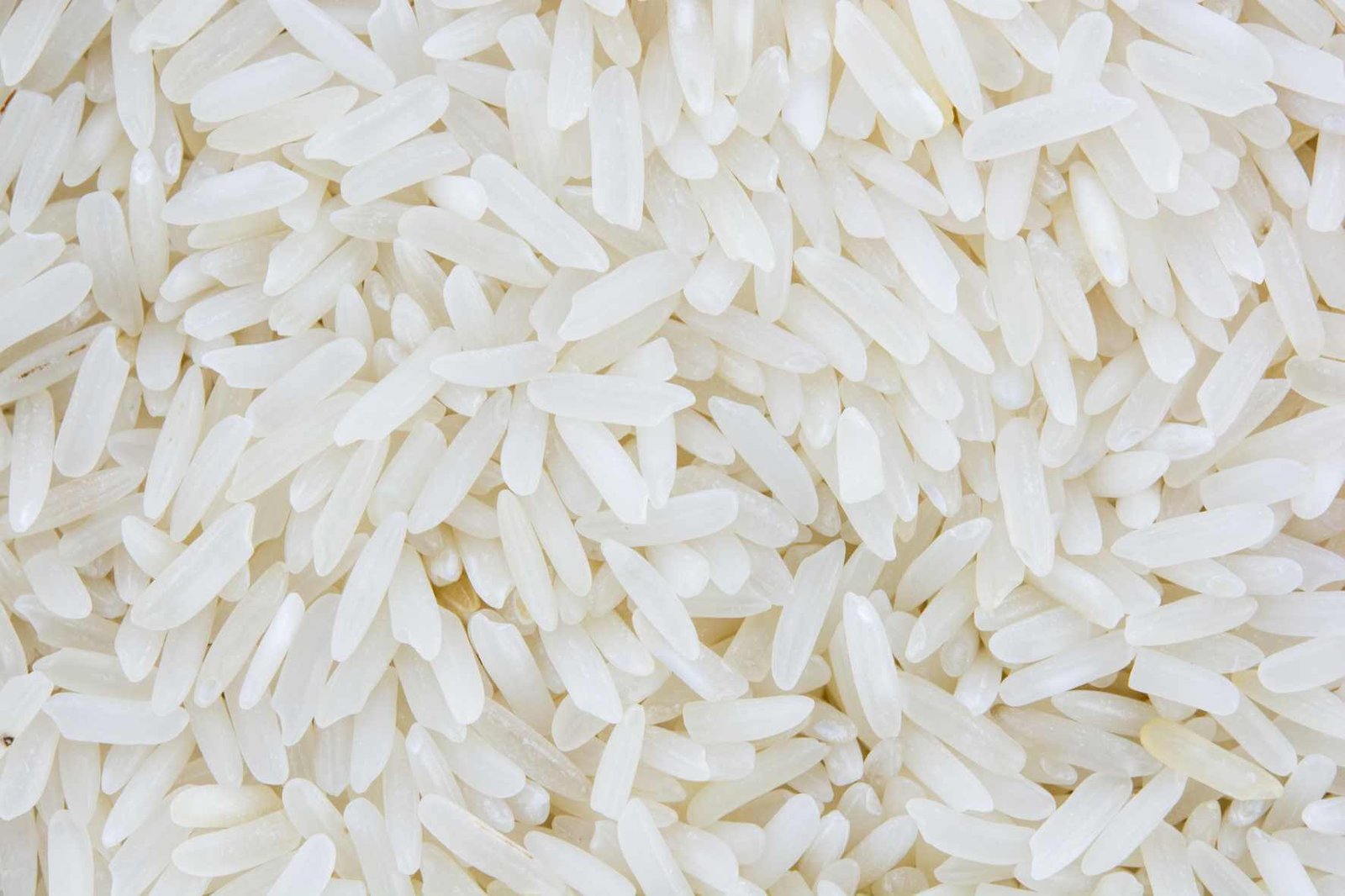
Different rice varieties behave differently because of their starch composition. Some contain more amylopectin, which creates stickiness, while others contain more amylose, which helps grains remain separated.
For fluffy rice dishes, I usually recommend:
- Basmati rice
- Long-grain rice
- Aged rice
For creamy or sticky preparations, recipes may use:
- Sushi rice
- Short-grain rice
- Arborio rice
I remember training a young cook years ago who kept complaining that his rice was always sticky. After watching him cook, I realized he was using sushi rice for Lebanese vermicelli rice because the supermarket had run out of long-grain rice. No matter how carefully he cooked it, the texture would never become truly fluffy.
That is why selecting the proper rice matters before you even touch the pot.
Rice Becomes Sticky If You Don’t Wash It Properly
This is one of the most common home cooking mistakes.
Rice grains are coated with loose surface starch. If you skip washing, that starch dissolves immediately into the cooking water, creating a gluey texture.
In professional kitchens, we almost never cook rice without rinsing it first.
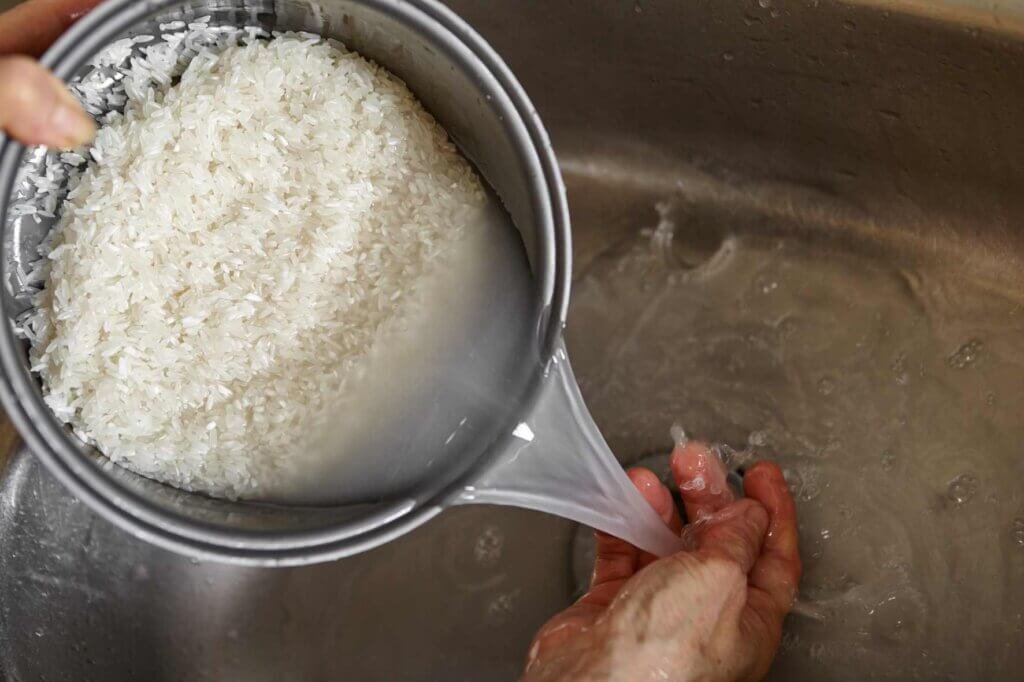
To wash rice correctly:
- Place the rice in a bowl
- Add cold water
- Mix gently with your hand
- Drain the cloudy water
- Repeat several times until the water becomes clearer
The difference is enormous.
When I prepare large quantities of rice in restaurant kitchens, the washing process alone can completely change the final texture. Even the smell becomes cleaner and fresher.
However, do not scrub aggressively because broken grains release even more starch.
Using Too Much Water
This mistake destroys rice very quickly.
Many people think adding extra water makes rice softer and better. In reality, too much water overhydrates the grains and causes them to burst, releasing excessive starch.
As a result:
- Rice becomes mushy
- Grains lose their shape
- The texture becomes sticky
Different rice types require different water ratios.
For example, basmati rice usually needs less water than short-grain rice.
A general starting point for fluffy long-grain rice is:
- 1 cup rice to 1.5 or 1.75 cups water
However, the exact amount depends on:
- Rice variety
- Age of rice
- Cooking method
- Pot type
In restaurant kitchens, we often slightly reduce water instead of increasing it because you can always add a splash later if needed.
Too much water is much harder to fix.
Rice Becomes Sticky If You Cook It on High Heat
Another major problem is cooking rice too aggressively.
When rice boils violently for too long:
- Grains break apart
- Starch releases rapidly
- Water evaporates unevenly
- Bottom layers overcook
Rice needs controlled cooking.
At home, many people leave rice bubbling heavily from start to finish. In professional kitchens, we usually bring rice briefly to a boil, then immediately lower the heat.
Gentle simmering creates even cooking and keeps grains intact.
I often compare rice cooking to patience. So, the calmer the cooking process, the better the result.
Stirring Rice Too Much
This is something I constantly correct when training beginner cooks.
People stir rice repeatedly because they are afraid it will stick to the bottom. Unfortunately, excessive stirring actually creates sticky rice.
Every time you stir:
- Grains rub together
- Surface starch releases
- Rice breaks more easily
This is especially true once the rice starts softening.
For fluffy rice, stir minimally.
In fact, after the initial mixing, I usually leave the rice alone until cooking finishes.
Risotto is different because constant stirring is intentional. However, for Lebanese rice, biryani, or plain white rice, too much stirring is a disaster.
Not Soaking the Rice
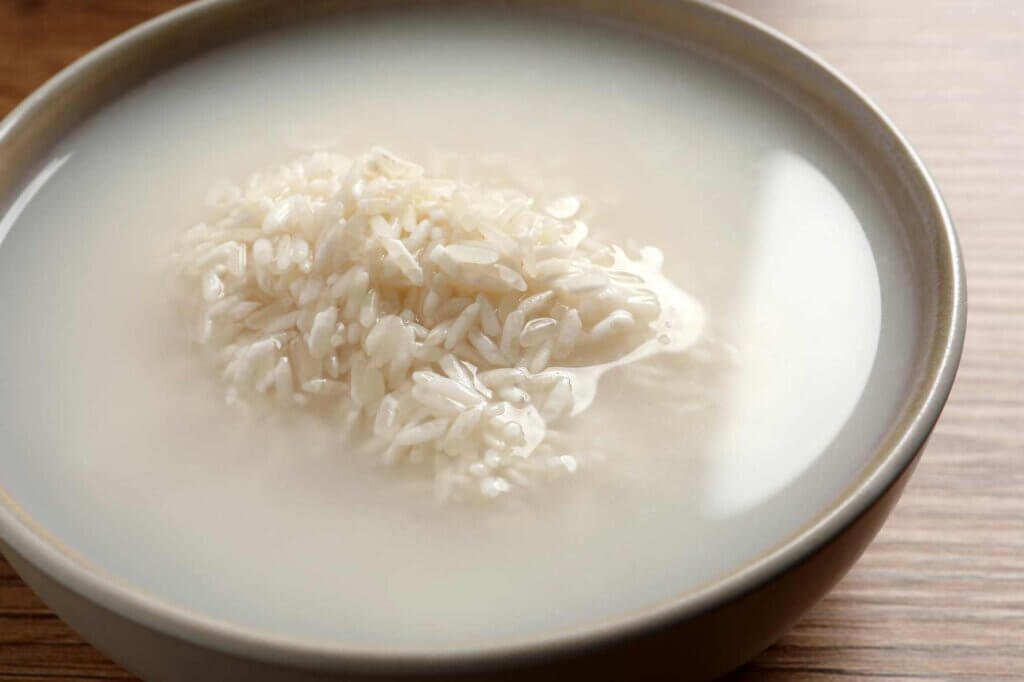
Soaking is one of the most underrated tricks for fluffy rice.
Many restaurant kitchens soak basmati rice before cooking because it helps the grains hydrate evenly before heat exposure.
Benefits of soaking include:
- Longer grains
- Better separation
- Faster cooking
- Less breakage
- Reduced stickiness
Usually, soaking for 20 to 30 minutes is enough.
When I prepare rice for large banquets, soaking helps maintain consistency across massive quantities. As a result, the rice cooks more evenly and looks more elegant on the plate.
This simple step makes a surprisingly big difference.
Overcooking the Rice
Even perfect rice can become sticky if it cooks too long.
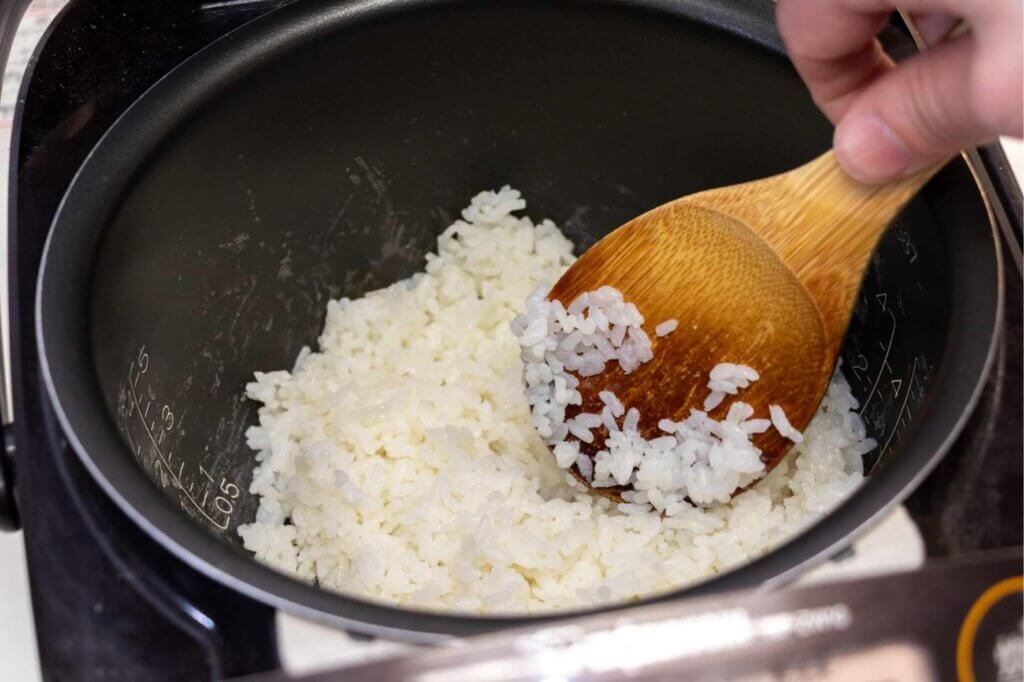
Overcooked rice absorbs too much water and loses structure. The grains begin collapsing into each other, creating a gummy texture.
Signs of overcooked rice include:
- Very soft grains
- Mushy texture
- Clumping
- Wet appearance
- Thick starch at the bottom of the pot
One thing I learned in restaurant kitchens is that rice continues cooking slightly even after removing it from heat.
Therefore, timing matters greatly.
Sometimes turning off the heat just two minutes earlier changes everything.
Using the Wrong Pot
Many people never think about the pot itself.
However, thin pots distribute heat unevenly, creating hot spots that overcook sections of the rice.
A heavy-bottomed pot is always better because it distributes heat more gently and evenly.
Professional kitchens invest heavily in quality cookware for this reason alone.
Cheap thin pots can make even excellent rice difficult to cook properly.
The Importance of Letting Rice Rest
One of the biggest secrets to fluffy rice happens after cooking.
Many people immediately open the lid and serve the rice. However, resting is essential.
Once cooking finishes:
- Turn off the heat
- Keep the lid closed
- Let the rice rest for 10 minutes
During this time:
- Steam redistributes
- Moisture stabilizes
- Grains firm slightly
- Texture improves
This resting stage is extremely important in restaurant kitchens.
After resting, gently fluff the rice with a fork instead of mixing aggressively with a spoon.
That final fluffing separates the grains beautifully.
Why Fried Rice Often Becomes Sticky
Fried rice creates another common frustration.
The main problem is using freshly cooked rice.
Fresh hot rice contains too much moisture. Therefore, when it hits the pan, it steams instead of frying.
And as a result, it becomes sticky and clumpy.
In professional kitchens, fried rice is often made using cold rice from the previous day.
Cold rice:
- Is drier
- Holds its shape better
- Fries more cleanly
- Absorbs sauces properly
This single trick changes fried rice completely.
I still remember a chef in an Asian restaurant telling young cooks:
“Fresh rice is for eating. Old rice is for frying.”
He was absolutely right.
Can You Fix Sticky Rice?
Sometimes yes.
If the rice is only slightly sticky, you can still improve it.
So, here are a few tricks:
Spread It on a Tray
Spreading hot rice on a large tray allows steam to escape quickly and prevents further softening.
Use a Fork
Gently fluffing with a fork separates grains better than using a spoon.
Add Gentle Heat
Very low heat for a few extra minutes can help evaporate excess moisture.
Refrigerate It
Cold temperatures can slightly firm the rice, especially for fried rice recipes later.
However, severely overcooked rice cannot fully return to fluffy perfection.
My Personal Advice as a Chef
Over the years, I noticed something very important.
People, surprisingly, often think cooking rice is too simple to deserve attention. Therefore, they rush it, estimate measurements randomly, and multitask while cooking.
However, in professional kitchens, we treat rice with respect because we know how much it affects the final dish.
Actually, a perfect grilled tawook plate with bad rice feels incomplete.
A beautiful stroganoff with sticky mushy rice loses elegance.
A successful meal is often built on small technical details.
That is why I always encourage home cooks not to underestimate rice.
Mastering rice teaches patience, balance, timing, and control — the same skills that improve every other area of cooking.
Your Next Pot of Rice Can Be Better
If your rice has disappointed you before, do not let that put you off. Even after more than 30 years in professional kitchens, I know that simple dishes deserve care. Change one thing next time, notice the result, and build on what works.
That is what I love about teaching cooking: seeing a small adjustment turn frustration into confidence. You do not need to master everything at once. Sometimes, a light, fluffy pot of rice is enough to make you feel proud of the whole meal.
For more practical tips and recipes, join me on my YouTube channel, where I show you the steps so you can follow along in your own kitchen. There is always something delicious we can learn to make together.

Chef François El Aaraj is a corporate chef and culinary consultant with more than 30 years of experience in professional kitchens and restaurant openings across Lebanon and abroad. Through this website, he shares authentic recipes, cooking techniques, and chef secrets designed to help home cooks create flavorful meals with confidence.
Leave a Reply