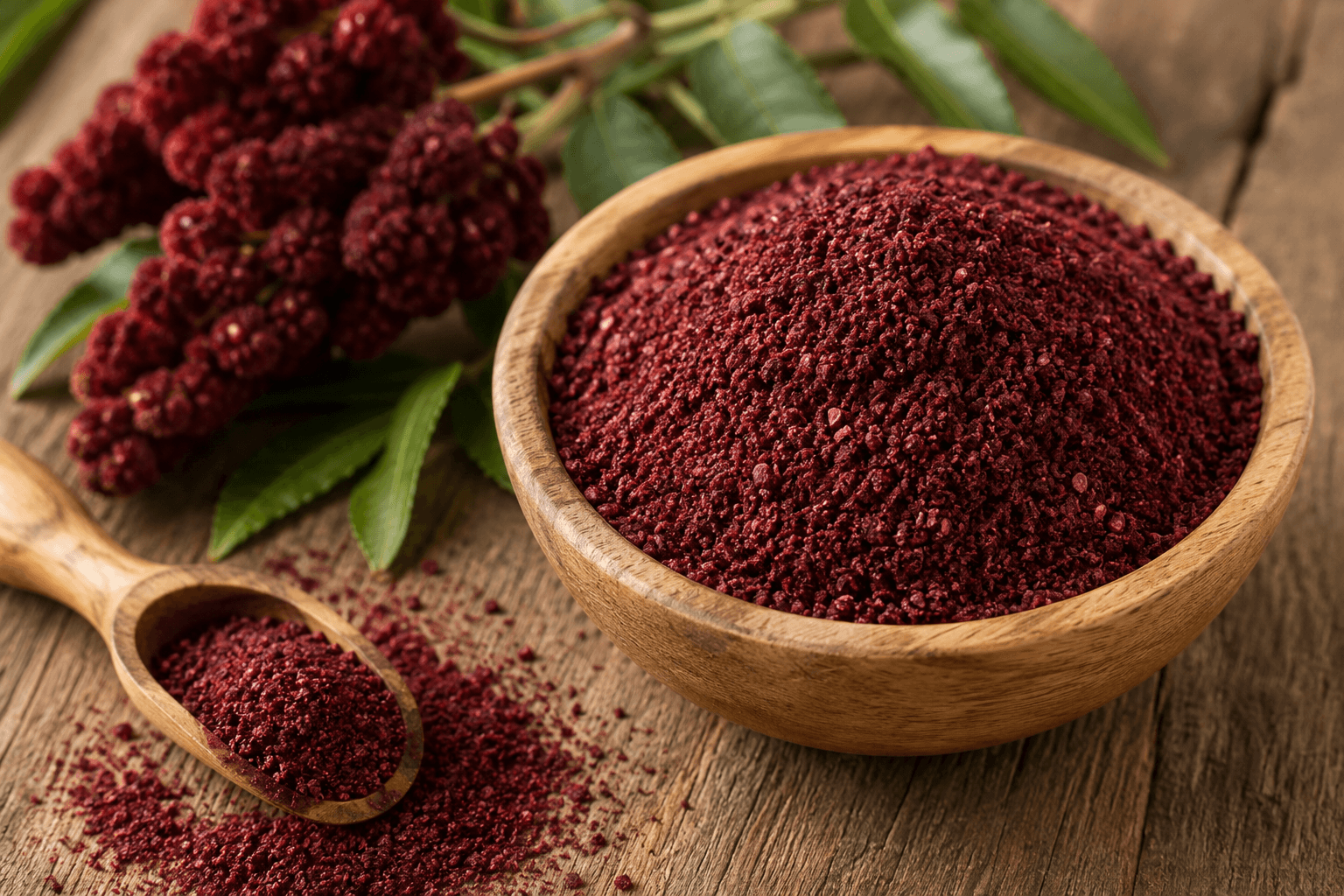
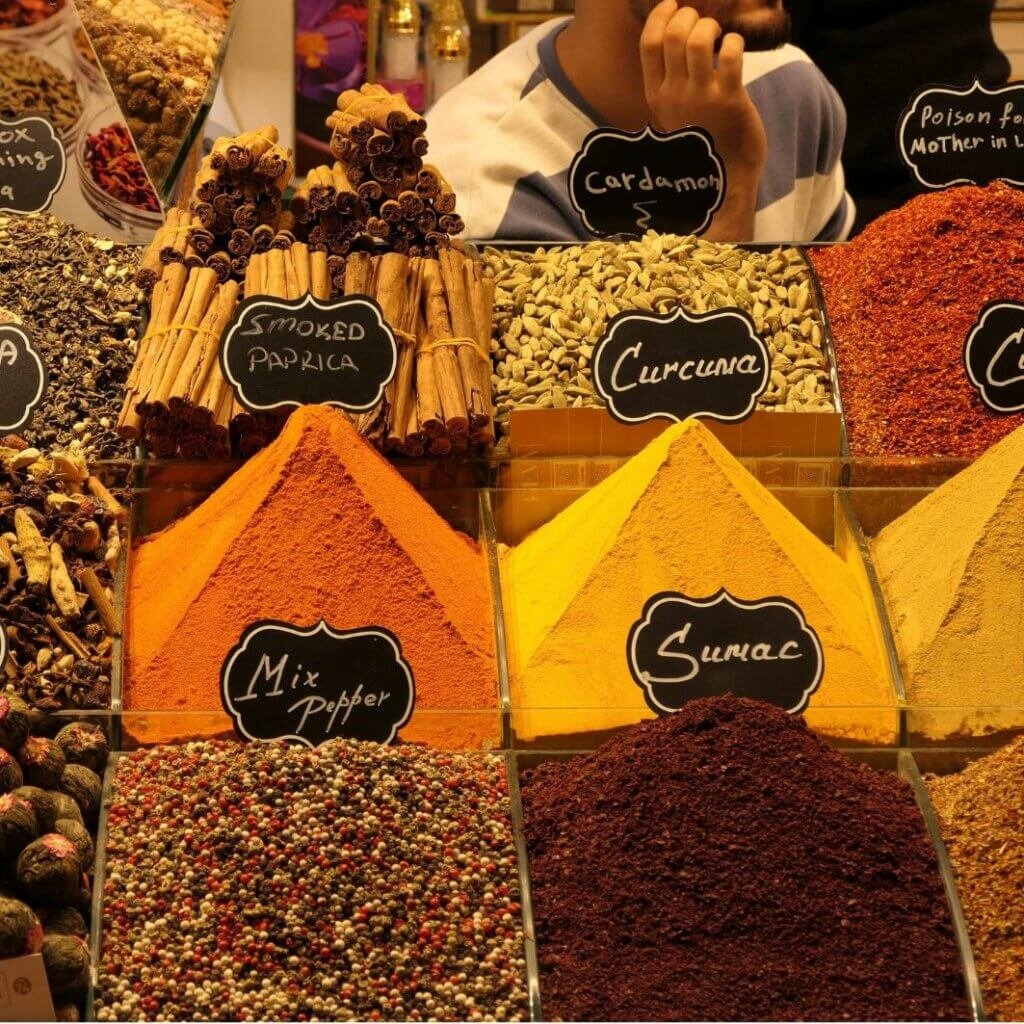
If you have ever eaten authentic Lebanese food, chances are you have already tasted sumac, even if you did not realize it at the time. This deep reddish-purple spice is one of the hidden treasures of Middle Eastern cuisine. While many people around the world are familiar with spices like paprika, cumin, or turmeric, sumac still feels mysterious to many home cooks.
However, professional chefs have loved it for generations because of its bright, lemony flavor and its incredible ability to transform simple ingredients into something memorable.
As a chef, I have used sumac in countless dishes over the years. In fact, I am lucky enough to use sumac picked from my own home village in Lebanon. My brother personally harvests and grinds fresh sumac every season, and the difference in flavor is absolutely incredible. When you cook with freshly ground sumac that has not been sitting on a shelf for months, the aroma becomes richer, the color more vibrant, and the citrusy flavor much brighter and more alive. It completely changes a dish. Even a simple salad or grilled piece of meat suddenly tastes fresher, deeper, and far more authentic.
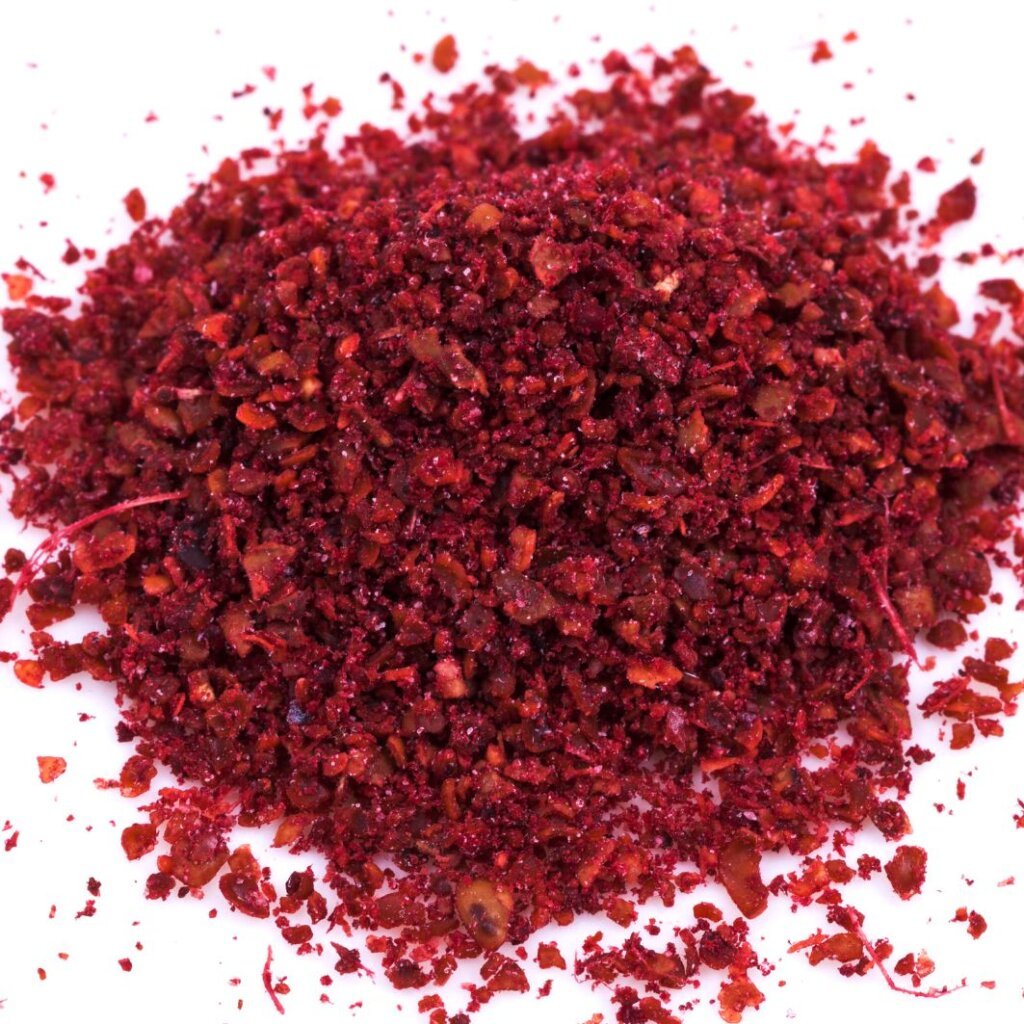
In Lebanese kitchens, sumac is not simply a seasoning sitting quietly on a shelf. Instead, it is part of everyday cooking. We sprinkle it over salads, onions, grilled meats, dips, and even sandwiches. It adds freshness, depth, and a natural acidity that feels lighter and more elegant than vinegar or lemon juice.
Today, more chefs around the world are discovering how versatile this spice truly is. From fine dining restaurants to casual home kitchens, sumac has become a favorite ingredient for adding brightness and complexity without overpowering a dish. Moreover, its beautiful color makes food look even more appetizing.
What Is Sumac?
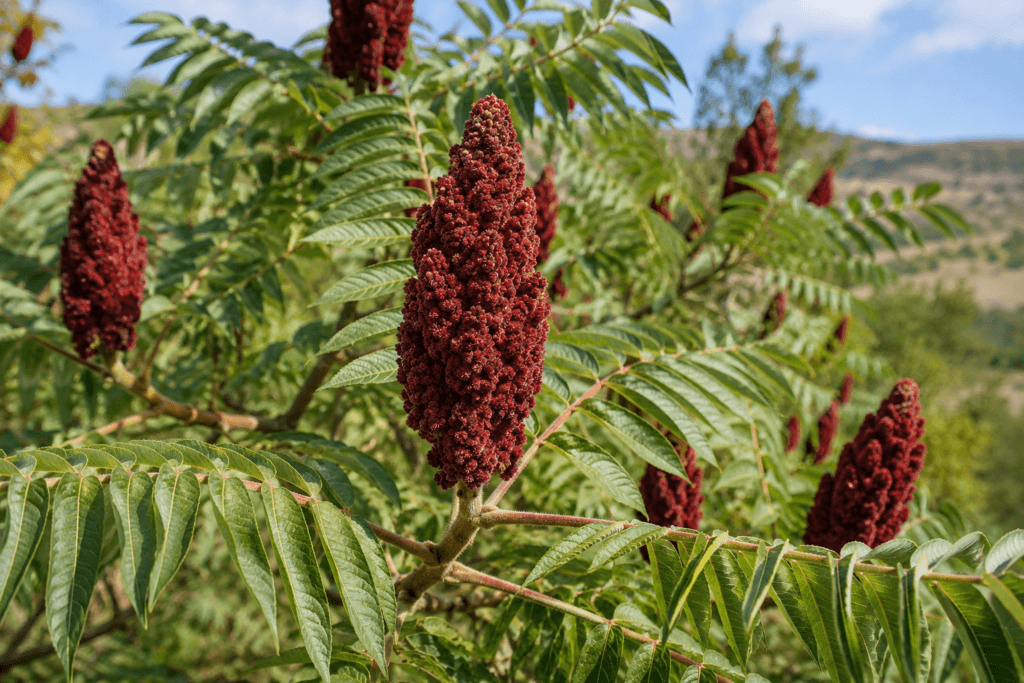
Sumac is a spice made from dried and ground berries that grow on wild sumac shrubs. These shrubs are commonly found across the Middle East, the Mediterranean region, and parts of Central Asia. Once harvested, the berries are dried carefully before being crushed into a coarse powder with a rich burgundy or dark red color.
Unlike spicy chili powders, sumac does not bring heat. Instead, it offers a pleasantly tangy flavor similar to lemon, but softer and more earthy. Because of this, many chefs use it to brighten dishes naturally without adding extra liquid.
Traditionally, sumac has been part of Middle Eastern cooking for centuries. In Lebanon, Syria, Palestine, Jordan, and Turkey, it is considered a staple ingredient rather than an exotic spice. You will often see it used generously in family recipes passed down through generations.
One of the reasons chefs appreciate sumac so much is because it balances flavors beautifully. Fatty foods suddenly feel lighter, grilled meats taste fresher, and vegetables become more vibrant. In many ways, sumac acts like a finishing touch that wakes up a dish.
What Does Sumac Taste Like?
The flavor of sumac is truly unique and instantly recognizable once you become familiar with it. It has a bright citrusy taste that reminds many people of lemon, yet it feels softer, deeper, and slightly earthy at the same time. Unlike lemon juice, however, sumac brings acidity without adding liquid, which makes it incredibly useful in professional cooking.
When you first taste good quality sumac, especially freshly ground sumac, you notice a pleasant tanginess followed by subtle fruity and smoky notes. It lifts flavors beautifully without overpowering them. That is exactly why so many chefs love working with it.
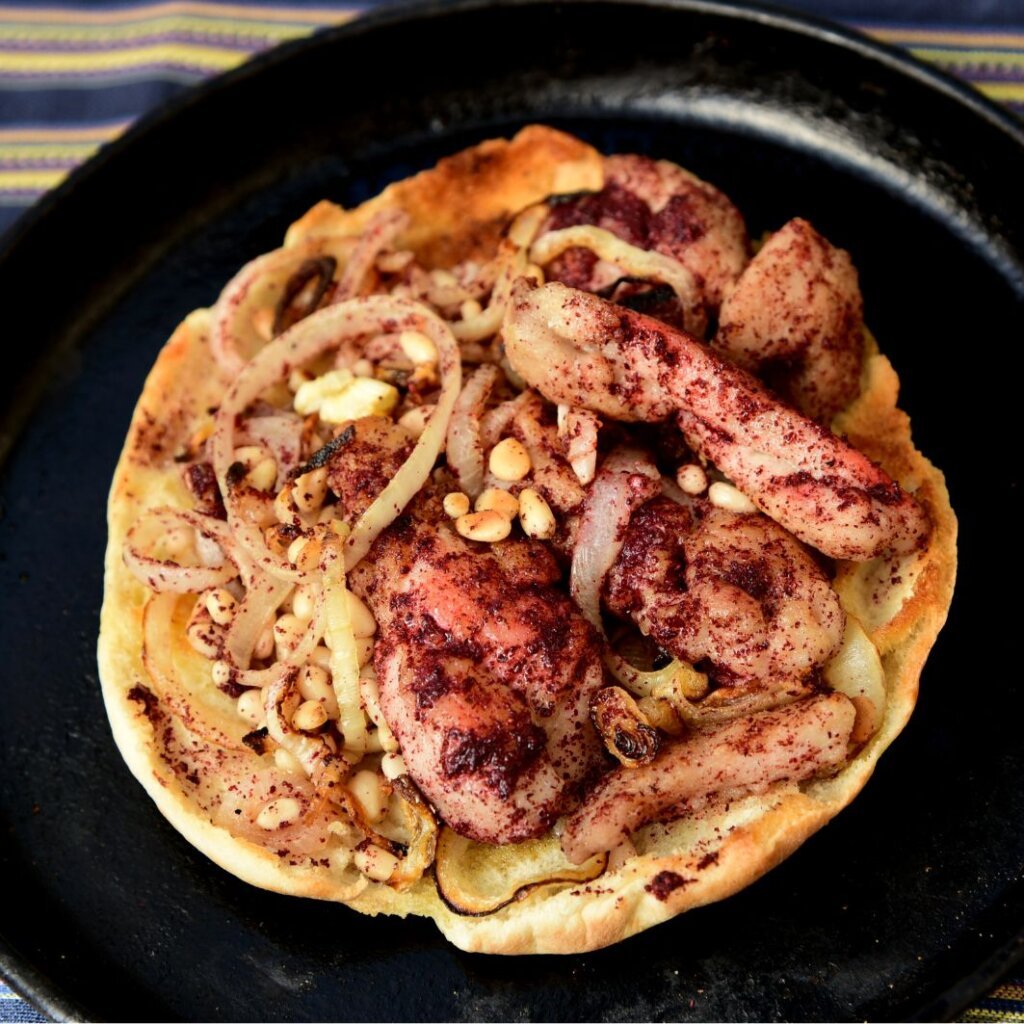
Over the years, I have personally used sumac in many of my recipes because of the freshness and balance it brings to food. Some of the dishes where sumac truly shines are Musakhan and Fattoush. In Musakhan, the sumac blends beautifully with caramelized onions, olive oil, and roasted chicken, creating one of the most comforting and flavorful combinations in Lebanese cuisine. Meanwhile, in Fattoush, sumac gives the salad its authentic identity. Without it, the salad simply would not taste the same.


I also love using sumac because it makes rich dishes feel lighter and fresher. Sometimes, all a dish needs is a small sprinkle of sumac to suddenly taste more vibrant and alive. That balance is what makes this spice so special in both traditional Lebanese cooking and modern professional kitchens.
The History of Sumac in Middle Eastern Cuisine
Long before modern restaurants existed, sumac was already deeply rooted in Middle Eastern cooking traditions. Ancient civilizations used it not only as a spice but also for medicinal purposes and preservation.
In traditional Lebanese homes, it was often mixed with olive oil and herbs or used to flavor onions and salads. Families valued it because it was affordable, flavorful, and easy to preserve for long periods.
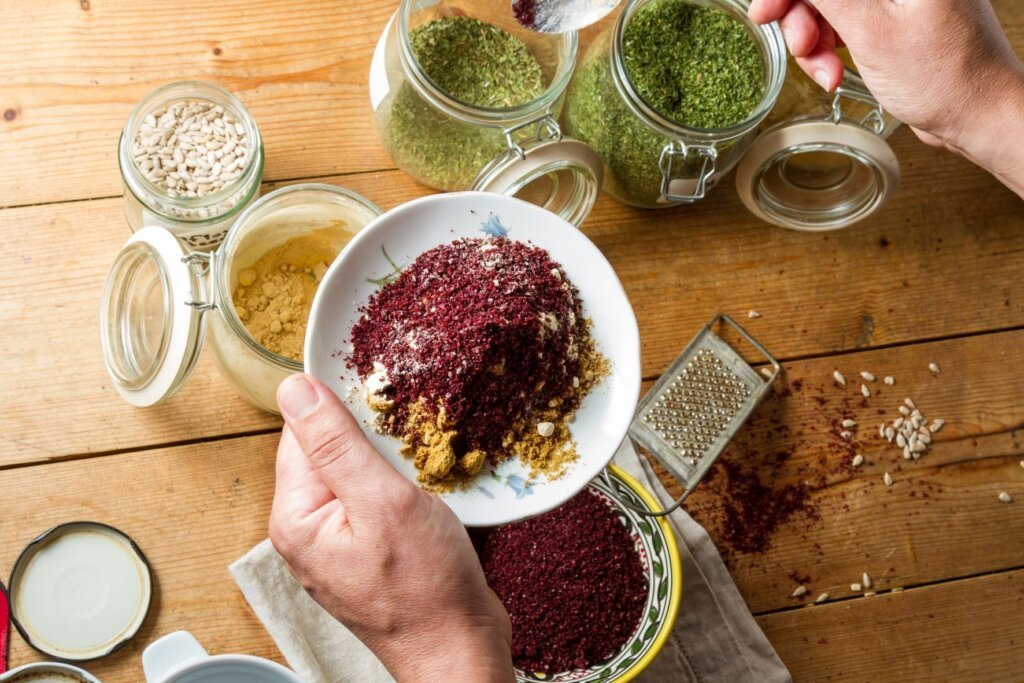
One of the most famous uses is in za’atar, the beloved Middle Eastern herb blend made with thyme, sesame seeds, and sumac. Without it, za’atar would lose much of its characteristic tangy flavor.
As Middle Eastern cuisine gained popularity worldwide, chefs outside the region began experimenting in modern dishes. Today, you can find it in upscale restaurants, fusion cuisine, and gourmet recipes around the globe.
Nevertheless, despite its growing popularity, our beautiful red spice still remains strongly connected to Lebanese and Levantine culinary identity.
Why Chefs Love Using Sumac
Professional chefs constantly search for ingredients that create balance in food. Sumac does exactly that.
One major reason chefs use it is because acidity plays an essential role in cooking. Rich dishes can feel heavy without something bright to cut through the fat. Traditionally, chefs relied heavily on lemon juice or vinegar. However, it offers acidity in a dry and more subtle form.
Additionally, it adds visual beauty to dishes. Its dark red color contrasts beautifully against creamy dips, white yogurt, grilled meats, and fresh vegetables. In restaurant kitchens, presentation matters just as much as flavor, so sumac becomes both a seasoning and a garnish.
Another advantage is versatility. Sumac works well with meat, fish, vegetables, grains, salads, and even snacks. Few spices adapt this easily across different cuisines.
Moreover, chefs appreciate that it feels modern yet authentic. Diners increasingly look for ingredients that are flavorful, natural, and connected to cultural traditions. Sumac fits perfectly into this trend.
How Chefs Use Sumac in Different Dishes
1. Sumac on Grilled Meats
One of the most classic ways to use it is on grilled meats. In Lebanese cuisine, chefs often sprinkle sumac over grilled chicken, kafta, lamb, or beef immediately before serving.
The spice helps cut through the richness of the meat while adding freshness and color. Some chefs also mix it into marinades with garlic, olive oil, and onions.
Personally, I love using this beautiful red spice on charcoal-grilled chicken. The smoky flavor from the grill combined with the tanginess of sumac creates an incredibly balanced bite.
2. Sumac in Salads
Sumac is essential in many Middle Eastern salads, especially fattoush. In fact, fattoush would not taste authentic without it.
The spice enhances vegetables naturally while complementing the lemon dressing beautifully. Additionally, it gives salads a deeper and more complex flavor compared to using citrus alone.
Chefs often sprinkle extra sumac on top of salads right before serving for both taste and visual appeal.
3. Sumac with Onions
One of the simplest yet most delicious uses of sumac is mixing it with sliced onions. In Lebanese cuisine, this flavorful mixture of onions, parsley, and sumac is commonly known as Biwaz. Despite its simplicity, it adds incredible freshness and balance to many dishes.
In Lebanese restaurants and street food shops, Biwaz is often served beside grilled meats, shawarma, and sandwiches because the tangy sumac cuts through richness beautifully while the parsley adds freshness and color. The onions also soften slightly as they absorb the flavor of the spice.
I personally love using Biwaz in my doner kebab sandwich recipes. The combination of juicy meat with the bright acidity of sumac onions creates a perfect balance of flavors. Sometimes, even a simple sandwich feels much more authentic and satisfying once you add a generous spoonful of fresh Biwaz inside it.
This classic mixture is a wonderful example of how Lebanese cuisine transforms a few simple ingredients into something deeply flavorful and memorable.
4. Sumac in Dips and Spreads
Chefs frequently use sumac as a finishing garnish for dips like hummus, labneh, baba ghanoush, and muhammara.
The acidity of sumac balances creamy textures perfectly. At the same time, its color creates a beautiful presentation when drizzled with olive oil.
In professional kitchens, small finishing touches like this can elevate a dish dramatically.
5. Sumac on Roasted Vegetables
Roasted vegetables become much more exciting with sumac. Potatoes, cauliflower, carrots, eggplant, and zucchini all pair beautifully with its citrusy flavor.
Many chefs sprinkle sumac after roasting instead of before cooking. This helps preserve its brightness and prevents the flavor from becoming dull under intense heat.
6. Sumac in Seafood Dishes
Seafood and citrus naturally complement each other, which makes sumac an excellent seasoning for fish and shrimp.
Chefs often use it in spice rubs or sprinkle it over grilled seafood before serving. Because it is lighter than heavy sauces, it allows the natural flavor of seafood to remain the star of the dish.
Sumac in Modern Fusion Cuisine
Today, many chefs use sumac far beyond traditional Middle Eastern recipes.
You can now find it in:
- Avocado toast
- French fries
- Roasted nuts
- Popcorn
- Yogurt sauces
- Tacos
- Rice bowls
- Pizza
- Pasta dishes
- Gourmet sandwiches
Modern chefs enjoy experimenting with global ingredients, and our star spice adapts beautifully to contemporary cooking styles.
For example, some chefs use it in vinaigrettes instead of lemon zest. Others sprinkle it over burrata cheese or use it to season crispy fries.
This versatility explains why sumac has become increasingly popular worldwide.
Common Mistakes When Using Sumac
Although this ruby-red spice is easy to use, there are still some common mistakes people make.
Using Too Much
Because it tastes mild at first, beginners sometimes add too much. However, it can create an overly sour flavor if used excessively.
It is always better to start lightly and adjust gradually.
Cooking It Too Long
Sumac loses some of its brightness when exposed to prolonged high heat. Therefore, many chefs prefer using it toward the end of cooking or as a garnish.
Buying Poor Quality Sumac
Fresh sumac should have a vibrant dark red color and a noticeable citrusy aroma. If the spice looks brownish or smells weak, it may be old or low quality.
Good sumac makes a huge difference in flavor.
How to Store Sumac Properly
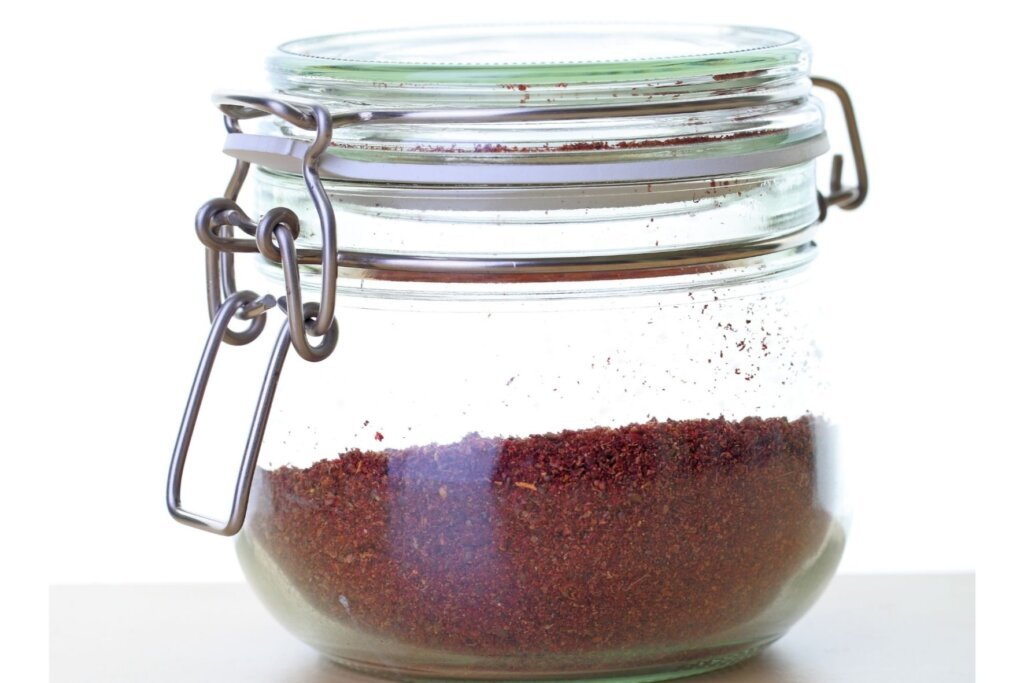
Like most spices, this earthy citrus spice should be stored away from heat, moisture, and direct sunlight.
Professional chefs usually keep spices in airtight containers because exposure to air slowly weakens flavor and aroma.
When stored correctly, sumac can maintain good quality for several months.
Is Sumac Healthy?
Beyond its incredible flavor, this authentic Levantine ingredient
has long been associated with traditional wellness practices across the Middle East. For generations, people believed this vibrant spice offered more than just taste. In many Lebanese villages, including my own home town, there were old stories and beliefs surrounding the healing power of sumac. I still remember hearing elders speak about how sumac was believed to help soothe stomach discomfort and support the body during colder seasons. Whether these traditions were fully scientific or simply part of village wisdom passed from one generation to another, sumac was always viewed as something wholesome and beneficial.
Today, modern research has shown that sumac contains antioxidants and naturally occurring plant compounds that may support overall wellness. Additionally, because it delivers strong flavor without extra fat, sugar, or heavy sauces, chefs often use it to create dishes that feel lighter and fresher.
One thing I personally notice when using freshly ground village sumac is how pure and vibrant it feels compared to commercial varieties that may sit on shelves for long periods. Fresh sumac has a cleaner aroma, a brighter taste, and a more natural intensity that truly brings dishes to life.
Of course, sumac is not a miracle ingredient, but it remains one of the most beautiful examples of how traditional Mediterranean and Lebanese ingredients combine flavor, simplicity, and a connection to nature.
Why Sumac Represents Lebanese Cuisine So Well
For many Lebanese families, sumac is more than just a spice. It represents home, tradition, and shared meals around the table.
The smell of onions mixed with sumac instantly reminds many people of shawarma shops, village kitchens, and family gatherings. Its flavor is deeply connected to the identity of Levantine food.
As a chef, I find that sumac captures the spirit of Lebanese cuisine perfectly. Lebanese cooking is all about balance. We love freshness, brightness, herbs, olive oil, grilled flavors, and vibrant vegetables. Sumac ties all of these elements together naturally.
Even simple dishes suddenly feel alive when touched with a little sumac.
A Chef’s Personal Experience with Sumac
Over the years, I have worked with many international ingredients, yet sumac always remains one of my favorites. I still remember watching cooks sprinkle it generously over fresh onions before serving grilled meat platters. The color alone made the food look irresistible.
Later, while working in restaurant kitchens, I realized how powerful this spice truly is. Sometimes a dish felt heavy or incomplete, and just a small pinch of sumac suddenly balanced everything beautifully.
What I personally love most about sumac is that it enhances food without hiding it. Some spices dominate a dish completely. Sumac does the opposite. It respects the ingredients while helping their natural flavors shine.
That is probably why chefs continue using it generation after generation.
Final Thoughts
Sumac may look like a simple red spice, but its role in cooking is truly extraordinary. From traditional Lebanese recipes to modern fusion cuisine, chefs use sumac to add brightness, freshness, color, and balance to countless dishes.
Its tangy citrus flavor makes meats lighter, salads more vibrant, dips more flavorful, and vegetables more exciting. Moreover, its versatility allows chefs to use it creatively in both classic and contemporary cooking.
As more people discover Middle Eastern cuisine, sumac continues gaining recognition around the world. Yet despite its growing popularity, it still carries the warmth and authenticity of the kitchens where it has been used for centuries.
If you have never cooked with sumac before, start simply. Sprinkle it over hummus, roasted potatoes, grilled chicken, or sliced onions. You may quickly understand why chefs love this spice so much.
Sometimes the smallest ingredients leave the strongest impression.

Chef François El Aaraj is a corporate chef and culinary consultant with more than 30 years of experience in professional kitchens and restaurant openings across Lebanon and abroad. Through this website, he shares authentic recipes, cooking techniques, and chef secrets designed to help home cooks create flavorful meals with confidence.
Leave a Reply