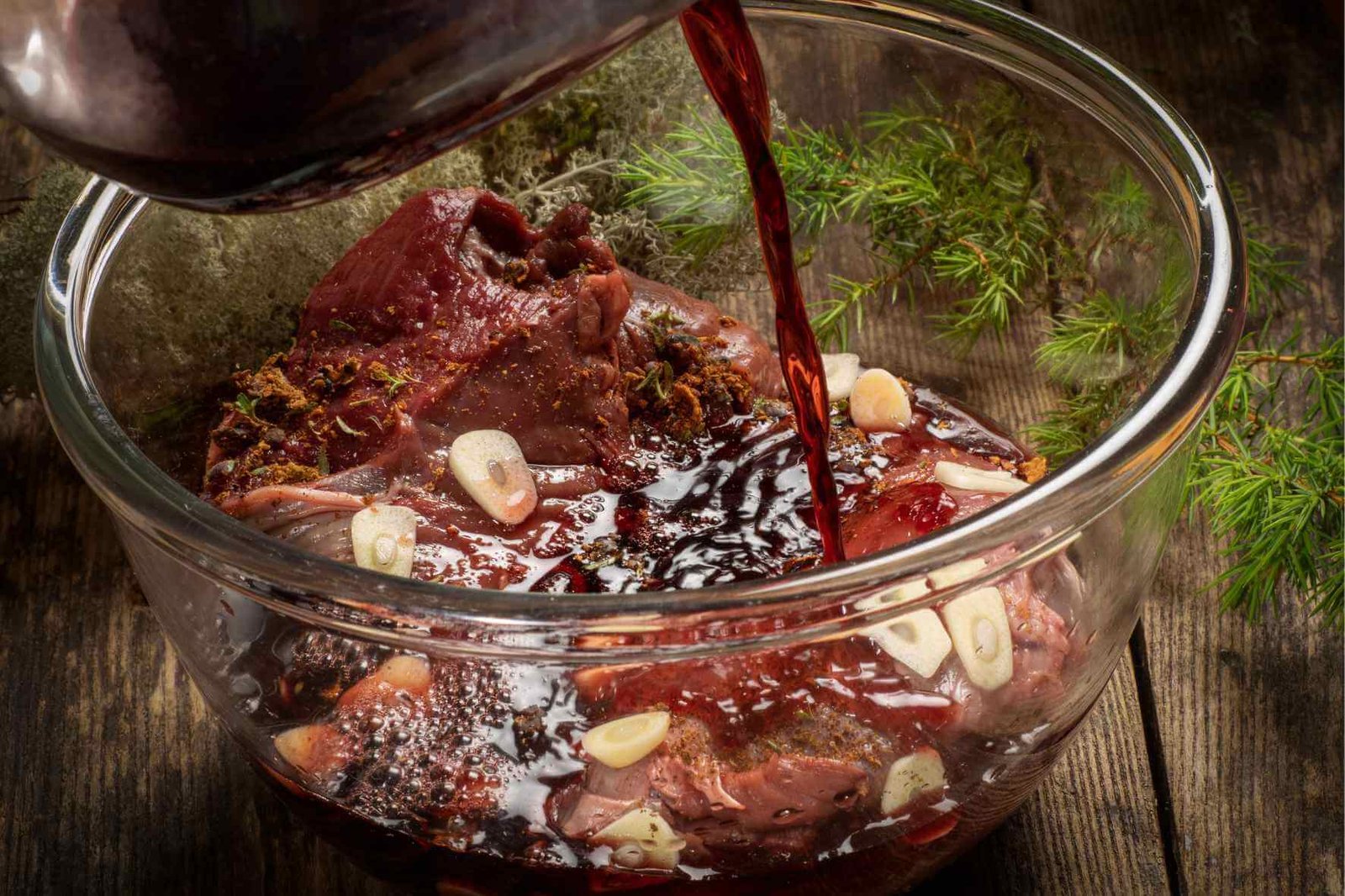
“Leave the meat in the marinade for 24 hours so the flavor reaches the center.” It is advice we hear often, especially when preparing chicken. But what really happens during those hours? Does every ingredient travel deep into the meat, or does the marinade work in a different way?
After more than 30 years in professional kitchens, I’ve learned that a good marinade can make a real difference. However, understanding how it works helps us use it better. Let’s look at what happens when meat rests in a marinade, and then we can decide what that 24-hour wait is really doing.
What happens when meat sits in a marinade?
A marinade may contain salt, herbs, spices, oil, yogurt, lemon juice, or vinegar. As the meat rests in it, some components move inward gradually. They do not all travel at the same speed or to the same depth. Salt and some smaller components can move into the meat, while many of the familiar aromas from herbs and spices have their strongest effect near the surface.
A study on marinated chicken found that the marinade’s effects were mainly at the surface of the samples, with no change observed in the meat’s core pH. That helps explain why a piece of meat can have a deliciously seasoned outside without tasting exactly the same all the way through.
The thickness and shape of the meat matter, too. A thin slice gives the marinade less distance to travel than a thick steak or a large piece of chicken. If you want the seasoning to be more evenly distributed, cut the meat into thin pieces or gently pound it to an even thickness with a meat mallet, also called a meat tenderizer. This exposes more surface and shortens the distance the marinade has to travel, though it does not guarantee that every part will taste exactly the same.
Why I Like to Marinate Meat for Longer
In my kitchen, I often recommend giving meat and chicken plenty of time to marinate. I do this not only to give the flavors time to develop, but also because the right marinade can improve the meat’s texture. In recipes such as my Butter Chicken with Saffron Rice and Chicken Tawook, ingredients such as yogurt, lemon juice, and vinegar help tenderize the chicken as it rests.
Acidic ingredients change the proteins near the surface of the meat as I explain in the next passage. Given the right balance and enough time, these ingredients can help turn a simple piece of chicken into something beautifully tender—almost like a heavenly cloud.
Salt, spices, and acid each play a different role
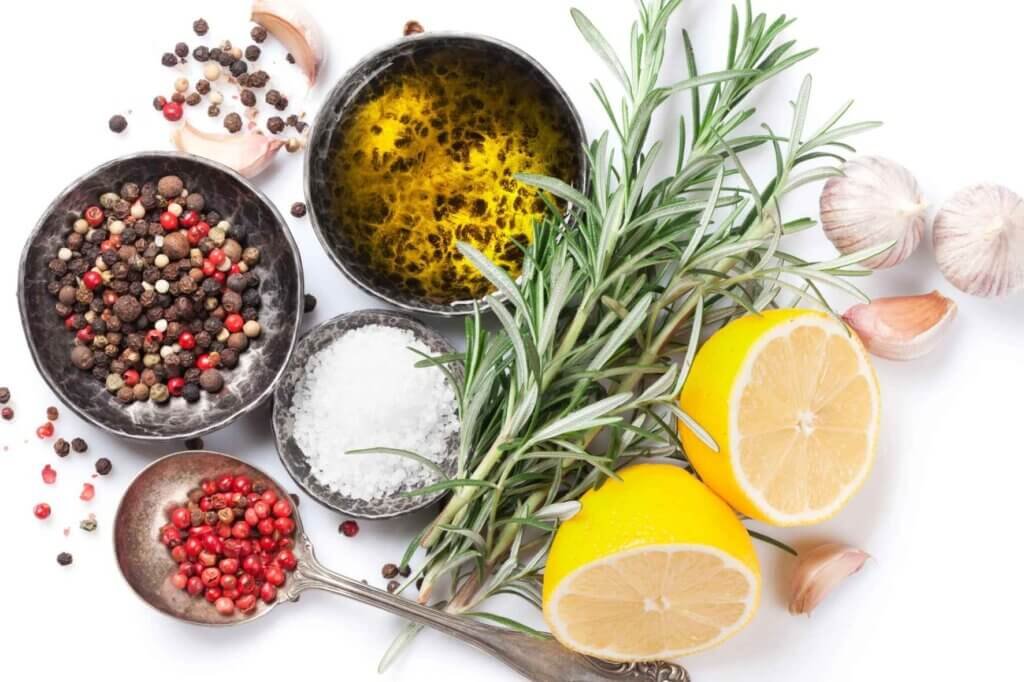
Salt does more than make food taste salty. It helps bring out the natural flavor of the meat, and it can move inward over time. That is one reason to season thoughtfully rather than relying on a last-minute sprinkle.

I explain more about building balanced flavor in my guide on how to season food properly.
Herbs and spices contribute aroma and character, especially at the surface. A well-balanced spice blend can bring several flavors together in one step. For example, my Mexican spice mix combines seasonings that work beautifully with meat and chicken.
During cooking, the seasoned exterior browns and develops another layer of flavor. The marinade and the cooking technique work together: one prepares the meat, and the other creates the color, aroma, and crust we enjoy.
Acidic ingredients such as lemon juice and vinegar add brightness and affect the meat’s surface texture. Yogurt also helps a marinade cling to the meat and brings a gentler tang. But more acid or more time is not always better. A strong acidic marinade left on delicate meat for too long can make the outside unpleasantly soft.
The cut of meat matters as much as the clock
When I was about eleven, I spent a summer in France with a host family whose father was a butcher. I loved watching him work, and he patiently taught me about different cuts of meat and how to handle them. You can find this story in Why I Chose a Career in the Culinary World, in my Chef’s Journal.
I still think about that lesson when I prepare meat. A thin piece, a small cube, and a thick steak will not respond to a marinade in the same way. Smaller pieces have more surface in contact with the mixture, and the marinade has less distance to travel. If you’re working with a thicker piece, gently pounding it to an even thickness can help it cook evenly and take on the seasoning more consistently.
Why I give chicken time to marinate
When I opened my restaurant in my hometown, I expected customers to order a little of everything on the menu. Instead, chicken tawook became so popular that it made up nearly 80% of our sales. I prepared thousands of tawook sandwiches over the years, and that experience taught me how much people appreciate chicken that is flavorful, tender, and cooked properly.
That is why I often recommend preparing chicken ahead of time. My Chicken Tawook Marinade is given time to rest before cooking. I also marinate the chicken ahead for my Butter Chicken with Saffron Rice and Air-Fried Crispy Chicken. Each recipe has its own ingredients and method, but the resting time gives the chicken a chance to take on the marinade’s flavor and lets its texture develop.
Acidic ingredients do not “relax” the entire muscle like a switch. They change the proteins they reach, mainly near the surface, which can make that part feel more tender. With a balanced marinade and the right amount of time, the result can be beautifully tender—almost like a heavenly cloud. The key is to follow the recipe’s timing: too much acid or too long a soak can make the outside soft or mushy.
What does 24 hours really do?
A 24-hour marinade is not a promise that every herb and spice will reach the center of a thick piece of meat. It gives the meat more time to take on the mixture’s flavors, especially near the surface, while salt and other smaller components may move farther in. It can also give a suitable marinade more time to affect the meat’s texture.
So, is the 24-hour marinade fact or fiction? The advice can be useful, but the idea that every flavor penetrates completely through the meat is an exaggeration. The cut, thickness, ingredients, and recipe all matter. For thin strips, a shorter marinating time may be enough; for a recipe designed for an overnight marinade, that extra time can make a noticeable difference.
Let the marinade help, then let the pan do its work
A flavorful marinade is only part of the result. Before searing, let excess marinade drip off the meat. Then give the pieces enough room in a properly heated pan. If the pan is crowded, the meat may release moisture and steam instead of browning. I explain why this happens in my article Why Your Meat Releases Water Instead of Searing.

Always marinate raw meat in the refrigerator. If you’re preparing portions ahead or wondering whether thawed meat can be frozen again, see my guide Can You Refreeze Meat? A Chef’s Guide to Doing It Safely.
Marinade that has touched raw meat should not be served as a cold sauce; set aside a clean portion first, or bring the used marinade to a boil before serving.
A little patience makes a difference
A longer marinade can help build flavor and tenderness when the recipe, ingredients, and cut are suited to it. But the clock cannot do everything on its own. Choose the right cut, keep the pieces an even size, use a balanced marinade, and cook the meat with care.
That is what I want home cooks to take away from this: marinating is not a trick or a guarantee. It is one of the small decisions that, together with good seasoning and proper cooking, can turn an ordinary piece of meat into a dish everyone remembers.
If you’d like to see these techniques in action, join me on my YouTube channel, where I share recipes, cooking tips, and lessons from my professional kitchen.

Chef François El Aaraj is a corporate chef and culinary consultant with more than 30 years of experience in professional kitchens and restaurant openings across Lebanon and abroad. Through this website, he shares authentic recipes, cooking techniques, and chef secrets designed to help home cooks create flavorful meals with confidence.
Leave a Reply