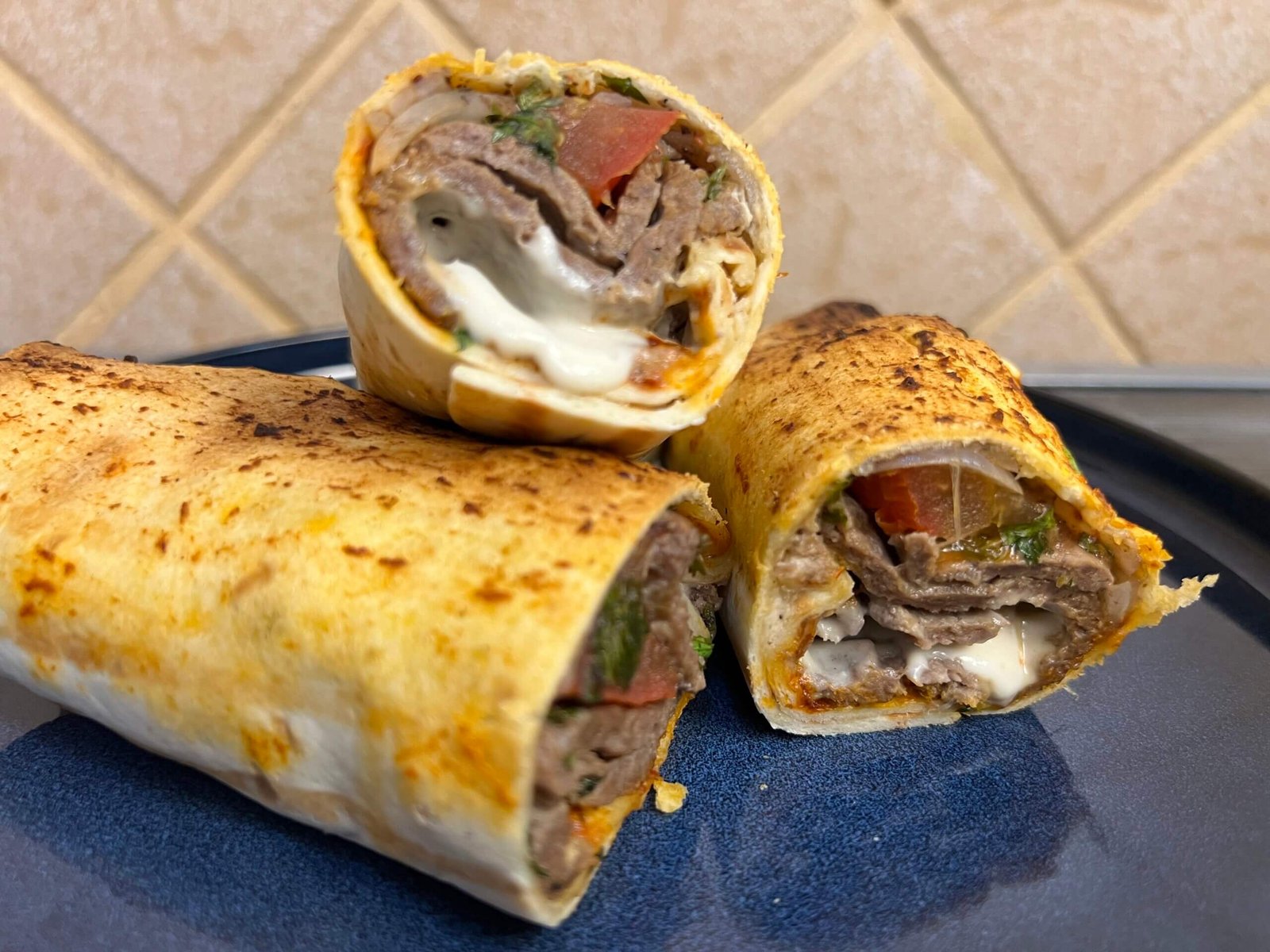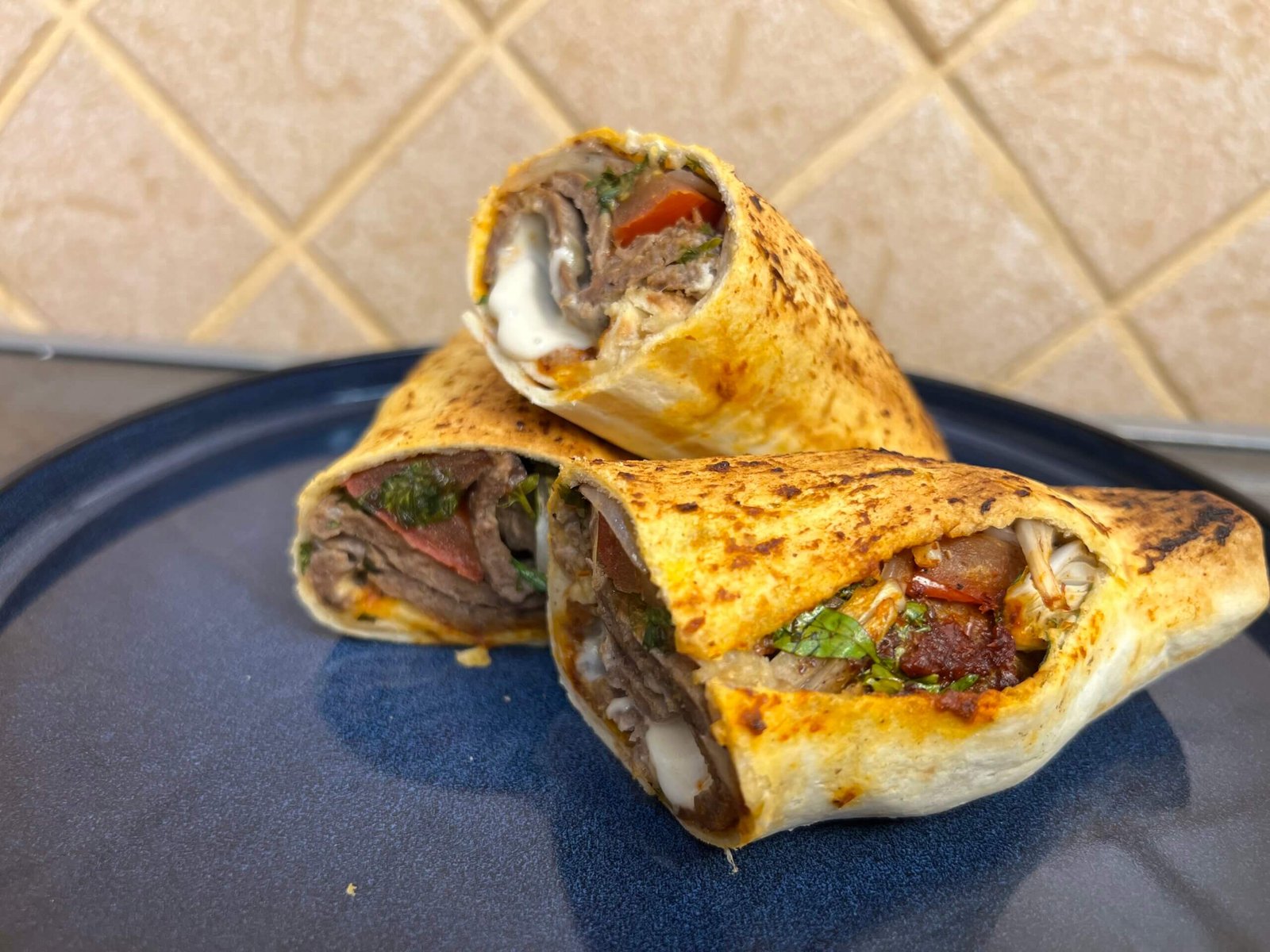
Close-up of homemade doner kebab wraps filled with seasoned beef, vegetables, and creamy sauce in toasted bread

Homemade Doner Kebab Sandwiches Easy & Juicy Recipe

Juicy, warmly spiced meat, fresh vegetables, and creamy sauce come together in these homemade doner kebab sandwiches. Everything is wrapped in soft bread, creating a satisfying meal that is full of contrasting flavors and textures.

This easy recipe brings the experience of Turkish street food into your kitchen without requiring a traditional rotating skewer. With simple ingredients and an accessible cooking method, you can prepare tender doner-style meat and build delicious sandwiches for lunch, dinner, or a relaxed meal with friends.


My First Taste of Doner Kebab

The first time I heard about doner kebab was not in Turkey. Surprisingly, it was at a shawarma restaurant in Saida, Lebanon.

My friends and I often visited this restaurant for traditional Lebanese shawarma sandwiches. One day, however, I noticed a third rotating skewer beside the familiar chicken and meat shawarma. It had a strange name that I had never heard before: doner kebab.

At the time, I was not familiar with Turkish cuisine. Naturally, I asked the staff about it. They explained that doner was a Turkish dish made from seasoned meat cooked slowly on a vertical rotating skewer. It looked similar to the shawarma we knew, but its seasoning, toppings, and overall flavor were different.

Later, I tasted doner kebab again during a trip to Turkey, more precisely in Marmaris. Trying it in its country of origin gave me a better understanding of the dish and how it differs from Lebanese shawarma.

Personally, Lebanese cuisine will always remain my favorite. However, I also love discovering new cultures through their food. Every cuisine has its own ingredients, techniques, and stories worth exploring.

That curiosity inspired me to create these homemade doner kebab sandwiches. My version is juicy, flavorful, and easy to prepare without a traditional rotating skewer. You can enjoy the taste of doner at home using simple ingredients and regular kitchen equipment.


Doner Kebab, Shawarma, and Gyro: What Makes Them Different?

Doner kebab, Lebanese shawarma, and Greek gyro may look very similar. All three traditionally feature seasoned meat cooked on a rotating vertical skewer. As the exterior browns, the cook slices it into thin pieces.

However, each dish reflects a different culinary culture. The main differences appear in the seasoning, meat, bread, sauces, and accompaniments.

Turkish doner often contains lamb, beef, chicken, or a combination of meats. Its seasoning usually allows the flavor of the meat to remain noticeable. It may be served inside bread, wrapped in flatbread, or presented on a plate with rice and vegetables.

Lebanese shawarma normally has a stronger aromatic flavor. Chicken shawarma may include garlic, lemon, and warm spices. Meat shawarma can contain spices such as cinnamon, cardamom, or allspice. We commonly serve chicken shawarma with garlic sauce and pickles. Meanwhile, meat shawarma pairs beautifully with tahini sauce, onions, parsley, and tomatoes.

Greek gyro follows the same general cooking method. In Greece, it is frequently prepared with pork or chicken. It is commonly wrapped in pita with tomatoes, onions, and tzatziki. French fries may also be placed directly inside the sandwich.

Therefore, doner is not simply another name for shawarma. The cooking method connects them, but their flavors and traditional accompaniments make each one distinctive. As a Lebanese chef, I naturally recognize familiar elements in doner. Still, tasting it reveals a different balance of seasoning and texture.


How Traditional Doner Kebab Is Cooked

Traditional homemade doner kebab meat cooking on vertical rotisseries, with one skewer being sliced using a long knife.

Traditional doner kebab is prepared by stacking thin layers of seasoned meat onto a large vertical skewer. Depending on the recipe, cooks may alternate whole meat slices with minced meat or small amounts of fat.

The skewer rotates slowly beside a heat source. This movement allows the exterior to cook and brown evenly. Meanwhile, the inside remains protected from direct heat and continues cooking gradually.

Once the outer layer develops a deep color, the cook slices it into thin pieces using a long knife. The newly exposed surface then continues rotating beside the heat. This process is repeated throughout the day.

This cooking method creates an appealing contrast in texture. The sliced edges are browned and slightly crisp, while the meat remains tender and juicy. The rendered fat also moves across the stacked layers, adding flavor and preventing dryness.

At home, however, most of us do not have a vertical rotisserie. A large stack of meat would also be impractical for a family meal. Therefore, this recipe uses a simpler method while aiming for a similar result: well-seasoned meat with juicy centers and beautifully browned edges.


How I Recreated the Doner Texture at Home

A vertical rotisserie gives traditional doner its thin layers and browned exterior. However, you can recreate a similar texture without special equipment.

For this recipe, I season ground beef with paprika, garlic olive oilKneading is important because it distributes the seasoning and helps the mixture become smooth and slightly elastic.

Next, I place the meat between two sheets of parchment paper. I use a rolling pin to spread it into a very thin layer. The thinner the meat becomes, the easier it will be to create delicate doner-style pieces.

I then remove the upper parchment sheet and roll the meat tightly into a cylinder. After baking, I tear or slice it into thin, irregular strips. These uneven pieces resemble the meat shaved directly from a rotating skewer.

The roasted tomatoes, chilies, and juices from the tray add even more flavor. Finally, I return the assembled sandwiches to the oven for a few minutes. This crisps the bread while keeping the filling juicy.

I wrap the meat in soft homemade tortilla bread, which holds the filling without breaking. Although it is not the traditional Turkish bread, it makes this homemade version accessible and easy to prepare.


Choosing and Seasoning the Meat

Ground beef makes this homemade doner practical, but the fat content still matters. Very lean beef can become dry during baking. However, excessively fatty meat may release too much grease and lose its shape.

For the best balance, I recommend ground beef with a moderate amount of fat. It remains juicy while developing lightly browned edges in the oven.

Onion adds moisture and a subtle sweetness. Still, it should be processed very finely. Large onion pieces can prevent the mixture from holding together properly.

I also add yogurt and oil to improve tenderness. Meanwhile, smoked paprika, garlic powder, black pepper, and salt create a warm but balanced flavor.

After adding the ingredients, knead the meat thoroughly. This step helps the seasoning reach every part of the mixture. It also develops the slightly elastic texture needed for shaping.

A chef seasoning golden chicken and colorful vegetables with salt, herbs, spices, lemon, and olive oil.

If you often find that some bites taste flavorful while others remain bland, read my guide on how to season food properly. Even distribution matters just as much as the quantity of seasoning used.


How to Keep Homemade Doner Juicy

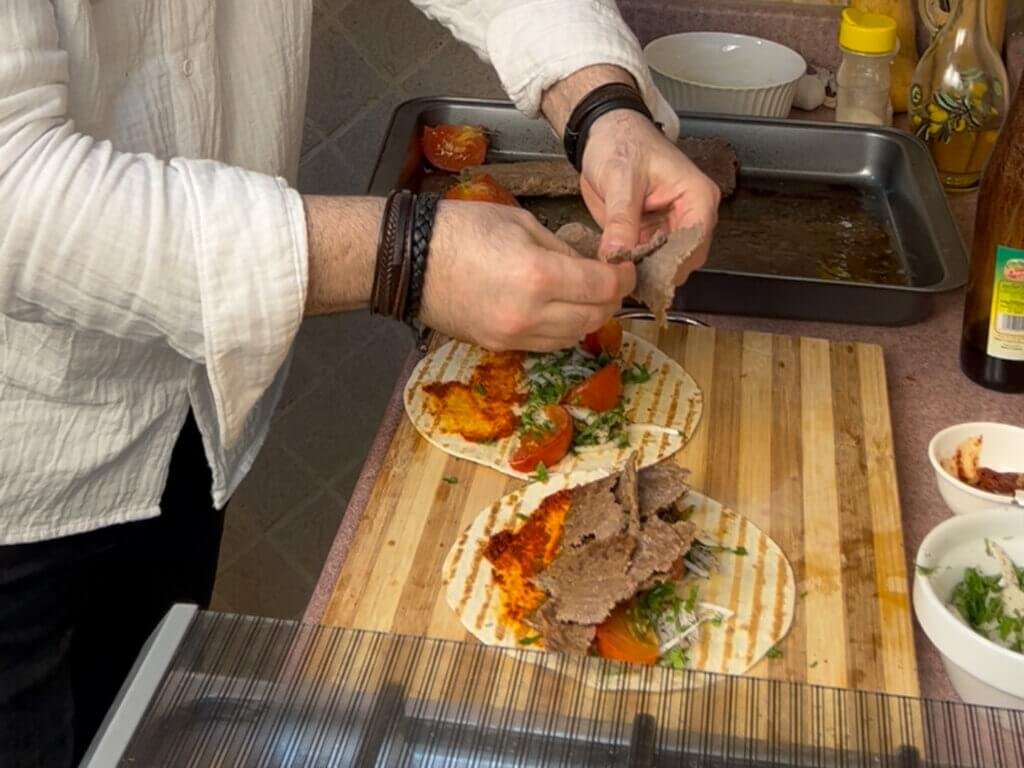
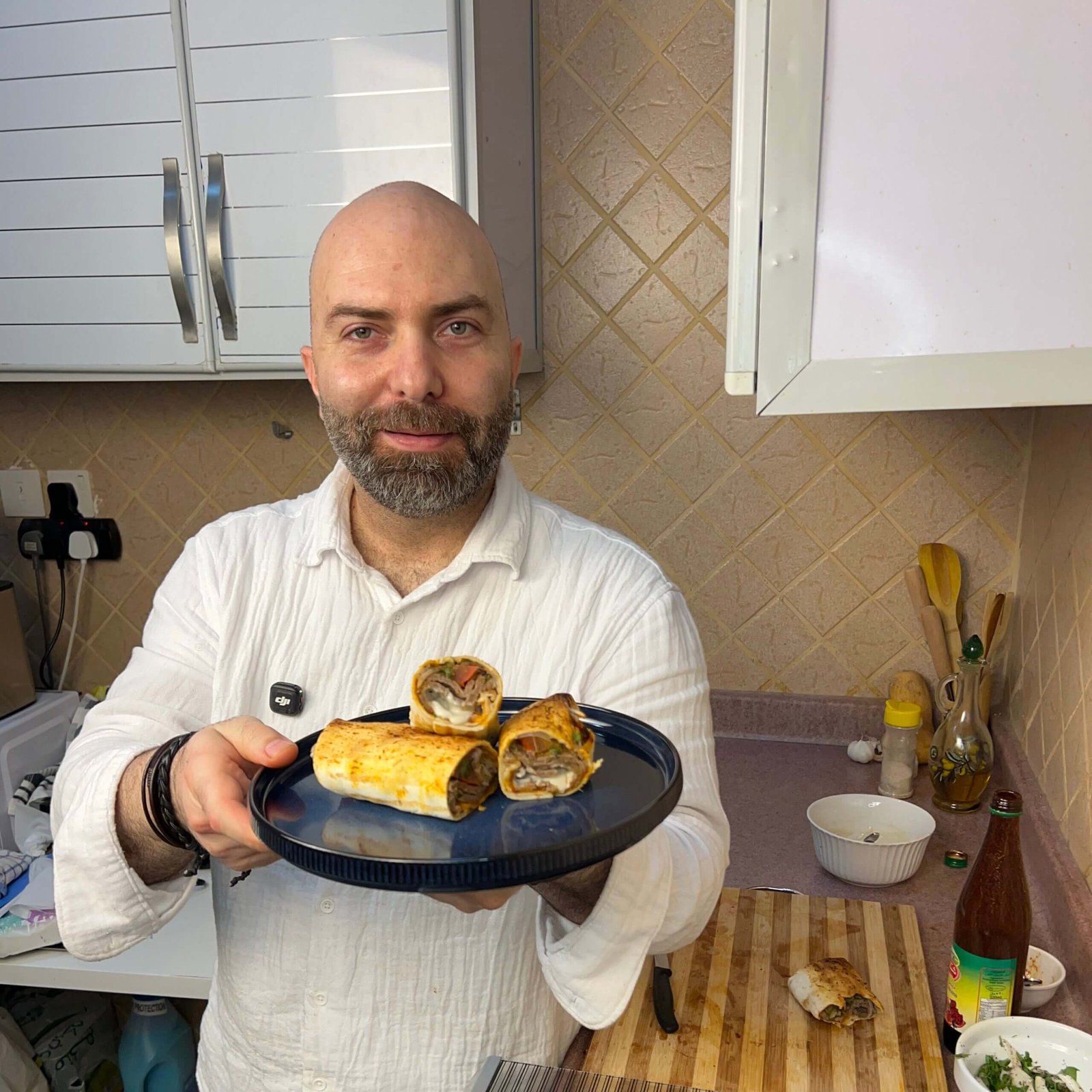
chef preparing sandwiches of homemade doner kebab

Juiciness begins with choosing beef that contains enough fat. However, the additional yogurt, oil, and onion also help protect the meat from drying.

Rolling the mixture thinly may appear risky because thin meat cooks quickly. Yet the tight cylinder keeps several layers together during the first bake. This helps preserve moisture inside the roll.

High heat is equally important. The oven should reach between 210°C and 220°C before the meat goes inside. A properly heated oven browns the exterior quickly without requiring a long cooking time.

Most importantly, avoid leaving the doner in the oven for too long. Once the meat is cooked, remove it and tear it into strips. It will receive additional heat when you crisp the assembled sandwiches.

Keep the juices collected in the baking tray. You can mix them with a little chili paste and brush them over the bread. This adds flavor while preventing the finished sandwich from tasting dry.

Managing moisture and fat is also essential when preparing homemade burger meat. In both recipes, the goal is tender beef that remains juicy while developing a flavorful exterior.


Let’s Make Homemade Doner Kebab Sandwich

Close-up of a homemade doner kebab wrap showing juicy beef, sauce, and fresh vegetables inside soft bread

Döner Kebab Sandwich

A flavorful and easy Doner Kebab made with seasoned ground beef, fresh herbs, and a rich tahini sauce.Perfect for a quick homemade meal, wrapped in tortilla bread and loaded with fresh toppings.
Prep Time 20 minutes
Cook Time 20 minutes
Total Time 40 minutes
Servings: 4 sandwiches
Course: Main Course
Cuisine: Mediterranean
Calories: 520

Ingredients
  

  • 1 lb ~2 cups loosely packed ground beef
  • 1 tsp salt
  • 1 tsp smoked paprika
  • 1 tsp garlic powder
  • 1 tsp black pepper
  • 2 tbsp olive oil
  • 3 tortilla bread pieces
  • 1/2 cup tahini sauce
  • 3 tbsp pomegranate molasses
  • 3 tbsp red pepper paste
  • 1/2 cup chopped parsley
  • 1 tsp sumac
  • 1 medium onion finely chopped
  • 1 medium tomato diced
  • 3 green chili peppers sliced
  • 1 tbsp yogurt

Equipment

  • Mixing bowl
  • Food processor
  • Baking tray
  • Parchment paper
  • Rolling pin
  • Knife
  • Oven
  • Grill pan (optional)

Method
 

Prepare the Meat Mixture
  1. In a large mixing bowl, combine the ground beef with garlic powder, paprika, black pepper, and salt.
  2. Add the vegetable oil and the finely processed onion.
  3. Knead the mixture thoroughly by hand until well combined.
  4. Add one tablespoon of yogurt and continue mixing until the texture is smooth and slightly elastic.
Shape the Meat
  1. Place a large sheet of parchment paper on your work surface.
  2. Place the meat mixture in the center and cover it with a second sheet of parchment paper.
  3. Using a rolling pin, roll the meat out as thin as possible across the entire sheet.
  4. Remove the top layer of parchment and carefully roll the thin meat sheet into a tight log (cylinder) shape.
First Bake
  1. Place the meat log on a baking sheet.
  2. Arrange halved tomatoes and whole green chilies around the meat.
  3. Drizzle everything with olive oil and a pinch of salt and pepper.
  4. Bake in a preheated oven at 210°C–220°C (410°F–430°F) for approximately 15 minutes or until the meat is fully cooked and the vegetables are charred.
Shred the Meat
  1. Once out of the oven, slice the roasted tomatoes into strips.
  2. Take the meat log and shred or “tear” it into thin, irregular strips to mimic the texture of shaved doner meat.
Assemble the Sandwich
  1. If desired, lightly toast your tortilla or flatbread on a grill pan to get char marks.
  2. Spread a layer of Biwas (parsley, onion, sumac) on the bread.
  3. Add the sliced roasted tomatoes and grilled chilies.
  4. Spread a small amount of chili paste, then pile on a generous amount of the shredded meat.
  5. Drizzle with Tarator (tahini sauce).
Final Crisp and Serve
  1. Roll the sandwich tightly.
  2. Mix a little chili paste with oil (or use the juices from the baking pan) and brush it over the outside of the bread.
  3. Place the rolled sandwiches back under the oven broiler/grill for 2–3 minutes until the bread is crispy and golden.
  4. Slice the sandwich into pieces, top with an extra drizzle of Tarator and a splash of pomegranate molasses and serve immediately.

Video


What to Serve with Doner Kebab Sandwiches

Doner kebab sandwiches are filling, so I prefer serving them with something fresh or lightly seasoned. A simple salad of lettuce, cucumber, tomatoes, and lemon juice brings balance without competing with the sandwich.

Close-up of a colorful freekeh tabbouleh salad with parsley, pomegranate seeds, beetroot, cherry tomatoes, and diced green apple served in a bowl.

For a more substantial side, try freekeh tabbouleh. Its fresh herbs and nutty freekeh contrast nicely with the juicy beef and creamy tahini sauce.

Roasted potatoes or French fries also work well, especially for a casual family meal. Season them lightly with salt, paprika, and a little sumac. You can serve them alongside the sandwich or place a few inside the wrap.

Close-up of easy Muhammara dip made with roasted red peppers, walnuts, and olive oil

If you are preparing a larger Middle Eastern spread, add pickled vegetables, olives, and homemade muhammara. Its combination of roasted peppers and walnuts complements the smoky notes in the doner.

A cold yogurt drink or fresh lemonade also helps soften the heat from the chilies. Together, these sides transform the sandwiches into a complete meal suitable for lunch, dinner, or sharing with friends.


Storing and Reheating Leftover Doner

For the best texture, store the meat, vegetables, sauce, and bread separately. An assembled sandwich quickly becomes soft because the bread absorbs moisture from the filling.

Allow the cooked meat to cool before transferring it to an airtight container. Keep it refrigerated and use it within two days. Store the roasted vegetables separately, especially if they have released a lot of liquid.

Refrigerator organization with fresh food, labeled containers, sauces, dairy products, and sealed raw meat arranged neatly

Proper placement inside the fridge also matters. My guide to refrigerator organization explains where to keep cooked foods and how to reduce cross-contamination.

When reheating the doner, use a hot frying pan or the oven. Spread the pieces in a single layer and heat them briefly. This restores their browned edges without drying the centers.

Avoid reheating the meat repeatedly. Instead, warm only the amount you plan to serve. Then, assemble each sandwich with fresh sauce, vegetables, and bread.

You can also prepare the meat earlier in the day and reheat it before serving. However, toast the completed sandwiches only at the end. This keeps the bread crisp and the filling warm.


Why the Final Toasting Step Matters

The doner meat is already cooked before the sandwich goes into the oven. Therefore, the final toasting step is not intended to cook the filling again. Instead, it brings all the sandwich components together.

Before toasting, I mix a little chili paste with oil or use the flavorful juices from the baking tray. I brush this mixture lightly over the outside of the bread. As it heats, the surface becomes golden, crisp, and slightly smoky.

Meanwhile, the inside remains soft and juicy. The heat warms the tarator and vegetables while helping their flavors blend with the meat. Toasting also tightens the wrap, making the sandwich easier to hold and eat.

However, this step should remain brief. Two or three minutes under the oven grill are usually enough. Leaving it longer may dry the meat, soften the vegetables, or burn the bread.

Grilled chicken tawook sandwich served with creamy coleslaw, crispy fries, and pickles

I use a similar technique when preparing my shish tawook sandwich. Toasting gives both sandwiches a crisp exterior while keeping their fillings warm and tender. It is a small final step, but it changes the entire eating experience.


From Marmaris to My Lebanese Kitchen

Discovering doner kebab reminded me why I love exploring different cuisines. Every dish carries part of its culture, history, and local way of eating.

My first encounter with doner began unexpectedly at a shawarma restaurant in Saida. Later, tasting it in Marmaris allowed me to experience it within Turkish cuisine. Both moments inspired the homemade version I am sharing today.

This recipe does not attempt to replace traditional Turkish doner. Instead, it adapts its flavors and textures to an ordinary home kitchen. I also added ingredients that reflect my Lebanese background, including biwas, tarator, sumac, and pomegranate molasses.

For me, cooking is about respecting traditions while remaining curious and creative. Sometimes, a memorable dish begins with unfamiliar food and ends with a new family recipe.

I hope these homemade doner kebab sandwiches encourage you to explore something different. You can also visit my YouTube channel to watch the complete preparation and discover more recipes, professional techniques, and practical kitchen advice.


Comments

2 responses to “Homemade Doner Kebab Sandwiches Easy & Juicy Recipe”

  1. […] personally love using Biwaz in my doner kebab sandwich recipes. The combination of juicy meat with the bright acidity of sumac onions creates a perfect […]

  2. […] without cracking. It is ideal for kafta and sojok wraps, but you can also use it to prepare my homemade doner kebab sandwiches, where the tender bread balances the seasoned meat, vegetables, and rich tahini […]

Leave a Reply

Your email address will not be published. Required fields are marked *