When my eldest daughter Nour was about four years old, we decided to spend the afternoon making a large batch of homemade pesto sauce together. I planned to freeze it in small portions so we would always have fresh pesto ready for pasta, sandwiches, and other meals. She loved helping in the kitchen, especially when she could add the ingredients to the food processor.
Everything was going perfectly until the unexpected happened. For some reason, the bottom of the food processor came loose while it was running. Suddenly, bright green pesto started pouring across the kitchen table before spilling onto the floor. It felt as if a green river had appeared out of nowhere. Little Nour stood there completely shocked, watching the pesto spread everywhere. At that moment, she was more traumatized than amused.

Looking back, it became one of our favorite kitchen memories. We still laugh whenever we remember the “great pesto flood.” Thankfully, we made another batch, and this time everything stayed inside the machine.
Today, I still prepare this homemade pesto sauce regularly. It comes together in just a few minutes, freezes beautifully, and adds fresh, vibrant flavor to countless dishes. In this recipe, I will show you how to make authentic, flavorful pesto at home, share the techniques I learned throughout my career, and explain how to keep it fresh whether you plan to enjoy it today or store it for later.
Recipe Note: This recipe uses cashews instead of the traditional pine nuts. They create a creamy, flavorful pesto while making the recipe much more affordable, especially in countries where pine nuts are expensive.
Why Homemade Pesto Tastes Better Than Store-Bought
Homemade pesto offers a freshness that is difficult to match. The moment basil leaves are blended with garlic, pine nuts, Parmesan, and extra virgin olive oil, they release an incredible aroma that fills the kitchen. Because you prepare it just before serving, every ingredient keeps its natural flavor and vibrant color.
Store-bought pesto, on the other hand, must stay fresh on supermarket shelves for weeks or even months. For this reason, many brands rely on preservatives, lower-cost oils, or smaller amounts of basil and Parmesan. While some premium varieties are excellent, many lack the bright, herbaceous flavor that makes authentic pesto so memorable.
Another advantage of making pesto at home is complete control over every ingredient. You can choose a high-quality extra virgin olive oil, grate fresh Parmesan, adjust the amount of garlic, or add a few extra pine nuts for a richer texture. As a chef, I also enjoy tasting the pesto before serving and making small adjustments until every flavor is perfectly balanced.
Perhaps the greatest benefit is that homemade pesto freezes exceptionally well. Whenever basil is in season, I prepare a large batch and freeze it in small portions. That way, a fresh-tasting sauce is always ready for pasta, grilled chicken, roasted vegetables, or sandwiches. In just a few minutes, you can enjoy a pesto that tastes as though it was made moments earlier, something few store-bought jars can truly offer.
What Makes Italian Pesto Different from Other Green Sauces?
At first glance, many green sauces look similar, but each has its own history, ingredients, and purpose. Traditional Italian pesto, or Pesto alla Genovese, stands out because it relies on just a handful of fresh, high-quality ingredients. Sweet basil, pine nuts, Parmesan, Pecorino, garlic, extra virgin olive oil, and a pinch of salt come together to create a sauce that is rich, fragrant, and perfectly balanced. Rather than overpowering a dish, pesto enhances it with fresh herbal flavor and a creamy texture.
Around the world, you will find many other green sauces that serve different roles. In France, pistou also uses fresh basil and olive oil, but it traditionally contains no pine nuts and often omits cheese. As a result, it has a lighter, more herb-forward flavor and is commonly stirred into soups such as Soupe au Pistou.
Meanwhile, chimichurri, a classic Argentine sauce, offers a completely different taste. Instead of basil, it combines parsley, garlic, oregano, vinegar, olive oil, and chili flakes. Its bright acidity makes it the perfect companion for grilled meats rather than pasta.
Italy also has salsa verde, which is prepared with parsley, capers, anchovies, garlic, olive oil, and sometimes vinegar or lemon juice. Unlike pesto, salsa verde has a tangy, briny flavor that pairs beautifully with boiled meats, seafood, and vegetables.
Although these sauces share a vibrant green color, each reflects the traditions and ingredients of its region. Italian pesto remains unique because it celebrates the natural sweetness of fresh basil and the richness of aged Italian cheeses. Its creamy texture and delicate balance of flavors have made it one of the world’s most beloved sauces, whether tossed with pasta, spread on sandwiches, or served alongside grilled vegetables and meats.
The Science Behind Pesto’s Bright Green Color
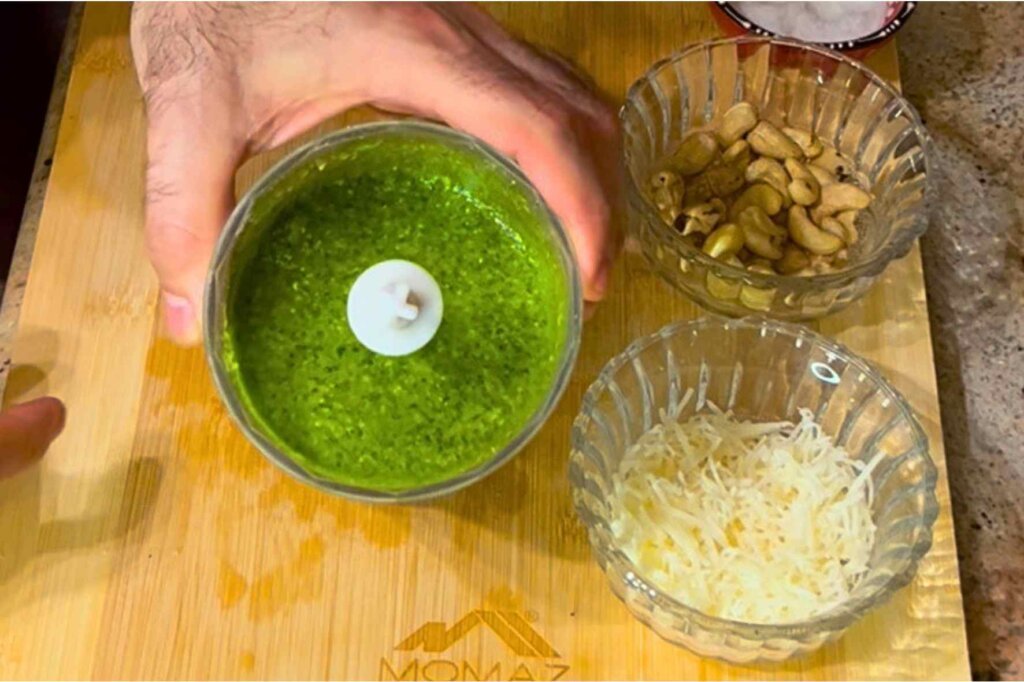
Oxidation Is the Biggest Enemy
One of the best things about homemade pesto is its bright green color. However, that color does not last forever. Once basil is cut or blended, it reacts with the air. As a result, the green color slowly fades and turns brown. Although the pesto is still safe to eat, it no longer looks as fresh.
Avoid Overprocessing
Blend the pesto only until the ingredients come together. Otherwise, the blades will heat the mixture. This extra heat bruises the basil and dulls its fresh flavor. A few short pulses are usually all you need.
Dry the Basil Well
Always wash the basil before using it. Then, dry it completely. Otherwise, the extra moisture will dilute the pesto and shorten its shelf life. I also recommend using fresh leaves with no dark spots or bruises.
Protect It from the Air
Once the pesto is ready, pour a thin layer of extra virgin olive oil over the surface. The oil creates a barrier between the pesto and the air. As a result, oxidation slows down, and the pesto stays greener for longer.
Keep It Cold
Cold ingredients help preserve the basil’s color. If the weather is very hot, chill the basil, the food processor bowl, or even the olive oil before blending. Some chefs also add an ice cube while processing the pesto. This simple trick keeps the mixture cool and helps maintain its vibrant green color.
Why Homemade Pesto Is Perfect for Freezing
Freeze It in Small Portions
Pesto is one of the easiest sauces to freeze. In fact, I rarely prepare a single batch. Instead, I make a large quantity whenever fresh basil is in season. Then, I divide it into small portions. This way, I only thaw what I need for each meal.
Use Airtight Containers
Choose small airtight containers or ice cube trays for freezing. Once the pesto is frozen, you can transfer the cubes to a freezer bag. This method saves space and makes it easy to grab the exact amount you need.
Add a Thin Layer of Olive Oil
Before freezing, pour a thin layer of extra virgin olive oil over the surface of the pesto. The oil helps reduce contact with the air. As a result, the pesto keeps its bright green color and fresh flavor much longer.
Thaw It Gently
For the best results, thaw the pesto overnight in the refrigerator. If you are short on time, let it sit at room temperature for a few minutes. Then, stir it well before using it. Avoid heating the pesto directly in a pan, as this can dull the basil’s fresh flavor.
Preparing pesto ahead of time has saved me countless hours, both at home and in professional kitchens. Having homemade pesto ready in the freezer means you can enjoy a fresh, flavorful meal in just a few minutes. If you would like more tips on freezing sauces and other foods, be sure to read my article on How to Freeze Food Properly, where I share the techniques, I have used throughout my career.
Why I Use Cashews Instead of Pine Nuts in My Homemade Pesto
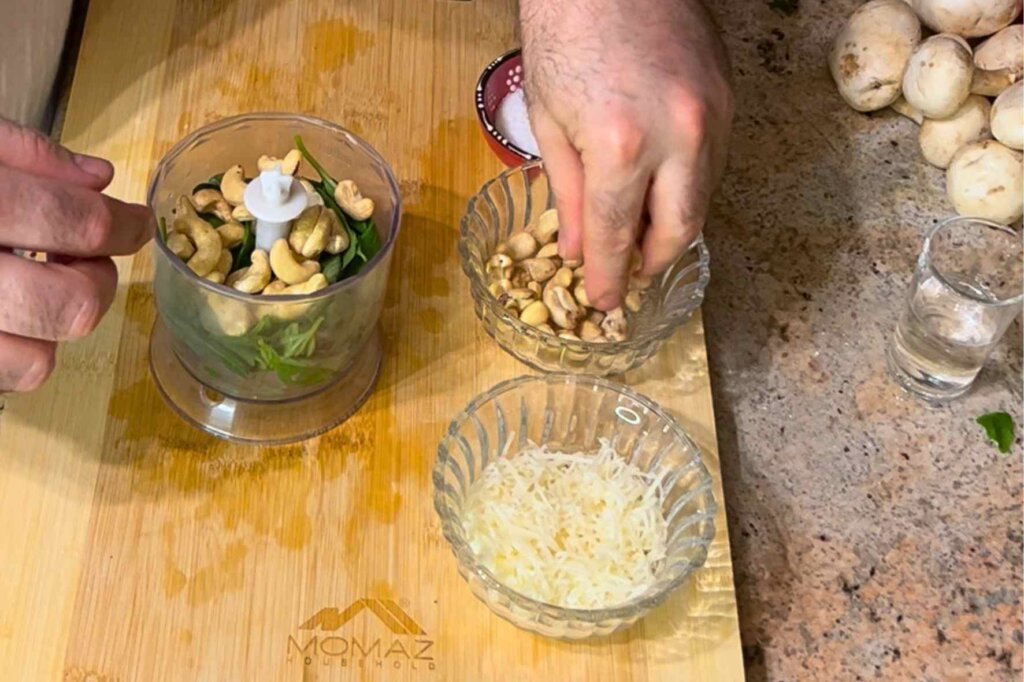
A Budget-Friendly Alternative
Traditional Italian pesto uses pine nuts, and they give the sauce its classic flavor. However, I make one small change in my recipe. Instead of pine nuts, I use cashews.
One reason is cost. In Lebanon, pine nuts have become one of the most expensive nuts you can buy. As a result, making pesto with pine nuts is no longer practical for many families. Cashews cost much less, making this recipe far more budget friendly without sacrificing quality.
A Small Innovation
The second reason is creativity. Although I have great respect for traditional recipes, I also enjoy adapting them when it makes sense. Cashews produce a smooth, creamy pesto with a mild, buttery flavor. They blend beautifully with basil, Parmesan, garlic, and olive oil.
Of course, the flavor is not exactly the same as traditional pesto. Pine nuts have their own delicate, slightly resinous taste. However, the difference is much smaller than many people expect. In fact, most people who try this recipe cannot tell the difference unless I mention it.
Use What Works for You
If you have pine nuts on hand, feel free to use them. They will give you a more traditional Pesto alla Genovese. On the other hand, if you want to save money without giving up a delicious homemade pesto, cashews are an excellent choice. I have prepared this version many times, both at home and in professional kitchens, and it has always been a favorite.
Let’s Make Homemade Pesto Sauce with Cashews
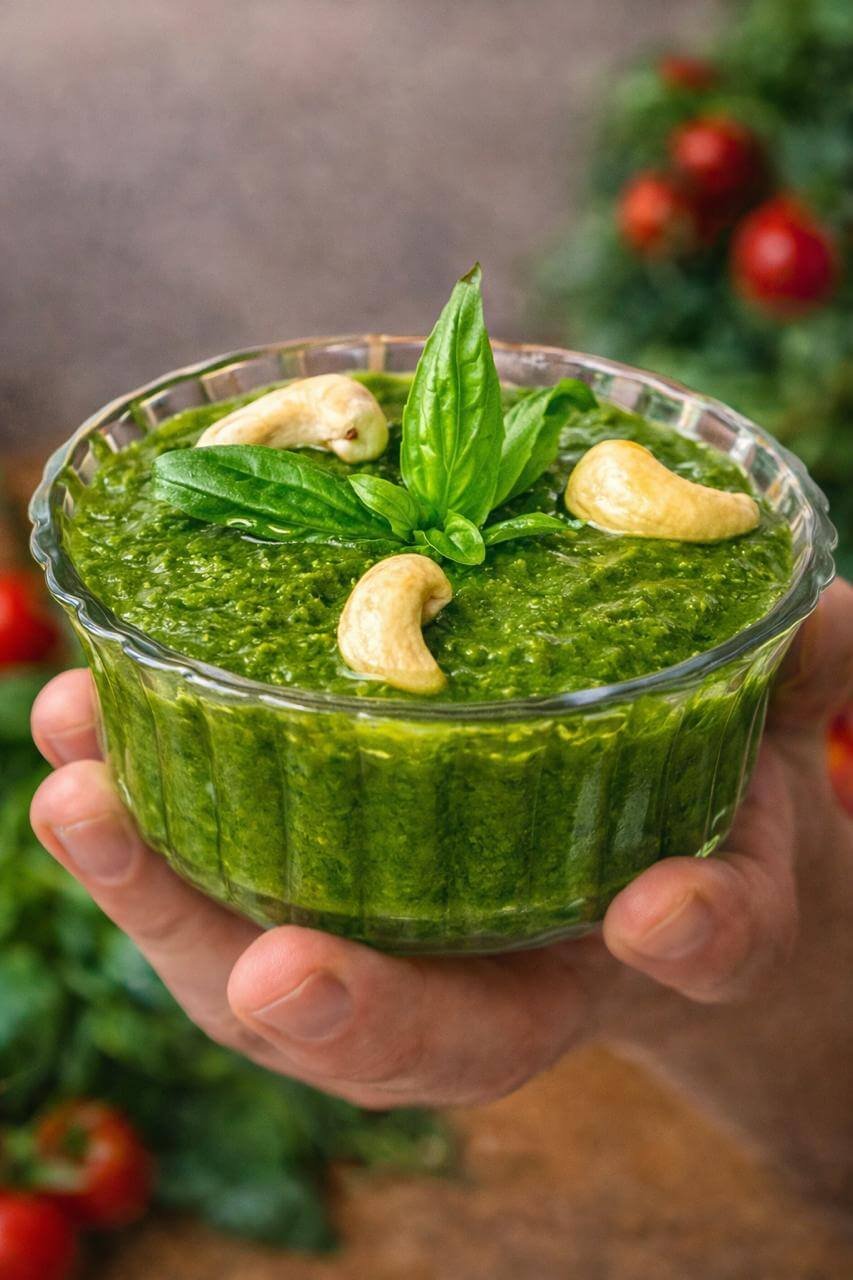
Ingredients
Method
- Place the washed basil leaves, cashews, garlic, fine salt, and olive oil in a blender.
- Blend until smooth and creamy.
- Add the grated Parmesan cheese and blend again briefly until fully incorporated.
- And now you have a smooth, beautifully green, delicious pesto sauce.
Video
Delicious Ways to Use Homemade Pesto with Cashews
Homemade pesto is much more than a pasta sauce. Its fresh, creamy flavor pairs well with many dishes. Here are some of my favorite ways to use it.
Toss It with Linguine
One of the most popular ways to enjoy pesto is with fresh linguine pesto. Toss the hot pasta with the pesto, then add a little pasta cooking water to create a silky sauce. Finish with freshly grated Parmesan and a few basil leaves for a simple Italian meal.
Spread It on a Halloumi Sandwich
Pesto pairs beautifully with grilled halloumi sandwich. Spread a generous layer inside the bread before adding the cheese, tomatoes, and fresh greens. The basil adds freshness, while the creamy pesto complements the salty halloumi perfectly.
Make a Chicken Pesto Sandwich
Spread pesto on toasted bread or a fresh baguette, then layer grilled chicken, mozzarella, tomatoes, and lettuce. It adds far more flavor than mayonnaise alone and turns a simple sandwich into a satisfying lunch.
Spoon It over Grilled Vegetables
Roasted zucchini, eggplant, peppers, mushrooms, and asparagus all pair wonderfully with pesto. Add the sauce after cooking to preserve its fresh basil flavor.
Drizzle It over Pizza
Instead of spreading pesto before baking, drizzle it over the pizza as soon as it comes out of the oven. The heat releases the aroma without dulling the fresh basil.
Serve It with Grilled Fish or Chicken
A spoonful of pesto can transform grilled chicken breasts, salmon, or white fish into a flavorful meal. The fresh herbs and Parmesan add richness without making the dish heavy.
Stir It into Soups
Add a spoonful of pesto to vegetable soups or minestrone just before serving. It melts into the broth and adds a fresh burst of basil, garlic, and Parmesan.
Use It as a Dip or Spread
Pesto also makes an excellent dip for fresh bread, crackers, and breadsticks. You can even spread it on bruschetta or use it as a filling for wraps and sandwiches.
No matter how you serve it, homemade pesto with cashews adds fresh flavor to everyday meals. I always keep a few portions in my freezer because they can turn a simple dish into something special within minutes.
Common Mistakes When Making Homemade Pesto
Homemade pesto is quick and easy to prepare. However, a few common mistakes can affect its flavor, texture, and color. Avoid these tips, and you’ll enjoy better pesto every time.
Using Wilted Basil
Fresh basil makes all the difference. Avoid leaves that look yellow, bruised, or wilted. Instead, choose bright green, fragrant basil for the best flavor and color.
Blending for Too Long
Blend the ingredients only until they come together. Otherwise, the blades will heat the mixture and bruise the basil. As a result, the pesto may lose its bright green color and fresh aroma.
Using Wet Basil Leaves
Always wash the basil before using it. Then, dry it completely. Extra water dilutes the pesto and shortens its shelf life. It can also make the sauce less creamy.
Adding Too Much Olive Oil
Olive oil should enhance the pesto, not overpower it. Add it gradually while blending. This gives you better control over the consistency and helps create a smooth, balanced sauce.
Using Pre-Grated Parmesan
Freshly grated Parmesan gives the best flavor and texture. In contrast, pre-grated cheese often contains anti-caking agents that can make the pesto feel grainy and less creamy.
Heating the Pesto
Never cook pesto over direct heat like a tomato sauce. Instead, toss it with freshly cooked pasta. The heat from the pasta is enough to warm the sauce while preserving the fresh basil flavor.
Skipping the Final Taste Test
Always taste the pesto before serving. Every batch of basil is different. Therefore, you may need a little more salt, Parmesan, garlic, or olive oil. A quick adjustment can make a noticeable difference.
Storing It Without Protection
Do not leave pesto exposed to the air. Instead, cover the surface with a thin layer of extra virgin olive oil before refrigerating or freezing it. This simple step slows oxidation and helps the pesto stay fresh and vibrant for longer.
Frequently Asked Questions
Can I Freeze Homemade Pesto?
Yes. In fact, pesto freezes very well. Divide it into small portions and store it in airtight containers or ice cube trays. Before freezing, cover the surface with a thin layer of olive oil to help preserve its color and flavor.
How Long Does Homemade Pesto Last?
Homemade pesto will keep in the refrigerator for about 3 to 5 days when stored in an airtight container. If you freeze it, it can last for several months without losing much of its flavor.
Can I Use Cashews Instead of Pine Nuts?
Absolutely. This recipe uses cashews because they are more affordable and readily available in Lebanon. They also create a creamy texture and a delicious flavor that is very close to traditional pesto.
Can I Use Other Nuts?
Yes. Walnuts, almonds, and even pistachios can all work well. Each one adds its own flavor and texture, so the pesto will taste slightly different from the classic Italian version.
Why Did My Homemade Pesto Turn Brown?
Pesto turns brown because basil reacts with air. This natural process is called oxidation. To slow it down, avoid overprocessing the basil and cover the finished pesto with a thin layer of olive oil before storing it.
Can I Make Pesto Without Parmesan?
Yes. You can leave out the Parmesan or replace it with another aged cheese. If you want a vegan version, use nutritional yeast instead. Keep in mind that the flavor will be different from traditional pesto.
Should I Cook the Pesto?
No. Pesto is not a cooked sauce. Instead, toss it with freshly cooked pasta while it is still hot. The heat from the pasta warms the pesto without affecting its fresh flavor.
Can I Make Pesto in a Blender?
Yes, although a food processor usually gives you better control over the texture. If you use a blender, pulse the ingredients in short bursts and stop as soon as they are well combined.
What Pasta Goes Best with Pesto?
Linguine is one of my favorite choices because it holds the sauce beautifully. However, you can also use trofie, fusilli, casarecce, spaghetti, or even gnocchi.
Can I Prepare My Homemade Pesto Ahead of Time?
Yes. In fact, I often prepare large batches and freeze them in small portions. It saves time and allows you to enjoy fresh homemade pesto whenever you need it.
More Than Just a Homemade Pesto Recipe
Homemade pesto is one of those recipes that proves great food does not have to be complicated. With just a handful of fresh ingredients, you can prepare a sauce that is rich, fragrant, and full of flavor. Whether you choose traditional pine nuts or my budget-friendly cashew variation, the key is to use quality ingredients and let each one shine.
I hope this recipe inspires you to make pesto from scratch and enjoy it in your own kitchen. Don’t be afraid to prepare a larger batch and freeze it for later. It is one of the easiest ways to add fresh, homemade flavor to pasta, sandwiches, grilled meats, vegetables, and many other dishes.
If you enjoyed this recipe, I invite you to continue exploring the website. You’ll find many more Italian recipes, Lebanese favorites, and international dishes, along with practical cooking tips that I have learned throughout more than 30 years as a professional chef. You can also visit The Chef’s Journal, where I share the stories, experiences, and memories that have shaped my culinary journey over the years.
Finally, don’t forget to visit my YouTube channel, where I demonstrate these recipes step by step and share the techniques I use in both home and professional kitchens. Whether you’re just starting your cooking journey or looking to refine your skills, I hope you’ll find inspiration to keep learning, experimenting, and creating delicious meals for the people you love.

Chef François El Aaraj is a corporate chef and culinary consultant with more than 30 years of experience in professional kitchens and restaurant openings across Lebanon and abroad. Through this website, he shares authentic recipes, cooking techniques, and chef secrets designed to help home cooks create flavorful meals with confidence.
Leave a Reply