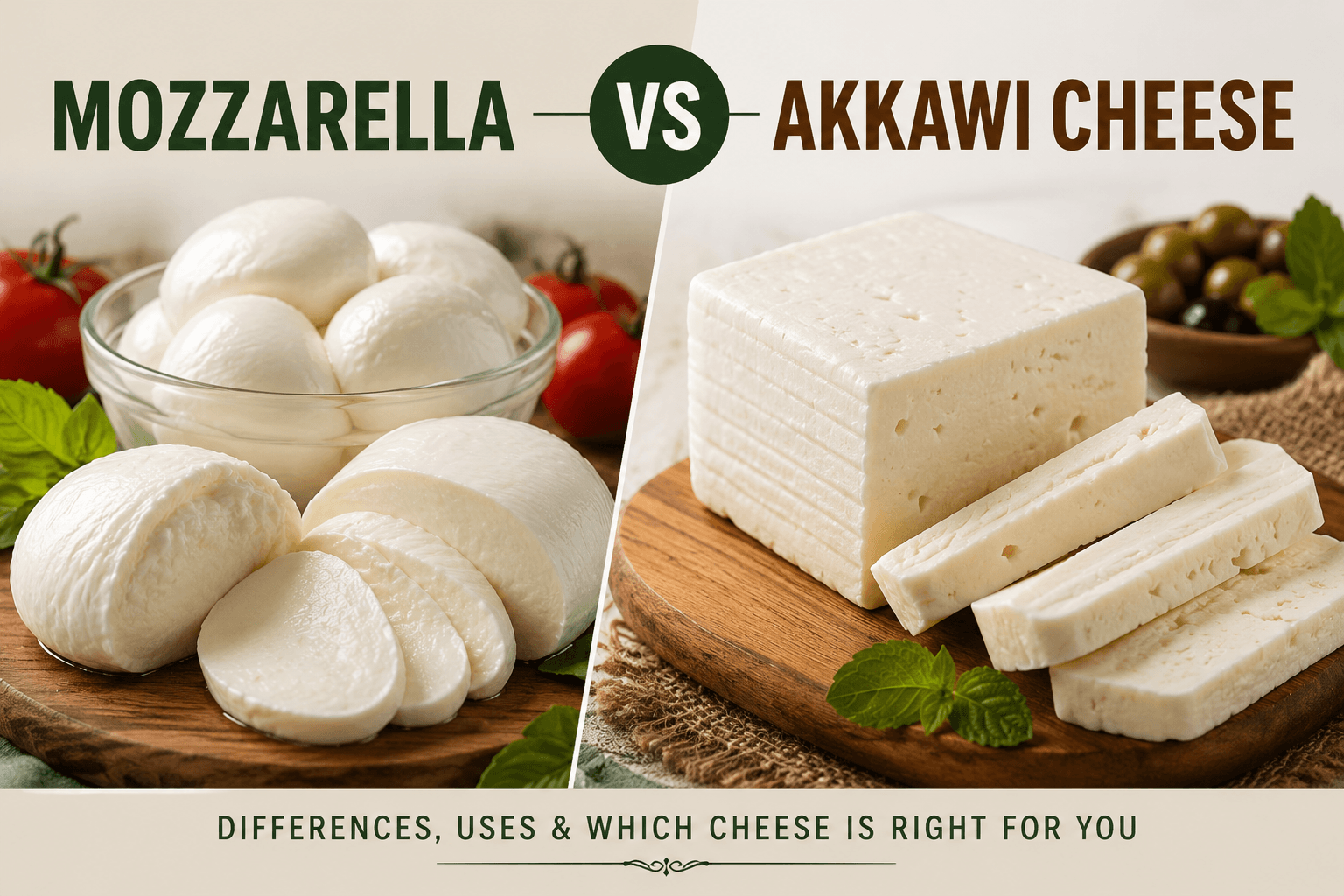
Have you ever stood in front of the cheese section at the supermarket and wondered whether you should buy mozzarella or Akkawi cheese? At first glance, they may seem similar. Both have a light color, melt beautifully and appear in countless delicious recipes. However, once you taste them, cook with them, and understand their history, you quickly discover that they are completely different cheeses.
Many home cooks believe they can replace one with the other without changing the final dish. Sometimes that works. More often, it doesn’t. The flavor changes. The texture changes. Even the way the cheese melts can surprise you.
As a chef, I have prepared thousands of dishes using both cheeses. Throughout my career, customers often asked why restaurant pizzas had the perfect cheese pull while homemade versions became oily or rubbery. Others wondered why authentic Lebanese pastries tasted different from versions made abroad. In many cases, the answer wasn’t a secret technique. It was simply choosing the right cheese.
In this guide, you’ll discover the difference between mozzarella and Akkawi cheese. We’ll explore how each cheese is made, where it comes from, how it tastes, how it melts, and which recipes bring out its best qualities. By the end, you’ll know exactly which cheese belongs in your next recipe.
What Is Mozzarella?
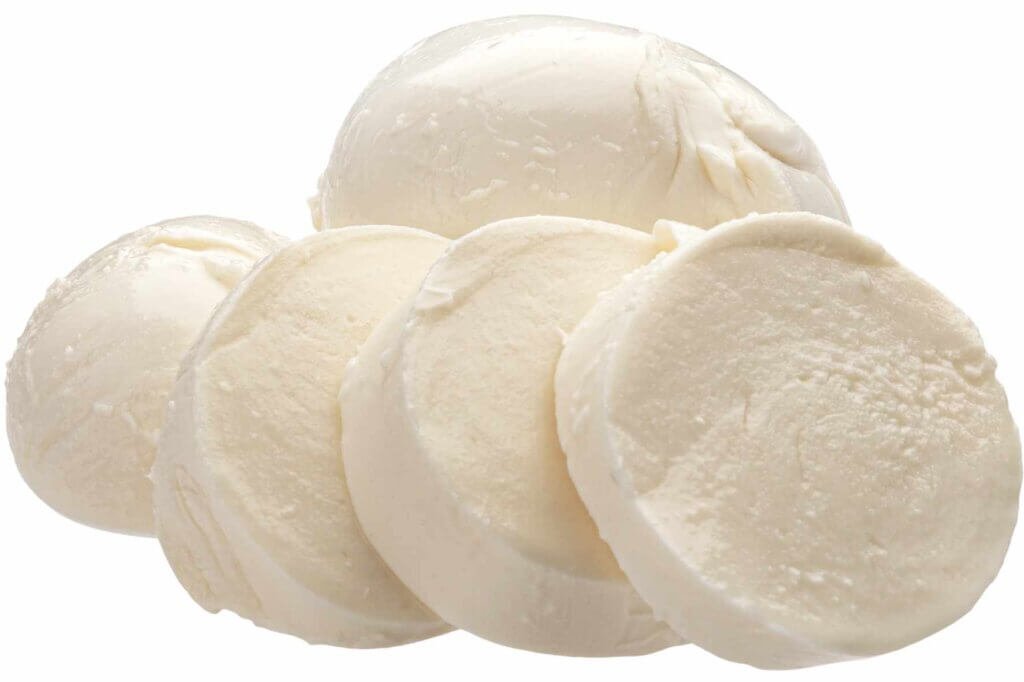
Mozzarella is one of the world’s most famous cheeses. It originated in southern Italy hundreds of years ago and has since become an essential ingredient in countless dishes.
Traditionally, Italian cheesemakers produced mozzarella from buffalo milk. They called it Mozzarella di Bufala because they used water buffalo instead of cows. Today, however, most mozzarella available in supermarkets comes from cow’s milk. This version offers a milder flavor while remaining more affordable.
Fresh mozzarella contains plenty of moisture. Cheesemakers stretch the curds repeatedly in hot water until they become smooth and elastic. This process gives mozzarella its famous stretchy texture and delicate bite.
Because of this unique method, mozzarella belongs to a family known as stretched-curd cheeses.
Today, mozzarella appears in recipes all over the world. You’ll find it on pizza, lasagna, baked pasta, salads, sandwiches, casseroles, appetizers, and even fried snacks.
What Is Akkawi Cheese?
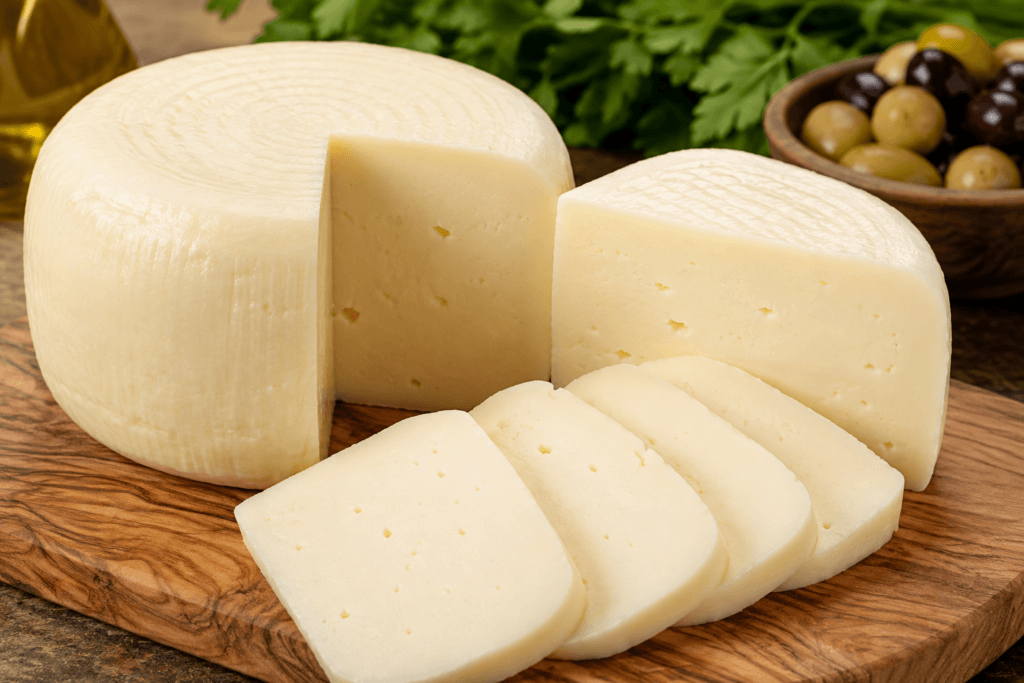
Akkawi cheese has a completely different story.
This traditional white cheese comes from the Levant, where it has remained a staple for generations. Families throughout Lebanon, Syria, Jordan, and Palestine use it daily in both savory and sweet dishes.
The cheese takes its name from the historic city of Acre, also known as Akka. Over time, cheesemakers across the region developed their own versions while preserving its signature characteristics.
Unlike mozzarella, Akkawi begins as a brined cheese. Producers soak it in salty water during production, which gives it its distinctive salty taste and helps preserve it.
Because of this, many cooks soak Akkawi in fresh water before using it. This simple step removes excess salt and allows the delicate dairy flavor to shine.
Akkawi has a firm yet soft texture. Although it slices beautifully, it also melts into a creamy filling when heated. Therefore, it has become one of the most beloved cheeses for manakish, cheese pies, fatayer, sambousek, and traditional Middle Eastern pastries.
Many Lebanese families keep Akkawi in their refrigerator all year because it works for breakfast, lunch, dinner, and even desserts.
A Brief History of Both Cheeses
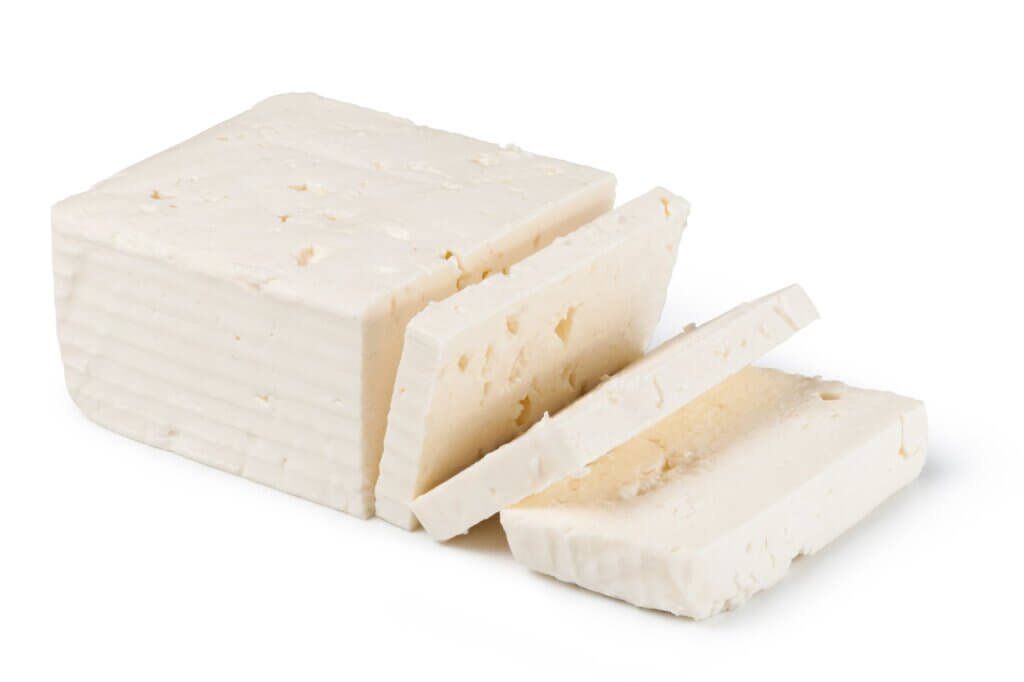
One of the most fascinating differences between mozzarella and Akkawi cheese lies in their history.
Mozzarella reflects centuries of Italian cheesemaking traditions. Farmers in southern Italy learned how to stretch fresh curds into smooth balls of cheese that remained soft, delicate, and incredibly versatile. Eventually, mozzarella became one of Italy’s greatest culinary ambassadors.
Meanwhile, Akkawi tells the story of the Eastern Mediterranean. Long before refrigeration existed, preserving dairy products required practical solutions. Brining cheese allowed families to enjoy it for much longer while maintaining its freshness.
As trade expanded across the Levant, Akkawi spread from one town to another. Eventually, it became a staple in bakeries, markets, and family kitchens throughout the region.
Today, both cheeses enjoy worldwide popularity. Nevertheless, each one still carries the traditions of the culture that created it.
How Are They Made?
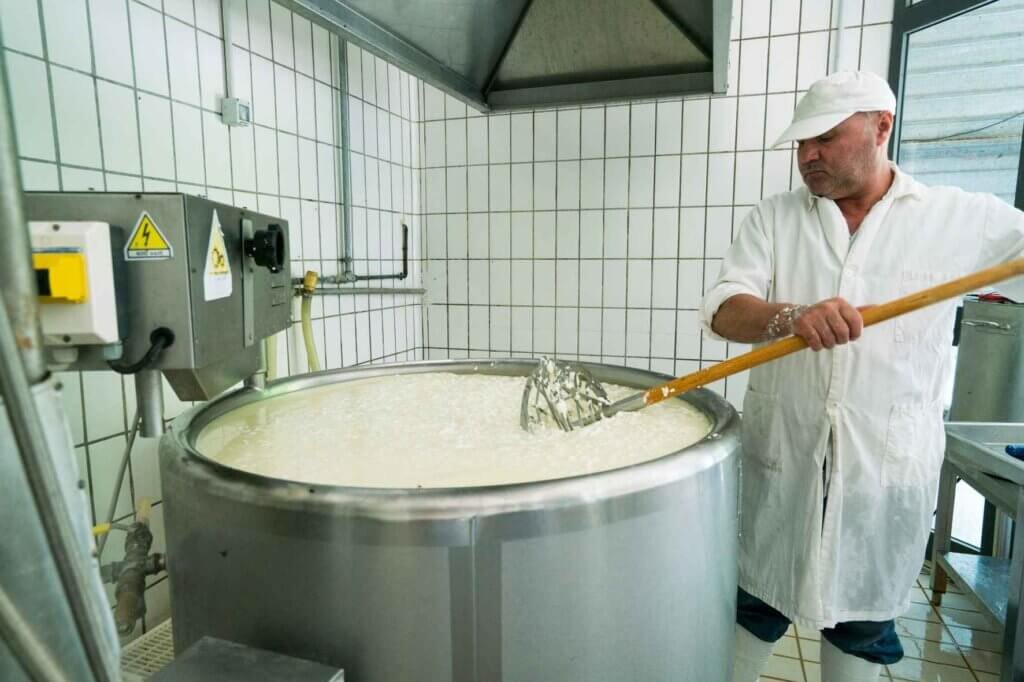
Although both cheeses begin with milk, their production methods differ dramatically.
How Mozzarella Is Made
Cheesemakers first warm the milk before adding cultures and rennet.
Next, the milk forms curds.
Afterward, they cut the curds and allow them to acidify.
Then comes the famous stretching process.
The cheesemaker places the curds into very hot water before stretching and folding them repeatedly. This step creates mozzarella’s smooth texture and incredible elasticity.
Finally, the cheese forms into balls, logs, pearls, or blocks depending on its intended use.
How Akkawi Cheese Is Made
Akkawi follows a simpler process.
Cheesemakers coagulate the milk with rennet before cutting the curds into blocks.
Next, they press the cheese gently to remove part of the whey.
After that, they immerse it in a salty brine.
Instead of stretching the curds, producers allow the cheese to absorb salt while developing its characteristic texture.
This difference explains why Akkawi feels firmer than fresh mozzarella while remaining wonderfully soft once cooked.
Taste Comparison: Mild vs Salty
The biggest difference between mozzarella and Akkawi cheese becomes obvious the moment you take your first bite.
Mozzarella offers a delicate, creamy flavor that never overpowers the other ingredients. Instead, it creates balance. Every bite tastes fresh, light, and slightly milky. For that reason, Italian chefs often let mozzarella play a supporting role while tomatoes, basil, olive oil, or cured meats take center stage.
Akkawi cheese tells a completely different story.
It arrives with a much bolder personality because cheesemakers preserve it in brine. As a result, it develops a noticeably salty taste. However, that saltiness doesn’t mean the cheese lacks complexity. Once you soak it properly, Akkawi reveals a rich dairy flavor with a pleasant tang that many people throughout the Middle East instantly recognize.
Interestingly, many Lebanese families don’t even think about the salt anymore. They simply associate that familiar taste with breakfast, manakish, and homemade cheese pastries. Meanwhile, someone trying Akkawi for the first time might wonder why it tastes much stronger than mozzarella.
Neither cheese tastes better than the other. Instead, each one serves a different purpose.
If you want a cheese that melts into the background while adding creaminess, mozzarella usually wins. We use it in rigatoni alla Siciliana, mozzarella sticks, cheese garlic bread and it melts beautifully.
On the other hand, if you want your cheese to contribute a distinctive flavor, Akkawi often becomes the better choice.
Texture Comparison Between Mozzarella and Akkawi Cheese
Although both cheeses feel soft, their textures differ significantly.
Fresh mozzarella feels silky, moist, and incredibly tender. When you slice it, you can almost see the moisture trapped inside. Furthermore, it tears apart easily with your fingers instead of crumbling.
Low-moisture mozzarella feels firmer because manufacturers remove more water during production. Consequently, it grates beautifully and melts evenly on pizzas.
Akkawi offers another experience altogether.
Before soaking, it feels firm and compact. Nevertheless, it still cuts smoothly into neat slices or cubes. After soaking, the cheese softens slightly while keeping its structure.
Once heated, Akkawi becomes creamy without completely losing its shape. Therefore, it works wonderfully inside pastries where you want the filling to stay rich instead of flowing everywhere. But I also like to mix them sometimes, like I did in the cheese baklava pie.
Think of mozzarella as soft chewing gum when melted.
Think of Akkawi as warm cream that still holds together.
That simple comparison explains why each cheese performs differently in the kitchen.
Which Cheese Melts Better?

Many people assume every white cheese melts the same way.
Nothing could be further from the truth.
Mozzarella ranks among the world’s greatest melting cheeses. The stretching process during production aligns the proteins in a way that creates smooth, elastic strands when heated.
As the cheese warms, it softens gradually before transforming into the famous cheese pull everyone loves.
Akkawi also melts beautifully.
However, it melts differently.
Instead of creating long stretchy strings, Akkawi becomes creamy and slightly elastic. It spreads through the filling rather than stretching across the room.
This difference explains why professional bakers often choose Akkawi for cheese pies. The filling stays rich and creamy without leaking excessive oil.
I mixed both cheeses to make the filling of the cheese rolls and it came out super delicious.
The Famous Cheese Stretch Test

Let’s talk about one of the biggest reasons people love melted cheese.
The stretch.
Few food experiences feel as satisfying as lifting a slice of hot pizza and watching long strands of cheese follow.
Mozzarella dominates this category.
Its unique production method creates long protein strands that stretch dramatically when heated correctly. However, temperature matters.
If you overcook mozzarella, those proteins tighten. Instead of stretching beautifully, the cheese becomes rubbery.
If you undercook it, the cheese barely melts.
Professional chefs always look for the sweet spot where mozzarella bubbles gently while remaining soft and elastic.
Akkawi stretches too.
However, the strands remain shorter and thicker. Instead of creating dramatic cheese pulls, Akkawi delivers a rich, creamy bite.
Neither result disappoints.
They simply create different eating experiences.
Browning: Why Pizza Looks Different

Have you ever noticed that some pizzas develop beautiful golden spots while others stay almost completely white?
The cheese often explains the difference.
Low-moisture mozzarella browns exceptionally well because it contains less water. Consequently, the surface caramelizes while maintaining a creamy interior.
Fresh mozzarella behaves differently.
Since it contains much more moisture, it releases water before browning. Therefore, authentic Neapolitan pizzas often display small caramelized spots instead of an evenly browned top.
Akkawi rarely browns like mozzarella.
Instead, it softens into a creamy white layer.
Many Middle Eastern bakers actually prefer this appearance because it highlights the freshness of the cheese.
If you’re looking for dramatic golden bubbles, mozzarella usually performs better.
If you’re making traditional Lebanese pastries, however, Akkawi creates the authentic finish people expect.
Moisture Content Changes Everything
Water plays a surprisingly important role in cheese.
Fresh mozzarella contains a high percentage of moisture.
As a result, it feels soft, juicy, and delicate.
However, that same moisture can become a challenge.
If you place fresh mozzarella directly onto homemade pizza, the released liquid may prevent the crust from becoming crispy.
For that reason, many chefs drain fresh mozzarella before using it.
Some even let it rest on paper towels for thirty minutes.
Others tear it into smaller pieces and refrigerate it uncovered overnight.
These simple techniques reduce excess moisture while preserving the cheese’s creamy texture.
Akkawi behaves differently.
Although it contains moisture, the brining process creates a firmer structure. Consequently, soaked Akkawi usually releases less liquid during baking than fresh mozzarella.
That makes it especially useful for pastries, where too much moisture could soften the dough.
Why Lebanese Bakeries Often Mix Akkawi Cheese with Mozzarella
Here’s a professional secret that many people never discover.
Walk into a traditional Lebanese bakery, and you may assume the baker uses only Akkawi.
In reality, many experienced bakers blend several cheeses together.
During my years in professional kitchens, I learned that no single cheese delivers every quality you want. One cheese melts beautifully. Another adds flavor. A third contributes creaminess. Therefore, combining cheeses often creates the perfect result.
A mixture of mozzarella and Akkawi offers an excellent example.
Mozzarella contributes the stretch.
Akkawi provides the rich dairy flavor that people associate with authentic cheese manakish.
Together, they create a filling that stretches beautifully while delivering the unmistakable taste of traditional Lebanese baking.
Some bakeries also add small amounts of other cheeses to adjust richness, creaminess, or saltiness.
Although every bakery guards its own recipe, the philosophy remains the same.
Instead of asking which cheese is better, professional chefs ask how different cheeses can work together.
That simple shift in thinking often produces the most delicious results.
Nutritional Comparison
Mozzarella and Akkawi cheese both provide valuable nutrients. However, they differ in several important ways.
Both cheeses supply high-quality protein, which helps build and repair muscles. They also contain calcium, phosphorus, and vitamin B12. These nutrients support healthy bones, teeth, and nerves.
The biggest nutritional difference usually comes from the salt.
Because Akkawi spends time in brine, it often contains much more sodium than mozzarella. Fortunately, soaking Akkawi in fresh water before using it removes a significant amount of that salt. The longer you soak it, the milder it becomes. Therefore, many families change the soaking water several times before cooking.
Mozzarella generally contains less sodium, especially fresh mozzarella. However, low-moisture mozzarella may contain more salt than you expect, so always read the label if you follow a low-sodium diet.
Calories also vary depending on the type of cheese. Full-fat mozzarella naturally contains more fat than reduced-fat versions. Likewise, Akkawi varies depending on the milk used and the producer.
Instead of asking which cheese is healthier, consider how much cheese you use. Moderate portions allow you to enjoy both cheeses as part of a balanced diet.
Can You Substitute Mozzarella for Akkawi Cheese?
The short answer is yes.
The better answer is sometimes.
If your recipe depends mainly on melted cheese, mozzarella often works well as a substitute.
For example, you can use mozzarella in cheese pies, stuffed bread, or savory pastries. Although the final dish will taste different, it will still be delicious.
Replacing Akkawi becomes more difficult when you want an authentic Lebanese flavor.
Traditional cheese manakish owes much of its character to Akkawi. Mozzarella simply cannot reproduce that familiar salty dairy taste.
Now let’s reverse the question.
Can you replace mozzarella with Akkawi?
Again, yes—but only in certain recipes.
Akkawi works beautifully in baked pasta, stuffed vegetables, and savory casseroles. However, it usually doesn’t create the same long cheese pull that many people expect from pizza.
Whenever possible, choose the cheese that the recipe recommends. After all, generations of cooks selected those ingredients for a reason.
Which Cheese Works Best for Different Recipes?
Choosing the right cheese often makes the difference between a good meal and an unforgettable one.
Let’s look at some popular dishes.
Pizza
Mozzarella remains the clear winner.
Its stretch, creamy texture, and beautiful browning make it the classic pizza cheese around the world.
However, many Lebanese restaurants quietly mix mozzarella with Akkawi to add extra flavor.
Cheese Manakish
Akkawi takes first place.
Its slightly salty flavor gives traditional manakish the taste people know and love.
Nevertheless, adding a little mozzarella creates an irresistible cheese pull.
Lasagna
Mozzarella shines in lasagna because it melts evenly between every layer.
Meanwhile, Parmesan provides flavor, and béchamel creates creaminess.
Together, they produce the classic Italian result.
Sambousek and Fatayer
Akkawi performs wonderfully because it melts without becoming overly runny.
Consequently, the filling stays rich while the pastry remains crisp.
Baked Pasta
Both cheeses perform beautifully.
Mozzarella creates a stretchy topping.
Akkawi adds a richer dairy flavor.
Many chefs happily combine both.
Breakfast Sandwiches
Either cheese works well.
Choose mozzarella if you prefer a mild breakfast.
Choose Akkawi if you enjoy a stronger savory flavor.
How to Desalt Akkawi Cheese Properly
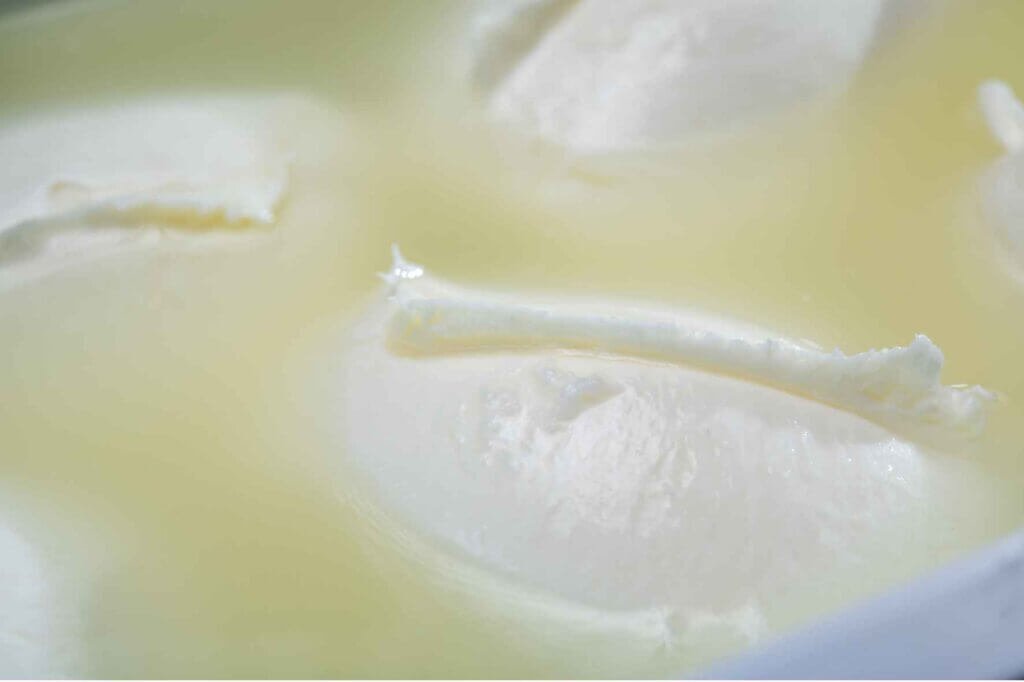
One of the biggest mistakes beginners make involves skipping the soaking step.
Fresh Akkawi often tastes much saltier than people expect.
Fortunately, fixing that problem takes very little effort.
Start by cutting the cheese into slices or cubes.
Smaller pieces lose salt faster than large blocks.
Next, place the cheese in a bowl of cold water.
Allow it to soak for at least two hours.
If the cheese still tastes salty, replace the water and continue soaking.
Some people soak Akkawi overnight in the refrigerator.
That method works especially well when preparing large quantities for family gatherings or holidays.
Always taste the cheese before adding it to your recipe.
That simple habit prevents unpleasant surprises later.
Common Mistakes When Cooking with Mozzarella and Akkawi Cheese
Even experienced home cooks occasionally make mistakes with cheese.
Fortunately, avoiding them is easy once you know what to watch for.
Using Fresh Mozzarella Without Draining It
Fresh mozzarella contains plenty of water.
If you skip the draining step, your pizza or baked dish may become watery.
Forgetting to Soak Akkawi Cheese
Unsoaked Akkawi often tastes far too salty.
Always taste it before using it.
Overcooking Mozzarella
High heat for too long makes mozzarella rubbery.
Instead, bake until the cheese melts completely and develops light golden spots.
Choosing Only One Cheese
Professional chefs rarely limit themselves to a single cheese.
Blending different cheeses often creates better flavor, texture, and appearance. Therefore, in the cheese rolls recipe, and the baklava cheese pie I made a mix of mozzarella and akkawi cheese.
Buying Tips
When shopping for mozzarella, look for smooth, creamy cheese without dry edges.
Fresh mozzarella should sit in liquid.
Low-moisture mozzarella should feel firm while remaining flexible.
For Akkawi, choose cheese with an even white color and a fresh dairy aroma.
Avoid cheese that smells sour or develops a slimy surface.
Whenever possible, buy Akkawi from a trusted dairy or specialty market.
Fresh cheese almost always produces better results.
Storage Tips
Store mozzarella according to its type.
Fresh mozzarella stays best in its original liquid inside the refrigerator.
Use it within a few days after opening.
Low-moisture mozzarella lasts longer because it contains less water.
Wrap unused portions tightly to prevent drying.
Store Akkawi cheese in its brine whenever possible.
If you have already soaked the cheese, refrigerate it in an airtight container and use it within a few days.
Freezing works in many recipes.
However, freezing may slightly change the texture of both cheeses.
Frequently Asked Questions
Is Akkawi cheese the same as mozzarella?
No.
Although both cheeses melt well, they differ in flavor, texture, salt content, and production methods.
Which cheese stretches more?
Mozzarella creates longer, more elastic strands.
Why do people soak Akkawi cheese?
Soaking removes excess salt and creates a milder flavor.
Can I use Akkawi cheese on pizza?
Yes.
However, many cooks combine it with mozzarella for better stretch and browning.
Which cheese tastes saltier?
Akkawi almost always tastes saltier because producers preserve it in brine.
Which cheese works best for authentic Lebanese manakish?
Akkawi remains the traditional choice.
Nevertheless, adding mozzarella creates extra stretch without sacrificing flavor.
Final Thoughts
The difference between mozzarella and Akkawi cheese goes far beyond appearance.
Although both cheeses look similar, each one brings its own personality to the table. Mozzarella delivers creaminess, stretch, and beautiful browning. Meanwhile, Akkawi cheese contributes a rich dairy flavor that has shaped Middle Eastern cuisine for generations.
Instead of asking which cheese is better, ask which cheese suits your recipe.
Sometimes mozzarella gives you the perfect pizza.
Sometimes Akkawi creates the ultimate cheese manakish.
Quite often, the most delicious results come from using both together.
That simple combination explains why so many professional chefs and traditional bakeries rely on cheese blends instead of choosing only one variety.
If you enjoy discovering the science behind cooking and learning professional techniques, explore the other recipes and cooking guides on this website. You’ll find detailed tutorials, practical chef’s tips, and recipes that help you cook with more confidence every day.
I’d also love to hear from you. Which cheese do you prefer? Do you always use mozzarella, or does Akkawi have a permanent place in your kitchen? Share your experience in the comments below.
Finally, don’t forget to visit my YouTube channel, where I share step-by-step recipes, professional cooking techniques, and the little secrets that make a big difference in every dish.

Chef François El Aaraj is a corporate chef and culinary consultant with more than 30 years of experience in professional kitchens and restaurant openings across Lebanon and abroad. Through this website, he shares authentic recipes, cooking techniques, and chef secrets designed to help home cooks create flavorful meals with confidence.
Leave a Reply