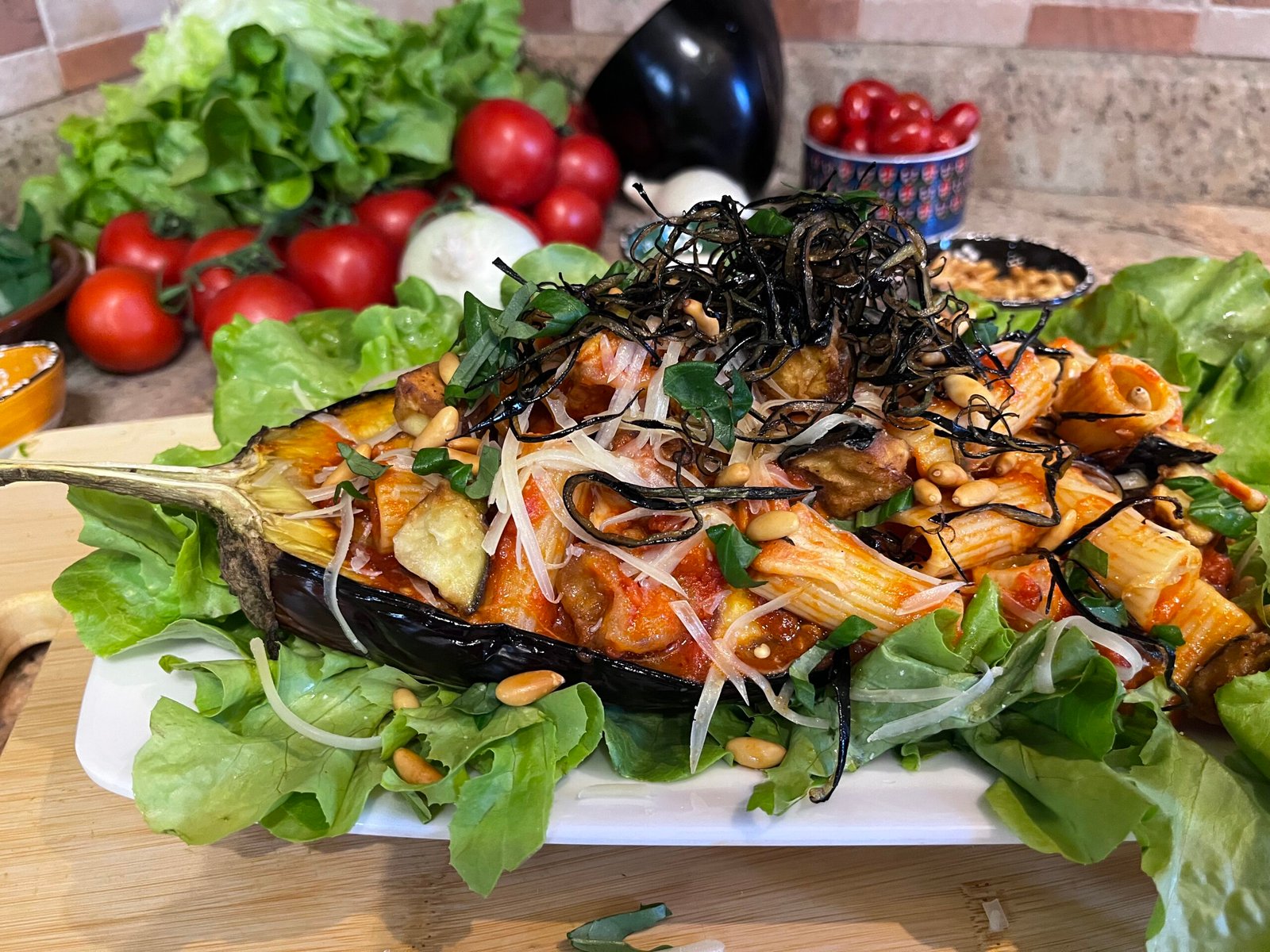
Cooking is, above all, a real pleasure. And once you learn the basics and follow each step calmly, everything becomes much easier. In fact, with the right method, the kitchen feels relaxed and fun. As a result, even simple dishes like this rigatoni alla Siciliana turn into delicious moments to enjoy and share.
A Recipe That Became Part of Our Family Story
Some recipes become favorites because they taste good. Others become part of your family’s story. Rigatoni Alla Siciliana is one of those recipes for us.
Back in 2003, while my wife and I were still dating, we decided to have a romantic dinner at La Piazza, one of Beirut’s most beloved Italian restaurants at the time, located in Downtown Beirut. She ordered a dish neither of us had tried before: Rigatoni Alla Siciliana.
From the very first bite, she fell in love with it.
Ever since that evening, this pasta has become one of the dishes she asks me to prepare for every special occasion we celebrate together. Anniversaries, birthdays, quiet romantic dinners at home… somehow Rigatoni Alla Siciliana always finds its way onto the table.
She often tells me that nobody makes it as well as I do. Maybe that’s love speaking! However, she always prefers eating her favorite dishes when I cook them rather than ordering them in a restaurant. As a chef, I honestly can’t imagine receiving a greater compliment.
From a Romantic Dinner to a Family Favorite
The best part of this story happened while I was preparing this very recipe to film the video and write this article.
As I was cooking, my wife was telling our two daughters how this recipe became part of our story. Both of them have never been fans of eggplant, so I wasn’t expecting much enthusiasm. But curiosity got the better of them.
They each took a bite.
Then another.
Before dinner was over, they had completely changed their minds.
That was the moment this stopped being just my wife’s favorite pasta and became one of our family’s favorite meals. Today, it’s one of those rare recipes that everyone at our table agrees on. Those are always the dishes that end up being cooked again and again.
I hope it finds a place around your family’s table too, and maybe, years from now, it becomes part of your own story just as it became part of ours.
Origins of the “Rigatoni Alla Siciliana”
Rigatoni alla Siciliana finds its roots in the heart of Sicily. Where cooking is guided by simplicity, sun-ripened ingredients, and respect for tradition. In fact, this dish reflects the island’s rich agricultural heritage, combining pasta with tomatoes, eggplant, olive oil, and cheese—ingredients deeply tied to Sicilian daily life.
Traditionally, eggplant symbolizes Sicily’s warm climate and Mediterranean soul, while the sauce celebrates slow, honest cooking. Over time, this recipe became a comforting classic, loved for its rustic flavors and generous character.
Rigatoni alla Siciliana- A Dish Rich in Nutrients
The rigatoni alla Siciliana is not only tasty but also nourishing. Thanks to tomatoes and eggplant, it provides fiber and antioxidants. In addition, olive oil adds healthy fats. As a result, the pasta feels satisfying yet balanced, making it a comforting meal that supports energy and well-being.
Rigatoni (pasta)
Rigatoni provides carbohydrates, which are the body’s main source of energy. As a result, it helps fuel your muscles and brain. When eaten in a balanced portion, pasta keeps you satisfied and energized for longer.
Eggplant
Eggplant is rich in fiber, which supports digestion and helps you feel full. In addition, it contains antioxidants that protect the body’s cells. Because it absorbs flavors well, it adds both nutrition and depth to the dish.
Tomatoes
Tomatoes are packed with vitamins C and A, which support immunity and skin health. Moreover, they contain lycopene, a powerful antioxidant. As a result, the sauce is both fresh and nourishing.
Olive oil
Olive oil is a key source of healthy fats. It helps support heart health and improves nutrient absorption. At the same time, it brings smoothness and richness to the dish without heaviness.
Cheese
Cheese adds protein and calcium, which support muscles and bones. In moderation, it enhances flavor while contributing to a more balanced and satisfying meal.
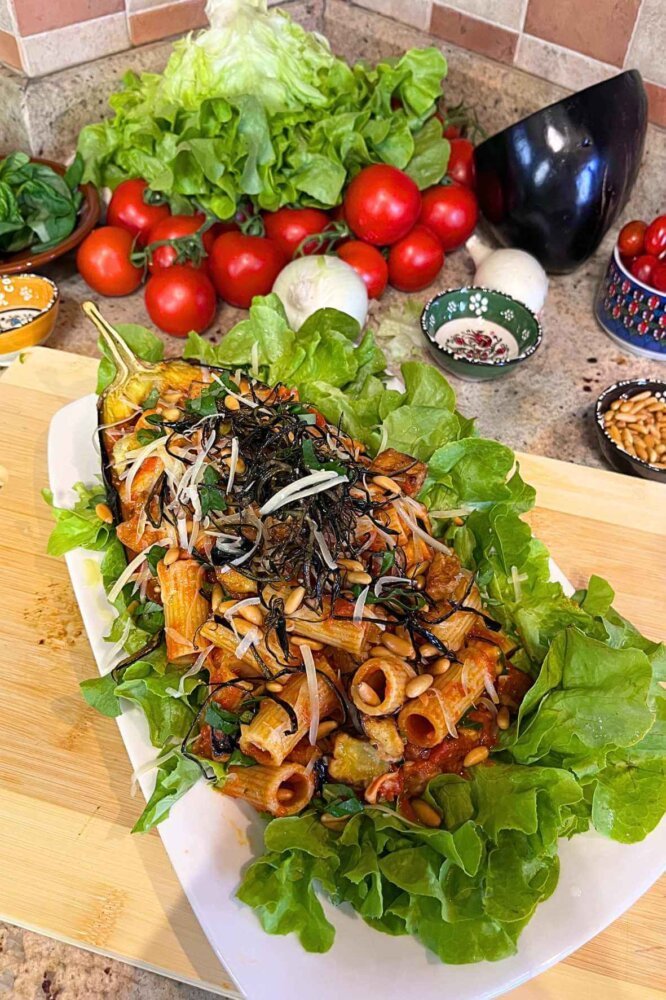
Rigatoni alla Siciliana
Ingredients
Method
- Take one large eggplant and cut it lengthwise, keeping the stem attached.
- Using a knife, gently score the flesh diagonally in one direction.
- Then repeat in the opposite direction to create a light crisscross pattern.
- Be careful not to cut through the skin.
- This helps the eggplant cook evenly and absorb seasoning better.
- Drizzle lightly with olive oil.
- Season with a pinch of salt and a pinch of ground black pepper.
- Place the eggplant halves on a baking tray, covered with a parchment paper, cut side facing down.
- Bake in a preheated oven at 200°C (390°F) for 10 minutes, until softened.
- Remove from the oven and set aside.
- This baked eggplant will be used later as the serving base for the rigatoni.
- Using a large peeler, take three large peels from the second eggplant.
- Slice the peels into thin strips- these will become crispy garnish chips later.
- Heat oil in a frying pan (enough to fry the eggplant chips and eggplant cubes later on)
- Add the eggplant peel strips and fry until crispy and golden.
- Drain on paper towel and season with salt.
- Cut the peeled eggplant flesh into bite-sized cubes.
- Sprinkle the cubes with a pinch of salt and let them sit 10-15 min to draw out water.
- In the same heated oil, we used previously, add the cubed eggplant.
- Fry until golden brown and slightly crispy.
- Scoop out and drain on paper towels.
- Save half of these cubes to fold into the sauce and half for topping the final dish.
- Preheat a skillet, pour 5 tbsp (75 g) olive oil.
- Add 6 sliced garlic cloves and cook gently until aromatic and light golden- don’t burn the garlic.
- Add 3 sliced basil leaves.
- Directly add the 400 g peeled tomatoes to prevent the basil from darkening.
- Pour 300 g tomato sauce.
- Season with sea salt and ground black pepper.
- Bring a large pot of well-salted water to a boil.
- Add 250 g Rigatoni and cook until al dente (usually 1-2 minutes less than package time).
- Before draining, reserve 1/2 cup of pasta water.
- Drain pasta in a colander.
- Add the drained rigatoni directly into the skillet with the tomato sauce.
- Toss gently so all pasta is coated.
- Add a bit of reserved pasta water to make the sauce denser.
- Stir in most of the fried eggplant cubes.
- Add the Mozzarella cubes.
- Last, sprinkle with olive oil.
- At first, mash the inside of the eggplant boats.
- Then, cover each with a tbsp of tomato sauce.
- Sprinkle with Parmesan.
- Plate the pasta mixture.
- Grate Parmesan over the top.
- Scatter the rest of the fried eggplant pieces on top for texture.
- Sprinkle with fresh chopped basil leaves.
- Top with fried pine nuts and eggplant chips.
Video
How to Keep Eggplant from Absorbing Too Much Oil
One of the biggest complaints people have when frying eggplant is how much oil it seems to absorb. Fortunately, there’s a simple technique I’ve used throughout my career that makes a noticeable difference.
After peeling and dicing the eggplant, place the pieces in a colander and sprinkle them generously with salt. Toss them well so every piece is lightly coated, then let them rest for at least 30 to 60 minutes. If you have the time, leaving them for 2 to 4 hours works even better, especially with larger eggplants.
As the salt draws moisture out of the eggplant, you’ll notice beads of water forming on the surface and collecting underneath. This process not only removes some of the excess moisture but also helps the eggplant absorb less oil during frying, giving you a lighter texture and a less greasy final dish.
Once the resting time is over, gently squeeze the eggplant pieces to remove any remaining liquid, then rinse them briefly under cold water to wash away the excess salt. Finally, pat them completely dry with paper towels or a clean kitchen towel before frying.
Taking a little extra time for this step makes a remarkable difference. The eggplant develops a beautiful golden crust instead of acting like a sponge. This will allow the rich tomato basil sauce to remain the star of the dish rather than excess oil.
Why I Fry and Roast the Eggplant
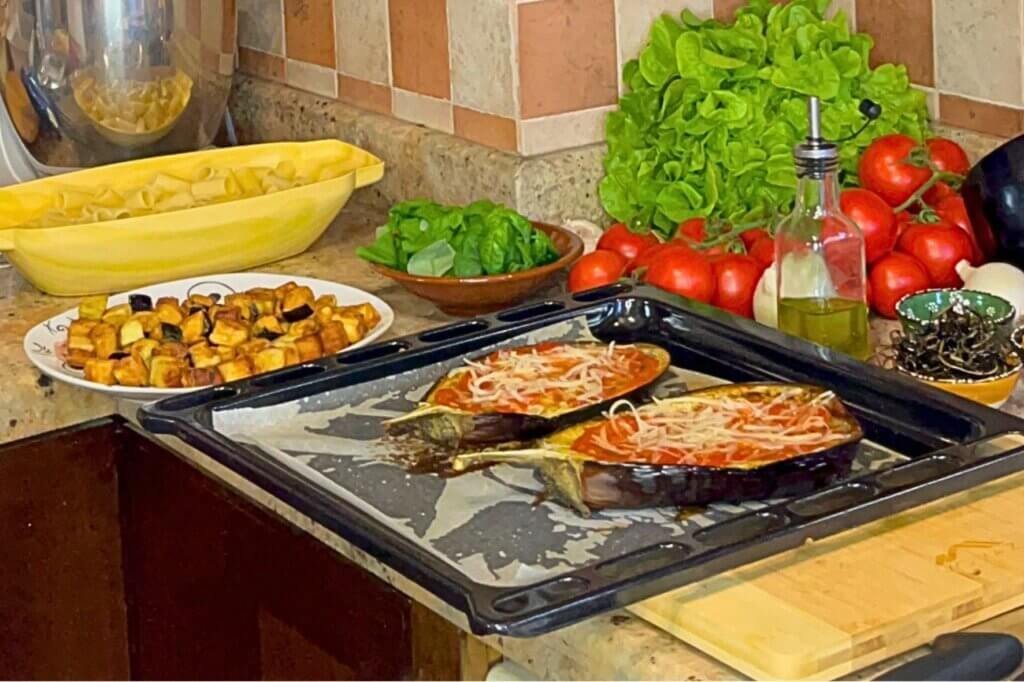
If you’ve looked at different Rigatoni Alla Siciliana recipes, you may have noticed that many use only fried eggplant or only roasted eggplant. Over the years, I’ve found that combining both techniques gives the best balance of flavor, texture, and presentation.
The diced eggplant is lightly fried before being added to the tomato sauce. Frying creates a golden exterior and a creamy interior that melts beautifully into the sauce, giving the dish its signature Sicilian character. Those little bites of eggplant absorb the flavors of the garlic, basil, and tomatoes while keeping their own rich taste.
For serving, however, I roast the halved eggplant instead of frying it. Roasting softens the flesh, enhances its natural sweetness, and creates the perfect edible bowl for the pasta without making it heavy or greasy. It also transforms a simple pasta dish into something that looks elegant enough to serve at a dinner party.
This combination allows you to enjoy the best of both worlds: the deep, rich flavor of fried eggplant inside the sauce and the delicate sweetness of roasted eggplant in every bite you scoop from the bowl. It’s one of those small details that makes this version of Rigatoni Alla Siciliana feel a little more special, both in flavor and presentation.
Why This Recipe Uses Mozzarella Cubes
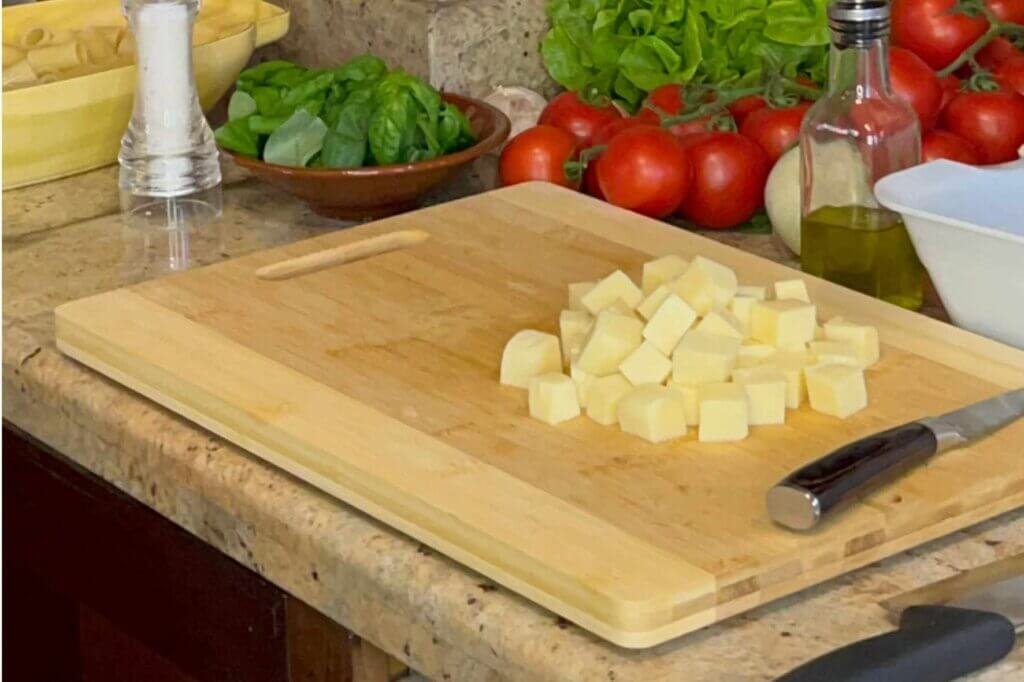
If you’ve looked at different recipes for Rigatoni Alla Siciliana, you may have noticed that some use mozzarella while others mention ricotta salata, a traditional Sicilian sheep’s milk cheese. This often leaves people wondering which one is the “correct” choice.
The answer lies in the history of the dish.
The original Sicilian pasta that inspired today’s Rigatoni Alla Siciliana is Pasta alla Norma, a classic recipe from the city of Catania. Traditionally, it was prepared with fried eggplant, tomato sauce, fresh basil, and a generous grating of ricotta salata. This firm, salty cheese doesn’t melt but adds a delicate savory flavor that perfectly complements the sweetness of the tomatoes and eggplant.
For generations, this combination represented authentic Sicilian home cooking. The simplicity of the ingredients allowed each one to shine, proving that exceptional dishes don’t always require complicated techniques or long ingredient lists.
From Ricotta Salata to Melted Mozzarella
As Italian cuisine spread around the world, many restaurants began adapting the recipe to suit local tastes and ingredient availability. One of the most noticeable changes was replacing ricotta salata with low-moisture mozzarella, creating the creamy, comforting version that became especially popular in Italian restaurants throughout Europe and the Middle East.
This is the version I first came to know and the one that has become a favorite in my own kitchen.
Low-moisture mozzarella, often sold as pizza mozzarella or processed mozzarella, has a much lower water content than fresh mozzarella. As it melts, it creates soft, creamy pockets throughout the pasta without releasing excess moisture into the sauce. The result is a rich, velvety texture that coats every piece of rigatoni while still allowing the flavors of the tomatoes, basil, garlic, and eggplant to shine.
Fresh mozzarella can certainly be used if that’s what you have on hand, but because it contains much more water, I recommend draining it thoroughly and patting it dry before adding it to the pasta. Otherwise, the sauce may become thinner than intended.
What My Family Prefers
Both versions deserve to be appreciated. The traditional Sicilian recipe celebrates the bold, salty character of ricotta salata, while the restaurant-style version offers the irresistible creaminess of melted mozzarella. Neither is wrong—they simply tell different chapters of the same culinary story.
For this recipe, I’ve chosen the version that has delighted my family for years and reminds us of that unforgettable dinner in Beirut back in 2003. Every time those cubes of mozzarella melt into the sauce, they bring back the flavors that made us fall in love with this dish in the first place.
If you’re curious about why mozzarella behaves so differently from cheeses like Akkawi, I’ve written a dedicated article explaining the differences between mozzarella and Akkawi cheese, including their texture, melting properties, flavor, and the best culinary uses for each. It’s a helpful guide if you’re wondering which cheese to choose for different recipes.
One Pasta, Countless Flavor Combinations
One of the reasons pasta has remained a favorite around the world is its incredible versatility. With just a few simple ingredients, you can create an entirely different meal by changing the sauce. Whether you’re using rigatoni, spaghetti, penne, or fettuccine, the sauce is what gives each dish its unique personality.
For this Rigatoni Alla Siciliana, I chose a classic tomato and basil sauce because it beautifully complements the fried eggplant, melted mozzarella, and fresh basil. The sweetness of ripe tomatoes and the freshness of basil create a rich yet balanced sauce that has stood the test of time in Italian cuisine.
This is also the same homemade tomato basil sauce I use in my Eggplant Bruschetta recipe. It’s one of those versatile sauces that every home cook should know because it can become the foundation for so many delicious Italian dishes.
From Fresh Pesto to Aglio e Olio
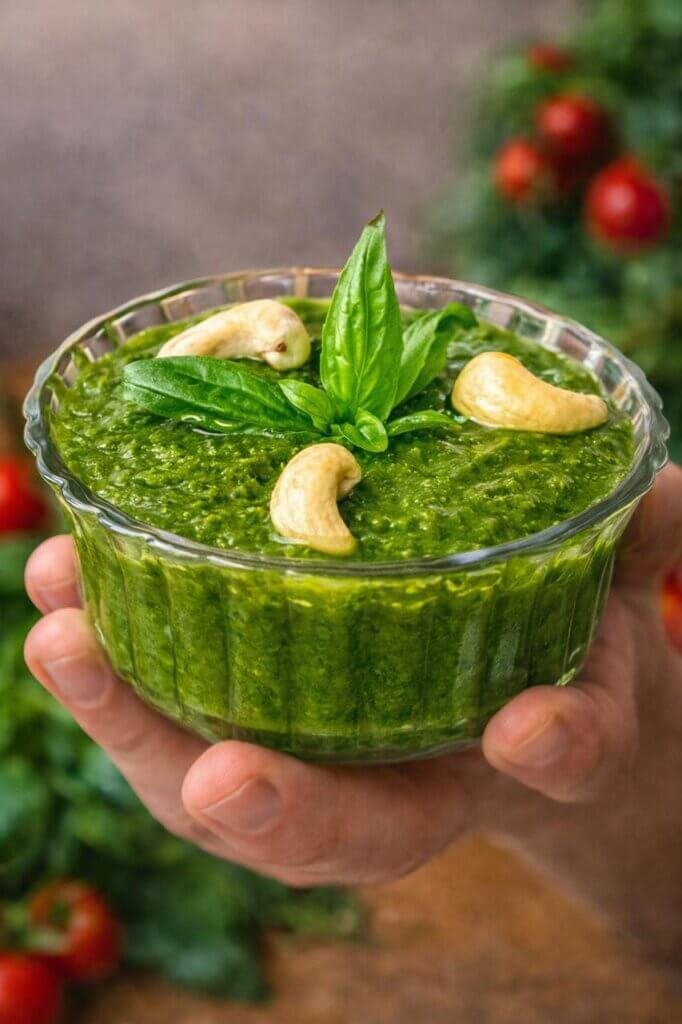
While tomato sauce is one of Italy’s most iconic pasta sauces, it’s only the beginning. On days when I want something lighter and bursting with fresh herbs, I often prepare my homemade Pesto Sauce. Made with basil, Parmesan cheese, pine nuts, garlic, and extra virgin olive oil, it’s quick to make and coats the pasta with an incredibly fresh and aromatic flavor.
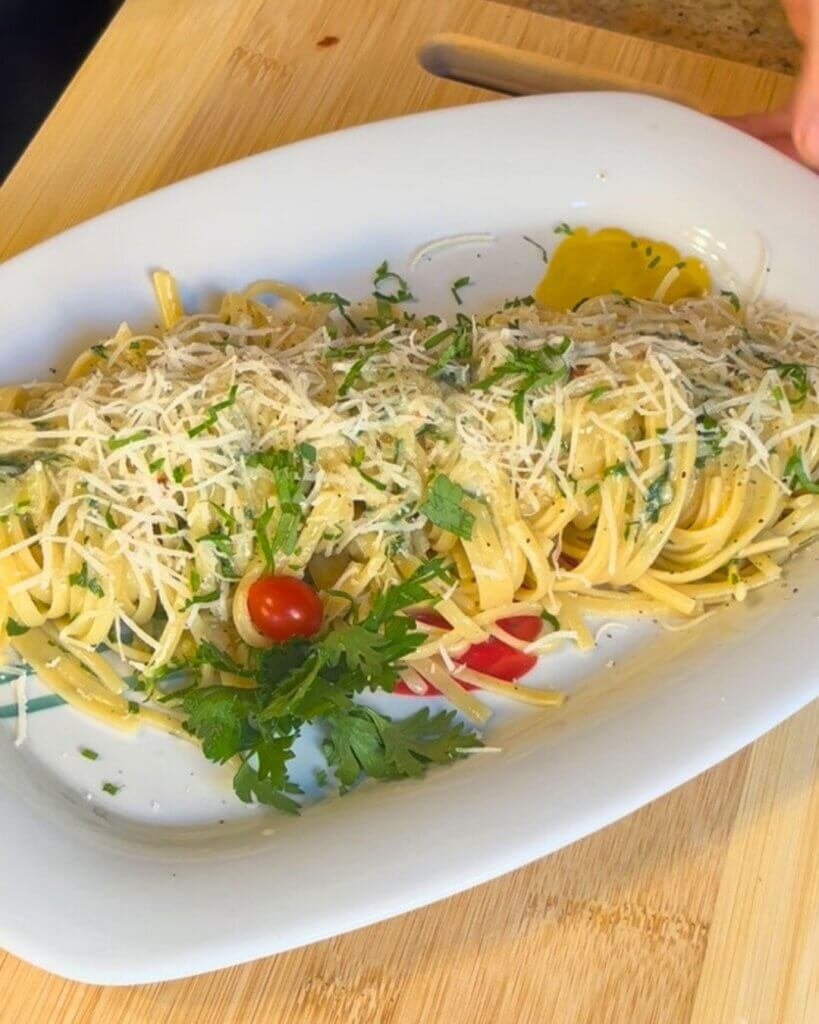
When I’m in the mood for something even simpler, Aglio e Olio is always a wonderful choice. With only garlic, extra virgin olive oil, parsley, and a touch of chili flakes, it proves that some of the world’s greatest recipes are also among the simplest. The secret lies in using quality ingredients and preparing them with care.
Discover Your Next Favorite Pasta
One of the joys of learning to cook is discovering that mastering a few classic sauces opens the door to dozens of different meals. Instead of relying on store-bought sauces, you can prepare fresh, homemade versions that are richer in flavor and made with ingredients you trust.
If you enjoyed this Rigatoni Alla Siciliana, I encourage you to explore my other pasta recipes as well. From the comforting richness of a homemade tomato basil sauce to the vibrant freshness of pesto and the timeless simplicity of Aglio e Olio, each recipe has its own story, its own character, and its own place at the family table. I hope you’ll enjoy trying them all.
Bon Appetit!

In the end, Rigatoni alla Siciliana is more than just a pasta dish. It is a celebration of simple ingredients, bold flavors, and traditional Italian cooking. Moreover, this recipe proves that with the right technique, you can create a rich and comforting meal at home. Therefore, whether you are cooking for family or friends, this dish is always a great choice. Most importantly, the full recipe comes to life in the video, where every step is shown clearly. So, don’t forget to watch the video, explore the full instructions, and visit the YouTube channel for more authentic Italian recipes and cooking tips.

Chef François El Aaraj is a corporate chef and culinary consultant with more than 30 years of experience in professional kitchens and restaurant openings across Lebanon and abroad. Through this website, he shares authentic recipes, cooking techniques, and chef secrets designed to help home cooks create flavorful meals with confidence.
Leave a Reply