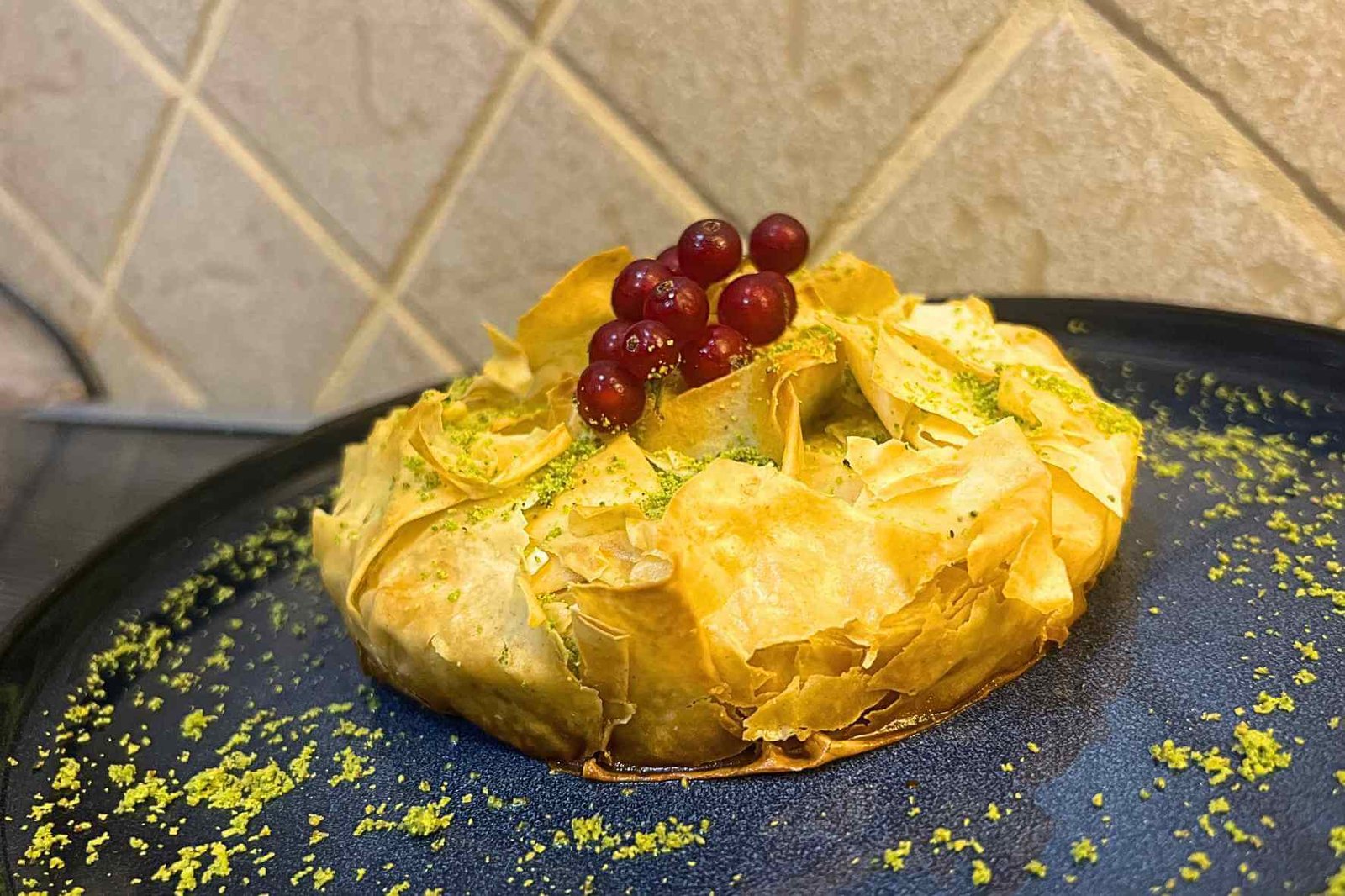
Imagine biting into dozens of crisp, buttery layers that shatter with every bite before revealing a warm, stretchy cheese filling inside. That is exactly what makes this Baklava Cheese Pie so irresistible.
Although the word baklava usually makes people think of syrup, pistachios, and sweet desserts, this recipe takes the same delicate phyllo dough in a completely different direction. Instead of sugar, every layer hides a rich blend of cheeses that melts beautifully in the oven while the pastry turns perfectly golden and crisp.
Growing up in Lebanon, savory pastries were never reserved for special occasions. They appeared on breakfast tables, family gatherings, weekend brunches, and even as quick dinners served with fresh vegetables. Some families prepared individual cheese rolls, while others baked large trays that everyone could share. No matter the shape, they always disappeared within minutes.
What I love about this recipe
One thing I have always loved about this recipe is how elegant it looks despite being surprisingly simple to make. Guests often assume it requires advanced pastry skills because of its beautiful layers. In reality, once you understand how to work with phyllo dough, the recipe becomes easy enough to prepare any day of the week.
I have prepared countless savory pastries throughout my culinary career. From restaurant kitchens to home cooking, I have learned that the secret to exceptional phyllo pastries is not expensive ingredients. Instead, success comes from understanding how each layer behaves during baking.
When every sheet receives just the right amount of ghee and the cheese filling stays balanced, the result is a pie that stays crisp while the filling remains wonderfully creamy.
If you are looking for a savory pie that is crispy, cheesy, and guaranteed to impress your family or guests, this Baklava Cheese Pie deserves a place in your recipe collection.
What Is Baklava Cheese Pie?
Despite its name, Baklava Cheese Pie is not a dessert. Instead, it is a savory pastry made with the same paper-thin phyllo dough traditionally used for sweet baklava.
Rather than filling the pastr,y with nuts and syrup, this version combines several cheeses to create a rich, flavorful filling that melts beautifully during baking. Each sheet of phyllo is lightly brushed with ghee, creating dozens of delicate layers that become incredibly crisp in the oven.
The combination of crunchy pastry and soft cheese creates a wonderful contrast of textures. Every bite delivers buttery flakes followed by warm, gooey cheese.
Across Lebanon and the Eastern Mediterranean, many families have their own variation. Some prefer using only Akkawi cheese. Others add feta for extra tanginess or mozzarella for its stretchy texture. Herbs such as fresh thyme or parsley are also popular additions that bring freshness without overpowering the cheese.
Although the ingredients may vary from one household to another, the goal always remains the same: achieving perfectly crisp pastry with a rich, balanced filling.
Why This Recipe Works So Well
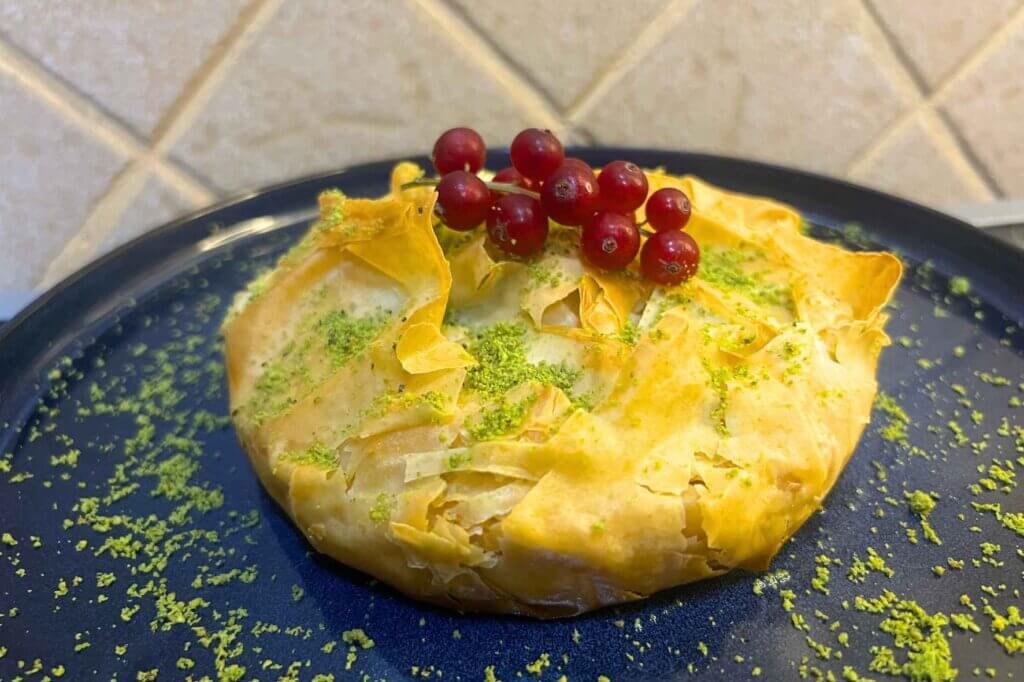
Some recipes become family favorites because they are quick. Others earn their place because they taste amazing. This Baklava Cheese Pie manages to do both.
The secret lies in the combination of three different cheeses, each contributing its own unique texture and flavor.
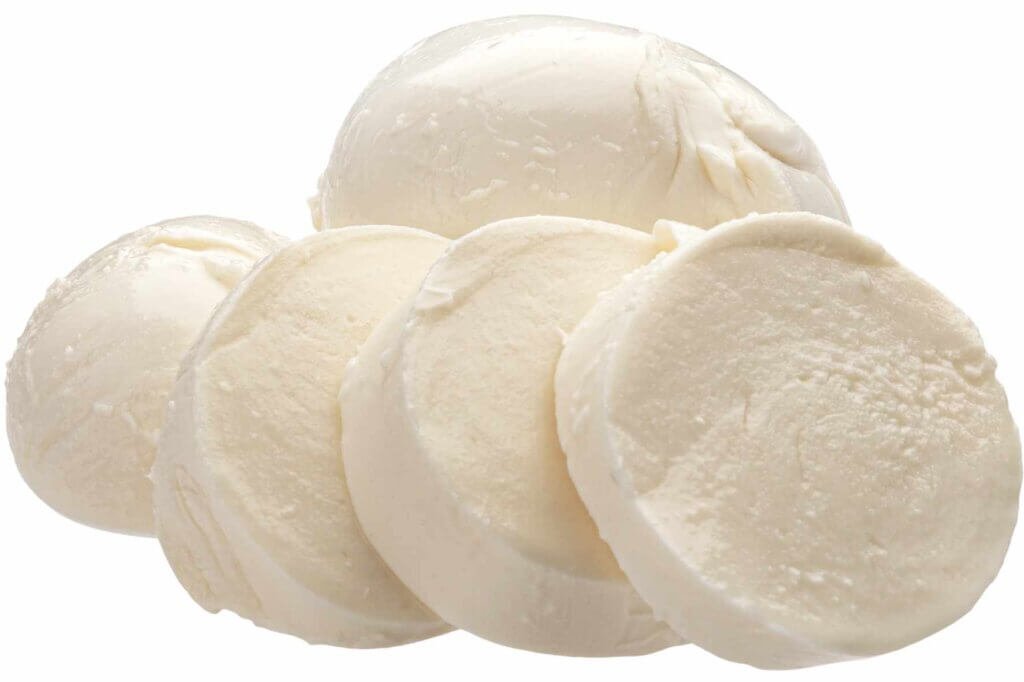
Akkawi cheese provides the traditional Lebanese taste. It has a mild, milky flavor and a firm texture that gives the filling its authentic character.
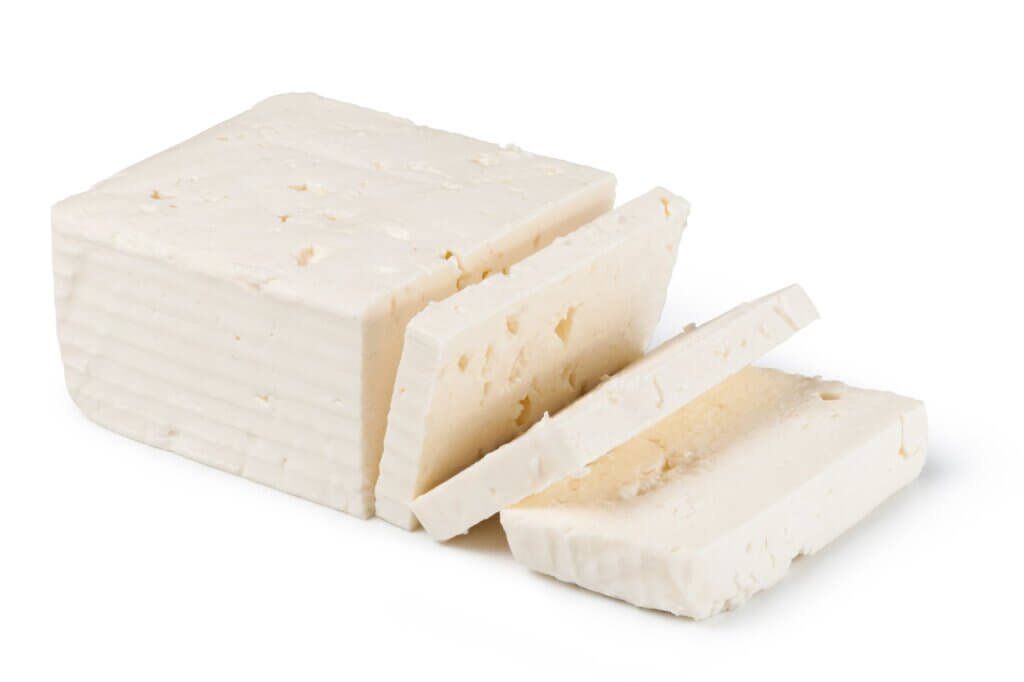
Feta cheese adds a pleasant tanginess that balances the richness of the other cheeses, preventing the filling from becoming too heavy.
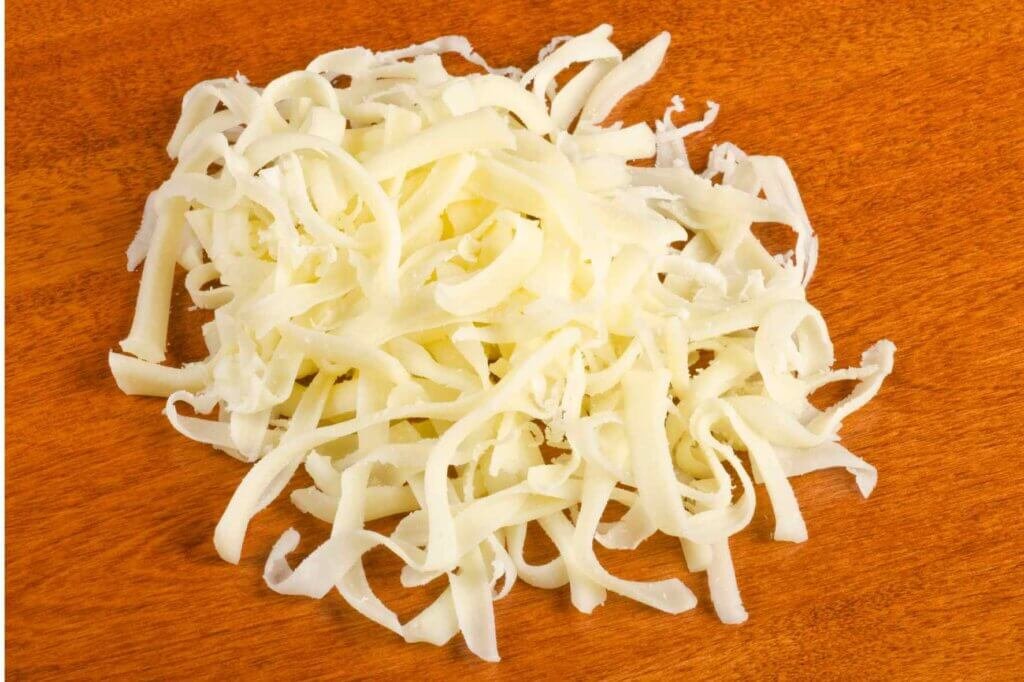
Finally, mozzarella cheese melts beautifully and creates the irresistible cheese pull that makes every bite so satisfying.
Instead of relying on just one cheese, this recipe combines the strengths of each one. The result is a filling that is creamy, flavorful, stretchy, and perfectly balanced.
If you’ve ever wondered why these cheeses work so well together, you may also enjoy our article on the difference between Mozzarella and Akkawi cheese. In it, we compare their flavor, texture, melting properties, and the best ways to use each one in different recipes. Understanding the role of each cheese will help you choose the perfect combination not only for this pie but for many other savory dishes as well.
The pastry contributes just as much to the final result. Thin layers of phyllo dough create an incredibly crisp shell that contrasts beautifully with the warm, creamy cheese filling. Every bite delivers the perfect balance of crunch and melt-in-your-mouth texture.
The Secret to Crispy Phyllo Layers in The Baklava Cheese Pie
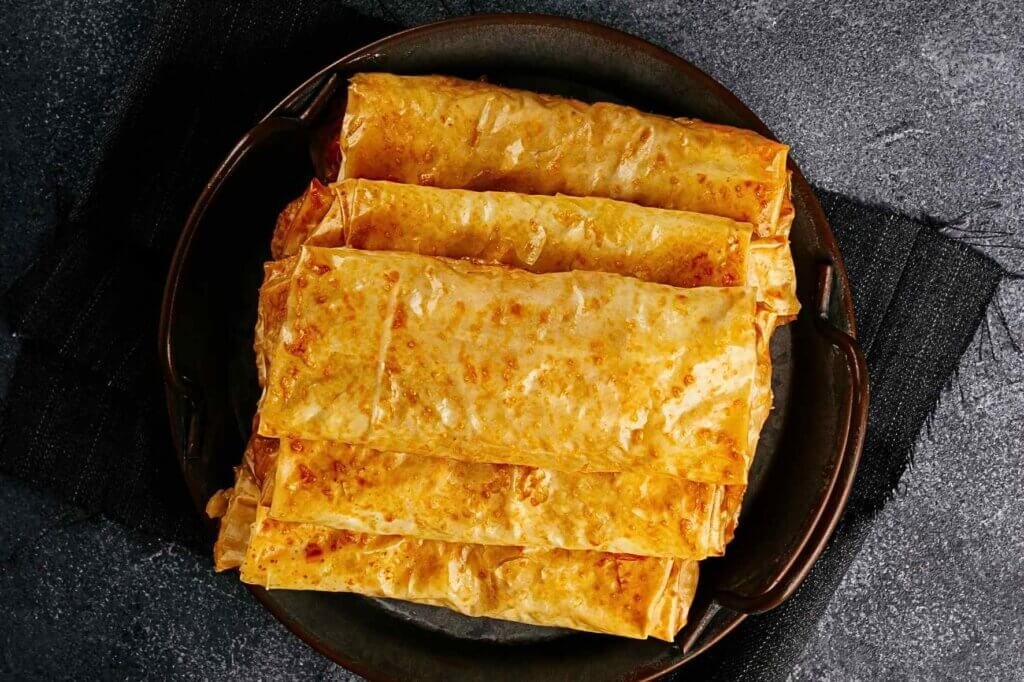
People often think that phyllo dough is difficult to work with. In reality, most problems come from a few simple mistakes.
One of the biggest secrets I always follows is brushing every layer lightly with ghee instead of pouring large amounts onto the pastry.
Too much fat makes the layers greasy.
Too little prevents proper browning.
A thin, even coating allows steam to separate each sheet during baking. As moisture escapes, the layers puff slightly and become wonderfully crisp.
Another important step is keeping the phyllo covered while you work. Since the sheets are incredibly thin, they dry out within minutes when exposed to air. Covering them with a slightly damp towel keeps them flexible until you’re ready to assemble the pie.
Finally, avoid pressing the layers too firmly. Loose layers allow hot air to circulate between them, creating the delicate flaky texture everyone expects.
While these tips will help you make a perfectly crispy and flavorful Baklava Cheese Pie, seeing each technique in action makes the process even easier. In my video recipe, I show you every step, from handling the delicate phyllo dough to preparing the cheese filling and brushing each layer with ghee.
Why We Use Three Different Cheeses
Many people ask why this recipe combines several cheeses instead of using just one.
The answer is simple.
No single cheese provides everything we want.
Akkawi cheese gives the pie its authentic Lebanese character.
Feta cheese adds brightness and balances the richness.
Mozzarella melts beautifully and creates a creamy, stretchy filling.
Together, these cheeses complement each other instead of competing.
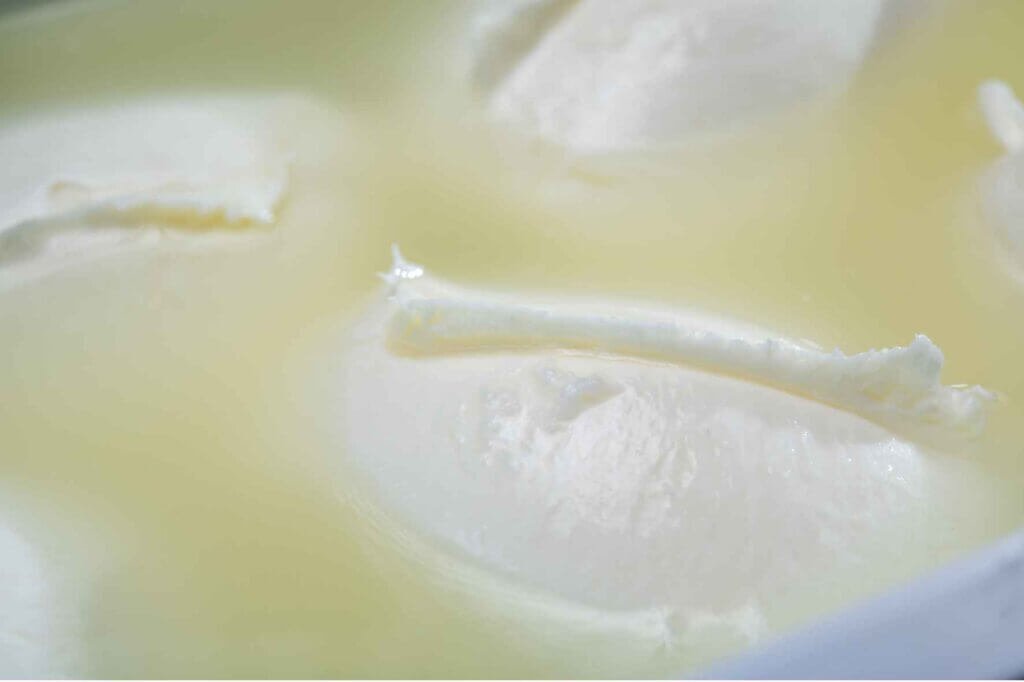
If your Akkawi cheese is particularly salty, soak it in cold water before using it. This simple step makes a huge difference and allows the other flavors to shine.
Choosing Good Phyllo Dough
Fresh phyllo dough produces the best results, but frozen phyllo works equally well if thawed properly.
Never rush the thawing process.
Instead, transfer the package from the freezer to the refrigerator the night before.
Allowing it to thaw slowly helps prevent condensation, which can make the sheets sticky and difficult to separate.
Once opened, keep unused sheets covered with a clean kitchen towel to prevent drying.
Working patiently with phyllo is far easier than trying to rescue cracked, brittle sheets later.
Common Mistakes to Avoid When Making Baklava Cheese Pie
Even though Baklava Cheese Pie is simple to prepare, a few common mistakes can prevent you from achieving those beautifully crisp layers and creamy filling. Fortunately, each one is easy to avoid once you know what to look for.
Using Cheese That Is Too Wet
The filling should be creamy, but it should never be watery.
Fresh cheeses naturally release moisture as they heat. If there is too much liquid, the steam softens the phyllo from the inside, leaving the bottom of the pie soggy instead of crisp.
Before mixing the cheeses, make sure they are well drained. If your mozzarella is packed in water, pat it dry with paper towels. Likewise, if your Akkawi cheese has been soaked to remove excess salt, drain it thoroughly before grating it.
A dry filling allows the pastry to stay light and flaky while the cheese melts perfectly.
Brushing Too Much Ghee Between the Layers
It may seem that adding extra ghee will make the pastry crispier, but the opposite often happens.
Too much fat weighs the delicate sheets down and can make the pie greasy instead of flaky. Instead, use a pastry brush to apply a thin, even coating over each layer. This small amount is enough to separate the sheets as they bake and create the signature crisp texture.
Remember, every layer needs just enough ghee to coat it—not soak it.
Forgetting to Keep the Phyllo Covered
Phyllo dough dries out surprisingly fast.
While you are assembling the pie, always keep the remaining sheets covered with a clean kitchen towel. If your kitchen is particularly warm or dry, lightly dampen the towel first. This helps prevent the edges from becoming brittle and cracking before you have a chance to use them.
Taking this simple precaution makes assembling the pie much easier.
Overfilling the Pie
A generous filling may sound tempting, but too much cheese creates several problems.
First, the filling expands as it heats, which can force the layers apart. Second, excess moisture escapes into the pastry, making it less crisp. Finally, the pie becomes more difficult to slice neatly after baking.
Using the recommended amount of filling creates the perfect balance between crunchy pastry and gooey cheese.
Baking Before the Oven Is Fully Heated
Always preheat your oven completely before the pie goes in.
A hot oven immediately starts creating steam between the layers of phyllo, helping them puff and separate. If the oven is not hot enough, the ghee melts slowly into the pastry before the layers have a chance to crisp.
The result is a heavier texture and less color.
Patience during preheating is rewarded with a beautifully golden pie.
Can You Prepare Baklava Cheese Pie Ahead of Time?
One of the things I appreciate most about this recipe is how convenient it is for entertaining.
You can assemble the entire pie several hours before serving, cover it tightly, and refrigerate it until you’re ready to bake. This allows you to enjoy time with your guests instead of rushing around the kitchen at the last minute.
If you want to prepare it even further in advance, the unbaked pie also freezes beautifully. Simply wrap it well to prevent freezer burn and bake it straight from frozen. You may need to add a few extra minutes to the baking time, but the pastry will still become wonderfully crisp.
Leftovers are equally delicious. Store them in an airtight container in the refrigerator for up to three days.
To restore the crispy texture, reheat the pie in the oven or an air fryer rather than using a microwave. While the microwave warms the cheese quickly, it softens the delicate phyllo layers. Dry heat, on the other hand, brings the crispness back almost as if the pie were freshly baked.
What to Serve with Baklava Cheese Pie
One of the reasons I love making this Baklava Cheese Pie is its versatility. It fits just as naturally on a leisurely weekend breakfast table as it does on a mezze spread, a holiday buffet, or a light dinner. The rich, cheesy filling pairs beautifully with fresh, vibrant sides that balance every crispy bite.
If you’re serving it for breakfast or brunch, keep things simple. A plate of sliced tomatoes, cucumbers, fresh mint, olives, and crunchy radishes complements the buttery pastry without overpowering it. The fresh vegetables add brightness and a refreshing contrast to the warm cheese.
For lunch or dinner, pair the pie with a crisp green salad dressed in olive oil and lemon juice. The acidity of the dressing cuts through the richness of the cheese and leaves every bite feeling light rather than heavy.
Creamy dips also make wonderful companions. Homemade labneh drizzled with extra virgin olive oil, a bowl of tangy yogurt with fresh herbs, or even a spoonful of homemade sour cream can add another layer of flavor. If you enjoy experimenting, try serving it with one of the homemade dips from our recipe collection to create an impressive mezze platter.
Whenever I serve this pie,I like to keep the side dishes simple. The goal is to let the flaky pastry and the blend of cheeses remain the stars of the table. Fresh ingredients always enhance the experience better than overly complicated accompaniments.
If you’re hosting guests, arrange the pie alongside olives, pickled vegetables, roasted nuts, and fresh herbs. This simple presentation transforms an everyday recipe into an elegant spread that everyone will want to gather around.
Easy Variations to Try
Once you’ve mastered the classic recipe, it’s easy to customize it to suit your taste. In fact, this is one of those recipes that encourages creativity without sacrificing its delicious texture.
Add Fresh Herbs
Fresh thyme gives the filling a delicate earthy flavor, but it isn’t the only option. Chopped parsley, dill, chives, or even a little fresh oregano all pair beautifully with the cheeses. Each herb creates a slightly different personality while keeping the recipe unmistakably Mediterranean.
Include Spinach
If you’d like to add vegetables, finely chopped spinach is an excellent choice. Simply sauté it first and squeeze out as much moisture as possible before mixing it with the cheese. Removing the excess liquid is essential, otherwise the filling can become too wet and soften the crisp layers of phyllo.
Try Different Cheeses
The combination of Akkawi, feta, and mozzarella is my favorite because each cheese contributes something unique. However, depending on where you live, you can experiment with other cheeses as well.
Halloumi adds a firmer texture and a pleasantly salty flavor, while Kashkaval brings a richer, slightly nutty taste. You can even mix in a small amount of grated Parmesan for extra depth, although I recommend using it sparingly so it doesn’t overpower the traditional flavors.
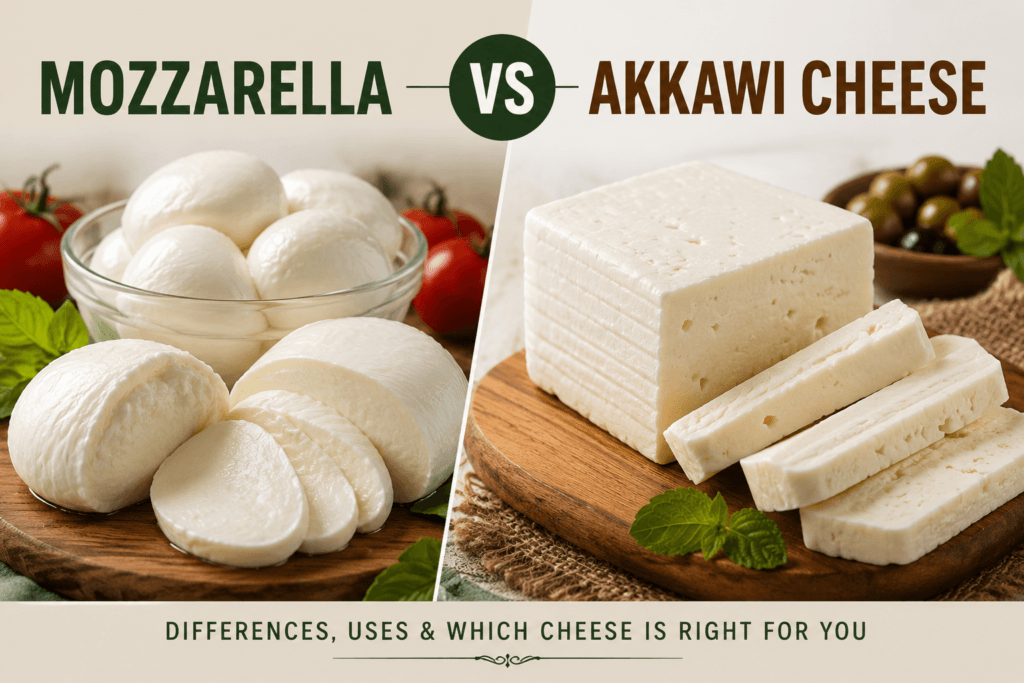
For more ideas on choosing the best cheeses, don’t miss our article comparing mozzarella and Akkawi cheese, where we explain how each cheese behaves in different recipes.
Sprinkle with Seeds
Before baking, sprinkle the top with sesame seeds or nigella seeds. Besides adding visual appeal, they provide a subtle crunch and an extra layer of flavor that works beautifully with the buttery pastry.
Make Individual Portions
Instead of baking one large pie, divide the phyllo into smaller portions and make individual pies. They bake slightly faster and are perfect for lunchboxes, picnics, parties, or serving as elegant appetizers.
No matter which variation you choose, try to keep the same balance between pastry and filling. Too many additions can overwhelm the delicate layers that make Baklava Cheese Pie so special. Often, the simplest version is still the one that everyone reaches for first.
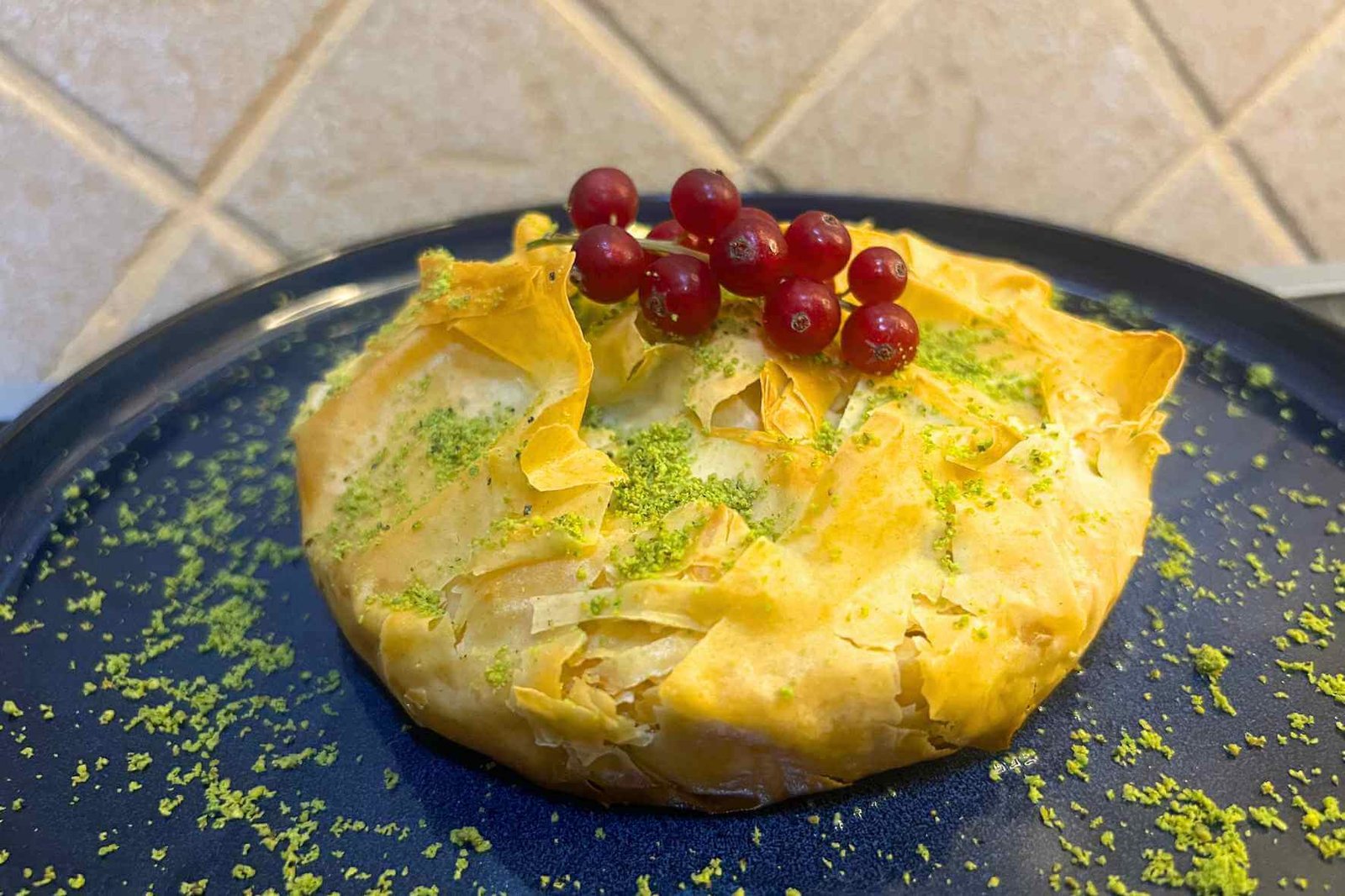
Baklava Cheese Pie
Ingredients
Equipment
Method
- Line a baking tray with parchment paper.
- Place two metal pastry rings on the paper to act as a mold for the pie.
- Brush the bottom of the parchment paper inside the rings with melted ghee.
- Lay down the first sheet of phyllo dough.
- Brush it generously with ghee.
- Lay the next sheet in the opposite direction (crosswise) to ensure even coverage and strength.
- Repeat this process until you have used 5 layers of dough, brushing each layer with ghee.
- Spread the cheese and herb mixture evenly over the center of the dough layers within the rings.
- Fold the overhanging edges of the phyllo dough inward over the cheese.
- Don’t worry about making it perfect; a ruffled, “rose-like” appearance on top adds to the texture.
- Brush the top of the folded dough thoroughly with ghee to ensure a golden, crispy finish.
- Preheat the oven to 170°C (340°F). Bake the pie for 25 minutes.
- Lower the oven temperature to approximately 160°C (320°F) and bake for an additional 10 minutes until the pastry is deeply golden and the cheese is melted.
- Once out of the oven, sprinkle the edges or the center with finely ground pistachios.
- Cut into wedges and enjoy. This pie can be served hot for a gooey cheese pull or at room temperature for maximum crunch.
Video
Notes
Frequently Asked Questions
Can I Make Baklava Cheese Pie in Advance?
Yes. In fact, this recipe is ideal for preparing ahead of time.
You can assemble the entire pie, cover it tightly with plastic wrap, and refrigerate it for up to 24 hours before baking. When you’re ready to serve, simply brush the top with the remaining ghee and bake as directed.
If you’re entertaining guests, preparing the pie in advance makes hosting much more enjoyable because all the hard work is already done.
Can I Freeze Baklava Cheese Pie?
Absolutely.
You can freeze the pie either before or after baking.
For an unbaked pie, wrap it tightly in plastic wrap followed by aluminum foil to protect it from freezer burn. When you’re ready to bake it, there’s no need to thaw it first. Simply bake it directly from frozen, adding about 10 to 15 extra minutes to the baking time.
If you’ve already baked the pie, allow it to cool completely before freezing. Reheat it in the oven until the pastry becomes crisp again.
Can I Use Butter Instead of Ghee?
Yes, but ghee generally produces better results.
Because ghee contains very little water, it helps the phyllo become crisp without creating excess steam. Butter contains milk solids and moisture, which can sometimes soften the layers slightly and brown more quickly.
If butter is all you have, the pie will still be delicious. However, if you want the crispiest possible layers, ghee is worth using.
Do I Need to Soak Akkawi Cheese?
It depends on the brand.
Some Akkawi cheese is quite mild, while others contain a significant amount of salt. Taste a small piece before using it.
If it tastes overly salty, soak it in cold water for one to two hours, changing the water once or twice. Afterwards, drain it very well and gently squeeze out any excess moisture before mixing it with the other cheeses.
This simple step creates a much more balanced filling.
Can I Use Puff Pastry Instead of Phyllo Dough?
Technically, yes, but the result will be completely different.
Puff pastry creates thick, buttery layers that are soft and airy. Phyllo dough, on the other hand, produces dozens of delicate, crisp layers that shatter when you cut into them.
If you’re looking for the traditional texture of Baklava Cheese Pie, phyllo dough is definitely the better choice.
What Is the Best Cheese Combination?
My favorite combination is the one used in this recipe.
Akkawi cheese provides a mild, traditional Lebanese flavor.
Feta contributes a pleasant tanginess that balances the richness.
Mozzarella melts beautifully and creates that irresistible cheese pull.
Each cheese has a specific role, and together they create a filling that is far more interesting than using a single variety.
If you’d like to learn more about how these cheeses differ, have a look at our article on the difference between mozzarella and Akkawi cheese, where we compare their texture, flavor, and best culinary uses.
Why Did My Phyllo Dough Become Soft?
Soft phyllo usually means that too much moisture found its way into the pastry.
This can happen if:
- the cheese filling was too wet,
- too much ghee was brushed between the layers,
- the pie wasn’t baked long enough,
- or it was covered while still warm.
Allowing the pie to cool on a wire rack also helps preserve its crisp texture by letting steam escape instead of becoming trapped underneath.
A Recipe That Brings People Together
Some recipes impress with complicated techniques, while others become favorites because they make everyone feel at home. For me, this Baklava Cheese Pie belongs firmly in the second category.
There is something special about placing a freshly baked pie in the center of the table and hearing the first crackle as someone cuts through its golden layers. Moments later, the aroma of warm cheese and buttery pastry fills the room, and suddenly everyone is reaching for another piece before the first one has even disappeared from their plate.
That is exactly why this recipe has remained a favorite in so many Lebanese homes. It is simple enough for a weekday meal, yet elegant enough to serve when family and friends gather. With just a handful of ingredients and a few easy techniques, you can create a dish that looks as though it came from a professional bakery.
I hope this Baklava Cheese Pie becomes one of those recipes you return to again and again. If you make it, I’d love to hear how it turned out. Leave a comment below and share your favorite cheese combination or any personal twist you added to the filling.
And if you’d like to see every step in action, be sure to visit my YouTube channel, where I demonstrate this recipe from start to finish while sharing the little techniques that make a big difference. While you’re exploring the website, don’t miss our other recipes, cooking guides, and practical kitchen tips designed to help you cook with more confidence every day.

Chef François El Aaraj is a corporate chef and culinary consultant with more than 30 years of experience in professional kitchens and restaurant openings across Lebanon and abroad. Through this website, he shares authentic recipes, cooking techniques, and chef secrets designed to help home cooks create flavorful meals with confidence.
Leave a Reply