The Fattoush Debates That Filled My Childhood Kitchen
Growing up in Lebanon, fattoush was never just a salad in our home. Instead, it was a full discussion around the table, and honestly, every person defended their own version as if it were the only correct one. My father, for example, always loved his fattoush chopped extremely fine, almost like tabbouleh. Even today, he still asks for every cucumber, tomato, and lettuce leaf to be cut into tiny pieces. Meanwhile, my late mother completely disagreed. She believed authentic Lebanese fattoush should look rustic, generous, and full of life. Therefore, she chopped the vegetables roughly, letting every ingredient keep its own texture and personality.
As a child, I used to watch these small kitchen debates with fascination. However, the real battle in nearly every Lebanese household was never only about the vegetables. It was always about the bread. How do you keep the fattoush bread crispy after it touches the dressing? Every neighbor had her own secret technique. Some added the bread at the very last second, while others rubbed it with olive oil before baking. In addition, a few ladies swore that cooling the bread completely before mixing was the secret. Nevertheless, most methods only worked for a few minutes before the bread softened.
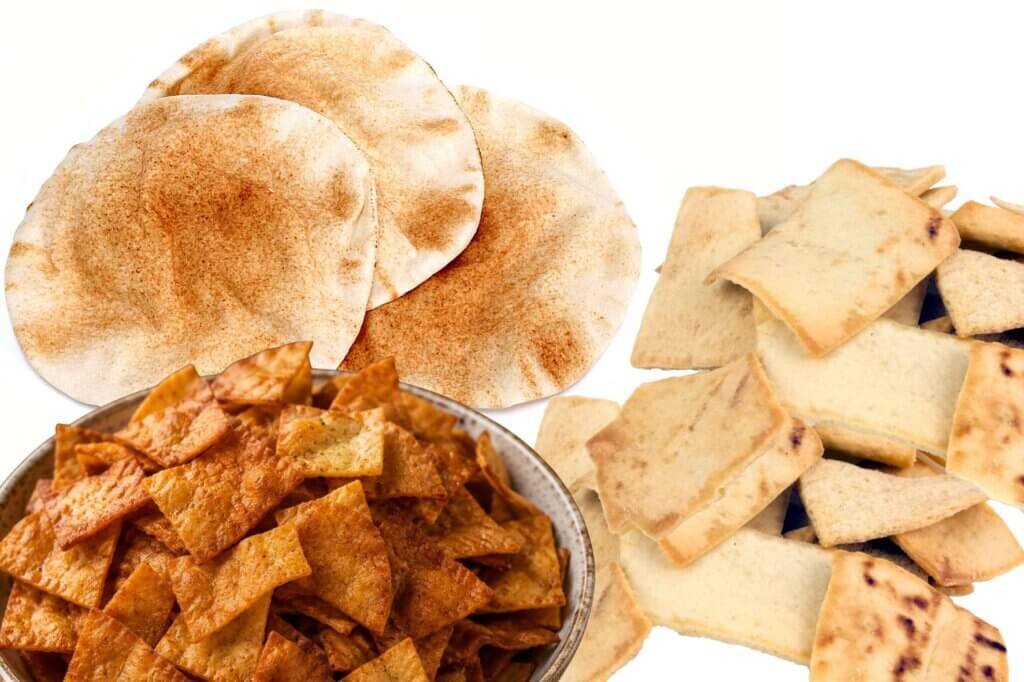
At the same time, another endless debate filled Lebanese kitchens: should the bread be fried or baked? In most family homes, including ours, baked bread was the healthier and more traditional everyday option. On the other hand, restaurants often preferred fried bread because it stayed crunchy longer and added richer flavor. Even now, whenever I prepare fattoush, these memories return to me with every bite.
What Is Fattoush?
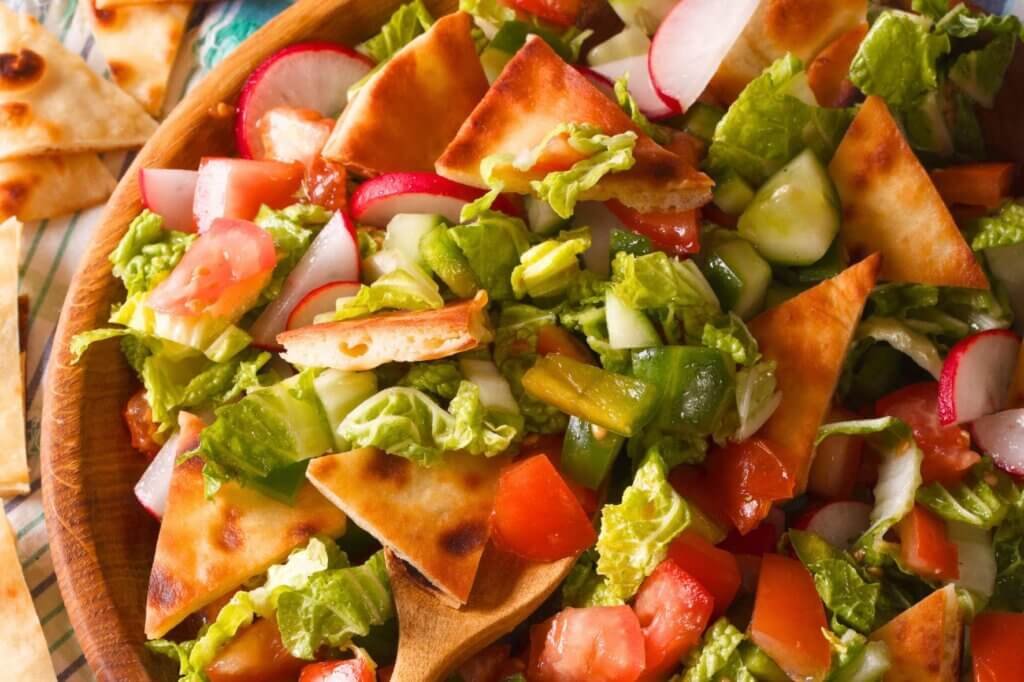
Fattoush is one of the most beloved salads across the Levant, especially in Lebanon and Syria, where fresh vegetables, herbs, olive oil, and bread have always been part of everyday family meals. Traditionally, fattoush was created as a clever way to avoid wasting leftover pita bread. Instead of throwing away bread that had become slightly dry, families toasted or fried it and mixed it into fresh seasonal vegetables. As a result, fattoush became a salad full of texture, flavor, and character.
As a child, I remember watching my mother prepare fattoush almost instinctively, without measuring anything. She would taste the dressing with a piece of lettuce, adjust the lemon, then sprinkle sumac with complete confidence. Meanwhile, the smell of toasted bread filling the kitchen always told us lunch was almost ready. Even today, that aroma immediately takes me back to family gatherings and summer meals shared around a crowded Lebanese table.
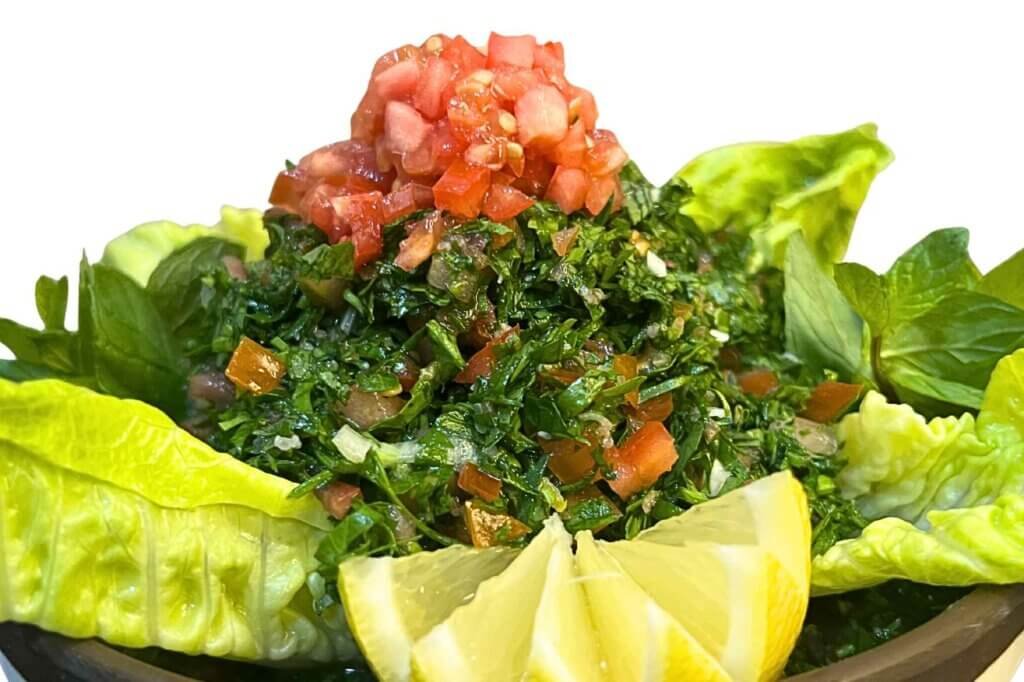
Although many people confuse fattoush with tabbouleh, the two salads are very different. Tabbouleh focuses mainly on parsley and fine bulgur, while fattoush celebrates crunchy vegetables like lettuce, cucumber, tomatoes, radishes, and peppers. In addition, fattoush usually has a larger and more rustic cut, giving every bite a refreshing crunch. Personally, I always say that tabbouleh is herb-forward, while fattoush is vegetable-forward.
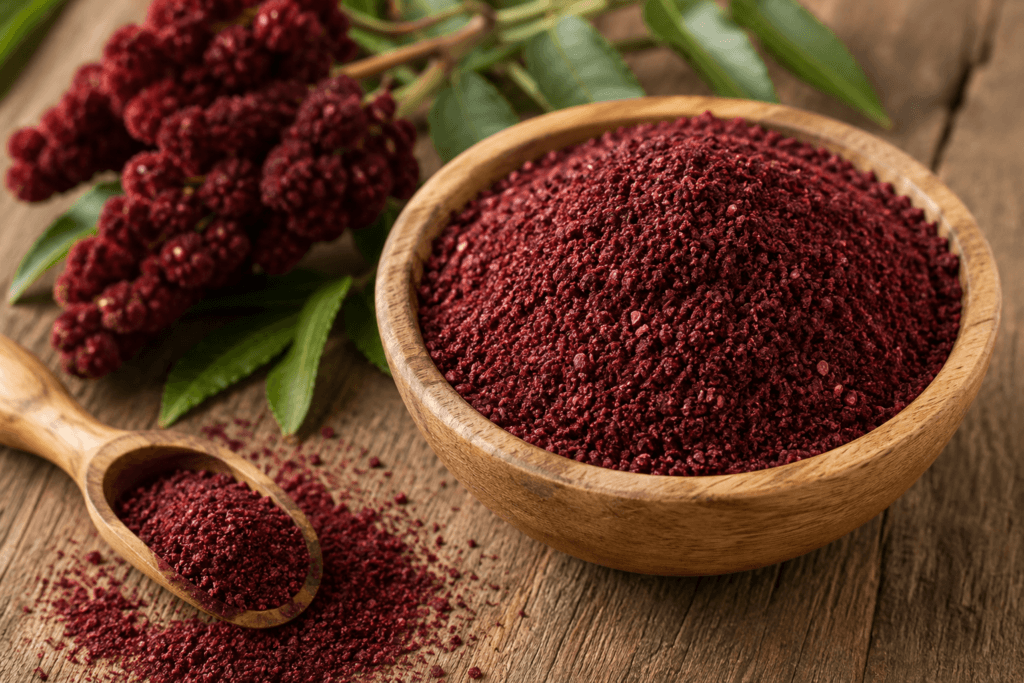
One of the most important ingredients in fattoush is the bread itself. Some households prefer toasted pita because it feels lighter and healthier. Meanwhile, many restaurants use fried bread because it stays crisp longer and adds deeper flavor. However, what truly gives fattoush its unmistakable identity is sumac. This deep red spice adds a bright tangy flavor that no lemon alone can replace. Without sumac, the salad may still taste fresh, but it simply does not taste like authentic fattoush.
Understanding the Ingredients Behind a Great Fattoush
Jump to RecipeIn my opinion, a truly memorable fattoush is never only about the dressing or the bread. Instead, it is the balance between every fresh ingredient that gives this salad its soul. That is exactly why I always encourage people to pay attention to the quality and freshness of each vegetable and herb before preparing the salad.
For example, romaine lettuce works beautifully in fattoush because it stays crisp even after the dressing is added. In addition, its slightly sweet flavor balances the acidity of the lemon and sumac. Personally, I prefer romaine because it gives the salad structure without becoming heavy or watery too quickly.
At the same time, purslane has always been one of the traditional greens used in authentic Fattoush across Lebanon and Syria. Many people outside the region are surprised by it. However, its slightly lemony taste and delicate crunch bring a freshness that perfectly matches the dressing. Growing up, I remember older family members becoming excited whenever fresh purslane appeared in the market because they knew fattoush season had truly arrived.
Meanwhile, mint and parsley do much more than simply add color. Mint brings brightness and coolness, while parsley adds freshness and depth. Together, they make the salad feel alive.
Fresh lemon juice is equally important because bottled juice simply cannot provide the same clean and vibrant acidity. Finally, sumac is what gives fattoush its unmistakable identity. Without it, the salad may still taste good, but it loses the authentic Levantine flavor that makes fattoush so special.
The Secret to Restaurant-Style Fattoush
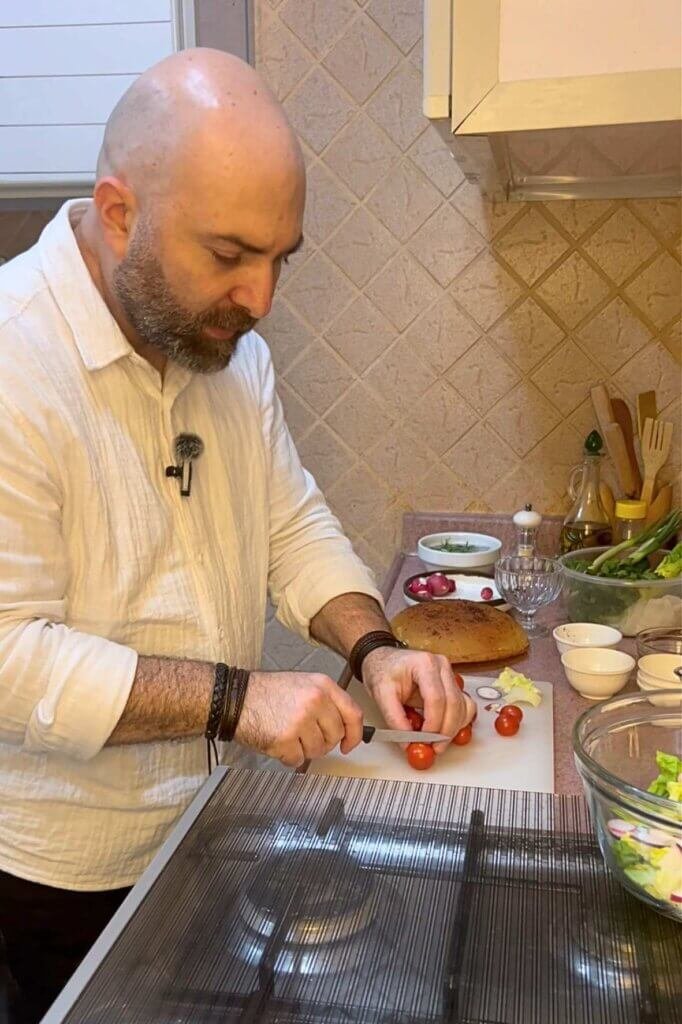
After many years in professional kitchens, I learned that great fattoush is all about timing. In fact, I have seen beautiful salads completely ruined simply because the dressing was added too early. The vegetables immediately softened, the bread lost its crunch, and the salad became heavy within minutes. Therefore, in my kitchen, fattoush is always dressed at the very last second before serving.
At the same time, cold vegetables make a huge difference. I always keep the lettuce, cucumbers, and herbs refrigerated because crisp vegetables give fattoush that fresh restaurant-style texture people love. In addition, I make sure the vegetables are completely dry after washing. Otherwise, the dressing becomes watery very quickly.
The bread is another important detail. Although many restaurants fry the pita bread for extra crunch, I personally enjoy lightly toasted bread because it stays crispy without feeling oily. However, both methods can work beautifully when prepared correctly.

Finally, balance is everything. I still remember tasting fattoush prepared by young trainees in restaurant kitchens where the lemon completely overpowered the salad. Meanwhile, others added too much pomegranate molasses and turned it sweet. A proper fattoush should feel fresh, tangy, light, and vibrant all at once. That balance is what transforms a simple salad into authentic Lebanese fattoush.
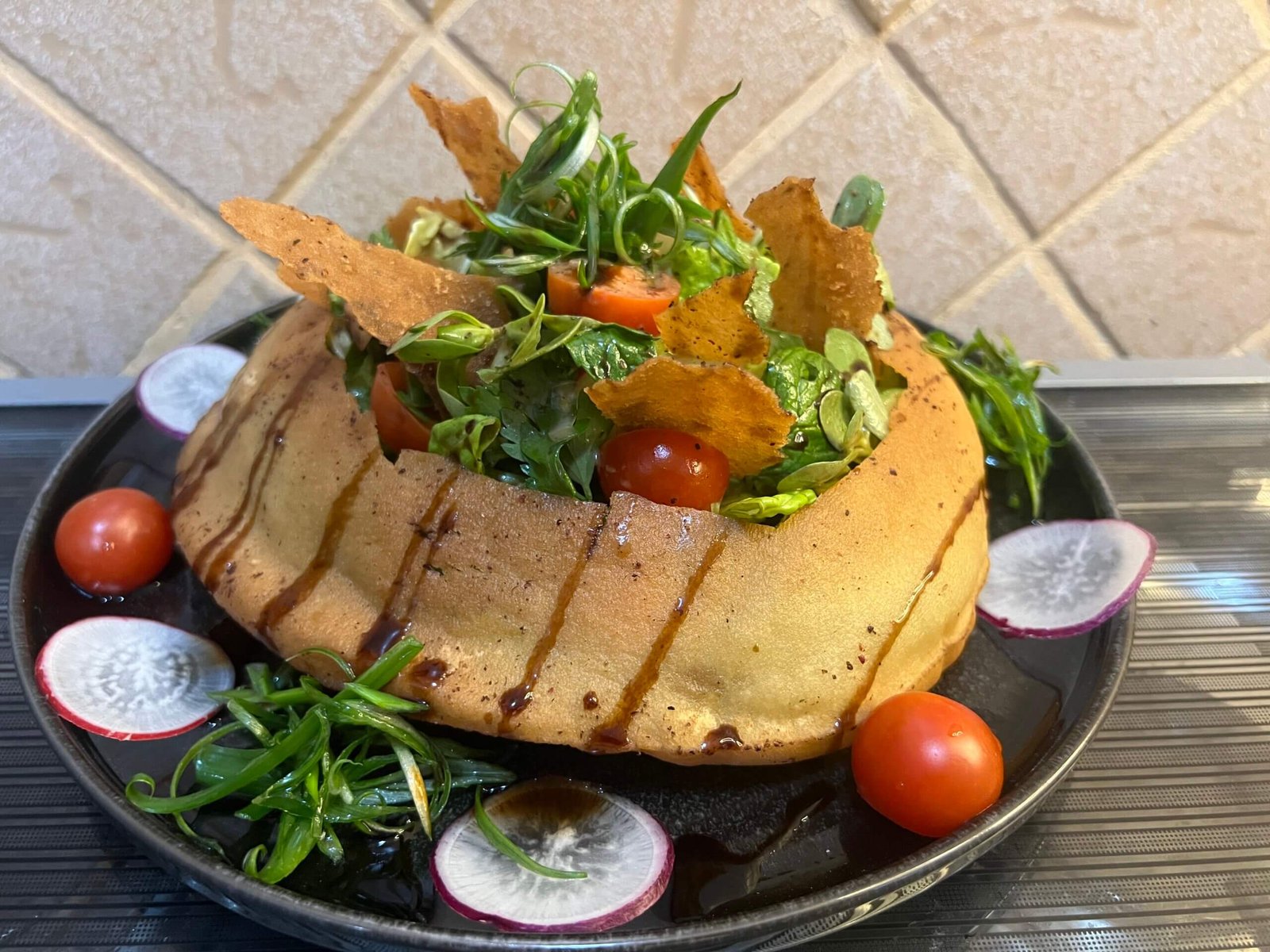
Fattoush
Ingredients
Equipment
Method
- Heat vegetable oil in a frying pan.
- Carefully place a whole piece of Arabic bread in the hot oil.
- Pour hot oil over the top until it puffs up and turns golden brown.
- Remove and drain on paper towels.
- Thinly slice radishes and green onions.
- Place them in a bowl of ice water to keep them crisp and set aside for decoration.
- In a blender or food processor, combine garlic, apple cider vinegar, pomegranate molasses, dried oregano, fresh za’atar (thyme), lemon juice, salt, olive oil, and sumac.
- Blend until smooth.
- Add a splash of ice-cold water and a pinch of black pepper, then blend again.
- Chop the lettuce into medium-sized pieces.
- Slice the radishes into rounds.
- Halve the cherry tomatoes.
- Finely slice the green onions and arugula.
- Dice the bell peppers and cucumbers (you can leave the skin on for texture).
- Hand-tear or roughly chop the parsley, purslane, and fresh mint leaves.
- Ensure all greens are thoroughly washed and disinfected.
- Place all chopped vegetables and herbs into a large mixing bowl.
- Sprinkle with a little extra sumac.
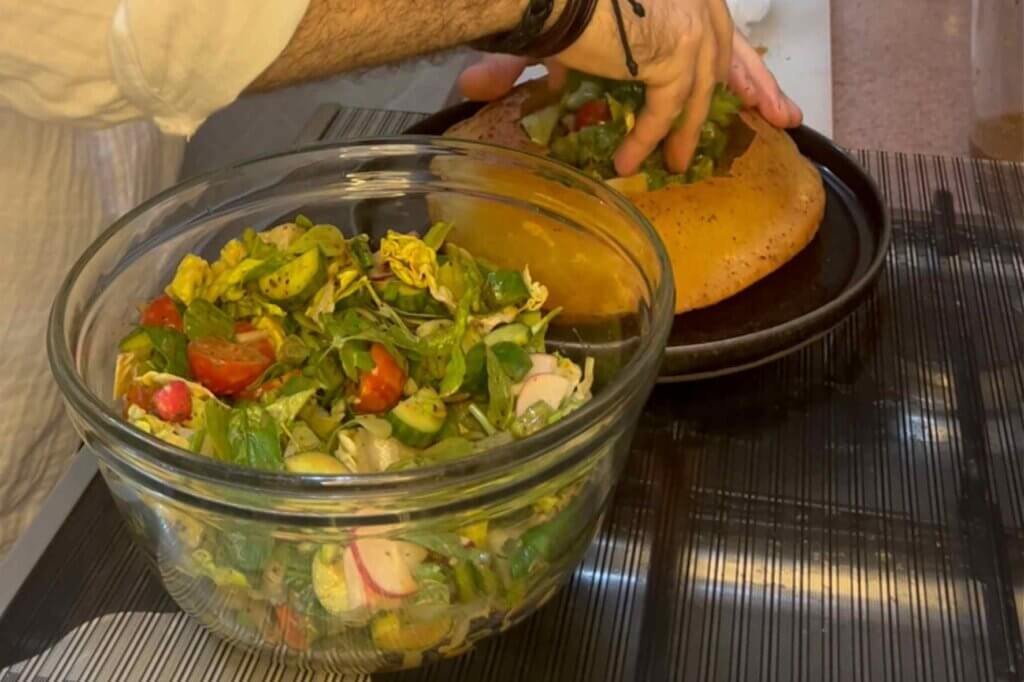
- Pour the dressing over the vegetables and toss thoroughly (using your hands is recommended for the best texture).
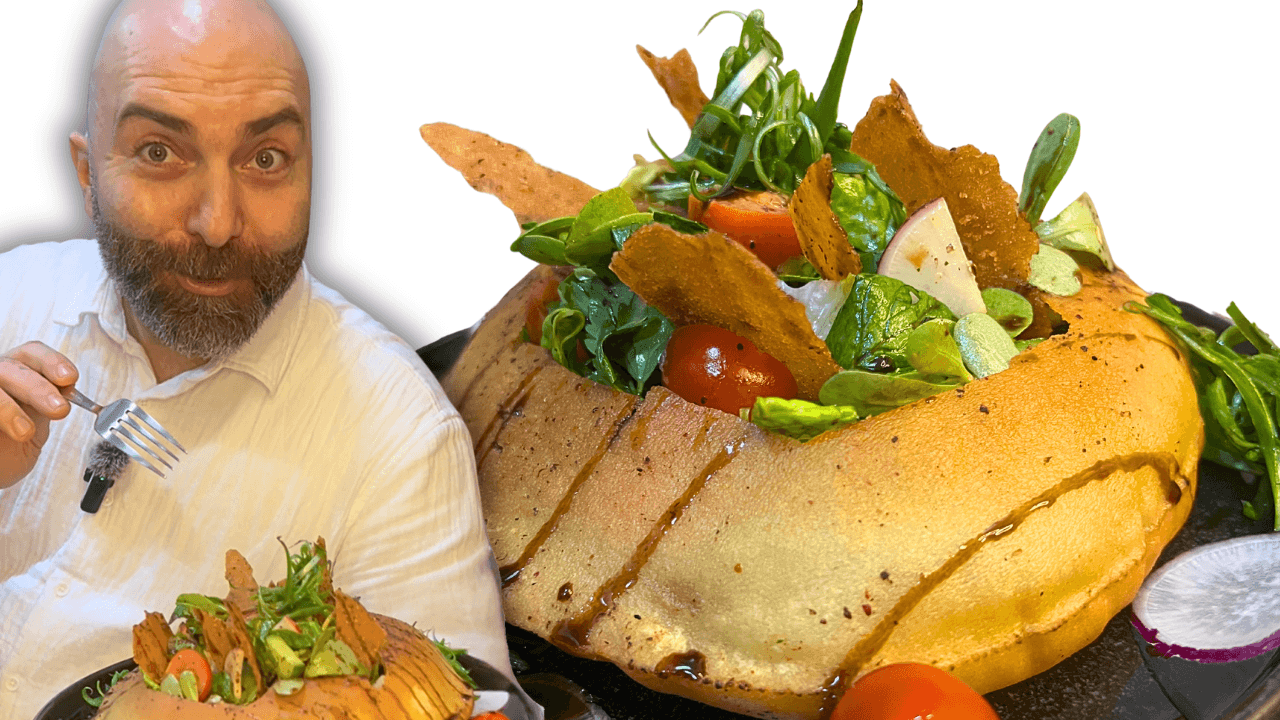
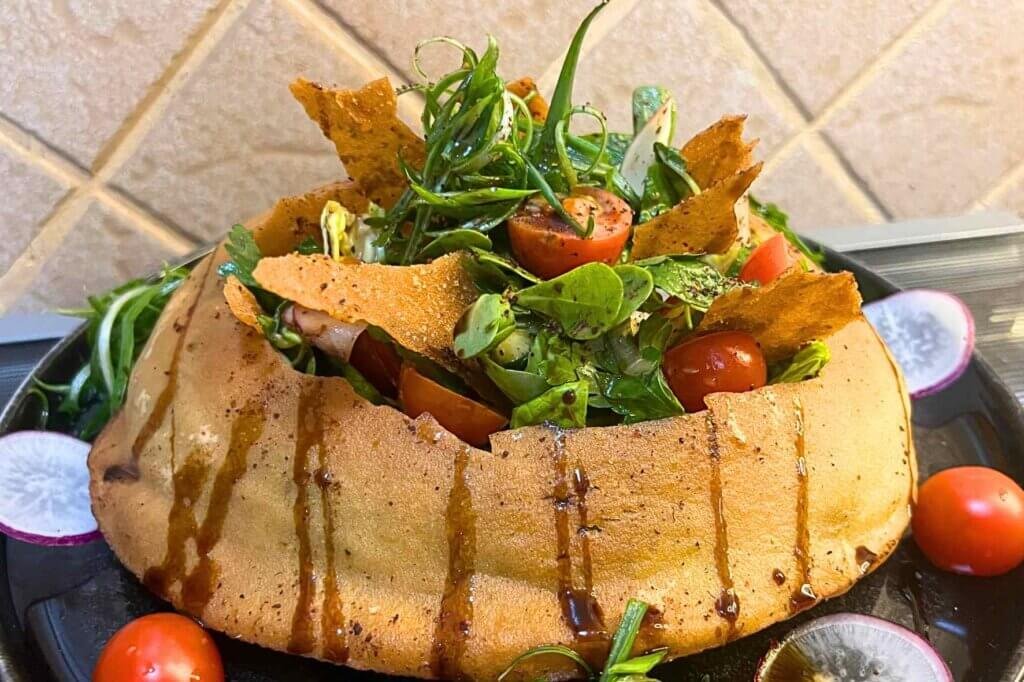
- Use a serrated knife to carefully cut a “lid” or hole into the fried bread to create a bread bowl.
- Season the bread shell with a sprinkle of sumac.
- Fill the bread bowl generously with the salad mix.
- Garnish with the crisp radish slices from the ice water and a drizzle of pomegranate molasses or balsamic glaze.
Video
What to Serve with Fattoush
One of the things I love most about Fattoush is how easily it fits into almost any Lebanese meal. Because it is fresh, tangy, and crunchy, fattoush balances heavier dishes beautifully and brings freshness to the table. In fact, in many Lebanese homes, the salad arrives before the main dish and stays in the center of the table throughout the meal.
Personally, I especially enjoy serving fattoush with grilled meats like chicken tawook, kafta, or beef skewers. The acidity of the lemon and sumac cuts through the richness of grilled food and makes every bite feel lighter. At the same time, fattoush pairs wonderfully with comforting dishes such as lentil soup, stuffed grape leaves, muhammara, or homemade hummus.
In restaurant kitchens, I often served fattoush next to shawarma platters because the crisp vegetables and toasted bread create a beautiful contrast with warm marinated meat. Meanwhile, during summer gatherings in Lebanon, fattoush was almost always placed beside grilled kebabs, fresh bread, and cold mezze spreads shared by the whole family.
If you prefer lighter meals, fattoush can also become a complete meal on its own. For example, adding grilled halloumi, roasted chicken, or chickpeas transforms it into a filling lunch while still keeping its refreshing character. That versatility is one of the reasons fattoush has remained such a timeless part of Levantine cuisine for generations.
A Word from Chef François
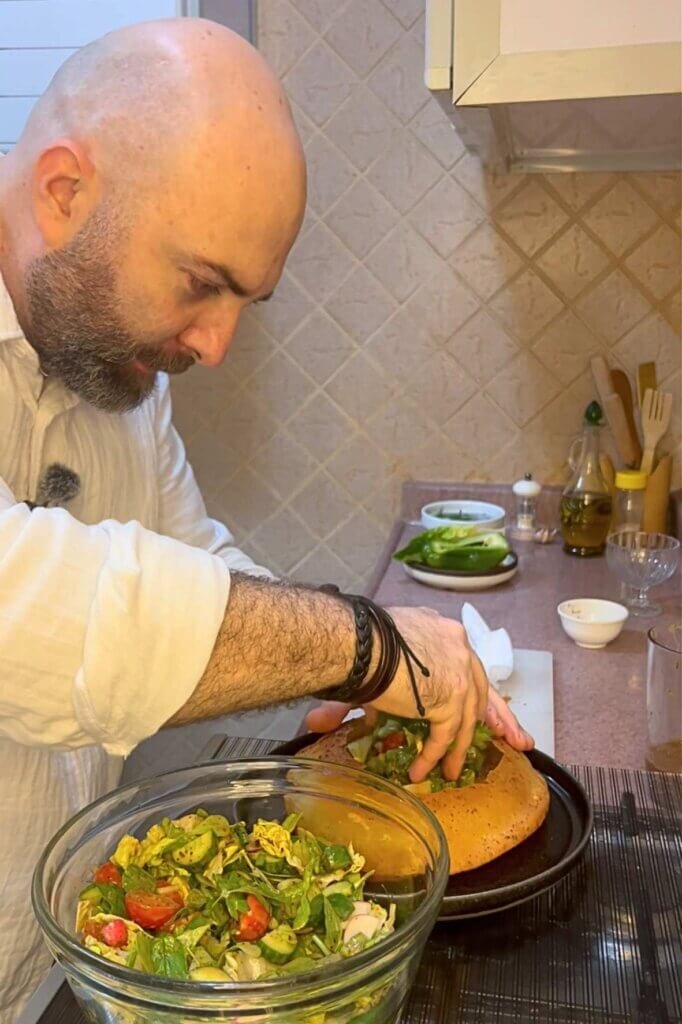
After more than 30 years in professional kitchens, I still believe that the simplest dishes are often the hardest to perfect. Fattoush may look like a simple salad, yet every small detail matters — the freshness of the vegetables, the balance of the dressing, the crunch of the bread, and even the way the ingredients are cut.
For me, fattoush is more than a recipe. It is a memory of family tables, summer lunches, and the flavors I grew up with in Lebanon. It reminds me that great cooking does not always require complicated techniques. Instead, it requires care, balance, and respect for ingredients.
I truly hope this recipe brings freshness, warmth, and a little taste of the Levant into your kitchen. And if you enjoyed this recipe, I warmly invite you to explore more recipes here on this website and visit my YouTube Channel for more authentic recipes, cooking tips, and Lebanese kitchen secrets.

Chef François El Aaraj is a corporate chef and culinary consultant with more than 30 years of experience in professional kitchens and restaurant openings across Lebanon and abroad. Through this website, he shares authentic recipes, cooking techniques, and chef secrets designed to help home cooks create flavorful meals with confidence.
Leave a Reply