
Have you ever ordered a simple chicken dish at a restaurant and wondered why it tasted so much better than the chicken you make at home?
The ingredients may seem almost identical. The restaurant is using chicken, salt, herbs, spices, and perhaps a few vegetables or a sauce. Yet somehow the final result feels completely different. The chicken is juicier, more flavorful, and often more memorable.
Throughout my career as a chef, I have heard this question countless times. Friends, family members, and even young cooks entering professional kitchens often assume there must be some secret ingredient hidden behind restaurant-quality chicken. The truth is far less mysterious.
Restaurant chicken usually tastes better because chefs pay attention to dozens of small details that many home cooks overlook. None of these techniques are particularly difficult, but together they create a dramatic difference in flavor, texture, and overall enjoyment.
The good news is that these professional techniques are not reserved for restaurant kitchens. Once you understand them, you can apply them at home and significantly improve your own chicken dishes.
The Biggest Difference Starts Before Cooking
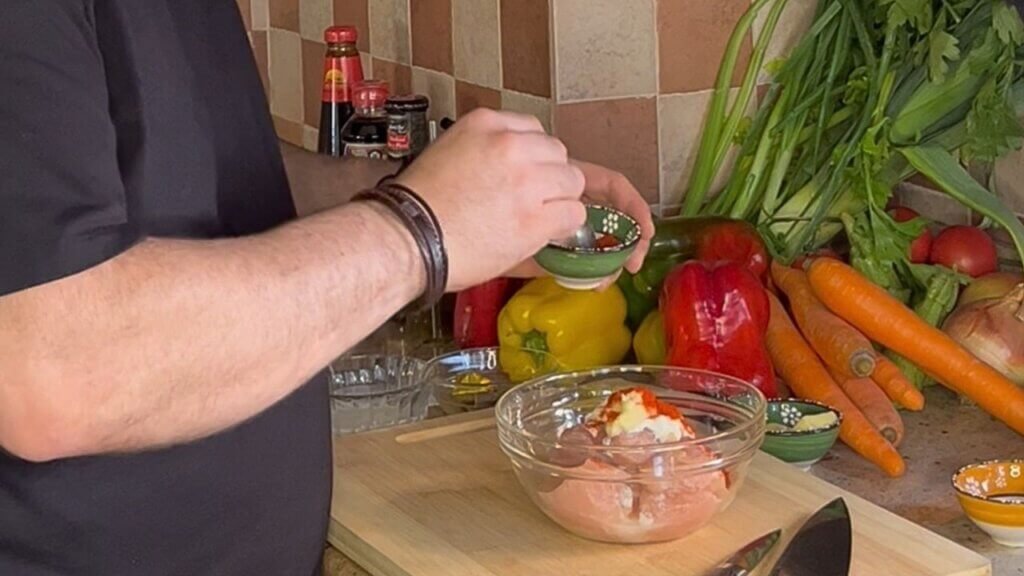
One of the most common mistakes home cooks make is focusing entirely on the cooking process itself.
In restaurants, the work begins long before the chicken ever reaches the grill, oven, or frying pan. Preparation is considered just as important as cooking.
I remember working in professional kitchens where chicken for the evening service was already being prepared early in the morning. Marinades were mixed, seasonings were measured, and every piece of chicken was carefully stored until it was ready to be cooked.
At home, things are often very different. Many people come home from work, take chicken out of the refrigerator, season it quickly, and immediately start cooking. While this approach can still produce a decent meal, it rarely allows enough time for flavor to develop.
Marinating is the first secret to a perfect grilled chicken
Marinating chicken for several hours allows seasonings to penetrate deeper into the meat. Ingredients such as garlic, lemon juice, yogurt, olive oil, herbs, and spices have time to work their magic. The result is chicken that tastes seasoned throughout rather than simply on the surface.
This is a principle I follow in many of my own recipes. For example, in my Butter Chicken, the Chicken Curry and my Crispy Chicken recipe, I always recommend marinating the chicken overnight whenever possible. Giving the chicken an entire night in the refrigerator allows the yogurt, spices, and seasonings to fully penetrate the meat. The next day, the difference is immediately noticeable.
The chicken develops deeper flavor, stays juicier during cooking, and achieves the kind of taste and tenderness that people often associate with restaurant-quality food. While it requires a little planning ahead, overnight marination is one of the simplest ways to dramatically improve the final result.
This extra preparation time is one of the biggest reasons restaurant chicken often has more depth of flavor.
Restaurants Understand the Importance of Proper Seasoning
When people try to identify why restaurant food tastes so good, they often underestimate the role of seasoning.
Salt is one of the most powerful ingredients in cooking. It does much more than simply make food taste salty. It enhances natural flavors, balances other ingredients, and helps create a more satisfying eating experience.
In professional kitchens, seasoning is rarely treated as a final step. Instead, it is added throughout the cooking process like Mexican spice mix. A marinade may contain salt. Additional seasoning may be applied before cooking. Sometimes a final sprinkle is added just before serving.
This gradual layering of flavor creates a much more complex result than a single last-minute seasoning.
One thing I noticed while teaching young cooks was that most people are afraid of undercooking chicken, but many are equally afraid of seasoning it properly. As a result, homemade chicken often ends up tasting flat and disappointing.
The goal is not to make chicken salty. The goal is to bring out the natural flavor of the chicken itself.
Why Many Restaurants Use Brines
One technique that remains surprisingly underused in home kitchens is brining.
A brine is simply a mixture of water and salt, sometimes combined with sugar, herbs, citrus, or spices. The chicken is soaked in this solution before cooking.
The science behind brining is fascinating. As the chicken sits in the brine, it absorbs both moisture and seasoning. This helps the meat remain juicy even when exposed to high cooking temperatures.
Restaurants love brining because it provides consistency. Whether serving ten customers or one hundred, chefs want every portion of chicken to be tender and flavorful.
I still remember the first time I compared a brined chicken breast to an unbrined one during training. The difference was remarkable. The brined chicken remained juicy and tender, while the other piece became noticeably drier.
It was one of those lessons that stays with you throughout your career.
The Power of High Heat

Another reason restaurant chicken often tastes superior is the equipment used in professional kitchens.
Commercial grills, ovens, and broilers are capable of reaching temperatures that many home appliances struggle to maintain. This higher heat allows chefs to create a beautiful golden-brown exterior while keeping the inside juicy.
What makes this important is something known as the Maillard reaction. This natural chemical reaction occurs when proteins and sugars are exposed to heat. It is responsible for the rich aromas, golden color, and complex flavors that develop during cooking.
Think about the smell of chicken sizzling on a hot grill. That irresistible aroma is largely the result of the Maillard reaction.
When heat is too low, the chicken may cook through, but it will not develop the same depth of flavor.
Fortunately, home cooks can improve their results by allowing pans to heat properly before cooking and avoiding the temptation to overcrowd the pan.
In fact, I filmed a short video on my YouTube channel specifically to demonstrate this difference. In the video, I cooked chicken using both high heat and low heat so viewers could see the results side by side. The difference was immediately obvious.
The chicken cooked over higher heat developed a beautiful golden-brown exterior, richer aroma, and deeper flavor thanks to better browning. The chicken cooked over lower heat was still edible, but it lacked the same color, texture, and overall appeal.
Sometimes seeing the comparison with your own eyes is the best way to understand why professional chefs place so much importance on cooking temperature.
Restaurants Know Exactly When to Stop Cooking
Overcooking is one of the fastest ways to ruin a piece of chicken.
Many people have had the unpleasant experience of eating dry, stringy chicken breasts. This usually happens because the chicken remained on the heat for too long.
Professional chefs spend years learning how different cuts of meat behave during cooking. They recognize visual cues, understand cooking temperatures, and develop a sense of timing that comes only through experience.
One lesson I learned early in my career was that perfect chicken is often removed from the heat sooner than many people expect.
The chicken continues cooking slightly even after leaving the grill or oven. Chefs take this into account and avoid pushing the meat beyond its ideal temperature.
This attention to detail helps explain why restaurant chicken often remains juicy while homemade chicken can become dry.
Fat Is Not the Enemy
Another reason restaurant food often tastes richer is that chefs understand how to use fat effectively.
Butter, olive oil, cream-based sauces, and even the natural fats found in chicken all contribute to flavor. Fat acts as a carrier for aromas and helps create the satisfying mouthfeel people associate with restaurant-quality food.
This does not mean food must be greasy to taste good.
In fact, some of the best chicken dishes use only small amounts of carefully chosen fats. In fact, some of the best chicken dishes use only small amounts of carefully chosen fats. A brush of garlic butter, a drizzle of olive oil, or a simple pan sauce can completely transform a dish.
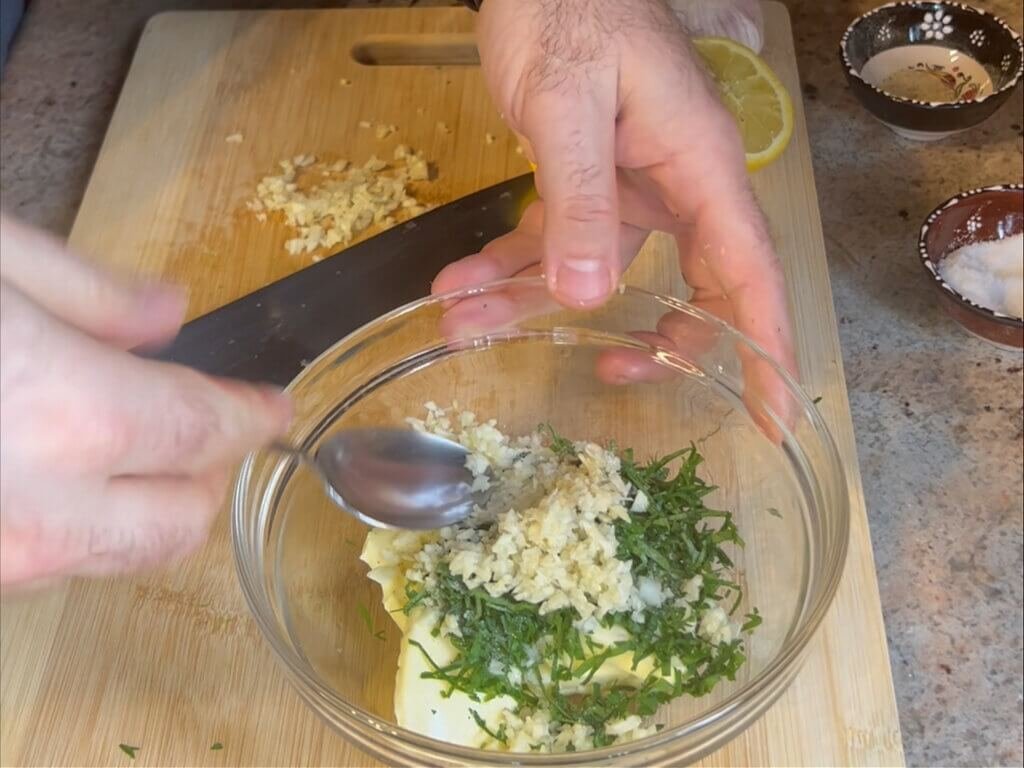
If you are looking for a simple yet delicious garlic butter recipe, be sure to check out my Garlic Bread recipe, where I share one of my favorite versions that works beautifully not only on bread but also on grilled and roasted chicken.
Many home cooks remove every possible source of fat in an effort to make meals healthier. While moderation is important, eliminating all fat can also eliminate a great deal of flavor.
The key is balance.
A Lesson I Learned Early in My Career
I remember working alongside a young cook who was convinced there had to be a secret ingredient responsible for restaurant chicken.
One day he asked me directly.
“What makes the chicken taste so much better here?”
He expected a complicated answer.
Instead, I walked him through the process.
We compared the restaurant’s preparation to what most people do at home. The chicken had been marinated for hours. It was seasoned properly, cooked over high heat, monitored carefully, and was allowed to rest before serving.
There was no secret ingredient.
There were simply dozens of small decisions that all worked together.
That conversation stayed with me because it perfectly illustrates how professional cooking really works. Great food is rarely the result of a single trick. More often, it is the result of doing many small things correctly.
Restaurants Build Flavor in Layers
Perhaps the greatest difference between professional and home cooking is the concept of flavor layering.
Rather than relying on a single seasoning step, chefs build flavor gradually throughout the cooking process:
- A marinade creates the first layer.
- Seasoning before cooking adds another.
- The cooking process itself develops new flavors through browning.
- A finishing sauce introduces additional complexity.
- Fresh herbs, citrus zest, garlic butter, or a final sprinkle of seasoning may be added just before serving.
Each layer contributes something unique.
When combined, these layers create the rich, balanced flavors that people often associate with restaurant food.
How You Can Make Better Chicken at Home
The encouraging news is that you do not need a commercial kitchen to improve your chicken.
Some of the most effective techniques require very little effort:
- Marinate chicken for several hours whenever possible.
- Consider using a simple brine for extra juiciness.
- Season thoughtfully and consistently.
- Allow cooking surfaces to become properly hot.
- Avoid overcrowding pans.
- Use a thermometer to prevent overcooking.
- Let the chicken rest before slicing.
- Finish with fresh herbs, citrus, or a simple sauce.
Even applying just a few of these techniques can dramatically improve your results.
Final Thoughts
After more than three decades in professional kitchens, I can confidently say that restaurant chicken does not taste better because chefs possess secret ingredients unavailable to home cooks.
The real difference lies in preparation, patience, technique, and attention to detail.
Professional chefs understand that exceptional flavor begins long before cooking starts. They build flavor gradually, monitor temperatures carefully, and never underestimate the importance of seasoning.
The next time you enjoy a delicious chicken dish at a restaurant, remember that the secret is not hidden in a mysterious ingredient. It is hidden in the countless small decisions that happen behind the scenes.
The best part is that these same techniques can be used in your own kitchen. With a little extra preparation and attention to detail, you may find that your homemade chicken becomes every bit as satisfying as the chicken served in your favorite restaurant.
If you enjoyed this article and would like to continue improving your cooking skills, be sure to explore the other cooking tips and kitchen guides available on this website.
Throughout my career as a chef, I have learned countless lessons through experience, experimentation, and sometimes even mistakes, and I enjoy sharing those insights with home cooks. From understanding the science behind cooking techniques to mastering everyday recipes, my goal is to help you become more confident in the kitchen.
You can also visit my YouTube channel, where I regularly share practical cooking tips, recipe demonstrations, and chef secrets that can help you achieve better results at home.

Chef François El Aaraj is a corporate chef and culinary consultant with more than 30 years of experience in professional kitchens and restaurant openings across Lebanon and abroad. Through this website, he shares authentic recipes, cooking techniques, and chef secrets designed to help home cooks create flavorful meals with confidence.
Leave a Reply