Why So Many People Are Afraid of Making Caramel
There are a few recipes that seem to intimidate almost every home cook, and homemade caramel sauce is certainly one of them. Over the years, I have met countless people who told me they were afraid to make caramel because they had heard stories about burnt sugar, grainy textures, or rock-hard caramel stuck to the saucepan. In fact, many believed it was a recipe best left to pastry chefs.
I used to smile every time I heard that because I once felt exactly the same way.
When I first started working in professional kitchens, caramel looked almost magical. One minute I was looking at ordinary white sugar, and the next it had transformed into a glossy amber sauce with an aroma that filled the entire kitchen. It seemed almost impossible that something so rich and flavorful could come from just a handful of simple ingredients.
However, as the years passed, I realized that caramel was never difficult. It was simply misunderstood.
The Lesson Caramel Taught Me
Unlike many recipes that forgive small mistakes, caramel asks for one thing above everything else: patience. You cannot rush it, and you cannot force it. Instead, you learn to watch, to wait, and to trust your senses. Once you understand those simple principles, making homemade caramel sauce becomes surprisingly enjoyable. Before long, it feels just as natural as preparing any other dessert.
Today, after many years spent in restaurant kitchens, I still enjoy making caramel as much as I did when I first learned it. There is something deeply satisfying about watching sugar slowly change color, knowing that in just a few minutes it will become a silky sauce ready to transform simple desserts into something unforgettable.
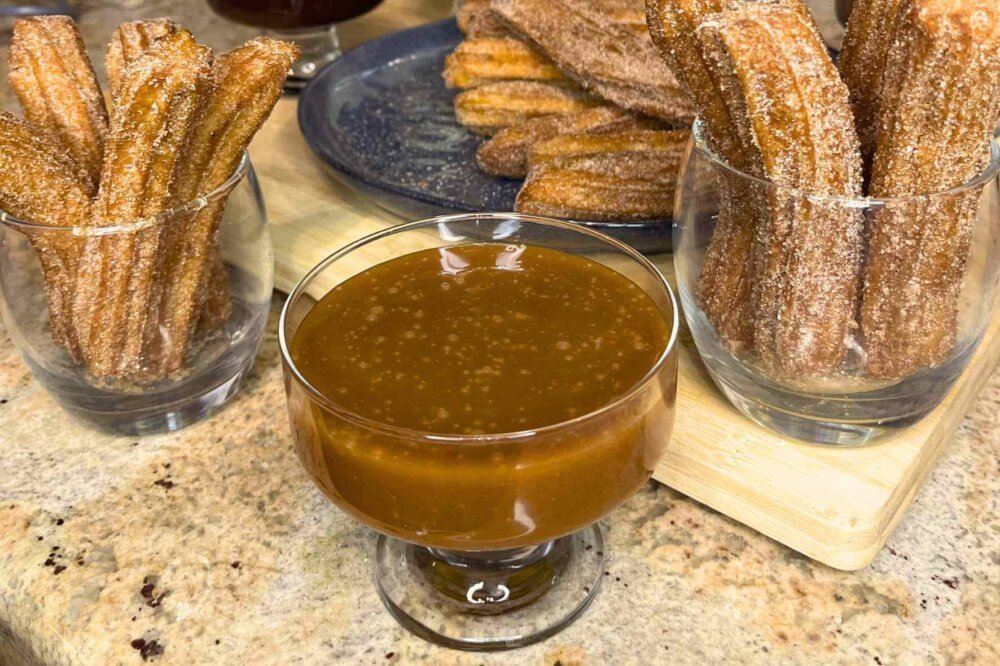
Whether I am serving it with warm churros, drizzling it over vanilla ice cream, spooning it onto cheesecake, or simply stirring a little into my coffee, this is the caramel sauce I come back to every single time. It is rich without being heavy, perfectly smooth, and made with ingredients you probably already have in your kitchen.
If you have never made caramel before, don’t worry. Throughout this guide, I’ll walk you through every step, explain why each stage matters, and share the small lessons I have learned over more than three decades in professional kitchens, so you can make it with confidence from your very first attempt.
Why I Still Make Homemade Caramel Sauce
Throughout my career, I have worked with excellent ingredients, high-end equipment, and countless ready-made products. While some of them have their place in a busy kitchen, caramel sauce has never been one of them. Whenever I have the time, I always make it from scratch.
The reason is simple. Homemade caramel sauce has a depth of flavor that is difficult to find in most store-bought versions. As the sugar slowly caramelizes, it develops rich notes of toffee, butter, and roasted sugar that cannot be recreated by simply adding caramel flavoring. That slow transformation is what gives the sauce its distinctive taste and beautiful amber color.
Even better, you know exactly what goes into it. With only four basic ingredients, you can create a dessert sauce that is smooth, rich, and free from unnecessary preservatives or artificial flavors. Every spoonful tastes fresh because it is.
More Than a Recipe, It’s a Skill
One of the things I enjoy most about teaching people how to cook is seeing their confidence grow. Homemade caramel sauce is a perfect example of that transformation.
At first, many people approach caramel with hesitation. They worry about burning the sugar or ruining the entire batch. However, once they understand what to look for, those fears quickly disappear. Instead of relying on luck, they begin to recognize the changes in color, aroma, and texture that tell them exactly what is happening inside the saucepan.
That is why I often say that learning to make caramel is about much more than preparing a dessert. It teaches you patience, observation, and trust in your own senses. Those are skills that stay with you long after the caramel has been enjoyed.
Every time I prepare this recipe, I am reminded that some of the most rewarding dishes are also the simplest. All they ask is a little attention, and they give you something truly special in return.
Let’s Make Homemade Caramel Sauce
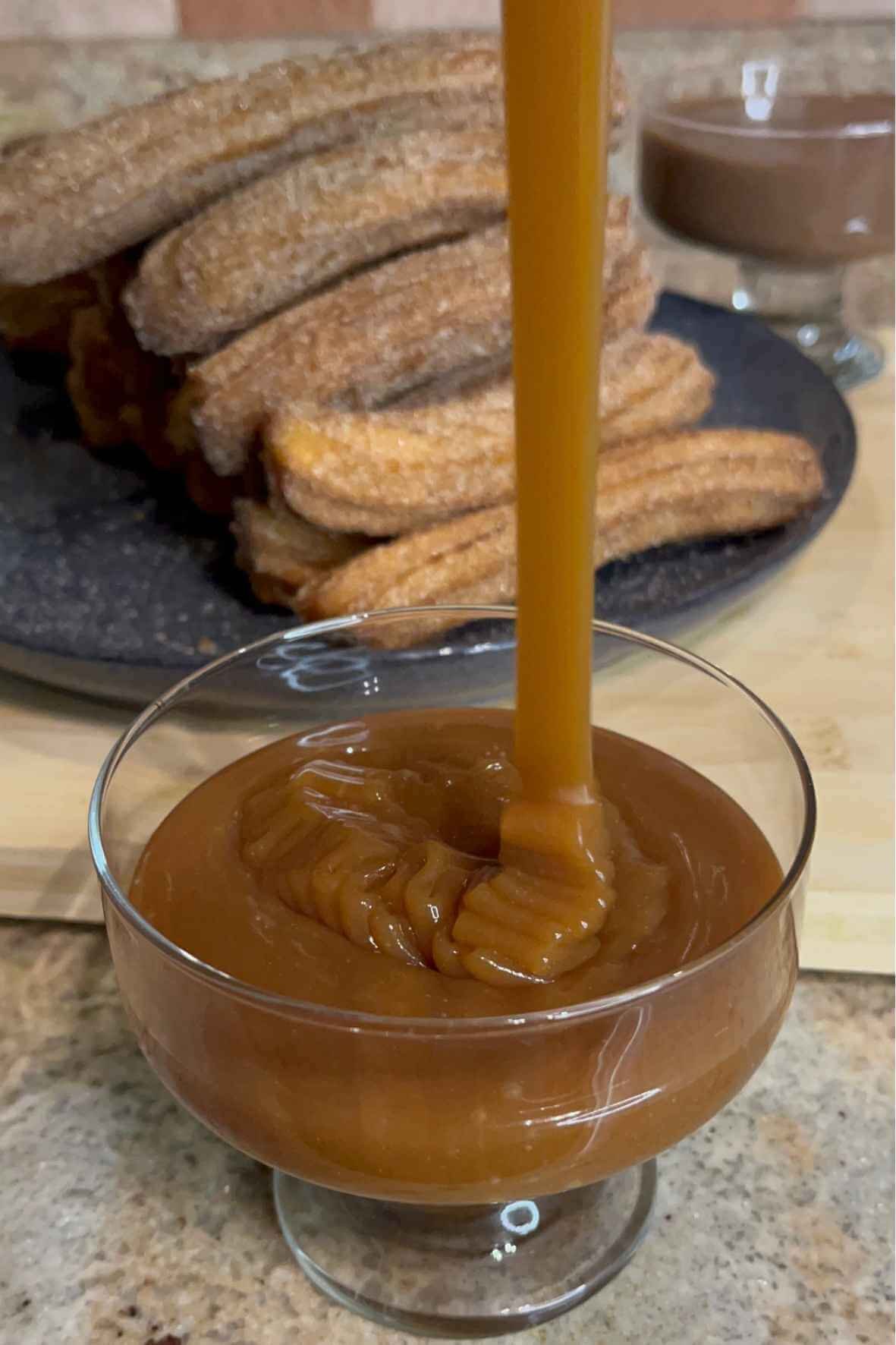
Homemade Caramel Sauce
Ingredients
Method
- Place the sugar and water in a saucepan over high heat.
- Do not stir. Allow the mixture to cook until it turns a deep golden caramel color.
- Once the desired color is reached, carefully add the butter.
- Begin whisking immediately until fully incorporated.
- Slowly pour in the liquid cream while whisking continuously.
- Be careful, as the caramel will bubble vigorously.
- Once the cream is fully incorporated, let the caramel boil for 1 minute, stirring gently.
- Turn off the heat and pour the caramel sauce into a bowl or airtight container.
- Let it cool before using or storing for later preparations.
Video
What Makes Homemade Caramel Sauce So Special?
One of the things I love most about cooking is seeing simple ingredients become something extraordinary. Caramel is perhaps the best example of that transformation.
At first, all you have is white sugar and a little water. There are no spices, no chocolate, and no complicated techniques. Yet, after a few minutes over gentle heat, those same ingredients begin to change before your eyes. The sugar melts, the bubbles become slower and larger, and the color gradually shifts from clear to pale gold, then to a beautiful deep amber.
Every time I watch this happen, I am reminded that great cooking is often about understanding ingredients rather than adding more of them.
The Secret Is Caramelization
Many people think caramel is simply melted sugar, but that is only the beginning. As the sugar continues to cook, it goes through a natural process called caramelization. During this stage, the sugar molecules break down and create hundreds of new flavor compounds.
That is why homemade caramel sauce tastes so much richer than plain sugar. Instead of being only sweet, it develops notes of toffee, butter, roasted nuts, and even a slight hint of bitterness that balances the sweetness perfectly.
One of the biggest lessons I learned as a chef was that caramel should never be judged by the clock. Every stove heats differently, and every saucepan behaves in its own way. Instead, I learned to trust my eyes and my nose. The rich amber color and warm caramel aroma will always tell you more than a timer ever could.
Once you understand that simple principle, making caramel becomes far less stressful. Rather than worrying about the minutes, you begin to enjoy the process, and that confidence makes all the difference in the final result.
Four Simple Ingredients, Countless Possibilities
One of the biggest surprises for people making caramel for the first time is how short the ingredient list is. In fact, you only need four everyday ingredients to create a rich, silky sauce that rivals the best dessert toppings you’ll find in restaurants.
I have always believed that the best recipes don’t depend on dozens of ingredients. Instead, they rely on understanding how each ingredient contributes to the final result. Homemade caramel sauce is a perfect example. Every ingredient has a clear purpose, and removing or changing one of them will affect the flavor, texture, or consistency.
Over the years, I have experimented with different ratios while preparing desserts in professional kitchens. Although there are many ways to make caramel, I always come back to this combination because it produces a sauce that is smooth, glossy, and easy to work with. It is thick enough to coat a spoon, yet fluid enough to drizzle beautifully over your favorite desserts.
Every Ingredient Has a Job
Sugar Creates the Flavor
Sugar is much more than a sweetener. As it caramelizes, it develops the rich amber color and deep toffee notes that give caramel its unmistakable character. This transformation is the heart of the recipe, and it cannot be rushed.
Water Keeps Things Under Control
Many people wonder why water is added when it eventually evaporates. Its job is to help the sugar dissolve evenly before caramelization begins. As a result, the sugar melts more gently, reducing the chance of hot spots that can burn before the rest of the sugar has melted.
Butter Adds Richness
Once the caramel reaches the perfect color, butter brings richness and a smooth, velvety mouthfeel. It softens the intense sweetness while adding the creamy flavor that makes homemade caramel sauce so satisfying.
Cream Creates the Silky Texture
Finally, heavy cream transforms the caramel from melted sugar into a luxurious sauce. It cools the caramel, stops the cooking process, and gives it the pourable consistency that makes it perfect for churros, pancakes, cheesecakes, ice cream, and countless other desserts.
Whenever I teach this recipe, I remind people that none of these ingredients is more important than the others. They work together, and that balance is exactly what makes this homemade caramel sauce so reliable every single time.
The Biggest Lesson Caramel Has Taught Me
Stop Watching the Clock and Start Watching the Sugar
When I was a young chef, I relied on recipes for almost everything. If a recipe said to cook something for eight minutes, I cooked it for exactly eight minutes. If it said ten minutes, I waited until the timer rang. That approach worked for many dishes, but caramel quickly taught me that cooking isn’t always about time.
I still remember standing beside the stove, waiting for the sugar to change color. Every few seconds I looked back at the recipe, wondering why my caramel didn’t look anything like the picture. Then one of the senior chefs walked past me, smiled, and said something I have never forgotten.
“Stop looking at the recipe. Look at the sugar.”
At first, I didn’t fully understand what he meant. However, after making caramel hundreds of times, his advice made perfect sense.
Your Eyes Are Better Than Any Timer
No two stoves heat exactly the same way. One saucepan may distribute heat evenly, while another creates hot spots. Even the amount of sugar you use and the size of the pan can affect how quickly the caramel develops.
That is why I never tell people to rely only on cooking times. Instead, I encourage them to observe what is happening inside the saucepan.
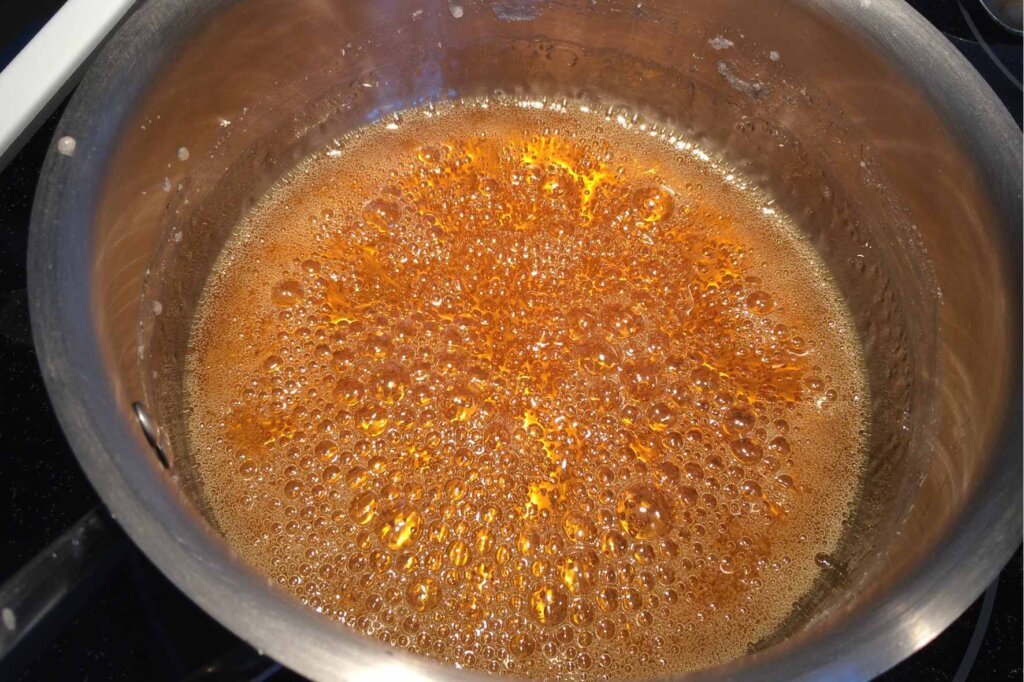
Watch the bubbles become slower and larger. Notice how the clear syrup slowly turns pale gold before deepening into a rich amber color. Pay attention to the aroma as it changes from simple sweetness to warm notes of toffee and butter.
These are the signs that tell you your caramel is ready.
Learning to trust your senses was one of the most valuable lessons of my career. It didn’t just make me better at preparing homemade caramel sauce. It made me a better cook overall. Once you begin observing your ingredients instead of constantly watching the clock, you develop confidence that no recipe can teach.
That confidence is what eventually allows simple recipes like this one to become second nature.
Common Caramel Mistakes (And How to Avoid Them)
Every Chef Has Burned Caramel at Least Once
If there is one thing I want you to remember before making this recipe, it is that every chef has made mistakes with caramel. I certainly have. During my career, I have burned sugar, removed it from the heat too early, and even had batches crystallize when I was distracted for just a few moments.
The difference is not that experienced chefs never make mistakes. The difference is that we learn why they happen and how to prevent them the next time.
Fortunately, most caramel problems have simple solutions. Once you understand them, you’ll approach every new batch with much more confidence.
Don’t Stir Once the Sugar Begins to Boil
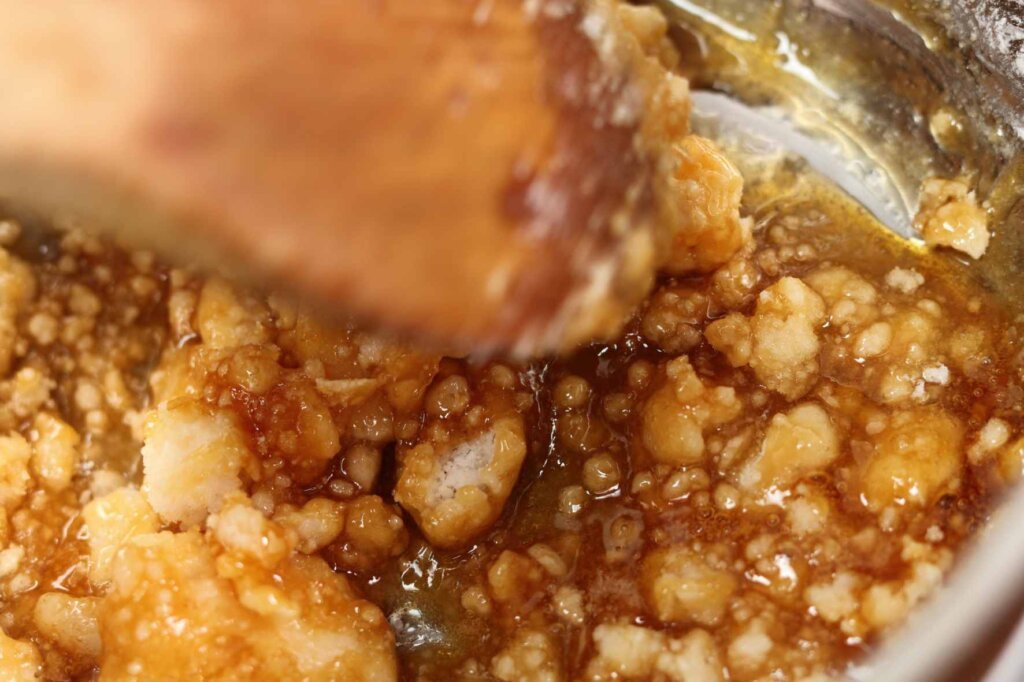
One of the most common mistakes is stirring the sugar after it has dissolved. It feels natural to grab a spoon and mix everything together, but doing so can encourage sugar crystals to form along the sides of the saucepan. Those crystals may spread through the caramel and leave you with a grainy texture instead of a smooth sauce.
Instead, let the saucepan do the work. If you notice that the color is developing unevenly, gently swirl the pan rather than stirring with a spoon. This keeps the caramel moving without disturbing the sugar.
Patience Always Beats High Heat
I understand the temptation to turn the burner to its highest setting. After all, everyone wants caramel as quickly as possible. However, rushing this recipe often leads to burnt sugar on the bottom of the pan while the rest has barely begun to caramelize.
I always cook caramel over medium heat. It gives me much better control and allows the sugar to develop a deep, balanced flavor without becoming bitter. A few extra minutes at the stove are well worth the result.
Don’t Judge Caramel Too Early
Many beginners become nervous because the sugar seems to do nothing for several minutes. Then, almost suddenly, it begins to change color.
This is completely normal.
Caramel often appears to happen all at once. In reality, it has been slowly developing the entire time. For that reason, don’t leave the stove once the sugar starts turning golden. The color can go from perfect to burnt surprisingly quickly.
I always tell my students that caramel rewards patience right until the very end. Stay with it, trust your senses, and remove it from the heat the moment it reaches a rich amber color. That small decision makes all the difference between a beautifully balanced caramel and one that tastes unpleasantly bitter.
How I Know My Homemade Caramel Sauce Is Ready
The Color Tells the Whole Story
People often ask me how many minutes I cook my caramel. My answer is almost always the same.
“I don’t cook it for a certain number of minutes. I cook it until it looks right.”
That may sound vague at first, but it is actually one of the most important lessons you can learn in the kitchen. Every stove produces heat differently. Even the saucepan you use can affect how quickly the sugar caramelizes. Because of that, the clock should only be a guide. Your eyes should make the final decision.
When the sugar reaches a rich amber color, I know it has developed the perfect balance between sweetness and depth. It should look glossy, not dark brown or black. If you remove it too early, the sauce will taste mostly sweet. If you leave it too long, bitterness begins to overpower the delicate caramel notes.
Over the years, I have learned to trust the color more than anything else, and it has never let me down.
Your Sense of Smell Is Just as Important
Cooking is not only visual. Your sense of smell can tell you a great deal about what is happening in the saucepan.
At the beginning, the aroma is very subtle because the sugar is simply melting. As caramelization begins, however, the kitchen fills with the warm scent of butter, toffee, and roasted sugar. It is one of my favorite moments in the entire recipe because I know the caramel is approaching its perfect stage.
On the other hand, if the aroma suddenly becomes sharp or smoky, don’t ignore it. That is usually a sign that the caramel has gone a little too far. A few extra seconds may be all it takes for beautiful caramel to become burnt.
For that reason, I always encourage home cooks to stay close to the stove once the sugar begins to change color. Watch it, smell it, and enjoy the process. The more often you make homemade caramel sauce, the more naturally these signs will come to you. Before long, you’ll know your caramel is ready without needing to think twice.
I Hope This Recipe Becomes One of Your Favorites
If there is one thing I hope you take away from this article, it is that homemade caramel sauce doesn’t have to be intimidating. Like many recipes, it becomes much easier once you understand what is happening in the saucepan and learn to trust your senses instead of worrying about perfection.
After more than three decades in professional kitchens, I still find great satisfaction in preparing caramel. Every batch reminds me that some of the finest recipes are also the simplest. They don’t require expensive equipment or complicated techniques. Instead, they reward patience, attention, and a genuine love for cooking.
I encourage you not to be discouraged if your first attempt isn’t perfect. Every experienced chef has learned through practice, and caramel is no exception. Each time you make it, you’ll become more confident at recognizing the right color, the right aroma, and the perfect consistency. Before long, you’ll prepare it almost without thinking.
If you try this recipe, I’d love to hear how it turned out. Your comments, questions, and experiences not only help me improve my recipes, but they also help other readers who are learning alongside you.
Finally, if you prefer following each step visually, don’t forget that you can watch the complete video tutorial on my YouTube channel. I’ll guide you through every stage of the recipe so you can see exactly how the caramel changes from simple sugar into a rich, silky sauce that you’ll want to make again and again.
Thank you for cooking with me. I hope this homemade caramel sauce finds its way onto your churros, French toast, pancakes, cheesecakes, ice cream, and many other desserts for years to come.

Chef François El Aaraj is a corporate chef and culinary consultant with more than 30 years of experience in professional kitchens and restaurant openings across Lebanon and abroad. Through this website, he shares authentic recipes, cooking techniques, and chef secrets designed to help home cooks create flavorful meals with confidence.
Leave a Reply