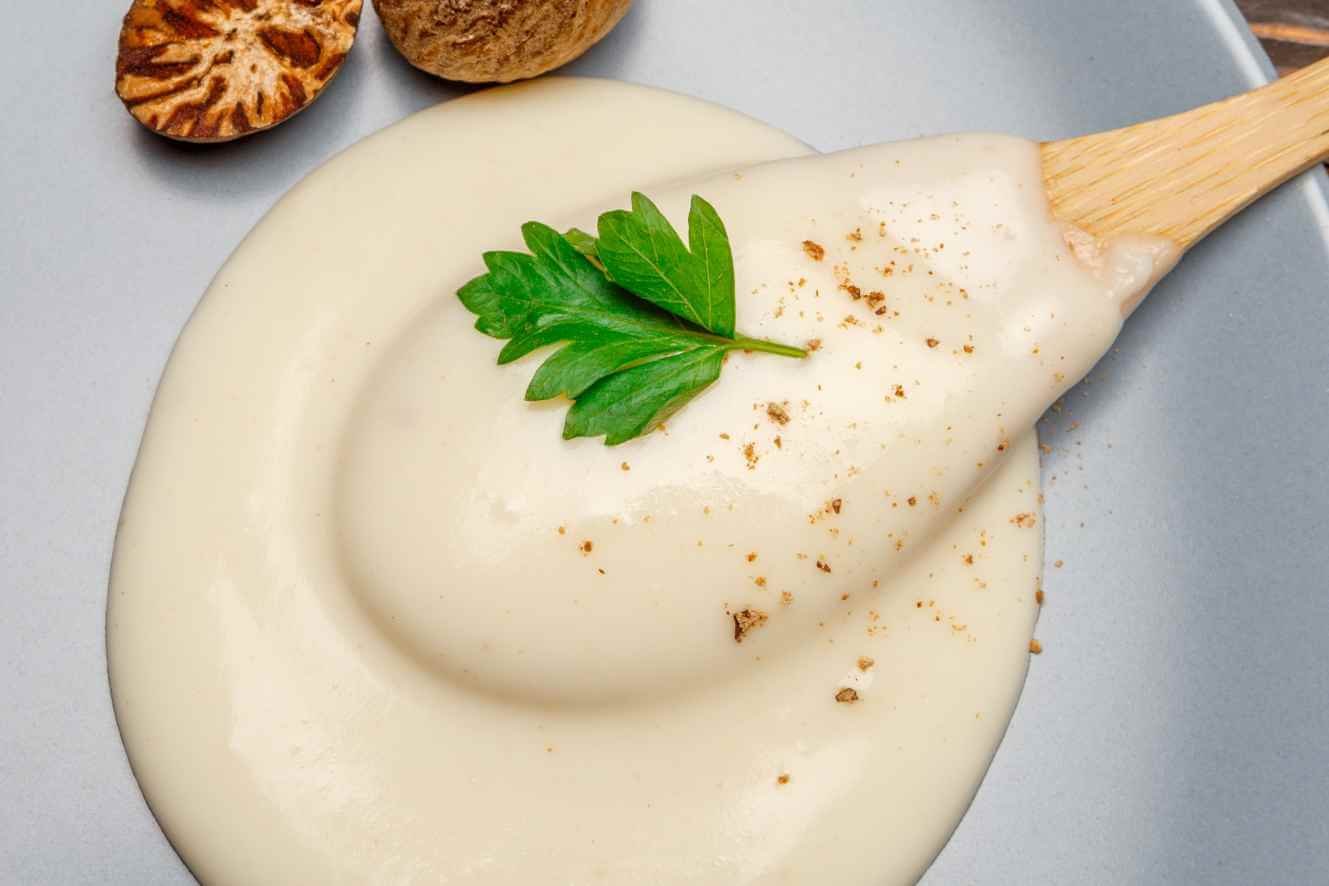
Homemade béchamel sauce was one of the first classic sauces I learned to prepare as a young chef. At first, it looked surprisingly simple. After all, it only required butter, flour, milk, and a little seasoning. However, I soon discovered that simple recipes often demand the most attention.
During my early years in professional kitchens, béchamel appeared in many different dishes. We used it for pasta bakes, vegetable gratins, lasagna, and creamy fillings. Each dish needed a slightly different consistency. Sometimes, the sauce had to remain light and pourable. At other times, it needed to be thick enough to hold a baked dish together.
Over the years, I learned that a good homemade béchamel sauce depends more on technique than complicated ingredients. The roux must cook long enough to remove the raw flour taste. However, it should not become brown. The liquid must also be added carefully while whisking. Otherwise, small lumps can quickly form.
My Practical Version of a Classic Sauce
The traditional recipe uses milk. However, my version combines milk powder with cold water. This method is practical, especially when preparing a large quantity. It also creates a creamy sauce with a pleasant dairy flavor.
A small amount of white pepper seasons the sauce without adding visible dark specks. Meanwhile, nutmeg brings warmth and gives the béchamel its familiar flavor. You only need a little because nutmeg can quickly overpower the sauce.
I have prepared this sauce countless times throughout my career. Still, I always give it my full attention. I whisk around the edges of the pan, control the heat, and watch the texture as it changes. These small habits help produce a smooth and lump-free result.
A Sauce Worth Learning
Once you learn how to make béchamel sauce, you can use it in many comforting dishes. It works beautifully in lasagna, macarona béchamel, mac and cheese, nouille, moussaka, gratins, stuffed crêpes, and baked vegetables. You can also add cheese, mustard, mushrooms, or herbs to create different sauces.
In this article, I will explain each step clearly. I will also share how to prevent lumps, adjust the consistency, fix common mistakes, and store the sauce correctly. With a little patience and the right method, you can prepare a silky, creamy béchamel sauce every time.
What Is Béchamel Sauce?
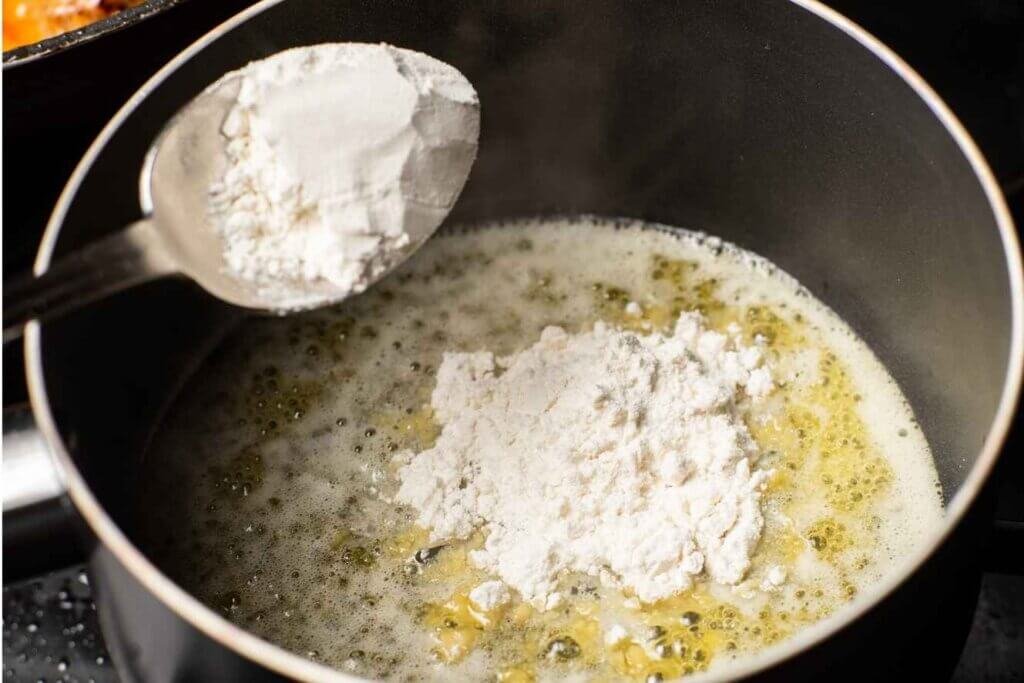
Béchamel sauce is a classic white sauce made from a pale roux and milk. A roux is simply a cooked mixture of butter and flour. The flour thickens the milk, while the butter gives the sauce richness and a smooth texture.
Béchamel is one of the five mother sauces of French cuisine. A mother sauce acts as a foundation for other sauces and dishes. According to the Auguste Escoffier School of Culinary Arts, the five mother sauces are béchamel, velouté, espagnole, hollandaise, and tomato sauce.
However, béchamel is probably the most familiar one for home cooks. Even people who do not recognize its French name may already prepare it for lasagna, macarona béchamel, moussaka, or baked vegetables.
What Makes Béchamel Different From Other Creamy Sauces?
Béchamel does not need cream to develop its creamy texture. Instead, the roux thickens the milk and gives the sauce its silky consistency. This makes the cooking technique more important than the number of ingredients. The butter must melt gently before adding the flour. However, it should not become brown.

Cooking butter correctly is one of the small details I discuss in how chefs use butter. Its temperature affects the color, aroma, and final flavor of a dish.
After adding the flour, cook the roux briefly. This step removes the raw flour taste while keeping its pale color. Next, gradually add the liquid and whisk until the sauce becomes smooth.
Why Béchamel Is Called a Mother Sauce
Béchamel can be served as it is, but it can also become the base for other sauces. For example, adding grated cheese transforms it into Mornay sauce. You can also add mustard, herbs, mushrooms, garlic, or cooked onions.
This flexibility makes béchamel valuable in both home and professional kitchens. One basic preparation can produce several sauces for pasta, meat, chicken, or vegetables.

However, béchamel should not taste bland simply because it has a mild color. Butter, salt, white pepper, and nutmeg each add another layer of flavor. This is also why understanding how to season food properly matters, even in a simple white sauce.
When prepared correctly, homemade béchamel sauce should taste creamy and delicately seasoned. It should coat the food without feeling heavy, pasty, or greasy. Most importantly, it should support the main dish without hiding its other flavors.
Why This Béchamel Sauce Recipe Works
This béchamel sauce recipe differs slightly from the traditional version. Instead of using fresh milk, I combine milk powder with cold water. I often use this method when preparing a large quantity because it is practical and easy to measure.
However, convenience is not the only advantage. Milk powder gives the sauce a pleasant dairy flavor and helps create a creamy consistency. Meanwhile, the cold water allows the powder to dissolve before it reaches the hot roux.
The Butter and Flour Create a Stable Base
Butter and flour form the roux that thickens the sauce. Once combined, the butter coats the flour particles with fat. This helps them disperse more evenly when the liquid is added.
I cook the roux briefly before adding the prepared milk. This step removes the raw flour taste. However, I do not let it become brown. A dark roux would give the sauce a toasted flavor and change its clean, white appearance.
The quantities in this recipe create a thick béchamel. Therefore, it works especially well in lasagna, macarona béchamel, moussaka, and baked dishes. The sauce remains creamy but provides enough structure to hold the ingredients together.
Cold Liquid Helps Control the Texture
Adding cold liquid to a hot roux makes the thickening process easier to control. I add it gradually while whisking, especially at the beginning. Once the first amount becomes smooth, I continue adding the remaining liquid.
Pouring all the liquid at once can make it harder to combine the roux evenly. As a result, dry pockets of flour may remain inside the sauce and form lumps.
The sauce may initially look thinner than expected. However, it thickens as it heats and the flour absorbs the liquid. For this reason, avoid adding more flour before the mixture has cooked properly.
Simple Seasoning Brings Everything Together
Béchamel has a mild flavor, so balanced seasoning is important. Salt enhances the dairy flavor, while white pepper adds gentle warmth without leaving dark specks. Nutmeg gives the sauce its familiar aroma and a subtle depth.
Still, nutmeg should remain in the background. Too much can easily dominate the entire sauce. I prefer to add the measured amount, let the sauce cook briefly, and then taste it.
Add the seasoning gradually and taste the sauce before adding more. Each ingredient should support the creamy flavor without overpowering it.
By controlling the roux, adding the liquid carefully, and seasoning with restraint, this recipe produces a smooth and dependable béchamel sauce. It is creamy enough to feel rich, yet stable enough for layered and baked dishes.
How Thick Should Béchamel Sauce Be?
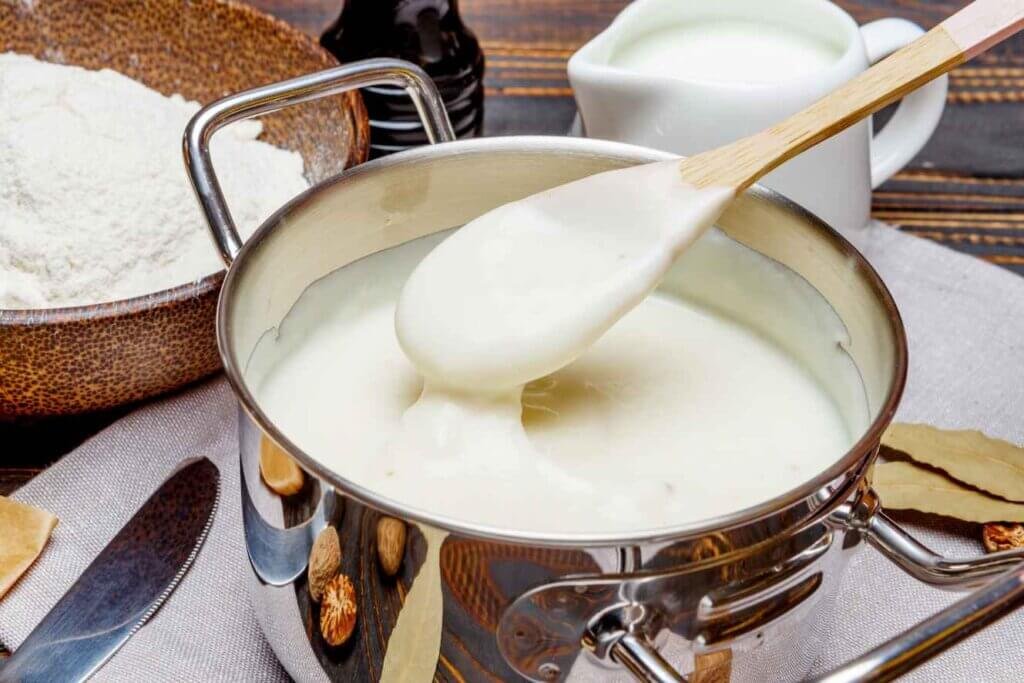
The correct consistency depends on how you plan to use the sauce. Béchamel for lasagna should not have the same thickness as a sauce used for gratins or creamy fillings.
A well-prepared béchamel should look smooth and glossy. It should coat the back of a spoon without feeling pasty or sticky. When you draw a finger across the coated spoon, the line should remain visible instead of immediately filling with sauce.
Thin Béchamel Sauce
A thinner béchamel works well when you want the sauce to spread easily. You can use it for vegetables, light pasta dishes, or as a creamy base for other sauces.
If your sauce becomes too thick, whisk in a small amount of prepared milk. Add it gradually until you reach the desired consistency.
Medium Béchamel Sauce
A medium consistency is ideal for lasagna, moussaka, and macarona béchamel. The sauce should spread easily across each layer without running like milk.
It must remain fluid enough to cover the pasta. However, it should also provide enough structure to hold the finished dish together after baking.
Thick Béchamel Sauce
A thicker béchamel works well for gratins, croquettes, stuffed crêpes, and creamy fillings. It should hold its shape more firmly while remaining smooth.
Remember that béchamel continues to thicken as it cools. Therefore, stop cooking it shortly before it reaches the final consistency you want. If it looks perfect while boiling hot, it may become too firm after resting.
Let’s Make Béchamel Sauce
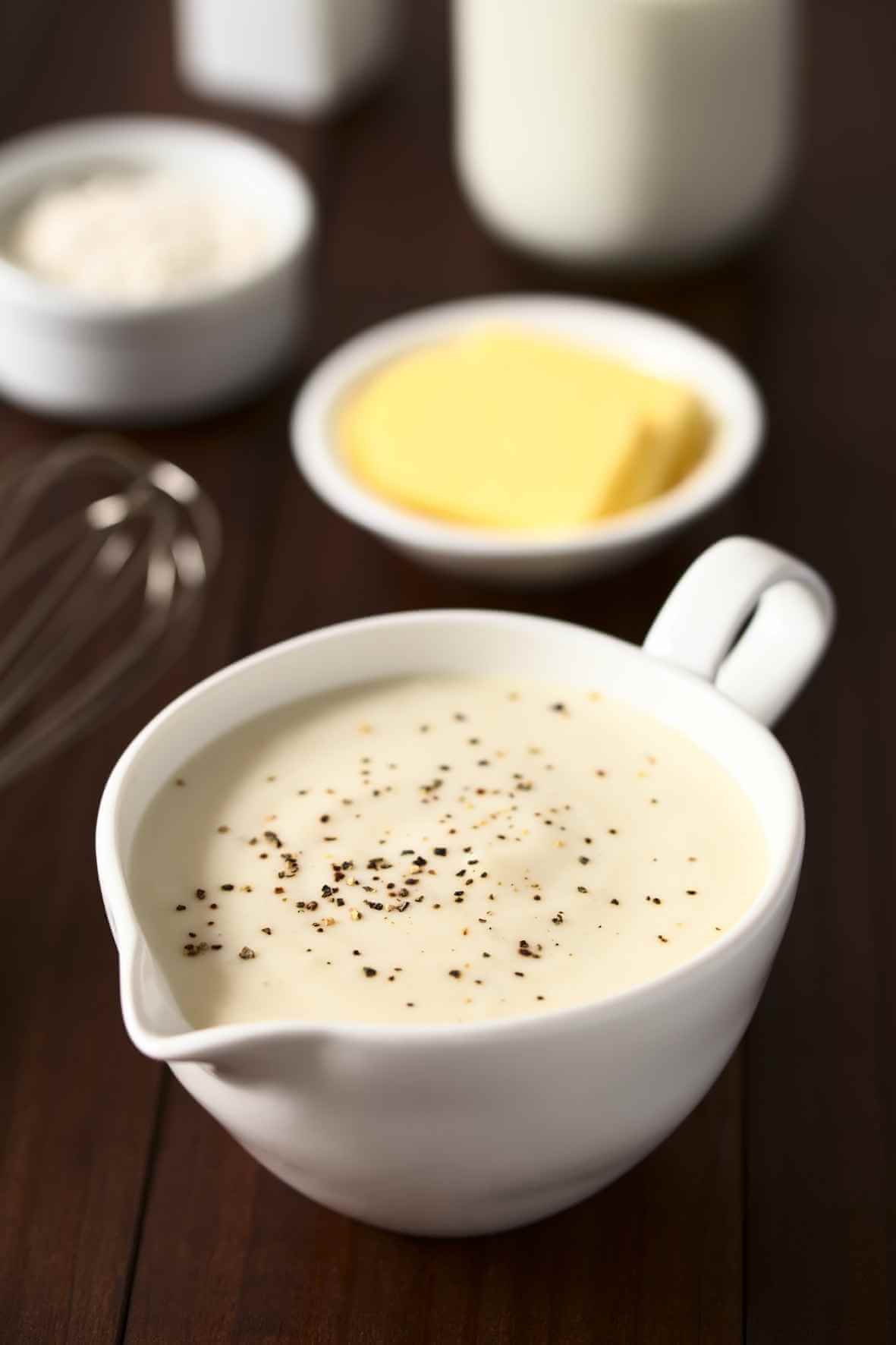
Béchamel Sauce
Ingredients
Equipment
Method
- Place the butter in a saucepan over medium heat.
- Melt it slowly, ensuring it doesn’t brown or burn.
- Once the butter is melted, add the flour.
- Stir continuously until the mixture forms a smooth, dough-like paste.
- Add a pinch of grated nutmeg and some white pepper to the roux.
- Mix well to incorporate the flavors.
- Gradually pour in the cold milk while stirring constantly.
- Adding the milk slowly while the mixture is cold helps prevent lumps and ensures a creamy texture.
- If the sauce has any remaining lumps, use a hand blender to pulse the mixture until it is perfectly smooth and creamy.
- Add salt to taste and stir it into the sauce.
- Continue to stir the sauce over medium heat.
- Once it begins to bubble (simmer), it will thicken significantly.
- Keep stirring until you reach your desired consistency.
- Ensure the sauce doesn’t stick to the bottom of the pan.
- Remove from heat and serve or use in your favorite dish (like lasagna or moussaka).
Video
How to Use Béchamel Sauce in Different Recipes
Béchamel sauce is much more than a topping. It adds moisture, binds ingredients, and creates a creamy texture without relying on heavy cream. However, its consistency should change slightly depending on the recipe.
Lasagna
In lasagna, béchamel creates creamy layers between the pasta, meat sauce, and cheese. It also prevents the finished dish from tasting dry.
Use a medium béchamel that spreads easily without running out of the dish. Spoon a thin layer over the bottom, then add more between the pasta layers. Finish with béchamel and grated cheese to create a golden surface.
Avoid making the sauce too thick. The pasta continues absorbing moisture while baking, so a very thick béchamel may make the lasagna feel heavy.
Mac and Cheese
Béchamel forms the base of a smooth mac and cheese sauce. Once the sauce reaches a creamy consistency, remove it from direct heat and gradually stir in grated cheese.
This cheese variation is known as Mornay sauce. Cheddar provides a familiar flavor, while Gruyère, Parmesan, or mozzarella can add depth and improve the texture.
Keep the béchamel slightly thinner before adding the cheese because melted cheese will thicken it. In addition, avoid boiling the sauce afterward. Excessive heat can cause the cheese to become greasy or grainy.
Macarona Béchamel
In macarona béchamel, the sauce binds the pasta and seasoned minced meat into firm, creamy layers. This dish needs a medium-to-thick béchamel that holds its shape after baking.
Spread some sauce through the pasta instead of placing all of it on top. This keeps the inside moist and helps each portion remain cohesive when sliced.
Moussaka
Béchamel creates the rich upper layer of moussaka. It balances the tomato-based meat filling and the deep flavor of the eggplant.
For this dish, use a thick sauce that can sit on top without sinking into the lower layers. Some moussaka recipes enrich the béchamel with egg yolks or cheese. However, allow the sauce to cool slightly before adding eggs so they do not scramble.
Vegetable Gratins
Béchamel can turn simple vegetables into comforting vegetable gratins. It works particularly well with cauliflower, broccoli, potatoes, leeks, spinach, and zucchini.
Cook or blanch the vegetables before assembling the gratin. Additionally, drain them thoroughly. Excess water can dilute the béchamel and make the finished dish watery.
Cover the vegetables with sauce, add breadcrumbs or grated cheese, and bake until the surface becomes golden.
Croque Monsieur
A thin layer of béchamel gives a croque monsieur its rich, creamy center. Spread it inside the sandwich or over the top before adding cheese and grilling.
Since ham and cheese already contain salt, season the béchamel lightly. The sauce should complement the filling rather than overpower it.
Stuffed Crêpes and Savory Fillings
A thick béchamel can bind fillings for savory crêpes, pastries, and stuffed vegetables. Combine it with chicken, mushrooms, spinach, seafood, or cheese.
The sauce should be thick enough to hold the ingredients together. However, it should remain creamy after baking. If the filling feels too firm, loosen it with a small amount of prepared milk.
Once you master one basic béchamel sauce, you can adjust it for many dishes. A little extra liquid creates a lighter coating, while longer cooking produces a firmer sauce for layered recipes and fillings.
Common Béchamel Sauce Problems and How to Fix Them
Even experienced cooks occasionally encounter problems with béchamel sauce. Fortunately, you can correct most of them without starting again.
Why Is My Béchamel Sauce Lumpy?
Lumps usually form when the liquid enters the roux too quickly or the sauce is not whisked continuously.
First, whisk the sauce vigorously while it is still warm. If small lumps remain, pass it through a fine-mesh strainer. You can also use a hand blender briefly to restore a smooth texture.
However, avoid blending for too long. Excessive blending may make a flour-thickened sauce feel gummy.
Why Does My Béchamel Taste Like Flour?
A floury taste usually means the roux or finished sauce did not cook long enough. Although the sauce may thicken quickly, the flour still needs time to lose its raw flavor.
Continue cooking the béchamel gently while stirring. Taste it after several minutes. The floury flavor should gradually disappear and leave a mild, creamy taste.
Avoid increasing the heat to speed up the process. High heat may burn the bottom before the flour finishes cooking.
Why Is My Béchamel Too Thick?
Béchamel thickens both during cooking and as it cools. Therefore, a sauce that looks perfect in the saucepan may become firmer after resting.
To loosen it, gradually whisk in a little prepared milk. Allow each addition to combine before adding more. Continue until the sauce reaches the consistency required for your dish.
Do not add plain water unless necessary. Water will thin the sauce, but it can also weaken its dairy flavor.
Why Is My Béchamel Too Thin?
First, give the sauce enough time to cook. The flour needs heat to activate and thicken the liquid.
If it remains too thin, continue simmering it gently while stirring. Some moisture will evaporate, and the consistency will become thicker.
Avoid adding dry flour directly to the saucepan. It will form lumps immediately. Instead, prepare a small separate roux if the sauce truly needs more thickening.
What Should I Do If the Bottom Burns?
Béchamel can burn easily because milk solids and flour settle near the bottom of the saucepan.
If you smell burning, stop stirring immediately. Pour the unburned sauce into a clean saucepan without scraping the bottom. Taste it before continuing.
A lightly scorched sauce may still be usable. However, if the burned flavor has spread throughout it, starting again will produce a better result.
Why Did a Skin Form on Top?
A skin forms when the surface of the béchamel is exposed to air while cooling. It is harmless, but it can create unpleasant pieces when mixed back into the sauce.
To prevent it, place food-safe plastic wrap or baking paper directly against the surface. Alternatively, brush the top with a very thin layer of melted butter.
If a skin has already formed, remove it gently before reheating the sauce.
Why Does My Sauce Look Greasy?
A greasy surface may appear when the butter and flour were not combined properly. It can also happen when the sauce contains too much fat or cooks over excessive heat.
Remove the saucepan from the heat and whisk thoroughly. Adding a small amount of prepared milk may help bring the sauce together.
If the sauce remains greasy, pass it through a fine strainer before using it.
How to Store, Reheat, and Freeze Béchamel Sauce
You can prepare béchamel in advance, which makes assembling lasagna, moussaka, or pasta bakes much easier. However, cool and store it properly because it contains dairy.
How Long Does Béchamel Sauce Last in the Refrigerator?
Homemade béchamel sauce lasts for three to four days in the refrigerator when stored correctly. Keep it in a clean, airtight container at 4°C or below.
Transfer the sauce to a shallow container so it cools quickly. Then place food-safe plastic wrap or baking paper directly against its surface. This prevents a thick skin from forming.
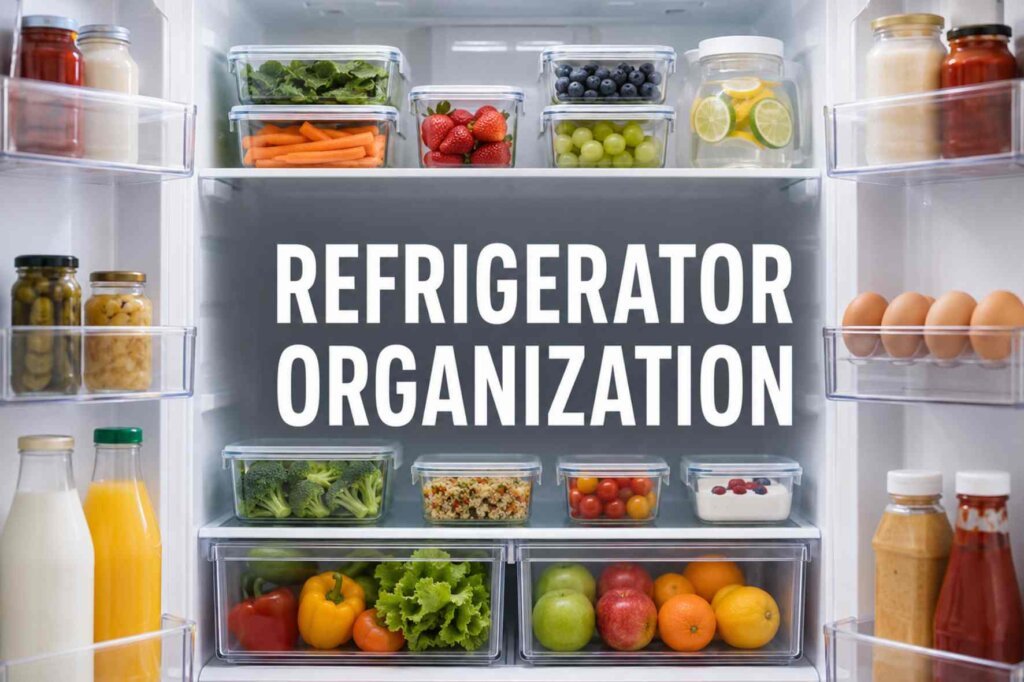
Refrigerate the sauce within two hours of cooking. Once cooled, store it on a middle or upper shelf rather than inside the refrigerator door. The temperature around the door changes whenever it opens. For more practical storage guidance, read my article about refrigerator organization.
Discard the béchamel if it develops an unpleasant smell, visible mold, discoloration, or an unusual texture. Do not taste questionable sauce to determine whether it is still safe.
How to Reheat Béchamel Sauce
Béchamel becomes thicker in the refrigerator, but this does not mean it has spoiled.
Place it in a saucepan over low heat. Add a small amount of prepared milk and whisk continuously as it warms. Continue adding liquid gradually until the original creamy consistency returns.
Avoid strong heat because the bottom can burn before the center becomes hot. If using a microwave, heat it in short intervals and whisk between each one.
Discard the sauce if it develops an unpleasant smell, visible mold, or unusual discoloration. Do not taste questionable sauce to determine whether it is safe.
Can You Freeze Béchamel Sauce?
Yes, you can freeze béchamel, although its texture may change slightly. The sauce may look separated or grainy after thawing, but gentle reheating usually restores it.
Allow the béchamel to cool, then divide it into practical portions. Store it in airtight, freezer-safe containers and leave a little space for expansion.
For the best quality, use frozen béchamel within about two to three months. Label each container with the preparation date so you can track it easily.
Thaw it overnight in the refrigerator. Then reheat it slowly while whisking. Add a little prepared milk if it remains too thick.
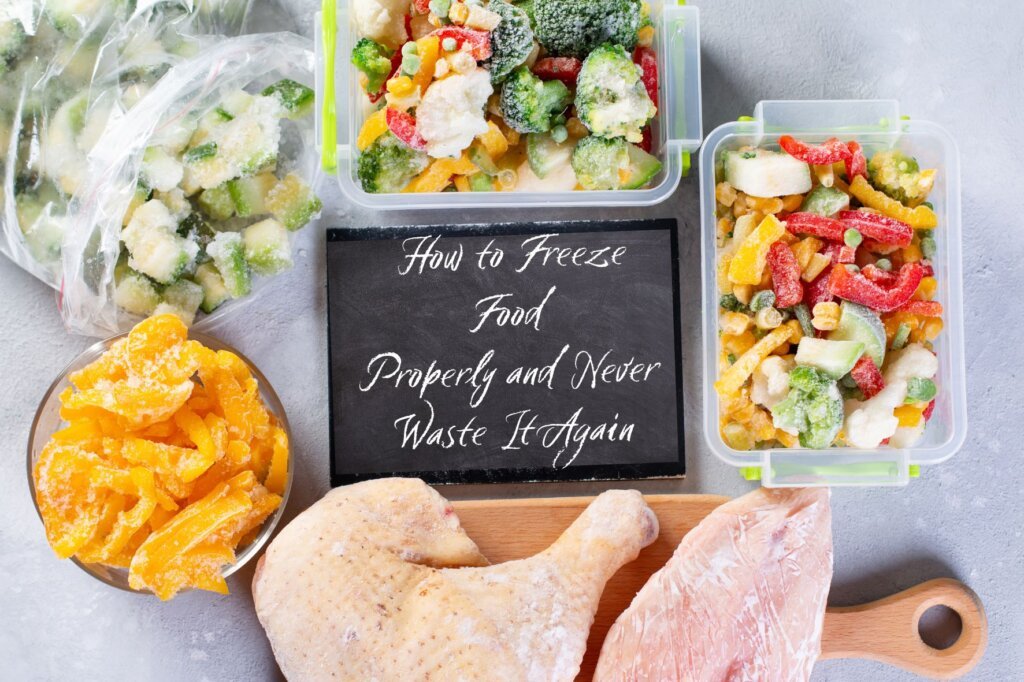
Avoid thawing béchamel on the kitchen counter. For additional tips on portioning, labeling, and protecting frozen food, see how to freeze food properly.
Béchamel Sauce Variations
Once you understand the basic sauce, you can adjust its flavor for different dishes. Add extra ingredients carefully so the béchamel remains smooth and balanced.
Mornay Sauce
Mornay is a béchamel sauce enriched with grated cheese. It is commonly used for mac and cheese, gratins, baked pasta, and croque monsieur.
Once the béchamel is ready, reduce the heat or remove the saucepan from it. Add the grated cheese gradually while stirring. Cheddar, Gruyère, Parmesan, or a combination of cheeses works well.
Avoid boiling the sauce after adding the cheese. Excessive heat can cause the cheese to separate and create a greasy or grainy texture.
Mushroom Béchamel
Sauté finely chopped mushrooms until they release their water and begin to brown. Then stir them into the finished béchamel.
Do not add raw mushrooms directly to the sauce. They may release water and dilute its consistency. Cooking them separately also develops a deeper flavor.
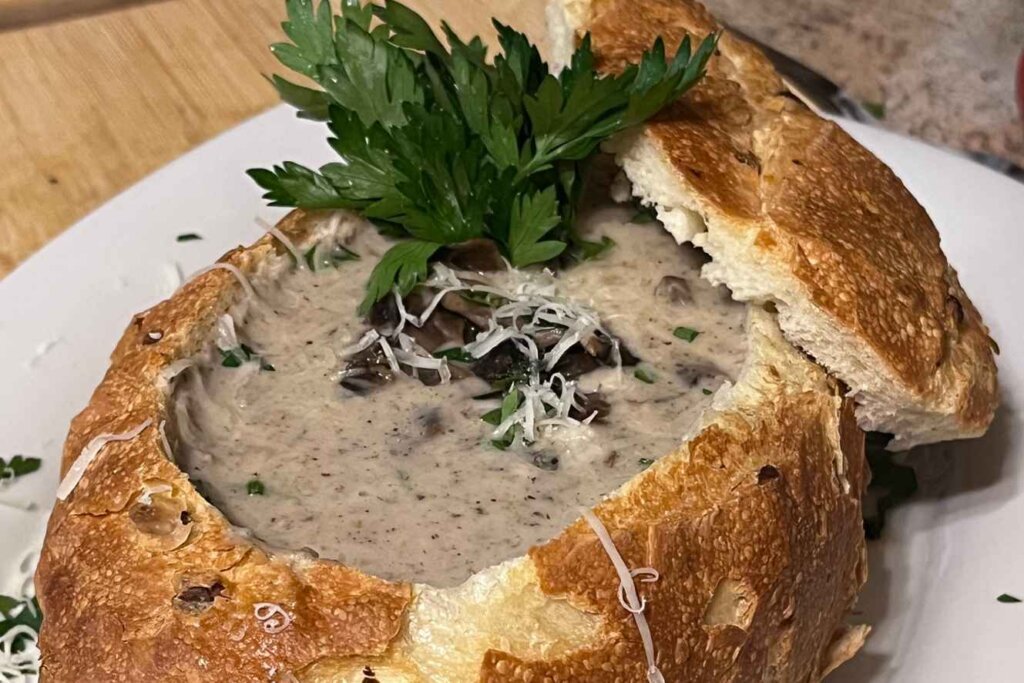
If you enjoy creamy mushroom dishes, you may also like my creamy mushroom soup. It uses the same idea of balancing dairy with the earthy flavor of mushrooms.
Garlic Béchamel
Garlic gives béchamel a stronger savory flavor. It works particularly well in potato gratins, chicken dishes, pasta bakes, and roasted vegetables.
Gently cook minced garlic in a little butter before adding it to the sauce. Alternatively, blend roasted garlic into the finished béchamel for a sweeter, softer flavor.
Avoid browning fresh garlic because it can become bitter.
Mustard Béchamel
A small amount of Dijon or whole-grain mustard adds acidity and gentle heat. This variation pairs well with chicken, ham, cauliflower, potatoes, and cheese-based dishes.
Add the mustard near the end of cooking, then taste before adding more. Its flavor should brighten the sauce without covering the butter and milk.
Herb Béchamel
Fresh or dried herbs can make béchamel lighter and more aromatic. Parsley, thyme, chives, basil, and tarragon are all suitable options.
Add dried herbs earlier so they have time to release their flavor. Add fresh herbs near the end to preserve their color and aroma.
Choose herbs that complement the final dish. For example, basil works well with pasta, while thyme pairs beautifully with mushrooms and roasted vegetables.
Frequently Asked Questions About Béchamel Sauce
Is Béchamel Sauce the Same as White Sauce?
The terms are often used interchangeably. However, béchamel traditionally refers to a French white sauce made by thickening milk with a pale butter-and-flour roux.
Other sauces may also be white but use cream, cornstarch, cheese, or different thickening methods. Therefore, not every white sauce is technically a béchamel.
Does Traditional Béchamel Contain Onion?
A basic modern béchamel does not require onion. It usually contains butter, flour, milk, salt, white pepper, and nutmeg.
However, some traditional versions infuse the milk with onion, bay leaf, or cloves before straining it. Adding cooked, puréed onions to béchamel produces a variation known as Soubise sauce.
This particular recipe does not contain onion.
Can I Use Fresh Milk Instead of Milk Powder?
Yes. You can replace the prepared milk powder and water with fresh milk. Use approximately the same volume of liquid required by the recipe.
Whole milk produces the richest result. However, semi-skimmed milk can also work. Very low-fat milk creates a lighter sauce with less dairy richness.
When substituting, add the milk gradually and monitor the texture. Different milk products may slightly change the final consistency.
Can I Make Béchamel Without Butter?
Yes, although the flavor will change. You can replace the butter with a mild cooking oil or a suitable plant-based alternative.
Choose a neutral-flavored oil so it does not overpower the sauce. Olive oil can work, but its flavor and color will be more noticeable.
A plant-based fat combined with unsweetened plant milk can also produce a dairy-free white sauce. However, technically, it is a béchamel-style sauce rather than a traditional béchamel.
Can I Make Gluten-Free Béchamel Sauce?
Yes. Replace the flour with a gluten-free all-purpose blend designed for sauces, or thicken the liquid with cornstarch.
Cornstarch requires a different method. Mix it with cold liquid first to create a smooth slurry. Then whisk it into the heated milk and cook until thickened.
The texture may feel slightly different from a flour-based béchamel, but it still works well for pasta bakes and gratins.
Why Does Béchamel Become Thicker After Cooling?
The starch continues setting as the sauce cools. Therefore, refrigerated béchamel can become much firmer than it was in the saucepan.
This change is normal. Reheat the sauce gently and whisk in a little prepared milk until it becomes smooth and pourable again.
Can I Add Cheese Directly to Béchamel Sauce?
Yes. Adding grated cheese turns béchamel into a Mornay-style sauce.
Lower the heat first, then add the cheese in small amounts while stirring. Finely grated cheese melts more evenly than large pieces.
For the smoothest texture, avoid using pre-shredded cheese when possible. Some packaged varieties contain anti-caking agents that can affect the consistency.
A Classic Sauce Worth Mastering
Béchamel sauce may use simple ingredients, but learning to prepare it well opens the door to many comforting recipes. Once you understand how to control its consistency, you can use it in lasagna, macarona béchamel, moussaka, mac and cheese, gratins, and creamy fillings.
Throughout my career, I have prepared béchamel in many quantities and for many different dishes. However, the same details always matter. Control the heat, add the liquid carefully, whisk continuously, and give the flour enough time to cook.
Do not worry if your first attempt is not perfect. A sauce that becomes too thick can be loosened, while a thin sauce can cook a little longer. Even small lumps can usually be removed with proper whisking or straining.
Most importantly, adjust the béchamel to the dish you are preparing. A lasagna needs a sauce that spreads easily, while a gratin or filling may require a thicker consistency. The recipe is the foundation, but understanding the texture gives you control.
Try this homemade béchamel sauce, then tell me how you used it. Leave a comment, rate the recipe, and share your results. You can also visit my YouTube channel for more professional recipes, practical cooking techniques, and kitchen advice.

Chef François El Aaraj is a corporate chef and culinary consultant with more than 30 years of experience in professional kitchens and restaurant openings across Lebanon and abroad. Through this website, he shares authentic recipes, cooking techniques, and chef secrets designed to help home cooks create flavorful meals with confidence.
Leave a Reply