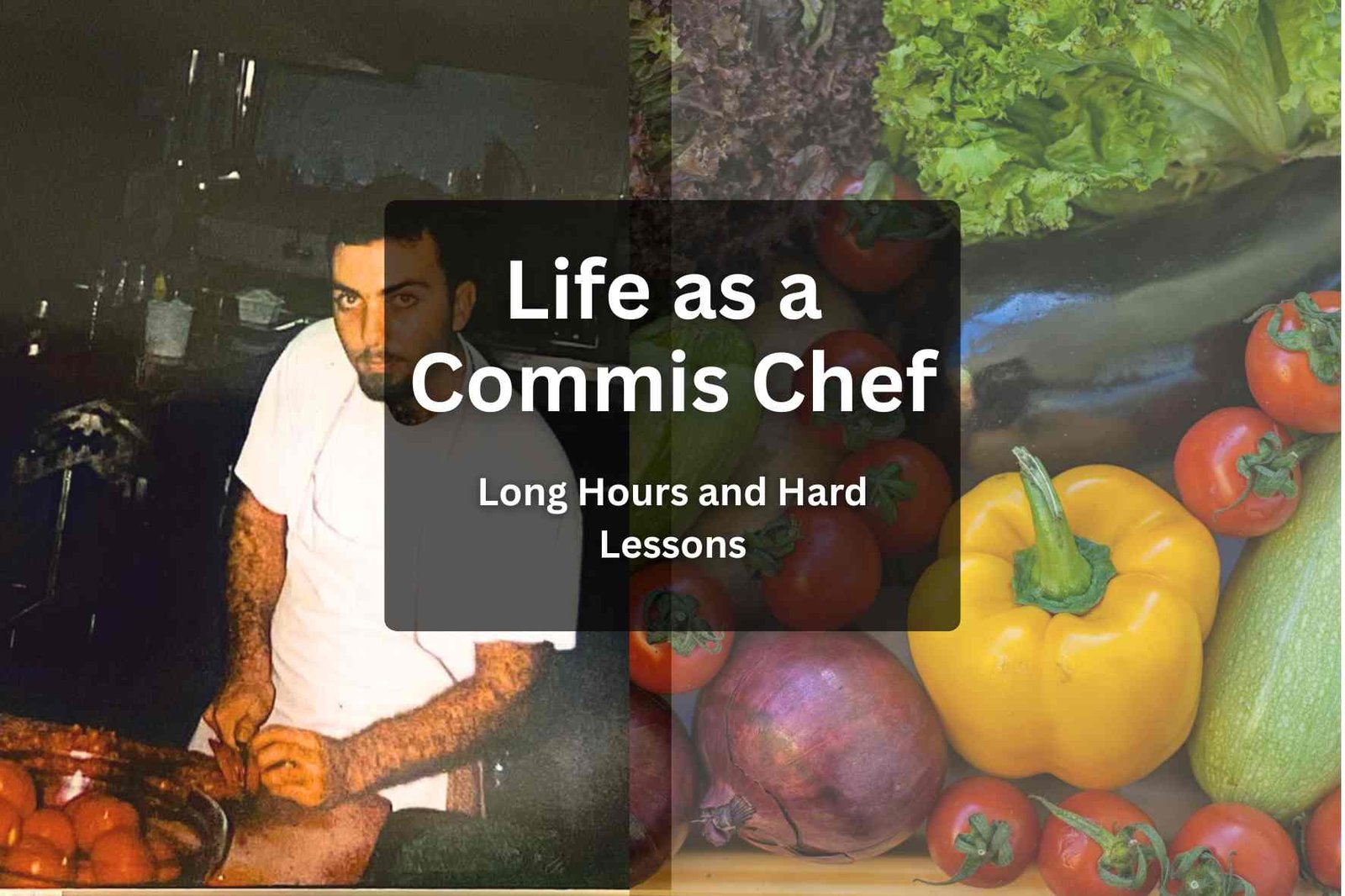
Before becoming the chef I am today, I spent long hours learning at the bottom of the kitchen hierarchy. This is the story of one of my earliest jobs as a commis chef and the hard lessons it taught me.
One of My First Jobs as a Commis Chef After Culinary School
My life as a commis chef began during the early years of my culinary career. One of my first jobs after graduating from culinary school took me to Aley, a beautiful mountain town in Lebanon. I joined Piscine Casino Aley, one of the country’s most famous entertainment venues at the time.
The casino was known for hosting some of the biggest concerts in Lebanon. Popular Lebanese and Arab singers regularly performed there. Therefore, the venue attracted large crowds, especially during important events and summer evenings.
From the outside, everything looked glamorous. Guests dressed elegantly, music filled the venue, and famous artists appeared on stage. However, a completely different world existed behind the scenes.
Behind the Glamour of Piscine Casino Aley
Inside the kitchens, we worked constantly to prepare food for the many guests. We chopped vegetables, organized ingredients, cleaned our stations, and helped the senior chefs. While visitors enjoyed their meals and the concerts, we focused on keeping every service running smoothly.
Piscine Casino Aley had several restaurants, in addition to a large central kitchen. Each restaurant had its own team and responsibilities. However, every department depended on preparation, discipline, and cooperation.
At that stage, I was still building my professional experience. Culinary school had given me a strong technical foundation. It had taught me cooking methods, food preparation, hygiene, and kitchen organization. Nevertheless, a real professional kitchen introduced me to challenges that no classroom could fully recreate.
The pace was faster, the pressure was greater, and the working hours were much longer. Every mistake could delay the entire team. Therefore, I quickly learned to listen carefully, move quickly, and complete every task properly.
Although this was not my first job, it became one of the earliest experiences that truly tested my endurance. I entered the casino eager to learn and determined to prove myself. At the time, I could not imagine how demanding the job would become.
Those months taught me much more than how to prepare ingredients. They taught me about discipline, exhaustion, personal limits, and the value of my own work. Most importantly, they showed me what life as a commis chef really looked like behind the kitchen doors.
What Does a Commis Chef Do?
A commis chef stands at the beginning of the kitchen hierarchy. Most new cooks start in this position. It gives them time to learn from chefs with more experience.
When I started, I did not prepare fancy plates or create new dishes. Instead, I handled basic kitchen tasks. I peeled vegetables, chopped onions, diced ingredients, and cleaned my work area.
I also helped the senior chefs prepare for service. They gave me clear orders, and I had to follow them well. In a busy kitchen, even a small task can affect the whole team. If I worked too slowly, I could delay the next stage of preparation.
Of course, we mainly served the chefs—with a big smile!
The work may sound simple. However, it needs speed, care, and patience. Cutting one onion is easy. Cutting several large boxes of onions is a different experience.
Learning Through Simple Kitchen Tasks
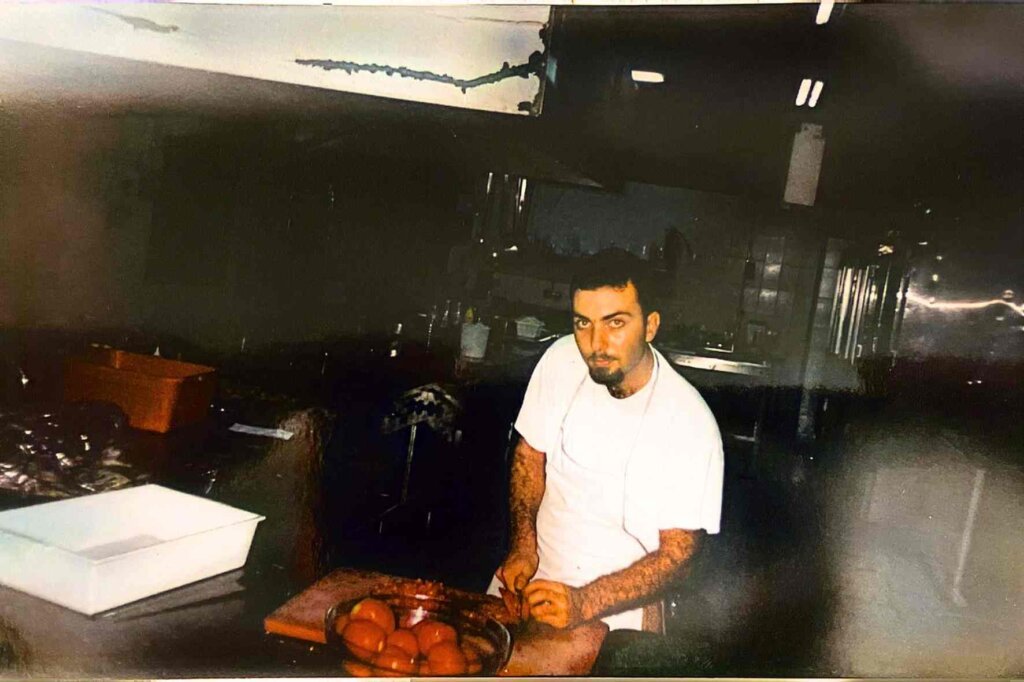
As a commis chef, I learned through practice. I repeated the same tasks until I could complete them faster. At the same time, I had to keep every piece even and clean.
These duties helped me improve my knife skills. They also taught me how to organize my work. Before starting, I learned to prepare my tools and arrange my ingredients. Good organization saved time and reduced mistakes.
Cleaning was also an important part of the job. I could not leave scraps, dirty tools, or crowded surfaces around my station. A clean station made the work safer and helped me move more quickly.
Moreover, I learned to listen. Senior chefs often gave short instructions during busy service. I needed to understand them immediately. There was little time to ask the same question twice.
A commis chef may have a low position in the kitchen hierarchy. Still, the role carries real responsibility. Every prepared ingredient supports another cook. Therefore, every task matters.
At the time, I wanted to prove that I could handle any job. I rarely complained, even when the work became difficult. I believed that hard work would help me move forward.
That attitude helped me gain experience and earn the chefs’ trust. However, it also led me to accept more than I should. I would soon discover that being dependable sometimes comes with a heavy price.
Working Long Hours Without Taking Care of Myself
The work at Piscine Casino Aley demanded a great deal of energy. Some shifts lasted much longer than expected. On the busiest days, I sometimes worked for more than 20 hours.
During those hours, I spent most of my time standing. I moved between the preparation area, the kitchen, and the storage rooms. There was always another task waiting for me.
I chopped vegetables for hours. Then, I cleaned my station and started again. This constant preparation also taught me how important good equipment can be. Even something as simple as choosing the right cutting board can affect safety, speed, and comfort.

You can read more about this in my guide to wooden versus plastic cutting boards.
However, my greatest problem was not the workload alone. I often forgot to eat.
When the kitchen became busy, I focused only on finishing my work. I kept telling myself that I would eat later. Then, another order arrived, or a chef gave me a new task. Before I knew it, many hours had passed.
Ignoring the Warning Signs
Skipping meals became a bad habit. Sadly, it remains one of my biggest flaws. When I become focused on kitchen work, I can forget about everything else.
At the time, I believed that stopping for food would slow me down. I wanted to show the chefs that they could depend on me. Therefore, I continued working even when I felt weak.
My body gave me several warning signs. I felt tired, light-headed, and drained. Still, I ignored them. I believed that a hardworking commis chef should continue without complaining.
One day, after a very long shift, I returned home completely exhausted. Soon afterward, I fainted with my eyes open. My wife looked at me and thought I had died.
Fortunately, I recovered. However, the moment terrified both of us. It also became a story of its own, which I will share in another Chef’s Journal article.
Today, I understand that ignoring hunger is not a sign of strength. A chef needs enough energy to think clearly and work safely. Exhaustion can cause poor decisions, slow reactions, and serious accidents.
Unfortunately, I had not yet learned that lesson. I remained eager to prove myself, even when the job placed too much pressure on my body. Soon, my hard work caught the attention of the management, and they decided to move me to the central kitchen.
My Transfer to the Central Kitchen
After some time, the management noticed my work. They saw that I followed instructions and completed every task. They also knew that I rarely complained.
Because of this, they decided to move me to the central kitchen.
At first, I viewed the transfer as a reward. The central kitchen served the casino’s different restaurants. Therefore, it handled large amounts of food every day.
Working there gave me the chance to see a much larger operation. The quantities were enormous compared with those used in a small restaurant. We did not prepare a few onions or eggplants. We prepared full boxes at a time.
The work needed speed, order, and good teamwork. Every restaurant depended on the central kitchen. As a result, we had to finish each task on time.
I wanted to prove that the management had made the right choice. Therefore, I accepted every job they gave me.
Boxes of Onions and Endless Preparation
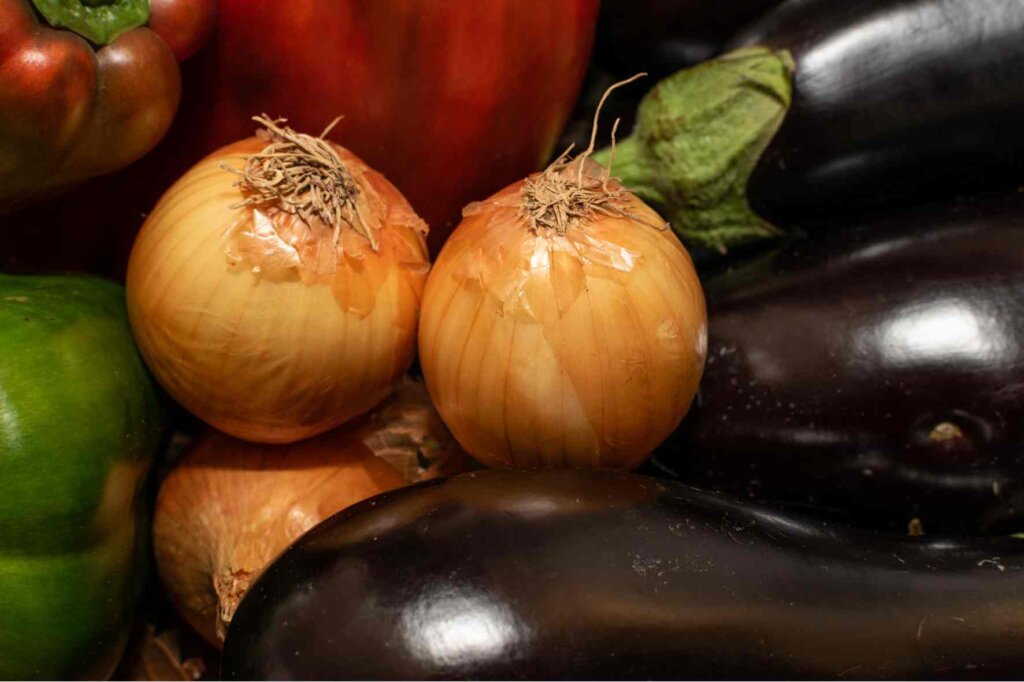
One of my main tasks involved chopping onions. They would place large boxes in front of me, and I had to work through them.
After one box, another one often followed. My eyes burned, and my hands became tired. Still, I kept chopping.
They also gave me large amounts of eggplants to roast. In Lebanese cooking, we roast eggplants over strong heat to create a smoky flavor. That deep taste plays an important role in dishes such as Lebanese mutabbal.
At Piscine Casino Aley, we roasted the eggplants inside large bread ovens. The intense heat burned their skins and softened the flesh. It also gave them the smoky taste that guests expected.
However, standing beside those ovens was not easy. The heat surrounded me for hours. I could feel it on my face, arms, and clothes. Even moving away for a few minutes did not bring much relief.
I continued because I wanted to succeed. I believed that every difficult task would help me grow as a commis chef. In many ways, it did.
I learned how to prepare large amounts of food with speed and care. I also learned how central kitchens support several restaurants at once.
However, the work began to affect my health. I felt tired all the time, and I lost a great deal of weight. Slowly, I started to wonder whether the transfer had truly been a reward or simply a way to give me the work that nobody else wanted.
When Hard Work Started to Feel Unfair
At first, I accepted every task without question. I wanted to learn, improve, and earn the chefs’ trust. Therefore, I worked hard and completed every job they gave me.
However, the same duties soon became part of my daily routine. I spent hours chopping onions and roasting eggplants beside the hot ovens. Meanwhile, other employees avoided these tiring jobs.
I began to notice a pattern. Whenever the kitchen had a difficult or unpleasant task, they gave it to me. They knew I would not complain. They also knew I would finish the work.
Being dependable helped me build a good reputation. However, it also made it easy for others to place more pressure on me.
There is nothing wrong with starting from the bottom. Every commis chef must complete basic tasks. These duties build skill, speed, and discipline. Still, young cooks should receive fair treatment and a real chance to learn.
The Day I Decided to Resign
After many exhausting shifts, I reached my limit. I had lost weight, and I felt tired almost every day. Moreover, I no longer felt that the position helped me grow.
I believed they were taking advantage of my strong work ethic. Instead of teaching me new skills, they kept giving me the jobs everyone else disliked.
Eventually, I spoke to the chef. I told him that I did not want to continue working there. It was not an easy conversation, especially at the start of my career. However, I knew I had to speak honestly.
To my surprise, the chef did not want me to leave. He knew how much work I completed each day. Therefore, he offered me another position in one of the casino’s restaurants.
That offer confirmed something important. The management valued my work, even if they had not always shown it. They knew they could depend on me, and they did not want to lose me.
So, I accepted the new position and remained at the casino. Moving back into a restaurant gave me a change from the endless central kitchen duties. It also allowed me to continue gaining experience.
This moment became another important part of my journey as a chef. It taught me that hard work can open doors. However, it also taught me to speak when a situation becomes unfair.
At the time, I thought the worst part of the experience had passed. Unfortunately, a much bigger problem was about to affect every employee at the casino.
Two Months Without a Salary
In total, I worked at Piscine Casino Aley for about six months. The experience gave me valuable lessons. However, the final two months brought a problem that I could not ignore.
The casino stopped paying its employees.
At first, we waited and hoped the delay would end soon. Large businesses sometimes face short financial problems. Therefore, many of us continued working and trusted that we would receive our salaries later.
However, another month passed, and we still received nothing. The problem affected the whole team. Cooks, waiters, cleaners, and other employees all waited for their paychecks.
We eventually learned that the casino had serious debts. Although it remained busy and glamorous from the outside, the business struggled behind the scenes.
Guests continued to visit the venue. Concerts still filled the space with music. Yet many employees returned home without the money they had earned.
Why I Finally Decided to Leave
I had already accepted long hours, hard duties, and great physical pressure. Still, I could not accept working without pay.
Every employee deserves payment for completed work. Passion does not pay household expenses. Experience also cannot replace a salary.
I remained patient for two months. After that, I decided to leave.
My decision had nothing to do with laziness or a fear of hard work. I had already proved that I could handle difficult conditions. However, I also knew that I had to respect myself and the value of my time.
Leaving was disappointing. I had invested energy in the job, and I had worked hard to earn the chefs’ trust. Still, staying would have meant accepting a situation that had become unfair.
This experience taught me the difference between loyalty and sacrifice. Loyalty means supporting a workplace during a difficult time. However, it should not require employees to work without knowing whether they will ever get paid.
I left without receiving my final two salaries. Still, I took valuable experience with me. I had worked in several restaurants and inside a large central kitchen. I had also learned how a major food operation worked behind the scenes.
Those lessons later helped me grow, take on larger responsibilities, and build my professional career as a chef. The casino owed me money, but the experience still became part of the chef I would eventually become.
What I Learned From Life as a Commis Chef
My time as a commis chef at Piscine Casino Aley did not end as I had hoped. Still, I do not consider those six months a waste.
Every shift taught me something. I improved my speed, knife skills, and kitchen organization. Moreover, I learned how to prepare food in very large amounts.
Working in a central kitchen also showed me the value of good planning. The team had to prepare ingredients for several restaurants. Therefore, we could not wait until service started to organize our work.
We needed to know what each restaurant required. Then, we prepared the correct amount and stored everything safely. This experience taught me lessons that I still use today. Some of them also appear in my guide on how to freeze food properly.
Large kitchens cannot depend on guesswork. Every task must follow a clear order. Otherwise, one delay can affect several teams at once.
A Commis Chef Learns More Than Cooking
The position also taught me patience. Repeating the same task for hours was not exciting. However, repetition helped me improve my control and speed.
Chopping boxes of onions strengthened my knife skills. Roasting eggplants taught me how heat changes flavor and texture. Cleaning my station taught me discipline.
Most importantly, I learned how much a kitchen depends on teamwork. A commis chef may hold a junior position, but the work still matters. Senior chefs cannot complete service without proper preparation.
At the same time, I learned to recognize my limits. Hard work helped me earn trust. Yet working without rest harmed my health. Staying silent also encouraged others to give me every unwanted task.
Later in my career, these lessons shaped the way I treated my own kitchen teams. I never forgot how it felt to stand beside a hot oven for hours. I also remembered the exhaustion of working without food or proper rest.
Therefore, when I became responsible for other cooks, I understood the need to divide work fairly. I knew that junior employees needed guidance, not only orders. They also needed chances to grow.
A commis chef must work hard. However, senior chefs must also teach, support, and protect the people working under them.
The experience made me stronger, but it also changed my idea of leadership. A good chef does more than prepare excellent food. A good chef builds a team where people can learn, contribute, and feel respected.
Final Thoughts on My Life as a Commis Chef
My life as a commis chef at Casino Piscine Aley was not easy. I worked long hours, completed tiring tasks, and often forgot to take care of myself. Eventually, I also faced the disappointment of working for two months without receiving a salary.
Still, I do not regret the experience. Every box of onions, every roasted eggplant, and every busy shift taught me something. I improved my speed, discipline, and kitchen skills. Moreover, I learned how much hard work goes into every plate served in a professional restaurant.
Most importantly, this job taught me to respect my own limits. Dedication helped me grow, but it also made me accept unfair conditions. With time, I learned that working hard should never mean ignoring your health or allowing others to take advantage of you.
More Stories From My Career as a Chef
This experience represents only one chapter in my long culinary journey. Every restaurant, kitchen, and team left a mark on me. Some experiences taught me new techniques. Others taught me about leadership, patience, and people.
If you enjoyed this story, visit my Chef’s Journal category. There, I share more personal memories, career experiences, and lessons from over 30 years in professional kitchens.
You can also visit my YouTube channel for complete recipes, practical cooking tips, and step-by-step video tutorials. Subscribe to the channel and join me as I share the knowledge and experience, I collected throughout my career.
This may be the end of this story, but it is far from the end of my journey. I still have many kitchen memories, difficult lessons, and unforgettable moments to share.
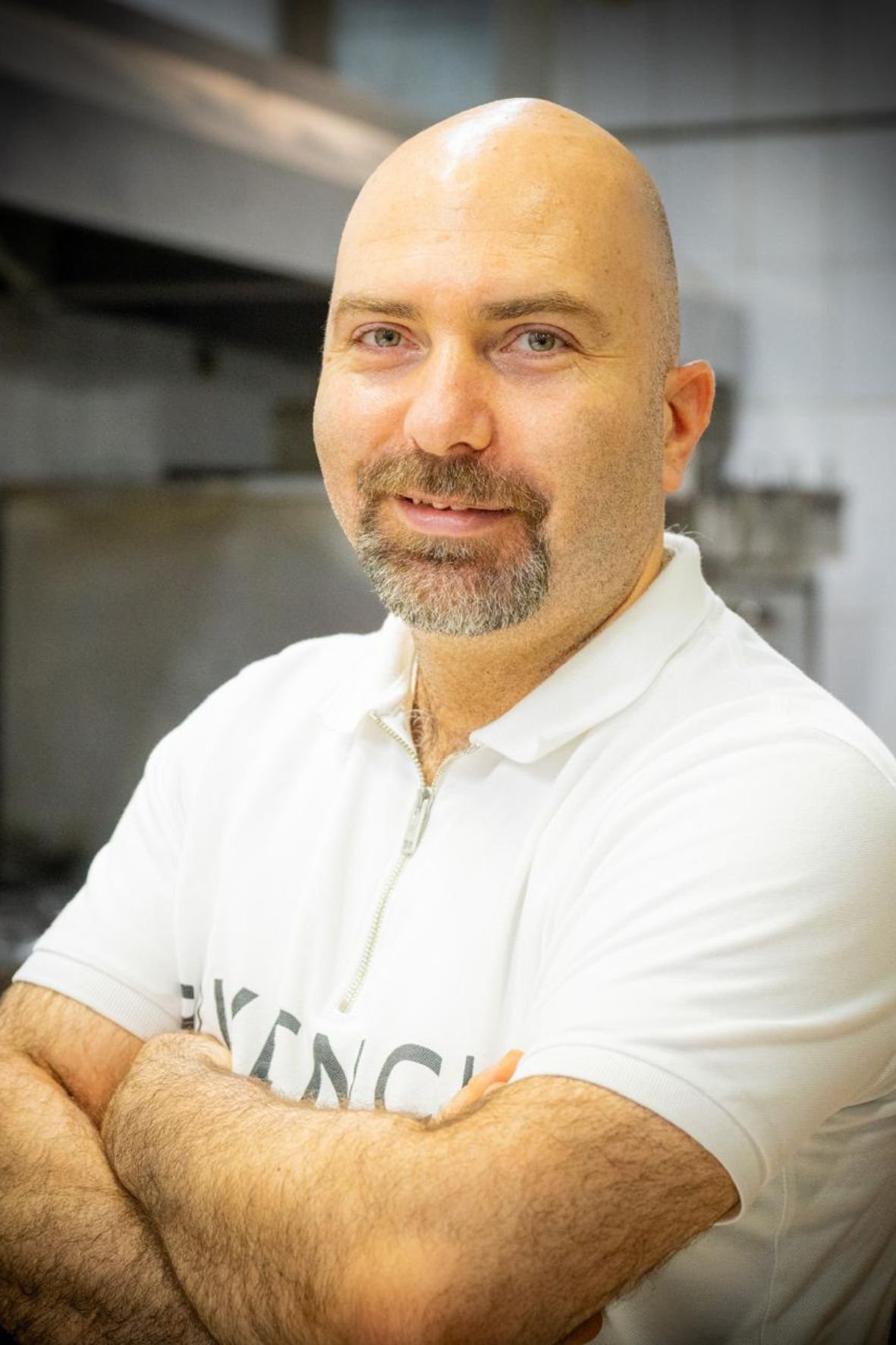
Chef François El Aaraj is a corporate chef and culinary consultant with more than 30 years of experience in professional kitchens and restaurant openings across Lebanon and abroad. Through this website, he shares authentic recipes, cooking techniques, and chef secrets designed to help home cooks create flavorful meals with confidence.
Leave a Reply