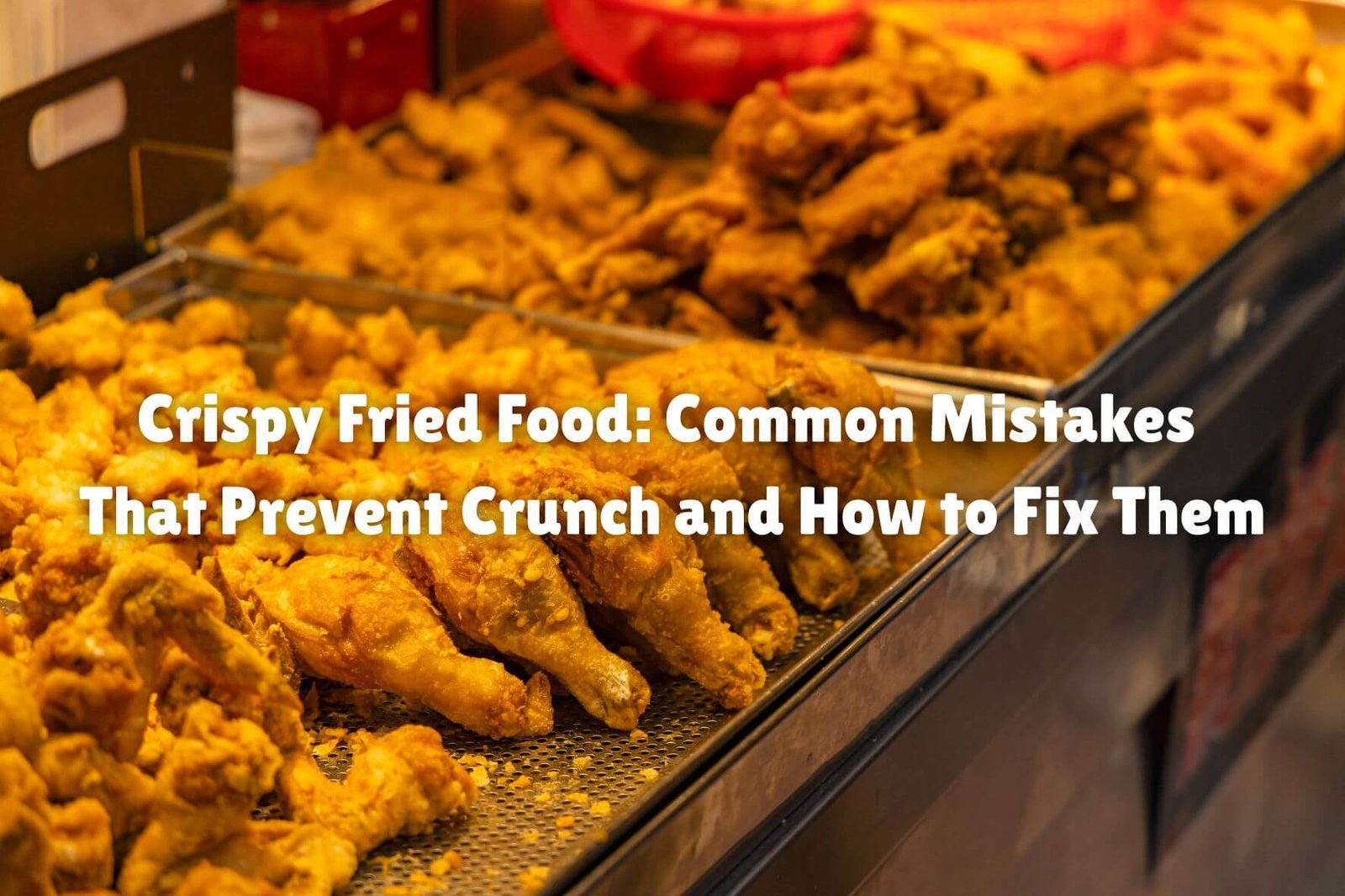
Few things are more disappointing than biting into, what is supposed to be, crispy fried food and discovering that it is soft, greasy, or soggy instead of golden and crispy. Whether you are making French fries, crispy chicken, onion rings, spring rolls, cheese rolls, or even falafel, everyone expects that satisfying crunch.
However, achieving crispy fried food is not just about dropping ingredients into hot oil. Several factors work together to create that perfect texture. The temperature of the oil matters. The moisture content of the food matters. Even the way you drain the food after frying can make the difference between a crisp crust and a disappointing result.
Many home cooks assume that frying is simple. Yet professional chefs know that successful frying is a science. When you understand how moisture, heat, starches, proteins, and oils interact, you can consistently create restaurant-quality results at home.
In this guide, you will learn why your fried food is not crispy, the most common mistakes people make, and the professional techniques that help create that irresistible crunch every time.
The Science Behind Crispy Fried Food
Before discussing mistakes, it helps to understand what actually creates crispiness.
When food enters hot oil, the water inside the food begins to evaporate rapidly. As steam escapes, it pushes outward through the coating or surface. At the same time, the exterior dries and browns.
This process creates a crust. The crust becomes crispy because moisture leaves the outer layer while heat transforms starches and proteins.
If too much moisture remains trapped inside the crust, the coating softens. As a result, the food loses its crunch.
Therefore, successful frying is really a battle against moisture. The goal is to remove enough surface moisture while preserving the tenderness of the food inside.
Using Oil That Is Not Hot Enough
One of the biggest reasons crispy fried food turns soggy is low oil temperature.
When oil is too cool, the food absorbs oil before the crust has time to form. Instead of becoming crispy, the surface becomes greasy and heavy.
Many people believe frying at lower temperatures prevents burning. However, the opposite often happens. Food stays in the oil longer and absorbs more fat.
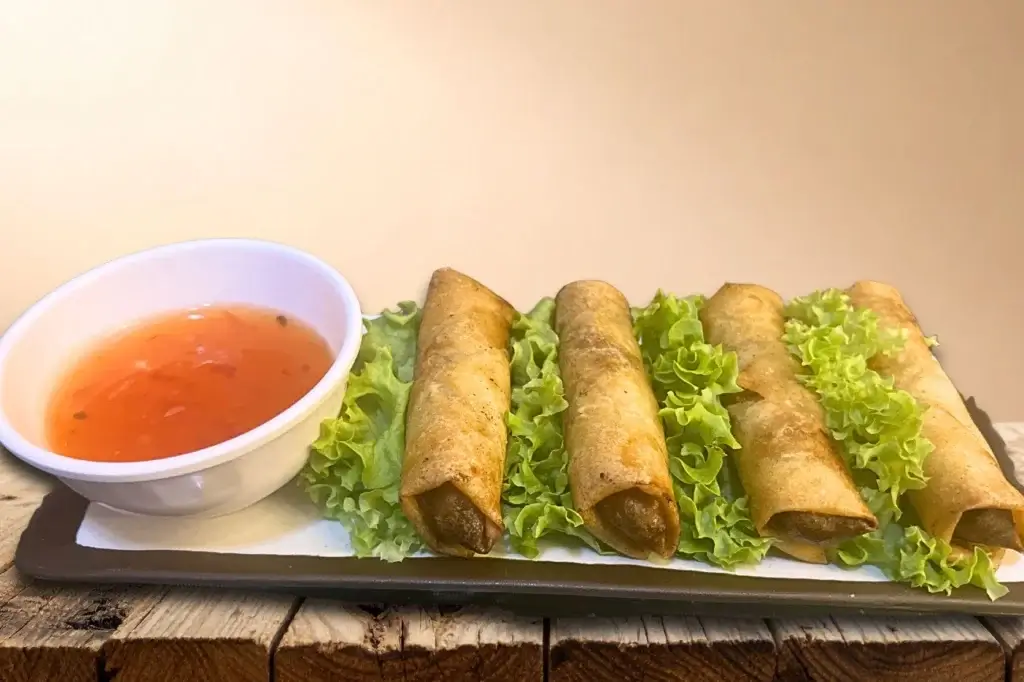
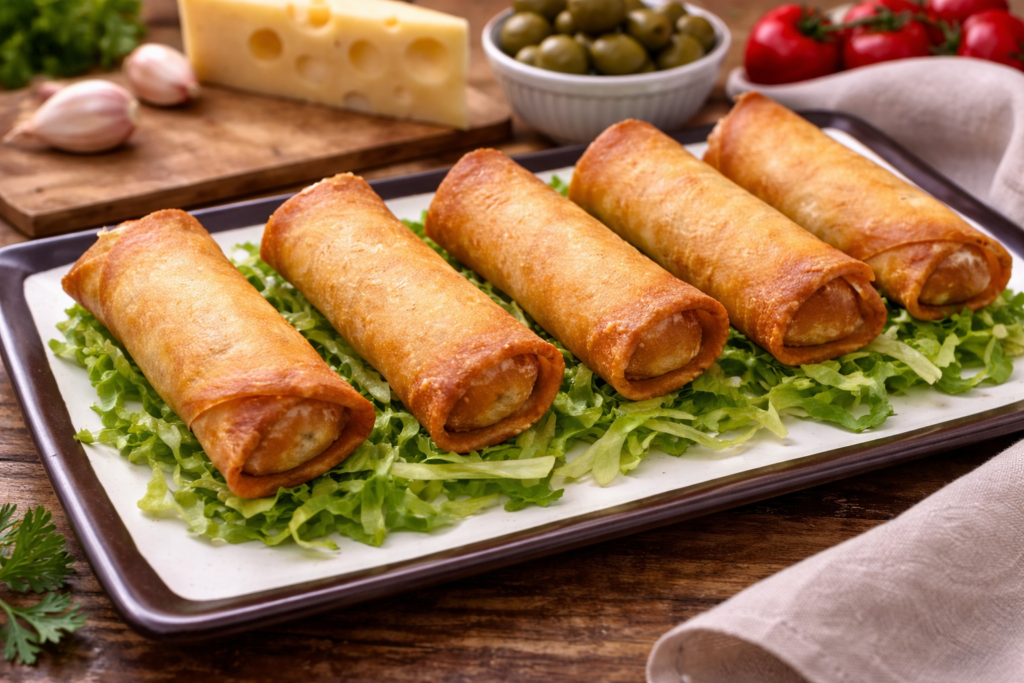
This problem is especially noticeable with foods that have thin wrappers, such as spring rolls and Lebanese cheese rolls. When the oil is not hot enough, the pastry absorbs oil instead of quickly sealing and crisping. As a result, the rolls can become greasy, soft, and less appealing. A properly heated fryer allows the wrapper to turn golden and crunchy while keeping the filling light and delicious.
For most fried foods, oil should remain between 170°C and 190°C (340°F to 375°F).
For example:
- French fries: 175°C to 190°C
- Fried chicken: 175°C
- Onion rings: 180°C
- Calamari: 180°C to 190°C
- Spring rolls: 175°C to 180°C
- Lebanese cheese rolls (rakakat): 175°C to 180°C
Using a thermometer removes the guesswork and greatly improves results.
Overcrowding the Fryer
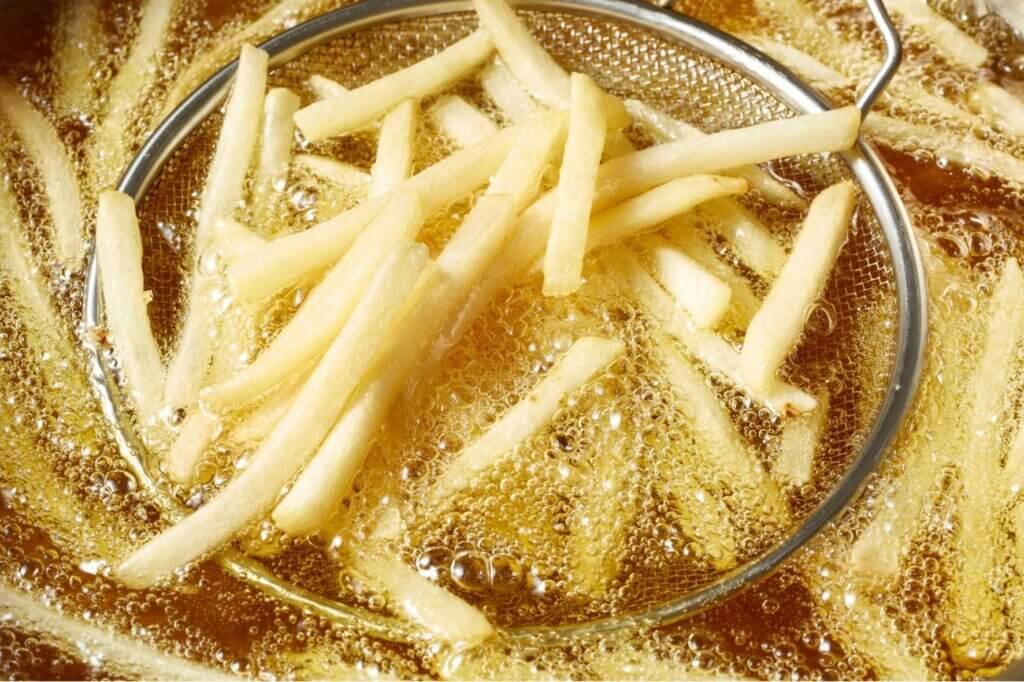
Many cooks try to save time by frying large batches at once.
Unfortunately, this creates a major problem.
When too much food enters the oil, the temperature drops dramatically. Consequently, the oil can no longer remove moisture efficiently.
The food then steams instead of fries.
As a result:
- Crusts become soft.
- Food absorbs excess oil.
- Browning becomes uneven.
- Crispiness disappears.
Instead, fry in small batches. Although it takes slightly longer, the final texture improves dramatically.
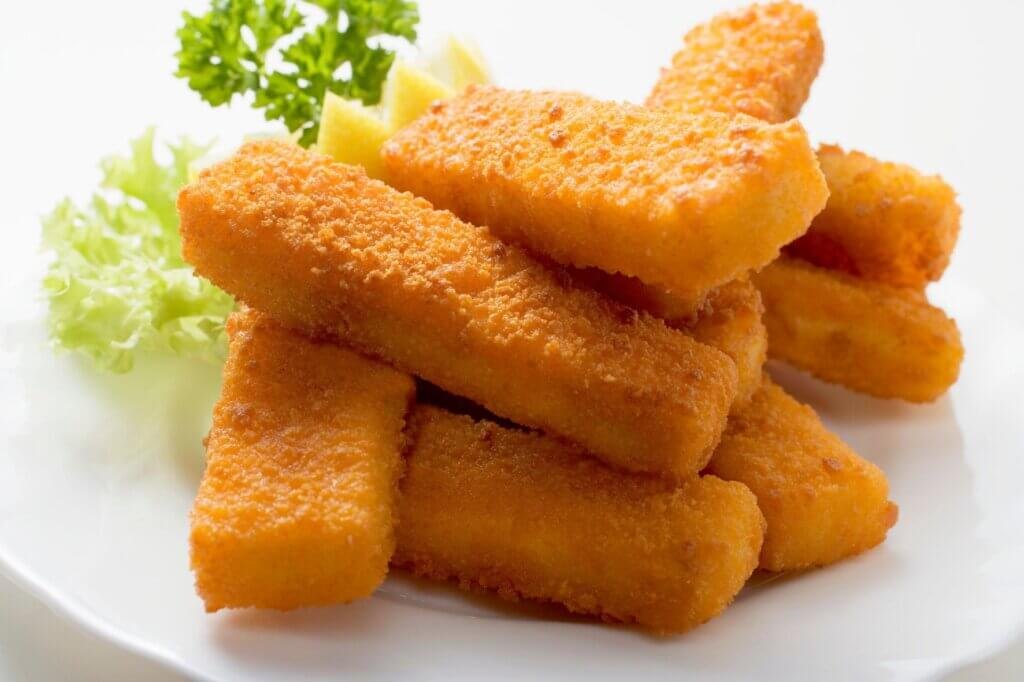
This is a tip I often mention in my fried fish recipe. When several pieces of fish are added to the fryer at the same time, the oil temperature falls quickly. The fish then absorbs more oil and loses the light, crispy texture that makes fried fish so delicious. By frying in smaller batches, each piece has enough space to cook properly and develop a beautiful golden crust.
Professional kitchens follow this rule strictly because consistent oil temperature is essential for crisp results. Whether you are making fried fish, French fries, spring rolls, or chicken, giving the food enough room in the fryer is one of the easiest ways to achieve a crisp and crunchy finish.
Not Drying Food Properly Goes Against Crispy Fried Food
Water is the enemy of crispiness.
Even a small amount of moisture on the surface can interfere with proper frying.
For instance, if you wash potatoes and immediately fry them, the remaining water creates steam. Consequently, the fries struggle to crisp properly.
The same principle applies to:
- Chicken
- Fish
- Shrimp
- Eggplant
- Zucchini
Pat ingredients thoroughly dry before coating or frying them.
Paper towels work well. A clean kitchen towel works too.
This simple step often produces a noticeable improvement, and you will get crispy fried food with an amazing crunch.
Skipping the Resting Time After Breading
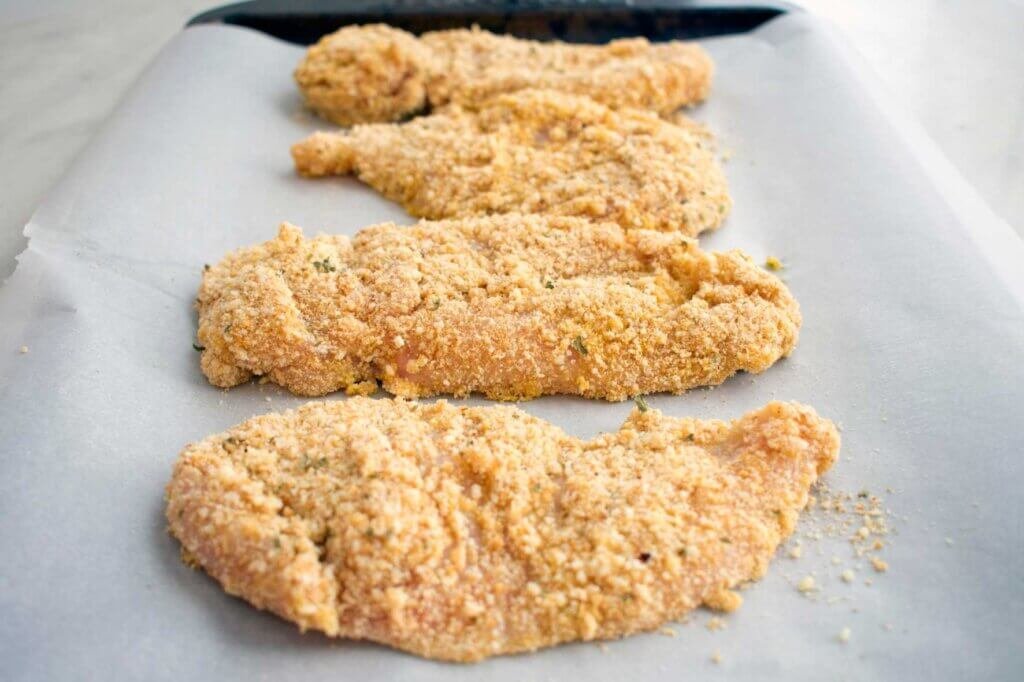
Many people bread food and immediately place it into hot oil.
However, allowing the coating to rest for 10 to 20 minutes helps it adhere better.
During this resting period, the flour absorbs some moisture from the food. Consequently, the coating becomes more stable.
As a result:
- Less breading falls off.
- The crust develops more evenly.
- Crispiness improves.
Professional chefs frequently allow breaded items to rest before frying because the results are more consistent.
Using the Wrong Type of Flour
Different flours create different textures.
All-purpose flour produces a traditional crust. However, some alternatives can increase crispiness.
Popular options include:
Cornstarch
Cornstarch creates an exceptionally crisp and light coating.
Many Asian fried chicken recipes use cornstarch because it produces a delicate crunch.
Rice Flour
Rice flour creates a thin and very crispy crust.
It works particularly well for seafood and tempura-style frying.
Potato Starch
Potato starch develops a crisp texture that remains crunchy for a longer time.
Many professional cooks combine it with regular flour.
A mixture of flour and cornstarch often provides the best balance of flavor and texture.
The Importance of Double Frying to Get Crispy Fried Food
Double frying is one of the biggest secrets behind restaurant-quality fries and fried chicken.
The process involves two separate frying stages.
First Fry
Cook the food at a lower temperature.
This stage cooks the interior.
Second Fry
Cook the food again at a higher temperature.
This stage develops color and crispiness.
The second fry removes additional moisture from the crust. Consequently, the food becomes significantly crunchier.
This technique is widely used for:
- French fries
- Fried chicken
- Chicken wings
- Potato wedges
Choosing the Right Oil
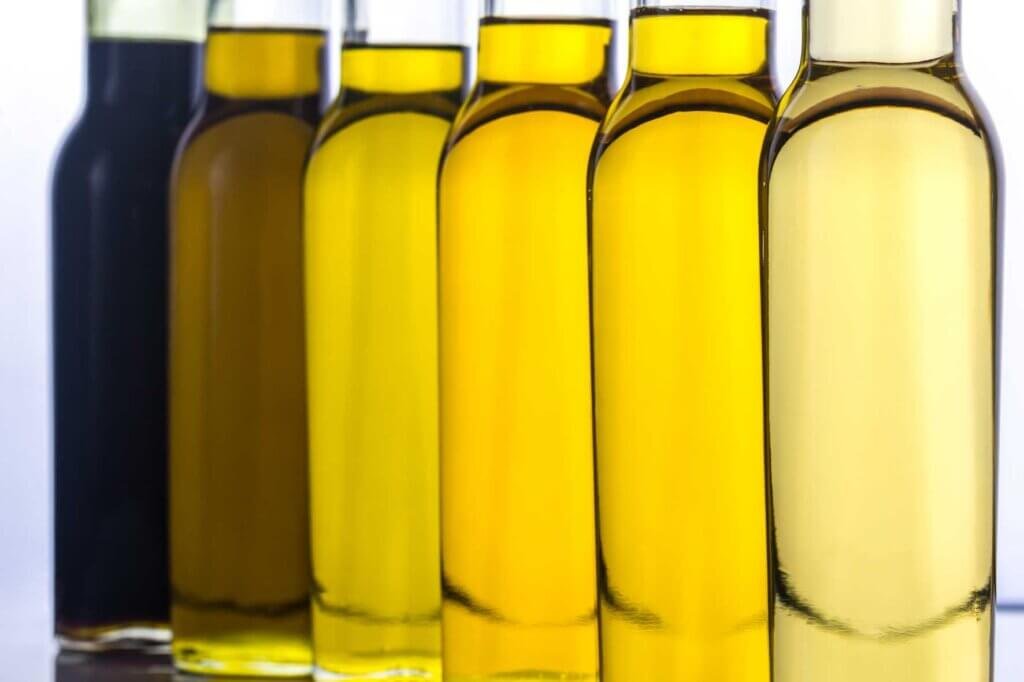
Not all oils perform equally well during frying.
Some oils break down quickly. Others produce unpleasant flavors.
Good frying oils include:
- Peanut oil
- Canola oil
- Sunflower oil
- Vegetable oil
- Corn oil
These oils have relatively high smoke points and neutral flavors.
Olive oil, particularly extra virgin olive oil, is generally better suited for sautéing than deep frying.
Using the proper oil contributes to better browning and crispier results.
Why Fresh Oil Matters
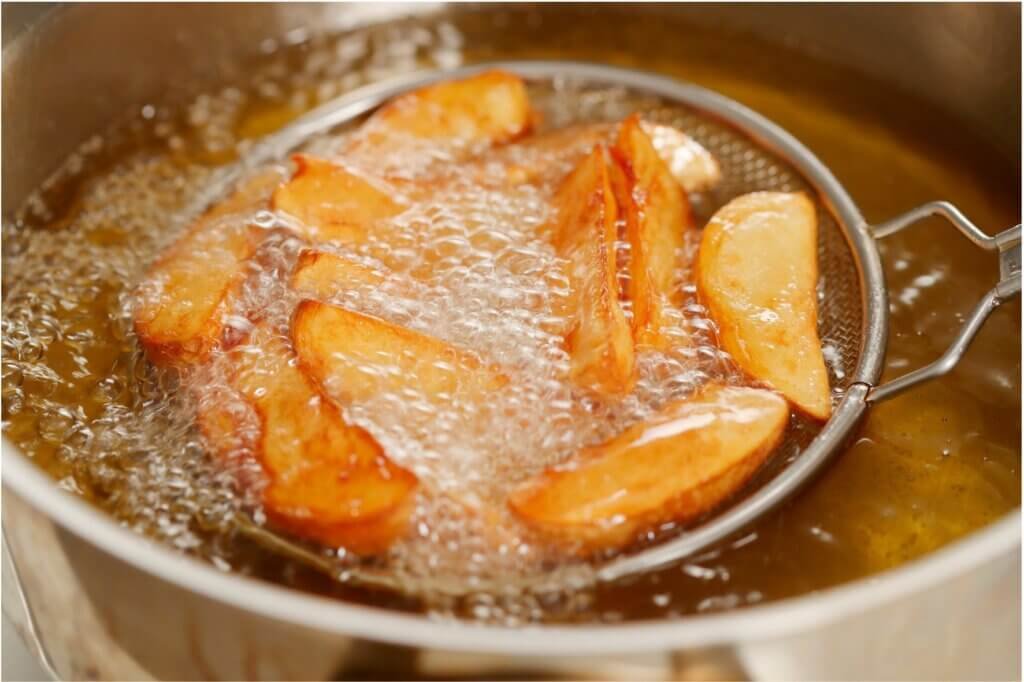
Old oil can ruin crispy fried food.
Over time, oil accumulates:
- Food particles
- Burnt residue
- Oxidized compounds
These impurities affect flavor and texture.
Furthermore, old oil struggles to maintain stable frying temperatures.
As a result, food may become greasy rather than crispy.
Professional kitchens regularly filter or replace frying oil to maintain quality.
Not Using Enough Oil
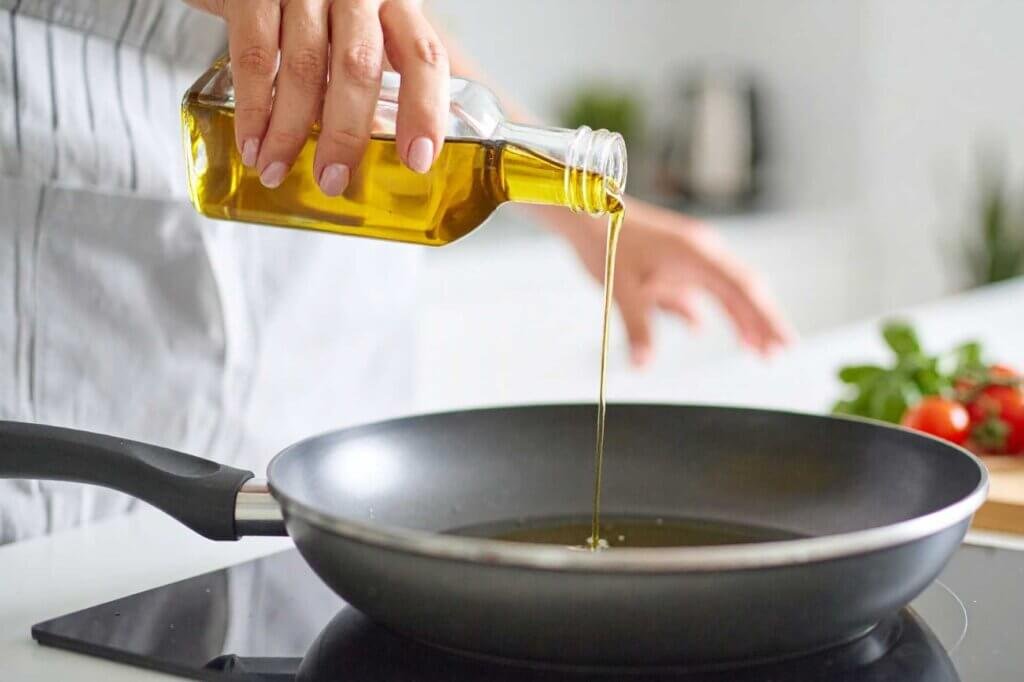
Shallow oil can create uneven frying.
When food is only partially submerged, some areas cook differently from others.
Deep frying allows heat to surround the food completely.
Consequently:
- Browning becomes even.
- Moisture escapes more effectively.
- Crispiness improves.
If deep frying is not possible, turn the food frequently to promote even cooking.
Why Batter Consistency Matters
A batter that is too thick can become heavy and doughy.
On the other hand, a batter that is too thin may not create enough structure.
The ideal batter lightly coats the food without creating excessive thickness.
Many chefs prefer cold batter because the temperature contrast encourages crispiness.
This principle explains why tempura batter often contains ice-cold water.
The Secret of Carbonated Liquids
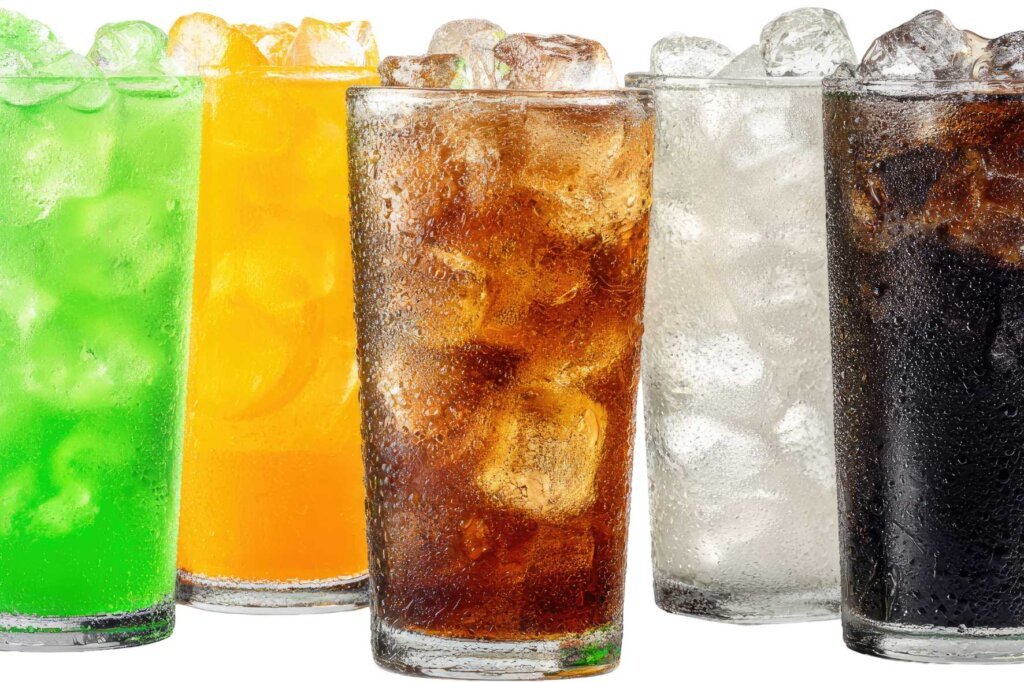
Many crispy batters contain sparkling water or beer.
The bubbles introduce air into the batter.
During frying, these air pockets expand.
Consequently, the coating becomes lighter and crispier.
This technique is commonly used for:
- Fish and chips
- Onion rings
- Tempura vegetables
A small amount of carbonation can make a noticeable difference.
Letting Fried Food Drain Properly
Many people place freshly fried food directly onto a plate.
Unfortunately, trapped steam softens the crust.
Instead, place fried food on:
- A wire rack
- A rack over a baking sheet
This allows excess oil and steam to escape.
As a result, the crust remains crisp much longer.
Although paper towels absorb oil, they can sometimes trap steam underneath the food.
Wire racks generally produce better results and you will get wonderful crispy fried food.
Salting at the Right Time
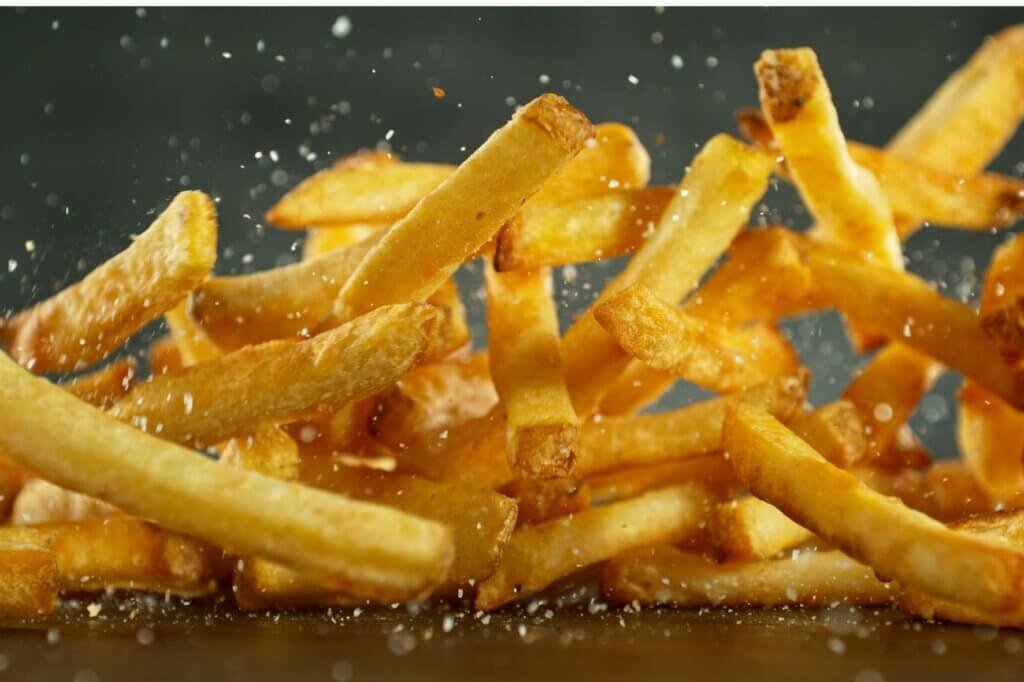
Salt plays an important role in texture.
Adding salt immediately after frying helps it stick to the surface.
However, excessive seasoning too early can draw moisture toward the crust.
Therefore, season lightly while the food is hot.
Then serve promptly for maximum crunch.
Why Refrigerated Ingredients Can Help
Cold ingredients sometimes create better fried textures.
For example, chilled chicken coated in breading often develops a stronger crust.
Similarly, cold batter creates greater temperature contrast.
This difference promotes rapid steam formation and improved crispiness.
Many professional kitchens rely on this principle when preparing tempura and fried seafood.
Common Mistakes When Frying Potatoes
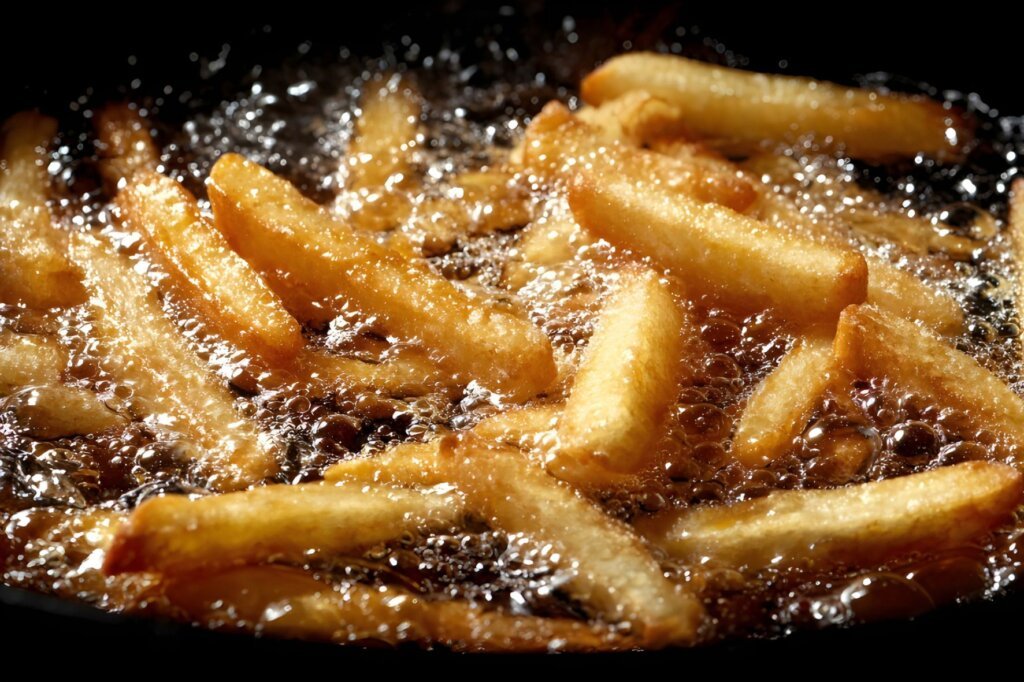
French fries deserve special attention because they often disappoint home cooks.
Common mistakes include:
- Not soaking potatoes
- Skipping the double fry
- Frying at low temperatures
- Using waxy potatoes
- Overcrowding the fryer
Soaking potatoes removes excess starch.
Consequently, fries become crispier and less likely to stick together.
For the best results, soak cut potatoes in cold water for at least 30 minutes before frying.
Then dry them thoroughly.
Common Mistakes When Frying Chicken
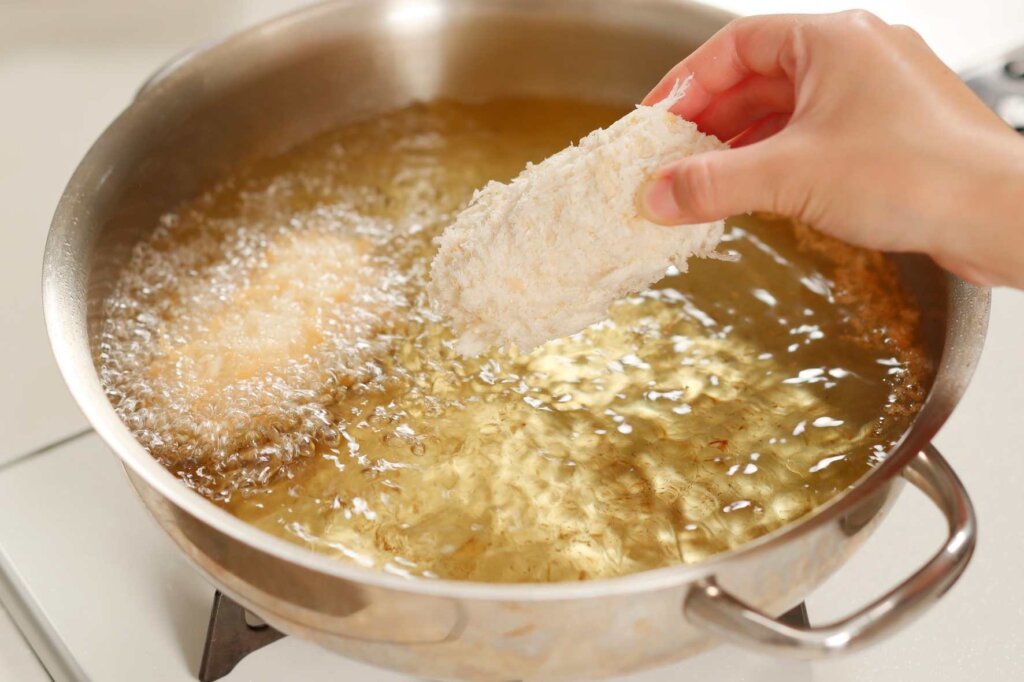
Fried chicken presents its own challenges.
The biggest mistakes include:
- Insufficient seasoning
- Oil that is too cool
- Thick coatings
- Skipping the resting stage
- Removing chicken too early
Chicken requires enough time for the crust to fully develop.
Rushing the process often leads to pale, soft coatings.
Patience produces better results.
Common Mistakes When Frying Seafood
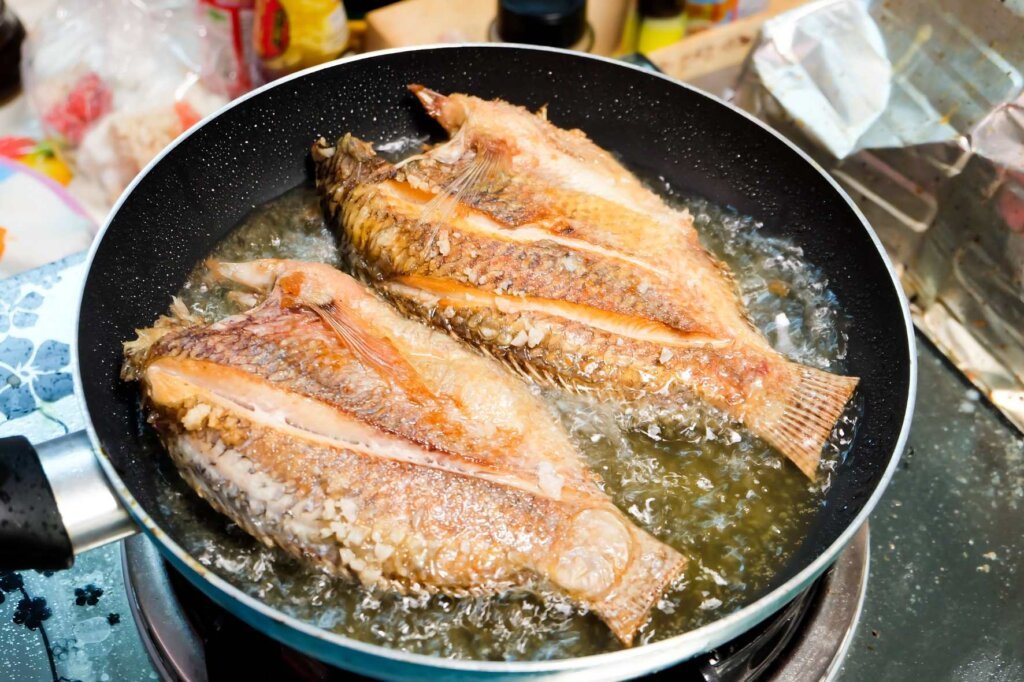
Seafood cooks quickly.
Therefore, overcooking becomes a major risk.
When seafood remains in the fryer too long, moisture escapes excessively.
The result is dry seafood with a disappointing texture.
For shrimp, calamari, and fish, short cooking times usually provide the best balance between tenderness and crispiness.
The Role of Moisture in Crispiness
Every frying problem eventually leads back to moisture.
Too much moisture causes:
- Sogginess
- Oil absorption
- Weak crust formation
Therefore, controlling moisture should be your primary goal.
You can achieve this by:
- Drying ingredients thoroughly
- Using hot oil
- Avoiding overcrowding
- Frying in batches
- Draining correctly
When these factors work together, crispiness naturally follows.
My Experience in Professional Kitchens
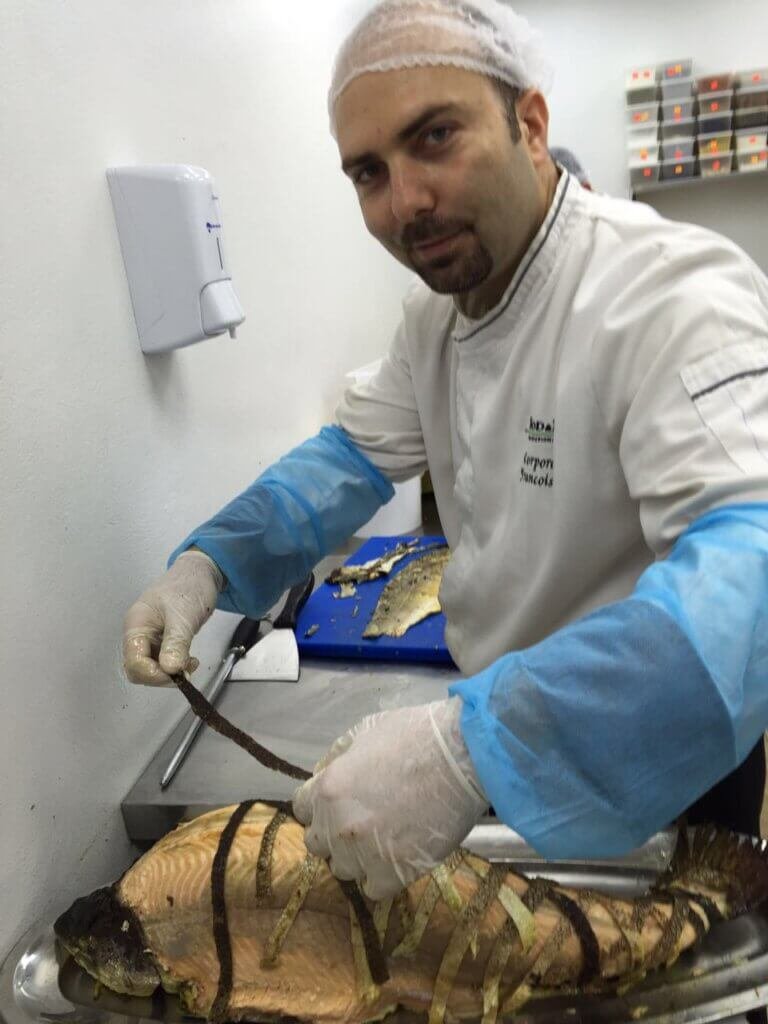
One lesson I learned early in my culinary career was that great frying depends on discipline rather than luck.
Many new cooks focus only on recipes. However, professional chefs focus on technique.
I remember watching experienced chefs reject entire batches of fries simply because the oil temperature had dropped too much. At first, I thought they were being overly strict. Later, I realized they were protecting consistency.
The difference between average fried food and exceptional crispy fried food often comes down to a few degrees of temperature, a few extra minutes of drying, or the patience to fry in smaller batches.
These small details may seem insignificant. Yet together they create the golden, crunchy texture that everyone loves.
How to Keep Fried Food Crispy Longer
Sometimes you need to prepare food before serving.
To maintain crispiness:
- Place fried food on a wire rack.
- Keep it in a warm oven at about 100°C (210°F).
- Avoid covering it tightly.
- Avoid stacking pieces.
- Serve as soon as possible.
These simple practices help preserve crunch without overcooking the food.
Final Thoughts
Perfectly crispy fried food is not a matter of luck. It comes from using the right techniques, choosing the proper oil, maintaining the correct temperature, and avoiding the common mistakes that make fried food greasy or soggy. Even small changes, such as drying your ingredients, resting breaded foods before frying, avoiding overcrowding the pan, and salting at the right time, can dramatically improve your results.
Whether you’re making crispy fried chicken, golden French fries, fried fish, onion rings, spring rolls, or cheese rolls, these simple tips will help you achieve restaurant-quality crunch in your own kitchen.
If you’d like to see these techniques in action, visit my YouTube channel, where I share step-by-step cooking tutorials, professional chef tips, and practical tricks that will help you cook with confidence. You’ll also find detailed recipes and helpful cooking guides throughout this website to help you master every dish.
Have a favorite frying tip or a question about crispy fried food? Leave a comment below—I would love to hear from you and help you achieve perfect results every time.
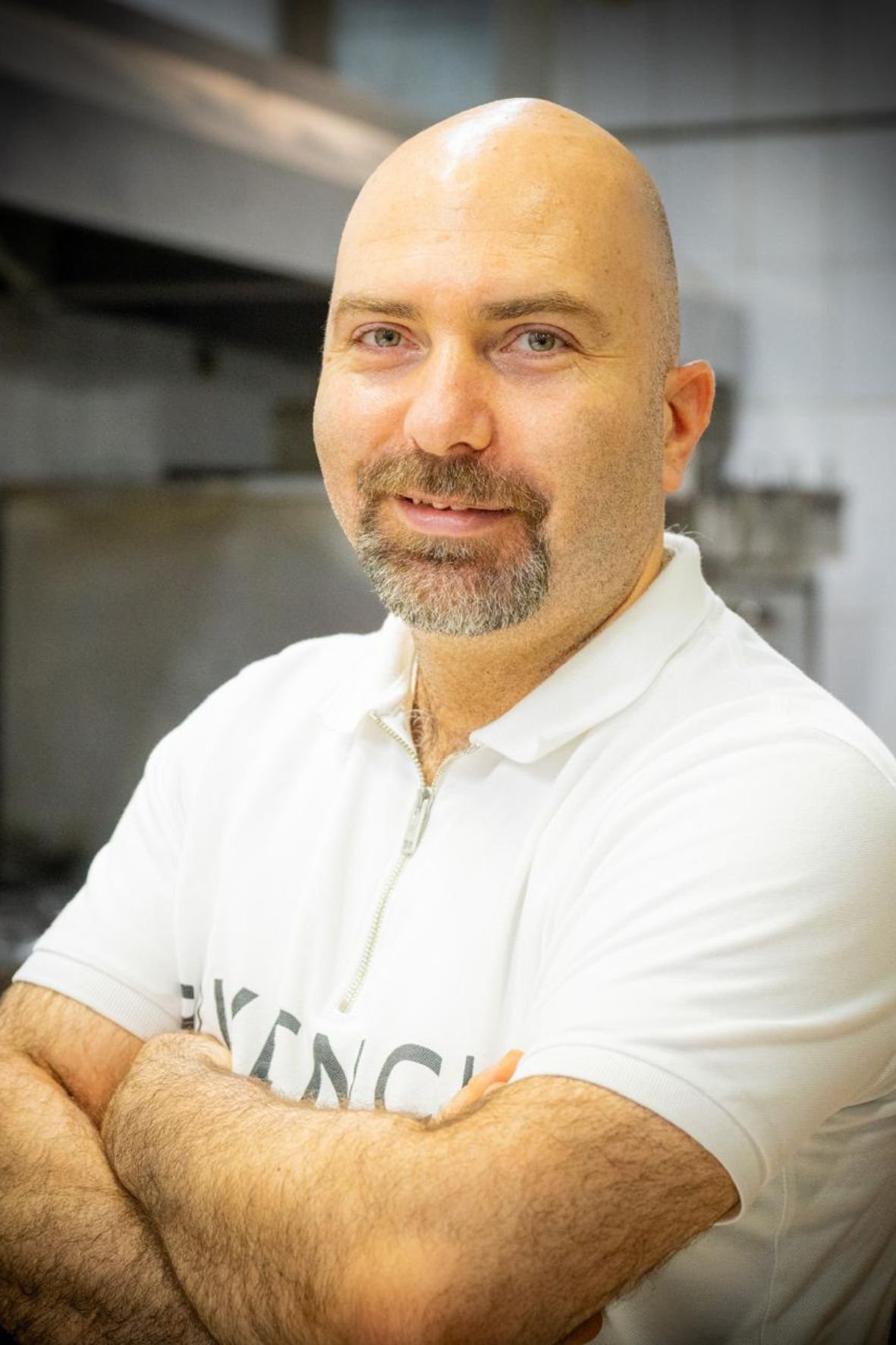
Chef François El Aaraj is a corporate chef and culinary consultant with more than 30 years of experience in professional kitchens and restaurant openings across Lebanon and abroad. Through this website, he shares authentic recipes, cooking techniques, and chef secrets designed to help home cooks create flavorful meals with confidence.
Leave a Reply