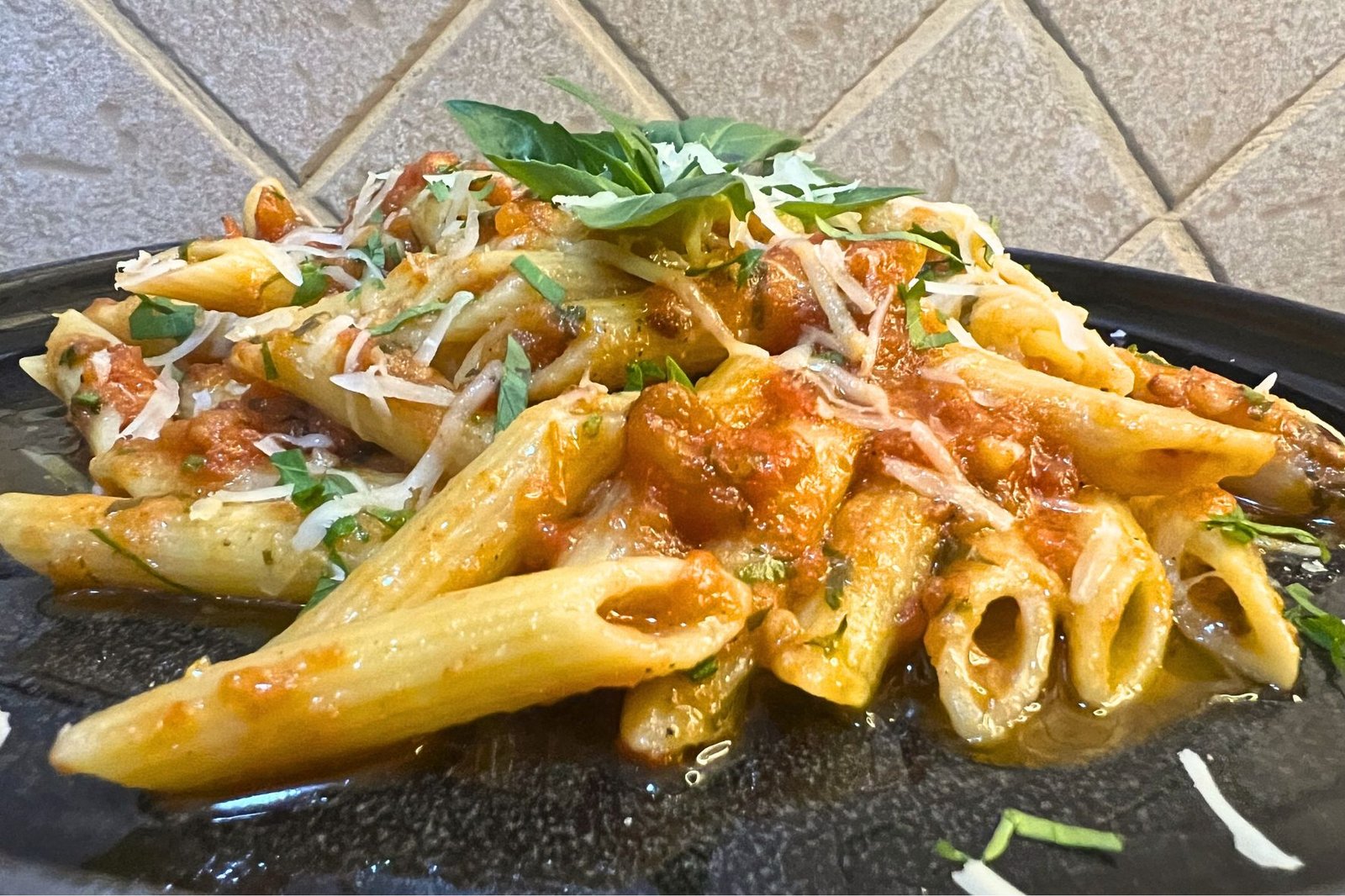
The origins of pomodoro sauce used in penne all’arrabbiata
Pomodoro sauce stands at the heart of many Italian dishes, including penne all’arrabbiata, and its history is both rich and fascinating. Interestingly, tomatoes were not always part of Italian cuisine. In fact, they arrived in Europe in the 16th century after being brought from the Americas. At first, people believed tomatoes were poisonous, so they used them mainly as ornamental plants rather than food.
However, over time, Italians began to experiment with tomatoes in cooking. Gradually, they discovered that when cooked, tomatoes developed a deep, sweet, and slightly tangy flavor. As a result, tomato-based sauces started to appear in southern Italy, especially in Naples, where the climate supported tomato cultivation.
The name “pomodoro” itself has an interesting origin. It comes from the Italian words pomo d’oro, which mean “golden apple.” This name likely referred to the early varieties of tomatoes, which were more yellow or golden rather than the bright red we know today. Therefore, the term “pomodoro” reflects both the appearance and the novelty of tomatoes when they first arrived in Italy.
Moreover, as Italian cuisine evolved, pomodoro sauce became a fundamental base for countless recipes. Its simplicity—made with tomatoes, olive oil, garlic, and herbs—allowed it to adapt easily to different dishes. Consequently, it became the perfect foundation for bold recipes like penne all’arrabbiata, where chili and garlic elevate the sauce to another level.
Today, pomodoro sauce represents the essence of Italian cooking: simple ingredients, balanced flavors, and a deep connection to tradition. Without it, many iconic dishes, including penne all’arrabbiata, would not exist in the form we love today.
The story behind penne pasta
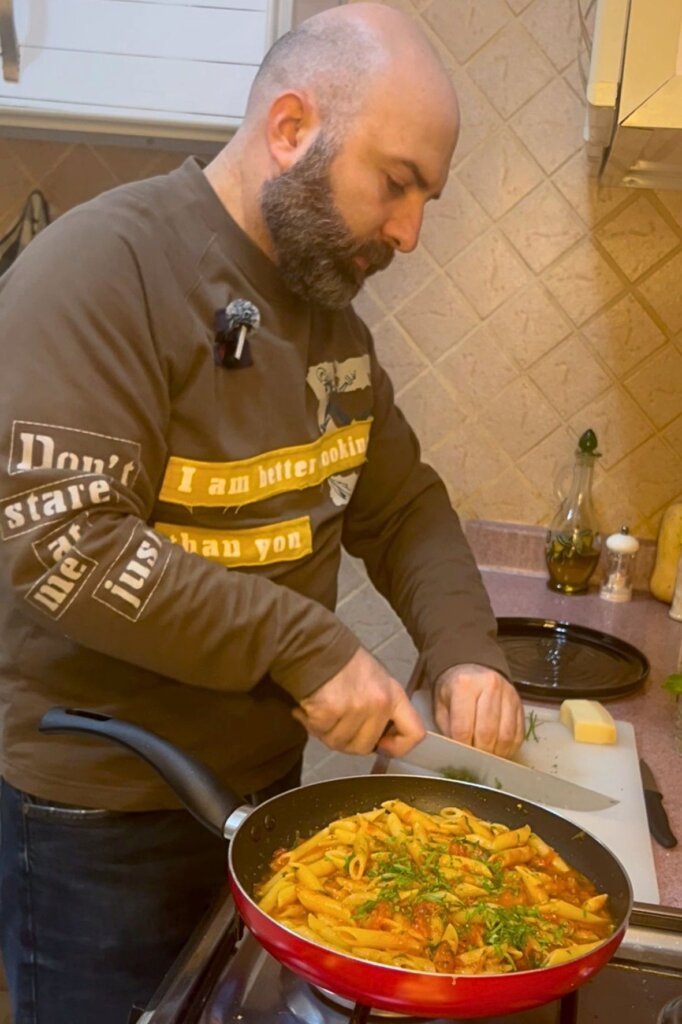
Penne pasta is one of the most recognizable shapes in Italian cuisine, and it plays a key role in dishes like penne all’arrabbiata. Its origins date back to the 19th century, more precisely to 1865 in Genoa, Italy. At that time, a pasta maker named Giovanni Battista Capurro patented a machine capable of cutting pasta diagonally without crushing it. As a result, penne was born with its signature angled edges.
The name “penne” comes from the Italian word for “pens” or “quills.” This is because the pasta shape closely resembles the tip of an old-fashioned writing pen. In English, the term reflects that same idea, highlighting the pointed, tubular form. Therefore, the name is not random—it directly describes the appearance of the pasta.
Moreover, penne is designed to hold sauce beautifully. Its hollow center allows the sauce to enter the tube, while the ridges found in some versions, known as penne rigate, help the sauce cling to the surface. Because of this, penne works perfectly with rich and flavorful sauces, especially in recipes like penne all’arrabbiata.
As for how penne is made, the process remains quite traditional. First, durum wheat semolina is mixed with water to form a firm dough. Then, the dough is pushed through a mold to create the tubular shape. After that, it is cut diagonally to form the characteristic pointed ends. Finally, the pasta is dried to preserve it and extend its shelf life.
Thanks to its shape, texture, and history, penne continues to be a favorite choice in kitchens around the world.
Why penne all’arrabbiata stands out among pasta dishes
Penne all’arrabbiata is not just another pasta dish. It delivers bold flavor with very simple ingredients. Unlike creamy or heavy sauces, this recipe relies on the natural richness of tomatoes, garlic, and chili. As a result, every bite feels vibrant and balanced.
Moreover, the heat from the chili gives this dish its signature identity. The word arrabbiata means “angry” in Italian, which refers to the spicy kick of the sauce. However, the heat is not overwhelming. Instead, it enhances the overall flavor and keeps the dish exciting.
Because of its simplicity, penne all’arrabbiata highlights the importance of technique. When each step is done correctly, the result feels restaurant-quality even at home.
The perfect balance of flavors in penne all’arrabbiata
This dish works because every ingredient plays a clear role. Tomatoes bring sweetness and acidity. Garlic adds depth and aroma. Chili introduces heat. Olive oil ties everything together with a smooth richness.
At the same time, fresh herbs like basil or parsley add a final touch of freshness. Therefore, the sauce never feels heavy or overwhelming. Instead, it stays light, flavorful, and perfectly balanced.
In addition, the pasta itself absorbs part of the sauce. This creates harmony between the sauce and the penne. Every bite carries the same intensity of flavor, which makes the dish so satisfying.
Tips to succeed in penne all’arrabbiata every time
To achieve the best result, a few simple tips make a big difference.
First, always cook the garlic gently. If it burns, it will turn bitter and affect the entire dish. So, keep the heat moderate and allow it to release its aroma slowly.
Second, control the chili level. You can adjust the spice depending on your preference. Start with a small amount, then increase if needed. This way, you keep the balance without overpowering the sauce.
Also, use good-quality tomatoes. Since tomatoes are the base of the sauce, their quality directly affects the flavor. Choose peeled tomatoes or fresh ripe ones for the best result.
Finally, cook the pasta al dente. This means it should stay slightly firm when you bite into it. Then, finish cooking it in the sauce for a minute. This step allows the pasta to absorb the flavor and creates a perfect texture.
How to elevate your penne all’arrabbiata
Even though this recipe is simple, a few small touches can elevate it.
For instance, finishing the dish with freshly grated parmesan adds depth and richness. The cheese melts slightly and blends with the sauce, creating a smoother texture.
Additionally, a drizzle of high-quality olive oil right before serving enhances the aroma. It gives the dish a more refined finish.
You can also add a few fresh basil leaves on top. This not only improves the flavor but also makes the presentation more appealing.
If you want to go further, serve the pasta in a warm plate. This keeps the dish hot for longer and improves the overall experience.
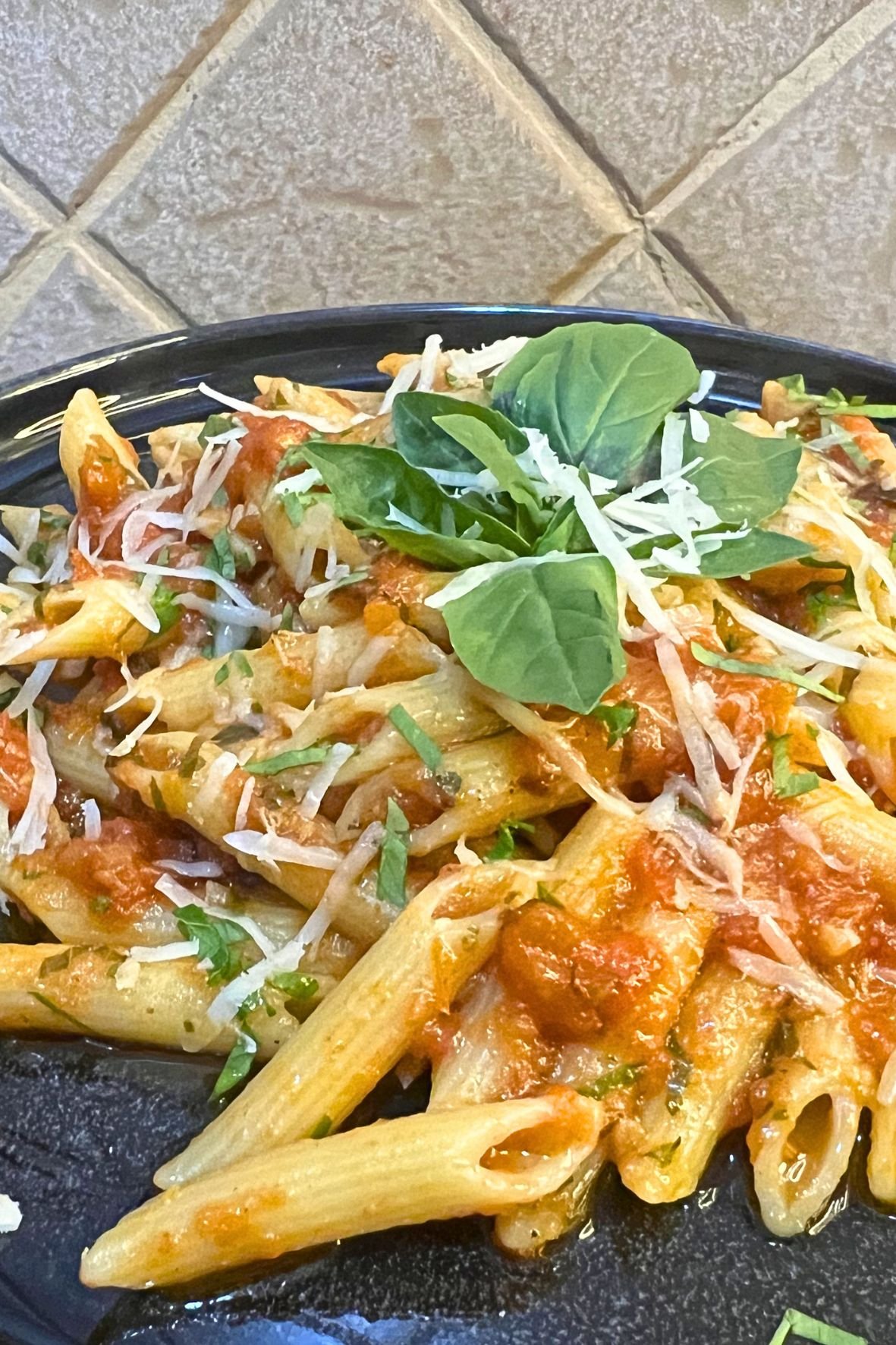
Penne all’ Arrabbiata
Ingredients
Equipment
Method
- Smash and peel about three cloves of garlic.
- Roughly chop them and set aside.
- Bring a large pot of water to a boil and add a generous amount of coarse salt.
- Add the penne pasta and cook until al dente (approximately 8 minutes).
- Once cooked, drain the pasta, reserving a small amount of the pasta water.
- Toss the drained pasta with a drizzle of olive oil and let it rest.
- Halve or quarter a handful of cherry tomatoes.
- In a large sauté pan, heat olive oil over medium heat.
- Add the chopped garlic and sauté until it turns golden.
- Add the chopped cherry tomatoes and then pour in a base of tomato sauce (passata).
- Let the sauce simmer for about 15 minutes.
- Use a whisk or spoon to gently mash the tomatoes while stirring; this ensures the sauce remains chunky and textured rather than perfectly smooth.
- Add coarse salt and freshly cracked black pepper to the sauce.
- Adjust the heat to medium-low.
- Finely chop a bunch of fresh parsley.
- Tear a few fresh basil leaves.
- Add the cooked penne to the sauté pan with the sauce.
- Add a splash of the reserved pasta water to help the sauce bind to the pasta.
- Sprinkle in red chili flakes (peperoncino) to your preferred heat level.
- Add the fresh parsley and torn basil leaves.
- Toss all the ingredients together over the heat for a minute or two until the pasta is thoroughly coated and the flavors have melded.
- Transfer the pasta to a serving plate.
- Garnish with a bit more fresh parsley and a sprig of basil.
- Generously grate fresh Parmesan cheese over the top before serving.
Video
The best salad to serve with penne all’arrabbiata
A fresh salad is the perfect companion to penne all’arrabbiata. Because the pasta has bold and spicy flavors, a light and refreshing salad helps balance the meal.
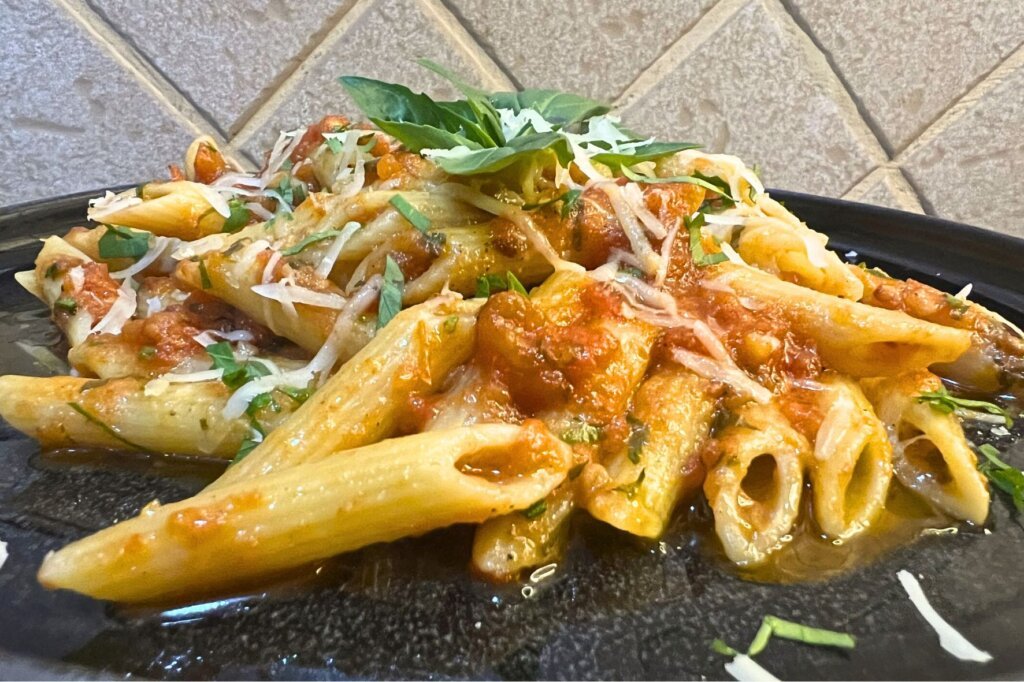
For example, a simple green salad with lettuce, cucumber, and a light lemon dressing works beautifully. It adds freshness and cleanses the palate between bites.
At the same time, a classic fattoush salad pairs very well with this dish. Its crunchy texture and tangy dressing contrast nicely with the warm pasta. You can also consider a tomato and mozzarella salad for a more Italian touch.
Moreover, adding a salad makes the meal feel complete without making it too heavy. It brings color, freshness, and balance to the table.
When to serve penne all’arrabbiata
Penne all’arrabbiata fits many occasions. You can prepare it as a quick weekday dinner or serve it during a gathering with friends.
Because it is easy to scale, it works well for both small and large portions. You can cook it quickly without compromising on quality.
Also, this dish is perfect when you want something comforting yet not too heavy. It satisfies cravings while still feeling light and fresh.
A Word from Chef François
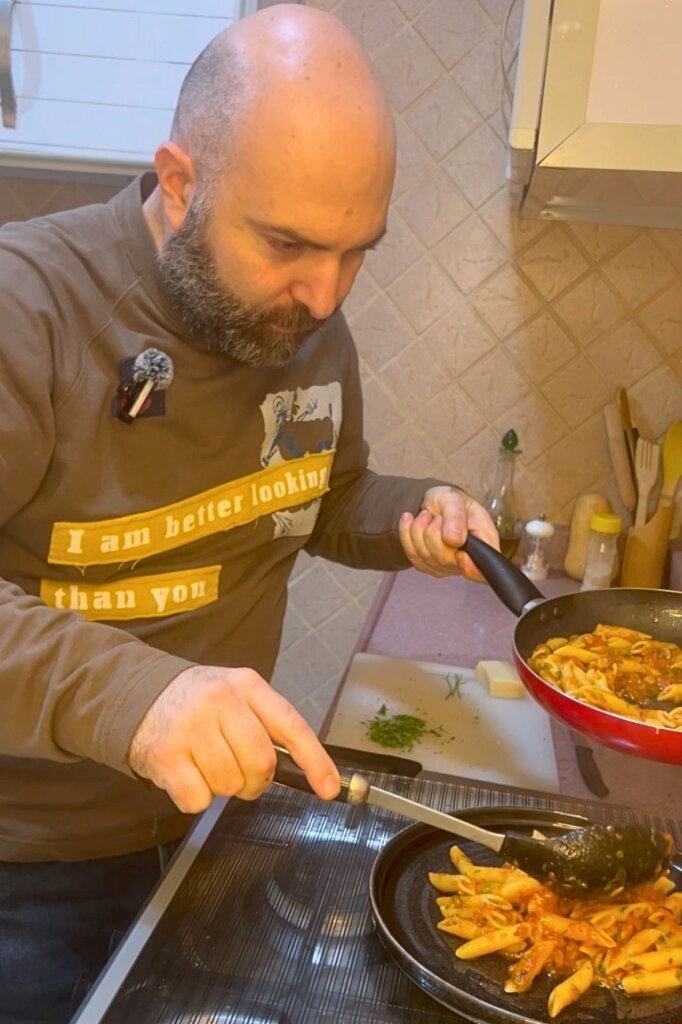
Penne all’arrabbiata is a beautiful example of how simple ingredients can create something extraordinary. I always say that cooking is not about complexity, but about understanding flavors and respecting each ingredient. This recipe proves that perfectly.
Moreover, I encourage you to take your time with the sauce. Let it cook gently and develop its flavor. Do not rush the process, because patience always leads to better results.
At the same time, feel free to adjust the spice to your liking. Cooking should always reflect your taste and your personality.
Finally, I invite you to explore more recipes on our website and YouTube channel. There is always something new to discover, and every recipe is an opportunity to grow in the kitchen.

Chef François El Aaraj is a corporate chef and culinary consultant with more than 30 years of experience in professional kitchens and restaurant openings across Lebanon and abroad. Through this website, he shares authentic recipes, cooking techniques, and chef secrets designed to help home cooks create flavorful meals with confidence.
Leave a Reply