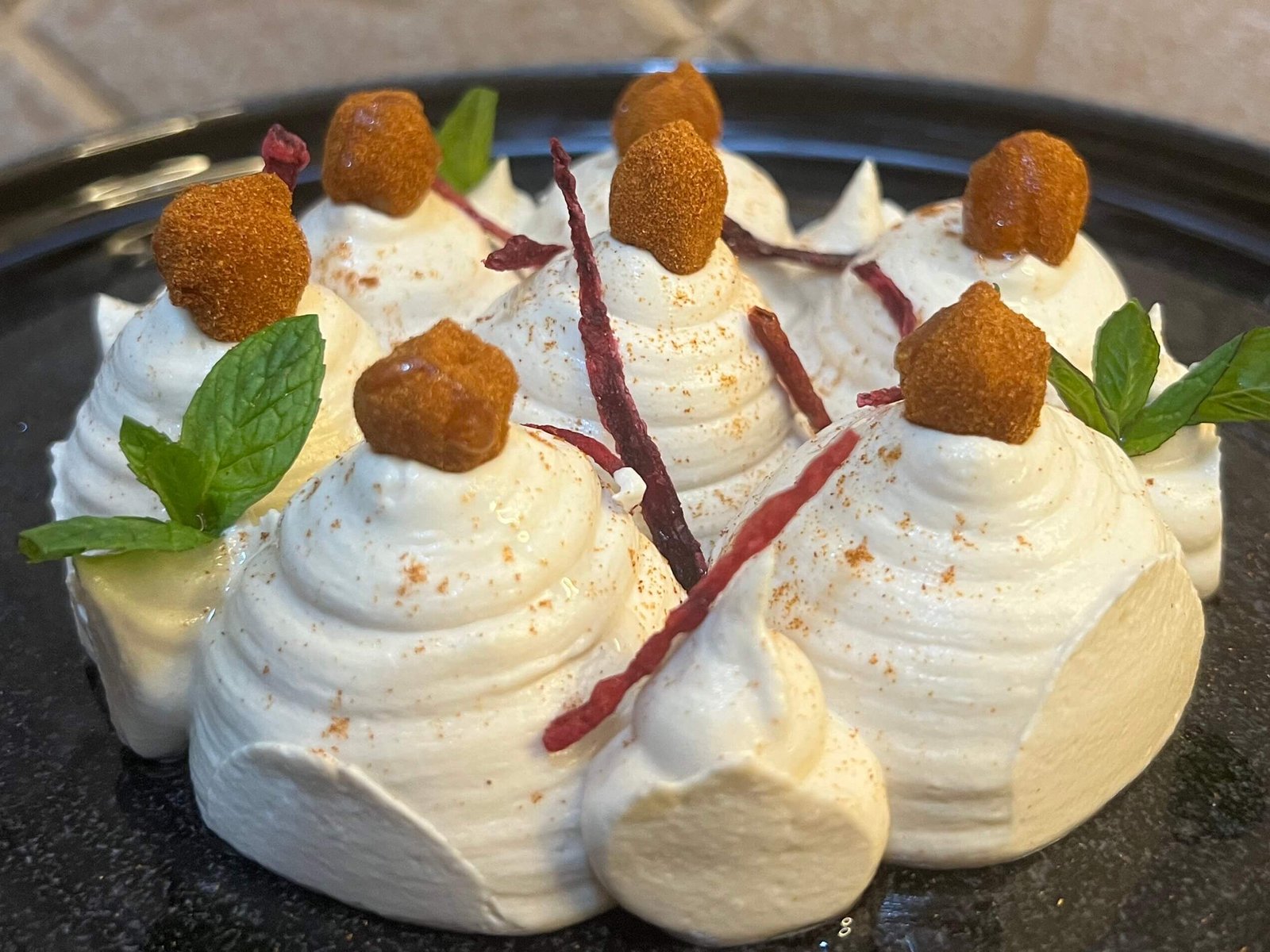
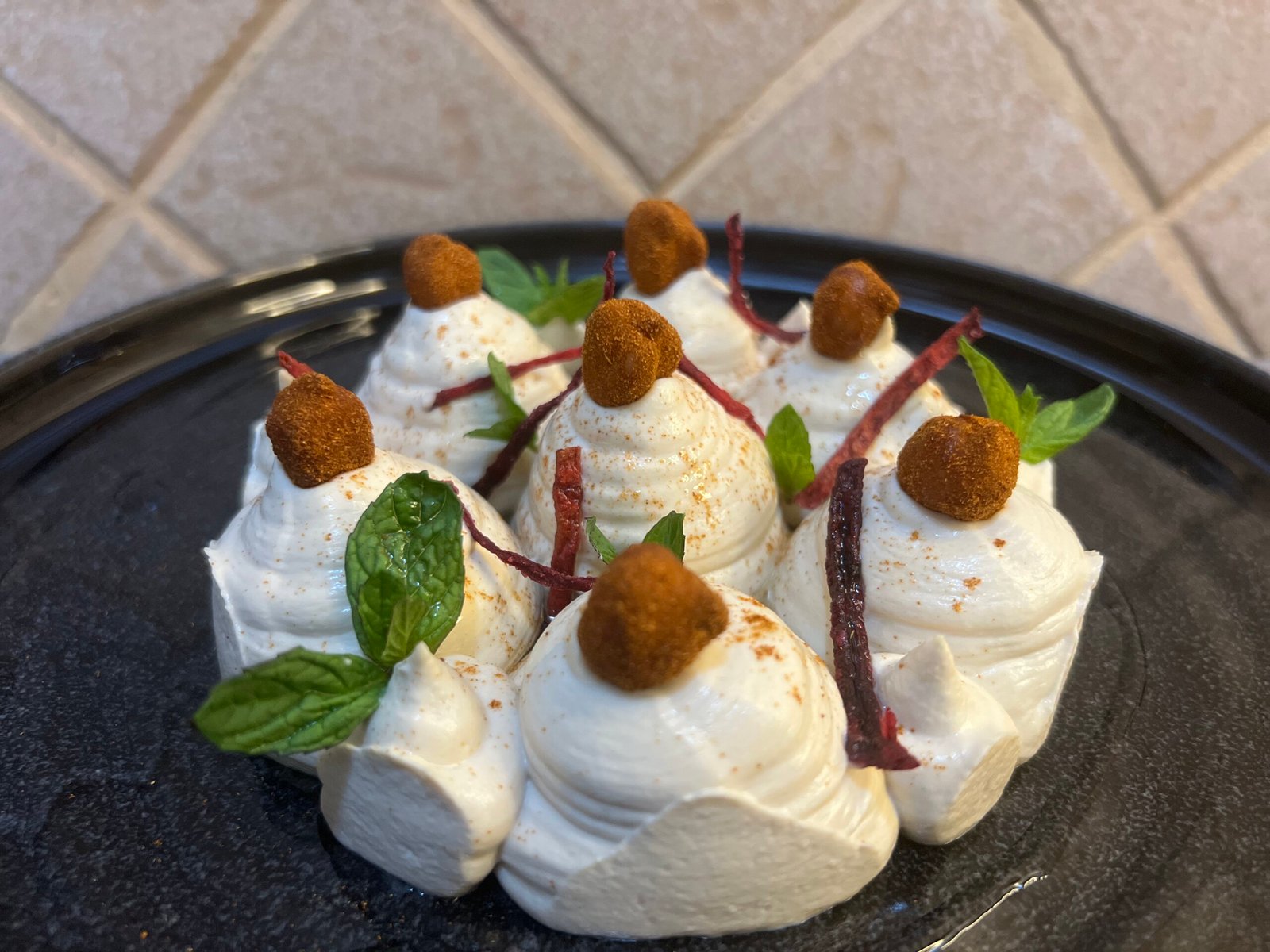
At every Lebanese gathering, a creamy hummus proudly sits at the center of the table. Indeed, topped with paprika, mint, olive oil, and chickpeas, it invites everyone to share. More than a dip, however, hummus is deeply emotional for Lebanese people and is truly part of their identity.
The Nutritional Value of Our Creamy Hummus
- Chickpeas: Rich in plant protein and fiber; support digestion and help keep you full longer.
- Tahini (sesame paste): Provides healthy fats, calcium, iron, and magnesium; supports bone health and energy.
- Olive oil: Contains heart-healthy monounsaturated fats and antioxidants.
- Garlic: Supports the immune system and has natural antibacterial properties.
- Lemon juice: Adds vitamin C and helps improve iron absorption from chickpeas and tahini.
The Importance of Cooking Chickpeas Properly to Obtain a Creamy Hummus
The cooking process of chickpeas plays a key role in achieving the creamy, light texture of a perfect creamy hummus. First, properly cooked chickpeas become soft and blend smoothly. Moreover, when cooked correctly, they also help create the beautiful pale color Lebanese hummus is known for. For this reason, Chef François prepared a detailed tutorial showing every step of the process and revealing the secrets to a perfect final result.
Ingredients
Method
- First, the cooked chickpeas were previously blended and frozen. Remove the frozen chickpeas and place them in a food processor. Add the garlic and blend until the mixture starts to break down.
- Next, add the tahini and continue mixing. Pour in half of the corn oil at first to help smooth the mixture and allow it to blend more easily.
- Then add the salt and lemon salt. At this stage, add the iced water directly. This step helps whiten the hummus and prevents the tahini from firming up, which could strain the food processor.
- Continue blending while gradually adding the remaining oil until the hummus becomes smooth and creamy.
- Most importantly, keep the mixture cold during the entire process. If the hummus warms up too much, the texture and quality will be affected.
Video
Common Mistakes When Making Hummus
Many people make small mistakes that affect the final hummus. First, chickpeas that are not soft enough create a grainy texture. Also, adding too much lemon can overpower the flavor. Meanwhile, using too little tahini makes hummus less creamy. Therefore, balance and proper blending are key to success.
How to Store Hummus Properly
Hummus stores very well when handled correctly. First, place it in an airtight container to keep it fresh. Then, drizzle a thin layer of olive oil on top to protect the surface. Meanwhile, keep it refrigerated and consume within three to four days for the best flavor and texture.
Can You Freeze Hummus?
Hummus can be frozen if needed. However, the texture may change slightly after thawing. First, place it in an airtight container and leave a little space for expansion. Then freeze it. Later, thaw it in the refrigerator and stir well to restore its creamy consistency.
A Word from Chef François

I hope you enjoyed discovering this hummus recipe and the techniques behind achieving its smooth texture and balanced flavor. Cooking is about sharing simple ingredients with care and passion. I warmly invite you to watch the full video tutorial on my YouTube channel and subscribe to follow more authentic recipes and chef secrets.
Leave a Reply