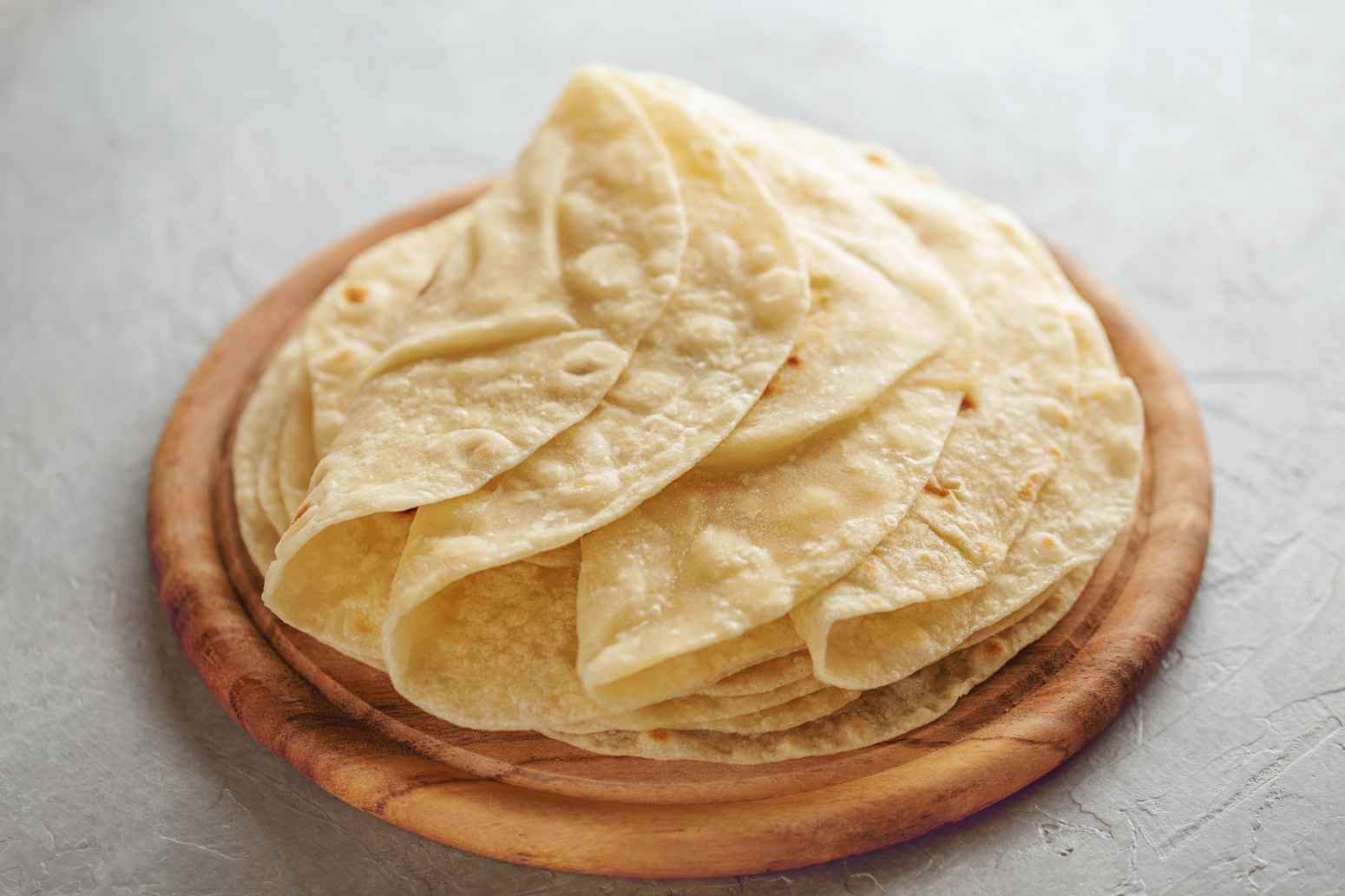
Back in the early 2000s, flour tortillas were not nearly as common in Lebanon as they are today. You could usually find them only in the ethnic food section of large supermarkets, tucked beside boxes of taco shells and other imported products. Today, almost every bakery in Lebanon makes its own tortillas, and many of them taste absolutely heavenly.
I have always enjoyed preparing tortilla wraps in my kitchen. Their soft, flexible texture makes them perfect for holding generous fillings without becoming too heavy. When I opened my restaurant, I used them to create two sandwiches: a juicy kafta wrap and a flavorful sojok wrap. People went crazy over both of them.
Those sandwiches showed me just how beautifully a simple flour tortilla can carry Lebanese flavors. The combination may not be traditional, but it feels completely natural: soft homemade flatbread wrapped around the bold, familiar flavors of kafta or spicy sojok. This homemade flour tortilla recipe recreates that same tender and flexible base, ready to be filled with whatever you love.
What Makes Homemade Flour Tortillas So Much Better?
A good flour tortilla should be soft enough to fold and roll without cracking, yet strong enough to hold a generous filling. It should also have a delicate buttery flavor and a few golden spots from the hot pan. When eaten warm, the texture is tender, slightly chewy, and completely different from many packaged tortillas.
The secret lies in the balance between flour, butter, and water. Butter coats part of the flour and gives the tortillas a softer, richer texture. Water brings the dough together and helps develop enough gluten to make each tortilla flexible. Salt may seem like a small addition, but it prevents the dough from tasting flat.
The way you handle the dough matters just as much as the ingredients. It needs enough kneading to become smooth, followed by sufficient resting time. This rest allows the gluten to relax, making the portions much easier to roll into thin circles. If the dough keeps shrinking as you roll it, it usually needs a little more time to rest.
Finally, flour tortillas cook very quickly. A properly heated pan creates those characteristic golden-brown spots while keeping the inside soft. Leaving them on the heat for too long removes too much moisture, causing them to become dry or brittle once they cool.
Why Resting the Dough Is Essential
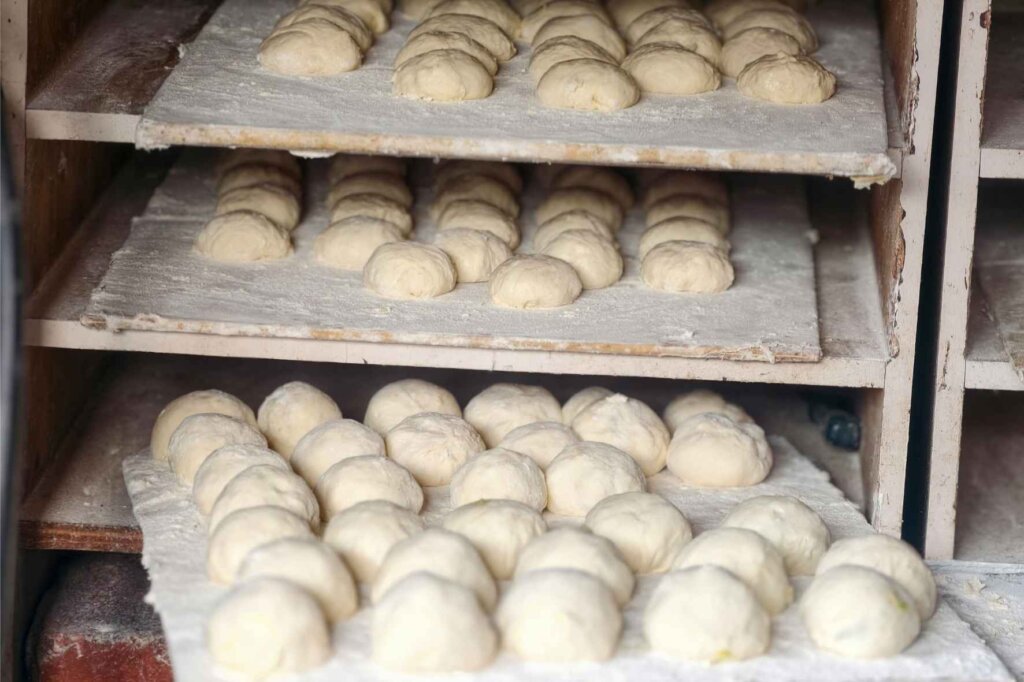
Once the tortilla dough has been kneaded, it needs time to rest. During kneading, the gluten becomes tight and elastic. If you try to roll the dough immediately, it will resist the rolling pin and repeatedly shrink toward the center.
Resting allows the gluten to relax. As a result, each portion becomes easier to roll into a thin circle without tearing or springing back. Cover the dough while it rests so the surface does not dry out and form a crust.
After dividing the dough, shape each portion into a smooth ball and allow it to rest again before rolling. This second rest may seem like a small detail, but it makes the process considerably easier and helps the tortillas cook more evenly.
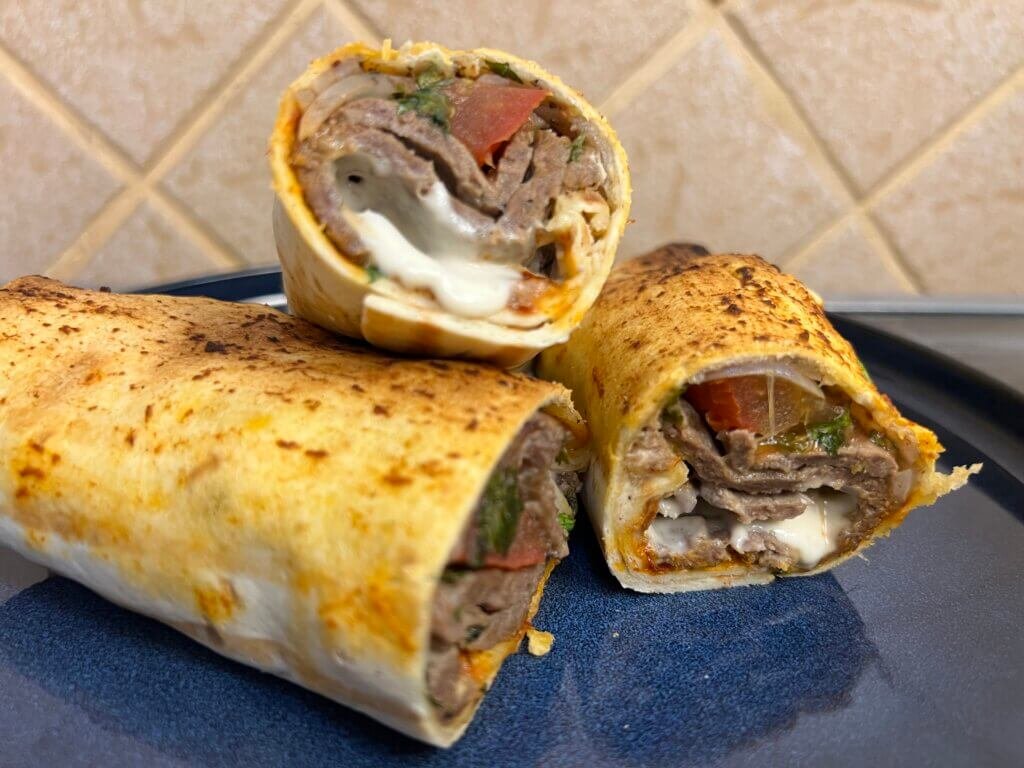
A soft, properly rested tortilla can hold a generous filling without cracking. It is ideal for kafta and sojok wraps, but you can also use it to prepare my homemade doner kebab sandwiches, where the tender bread balances the seasoned meat, vegetables, and rich tahini sauce.
How to Roll Thin, Even Tortillas
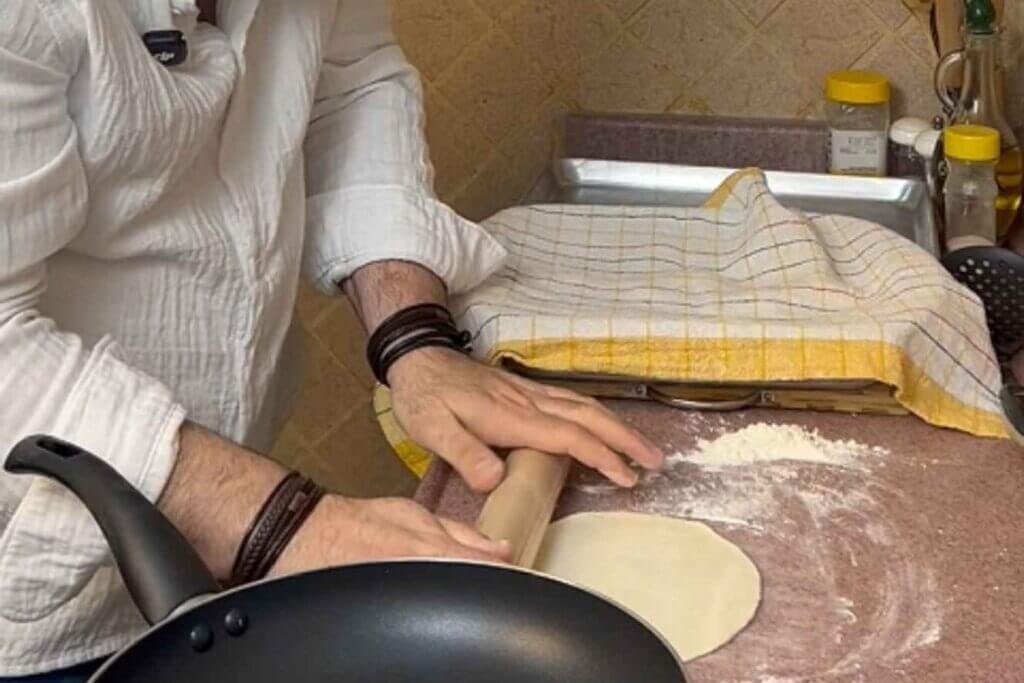
After resting, place one dough ball on a lightly floured work surface and flatten it gently with your palm. Roll outward from the center, rotating the dough regularly to create an even circle. This is easier than rolling repeatedly in only one direction.
Use just enough flour to prevent sticking. Adding too much can dry the surface and leave patches of flour that may burn in the pan. If the dough begins to shrink or feels difficult to stretch, cover it and let it rest for another 10 minutes before trying again.
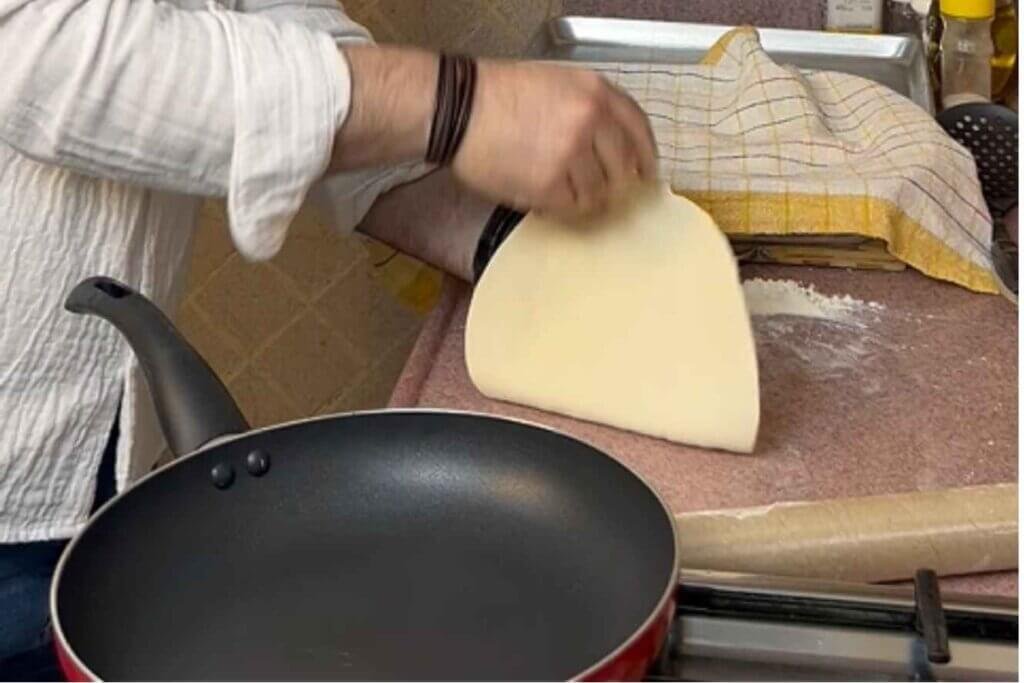
Aim for an even thickness rather than a perfectly round shape. Thin areas may become crisp before the rest of the tortilla cooks, while thick areas can remain dense. Do not worry if your first tortillas are not perfect circles; their homemade appearance is part of their charm.
Once rolled, cook each tortilla fairly quickly. Leaving the uncooked circles exposed for too long can dry their surfaces. When they are ready, serve them warm with your favorite fillings or cut them into wedges and pair them with my fresh homemade guacamole for a simple appetizer.
Let’s Make Homemade Flour Tortillas
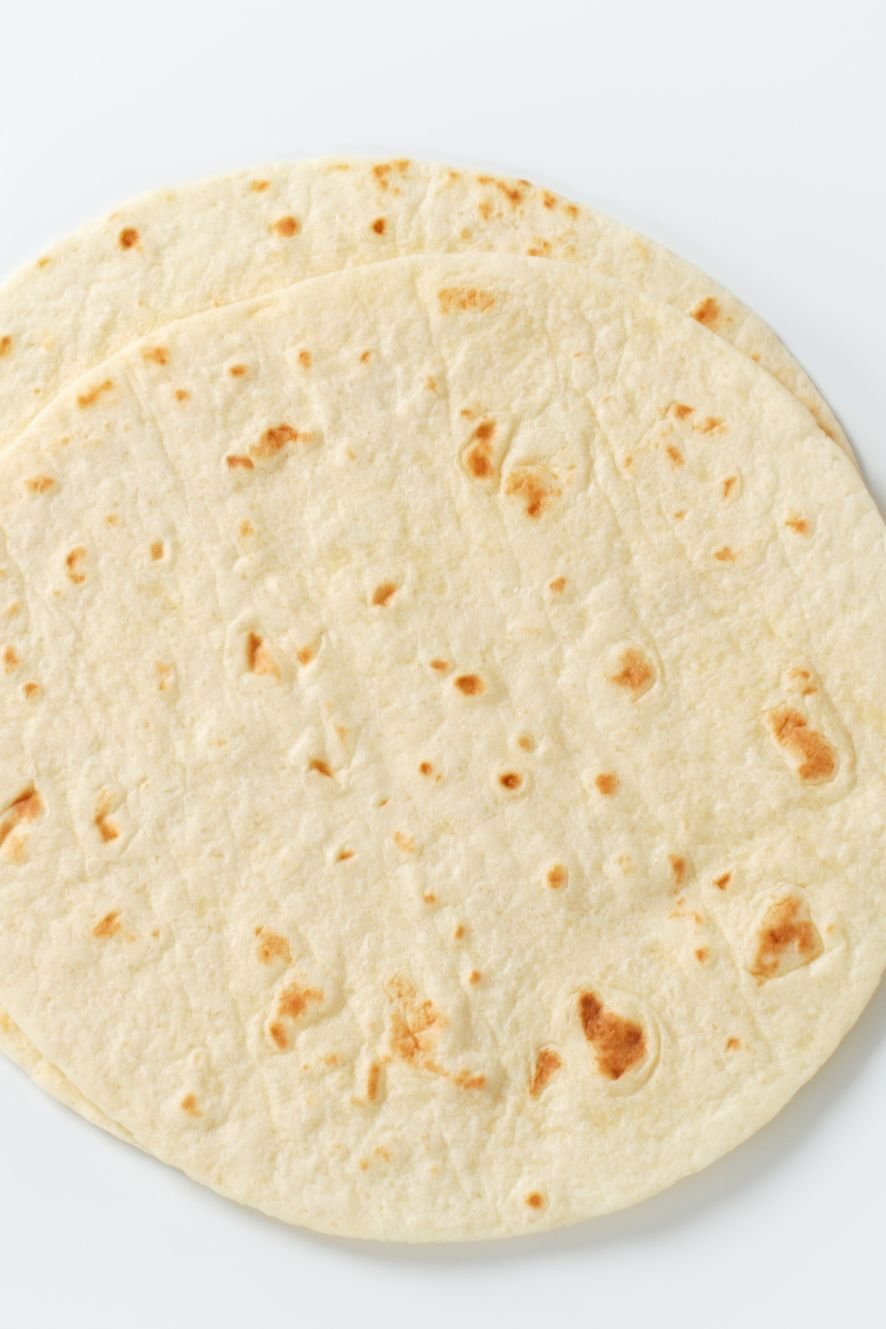
Homemade Flour Tortilla Recipe
Ingredients
Equipment
Method
- In a large bowl, combine the flour with room-temperature butter.
- Use your hands to rub the butter into the flour until the mixture reaches a crumbly texture.
- Add the salt and continue rubbing to ensure everything is evenly distributed without any lumps.
- Create a well in the center of the mixture and gradually pour in the warm water.
- Mix the dough in stages, adding water as needed until you reach a consistent, workable texture.
- Knead the dough by hand or with a machine for approximately 5 minutes.
- You are looking for a smooth, elastic consistency that no longer sticks to your fingers.
- Once the dough is ready, place it back into the mixing bowl and cover it with a clean kitchen towel.
- Allow the dough to rest for 20 minutes to let the gluten relax.
- After the first rest, divide the dough into small portions, ideally around 80g each if using a scale.
- Shape each portion by folding the edges toward the center and rolling them into smooth balls.
- Place these dough balls back under the kitchen towel and let them rest for an additional 20 minutes.
- This second rest is crucial for making the dough easy to roll out thin.
- On a lightly floured surface, use a rolling pin to flatten each ball.
- Start from the center and roll outward, rotating the dough frequently to maintain a thin, circular shape.
- Lightly grease a pan with a drop of oil and wipe away the excess with a paper towel.
- Heat the pan over medium heat and cook each tortilla until it begins to puff up and develop color.
- Flip the tortilla to cook the other side, gently pressing down on any large air bubbles.
- As soon as each tortilla is finished cooking, wrap it immediately in a clean kitchen towel.
- This traps the steam, which pulls moisture back into the bread and ensures the tortillas remain soft and flexible rather than becoming brittle.
- Once they have cooled completely, they can be stored in a plastic bag in the freezer for later use.
Video
The Tortilla Was Never Just Bread in My Restaurant
When I served kafta and sojok wraps in my restaurant, the tortilla was never treated as a simple container for the filling. It was part of the sandwich itself. A dry or heavy tortilla could hide the flavor of the meat, while a soft one allowed the spices, sauces, and vegetables to come through in every bite.
The kafta wrap was juicy and comforting, while the sojok wrap had a stronger, spicier character. Yet both depended on the same detail: the tortilla had to bend around the filling without tearing, then hold everything together until the last bite. People often focused on the meat, but I knew that the bread was one of the reasons those sandwiches became so popular.
In a restaurant kitchen, you quickly learn that people may not identify every technique, but they feel the result. They notice when a wrap is warm, when the bread is tender, and when the outside has just enough color. They may not say, “The tortilla is perfectly cooked,” but they will come back and order the sandwich again.
That is what I want to recreate with this recipe. It is not simply about making an alternative to packaged tortillas. It is about preparing the kind of bread that turns a good filling into a sandwich people remember.
Why Lebanese Flavors Work So Well in a Tortilla
I have never believed that every ingredient must remain confined to the cuisine where it originated. Good cooking often begins when we understand a technique and then make it our own. The flour tortilla may not be Lebanese, but it feels completely at home wrapped around kafta, sojok, shawarma, or shish tawook.
Lebanese fillings are especially suited to wraps because they contain several layers of flavor. The meat brings warmth and spice, the pickles add acidity, the vegetables provide freshness, and the sauce ties everything together. A soft tortilla holds all these elements without competing with them.
For a kafta wrap, I like the contrast between the juicy meat and fresh parsley, onion, and tomato. Sojok needs something cooling or tangy to balance its bold spices. Grilled chicken, meanwhile, becomes irresistible with pickles and a generous spoonful of homemade Lebanese garlic dip.
This is the kind of cooking I enjoy most: taking something familiar, giving it a different form, and creating a combination that still feels natural. Once you master the tortilla itself, it becomes a blank canvas for the flavors already loved in your kitchen.
Turn Leftover Tortillas into Homemade Tortilla Chips
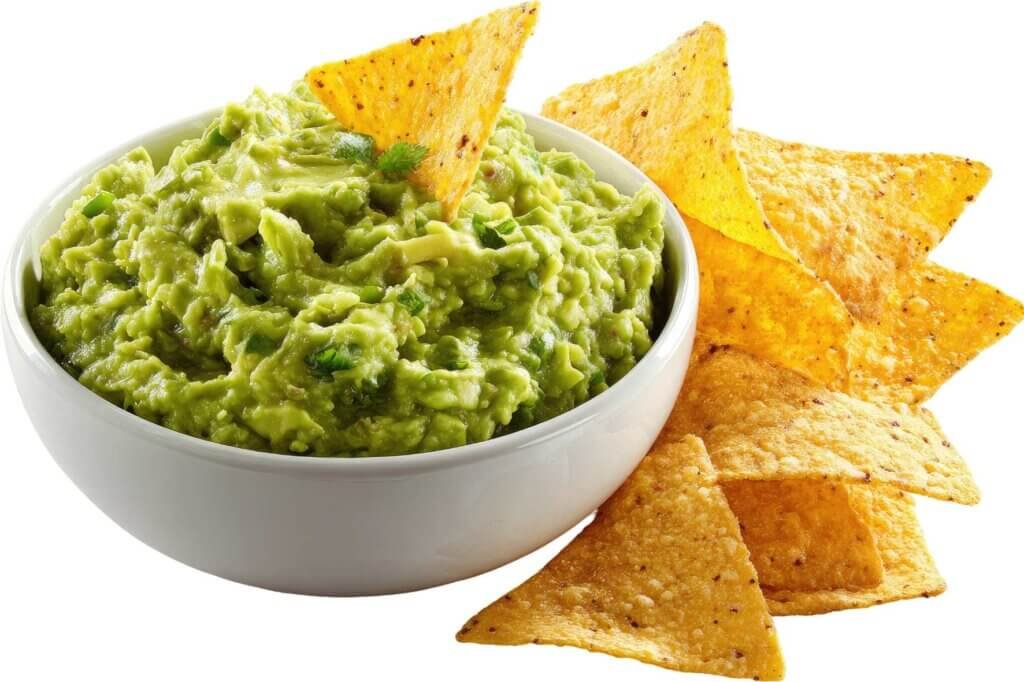
One of my favorite ways to use leftover flour tortillas is to transform them into crisp homemade tortilla chips. This gives tortillas that are beginning to lose their softness a second life instead of letting them go to waste.
Cut each tortilla into six or eight triangular wedges. Arrange them in a single layer on a baking tray, then brush or spray them lightly with oil. Season with salt and, if you like, add paprika, garlic powder, chili powder, or dried herbs.
Bake the tortilla wedges at 180°C (350°F) for approximately 8–12 minutes, turning them halfway through. Watch them carefully near the end because thin tortillas can move from golden to burnt very quickly. Let the chips cool completely before serving; they will become crispier as they cool.
For an even quicker version, cook the wedges in an air fryer at 180°C (350°F) for around 4–6 minutes, shaking the basket halfway through. Avoid overcrowding the basket so the chips cook evenly.
Serve your homemade tortilla chips with salsa, cheese dip, or my fresh homemade guacamole. They are also perfect alongside chili con carne or as a crunchy snack on their own.
From Tacos to Burritos: Bringing Mexican Flavors Home
Homemade flour tortillas give you a delicious starting point for exploring Mexican-inspired dishes. Although Mexican cooking also uses corn tortillas, soft flour tortillas work beautifully for burritos, fajitas, quesadillas, and soft tacos.
For soft tacos, warm the tortillas briefly and fill them with seasoned beef, grilled chicken, or vegetables. Finish them with cheese, avocado, coriander, and a spoonful of fresh pico de gallo. Its combination of tomatoes, onions, herbs, and acidity brings freshness to the rich, spiced filling.
Seasoning the Filling
To create those familiar Mexican-inspired flavors, season your meat or vegetables with:
- Ground cumin
- Smoked or sweet paprika
- Chili powder
- Garlic powder
- Onion powder
- Dried oregano
- Salt and black pepper
Adjust the amount of chili according to how spicy you like your food. Then, finish the filling with lime juice and chopped coriander to brighten the spices.
Burritos, Fajitas, and Quesadillas
For burritos, place the filling slightly below the center of a large tortilla. Add seasoned meat, rice, beans, cheese, vegetables, and salsa.
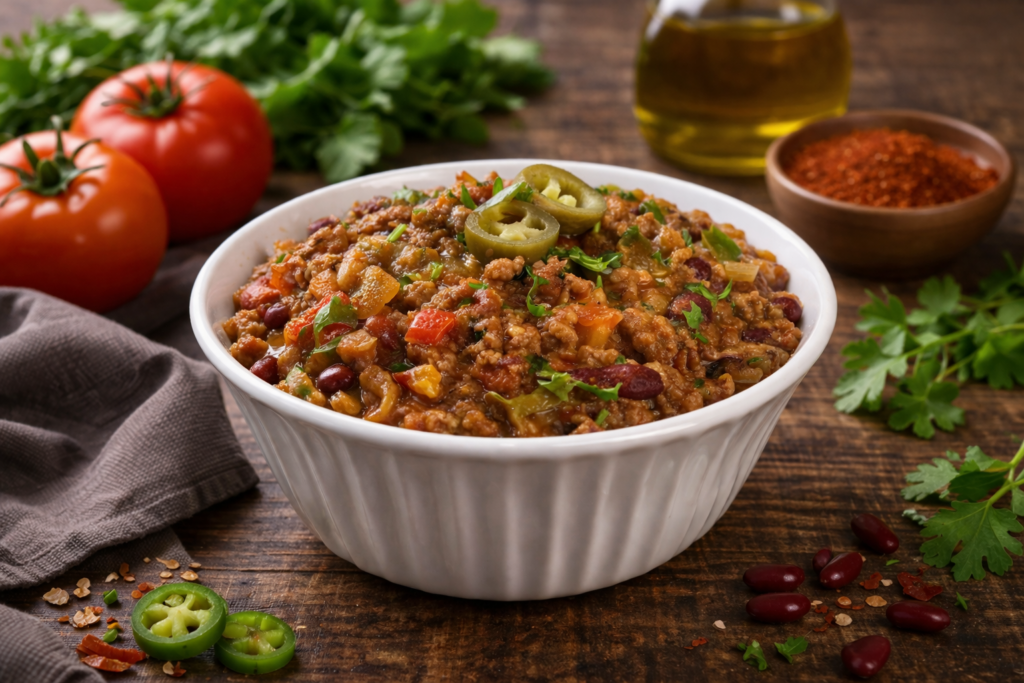
Alternatively, use my chili con carne as a rich and satisfying burrito filling. Fold both sides inward, then roll the tortilla firmly from the bottom.
Fajitas are perfect for sharing. Place warm tortillas on the table alongside grilled chicken or beef, sautéed peppers and onions, and several toppings. Everyone can then build a wrap according to their taste.
For quesadillas, spread cheese and your chosen filling over one half of the tortilla. Fold the other half over it, then toast it in a dry pan until the exterior becomes golden and the cheese melts. Therefore, a single batch of homemade tortillas can become the base for several completely different meals.
A Tortilla Recipe That Became Part of My Kitchen
Flour tortillas may have once felt unfamiliar in Lebanon, but today they have earned a natural place in our kitchens. They can carry traditional Mexican-inspired fillings, yet they work just as beautifully with the Lebanese flavors we already love.
For me, this recipe brings back memories of the kafta and sojok wraps I served in my restaurant and the customers who returned to enjoy them. Those sandwiches reminded me that good cooking does not always require complicated ingredients. Sometimes, a soft piece of bread, a well-seasoned filling, and the right balance of flavors are enough to create something memorable.
Once you prepare these tortillas at home, you can turn them into tacos, burritos, quesadillas, Lebanese wraps, or crispy tortilla chips. Make them your own, fill them with the ingredients your family enjoys, and do not be afraid to bring different cuisines together. After all, some of the best recipes begin when we take a familiar idea and give it our personal touch.
For more homemade recipes, professional techniques, and practical kitchen tips, visit my YouTube channel, where I demonstrate each recipe step by step and share the knowledge I gained throughout my years in professional kitchens.

Chef François El Aaraj is a corporate chef and culinary consultant with more than 30 years of experience in professional kitchens and restaurant openings across Lebanon and abroad. Through this website, he shares authentic recipes, cooking techniques, and chef secrets designed to help home cooks create flavorful meals with confidence.
Leave a Reply