A Chef’s Personal Guide to Perfect Browning Every Time
If there is one thing that frustrates people in the kitchen, it is this:
You place your chicken or meat in the pan, expecting that beautiful golden color… and instead, water starts coming out. The meat turns pale, soft, and honestly, a little sad.
I have seen this happen thousands of times.
In fact, I remember one of my early days working in a busy kitchen. A young cook proudly prepared a batch of chicken tawook on the stove. He added everything at once—full pan, high hopes. A few minutes later, the pan looked like soup. No color, no aroma, just liquid everywhere.
He looked at me and said, “Chef… the chicken is bad?”
I smiled and told him, “No. The chicken is fine. The technique is not.”
Let me show you exactly what is happening—and how to fix it forever.
Cooking Is Not Just Heat — It’s Control
Most people think cooking meat is simple: heat the pan, add the meat, and wait.
However, cooking is not just about heat. It is about controlling heat.
When you cook properly, you are guiding a process. You are not just throwing ingredients into a pan and hoping for the best.
And when it comes to meat, one small mistake can completely change the result.
The Truth About Why Meat Releases Water
Let’s clear something up right away.
Meat naturally contains water. That is normal.
But when it releases too much water during cooking, it is not because the meat is bad. It is because the environment you created in the pan forces it to release that moisture quickly.
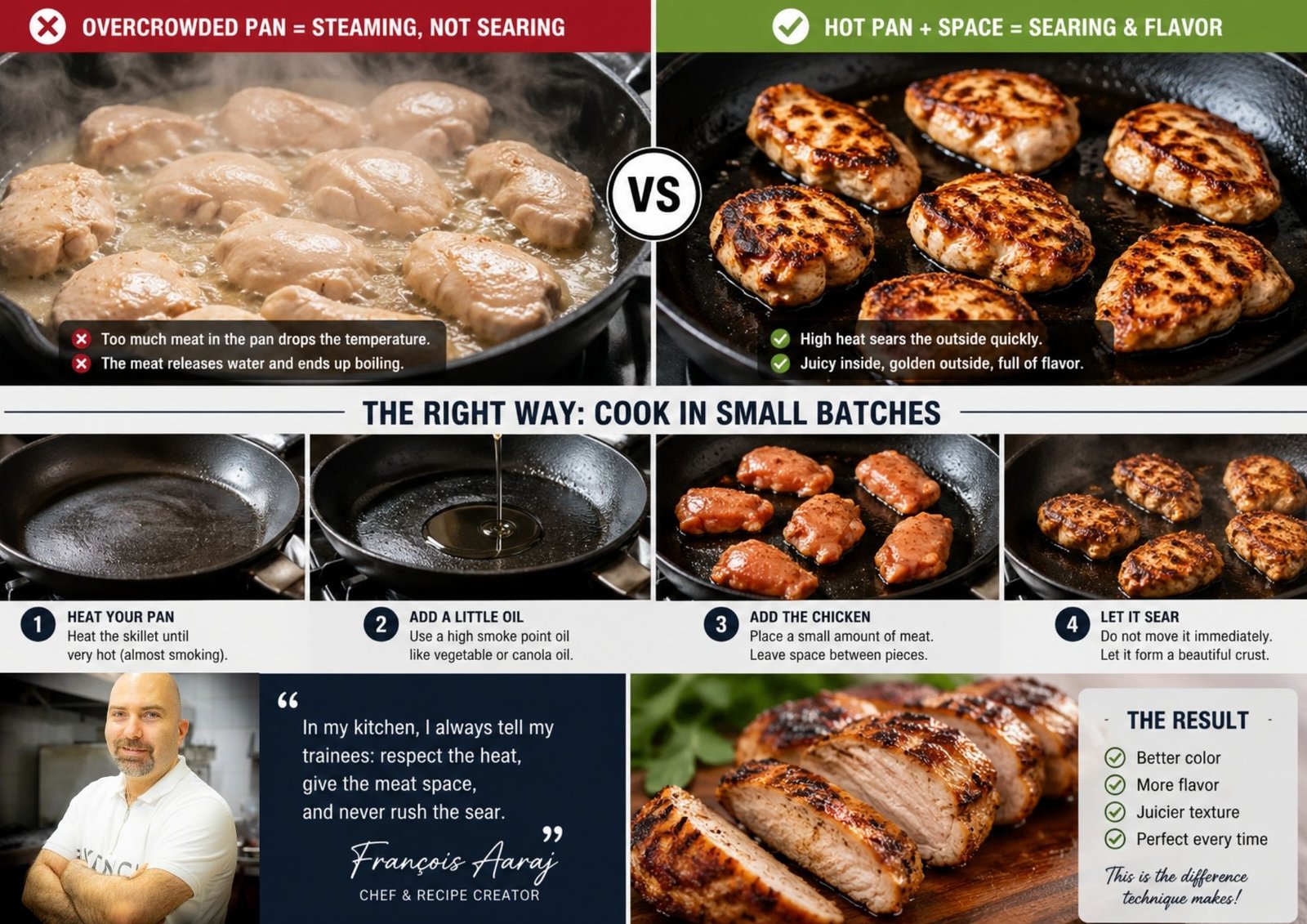
Here’s what happens step by step:
- You add too much meat to the pan
- The pan temperature drops instantly
- The meat cannot sear
- Instead, it starts steaming
- The internal juices are released
- The liquid accumulates in the pan
Now instead of frying or grilling, you are essentially boiling your meat.
The Magic Behind Proper Browning
There is something magical that happens when meat cooks the right way.
It develops a deep color, a rich aroma, and a flavor that feels almost addictive.
This is thanks to the Maillard reaction.
You don’t need to remember the scientific name. Just remember what it does:
It creates flavor, color and that “restaurant-quality” finish.
But this reaction only happens under one condition:
👉 High heat with low moisture
The moment your pan fills with liquid, this reaction stops.
My First Lesson in a Professional Kitchen
I still remember my first real lesson about this when I was working in an Italian kitchen, and we were preparing large batches of meat for service. I thought I was being efficient by filling the pan completely.
The chef came behind me, looked at the pan, and without saying a word, he removed half the meat.
I asked him why.
He said something that stayed with me forever:
“Do you want to cook meat… or do you want to boil it?”
That day, I understood something very important:
Cooking is not about speed. It is about precision.
The Biggest Mistake: Overcrowding the Pan
Let’s talk about the number one mistake.
👉 Putting too much meat in the pan at once
I understand why people do this. You want to finish faster. You want to save time.
But in reality, you are doing the opposite.
When the pan is overcrowded:
- Heat cannot circulate properly
- Moisture gets trapped
- The meat releases juice faster than it evaporates
And just like that, your pan becomes a steaming environment.
The Golden Rule I Teach Everyone
If you remember only one thing from this article, let it be this:
👉 Cook meat in small batches in a very hot pan
That’s it. Simple, but powerful.
Here’s how I do it in my own kitchen:
I heat the pan properly before anything else, I add a small amount of oil, I place the meat without stacking or crowding, I leave space between pieces, and I let it cook without touching it immediately.
This allows the meat to:
- Form a crust
- Lock in flavor
- Stay juicy inside
Butter Chicken: Where Most People Go Wrong
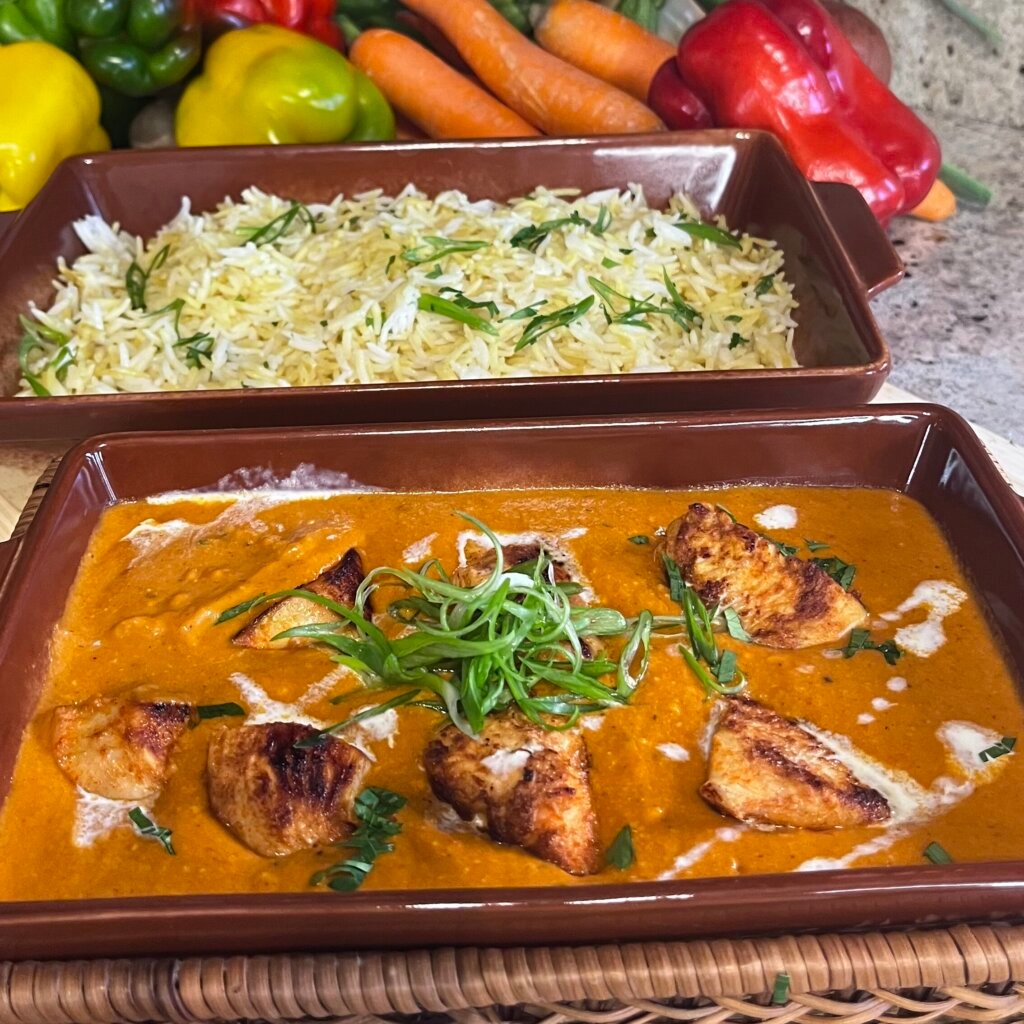
Let’s take a real example that many of you cook: butter chicken.
This dish is rich, creamy, and full of spices. But it starts with properly cooked chicken.
Here’s what I often see:
- The chicken is marinated in yogurt and spices
- Then everything is added to the pan at once
What happens next?
- The yogurt releases water
- The pan cools down
- The chicken becomes soft and pale
Now compare that to the correct method:
- Cook the chicken in batches
- Let each piece develop color
- Then combine everything
The difference in flavor is incredible.
Chicken Tawook on the Stove — Same Problem
Many people tell me, “Chef, my tawook doesn’t taste like restaurant tawook.”
The reason is almost always the same.
When you cook tawook in a pan, if:
- the pieces are too close → they steam
- the pan is not hot enough → they release water
- you move them too early → no crust forms
Good tawook needs:
- Heat
- Space
- Patience
A Simple Habit That Changes Everything
Let me give you a simple habit that will improve your cooking instantly.
👉 Do not touch the meat too early
When you place meat in a hot pan, leave it alone for a moment.
I know it’s tempting to move it. But don’t.
When you let it sit:
- A crust starts forming
- The meat naturally releases from the pan
- The color develops beautifully
If you try to move it too soon, you break that process.
The Sound Test — My Favorite Trick
Here is a trick I use all the time.
Listen to your pan.
- A strong sizzling sound → perfect
- A weak sound or silence → not hot enough
Cooking is not just visual. It is also about sound and instinct.
Common Mistakes I See Every Day
Even experienced home cooks fall into these traps:
- Starting with a cold pan
- Adding meat straight from the fridge
- Overcrowding the skillet
- Stirring constantly
- Using low heat out of fear
Each one of these mistakes reduces your chances of getting that perfect sear.
Why This Technique Makes Food Taste Better
When you cook meat properly, something incredible happens.
You create layers of flavor.
- The outside becomes slightly crispy
- The inside stays juicy
- The natural sugars caramelize
- The aroma becomes rich and deep
This is what makes restaurant food taste different.
It’s not always the ingredients.
It’s the technique.
A Quick Experiment You Should Try
I always tell my trainees to test things for themselves.
Take two pans.
- In the first pan, overcrowd the meat
- In the second, cook in small batches
Compare:
- The color
- The smell
- The texture
You will never go back to the old method.
Cooking Is About Respecting Ingredients
One thing I always say is this:
👉 Respect your ingredients
When you rush the process, you don’t give the ingredient a chance to shine.
When you control heat and space, you allow it to reach its full potential.
My Advice to Every Home Cook
If I could give you one piece of advice after all these years, it would be this:
Slow down.
Cooking is not a race. It is a craft.
Take your time, understand the process, and enjoy it.
Because when you do, even a simple chicken dish can become something extraordinary.
A Word from Chef François
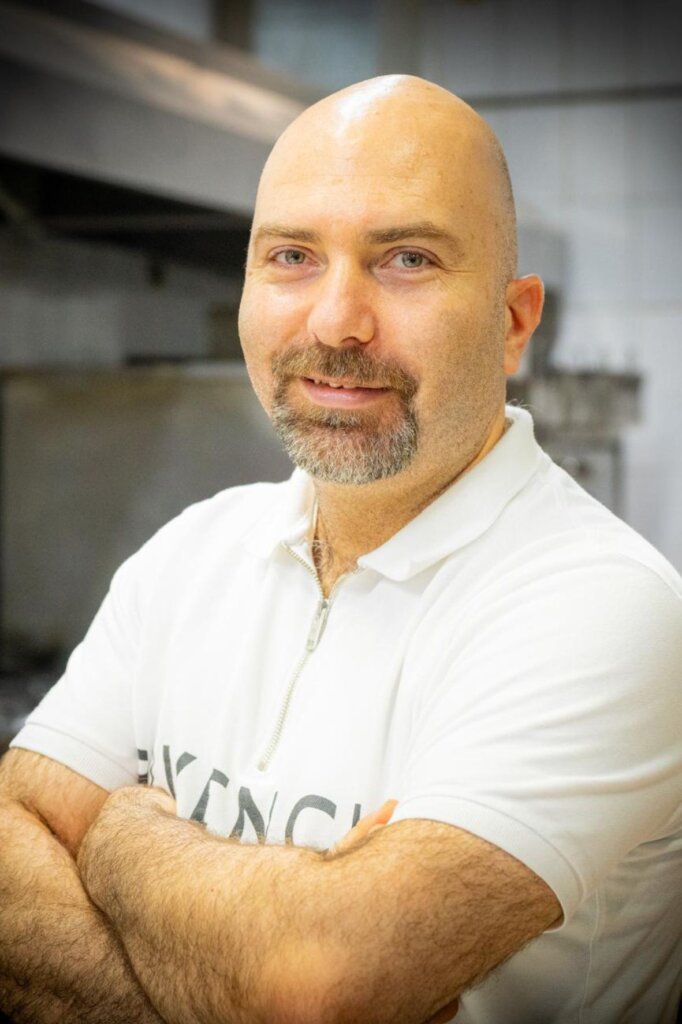
After more than 30 years in the kitchen, I can tell you this:
The smallest details make the biggest difference.
A hot pan. A little space. A bit of patience.
These simple things are what separate average cooking from great cooking.
So next time you cook butter chicken or tawook, remember:
Don’t overcrowd your pan. Let your meat breathe. Let it sear.
And you will taste the difference in every bite.
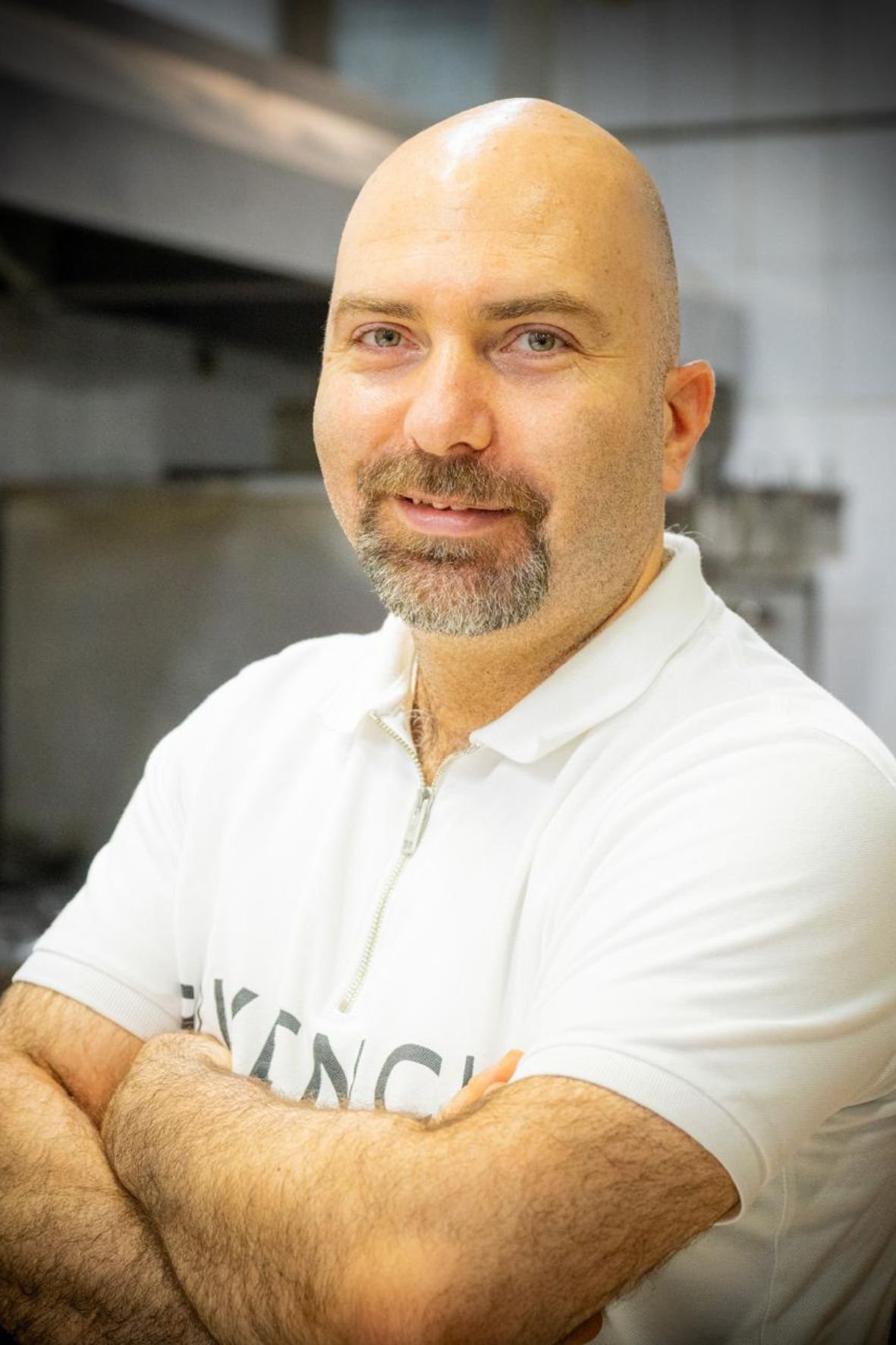
Chef François El Aaraj is a corporate chef and culinary consultant with more than 30 years of experience in professional kitchens and restaurant openings across Lebanon and abroad. Through this website, he shares authentic recipes, cooking techniques, and chef secrets designed to help home cooks create flavorful meals with confidence.
Leave a Reply