Lebanese mdardara brings together lentils, rice, and crispy onions in a very simple way. This dish creates deep flavor with basic ingredients. It fills the kitchen with a warm and rich aroma. Many families in Lebanon cook it often because it is easy, affordable, and satisfying.
The Origins of Lebanese Mdardara
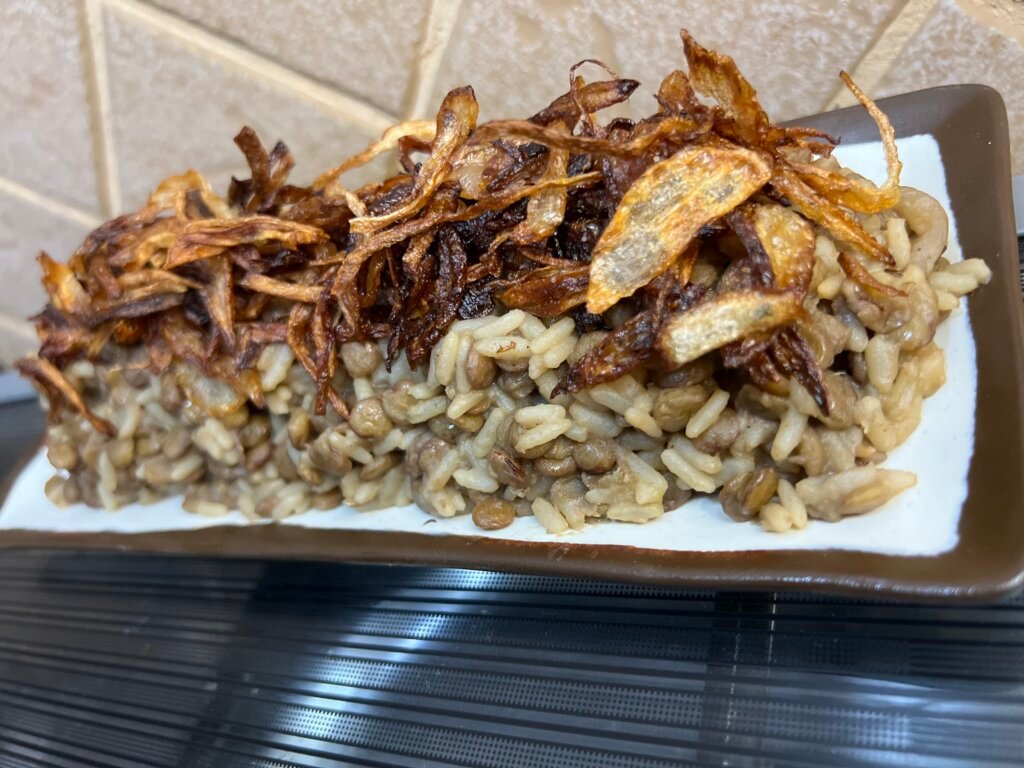
People in rural Lebanon created Lebanese mdardara many years ago. They used lentils because they could store them easily and cook them quickly. They added rice to make the dish more filling. Families passed this recipe from one generation to another. Over time, this dish became part of everyday Lebanese cooking. It shows how people can turn simple food into something delicious.
My Story with Lebanese Mdardara
Lebanese mdardara has always been a dish of simplicity. Made from just a few inexpensive ingredients, it was a meal that almost every family could afford, and that was certainly true in our home. Growing up, Fridays had a special rhythm. Because of our religious tradition of not eating meat on Fridays, my mother would prepare one of the many humble vegetarian dishes that are deeply rooted in Lebanese cuisine.
Friday Traditions and Family Memories
While some children might have looked forward to meat dishes, I honestly used to wait for Fridays. I have always been a big fan of vegetarian food, and those Friday meals were among my favorites. My mother would make mdardara, mjaddara, foul bi zeit, or another simple home-cooked dish that filled the house with comforting aromas and brought everyone to the table.
What I remember most is the feeling these meals created. They were not fancy, expensive, or elaborate, yet they somehow made us feel at ease. There was a warmth and satisfaction in those dishes that went far beyond their ingredients. They represented family, tradition, and the comfort of knowing exactly what was waiting for us at the end of the day.
Many people do not think of Lebanese mdardara as a comfort food, but I certainly do. Every spoonful brings back memories of those peaceful Fridays, my mother’s cooking, and the simple pleasures that often become our most treasured memories. Even today, whenever I prepare mdardara, I am reminded that some of the best meals are not the most luxurious ones, but the ones that make us feel at home.
The Secret to Great Flavor
You can make lebanese mdardara taste amazing if you follow a few simple steps. You should cook the lentils until they become soft but still hold their shape. Then you should cook the rice carefully so it stays light and not sticky. The onions need the most attention. You should fry them until they turn deep golden and crispy. These onions give the dish its special taste and texture.
The Nutritional Benefits of Lebanese Mdardara
Lebanese mdardara gives the body many important nutrients. Lentils provide protein, fiber, and iron. Rice gives energy and balances the texture of the dish. Olive oil adds healthy fats that support the heart. Onions bring antioxidants and help digestion. This combination makes the dish both healthy and satisfying.
Plant-Based Protein
Brown lentils are an excellent source of plant-based protein, making mdardara a satisfying and nourishing meal. Protein plays a crucial role in building and repairing tissues, maintaining muscle mass, and supporting a healthy immune system. When paired with rice, lentils provide a more complete amino acid profile, making this traditional Lebanese dish especially valuable for those following a vegetarian diet.
Dietary Fiber
One of the greatest nutritional strengths of mdardara is its high fiber content. Lentils are naturally rich in both soluble and insoluble fiber, which help support digestive health, promote regular bowel movements, and nourish beneficial gut bacteria. Fiber also contributes to a feeling of fullness, helping to control hunger and support healthy weight management.
Complex Carbohydrates
The rice and lentils in mdardara provide complex carbohydrates that release energy gradually throughout the day. Unlike refined carbohydrates that can cause rapid spikes and crashes in blood sugar, complex carbohydrates offer a steadier source of fuel, helping to maintain energy levels and improve concentration.
Iron
Brown lentils are a valuable source of iron, a mineral essential for the production of red blood cells and the transport of oxygen throughout the body. Adequate iron intake helps reduce fatigue and supports overall vitality. Pairing mdardara with a squeeze of fresh lemon juice can further enhance iron absorption.
Folate (Vitamin B9)
Lentils are naturally rich in folate, an important B vitamin involved in cell growth, DNA production, and the formation of healthy red blood cells. Folate is particularly important during periods of rapid growth and is essential for pregnant women as it supports healthy fetal development.
Potassium
Mdardara provides potassium, a mineral that helps regulate fluid balance, muscle contractions, and nerve function. Potassium also contributes to maintaining healthy blood pressure levels by helping the body balance the effects of sodium.
Antioxidants
The deeply caramelized onions that give mdardara its characteristic flavor contain beneficial antioxidants and plant compounds. These natural substances help protect the body’s cells from oxidative stress and support overall health. Onions also contain compounds that may contribute to heart health and healthy immune function.
Low in Saturated Fat
When prepared with a moderate amount of vegetable or olive oil, mdardara remains naturally low in saturated fat. This makes it a heart-friendly meal that can fit well into a balanced diet focused on supporting cardiovascular health.
Naturally Vegetarian and Budget-Friendly Nutrition
Mdardara demonstrates how simple ingredients can create a highly nutritious meal. Combining rice, lentils, and onions provides a balance of protein, fiber, vitamins, minerals, and energy, all while remaining affordable and accessible. It is a perfect example of the wholesome, nourishing qualities found in traditional Lebanese cuisine.
What to Serve with Lebanese Mdardara
You can enjoy Lebanese mdardara on its own, but you can also serve it with fresh sides. A crisp salad like fattoush adds freshness. Yogurt or laban adds a cool and creamy contrast. Pickles bring a sharp and bright flavor that balances the dish. These additions make the meal feel complete and more exciting.
Fattoush Salad
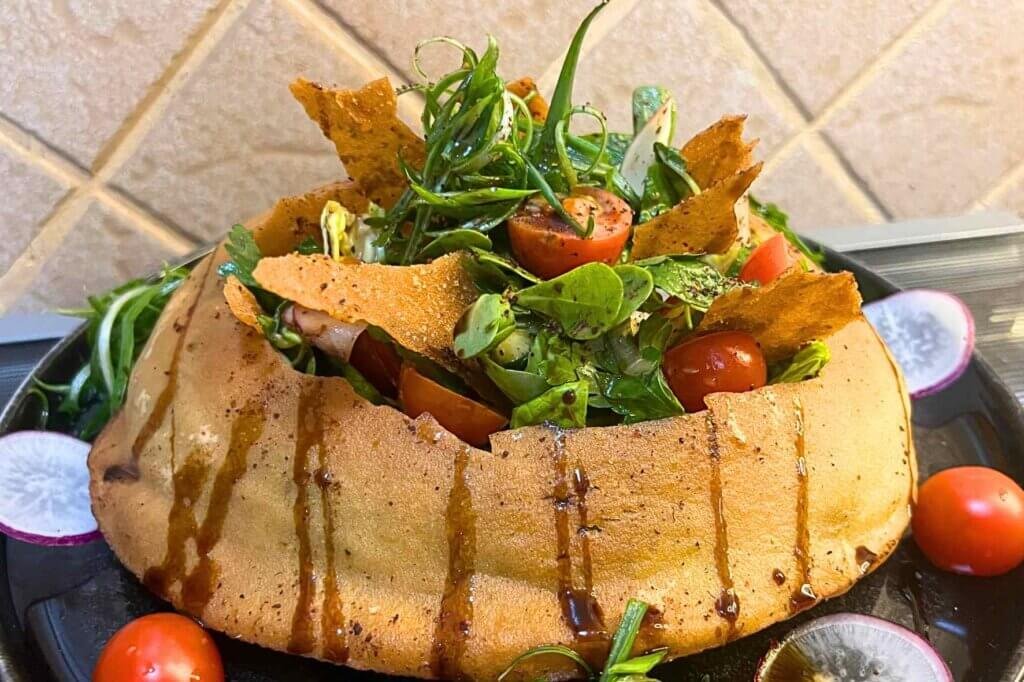
If I had to choose just one side dish to serve with mdardara, it would probably be fattoush. Mdardara is rich, earthy, and comforting thanks to the lentils, rice, and deeply caramelized onions. Fattoush brings the exact opposite qualities to the table in the best possible way. The crisp lettuce, juicy tomatoes, crunchy cucumbers, fresh herbs, and tangy sumac dressing add brightness and freshness to every bite. I especially love how the acidity of the lemon dressing cuts through the richness of the fried onions. The contrast between the soft texture of the mdardara and the crunch of the vegetables makes the meal more enjoyable and balanced. Together, they create a combination that feels both satisfying and refreshing.
Yogurt or Laban
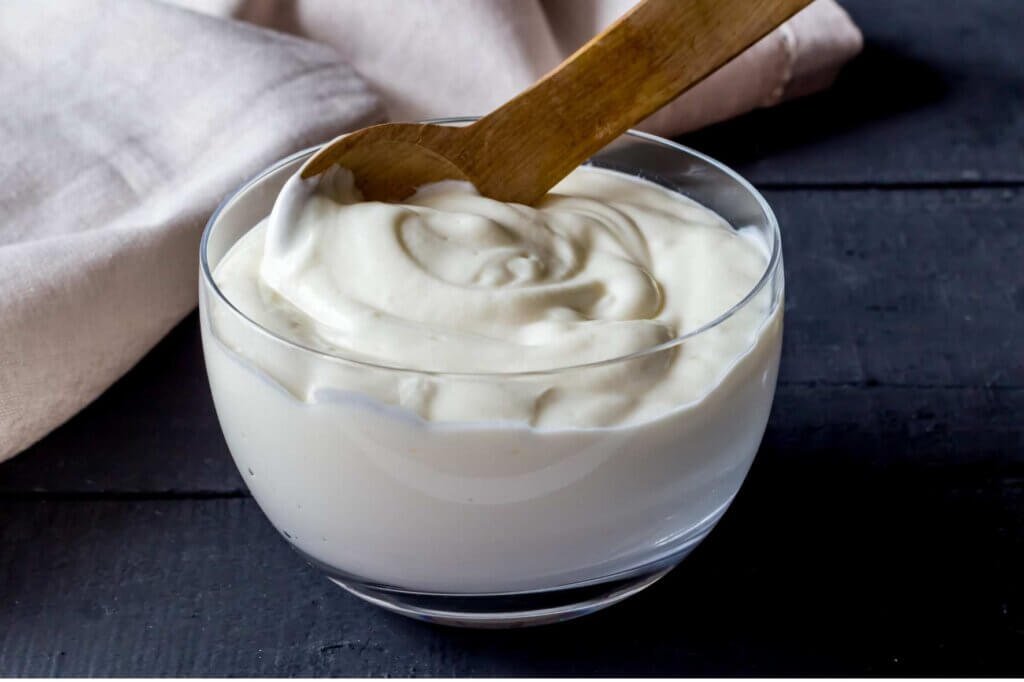
A bowl of cold yogurt or laban is one of the simplest yet most delicious accompaniments to mdardara. Growing up in Lebanon, it was common to see yogurt served alongside many lentil-based dishes, and for good reason. The cool and creamy texture provides a beautiful contrast to the warm rice and lentils. The slight tanginess of the yogurt also helps balance the sweetness of the caramelized onions. Whenever I serve mdardara with yogurt, I find that it transforms the dish from a simple meal into a comforting feast. A spoonful of yogurt mixed into each bite creates a creamy texture that complements the hearty nature of the lentils while adding a refreshing element.
Pickled Vegetables
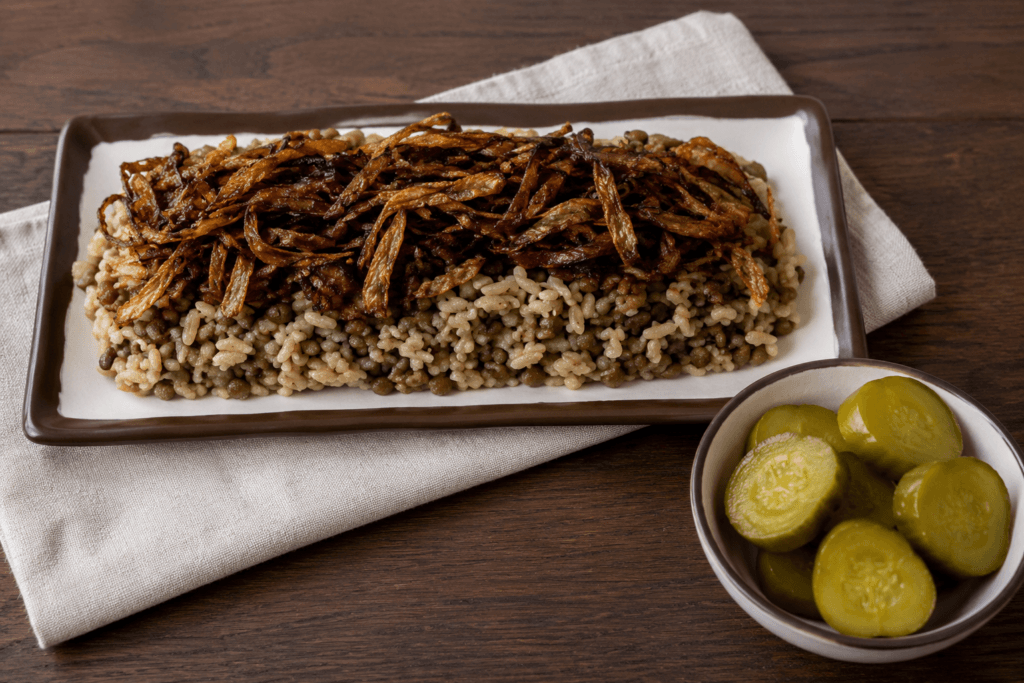
Pickles may seem like a simple addition, but they can completely change the experience of eating mdardara. The sharp acidity and bright flavor of pickled cucumbers, turnips, or peppers help cut through the richness of the dish and keep every bite interesting. Lebanese meals often include a small plate of pickles because they wake up the palate and add an extra layer of flavor. I particularly enjoy pink pickled turnips with mdardara because their crisp texture and slightly sour taste provide a wonderful contrast to the soft lentils and rice. The result is a more dynamic and exciting meal that never feels heavy.
Fresh Vegetables
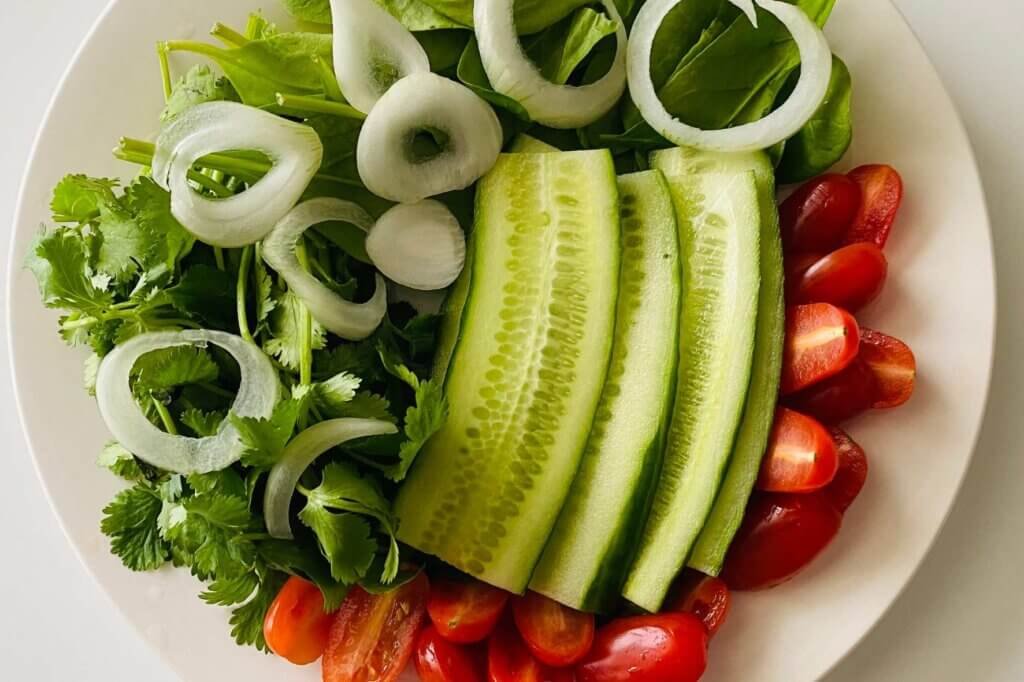
A plate of fresh vegetables is another traditional and delicious companion for mdardara. Slices of cucumber, radishes, tomatoes, green onions, and fresh mint leaves add natural crunch and freshness to the meal. One of my favorite ways to enjoy mdardara is to scoop up a bite alongside a fresh mint leaf or a crisp radish. These simple vegetables bring brightness and a garden-fresh quality that balances the earthy flavors of the lentils. They also add color to the plate, making the meal look as appealing as it tastes.
A Squeeze of Lemon Juice
Although not technically a side dish, a wedge of fresh lemon deserves a place on the table whenever mdardara is served. A squeeze of lemon juice just before eating instantly brightens the entire dish. The citrus enhances the flavors of the lentils and onions while adding a refreshing note that keeps the meal from feeling too heavy. I often encourage people to try a bite before and after adding lemon because the difference is remarkable. Such a small addition can make the flavors feel more vibrant and balanced.
Olive Oil
A final drizzle of good-quality olive oil can elevate mdardara from a humble everyday dish to something truly special. The fruity richness of the olive oil enhances the earthy flavor of the lentils and complements the sweetness of the onions. In many Lebanese homes, olive oil is more than an ingredient—it is a finishing touch that adds character and depth to countless dishes. Just a small drizzle over a warm plate of mdardara adds aroma, richness, and a beautiful sheen that makes the dish even more inviting.
Different Names Across Lebanon
People across Lebanon use different names for Lebanese mdardara. Some call it mdardara, while others call it mujaddara. Each region uses its own name based on tradition and habit. Sometimes the name also reflects small changes in the recipe. However, all versions keep the same base of lentils, rice, and crispy onions. These different names show the richness of Lebanese culture and how each family adds its own touch.
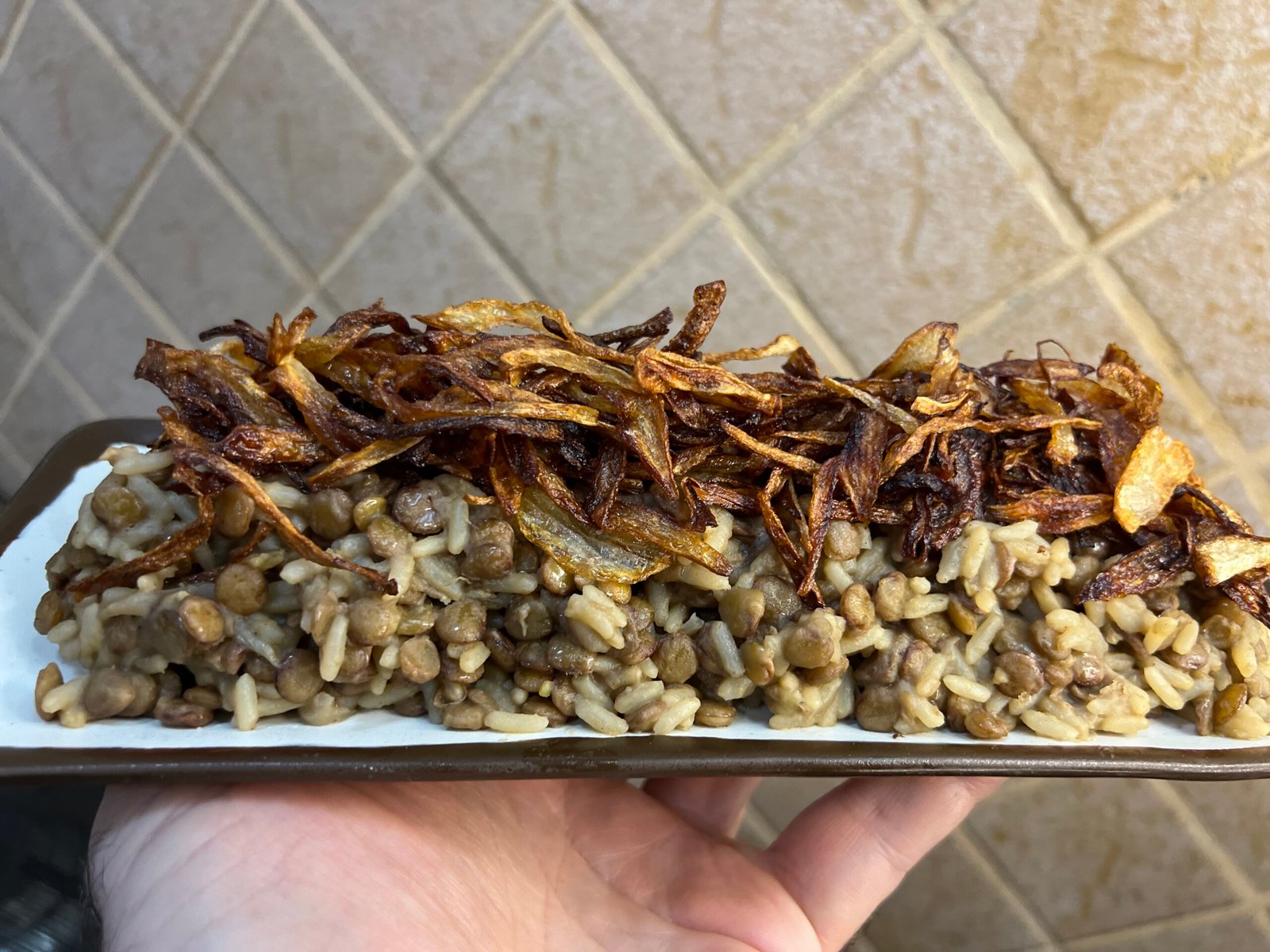
Lebanese Mdardara
Ingredients
Equipment
Method
- Peel and slice red onions into thin julienne strips (wings).
- Divide the onions into two portions: one for sautéing in the main dish and a larger portion for the crispy garnish.
- Thoroughly rinse the coarse brown lentils and soak them in water for about 15 minutes.
- Separately, rinse and soak the long-grain (American) rice for a similar duration.
- In a large pot, add a generous amount of olive oil.
- Add the first portion of onions and sauté them until they are softened and lightly browned.
- Drain the lentils and add them to the pot with the sautéed onions.
- Stir well so the lentils are coated in the onion-infused oil.
- Add salt early to the lentils; this helps them retain their shape and prevents them from becoming too mushy.
- Add a pinch of sweet pepper (allspice) for depth of flavor.
- Add water to the pot, bring to a boil, then reduce the heat and simmer until the lentils are about half-cooked (approximately 20–30 minutes).
- While the lentils simmer, heat oil in a separate deep frying pan or pot.
- Separate the remaining onion strips so they don’t clump. Fry the onions in batches until they are a deep golden brown.
- Remove the fried onions and place them on a paper towel-lined tray to drain excess oil.
- Sprinkle them with salt immediately while they are still hot to ensure they stay extra crunchy.
- Once the lentils are half-cooked, drain the soaked rice and add it to the pot.
- Ensure the water level is just slightly above the rice and lentils.
- Adjust with more hot water if necessary and add another pinch of salt.
- Cover the pot tightly and simmer on low heat for 15–20 minutes, or until the rice is tender and the water is fully absorbed.
- Fluff the Mdardara and transfer it to a serving platter.
- Top generously with the crispy caramelized onions.
- This dish is traditionally served with a fresh cabbage and tomato salad or a side of yogurt.
Video
How to Get Perfectly Crispy Fried Onions
The fried onions are what truly make Lebanese mdardara special. Their deep golden color and irresistible crunch add both texture and flavor to the dish. While frying onions may seem simple, a few small tricks can make a big difference.
Traditional Frying Method
The first method is the traditional one. Fry the onions in small batches over high heat. Avoid overcrowding the pan, as this lowers the oil temperature and prevents the onions from becoming crisp.
As soon as the onions turn golden brown, remove them from the oil and spread them on a paper towel to absorb any excess oil. Immediately sprinkle them with a little salt while they are still hot.
Once they have cooled slightly, transfer them to a separate plate before frying the next batch. This prevents the hot onions from steaming each other and helps them stay light, crispy, and crunchy.
Extra Crispy Cornstarch Method
For an even crispier result, you can use a second method. Toss the sliced onions with a small amount of cornstarch, making sure they are lightly coated. Shake off any excess cornstarch before frying.
Then fry them exactly as you would with the traditional method: in small batches, over high heat, until beautifully golden. Drain them on paper towels, season them immediately with salt, and allow them to cool separately. The thin coating of cornstarch creates an extra crunchy texture that many people love.
Whichever method you choose, patience is the key. Frying the onions in small batches and giving them space to cool properly will reward you with wonderfully crispy onions that stay crunchy long after they leave the frying pan.
Common Mistakes to Avoid
You should avoid a few simple mistakes when you prepare lebanese mdardara.
- Do not overcook the lentils because they will become too soft.
- Adding too much water is not recommended because the dish may turn mushy.
- Do not rush the onions because they need time to become crispy and flavorful.
Careful cooking helps you get the best result.
Storage and Reheating Tips
You can store Lebanese mdardara easily in the refrigerator for a few days. When you reheat it, you can add a little water and warm it slowly. You should keep the crispy onions separate if possible. Then you can add them fresh before serving to keep their crunch.
A Word from Chef François
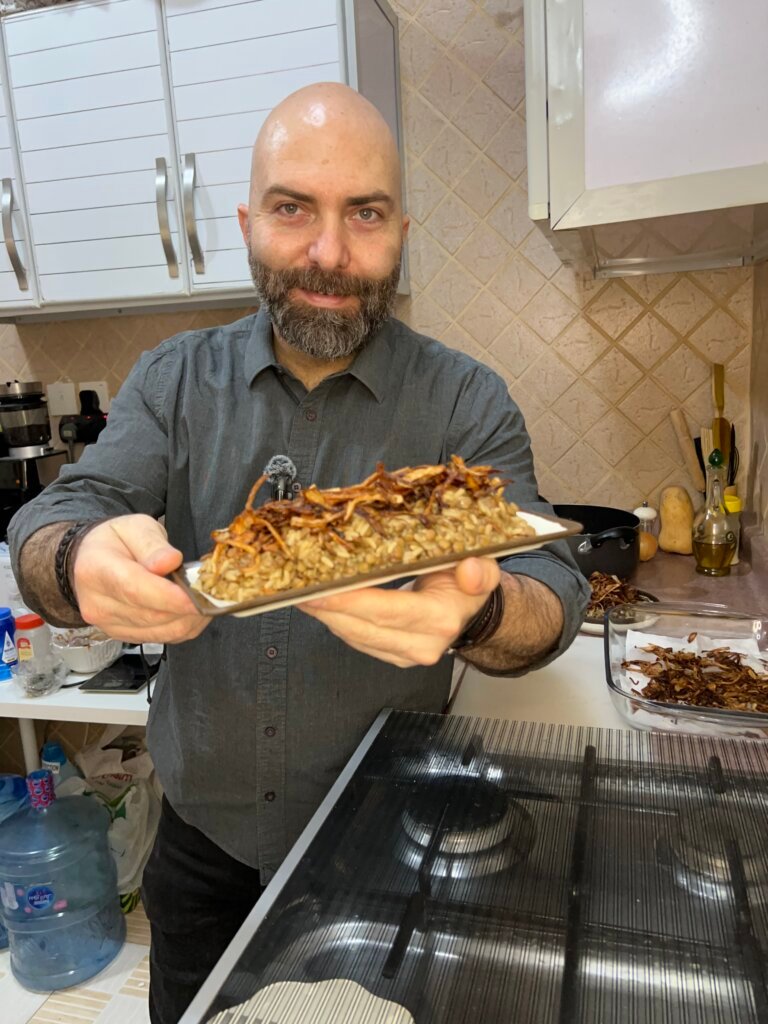
I always believe that simple food can create the best memories. Lebanese mdardara shows this idea clearly. This dish proves that you do not need complex ingredients to cook something special.
I invite you to try this recipe at home and enjoy its comforting taste. I also invite you to explore more recipes on my website and YouTube channel.

Chef François El Aaraj is a corporate chef and culinary consultant with more than 30 years of experience in professional kitchens and restaurant openings across Lebanon and abroad. Through this website, he shares authentic recipes, cooking techniques, and chef secrets designed to help home cooks create flavorful meals with confidence.
Leave a Reply