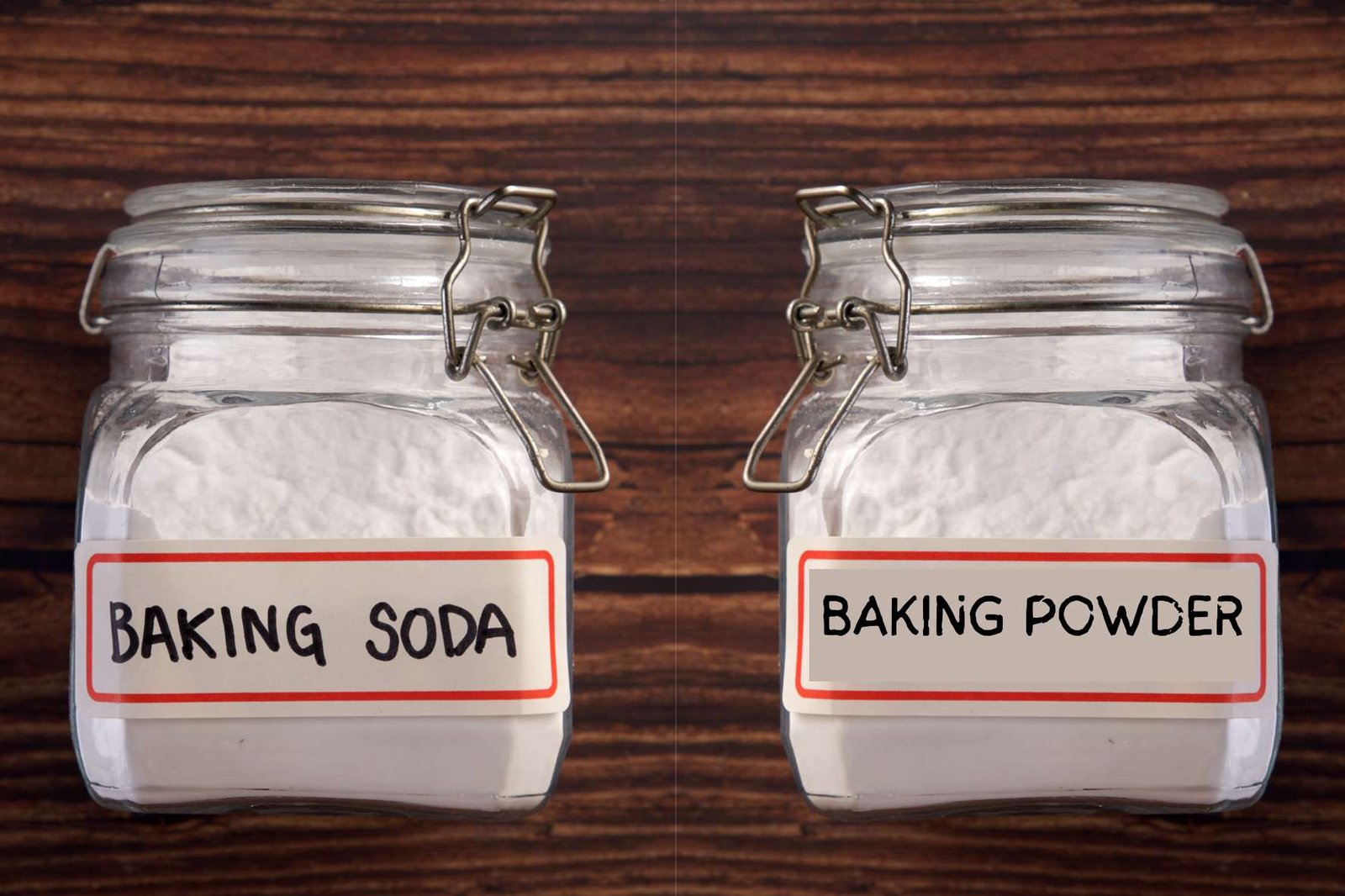
Have you ever started baking a cake, muffins, or cookies and paused for a moment when you reached the ingredients list and wondered which leavening agent to use? And what is the difference between baking soda vs baking powder.
The recipe asked for baking powder. You looked in your cupboard and found baking soda instead. They looked almost identical. Both were white powders. Both came in small containers. So you probably wondered what many home bakers wonder:
Can I use baking soda instead of baking powder?
I have heard this question countless times throughout my years in professional kitchens. In fact, I remember making the same mistake myself when I was still learning the science behind baking.
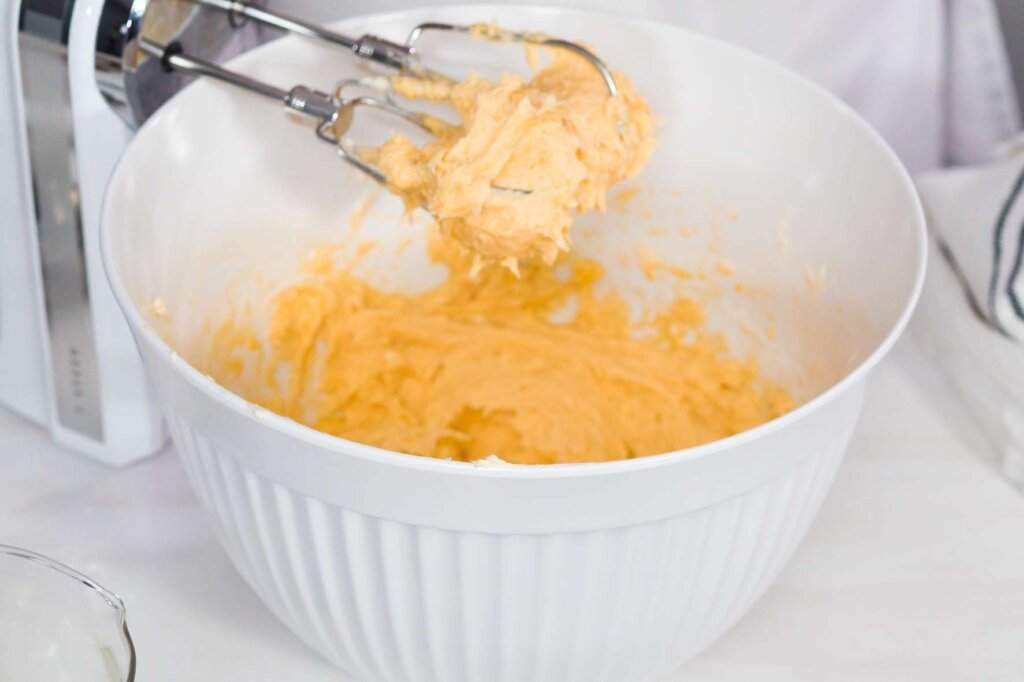
One afternoon, I decided to bake a simple vanilla cake. I was in a hurry, and I assumed baking soda and baking powder did the same thing. The cake looked beautiful when I poured the batter into the pan. However, after baking, it turned into a dense brick that nobody wanted to eat.
That disappointing cake taught me an important lesson. In baking, small ingredients can make a huge difference.
Today, I want to share everything I have learned about baking soda and baking powder in a simple and easy-to-understand way. By the end of this article, you will know exactly what each ingredient does, when to use it, how they affect your recipes, and why this knowledge becomes even more important when baking gluten-free desserts.
Why Understanding These Ingredients Matters
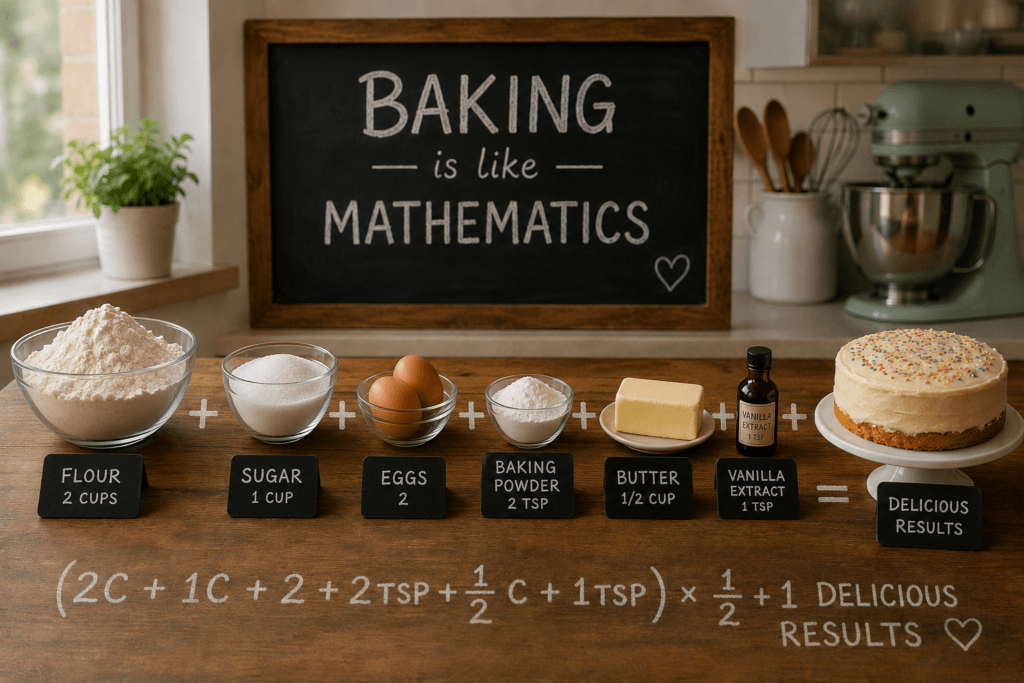
Many people think baking is complicated because it involves chemistry. While there is some science involved, the truth is much simpler.
Baking soda and baking powder are called leavening agents. Their main job is to help baked goods rise.
Without them, cakes become dense. Muffins stay flat. Pancakes lose their fluffiness. Cookies may spread too much or not enough.
Once you understand how these ingredients work, you gain much more control over your baking.
I often tell beginner bakers that learning the difference between baking soda and baking powder is like learning the alphabet before writing a story. It is one of the most important foundations of successful baking. So, let’s learn this difference:
1- What Is Baking Soda?
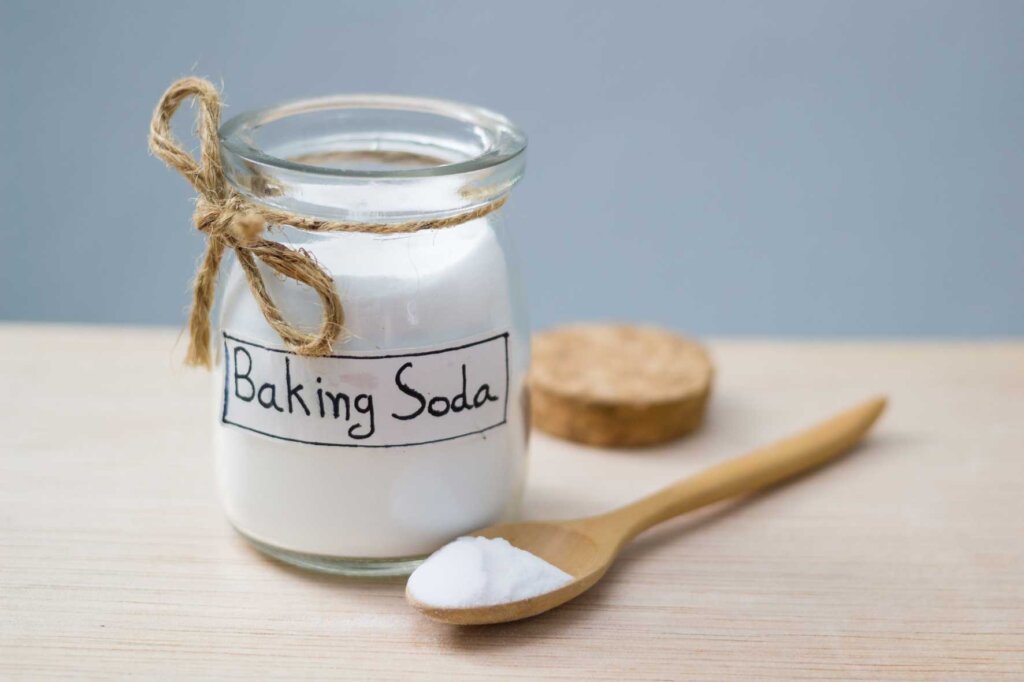
Baking soda is pure sodium bicarbonate.
It is a natural alkaline substance that creates carbon dioxide gas when it comes into contact with an acid.
That gas forms tiny bubbles inside the batter. As the batter bakes, those bubbles expand and help create a light texture.
However, baking soda cannot work alone.
It needs an acidic ingredient to activate it.
Common acidic ingredients include:
- Lemon juice
- Vinegar
- Yogurt
- Buttermilk
- Molasses
- Brown sugar
- Applesauce
- Cocoa powder
Whenever I see one of these ingredients in a recipe, I immediately expect to see baking soda nearby.
I remember teaching a young trainee chef who kept asking why his muffins never rose properly. We reviewed the recipe together and discovered he had forgotten the yogurt. The baking soda had nothing to react with, so the muffins remained heavy and compact.
That simple mistake taught him more than any textbook could.
2- What Is Baking Powder?
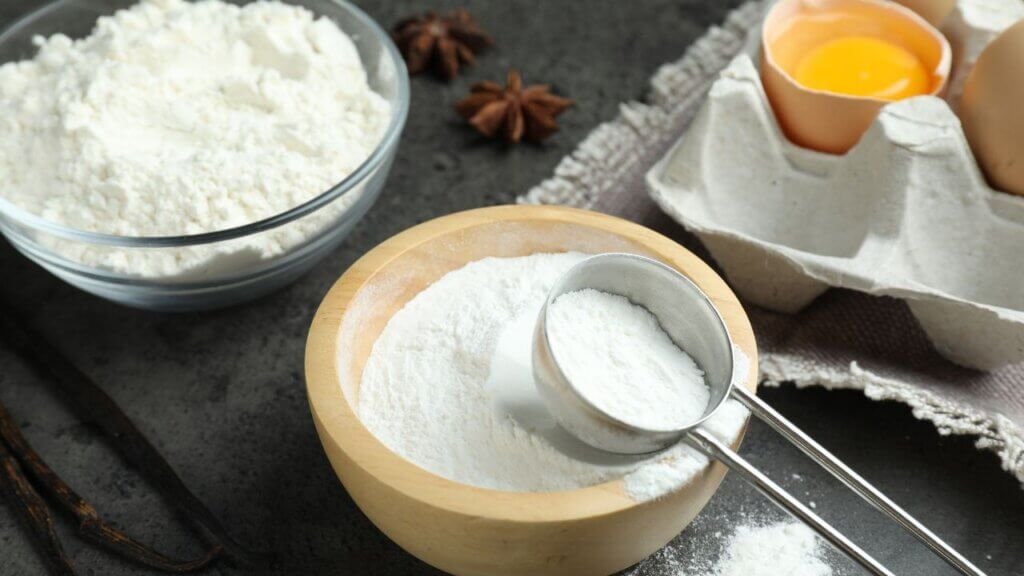
Baking powder is slightly different.
Think of it as baking soda’s more independent cousin.
Baking powder already contains:
- Baking soda
- One or more acidic ingredients
- A starch that helps keep everything stable
Because the acid is already included, baking powder only needs moisture and heat to start working.
This makes it extremely convenient.
Most baking powders sold today are double-acting. That means they create gas twice:
- First when they are mixed into the batter.
- Then again when the batter enters the oven.
This second reaction gives cakes and muffins an extra boost while baking.
Whenever I make sponge cakes, cupcakes, or recipes that contain very little acid, baking powder becomes my best friend.
3- The Simplest Way to Remember the Difference
If you only remember one thing from this article, remember this:
Baking soda needs acid. Baking powder already contains acid.
That is the easiest explanation.
Baking soda is only one part of the reaction.
Baking powder is the complete reaction package.
Whenever I teach cooking classes, I repeat this sentence several times because it immediately helps students understand which ingredient belongs in which recipe.
Why Some Recipes Use Both
This is where many people become confused.
If baking powder already contains baking soda, why do some recipes call for both?
The answer is simple.
Sometimes a recipe contains enough acid to activate some baking soda but not enough to create the amount of rise needed.
In that case, the recipe uses baking soda to neutralize the acid and improve flavor while using baking powder to provide extra lift.
One of my favorite examples is chocolate cake.
Many chocolate cakes contain cocoa powder, which is acidic. The baking soda reacts with the cocoa. However, the recipe may still need additional leavening, so baking powder joins the team.
The result is a cake that rises beautifully while maintaining a balanced flavor.
A Memory from My Kitchen
My Biggest Baking Soda Disaster
Years ago, while preparing a large batch of muffins, I made a mistake that I still remember today. It happened during one of those busy baking days when everything seems to be moving quickly, and confidence can sometimes lead to carelessness. Without realizing it, I accidentally doubled the amount of baking soda in the recipe.
At the time, I had no idea anything was wrong. The batter looked perfectly normal, and once the muffins went into the oven, everything appeared to be going according to plan. As they baked, the kitchen filled with the warm, comforting aroma that makes homemade muffins so irresistible.
When I finally pulled the trays out of the oven, I was thrilled. The muffins looked beautiful. They had risen wonderfully, developed a lovely golden-brown color, and looked exactly like the kind of bakery-style muffins anyone would be proud to serve. If baking were judged by appearance alone, they would have been a complete success.
Unfortunately, the first bite told a very different story.
Instead of the sweet, tender muffin I was expecting, I was greeted by an intense bitter taste and an unpleasant metallic flavor. The muffins looked perfect on the outside, but their flavor made them nearly impossible to enjoy. It was a disappointing moment, especially after investing time and ingredients into the batch.
That experience taught me a lesson I have never forgotten. Baking soda is an incredibly powerful ingredient. Even a small difference in quantity can dramatically affect the final result. Unlike many savory recipes, where a little extra seasoning can often be adjusted later, baking leaves very little room for correction once the ingredients are mixed together.
Since then, I have become much more careful when measuring leavening agents. In fact, whenever I teach beginner bakers, I often share this story as a reminder that successful baking is not only about creativity—it is also about precision. Every ingredient has a purpose, and even the smallest measurement can influence the texture, flavor, and overall quality of the finished product.
The muffins may have been a failure, but the lesson they taught me has improved every batch I have baked since.
What Happens If You Use Too Much Baking Powder?
While baking soda can create bitterness, too much baking powder creates different problems.
- Your baked goods may rise too quickly and then collapse.
- The texture may become coarse and uneven.
- The flavor may develop a strange chemical aftertaste.
I once tested a muffin recipe for a client and wondered why the muffins looked like miniature volcanoes.
The answer was simple.
Someone had added two tablespoons of baking powder instead of two teaspoons.
Small measurement errors can completely change a recipe.
Baking Soda vs Baking Powder in Cookies
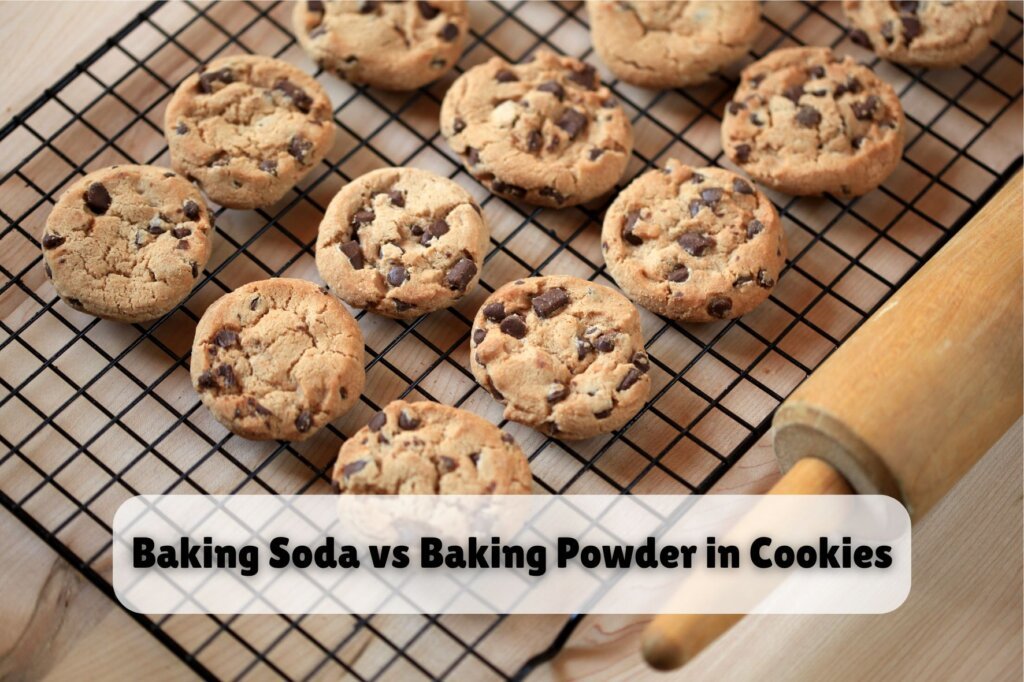
Cookies provide an excellent example of how these ingredients affect texture.
Baking soda often creates:
- Chewier cookies
- More browning
- Wider spreading
Baking powder often creates:
- Softer cookies
- Thicker cookies
- More cake-like textures
Whenever I want a classic chewy chocolate chip cookie, I usually lean toward baking soda.
When I want a softer cookie with a lighter texture, baking powder becomes more useful.
Baking Soda vs Baking Powder in Cakes
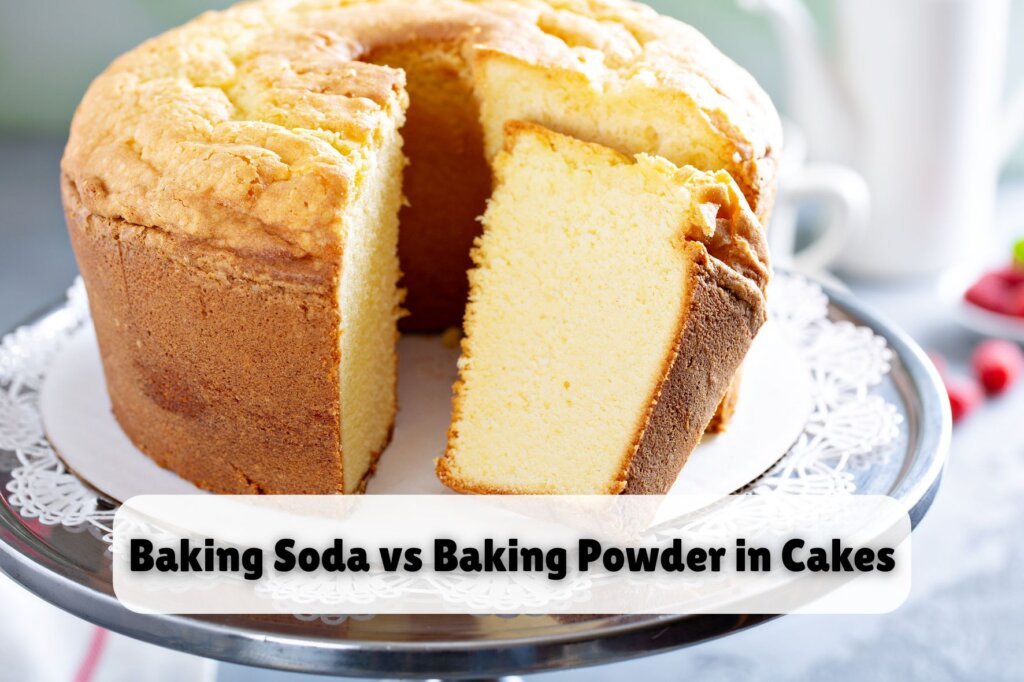
For cakes, the choice depends entirely on the ingredients.
Recipes containing yogurt, buttermilk, or lemon juice often use baking soda.
Recipes containing little acid usually rely on baking powder.
Many cakes use both.
The secret is balance.
Professional bakers do not randomly choose one or the other.
Every ingredient serves a purpose.
Baking Soda vs Baking Powder in Gluten-Free Baking
Gluten-free baking presents unique challenges.
Without gluten, batters often struggle to trap air and maintain structure.
This makes proper leavening even more important.
One thing many people do not realize is that pure baking soda contains only sodium bicarbonate and is naturally gluten-free.
Baking powder is also frequently gluten-free. However, some brands contain starches or may be processed in facilities that handle gluten-containing products.
For people with celiac disease or severe gluten sensitivity, checking labels carefully is always the safest approach.
Over the years, I have worked with several clients who needed gluten-free desserts.
One of the first things I taught them was to read ingredient labels, even on products that seem harmless.
Many people focus on flour but forget that small ingredients can also matter.
Fortunately, many manufacturers now clearly label their baking powder and baking soda as gluten-free.
Can You Substitute One for the Other?
Technically yes.
Practically speaking, it is not always ideal.
Baking soda is approximately three to four times stronger than baking powder.
If you substitute baking soda for baking powder, you must also add an acidic ingredient.
Likewise, replacing baking soda with baking powder often requires larger quantities.
Whenever possible, I recommend following the original recipe.
Recipe developers spend a great deal of time balancing ingredients for specific results.
How to Test If They Are Still Fresh
One of the most overlooked baking problems is expired leavening agents.
I have seen people blame recipes when the real culprit was a container sitting in the cupboard for three years.
To test baking soda:
Add a small amount to vinegar.
If it bubbles vigorously, it is active.
To test baking powder:
Mix a teaspoon with warm water.
If it fizzes immediately, it is still effective.
I make these tests regularly in my kitchen because fresh ingredients lead to more reliable results.
In Resume, When Should You Use Baking Soda and When Should You Use Baking Powder?
Understanding the difference between baking soda and baking powder is useful. However, knowing when to use each one is what truly helps you become a better baker.
When I first started creating my own recipes, I thought the choice between baking soda and baking powder was simple. If a recipe rose properly, I assumed I had made the right choice. Over time, I learned that the right leavening agent affects much more than rise. It influences flavor, color, texture, and even the overall character of the finished cake.
Whenever I develop a new recipe, I start by looking at the ingredient list. Before measuring a single gram of flour, I ask myself one important question:
Where is the acid coming from?
The answer usually tells me which leavening agent I should choose.
1- Use Baking Soda When the Recipe Contains Enough Acid
Baking soda needs an acidic ingredient to activate it. Without acid, it cannot perform properly.
Common acidic ingredients include:
- Yogurt
- Buttermilk
- Sour cream
- Lemon juice
- Orange juice
- Vinegar
- Molasses
- Brown sugar
- Applesauce
- Natural cocoa powder
If your recipe contains a significant amount of one or more of these ingredients, baking soda becomes an excellent choice.
For example, if I am creating a yogurt cake, a lemon loaf, or a chocolate cake made with natural cocoa powder, I usually include baking soda because it reacts with the acid already present in the recipe.
2- Use Baking Powder When There Is Little or No Acid
Sometimes a recipe contains very little acidity.
For example:
- Flour
- Butter
- Sugar
- Eggs
- Milk
- Vanilla extract
In this case, baking powder is usually the better option because it already contains the acid needed for the chemical reaction.
A classic vanilla cake often relies primarily on baking powder for its rise because the ingredients themselves do not provide enough acidity to activate baking soda efficiently.
3- What Happens If You Use Baking Powder Instead of Baking Soda?
This is where many bakers become confused.
Technically, a cake made with baking powder may still rise even if the recipe contains acidic ingredients. However, you may not achieve the best possible result.
When baking soda reacts with acid, it does more than create bubbles. It also neutralizes some of the acidity in the batter.
If you use only baking powder in an acidic recipe:
- The cake may taste slightly more acidic or tangy.
- The crust may brown less.
- The color may be paler.
- The texture may be slightly denser.
- The flavor may not be as balanced.
For example, imagine two yogurt cakes made with identical ingredients.
The first uses baking soda.
The second uses only baking powder.
Both cakes may rise, but the one made with baking soda will often have a better color, a more balanced flavor, and a lighter texture.
4- Why Do Professional Bakers Often Use Both?
Many of the best cake recipes use both baking soda and baking powder.
This is especially common in chocolate cakes, muffins, banana breads, and gluten-free desserts.
The baking soda reacts with the acidic ingredients and improves flavor, while the baking powder provides additional leavening power to create a lighter crumb.
For example, a chocolate cake containing yogurt and cocoa powder may use baking soda to neutralize the acidity and baking powder to provide extra lift.
The result is a cake that rises beautifully while maintaining a rich flavor and soft texture.
5- My Simple Rule of Thumb
If you are creating your own recipe from scratch, this simple guide can help:
No acidic ingredients?
→ Use baking powder.
Contains a good amount of acidic ingredients?
→ Use baking soda.
Contains acidic ingredients but also needs extra rise?
→ Use both baking soda and baking powder.
6- What About Gluten-Free Cakes?
When creating gluten-free cakes, I often use both ingredients.
Gluten-free flours do not trap air as effectively as wheat flour, so proper leavening becomes even more important.
A gluten-free yogurt cake, for example, benefits from baking soda because it reacts with the yogurt. However, I usually add baking powder as well to provide additional lift and create a lighter crumb.
This combination often produces a texture that is closer to a traditional wheat-based cake.
7- The Question That Helps Me Every Time
After many years in professional kitchens, I still ask myself the same question whenever I create a new baking recipe:
“Is there enough acid in this recipe to justify baking soda?”
If the answer is no, I usually choose baking powder. If yes, I consider baking soda. And, if the recipe contains substantial acidity and needs extra volume, I often use both.
This simple thought process has helped me create countless cakes, muffins, cookies, and gluten-free desserts with better flavor, better texture, and more reliable results.
A Word from Chef François

Throughout my culinary career, I have learned that the smallest ingredients often have the greatest impact.
Baking soda and baking powder rarely receive much attention. Most people focus on chocolate, vanilla, butter, or flour. Yet these tiny ingredients often determine whether a recipe succeeds or fails.
Every baker has experienced disappointment at some point. I certainly have. I have baked cakes that collapsed, cookies that spread too much, and muffins that tasted terrible because of simple leavening mistakes.
Those experiences taught me valuable lessons that I still carry into the kitchen today.
The next time you read a recipe, take a moment to look at the leavening ingredients. Understanding why they are there will make you a more confident baker and help you achieve better results every time.
Whether you bake traditional desserts, gluten-free treats, family cakes, or special holiday recipes, knowing the difference between baking soda and baking powder is one of the most useful skills you can learn.
And sometimes, the difference between a perfect cake and a disappointing one really does come down to a single teaspoon.
If you enjoyed this cooking tip, be sure to explore more kitchen advice, culinary techniques, and practical recipes throughout the website. You can also watch my step-by-step cooking videos for additional tips, professional techniques, and restaurant-style recipes made simple.

Chef François El Aaraj is a corporate chef and culinary consultant with more than 30 years of experience in professional kitchens and restaurant openings across Lebanon and abroad. Through this website, he shares authentic recipes, cooking techniques, and chef secrets designed to help home cooks create flavorful meals with confidence.

Leave a Reply